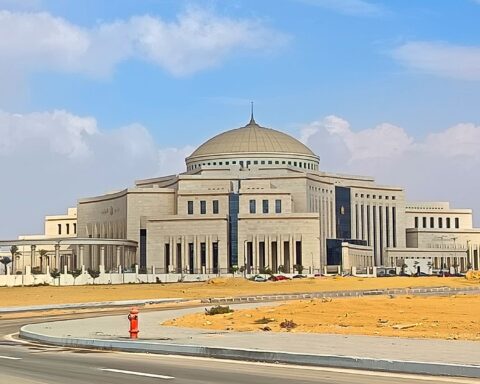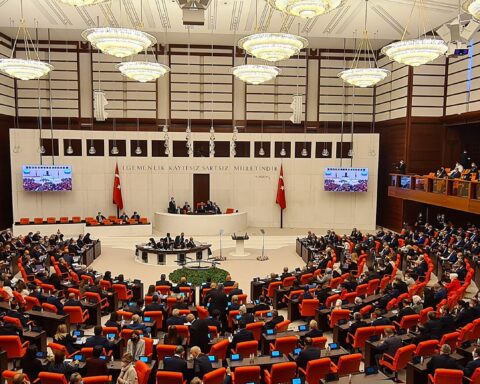

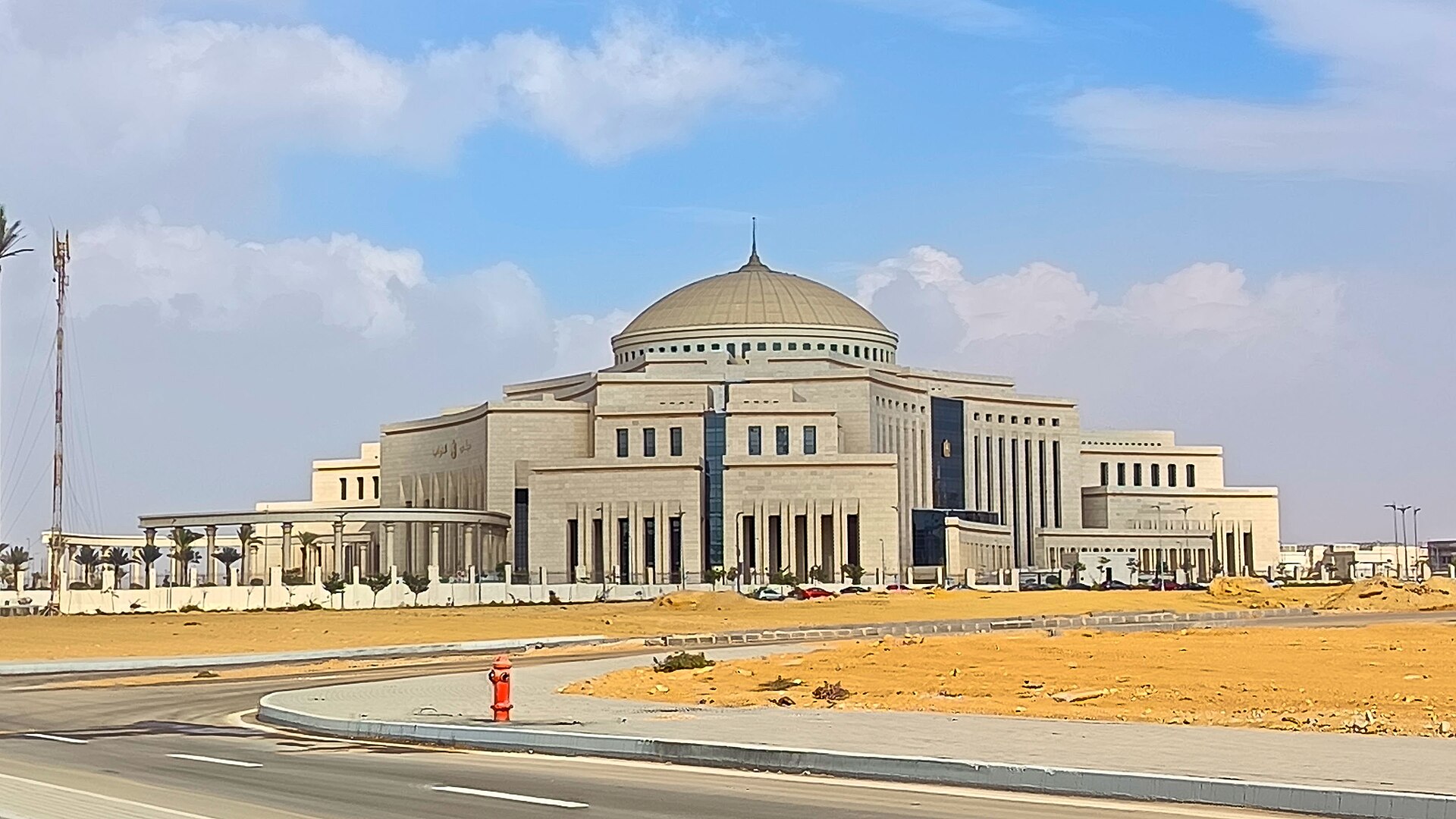
CAIRO — Egypt’s House of Representatives is scheduled to vote on October 26 on President Abdel Fattah el-Sisi’s request for authorisation to send military support to Saudi Arabia, a measure that needs 398 of the chamber’s 596 votes to pass under Article 152 of the constitution. The vote was originally set for October 19, and MPs confirmed to AFP that it had been pushed back by one week, according to TBSnews and The New Arab.
The vote will decide whether Egypt’s president has a mandate to put forces behind the defence of Saudi Arabia. Two opposition blocs have said they will not back it, at least two MPs from parties that support it have announced personal dissent, and the Houthi movement has sent warnings to Egypt’s parliament through both its political bureau and its own legislature. Egypt is not a signatory to the Mecca Joint Defence Agreement that binds Saudi Arabia, Turkey and Pakistan, so whatever Cairo sends, it sends under its own constitution and its own vote.
Table of Contents
What did Sisi ask parliament to approve?
Sisi put the request to parliament on October 17, and he framed it narrowly. “I’m not talking about confronting or attacking anyone,” he said, according to the Associated Press, as reported by Fortune. “We’re talking only about defence.” (Our earlier report on Sisi’s request covers the first days after it was sent to the chamber.)
The House of Saud Daily Briefing
Saudi Arabia's news in 3 minutes, every morning. Free. See today's issue
A day later, on October 18, Egypt’s National Defence Council approved what Gulf News described as “all necessary and possible forms of support” to Saudi Arabia. The council’s statement did not say whether that support would include ground troops, and it gave no numbers. That gap — a mandate with no stated size, mission or end date — is the thing opposition MPs have seized on since.
Sisi’s public language on the same day left little doubt about the direction of travel. “It is inconceivable that we would allow Saudi Arabia, its security or stability to be harmed,” he said, according to The National. The line echoed a statement from Egypt’s presidency after Crown Prince Mohammed bin Salman met Sisi in Cairo on September 15, which said Saudi and Gulf security was “inseparable from Egypt’s,” as Asharq Al-Awsat reported at the time.
The session itself will be closed, at the president’s request, according to Al Hurra.
Can the request clear 398 votes?
On paper, the government has the numbers. The pro-government National Unified List won 403 or more elected seats in the 2025 parliamentary election, according to results compiled on Wikipedia: Nation’s Future holds 227, Homeland Defenders 86, the National Front 65 and the Republican People’s Party 25. The opposition holds 53 elected seats, Al Hurra reported, citing Egypt’s State Information Service figures from January 2026.
| Bloc / party | Seats | Stated position on Saudi mandate | Source |
|---|---|---|---|
| Nation’s Future | 227 | Pro-government list | Wikipedia (2025 election) |
| Homeland Defenders | 86 | Pro-government list | Wikipedia (2025 election) |
| National Front | 65 | Pro-government list | Wikipedia (2025 election) |
| Republican People’s Party | 25 | Pro-government list | Wikipedia (2025 election) |
| Egyptian Social Democratic Party | 11 | Directing abstention | The New Arab; TBSnews |
| All opposition (elected) | 53 | Mixed; Civil Democratic Movement rejects any role | Al Hurra |
| Threshold (two-thirds of 596) | 398 | — | Al Hurra |
The arithmetic is tighter than the headline totals suggest. Taken alone, the four list parties clear the threshold by five seats on paper. Everything beyond that depends on presidential appointees, smaller parties and, above all, attendance — a two-thirds requirement counts the full membership, so an MP who stays home or abstains has the same effect on the tally as one who votes no.
That is the mechanism the Egyptian Social Democratic Party has chosen. Its 11 MPs have been directed to abstain, according to The New Arab and TBSnews, because the government has disclosed no “objectives, duration, cost, or risks to Egyptian troops.” The Civil Democratic Movement, an opposition coalition, went further, rejecting “any Egyptian role in a regional war” and calling for mediation instead, Al Hurra reported.
The dissent has not stayed inside the opposition. Mohamed Abdel-Alim Dawoud, an MP from the Wafd party, announced he would abstain even though his party backs the request, according to Al Hurra. MP Maha Abdel Nasser described the mandate as “open-ended and ambiguous,” Egypt Independent reported.
Supporters have answered with geography rather than detail. “For us, Saudi Arabia is an integral part of Egypt’s own national security,” MP Mostafa Bakry said, according to Ynetnews. MP Reda Abdulsalam offered the most specific description of the mission yet heard from a lawmaker: Egyptian forces would only defend vital facilities, airports and water and electricity plants, “without sending Egyptian soldiers to Yemen,” he told New Lines Magazine. Neither the presidency nor the National Defence Council has put those limits in writing.
Bakry also gave the clearest account of why the vote slipped a week. He said Foreign Minister Badr Abdelatty had discussed a settlement initiative with Iranian Foreign Minister Abbas Araghchi, and cited those talks as the reason for the delay, according to Al Hurra. No outcome from those discussions has been announced.
The Wafd case shows where the pressure sits. The party has backed the request; one of its own MPs has said publicly he will not. Party discipline in a two-thirds vote is measured not by how many members vote no, but by how many fail to vote yes, and the pro-government list starts the day with little room for absences.
For us, Saudi Arabia is an integral part of Egypt’s own national security.
Mostafa Bakry, Member of Egypt’s House of Representatives
How have the Houthis answered Egypt?
The Houthi movement has run two messages at once, and they point in different directions. The first is moral. Mohammed al-Bukhaiti, a member of the movement’s political bureau, said “any direct or indirect participation constitutes participation in the crime and injustice against Yemen,” according to New Lines Magazine. The phrase “direct or indirect” matters: it closes off the distinction Reda Abdulsalam and Sisi have both tried to draw between defending Saudi installations and fighting in Yemen.
Al-Bukhaiti then softened the tone in an interview with Al-Araby TV. “We do not expect Egypt to become involved in aggression against Yemen,” he said, according to Ynetnews. “Egypt is bigger than that.”
The second message came through formal channels and was harder. Yahya Ali al-Ra’i, speaker of the Houthi-run parliament in Sanaa, wrote directly to Egypt’s House Speaker Hisham Badawi. Egypt should not be dragged “into the same trench as the takfiri forces and the Israeli occupation entity,” al-Ra’i wrote, according to The National and Xinhua, and involvement “would pose a grave danger to its national security and internal stability.”
The letter went to the chamber whose members will cast the votes, not to the presidency that drafted the request. The Houthis have not, in any of the published statements, specified what action they would take against Egypt if the mandate passes.
The warnings to Cairo sit alongside the wider exchange of fire covered elsewhere on this site: missile alerts over Makkah and Madinah, Houthi claims against Saudi oil facilities and airports, and coalition strikes on Sanaa and Mocha.
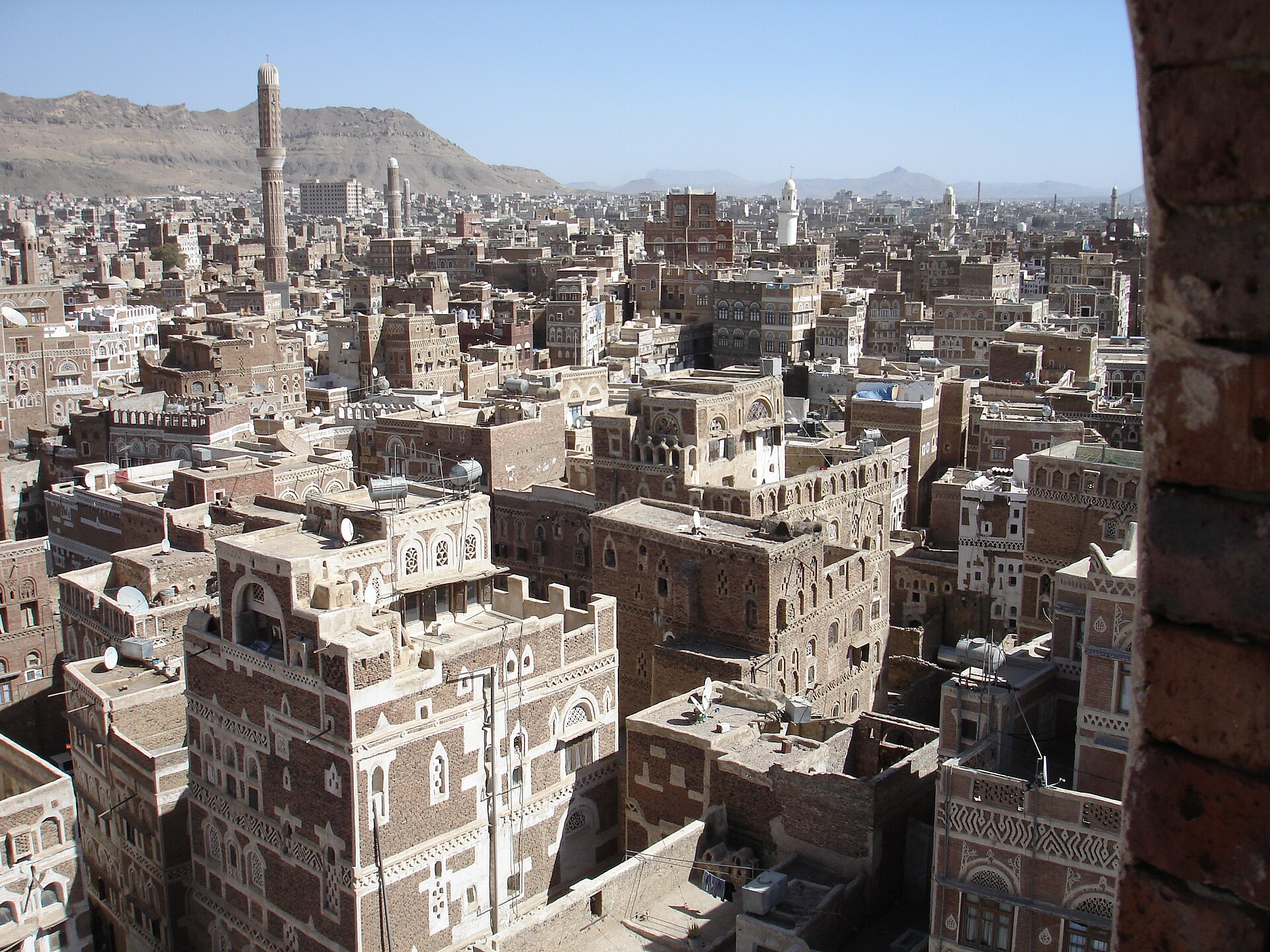
Pakistan deployed without a vote, Turkey has not ratified
The two countries that did sign the Mecca Joint Defence Agreement, on August 7, 2026, have taken very different paths to putting forces in Saudi Arabia. A committee under the pact agreed to deploy Pakistani and Turkish forces, Al Jazeera reported on October 6.
Pakistan moved first. It deployed about 8,000 troops to Saudi Arabia without a parliamentary vote, according to The Media Line, citing Reuters (our report on the Pakistani deployment has further detail). It is a reversal of Pakistan’s own precedent: in 2015 Pakistan’s parliament rejected involvement in the Saudi-led coalition, while the 2026 deployment bypassed parliament under Field Marshal Asim Munir, Modern Diplomacy reported on October 8.
Turkey sits between the two. Its parliament received the text of the pact for ratification on October 20, Al Jazeera reported, and had not ratified it as of that report.
| Country | Mecca pact signatory? | Parliamentary route | Status (per latest cited report) | Source |
|---|---|---|---|---|
| Pakistan | Yes (August 7, 2026) | None; parliament bypassed | About 8,000 troops deployed | The Media Line/Reuters; Modern Diplomacy |
| Turkey | Yes (August 7, 2026) | Pact ratification | Text received October 20; not ratified | Al Jazeera |
| Egypt | No | Article 152 vote, two-thirds required | Vote scheduled October 26 | Al Hurra; TBSnews |
Egypt’s route is the slowest of the three and the most exposed. Pakistan’s deployment went ahead with parliament on the sidelines; Turkey’s ratification is in the hands of its legislature while the pact committee plans. Sisi, by contrast, needs a supermajority in a chamber where even members of his supporting parties have gone on record against the open-ended wording.
Why Yemen in 1962 hangs over the vote
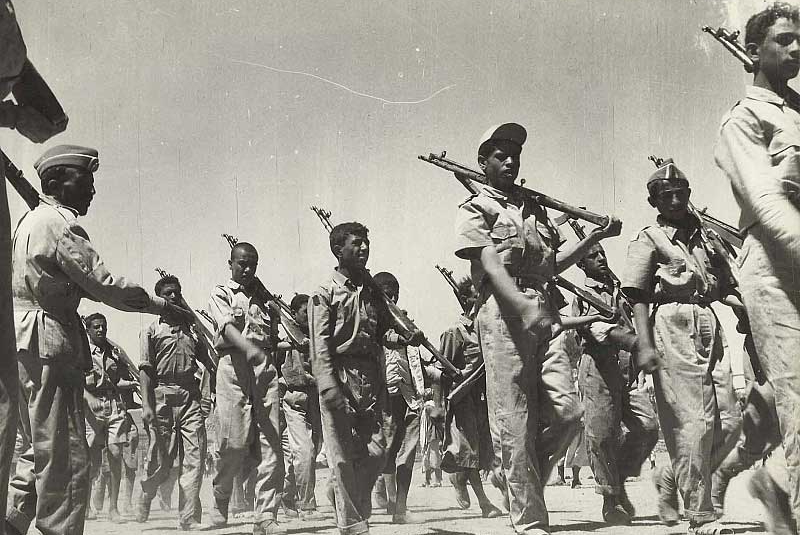
The last time Egypt sent an army to Yemen, the numbers ran away from its planners. During the North Yemen civil war of 1962 to 1970, Egypt deployed roughly 70,000 soldiers, according to Foreign Policy. Gamal Abdel Nasser later summed up the escalation himself: “I sent a company to Yemen and ended up reinforcing it with 70,000 troops.” Estimates of Egyptian dead range from about 15,000 to 26,000, according to figures compiled on Wikipedia — a spread that itself says something about how poorly the war was documented.
Ahmad Dahshan, of the Center of Arabic Eurasian Studies, told Al Jazeera that any deployment would likely be limited to protecting Saudi territory, and pointed to that history directly: “Egyptian troops were killed there.”
Egypt’s most recent involvement was more limited. When the Saudi-led coalition formed in 2015, Egypt’s role was primarily naval, in the Red Sea, alongside air force strikes, Al Arabiya reported at the time.
Dahshan’s reading of the likely mission matches the one Reda Abdulsalam has given inside parliament — installations on Saudi soil, not operations in Yemen. Neither is a government document. The National Defence Council’s wording, “all necessary and possible forms of support,” is the only text the state has published, and it carries none of the limits that supporters describe when they speak to reporters.
Mohammed al-Qadhi, a Yemeni conflict analyst, told Al Jazeera that Yemen’s recognised government needs “political, economic, and logistical support more than manpower.” Shady Ibrahim, of the Centre for Islam and Global Affairs at Istanbul Sabahattin Zaim University, was blunter in an opinion piece for Middle East Eye. “Cairo risks committing military power without defining its objectives or exit strategy,” he wrote, adding that “military superiority cannot compensate for an undefined political destination.”
What Egypt’s economy has riding on Saudi Arabia
The vote is taking place against a backdrop of Saudi money and Egyptian losses. Saudi Arabia plans to deposit $5.3 billion into Egypt’s Central Bank, plus $267.39 million in interest, TBSnews reported on October 20. The report did not tie the deposit to the parliamentary vote, and neither government has linked the two publicly.
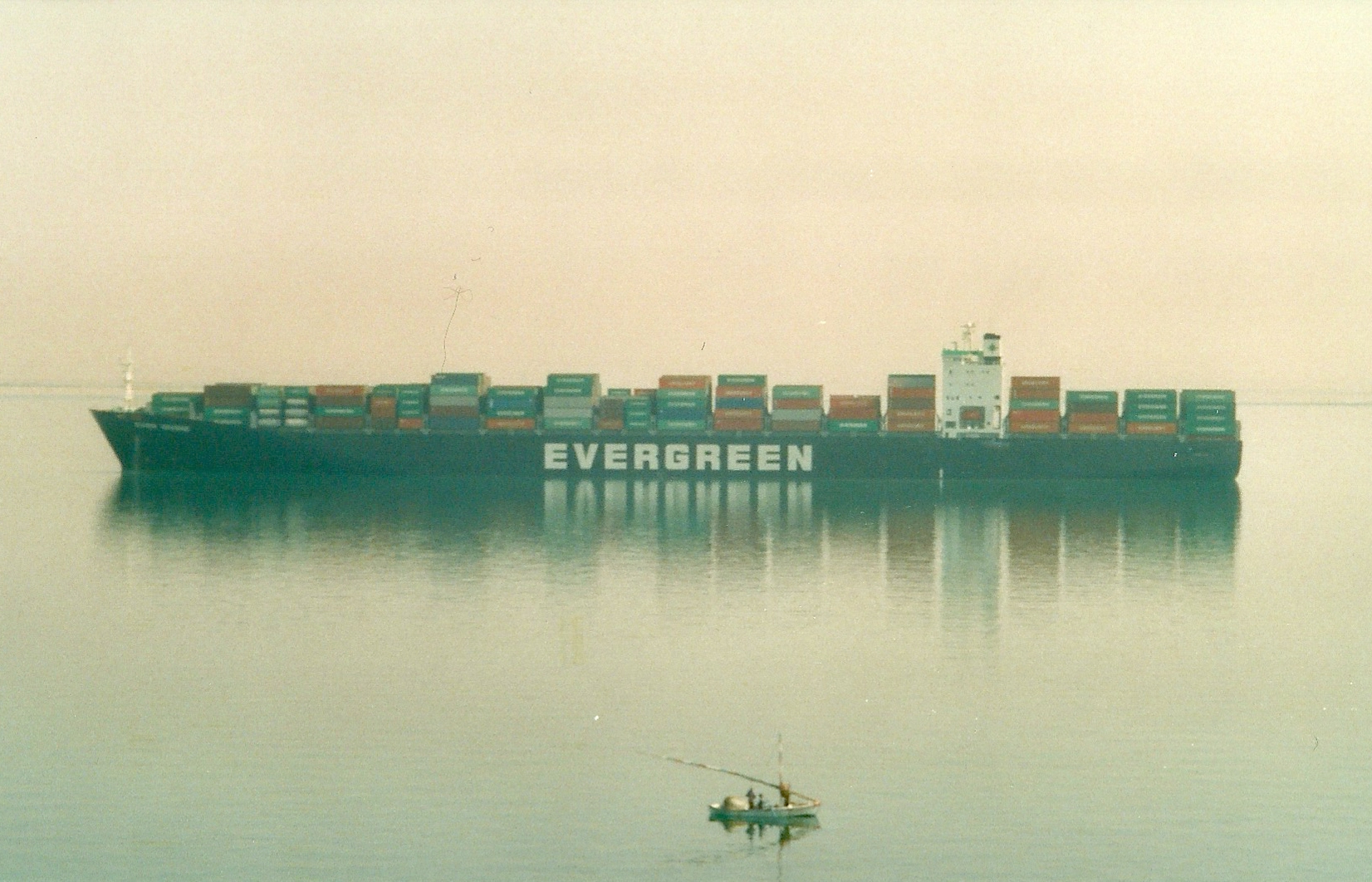
Egypt’s own revenues have been squeezed by the same conflict. The Suez Canal has lost about $11 billion in revenue since 2023, analyst Thomas Bonnie James told TBSnews. Sisi has put the wider cost higher: Egypt has lost around $20 billion in potential revenue because of regional instability, he said, according to Al Jazeera.
Those figures cut both ways in the debate. Supporters argue that a secure Saudi Arabia and a quieter Red Sea are Egyptian interests in their own right. Opponents of the mandate counter that a long deployment would add a new cost to an economy that is already carrying the war’s bill, without any disclosed estimate of what that cost would be — the gap the Social Democratic Party named when it listed “cost” among the things the government had not disclosed.
Diplomatic backing for Riyadh (see our coverage of the UN Security Council statement) has not settled the questions MPs have raised in Cairo: how many Egyptians would go, for how long, and where.
Frequently Asked Questions
What happens if the vote falls short of 398?
Under Article 152, if the request fails to win two-thirds of parliament’s members, it is rejected, according to Al Hurra and an opinion analysis in Middle East Eye.
How is Egypt’s House of Representatives made up?
The chamber has 596 seats: 568 elected members and 28 appointed by the president, according to results from the 2025 parliamentary election compiled on Wikipedia. The appointed members count towards the two-thirds total, which is calculated on full membership rather than on those present.
How many Egyptians live in Saudi Arabia?
Egyptians make up about 11% of Saudi Arabia’s foreign population, making them the fourth-largest expatriate community in the kingdom, according to New Lines Magazine.
Has Egypt renewed a Gulf military mandate before?
Yes. In August 2015, Egypt’s National Defence Council extended the mandate for Egyptian forces operating in the Gulf and Red Sea for six months, Al Arabiya reported at the time. That mandate covered Egypt’s participation in the Saudi-led coalition, which was mainly naval and aerial.
The House of Saud Daily Briefing
Saudi Arabia's news in 3 minutes, every morning. Free. See today's issue