
RIYADH — King Khalid International Airport opened for limited service on Sunday, October 25, after a two-week closure, and the international airlines that used to fill its gates told Saudi Arabia they weren’t coming back — not yet, and in some cases, not until 2027. Hours after the General Authority of Civil Aviation declared Riyadh’s main airport partially operational, Houthi military spokesman Yahya Saree warned on X that KKIA “is unsafe and serves as a military target for our forces,” a message reported by AFP and published by Dawn that gave every carrier still weighing a return one more reason not to.
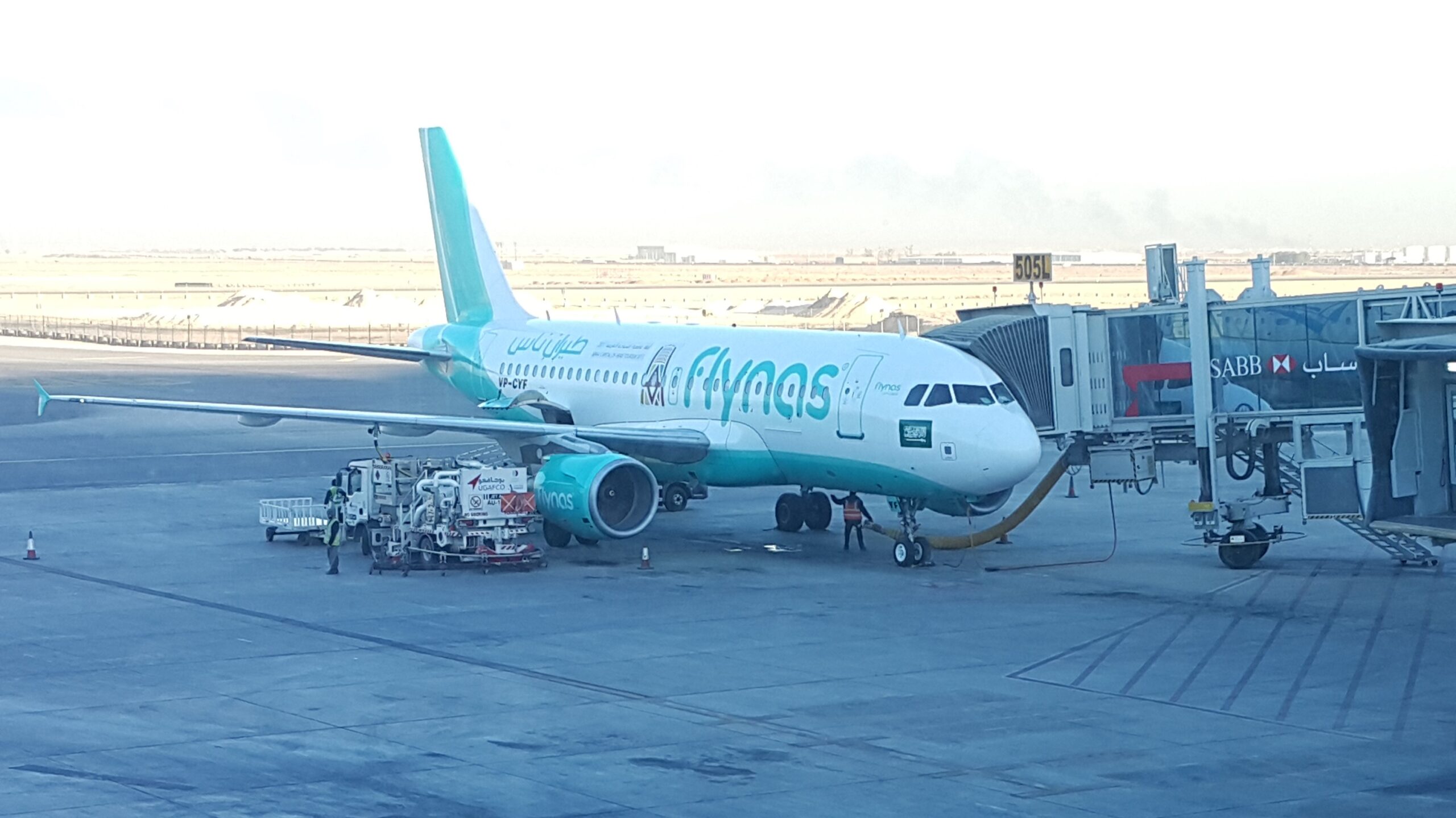
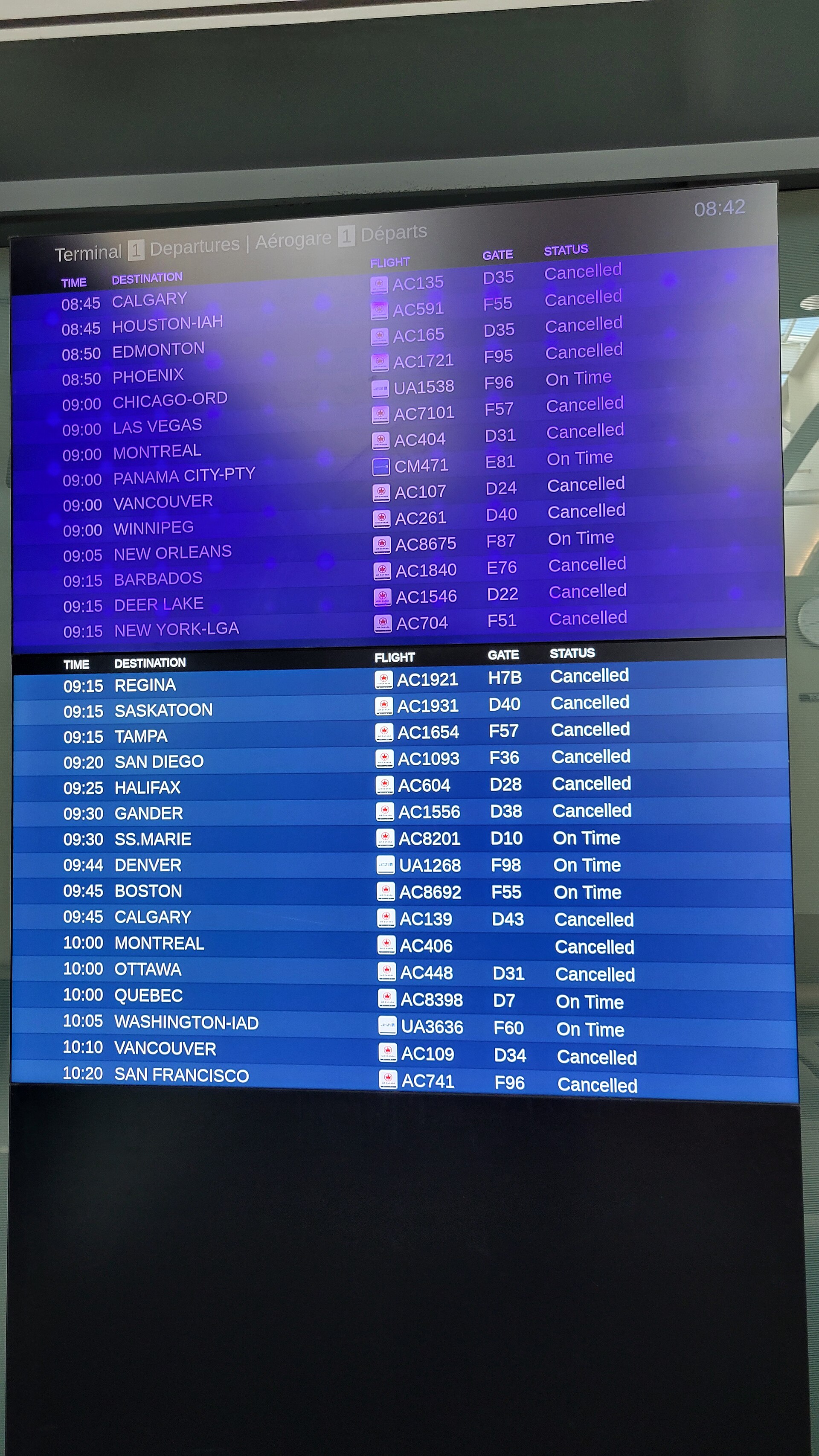
At least 19 named international carriers have extended their flight suspensions past the GACA reopening date, according to the National, with return dates stretching from late October through March 2027. Only Saudi carriers — Saudia, flynas, flyadeal and Riyadh Air — were operating, and volume was thin: GACA assigned Terminal 1 to domestic flights and Terminal 2 to international services by Saudi national carriers only, with passengers told to check with their airline before travelling, a caveat that for most international routes amounted to an admission that the flights did not exist.
Table of Contents
What Did the Houthis Say About Riyadh Airport?
Saree’s statement left no ambiguity: KKIA “is unsafe and serves as a military target for our forces,” and “the Saudi regime shall bear the consequences of any operations at the airport,” he wrote, in a post reported by AFP and published by Dawn on October 25. He gave no timeframe for the threat and named no specific weapon system, according to Dawn — making it open-ended in precisely the way that airline risk committees cannot plan around, because there was no window to wait out and no declared objective that might be satisfied.
The House of Saud Daily Briefing
Saudi Arabia's news in 3 minutes, every morning. Free. See today's issue
The warning landed on a day when Saree claimed Houthi strikes across the width of the country. He said his forces targeted KKIA, King Fahd International Airport in Dammam, Najran Airport, Khamis Mushait Airbase, the Aramco facility at Yanbu, the Rabigh refinery and the East-West oil pipeline, according to ANI via the Tribune India. The Saudi-led coalition reported intercepting at least 10 ballistic missiles across southern regions that day, along with two drones and a ballistic missile aimed at Riyadh and a cruise missile targeting Khamis Mushait, per the Nation Pakistan. Whether any of Saree’s claimed strikes reached their targets was not confirmed by coalition sources, and the coalition did not address the individual target claims in its public statements.
Reuters reported separately that the Houthis “vowed to keep striking” the airport. The timing was not incidental — Saree’s warning dropped on the day GACA had chosen to signal normality, and it directly contradicted the premise of the reopening. The airlines, for their part, had been extending suspensions all week, and Saree’s statement landed on decisions that were already made and reinforced them with a public threat that no carrier’s legal or communications team could ignore.
Which Airlines Are Still Refusing to Fly?
The scope of the refusal is best understood through the airlines’ own words. Etihad Airways cancelled Abu Dhabi–Riyadh, Abu Dhabi–Dammam and selected Jeddah services through November 5 “owing to the regional disruption,” according to the National. Philippine Airlines suspended its Riyadh flights PR654 and PR655 until November 29, “citing the security situation at King Khalid International Airport” specifically. SalamAir extended its Muscat–Riyadh and Muscat–Dammam cancellations through October 31 “citing regional security developments,” also per the National. These are not vague corporate hedges — the carriers name the airport and the security situation directly.
| Airline | Route(s) affected | Suspended until |
|---|---|---|
| Delta Air Lines | Atlanta–Riyadh (new route) | March 2027 |
| Cathay Pacific | Riyadh | Jan 31, 2027 |
| Scoot | Singapore–Jeddah | Dec 2 |
| Akasa Air | Riyadh | Nov 30 |
| Lufthansa | Riyadh / Dammam | Nov 18 / Nov 30 |
| Philippine Airlines | Riyadh (PR654/655) | Nov 29 |
| Emirates | Riyadh, Dammam / Jeddah | Nov 8 / Oct 30 |
| Air France | Riyadh, Dammam | At least early Nov |
| Air India / AI Express | Riyadh, Dammam | Nov 7 |
| Etihad | Riyadh, Dammam, Jeddah | Nov 5 |
| British Airways | Riyadh | Nov 3 (one daily) |
| KLM | Riyadh, Dammam | Nov 1 |
| IndiGo | Riyadh | Oct 31 |
| Oman Air / SalamAir | Riyadh, Dammam | Oct 31 |
| Air Arabia | Sharjah–Riyadh, Abha, Dammam, Taif | No end date set |
| flydubai | Riyadh | Oct 30 |
| Qatar Airways | Riyadh | Status unclear |
| PIA | Riyadh | No end date set |
Source: the National, TravelMole and Tribune India, October 24–25, 2026. Saudi carriers Saudia, flynas, flyadeal and Riyadh Air operating limited services.
The pattern is consistent: carriers that had initially suspended through mid-October rolled their cancellation windows forward, often by three to six weeks, and the further away the airline’s home base, the longer the suspension tends to run. Delta did not extend an existing route — it postponed an entirely new Atlanta–Riyadh service, originally due to launch October 23, to March 2027, citing “evolving developments in the region,” according to the National. Cathay Pacific pulled out through January 31, 2027. Pakistan International Airlines set no end date at all. No confirmed foreign carrier completed a revenue flight from KKIA after the partial reopening, and Flightradar24 showed only a handful of departures on the first day, all operated by Saudi carriers, according to TravelMole. For those tracking whether it is currently possible to fly to or through Saudi Arabia, our Saudi Arabia travel status page carries the latest government advisories and airline updates.
The Financial Toll
The financial damage started long before the reopening announcement. Aircraft parked at KKIA fell from 134 on October 8 to 38 by midday October 14 — a 72% reduction — as airlines relocated their fleets away from Riyadh, according to AviationA2Z citing Flightradar24 data. Six aircraft were damaged in the October 8–10 attacks — including a Riyadh Air Boeing 787 insured for more than $130 million on its own, according to AviationA2Z — with a combined insured value of approximately $375 million per an internal insurance assessment reviewed by the Wall Street Journal, and airlines moved aircraft worth up to $4 billion away from the capital in the days that followed.
“A single strike on a busy hub could cause exactly the kind of concentrated loss war insurers fear most.”
Marcos Alvarez, managing director, Morningstar DBRS
The insurance market’s response has combined with the European and American aviation warnings to create a barrier that GACA’s reopening declaration cannot, by itself, dismantle: underwriters price the risk, regulators flag the airspace, and airline boards — which answer to shareholders rather than to Saudi aviation policy — will not resume until the exposure justifies the return. The $4 billion in aircraft that airlines relocated away from Riyadh represents not just a financial hedge but a logistical one, because once a carrier moves its metal to a safe base, the operational cost of repositioning it back to KKIA becomes another line item that needs approval before any route restarts.
What Keeps Airlines Away Beyond the Houthi Threat?
Even carriers willing to absorb the commercial risk face a regulatory environment that makes flying into Riyadh difficult on paper before any missile enters the equation. Two NOTAMs issued on October 17 remain in force with no expiry date: A3650/26 requires all arriving and departing aircraft at KKIA to obtain prior GACA permission, and A3651/26 bars Riyadh as a planned diversion airport, according to AerospaceGlobalNews. The second restriction alone constrains routing options across the Arabian Peninsula — no flight plan over the region can name Riyadh as an alternate, which affects carriers that do not even serve the airport.
The European Union Aviation Safety Agency’s Conflict Zone Information Bulletin CZIB-2026-09-R1, revised October 9, recommends avoiding designated areas within the Jeddah Flight Information Region and runs until November 16, according to EASA. The FAA issued a separate NOTAM warning of risk to aircraft at all altitudes, valid until December 10, per Zawya. Between them, the two regulators whose guidance most international carriers follow both effectively advise staying away from Saudi airspace — and an airline that flies into a flagged zone takes on additional liability and insurance exposure that no risk committee approves voluntarily. Until those bulletins are revised or allowed to expire, the regulatory environment is as much a barrier to resumption as the Houthi missiles themselves. For passengers navigating the current terminal restrictions and operating carriers at KKIA, our airport guide for Saudi Arabia covers the latest status.
The Strikes That Closed KKIA
The airport’s crisis traces to September 19, when smoke rose near KKIA in what appeared to be the first Houthi strike on Riyadh in the current escalation, reported by Reuters via the Kathmandu Post. Before September, the Houthi campaign had concentrated on southern cities — Khamis Mushait, Abha, Taif — but the pivot to Riyadh raised the stakes for the kingdom’s capital and its commercial infrastructure. The campaign then escalated through October with devastating speed: strikes on KKIA and Abha in early October killed three people and wounded 36, according to the BBC, and two further attacks on KKIA on October 8 killed three more, including Saudia captain Hamoud Ali Al Kalthami, per the Gulf Daily News.
The deadliest attack came on October 10, when a strike on KKIA killed 13 people and wounded more than 300 — Al Jazeera reported 309 injured, the BBC 308. The following day, a projectile hit Terminal 4, killing a Pakistani resident and injuring 11, according to GACA as reported by Arab News, and GACA extended the airport closure. Dammam’s King Fahd International Airport was also targeted. The EASA had already widened its Saudi airspace warning before October 25, according to Fortune. The coalition has spent the month intercepting Houthi missiles aimed at cities including Makkah and Madinah, while France has deployed troops and air defences to Yanbu and the coalition has expanded operations into Yemen.
No public statement from GACA or the Saudi Transport Ministry addressing the foreign airlines’ refusal to resume service was found by reporting time. As of Sunday evening, KKIA’s reopened terminals were served by four Saudi carriers running limited schedules, while at least 19 international airlines — from Cathay Pacific in Hong Kong to Delta in Atlanta — waited for the threat, the regulators and the insurance market to give them a reason to come back.
Frequently Asked Questions
Is Riyadh airport open to international flights?
GACA declared KKIA partially operational on October 25, with Terminal 1 handling domestic flights and Terminal 2 open for international services by Saudi national carriers only, according to TravelMole and the National. The reopening is conditional in practice: NOTAM A3650/26 requires all flights to obtain prior GACA permission, meaning no airline can simply add KKIA to its published schedule without individual approval, and NOTAM A3651/26 bars the airport as a planned diversion for any flight over the region, both with no expiry date, per AerospaceGlobalNews. As of October 25, no foreign carrier had confirmed completing a revenue flight from KKIA since the partial reopening.
When will foreign airlines resume Riyadh flights?
Return dates vary from days to months. The earliest confirmed foreign carrier resumptions are flydubai on October 30, KLM on November 1 and British Airways on November 3 with one daily service, according to the National. At the other end, Cathay Pacific has suspended Riyadh routes through January 31, 2027, and Delta pushed its planned Atlanta–Riyadh launch to March 2027. Air France’s return date is inconsistent between sources — TravelMole reports November 7, while the National gives November 14 — and most carriers are unlikely to return before the EASA conflict zone bulletin expires on November 16 or the FAA NOTAM lapses on December 10, whichever their regulator follows.
How many people were killed in the Riyadh airport attacks?
Between early October and October 11, Houthi attacks on Saudi airports killed 20 people in four separate incidents, according to the BBC, which reported the cumulative toll on October 11: three in strikes on KKIA and Abha in early October, three more at KKIA on October 8 including Saudia captain Hamoud Ali Al Kalthami, 13 in the October 10 KKIA strike, and one when a projectile hit Terminal 4 on October 11. More than 350 people were wounded across the attacks, with the October 10 strike alone injuring 308 to 309 according to the BBC and Al Jazeera respectively.
Are other Saudi airports affected?
Houthi spokesman Saree claimed strikes on October 25 against King Fahd International Airport in Dammam, Najran Airport and Khamis Mushait Airbase, in addition to KKIA, according to ANI via the Tribune India. Airlines have suspended Dammam services alongside Riyadh — Etihad, Lufthansa, Emirates, Air India and Air France all cancelled Dammam routes, with Lufthansa’s Dammam suspension running through November 30, longer than its Riyadh suspension of November 18, per the National. King Fahd International Airport was also targeted in an earlier Houthi attack, according to CNN.
The House of Saud Daily Briefing
Saudi Arabia's news in 3 minutes, every morning. Free. See today's issue