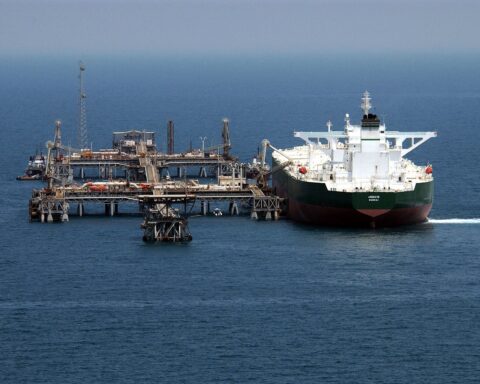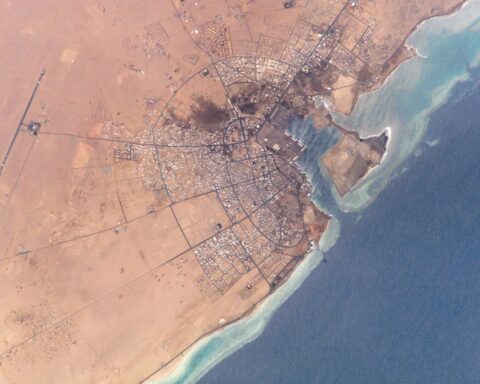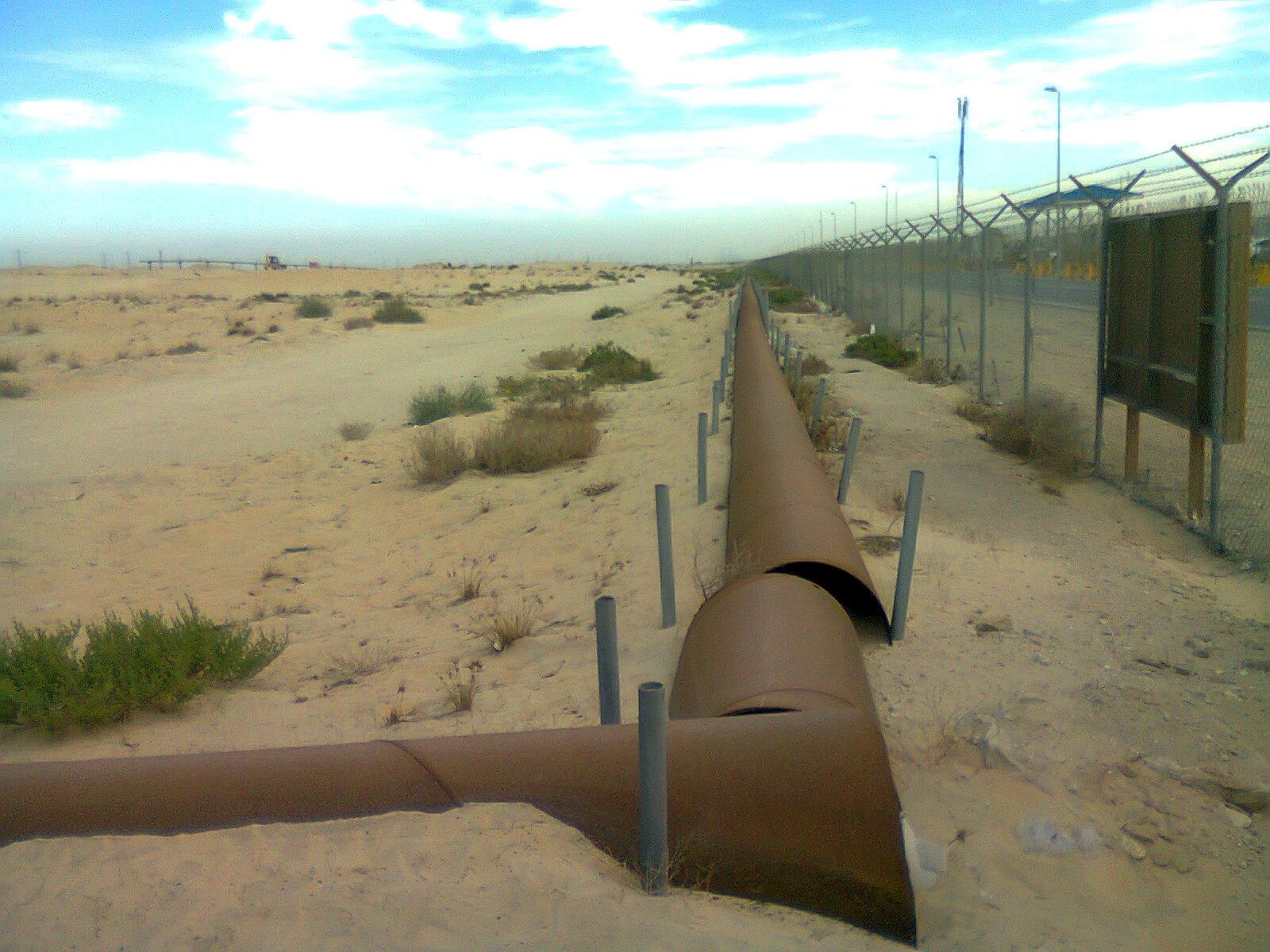

JEDDAH — Houthi military spokesman Yahya Saree claimed on Saturday that Houthi forces had targeted the Rabigh oil refinery, crude oil pumping stations and the East-West Pipeline in a wave of attacks across Saudi Arabia, according to France 24 and the Associated Press. The Saudi-led coalition confirmed it intercepted two ballistic missiles fired toward Yanbu and Taif but made no comment on whether any oil infrastructure was damaged.
Neither Saudi Aramco nor the Saudi government had confirmed damage to the pipeline or the refinery as of early Sunday. The pipeline was pumping 5.8 million barrels per day as of October 6, according to Energy Minister Prince Abdulaziz bin Salman at the GCC Forum in Manama, and has become Saudi Arabia’s primary crude export route since the IRGC mine blockade reduced Hormuz crude flows from roughly 21.6 million bpd in late 2025 to 4.9 million bpd by mid-2026, per US Energy Information Administration data. Any confirmed damage to the pumping stations would threaten the last corridor connecting Saudi crude to global markets.
Table of Contents
What Did the Houthis Claim?
Saree, in a video statement on October 24, announced what he described as a broad operation against Saudi territory. The full target list, as reported by France 24 and the AP, included King Khalid International Airport in Riyadh, Aramco facilities in Yanbu, the Rabigh oil refinery, crude oil pumping stations, the East-West Pipeline, King Fahd International Airport in Dammam, Najran airport and Khamis Mushait airbase, along with Saudi-backed military positions in Aden.
The House of Saud Daily Briefing
Saudi Arabia's news in 3 minutes, every morning. Free. See today's issue
Saree framed the attacks as retaliation for what he said were about 100 Saudi airstrikes in 24 hours on Sanaa and other governorates, according to France 24 and the AP. The coalition had struck Sanaa and Mocha on October 24, with Yemen’s National Commission for Human Rights condemning strikes on Sanaa’s Asr neighbourhood and a cement factory, according to Saba News Agency. The Houthi pattern of claiming multi-target operations immediately after coalition bombing runs has become a rhythm of the war — strike, counter-strike, claim, silence — and Saturday’s barrage followed it precisely.
Saree explicitly denied targeting Mecca or Medina, according to both France 24 and the AP. The Houthis have maintained that distinction throughout the escalation even as their claimed target list has expanded to include civilian airports, refineries and pipeline infrastructure, though the missile debris that fell across the Mecca region on Saturday underlined the limits of any such assurance.
What Did the Coalition Confirm?
The coalition confirmed intercepting two ballistic missiles, one fired toward Yanbu and one toward Taif, on October 24, according to France 24 and the AP. Saudi Civil Defense issued alerts for Taif, Yanbu, Mecca and Jeddah, then lifted them within approximately 10 minutes, per the AP. Debris from the intercepted missiles was confirmed in the Rabigh, Jeddah and Taif areas.
That debris is the only physical evidence publicly acknowledged as of Sunday morning. The coalition made no statement about the Rabigh refinery, the pipeline, the pumping stations or any of the other oil infrastructure Saree claimed to have targeted. Saudi Aramco, which operates the pipeline and is the majority shareholder in the Rabigh refinery, had released no statement on pipeline operations or refinery status. The Whalesbook financial news service, monitoring the claims in real time, likewise found no Saudi confirmation of oil infrastructure damage.
The silence is consistent with previous incidents. Saudi authorities have declined to comment on Houthi claims regarding oil infrastructure throughout the 2026 escalation, leaving international observers to assess damage from shipping data, satellite imagery and commodity trading patterns rather than official disclosures. The civil defence alerts on Saturday stretched across a wide band of the Red Sea coast from Yanbu to Mecca, covering the area through which the pipeline’s western terminus and Rabigh refinery both sit. The current Saudi Arabia travel status page tracks government advisory changes across the affected provinces.
Why Does the East-West Pipeline Matter?
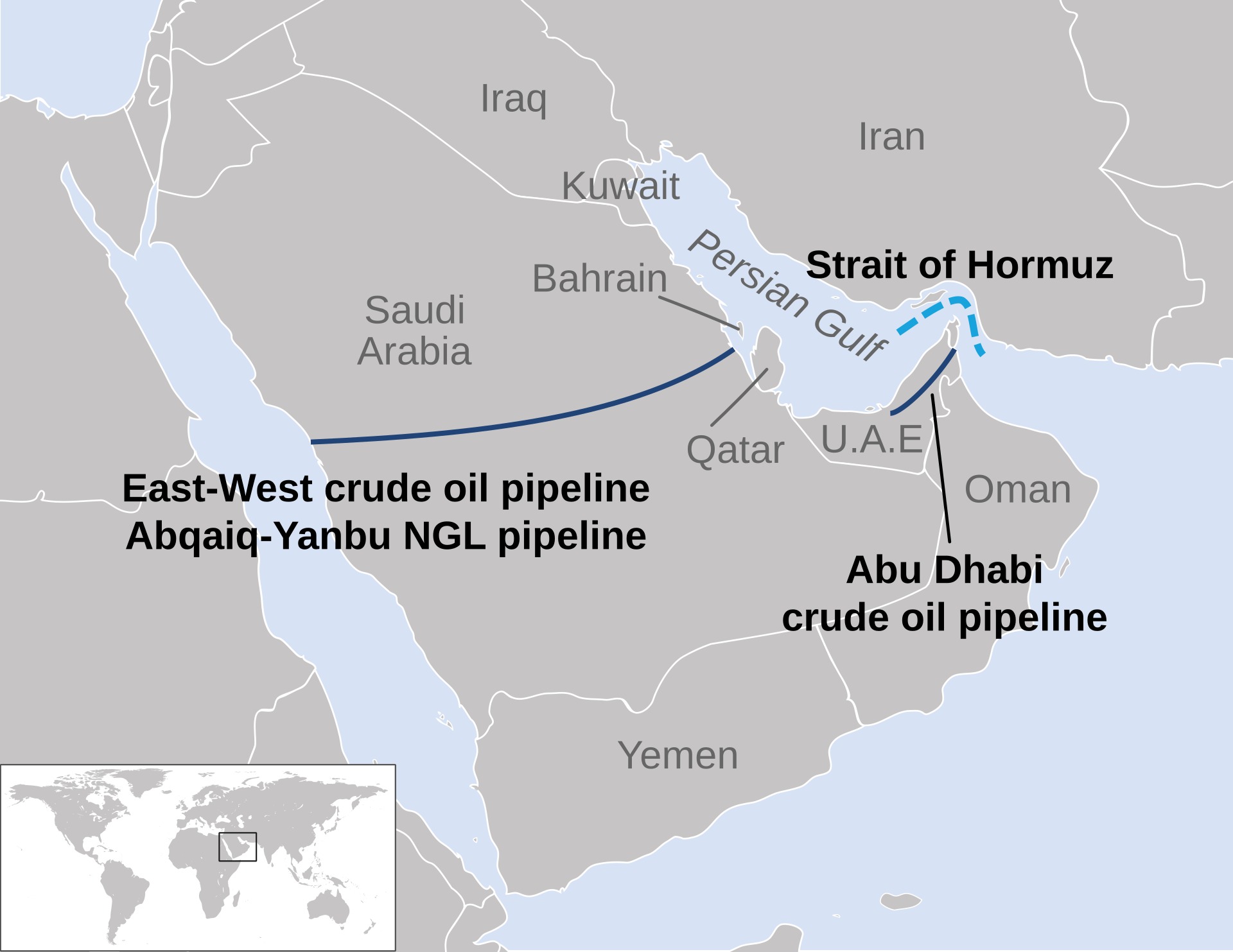
The East-West Pipeline, formally the Petroline, runs approximately 1,200 kilometres from Abqaiq in the Eastern Province to the Yanbu terminal on the Red Sea coast, passing through 13 pumping stations along the route. Its design capacity is 7 million bpd, according to Saudi Gazette via Zawya.
Energy Minister Prince Abdulaziz bin Salman confirmed the recovery at the GCC Forum in Manama on October 6. “Within five or six days, we began using the pipeline again after the major attack that struck it,” the minister said, according to Al Jazeera. Saudi Arabia formally restarted the line on September 22, ten days after the September 12 suspension, with full capacity expected to take longer to restore, according to Reuters — the minister’s “five or six days” most likely refers to when partial flows resumed before the formal restart. By the time he spoke in Manama, throughput had returned to the 5.8 million bpd level noted above, and the narrative around the pipeline had shifted from vulnerability to vindication.
“Having oil underground is not the same thing as being able to deliver it.”
Robert Rapier, analyst, OilPrice.com, October 2026
The pipeline’s importance has grown in direct proportion to the closure of the Strait of Hormuz. As Hormuz crude flows collapsed to a fraction of their pre-crisis baseline, Saudi production dropped from 10.9 million bpd in February to 6.2 million bpd by August, per OPEC figures — not because Saudi Arabia chose to cut, but because it could not move the oil. The EIA estimates combined Saudi and UAE bypass pipeline capacity at roughly 4.7 million bpd, a figure that already falls short of pre-crisis export volumes before any damage is factored in.
Yanbu terminal inventories could sustain exports for only 5 to 7 days without pipeline flow, according to Reuters. France deployed troops, radars and air defences to Yanbu in September precisely because of how exposed the terminal had become, but French air defences cover the loading docks, not the 13 pumping stations spread across 1,200 kilometres of Saudi interior.
Rabigh Refinery
Petro Rabigh, the refinery Saree claimed to have targeted, is a joint venture between Saudi Aramco and Japan’s Sumitomo Chemical, with Aramco holding a majority stake of approximately 60 percent following a deal completed in October 2025. The complex has a crude processing capacity of 400,000 bpd and sits on the Red Sea coast approximately 150 kilometres north of Jeddah, within the area where coalition forces confirmed missile debris fell after the Yanbu intercept on Saturday. The refinery processes crude for both export and domestic consumption, and at that scale it ranks among the largest coastal refining facilities on the Red Sea.
The facility was the subject of unconfirmed reports on October 5, when videos and thermal satellite data circulated on Tasnim News Agency and Telegram channels suggesting a possible fire, according to OilPrice.com. Saudi authorities did not confirm that incident. The pattern of Houthi claims followed by Saudi silence has repeated at Aramco’s Dhahran headquarters, where a fire that burned five floors of the main tower was not initially addressed by the company.
The SATORP refinery, a separate TotalEnergies and Aramco joint venture with a capacity of 465,000 bpd according to The New Arab, is located in Jubail on the Gulf coast and was not among the targets Saree claimed. Jubail sits on the Persian Gulf side of the country, exposed to Iranian rather than Houthi threats, and its exclusion from Saree’s list is consistent with the Houthis’ focus on Red Sea and western Saudi infrastructure.
Oil Markets and the Yanbu Bottleneck
Brent crude was trading at approximately $117.30 per barrel and West Texas Intermediate at $103.00 during the period of the Houthi claims on Saturday, according to Investing.com citing Reuters. Those levels already reflected months of sustained disruption to Gulf oil flows, and any confirmed pipeline damage when Asian markets reopen on Monday would add pressure to a market already pricing in the near-total loss of Gulf seaborne exports.
The pipeline has suffered repeated disruptions in 2026. An Iranian drone attack on a pumping station on April 9 reduced throughput by roughly 700,000 bpd, though Aramco restored capacity within three days, according to MEES. A drone attack launched from Iraq’s Maysan province in September was more damaging — fires were reported at pumping stations, the pipeline was shut entirely from September 12, and it did not restart until September 22, according to Al Jazeera and Saudi Gazette via Zawya. Kpler estimated post-restart throughput at only 2.65 million bpd, according to Baird Maritime citing Reuters, less than half the level the energy minister reported two weeks later.
Aramco CEO Amin Nasser said in late September that pipeline disruptions typically last “days, not weeks or months,” according to Saudi Gazette via Zawya. Saree’s October 24 claims, if substantiated, would test that assurance — the Houthis named both pumping stations and the pipeline itself, suggesting an intent to hit the artery at multiple points rather than at a single station.
Saudi Arabia’s revised 2026 deficit has risen to 245 billion riyals, up from a budgeted 165 billion, with the government also forecasting real GDP to fall 3.6 percent in 2026 on a 21.8 percent decline in oil activities, according to Reuters via Zawya — figures driven in large part by the collapse of oil export volumes. The US State Department had ordered the departure of non-emergency diplomats and dependents from Saudi Arabia on October 21, according to Reuters. Saree’s claims, confirmed or not, reinforce the picture of a Saudi oil export system under sustained pressure from both ends — Hormuz closed by Iranian mines and the Red Sea corridor now under Houthi fire.
Frequently Asked Questions
Has Saudi Arabia confirmed any damage to the East-West Pipeline from the October 24 attacks?
No. As of early October 25, neither Saudi Aramco nor the Saudi government had confirmed any damage to the pipeline, the pumping stations or the Rabigh refinery. The coalition confirmed only the interception of two ballistic missiles directed at Yanbu and Taif, with debris falling in the Rabigh and Jeddah areas. Independent shipping data from the Yanbu terminal and commercial satellite imagery over the pipeline route will be the first indicators of whether operations have been disrupted — analysts typically monitor tanker loading schedules and vessel tracking data within 24 to 48 hours of a reported attack.
How quickly has Saudi Arabia repaired the pipeline after previous attacks?
Each successive attack has taken longer to repair. The April strike on a single station was fixed in three days. The September attack, which hit multiple stations, shut the line for 10 days and took roughly two more weeks to return to pre-attack throughput. The trend suggests that attacks on more stations simultaneously extend the recovery period considerably. With 13 pumping stations spread across 1,200 kilometres, defending and repairing multiple damaged stations simultaneously would be a different proposition from the single-station repairs Aramco has managed so far.
What is the current status of the Strait of Hormuz?
The IRGC mine blockade that began on July 14 remains in force. CENTCOM said 135 ships had been turned around since the blockade began, according to CBS News. Before the blockade, approximately 130 to 140 ships transited the strait daily, according to Reuters. Iran’s Foreign Minister Araghchi has linked any reopening to the lifting of the US naval blockade and sanctions relief, according to Al Jazeera. President Trump said on October 8 that the US would not strike Iran before the November 3 midterm elections, according to The National, leaving no near-term diplomatic path to reopening the strait.
What is the US diplomatic status in Saudi Arabia?
The US State Department ordered the departure of non-emergency diplomats and dependents from Saudi Arabia on October 21, according to Reuters. Washington had also barred its staff from travelling within 20 miles of the Yemen border, per Gulf News. The US has not issued a formal departure order for all American citizens in the kingdom.
The House of Saud Daily Briefing
Saudi Arabia's news in 3 minutes, every morning. Free. See today's issue