WASHINGTON — President Donald Trump said on Thursday that Iran “wants to talk” and that the United States has time to reach a deal, even as limpet mines struck oil tankers in the Strait of Hormuz and the American military’s self-imposed strike moratorium ticks toward its November 3 expiry. Speaking at the White House, Trump told reporters “there are talks, they want to talk, they keep talking,” and in a separate Kansas City radio interview said the eight-month-old conflict would end “very soon.”
The comments arrived hours after UKMTO confirmed that a limpet mine had struck the tanker Louise 1 roughly 25 nautical miles northeast of Khasab, Oman — the crew extinguished the fire and the vessel resumed its voyage — while Omani coastguard vessels separately rescued 25 crew from a burning Panama-flagged tanker off the Musandam peninsula. Brent crude closed at $117.62 a barrel on Thursday, up approximately 14 percent for October and on track for a fourth straight monthly gain, according to Fox News, and Saxo Bank commodity strategist Ole Hansen said the market was “getting increasingly spooked” ahead of the midterms.
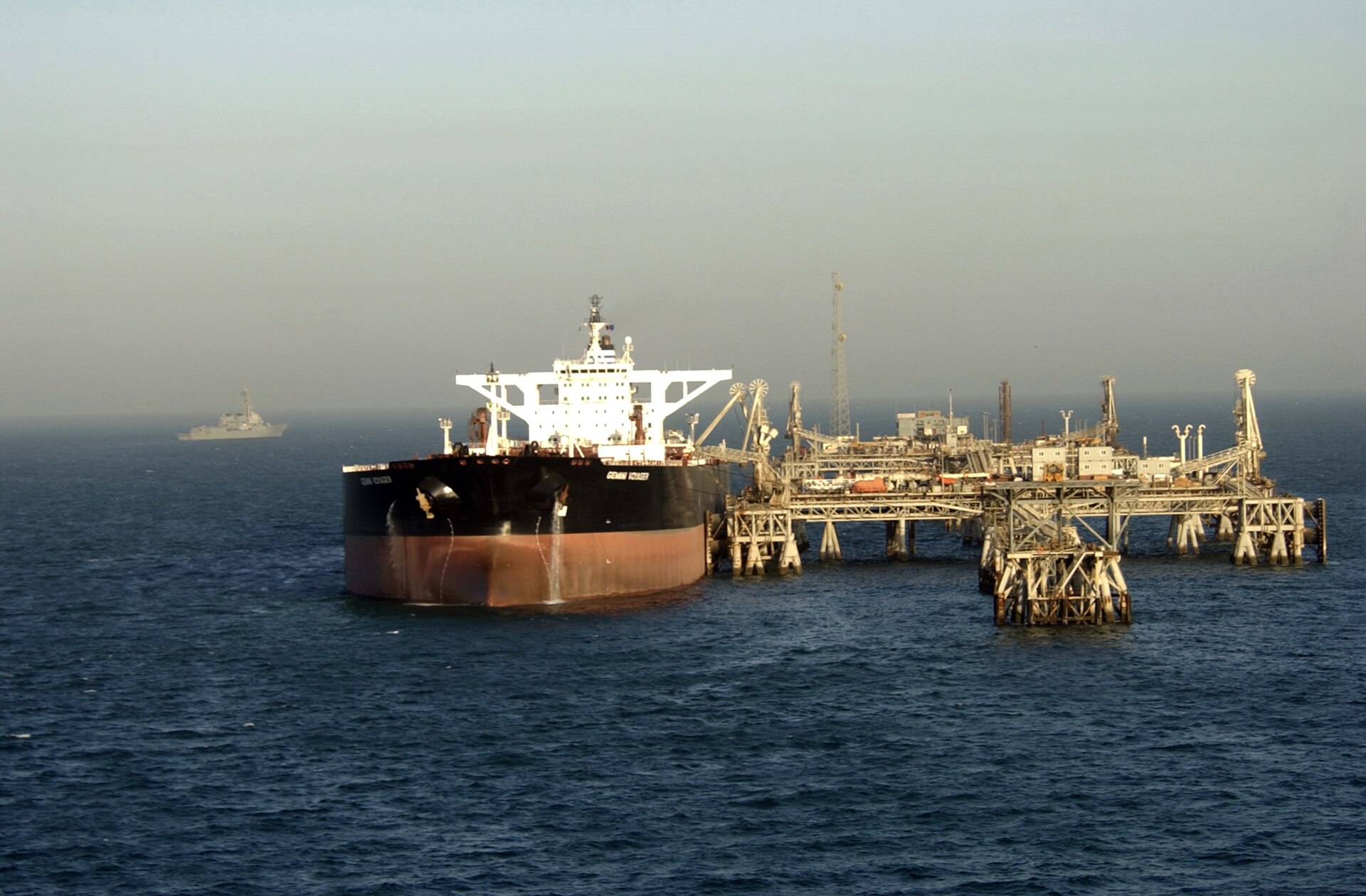
Table of Contents
Trump’s Confidence and the Clock
Trump’s remarks offered the most optimistic language from the White House since the president pledged on October 8 that no American military strikes would hit Iran before the November 3 midterm elections, leaving a three-day gap between Thursday’s assurances and the deadline. “We have time, frankly,” he told the White House pool — leaving open whether he meant time for diplomacy to produce results or time before he would need to decide on the military option the Pentagon has spent weeks preparing.
The House of Saud Daily Briefing
Saudi Arabia's news in 3 minutes, every morning. Free. See today's issue
He also claimed, in comments reported by Ynetnews, that “I spent a lot of money in order to get rid of a nuclear weapon, which we’ve done,” a reference to the Israeli strikes on Iran’s Fordow enrichment facility that the administration has treated as a fait accompli. The New York Times and Axios reported on October 22 that American and Israeli officials had drafted plans for an extensive post-moratorium campaign targeting Iran’s nuclear infrastructure, energy facilities, missile batteries, and drone production lines — a blueprint designed for execution within 72 hours of a go-order.
Two diplomats told the Associated Press on Thursday, per Euronews, that Trump had not yet made a final decision on post-moratorium military action. The Qatari diplomatic channel, the Vance letter to Iran’s security chief, and the 72-hour strike blueprint all remain live options with three days before the self-imposed restraint expires.
Does Iran’s Mine Campaign Strengthen Its Bargaining Position?
The mine strikes and tanker confrontations that have defined the past week in the strait follow what analysts have described as an escalate-to-negotiate strategy — a doctrine that Modern Diplomacy termed “systemic coercion” in a March 2026 analysis — in which Tehran raises the cost of inaction for its adversaries while keeping diplomatic channels formally open. “Iran, from the beginning, has tried to out-escalate the United States,” Michael Knights of the Washington Institute for Near East Policy told Reuters, while former US diplomat and Iran specialist Alan Eyre described Tehran’s logic: “They don’t want the U.S. to dictate the pace of events.”
The IRGC’s claims have grown bolder through the week. Iran reported that tankers struck mines on the strait’s southern route on October 29, then claimed on October 30 to have halted two oil tankers while separately saying a supertanker carrying more than 2 million barrels had also hit a mine — bringing what Kayhan described as six vessels in two days, none of which have been independently verified.
“Prove your Hormuz mine-clearing claim with independent evidence, not statements!”
Hossein Mohebbi, IRGC spokesman, Kayhan, October 31
Iran Army spokesman Mohammad Akraminia added that the strait stays under the armed forces’ strategic control and will remain closed until Iran’s conditions are fully met, Kayhan reported — language that leaves no room for the kind of ambiguity a negotiated reopening would require. Ray Takeyh of the Council on Foreign Relations told Reuters that Tehran’s position was clear: “If there are going to be negotiations, they will define the terms.”
Diplomacy Before the Deadline
Vice President JD Vance sent a letter to Mohsen Rezaei — the former IRGC commander now serving as secretary of Iran’s Supreme National Security Council, a post he was appointed to in August 2026 — in an effort to revive direct communications before the midterm-linked military window closes, according to the Wall Street Journal as relayed by ANSA on October 28. The Journal said the letter was sent at Trump’s direction; Trump publicly disputed that characterisation, telling reporters the contact concerned medical supplies. The letter outlined a diplomatic framework rather than detailed peace terms, and Iran confirmed receipt without issuing a formal response as of Thursday evening.
A Qatari delegation was in Tehran on Thursday carrying a revised American draft proposal, with CBS News reporting “signs of progress” and Iran expected to respond by week’s end, though Axios reported that disputes remained over nuclear inspection sequencing and the scope of sanctions relief. Araghchi signalled on social media that Iran would continue to give diplomacy a chance — a sentiment relayed through Western media, though the precise wording of his post could not be confirmed from a primary Iranian source.
Pakistan’s Field Marshal Asim Munir, on his second visit to Tehran this month, brought what a Pakistani military source described to Fox News as “cautious optimism,” and the German government told G20 partners on Thursday that most member nations agreed Iran must return to negotiations. The diplomatic activity is unfolding against the backdrop of Araghchi’s own seven-day plan — submitted at the United Nations in New York on September 25 — which would reopen Hormuz within six days of an agreement and begin direct US-Iran talks on the seventh, contingent on the US lifting its naval blockade, unfreezing approximately $12 billion in Iranian assets, issuing an oil sanctions waiver, and implementing a region-wide ceasefire.
Competing Claims Over the Strait
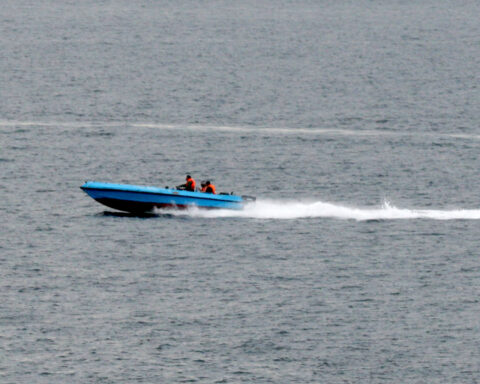
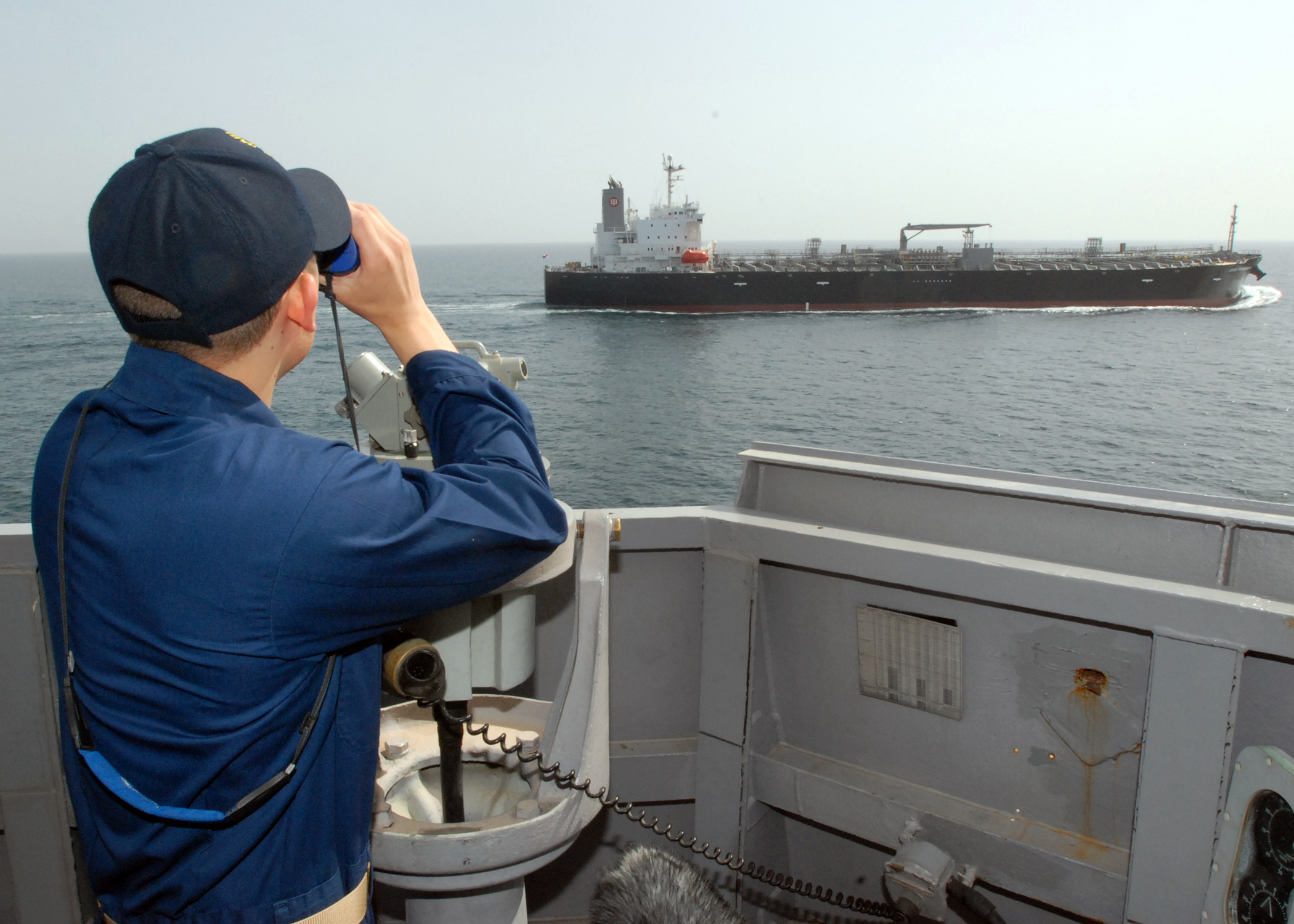
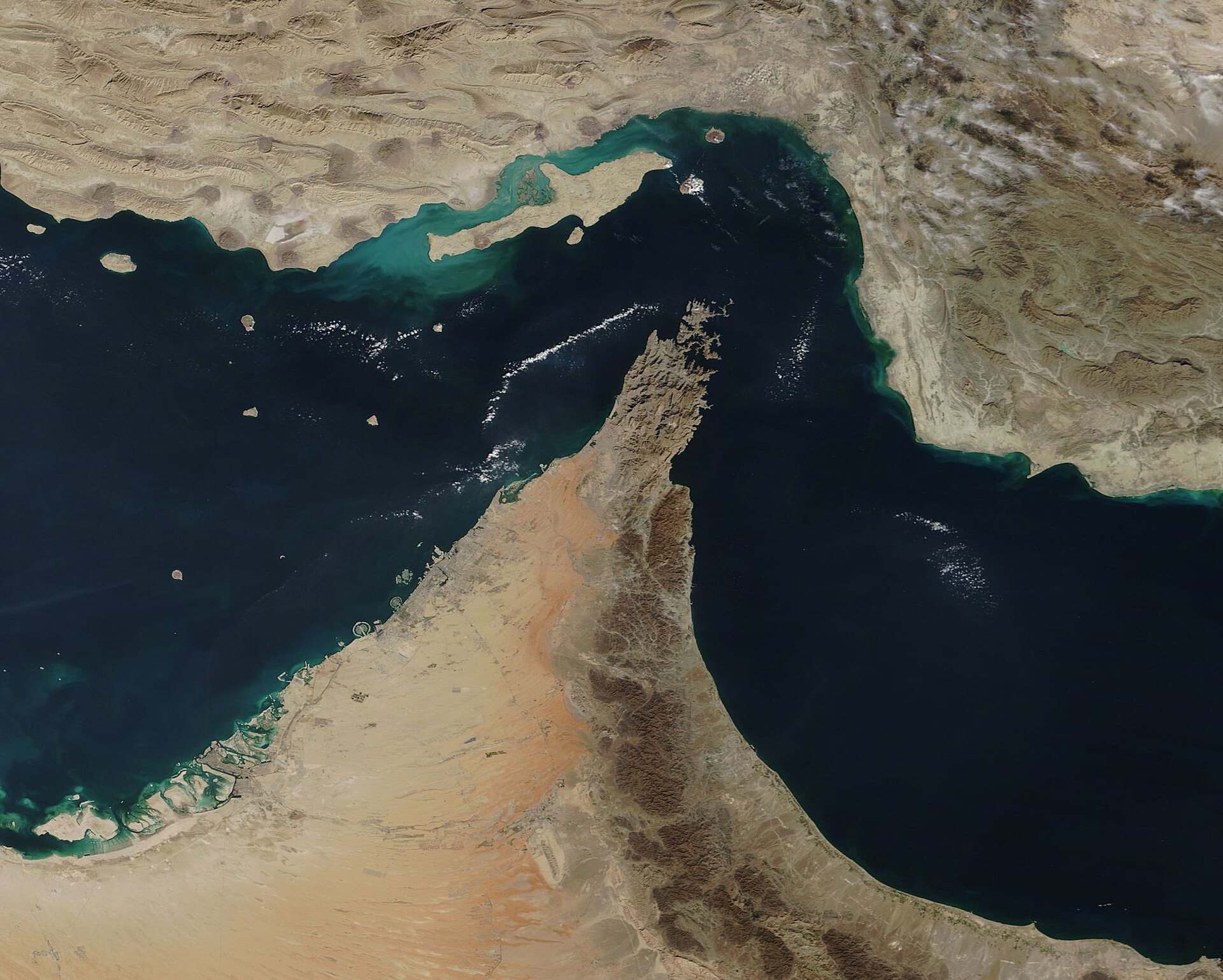
Admiral Brad Cooper, flying over the Strait of Hormuz in an aircraft on Thursday, told reporters that CENTCOM had observed no IRGC presence in the primary transit lanes and that the routes had been cleared of mines, adding that the US and Gulf partners had helped export more than 1.5 billion barrels of crude oil since the summer. UKMTO’s own data paints a different picture — October recorded the highest monthly incident count since the war began in February, and the confirmed limpet mine attack on the Louise 1 demonstrated that even vessels on escorted routes face risk from munitions that are smaller, harder to detect, and deployable from fast boats rather than anchored to the seabed.
The IRGC has framed the tanker incidents as proof of American failure, claiming that vessels struck mines because they used “unauthorized routes” with US backing, switched off their Automatic Identification System transponders, and ignored IRGC radio warnings. Kayhan’s October 31 edition ran the headline “Six Tanker Blasts in Hormuz Expose CENTCOM’s Falsehood,” a narrative aimed at persuading both domestic and international audiences that Cooper’s claims of safe passage do not hold up against the evidence in the water.
War-risk insurance for Hormuz transit now runs between 3 and 8 percent of a vessel’s hull value, according to Insurance Business Magazine, which translates to between $3 million and $8 million per single voyage for a tanker valued at $100 million. That premium, passed to buyers, is embedded in every barrel of crude that transits the strait.
What Does November 3 Mean for Saudi Arabia?
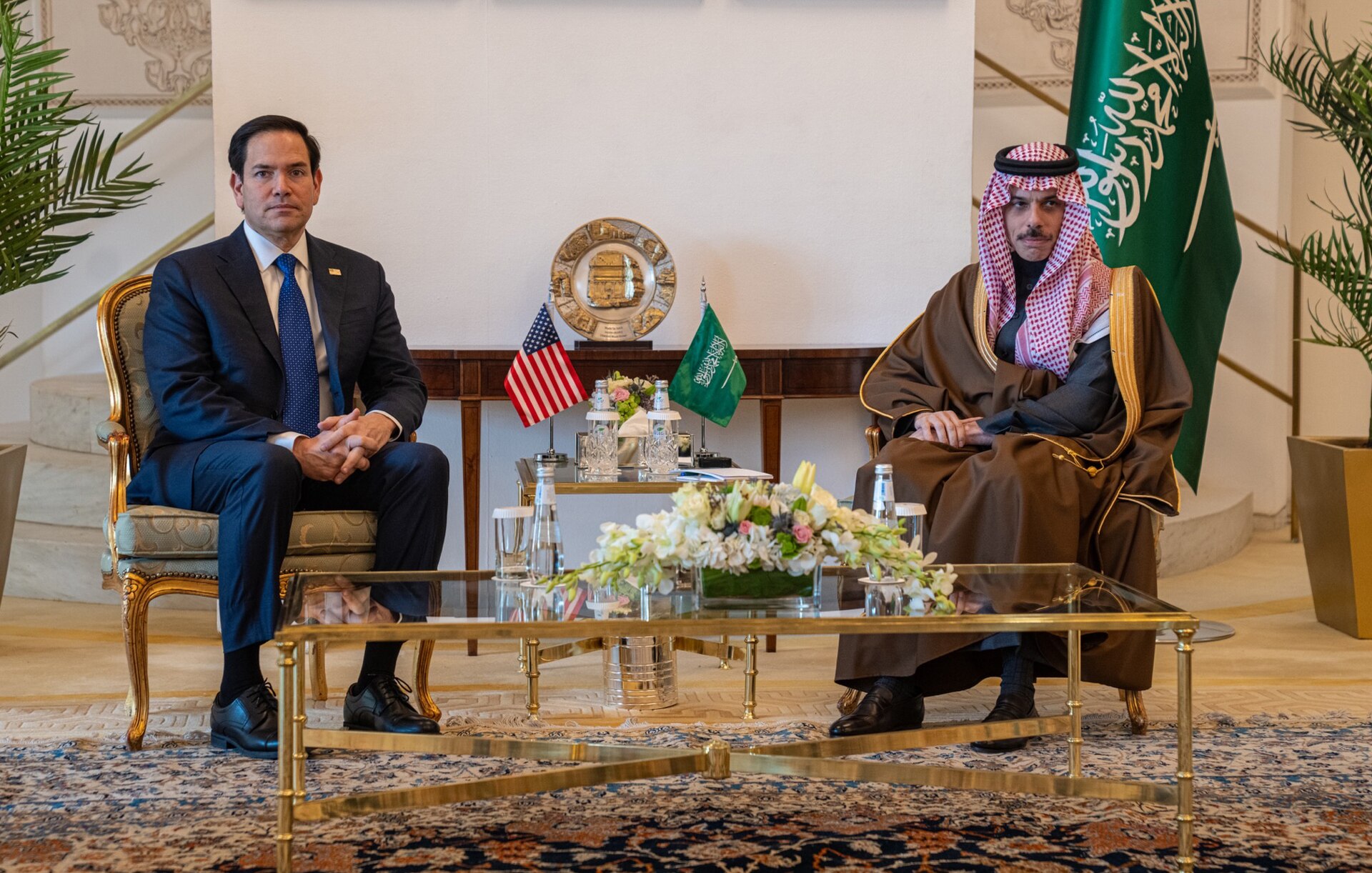
The three days between Trump’s Thursday assurances and the moratorium’s expiry concentrate the pressure on Riyadh, which faces simultaneous threats from the Houthi missile and drone campaign against Saudi infrastructure and the Hormuz closure that has throttled the kingdom’s crude exports. Secretary of State Marco Rubio met Saudi Foreign Minister Prince Faisal bin Farhan on Friday, according to Fox News, though neither government disclosed the substance of their discussion.
Saudi Arabia’s own assessment of its four post-midterm scenarios — ranging from a negotiated de-escalation to a full American military campaign against Iran — was published earlier on Thursday, with each pathway carrying different implications for the kingdom’s oil revenues, its Houthi front, and its relationship with Tehran. The Qatari diplomatic track offers the narrowest of windows, with Iran expected to respond to the revised American draft by the end of this week — functionally the same deadline as the moratorium — leaving Riyadh with limited room to shape what comes next before Sunday.
The prospect of a post-November 3 strike campaign against Iranian energy and nuclear infrastructure, as described by the New York Times and Axios, carries a specific danger for Saudi Arabia that it does not carry for Washington — the kingdom’s oil facilities and population centres are within range of Iranian missiles and Houthi drones, and any escalation that follows a US-Israeli attack would land on Gulf soil before it lands anywhere else. The Rubio-Faisal meeting, whatever was discussed, took place in that context.
Background
The conflict between the United States and Iran began on February 28, 2026, and has since produced 144 confirmed maritime incidents in the Strait of Hormuz, according to UKMTO. The US imposed a naval blockade on Iranian ports that was briefly lifted under the Islamabad Memorandum of Understanding’s 60-day passage arrangement but resumed on July 14 after the agreement collapsed, and Iran has maintained its own campaign to disrupt transit through the waterway.
Trump announced on October 8 that no American strikes would target Iran before the November 3 midterm elections, a moratorium that gave diplomacy a defined window. The Vance letter, the Qatari shuttle, and Pakistan’s mediation visits all occurred within that window, which expires on Sunday.
Frequently Asked Questions
How many vessels crossed the Strait of Hormuz daily before the war?
The pre-war baseline was approximately 138 vessel transits per day, according to a March 2026 advisory from the Joint Maritime Information Centre, carrying roughly one-fifth of the world’s daily petroleum consumption and making Hormuz the single most consequential maritime chokepoint for global energy supply. Iran declared the strait closed on October 26, and commercial transit has since fallen to single digits, with most crude now moving through CENTCOM-organized convoy operations along what the US military describes as cleared transit lanes.
What is the factional divide inside Iran over negotiations?
President Masoud Pezeshkian and the reformist camp — including Foreign Minister Abbas Araghchi — have pushed for continued diplomacy, arguing that a deal before November 3 is preferable to facing an unrestrained American military campaign. Hardliners in the IRGC view the Hormuz mine campaign as vindication of their approach, according to Ynetnews reporting on October 31, and believe the tanker strikes have strengthened Iran’s hand at the table. The question of whether to accept terms before or after the moratorium expires has become the central fault line between the factions, with reformists warning that a post-November 3 strike campaign could destroy what remains of Iran’s energy and nuclear infrastructure.
Has Turkey taken a position on the Iran-US standoff?
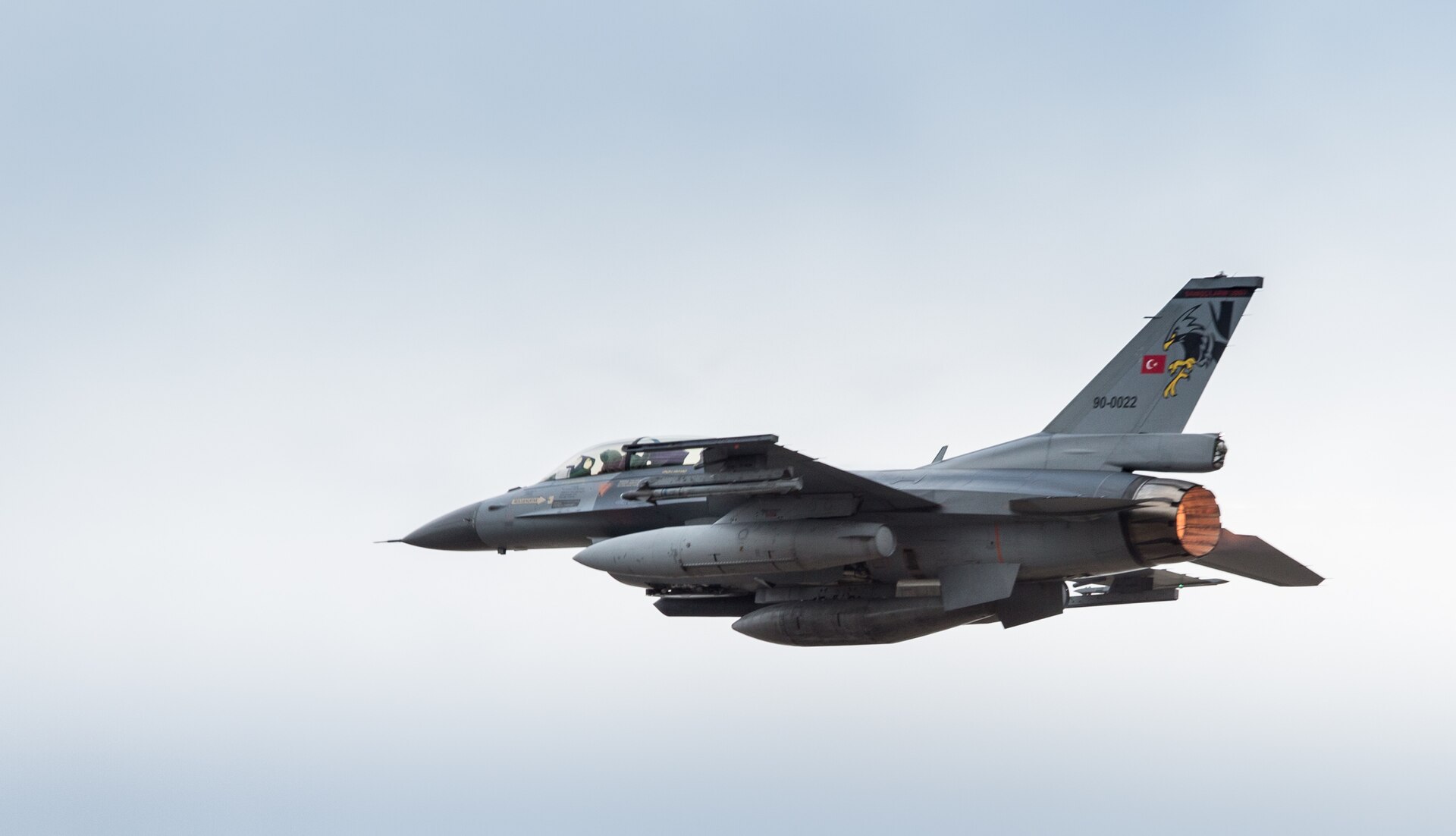
Turkey’s parliamentary Foreign Affairs Committee approved the ratification bill for the Makkah Joint Defence Agreement on October 27, though a full assembly vote has not been scheduled. Ankara participated in the October 26 Tehran communique alongside Saudi Arabia, Iran, and Pakistan — placing it among the four governments formally seeking a negotiated resolution — while avoiding a direct public position on the Hormuz confrontation itself and maintaining diplomatic contacts with both Tehran and Washington.
Who is Mohsen Rezaei, the recipient of Vance’s letter?
Rezaei is the secretary of Iran’s Supreme National Security Council, appointed by Supreme Leader Mojtaba Khamenei in August 2026, according to Iran International. He is a former commander of the Islamic Revolutionary Guard Corps who previously served as Iran’s vice president for economic affairs before being elevated to the SNSC role. The decision to address the letter to Rezaei rather than to President Pezeshkian or Foreign Minister Araghchi reflects Washington’s assessment that the SNSC — not the presidency or the foreign ministry — holds decision-making authority on Iran’s wartime posture.
The House of Saud Daily Briefing
Saudi Arabia's news in 3 minutes, every morning. Free. See today's issue