
RIYADH — Brent crude traded at $116.87 a barrel on Thursday morning as European natural gas reached levels not seen since the 2022 energy crisis, and OPEC convenes on November 1 with its most powerful member producing more than 2 million barrels a day below its own quota. The shortfall exists not because Saudi Arabia chose restraint but because Houthi missiles have hit its refineries, the Strait of Hormuz is mined, and daily tanker transits through the strait have fallen from 138 to single digits.
Saudi Arabia reported September production of roughly 8.37 million barrels a day to OPEC, according to the group’s October monthly report — a partial recovery from the International Energy Agency’s August estimate of 5.97 million, but still 2.1 million barrels short of its 10.5 million barrel-a-day quota. That gap, between what the quota says Saudi Arabia should produce and what it physically can, is the condition the group takes into Sunday’s meeting.
Table of Contents
How High Have Prices Gone?
Brent settled at $115.32 on October 28, up $1.44 on the day, after Houthi military spokesman Yahya Saree claimed a ballistic missile strike on Saudi Arabia’s 550,000 barrel-a-day Ras Tanura refinery, according to Reuters. By Thursday morning it had climbed to $116.87, within range of the $126.41 peak reached on April 30 during the war’s first supply shock and more than $13 above the $102.94 Brent traded at on October 9, according to CNBC. The $13 move in three weeks coincided with the IRGC’s formal closure of Hormuz on October 26, tanker mine damage reported on October 29, and the Houthi refinery campaign that began with the Ras Tanura claim on October 27.
The House of Saud Daily Briefing
Saudi Arabia's news in 3 minutes, every morning. Free. See today's issue
European gas is moving faster. The Dutch TTF front-month contract crossed €100 per megawatt hour on October 28 for the first time since 2022, according to Euronews, while UK NBP natural gas rose to 241.00 pence per therm — levels not reached since the winter of 2022, according to ADVFN. Goldman Sachs said in late October that if Middle Eastern exports recover only gradually, December TTF may need to rise above €100 per megawatt hour to attract enough liquefied natural gas to Europe.
The fundamentals behind those gas prices are deteriorating on their own schedule. EU storage stood at 74.6 percent of capacity on October 28, against an approximately 89 percent five-year average per GIE AGSI+ data and approximately 83 percent a year earlier, according to Voltstack and the European Commission. European LNG imports fell about 13 percent year on year in the third quarter of 2026, according to Attaqa energy research — a decline driven by the loss of what the IEA’s third-quarter gas market report called “almost 20 percent of global LNG supply,” with damage at Qatar’s Ras Laffan complex expected to take between three and five years to repair.
Why Can Saudi Arabia Not Fill Its Own Quota?
Saudi Arabia’s OPEC+ production target stands at 10.5 million barrels a day, held unchanged at the group’s October 4 meeting and due for review on November 1, according to Enerdata. Before the war, in late 2025, the kingdom was producing 10.043 million barrels a day according to OPEC data — close enough to the quota that the figure reflected a real decision about how much oil to pump. That was eight months and two Hormuz closures ago.
The IEA put Saudi crude output at 8.24 million barrels a day in July and 5.97 million in August, a collapse of 2.3 million barrels a day according to Reuters that reflected the suspension of the East-West pipeline on September 11 and the near-total closure of the Strait of Hormuz. Saudi Arabia’s own report to OPEC gave August at 6.24 million — higher than the IEA’s estimate but still more than 4 million barrels below the target. By September, with the pipeline restarted, production recovered to roughly 8.37 million according to the OPEC monthly report published on October 13, but the recovery stalled well short of the quota and well short of the volumes the market is pricing in.
Argus Media, assessing the October 4 decision to hold quotas flat, noted that the Gulf members were “unable to meet their quotas” and that the hold was “unlikely to affect production in the near term.” Saudi crude exports fell to 3.2 million barrels a day in August, their lowest level in 13 years, according to cargo-tracking firm Kpler — a fraction of the volumes that flowed through Hormuz before the conflict began.
Hormuz, Mines and the Shipping Crisis
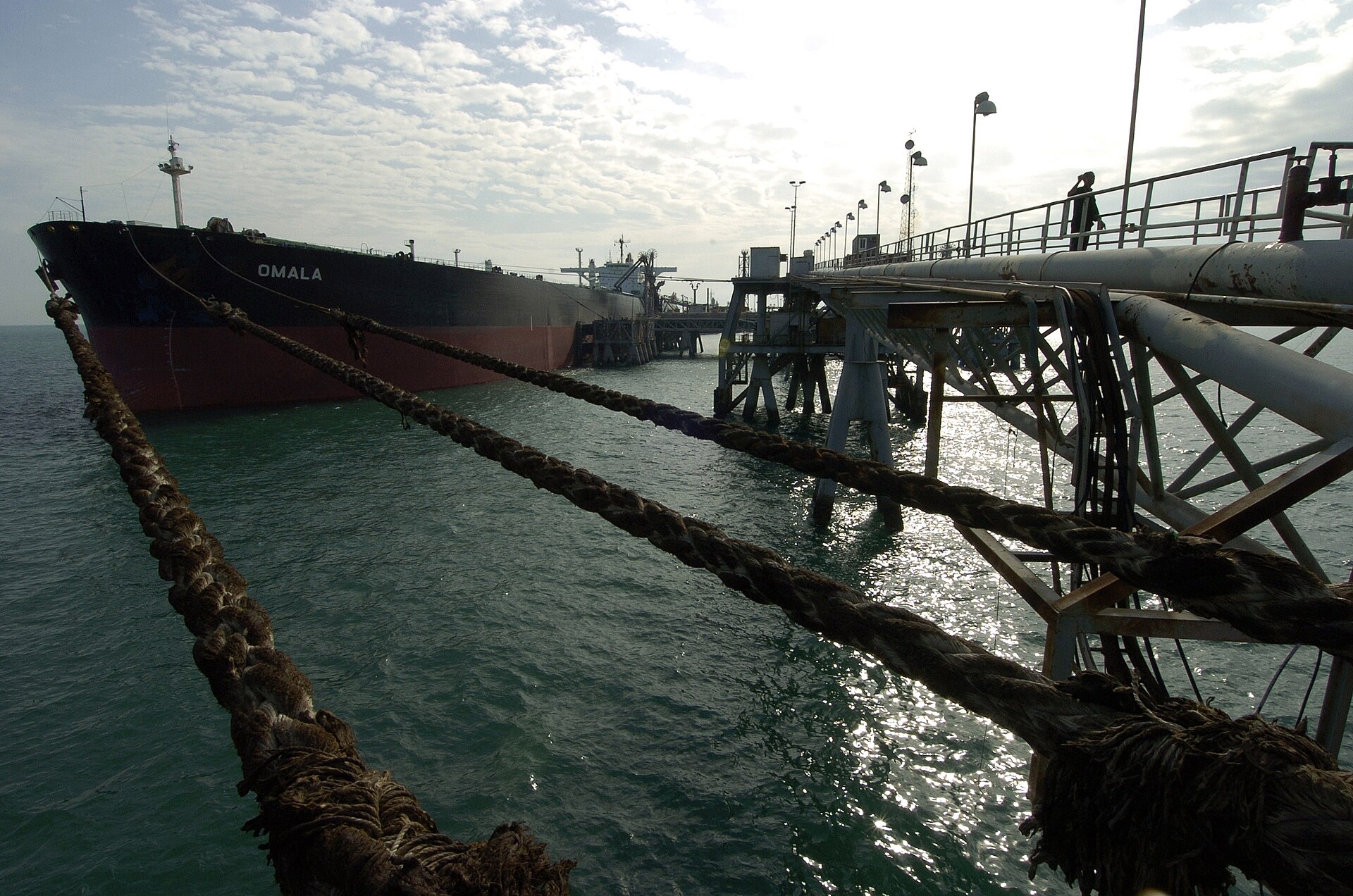
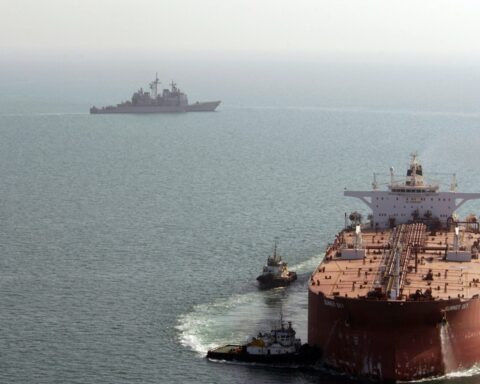
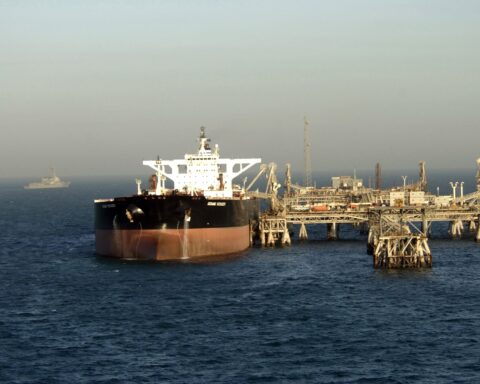
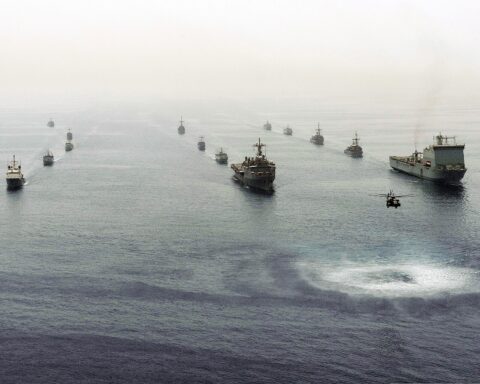
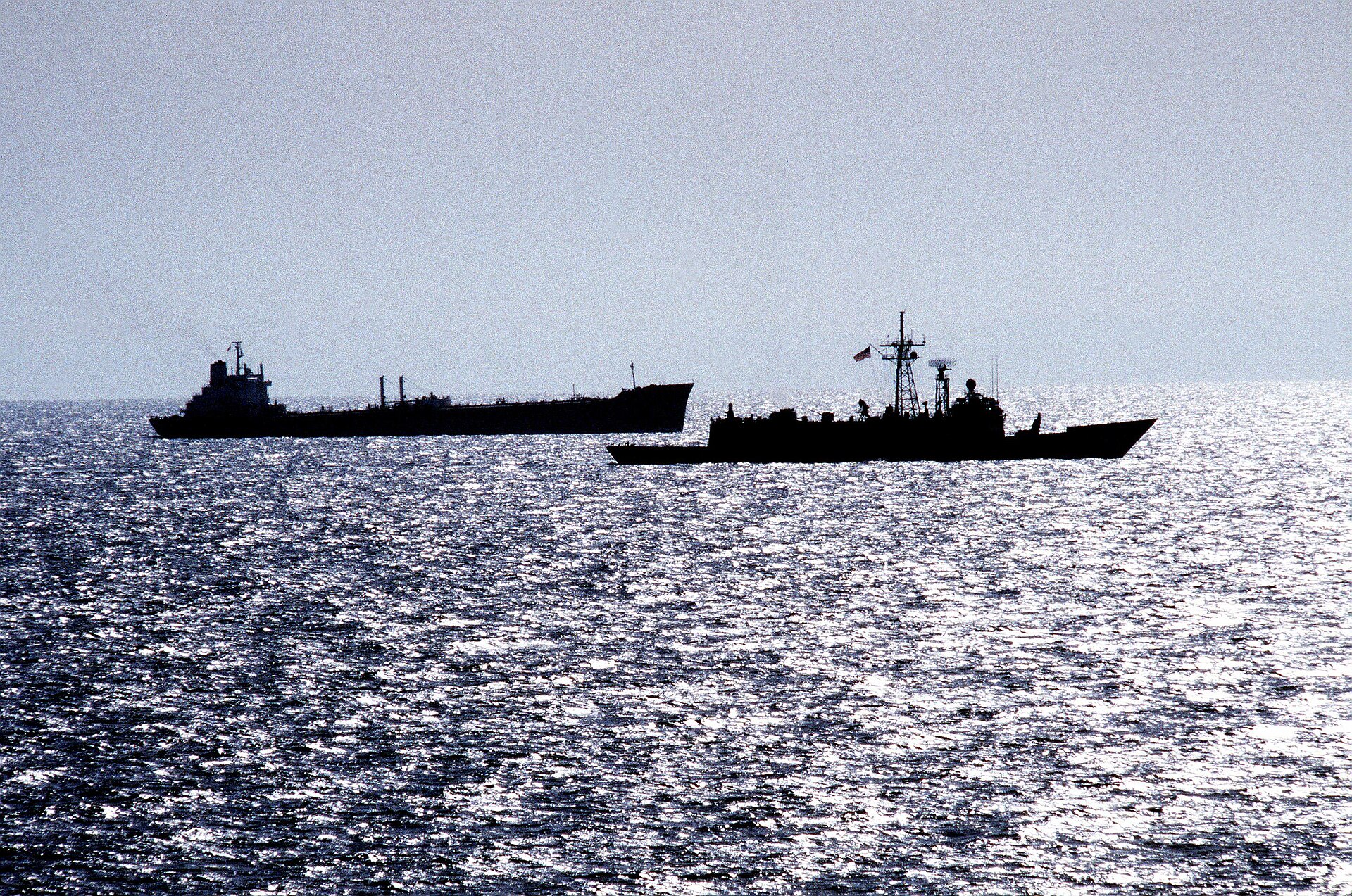
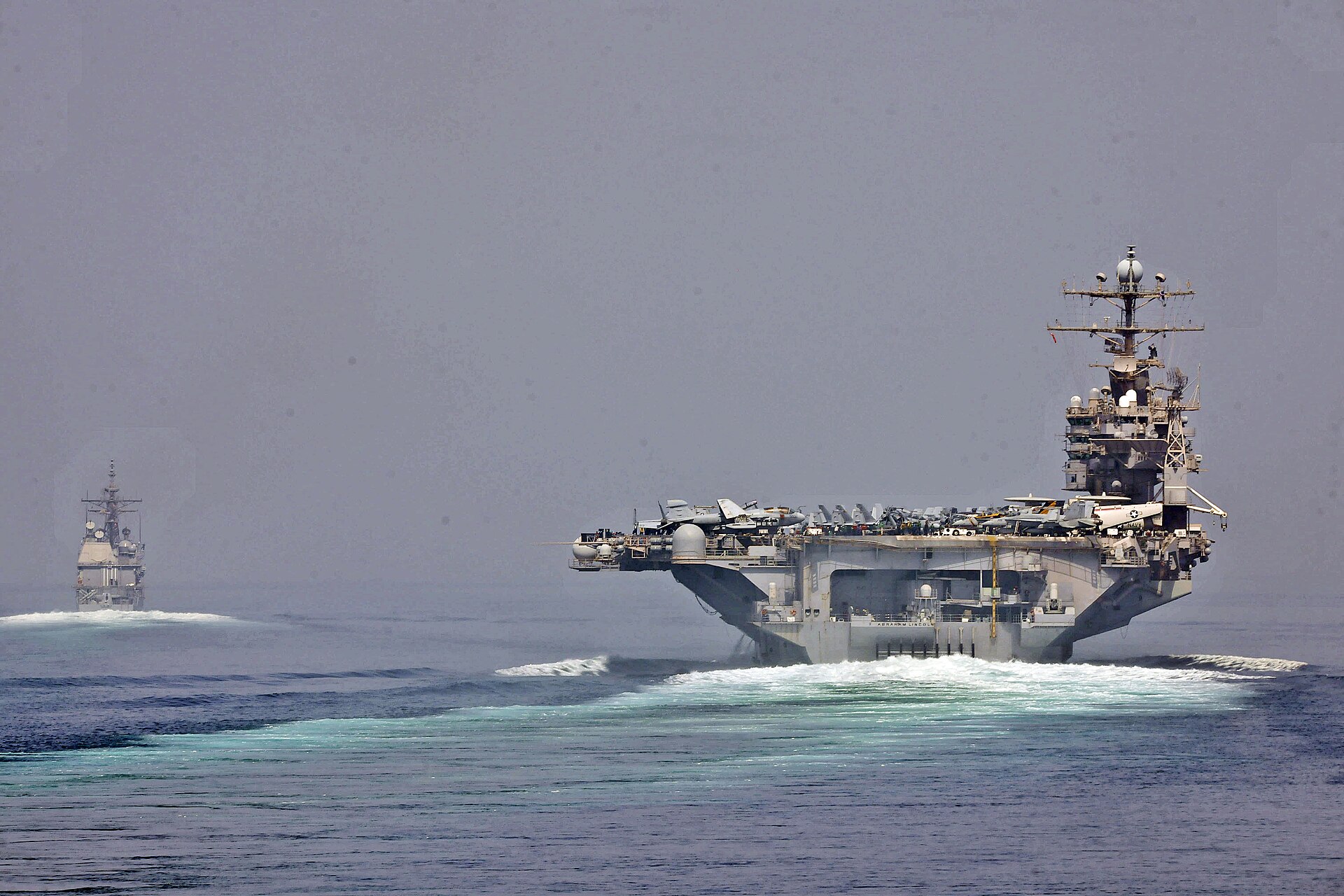
The IRGC declared the Strait of Hormuz closed on October 26, and tanker transits — which ran at 138 a day before the war, according to the Joint Maritime Information Center — fell to single digits. On October 29, the IRGC said three oil tankers caught fire after hitting mines on what it called an “unauthorized” southern route, claiming the vessels had “switched off all their radar and navigation systems” and ignored IRGC naval warnings. Iran subsequently raised its count to four tankers; the discrepancy between the initial and revised figures has not been resolved. The United States disputed Iran’s account entirely, saying it had “meticulously and quietly” cleared mines from Hormuz transit routes, according to CBS News.
UKMTO confirmed a fire aboard a vessel approximately nine nautical miles north of Khasab, Oman. The IRGC told operators not to heed what it called “CENTCOM’s delusions on social media” and warned that “any provocative action” would be dealt with “decisively,” according to Saudi Gazette. Iran’s broader position — that Hormuz can reopen in four to five days if the United States lifts its counter-blockade — has drawn no public response from Washington, and the mines in the strait remain regardless of what either side says about cleared routes.
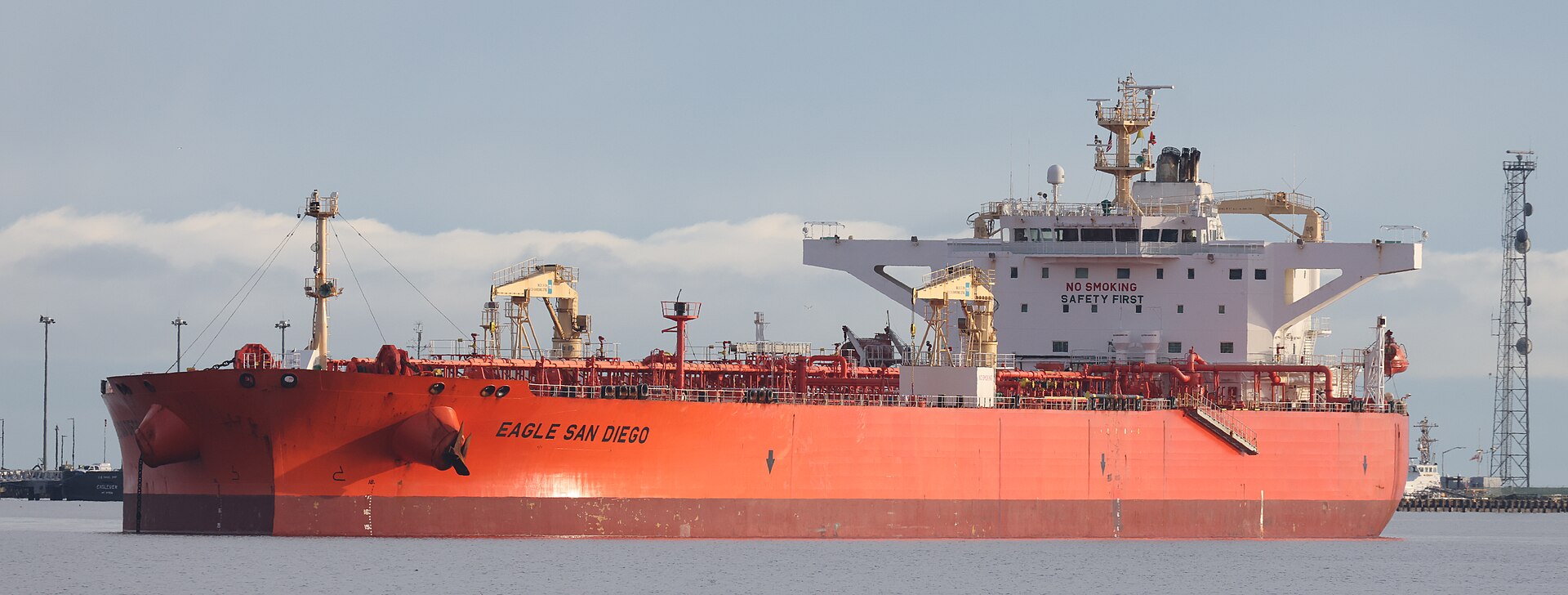
For the tankers that do attempt the crossing, the economics have become prohibitive. A very large crude carrier moving oil from Saudi Arabia to China now costs $1.33 million a day in freight, according to the Nautilus Shipping war-risk report for October — against roughly $80,000 to $120,000 before the conflict. War-risk insurance premiums for a single Hormuz transit run between 6 and 10 percent of hull value, up from a pre-war baseline of approximately 0.1 percent, according to the Financial Times. No protection and indemnity club has restored Gulf war-risk hull coverage since clubs withdrew it in March, according to Nautilus Shipping. The alternative — routing via the Cape of Good Hope — adds 10 to 14 days per voyage and roughly $1 to $2 million in additional fuel and hire costs per supertanker.
Houthi Attacks on Saudi Refineries
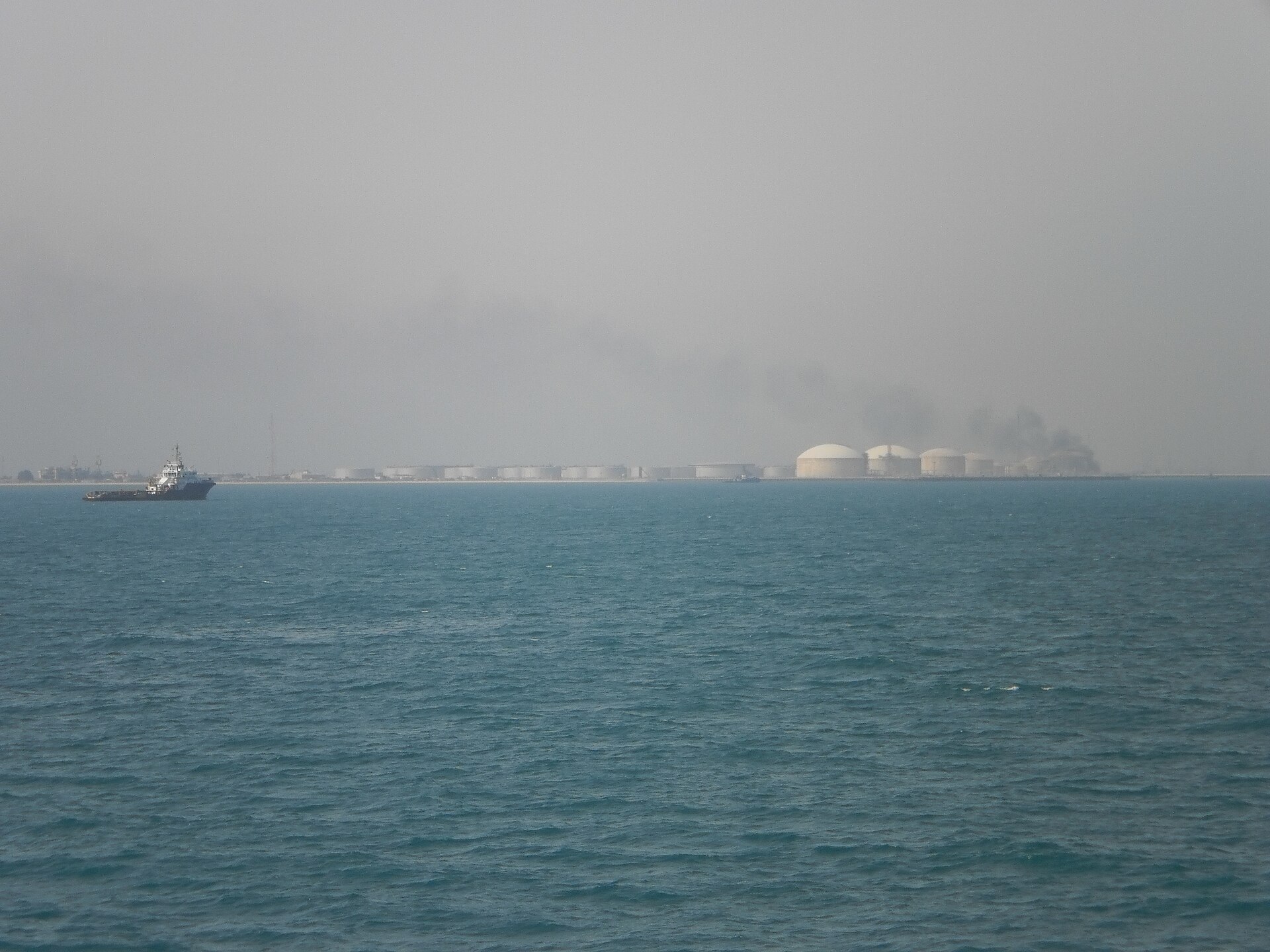
Saree claimed on October 27 that the Houthis hit Saudi Arabia’s Ras Tanura refinery — the kingdom’s largest, rated at 550,000 barrels a day — with a ballistic missile. Aramco said the fire was “fully contained,” that eight workers were injured and that operations were “not affected,” according to Argaam.
Two days later, Saree claimed a broader wave of six simultaneous attacks on Saudi targets: Ras Tanura, Abqaiq, King Khalid International Airport in Riyadh, King Fahd International Airport in Dammam, the Rabigh refinery and Najran military headquarters. The Saudi-led coalition confirmed only that it had intercepted two ballistic missiles aimed at Riyadh; the other five claimed targets received no Saudi confirmation. The Houthis have separately warned civilians to stay away from oil and energy sites, according to the AP — a declaration that functions as both a threat to operational staff and a signal that the group treats Saudi energy infrastructure as a standing target.
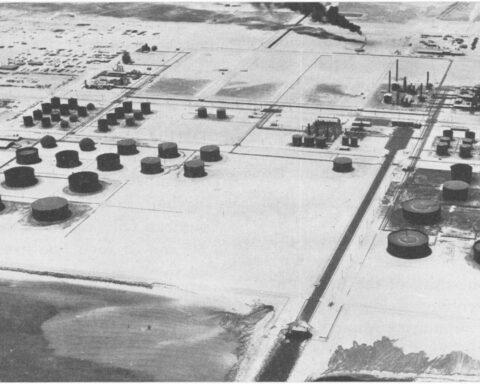
The attacks compound existing damage. The 400,000 barrel-a-day Jazan refinery, on the southern Red Sea coast, has been shut since a Houthi strike on July 27, according to industry monitor IIR and Hydrocarbon Processing, with no restart confirmed since. With Ras Tanura rated at 550,000 barrels a day and Rabigh also on the Houthi target list, the kingdom’s refining infrastructure is absorbing sustained pressure from a campaign that has moved from southern border cities to the industrial heart of the Saudi oil sector — though Saudi authorities have confirmed operational disruption only at Jazan.
What Analysts Got Wrong
Goldman Sachs described the Hormuz disruption in March as “the largest supply shock in the history of the global crude market” and raised its 2026 Brent average forecast to $85 from $77. By October 11, the bank raised its December 2026 Brent target to $90, according to Reuters — a figure that Brent blew past within three weeks, trading roughly $27 above that forecast by Friday morning.
“The largest supply shock in the history of the global crude market.”
Goldman Sachs, March 2026
Dennis Kissler, senior vice president of trading at BOK Financial, told Reuters on October 28 that crude futures were “once again pricing in nearer term tighter supplies.” He linked the latest move to expectations that the United States could restart military operations against Iran after the November 3 midterm elections — operations he said “could be more intense than in the past.”
Those forecasts assumed a disruption that would eventually heal — Saudi production returning to pre-war levels once export routes reopened. Eight months in, the East-West pipeline, Saudi Arabia’s main alternative to Hormuz with a design capacity of roughly 7 million barrels a day and about 5 million exportable according to Aramco, was suspended on September 11 and restarted on September 22. Saudi Gazette reported that full throughput would take “six weeks or more” from the restart date, and the pipeline itself has already been attacked — a Houthi strike on a pumping station on April 9 cut flows by 700,000 barrels a day, according to The New Arab.
What Can OPEC Do on November 1?
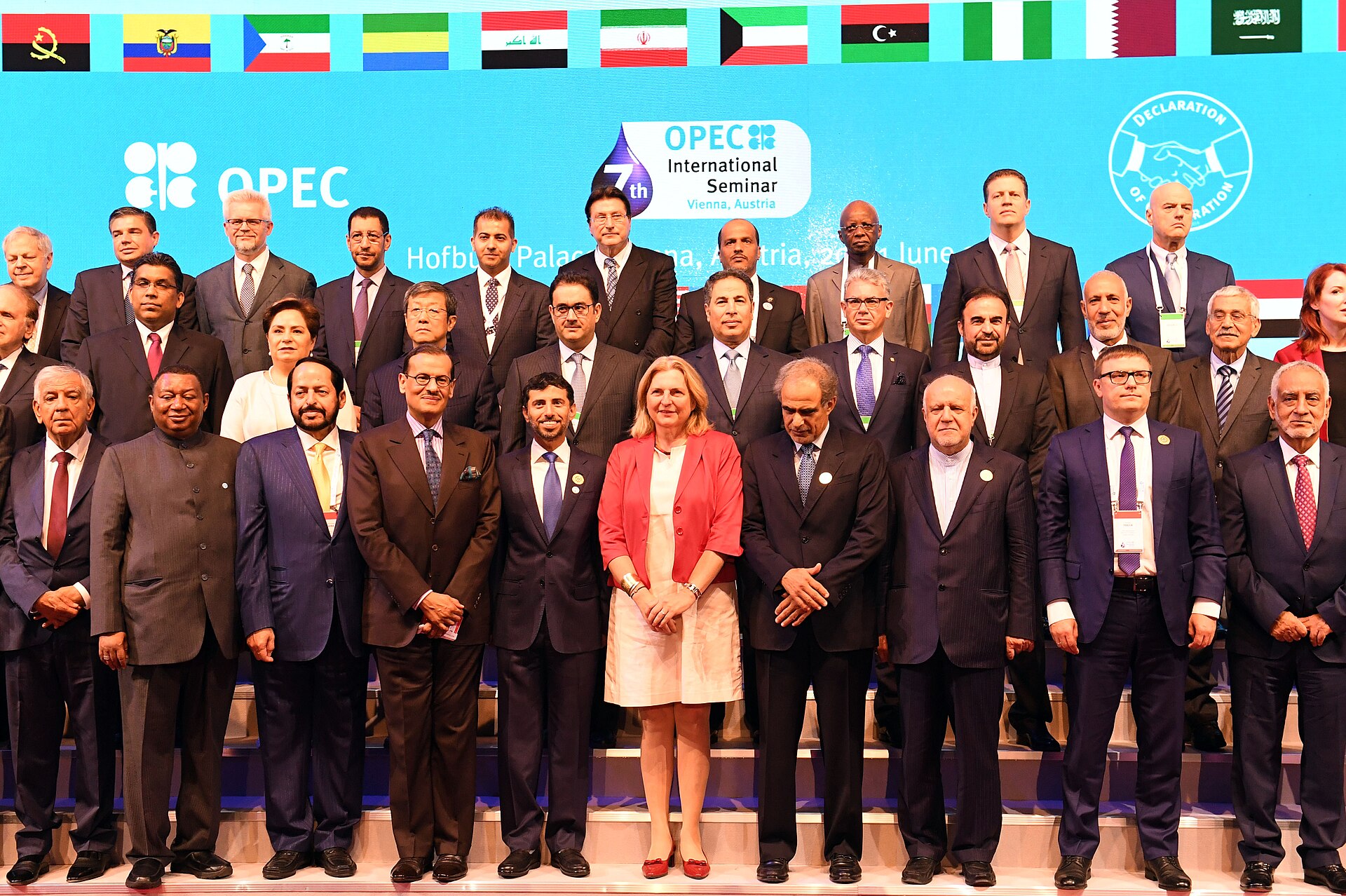
OPEC+ held all seven member production targets flat at its October 4 meeting, and no sourced analyst has predicted a quota increase for the November 1 review, according to Enerdata. Raising Saudi Arabia’s target from 10.5 million barrels a day would change nothing when the kingdom is producing 8.37 million, and even that partial recovery required a functioning pipeline and a Hormuz strait that had not yet been formally declared closed.
What the organisation can signal is whether it still treats quotas as supply management or as accounting for a capacity that no longer exists. Aramco’s pricing already reflects the shift: the November Arab Light official selling price to Asia was cut by $3 to $5 below the Oman/Dubai benchmark — the widest discount since June 2020, according to Reuters — while prices to northwest Europe were raised by $3, a spread that mirrors the physical reality of crude that can reach the Atlantic basin through Yanbu but cannot get to Asia through a mined and contested Hormuz.
The path to supply recovery runs through diplomacy and de-mining, not quota arithmetic. Iran said on October 28 that Hormuz could reopen in four to five days if the United States lifted its counter-blockade — a condition Washington has not met, and one that would leave the Houthi refinery campaign unaddressed and the physical mines in the strait uncleared even if it were accepted.
Aramco reported second-quarter earnings with an average realised crude price of $108.1 a barrel and net income of $32.69 billion, according to the company’s results filed with Tadawul. Brent now sits $8 above that Q2 realised price, in a market where Saudi Arabia cannot physically increase supply to capture it — a condition that no quota vote on Saturday can change.
Frequently Asked Questions
How much has Aramco changed its crude selling price during the war?
Aramco’s Arab Light premium to Asia peaked at $19.50 above the Oman/Dubai benchmark for May 2026, according to Baird Maritime citing Reuters, before falling to $15.50 for June, $9.50 for July according to BOE Report, and $2 below the benchmark for September. The November price was set at $5 below — a swing of more than $24 per barrel in official pricing over six months, driven not by any collapse in Asian demand but by the physical impossibility of delivering Saudi crude to Asian buyers through a closed and mined Hormuz.
How many ships crossed Hormuz in August 2026?
Lloyd’s List Intelligence counted at least 346 non-Iranian-linked transits through Hormuz for the entire month of August — roughly 11 a day, against the Joint Maritime Information Center’s pre-war baseline of 138 a day. Earlier in the month, Kpler data cited by Reuters showed only 33 vessels crossing over a four-day period from August 3 to 6, according to Chronicle.lu.
What has the production collapse done to Saudi Arabia’s economy?
Saudi GDP fell 4.8 percent year on year in the second quarter of 2026, with oil activity down 24.7 percent, according to GASTAT flash estimates reported by TradeArabia. The government’s pre-budget statement in September revised its 2026 deficit estimate upward to 245 billion riyals from a budgeted 165 billion and projected a full-year GDP contraction of 3.6 percent, according to Reuters via Zawya.
When did the Strait of Hormuz first close during this war?
Iran first declared Hormuz closed in July 2026 after CENTCOM struck more than 80 targets in southern Iran and President Trump said the Islamabad Memorandum ceasefire was “over,” according to The New Arab. A partial reopening had followed the June 17 memorandum, which provided 60 days of passage according to Iran International, but the US counter-blockade of Iranian ports that began on April 13 according to Container News and the IRGC’s July declaration left the strait functionally contested through the summer. The IRGC’s October 26 declaration was the strait’s second formal closure, and the mine damage to tankers on October 29 made it the most physically dangerous period of the war for commercial shipping.
The House of Saud Daily Briefing
Saudi Arabia's news in 3 minutes, every morning. Free. See today's issue