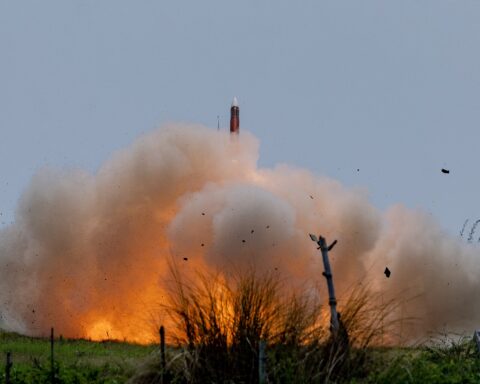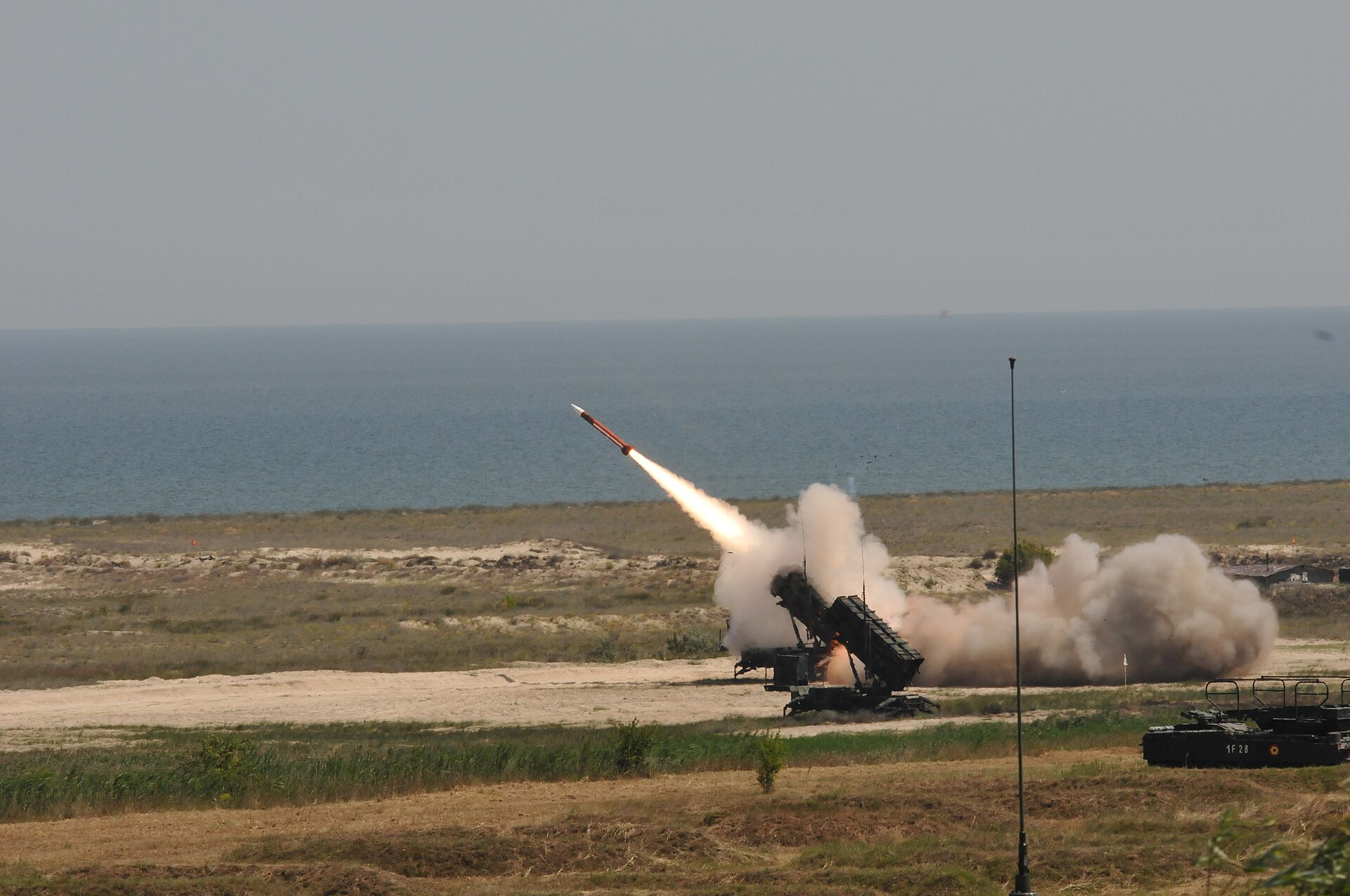

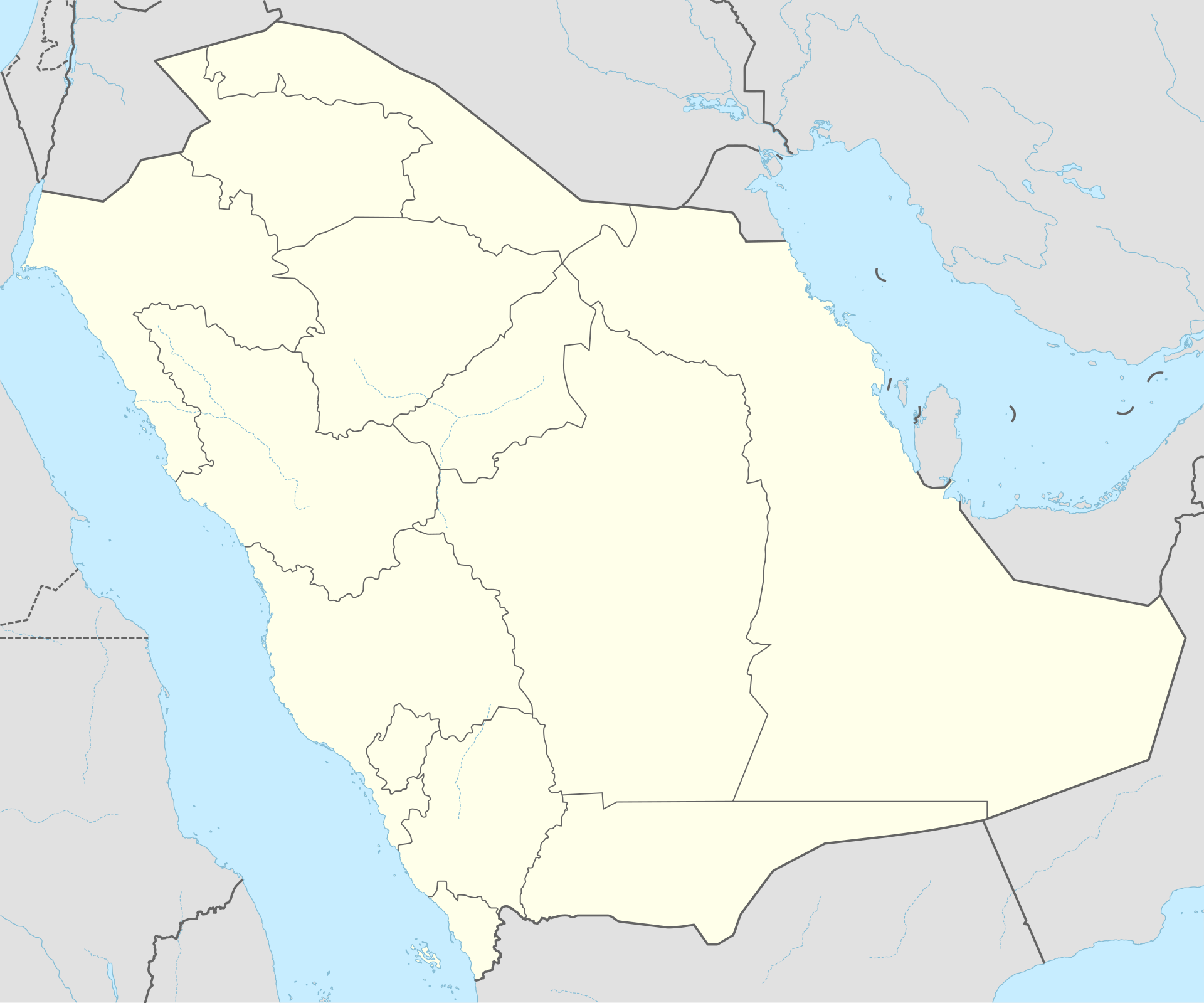
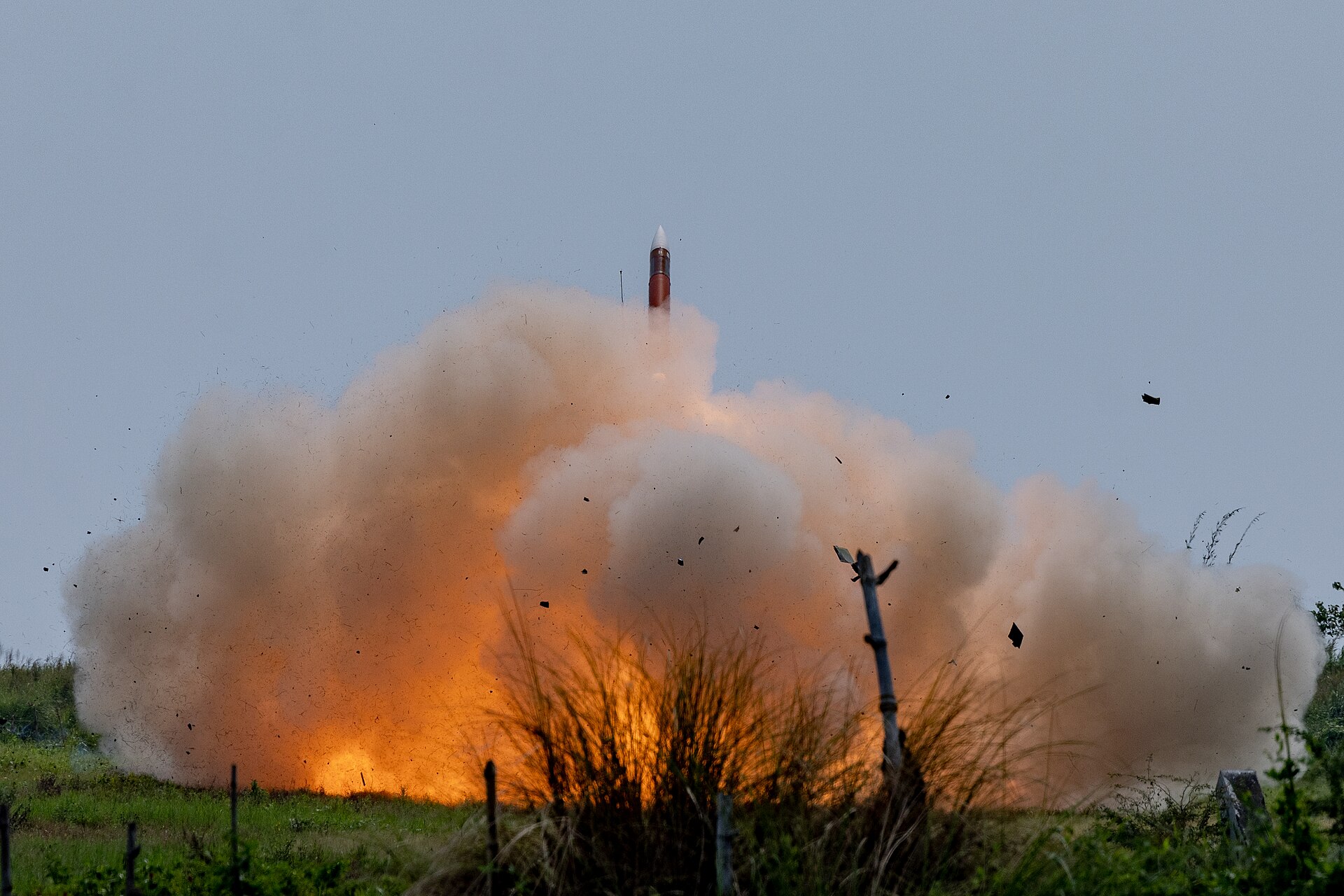
RIYADH — The Saudi-led coalition intercepted and destroyed two ballistic missiles fired at Najran, the southwestern Saudi province bordering Yemen, on Friday November 6, coalition spokesman Maj. Gen. Turki Al-Maliki announced via X. No casualties had been reported by time of publication.
The attack on Najran came less than 24 hours after coalition air defences intercepted a ballistic missile targeting the Medina region and destroyed a drone over the Eastern Province, extending a multi-front aerial campaign that has now struck at Saudi holy cities, oil hubs, and border provinces within 48 hours. On the same day as the Najran interceptions, Al-Maliki also announced the coalition had downed a drone over the Makkah region — the second time this week the area around Islam’s holiest city has come under aerial threat, after the coalition intercepted 3 drones over Makkah on November 4.
The House of Saud Daily Briefing
Saudi Arabia's news in 3 minutes, every morning. Free. See today's issue
Table of Contents
What Happened Over Najran
Al-Maliki’s announcement, published on the morning of November 6, confirmed that coalition air defences had intercepted and destroyed two ballistic missiles targeting Najran Province. The specific missile type was not identified in the coalition statement or in any wire report. Reuters, syndicated through multiple outlets, described them only as “ballistic missiles” without naming the system.
The interceptions took place sometime before 08:00 GMT, based on the earliest timestamped report — a Middle East Eye live blog entry logged at that hour. Asharq Al-Awsat published its report at 10:38 local Saudi time (07:38 GMT), updating it at 11:03. The coalition gave no specific launch time, intercept time, or location of the defending battery.
Al-Quds, citing official coalition sources, reported that missile fragments had “scattered across various areas” and that authorities were assessing whether debris had caused damage to residential or vital areas. Reuters confirmed debris had fallen as a result of the interception, with a damage assessment underway. By time of publication, no source had reported casualties or confirmed structural damage.
Civil Defense Response
Saudi Civil Defense issued a shelter-in-place alert for Najran Province through the National Early Warning Platform ahead of the interception, according to Siasat.com. The alert was later lifted. Saudi authorities have used the platform frequently through October and November as Houthi attacks intensified across multiple provinces, with alerts reaching Najran, Jizan, Makkah, and Medina residents in recent weeks.
The pattern has become grimly routine for Najran’s residents. On October 23, similar alerts were issued after missiles were intercepted over the province. On October 19, a Houthi projectile injured 6 people in the city, according to Roya News.
48 Hours, 4 Fronts: The Escalation Sequence
The Najran interceptions are the latest in a concentrated sequence of aerial attacks across Saudi Arabia’s geography. The 48-hour picture, drawn entirely from coalition announcements and wire reports, shows an adversary testing defences from the Yemeni border to the kingdom’s eastern oil coast.
| Date | Target Area | Type | Source |
|---|---|---|---|
| Nov 4 | Makkah Region | 3 drones | Asharq Al-Awsat |
| Nov 5 | Medina Region | Ballistic missile | Al Arabiya English |
| Nov 5 | Eastern Province | Drone | Khaleej Times |
| Nov 6 | Najran Province | 2 ballistic missiles | Reuters |
| Nov 6 | Makkah Region | Drone | Asharq Al-Awsat |
The targets span Saudi Arabia’s geography: the holy cities of Makkah and Medina in the west, the oil export and industrial centres of the Eastern Province, and the border province of Najran in the southwest. Whether this geographic spread reflects coordinated planning or opportunistic firing is unclear from the available evidence. The coalition has not described the attacks as coordinated, and no single Houthi statement has claimed them as a unified campaign.
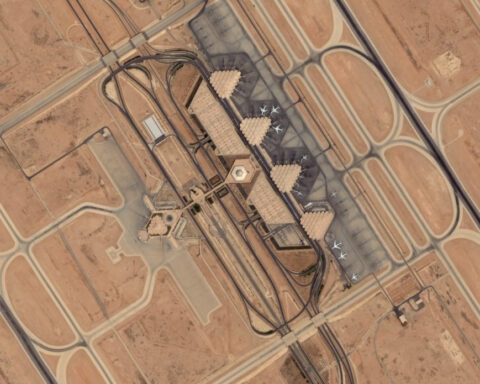
The escalation did not begin on November 4. In the preceding 48 hours, on November 3, the Houthis had claimed strikes on Abha and Khamis Mushait in Asir Province, according to coalition reporting. And on November 4, Roya News reported the Houthis claimed a missile strike on King Khalid International Airport in Riyadh and a drone attack on Khamis Mushait airbase — claims Saudi authorities did not confirm. The pattern running from November 3 through November 6 amounts to at least eight separate coalition-announced interceptions or Houthi attack claims across six provinces or regions.
Separately, the Houthis claimed on November 5 to have targeted King Fahd International Airport in Dammam, saying the attack disrupted air traffic. Saudi authorities did not confirm that claim, according to the Khaleej Times live blog. The Houthis have previously claimed attacks on Dammam’s airport infrastructure, but confirmed interceptions in the area have been rarer than in the western and southwestern provinces.
Why Has No Group Claimed the Najran Attack?
As of publication, no group had claimed responsibility for the two missiles fired at Najran. The absence of a claim is unusual. Houthi military spokesman Yahya Saree has been active in the same 48-hour window — he denied the coalition’s November 5 Medina interception announcement, according to Siasat.com, and the Houthis separately claimed the Dammam airport attack.
The Houthis have historically treated Najran differently from the holy cities. They have consistently denied targeting Makkah and Medina, while openly claiming military strikes on the border provinces of Najran, Jizan, and Asir. In August 2026, for instance, the Houthis claimed a drone attack on a “sensitive target” at Najran Airport; Saudi authorities issued no confirmation of that claim and no casualty figures were reported by wire services, according to The National News. That pattern makes the silence on this particular attack harder to read.
Saree did make broader claims on November 6, stating that Saudi warplanes had carried out 61 air raids on Yemeni governorates over 24 hours and that cumulative coalition strikes had reached 4,197, according to Siasat.com — Houthi figures that cannot be independently verified. But he made no reference to the Najran missiles in the available English-language reporting.
Without a Houthi statement, the motive and intended target remain unknown.
Does the Makkah Defence Pact Change the Equation?
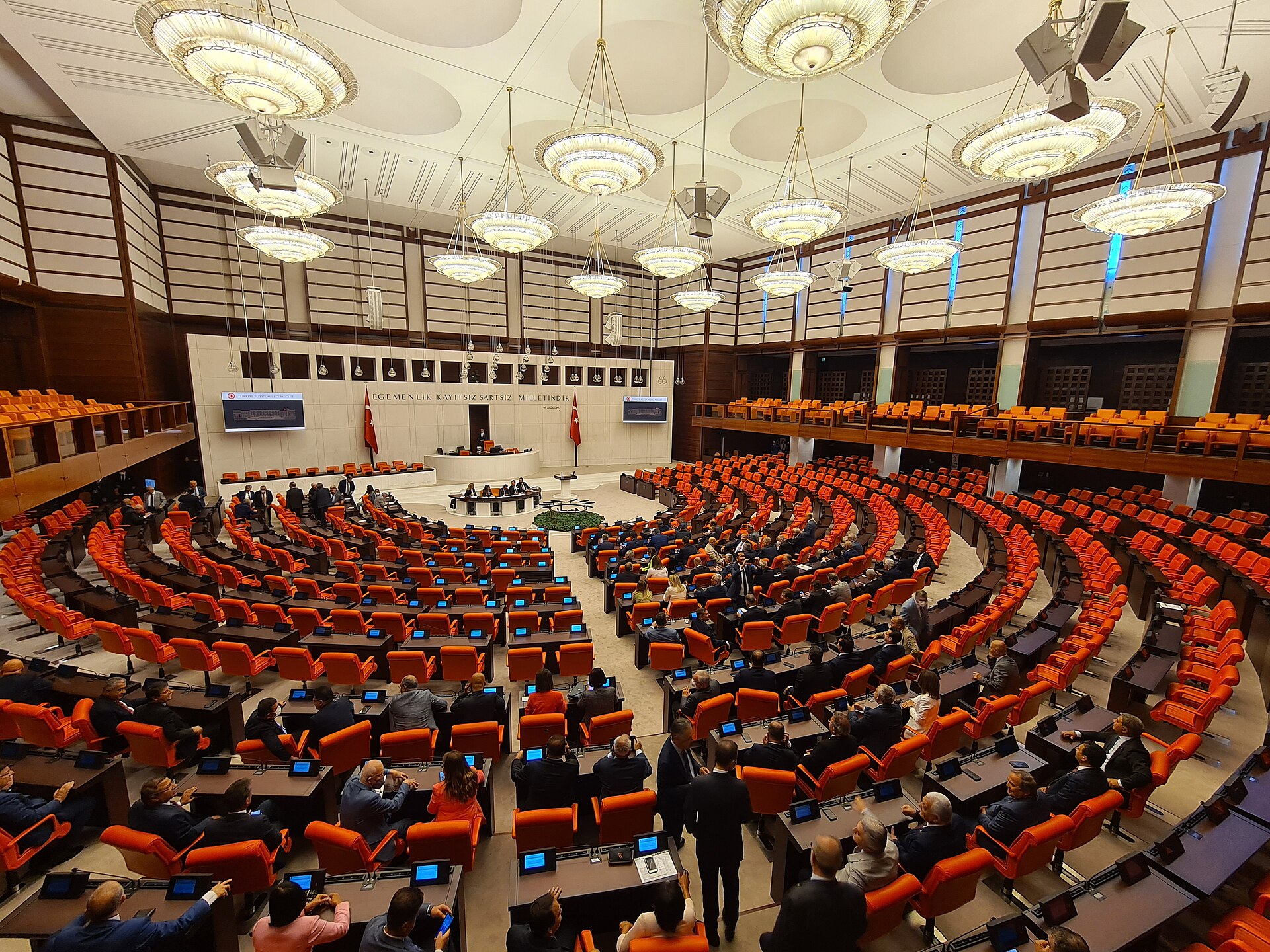
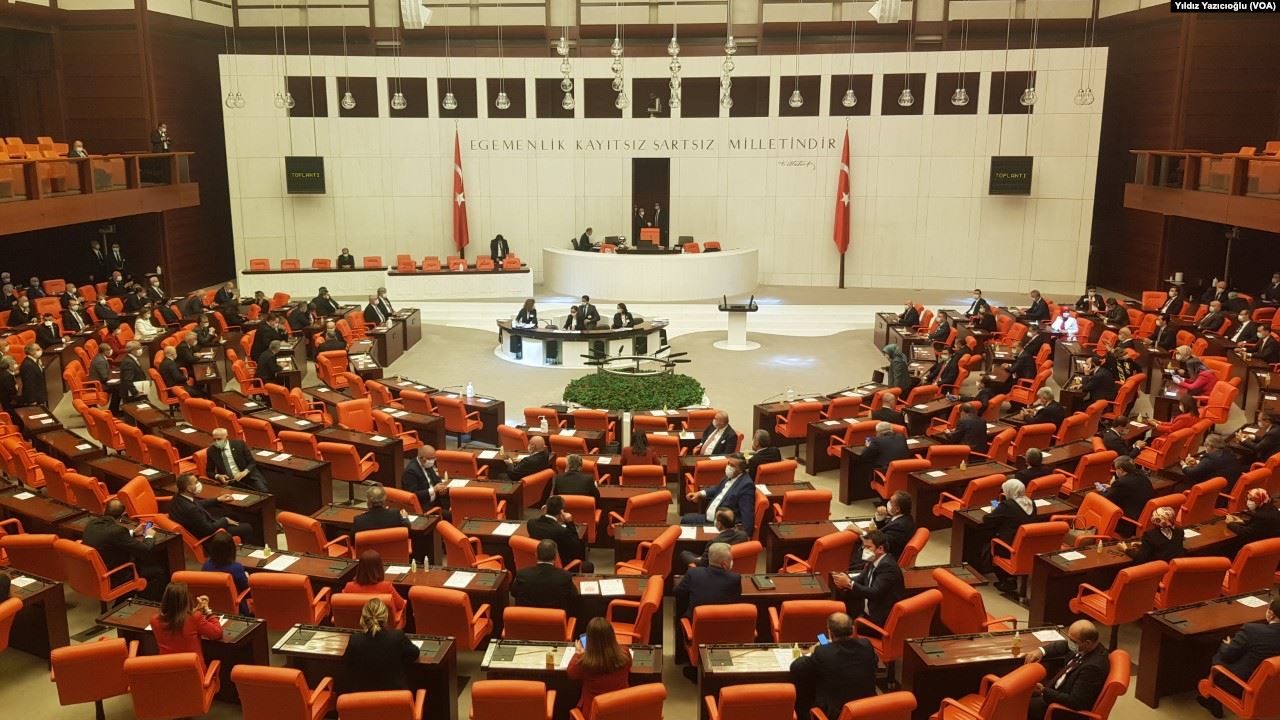
The Najran attack came one day after Turkey’s Grand National Assembly voted 279 to 119 to ratify the Makkah Defence Pact, completing the three-nation mutual defence treaty among Saudi Arabia, Pakistan, and Turkey. Pakistan had ratified the agreement on October 23. With Turkey’s vote, the treaty is now fully in force.
On the same day as the ratification vote, Saudi Interior Minister Prince Abdulaziz bin Saud bin Naif met his Turkish counterpart Mustafa Çiftçi in Ankara to discuss security cooperation, according to Asharq Al-Awsat. The meeting’s timing, coinciding with both the parliamentary vote and an acceleration of Houthi attacks, underlines the speed at which the pact’s signatories are moving to operationalise the agreement.
The pact obligates its three members to treat an armed attack on one as an attack on all — a provision modelled on NATO’s Article 5. What that means in practice for the Houthi front remains untested. Turkey has no military footprint in southern Saudi Arabia. Neither country’s forces have been involved in coalition operations against the Houthis as reported by any source.
The treaty entered full force during the most sustained period of Houthi aerial attacks since the conflict began. The coalition’s original intervention in March 2015 drew in a large multinational force, but several partners — including the UAE and Qatar — have since scaled back or withdrawn their direct military involvement. The Makkah Pact represents a new framework: not a return to the 2015-era coalition, but a trilateral commitment between Saudi Arabia’s two largest Muslim-majority defence partners. The ratification margin, with 119 opposing votes in the Grand National Assembly, reflected domestic debate over the commitment — but the pact passed with a comfortable majority, according to Anadolu Agency.
How Often Has Najran Been Targeted in 2026?
Najran has absorbed repeated attacks throughout 2026. The province sits roughly 100 to 150 km north of the Yemeni border, placing it within comfortable range of every ballistic missile system in the Houthi arsenal. The Zulfiqar, a solid-fuelled missile with an estimated range of up to 1,200 km according to the Wilson Center, can reach anywhere in Saudi Arabia from Houthi-controlled territory — Najran requires a fraction of that range.
| Date | Type | Outcome | Source |
|---|---|---|---|
| Aug 4 | Drone attack claimed (Najran Airport) | No Saudi confirmation; no casualties reported | The National News, Aug 4 |
| Oct 19 | Projectile | 6 injured | Roya News |
| Oct 23 | Missiles intercepted | Alerts issued | Middle East Eye |
| Oct 29 | Attack reported | Details limited | JFeed |
| Nov 6 | 2 ballistic missiles | Both intercepted; debris assessed | Reuters; Asharq Al-Awsat |
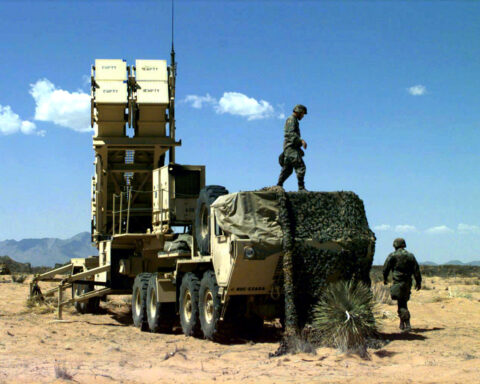
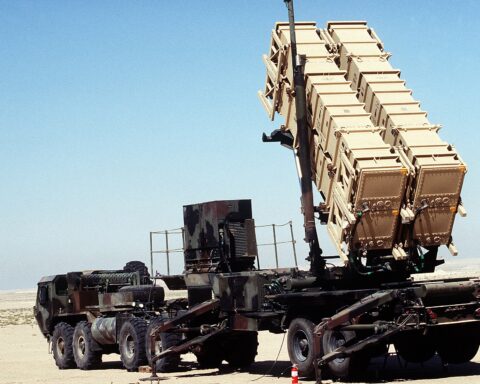
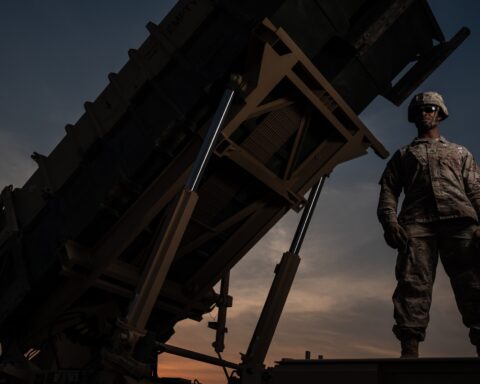
Saudi Arabia’s air defence network relies on Patriot PAC-3 batteries; the total number of batteries deployed has not been confirmed in any publicly available source. The United States approved a $9 billion sale of PAC-3 MSE interceptors to the kingdom on January 30, 2026, through the Defense Security Cooperation Agency — a deal whose delivery timeline has not been publicly disclosed. The specific system used in Friday’s Najran interceptions was not identified in any source.
The tempo of interceptions raises questions about interceptor consumption. Saudi authorities do not publish stock figures, and the specific inventory level has not been confirmed in any available source. Each successful ballistic missile interception typically requires two interceptor missiles, though Saudi officials have not confirmed their engagement doctrine. The $9 billion PAC-3 MSE sale, if delivered, would substantially replenish the stockpile, but no public timeline exists for when those interceptors will arrive.
The province has been a frontline of the Yemen conflict since the Saudi-led coalition intervened in 2015. Four Arab states — Qatar, Kuwait, Bahrain, and Jordan — condemned the Houthi missile attack on the Medina region on November 5, but no separate condemnation of the Najran attack had been issued by the time of publication. Najran’s status as a border province — closer to the launch sites, lower in the Saudi media hierarchy than the holy cities or Riyadh — has historically drawn less international attention, even as its residents absorb the most frequent attacks.
FAQ
What type of missiles were fired at Najran?
The coalition and all wire reports described them only as “ballistic missiles.” No specific system was named in the coalition statement or any wire report. The Houthi arsenal includes multiple ballistic types — among them the Zulfiqar, with an estimated range of up to 1,200 km per the Wilson Center, as well as the Burkan-2H and Palestine-2 — though Najran’s proximity to Yemen makes range largely irrelevant for targeting the province. Saudi Arabia has not disclosed the interceptor type used either.
Has the UN or any international body responded to the November 4–6 attacks?
No United Nations statement specifically addressing the November 4–6 sequence of attacks on Saudi Arabia had been found in English-language sources at the time of publication. The four Arab states that condemned the Medina attack on November 5 — Qatar, Kuwait, Bahrain, and Jordan — were the only multilateral response on record at time of publication.
Is Najran Airport still operational?
Saudi authorities had not issued a NOTAM or public closure notice for Najran Airport in connection with the November 6 interceptions at the time of publication. The August 2026 Houthi drone attack on Najran Airport wounded 11 civilians but did not result in a long-term closure, according to Khaleej Times reporting from August 8. Travellers should check the latest airport status for real-time updates.
The House of Saud Daily Briefing
Saudi Arabia's news in 3 minutes, every morning. Free. See today's issue