
RIYADH — Iran’s Islamic Revolutionary Guard Corps warned on November 5 that any country helping the United States attack Iran would become “a legitimate target of the Islamic Republic,” a threat directed at Gulf states — above all Saudi Arabia — that host American military forces within range of Iranian missiles. On the same day, Iran’s foreign minister Abbas Araghchi called Saudi FM Prince Faisal bin Farhan to discuss what Iranian state media described as “regional developments and the progress of diplomatic efforts to establish stability,” according to IRNA via AFP.
The timing was not subtle. Prince Sultan Air Base, the primary American hub in the kingdom, sits approximately 100 kilometres southeast of Riyadh and was struck by Iranian missiles on March 27 this year. The New York Times reported on November 5 that US air and naval forces are “poised to resume major combat operations against Iran” on Trump’s orders, while Trump told Fox News that “a lot of people would like to do the heavy hit” on Iran. Saudi Arabia now finds itself caught between an American president signalling escalation and an Iranian military explicitly naming the facilities that make the kingdom a target.
The House of Saud Daily Briefing
Saudi Arabia's news in 3 minutes, every morning. Free. See today's issue
Table of Contents
What Did the IRGC Say About Gulf States Hosting US Forces?
Two separate IRGC-affiliated figures issued warnings within 24 hours, both threatening Gulf states that facilitate American military operations against Iran. Ali Reza Balali, a senior adviser to the IRGC Aerospace Force commander, said on November 5 that “in the event of a new aggression, any country or force that helps America attack Iran can be a legitimate target of the Islamic Republic,” according to the Caspian Post, citing Al Jazeera. He referenced Iranian missile bases capable of targeting “American bases” but did not name specific Gulf states.
Separately, Hamidreza Moghadamfar, speaking at a rally in Bandar Abbas around November 4–5, went further — specifically naming the UAE and Bahrain as countries that would face expanded Iranian retaliation if they hosted US attacks, and referenced “new doctrine and new technology,” according to Arab News, citing Tasnim. The two statements, from different figures at different events, amount to the most explicit conditional threat Iran has issued to Gulf governments since the war began in February.
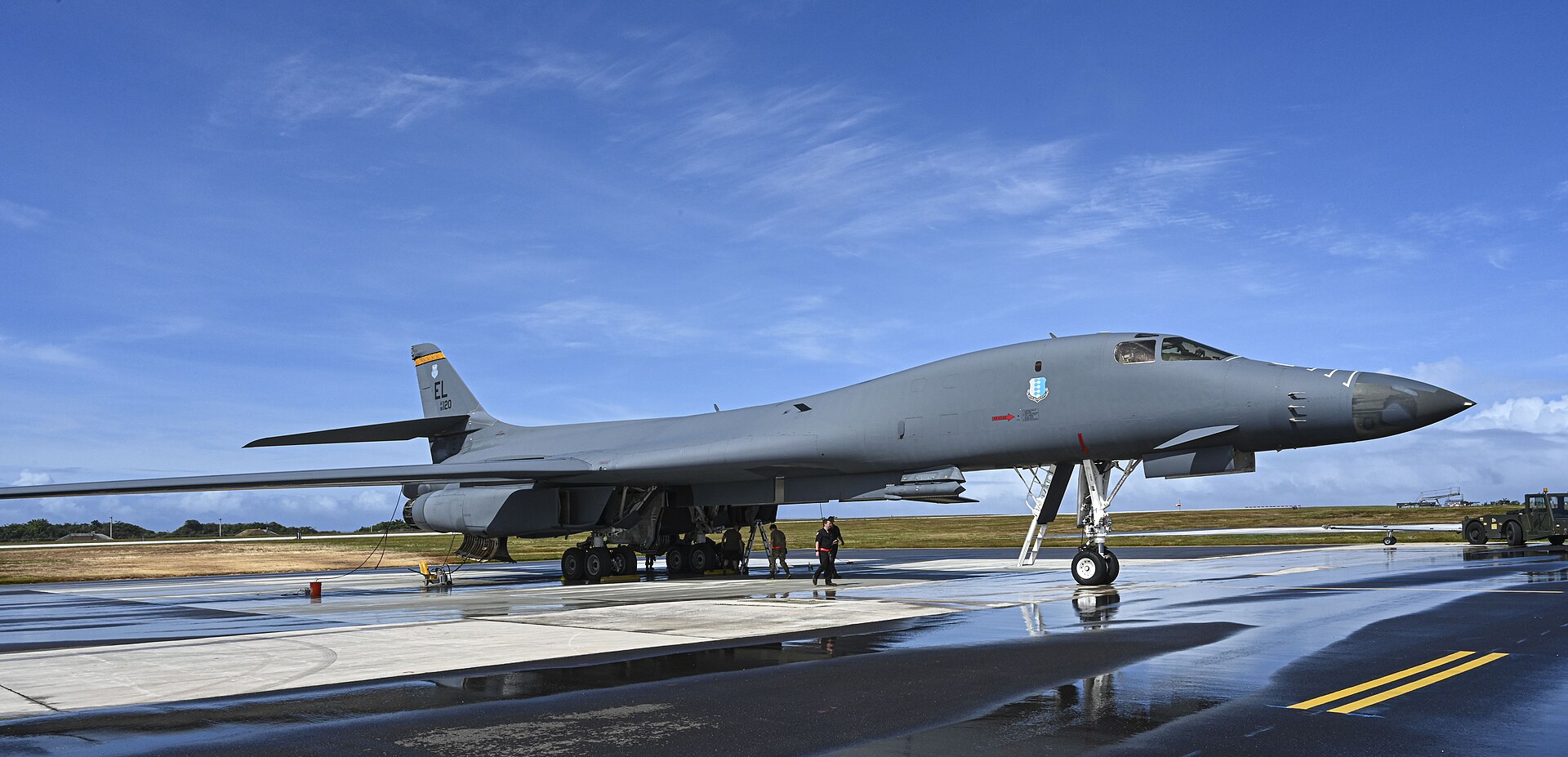
Neither statement was technically new in kind. The IRGC has previously made similar threats against Gulf states hosting US forces, including statements naming Britain after reports of B-1 bombers using British airbases. The IRGC has also previously named specific Saudi infrastructure — including the SAMREF refinery and Jubail petrochemical complex — as “direct and legitimate targets,” according to the Caspian Post. But the November 5 warnings carried added weight because they arrived alongside reporting that the United States was preparing to resume large-scale strikes on Iran.
Araghchi Calls Saudi FM and 5 Regional Counterparts
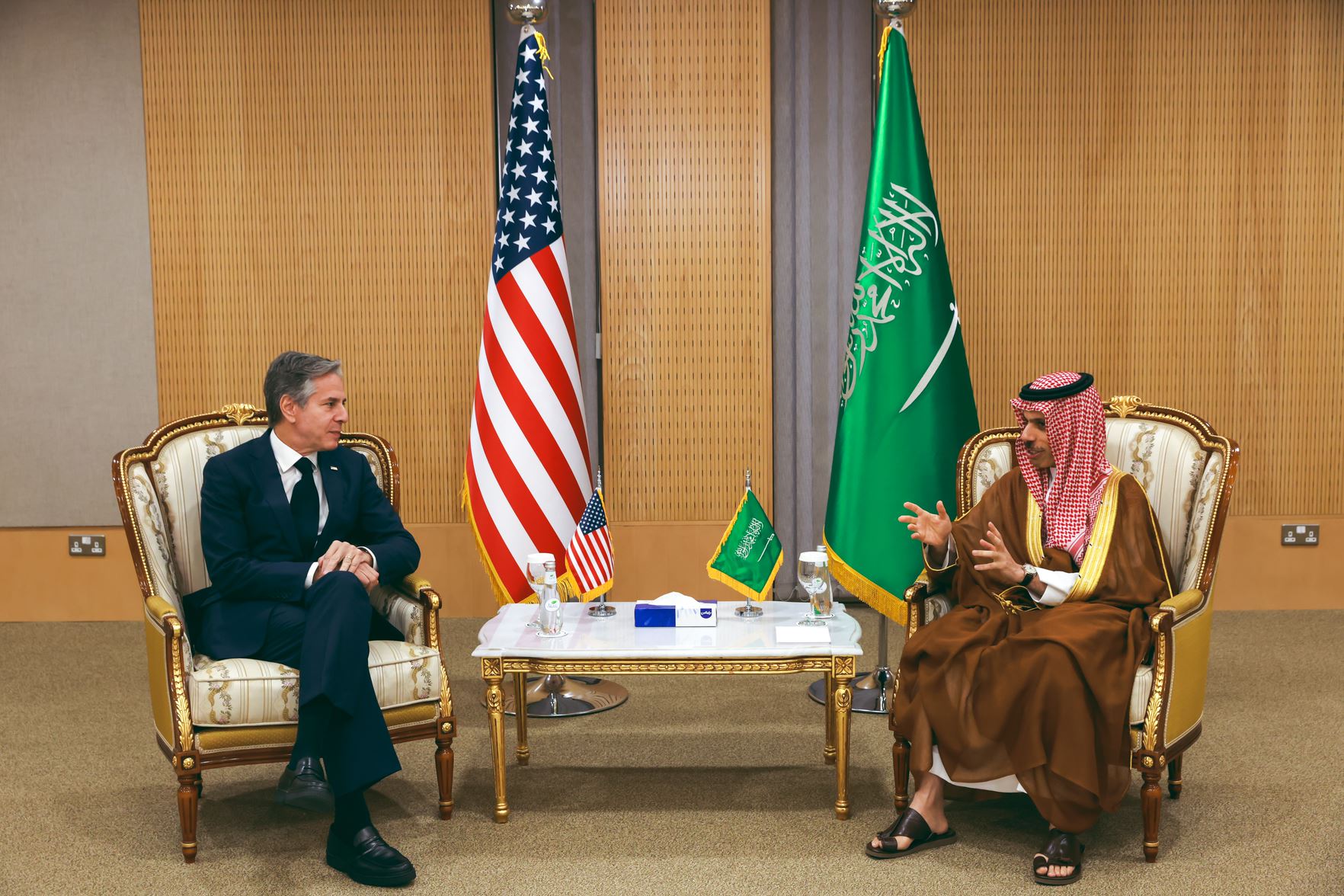
Araghchi’s call to Prince Faisal on November 5 was one of at least six he made to regional counterparts that day, according to the Daily Beirut, citing Tasnim and IRNA. He also reached Qatar’s PM and FM Sheikh Mohammed bin Abdulrahman, Jordan’s FM Ayman Safadi, Kuwait’s FM Sheikh Jarrah Jaber Al-Ahmad Al-Sabah, and Turkey’s FM Hakan Fidan. Oman’s FM Badr Albusaidi confirmed a separate call.
The content of the Araghchi–Faisal conversation remains opaque. IRNA’s summary — “recent regional developments and the progress of diplomatic efforts to establish stability in the region” — is diplomatic boilerplate that reveals nothing about whether Iran offered assurances, sought Saudi neutrality in the event of renewed US strikes, or discussed the stalled Hormuz negotiations, according to Insider Paper, citing AFP. No public Saudi statement responding to the IRGC’s “legitimate targets” warning has been confirmed as of this writing.
The call was not the first between the two foreign ministers this year. The Saudi foreign ministry reported an earlier conversation in August focused on reducing Gulf tensions, according to Trend. The pattern — Araghchi calling as IRGC rhetoric escalates — suggests Iran is running a familiar playbook of simultaneous military threat and diplomatic outreach, though the substance of these calls remains known only to the participants.
How Exposed Is Prince Sultan Air Base?
Prince Sultan Air Base is the single most consequential piece of American military infrastructure in Saudi Arabia, and the IRGC knows its address. The base sits approximately 100 kilometres southeast of Riyadh and typically hosts an estimated 2,000 to 3,000 US personnel, according to publicly available references. It houses the Combined Air Operations Centre that has coordinated US air strike planning against Iran — making it not just a military installation but the nerve centre of the American air campaign.
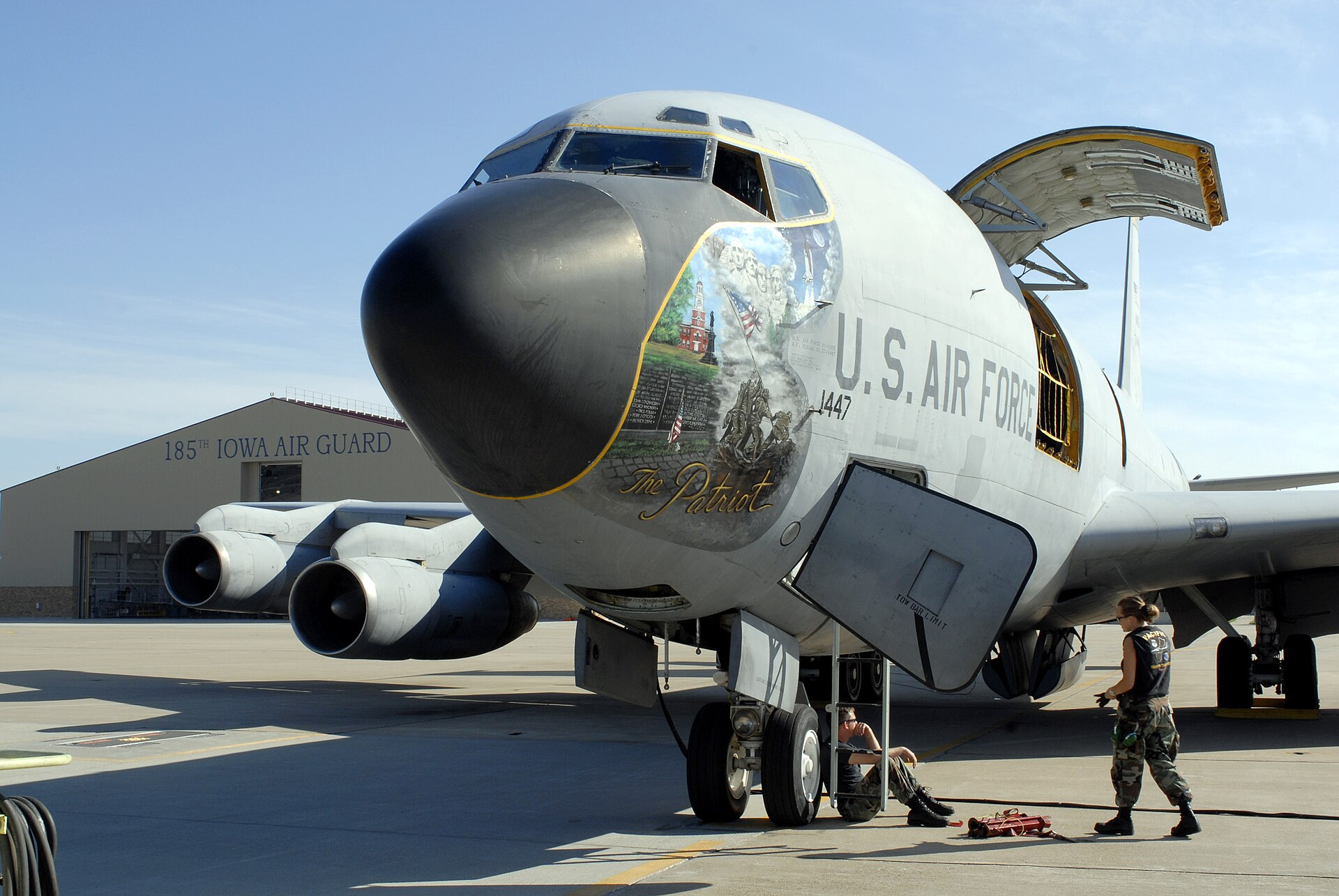
Iran has already demonstrated it can hit PSAB. On March 27, Iranian missiles struck the base, wounding at least 12 US troops — two of them seriously — and damaging at least two KC-135 Stratotanker aerial refuelling aircraft and an E-3 Sentry AWACS surveillance plane, according to Al Jazeera. The Times of Israel reported that at least 29 US servicemen were wounded across multiple attacks on Prince Sultan Air Base in a single week. Two of the damaged KC-135s remained in depot maintenance repairs as of October 2026, according to Air & Space Forces Magazine — meaning Iran’s March strike is still degrading American operational capacity eight months later.
“In the event of a new aggression, any country or force that helps America attack Iran can be a legitimate target of the Islamic Republic.”
— Ali Reza Balali, senior adviser to the IRGC Aerospace Force commander, November 5, 2026 (Caspian Post via Al Jazeera)
The broader picture is starker. Iran has fired at least 38 missiles and 435 drones at Saudi territory during the 2026 war, according to a tally compiled by Wikipedia from multiple sources. The Stimson Center reported on November 2 that Iran has struck at least 20 US bases across the region since the war began in February. Saudi Arabia once used this vulnerability as leverage — NBC reported that the kingdom warned it could deny US aircraft its airspace and Prince Sultan Air Base, before Trump paused the Project Freedom escort operation in May, about 36 hours after announcing it, according to The New Arab.
US Forces Poised for Major Combat Operations
The IRGC’s November 5 warnings arrived against reporting that the American military is ready to move. The New York Times reported on November 5 that US air and naval forces are “poised to resume major combat operations against Iran” on Trump’s orders, citing Pentagon officials and military commanders, as reported by Al Jazeera’s live blog. CNN has previously reported that US forces can launch operations against Iran “within 96 hours of receiving” a Trump order, with two US officials confirming that sufficient forces are deployed in the region, according to Asharq Al-Awsat.
The numbers are substantial. Approximately 50,000 US troops are deployed across the broader Middle East theatre, with more than a dozen ships in the region, according to Foreign Policy. Trump, speaking to Fox News, said “a lot of people would like to do the heavy hit” on Iran and “we have to do something large,” according to Gulf News. The language was deliberately vague on timing but unmistakable in direction — and it came after he told Fox News he thought Iran was partly responsible for Republican losses in the midterms.
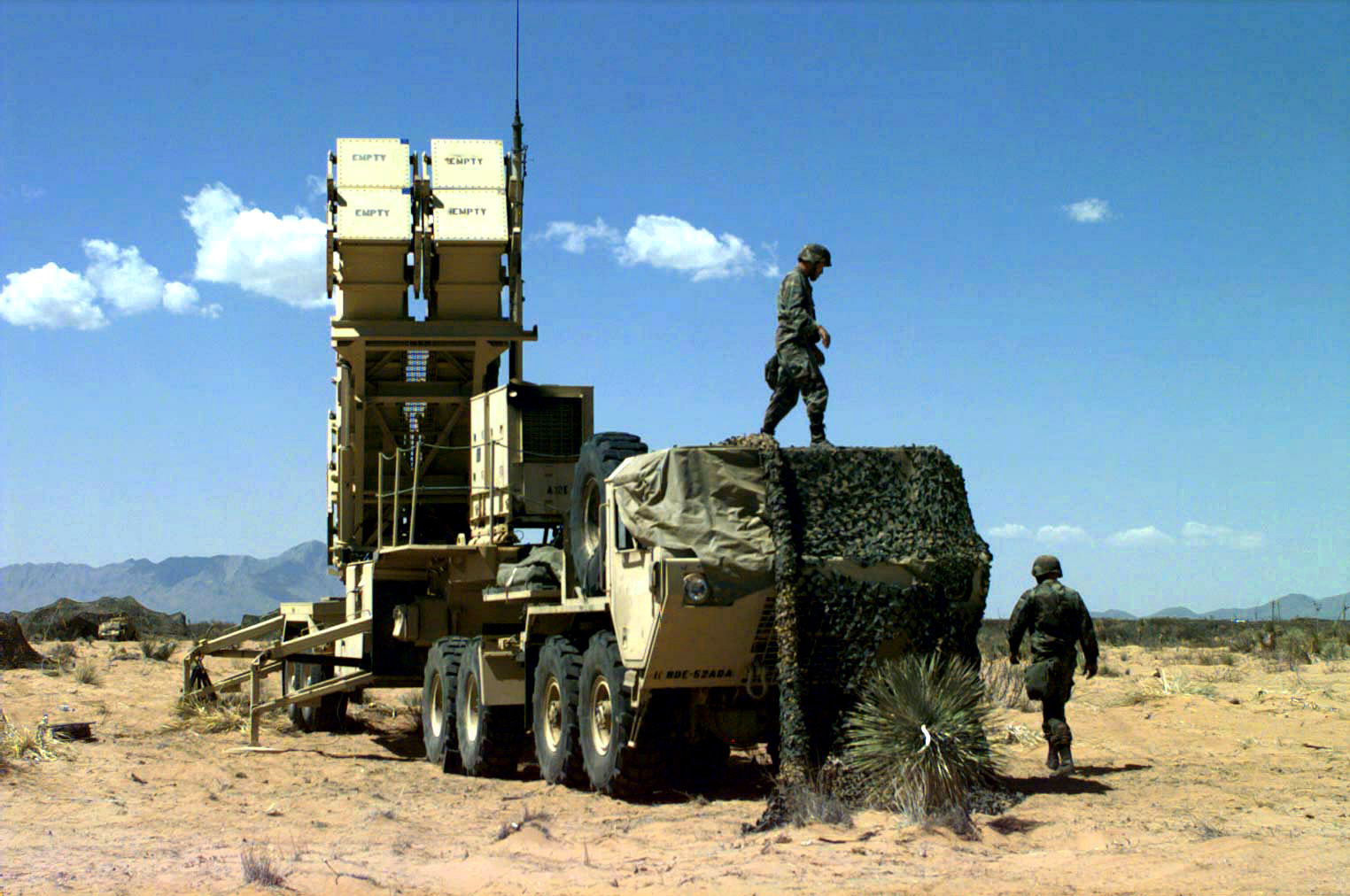
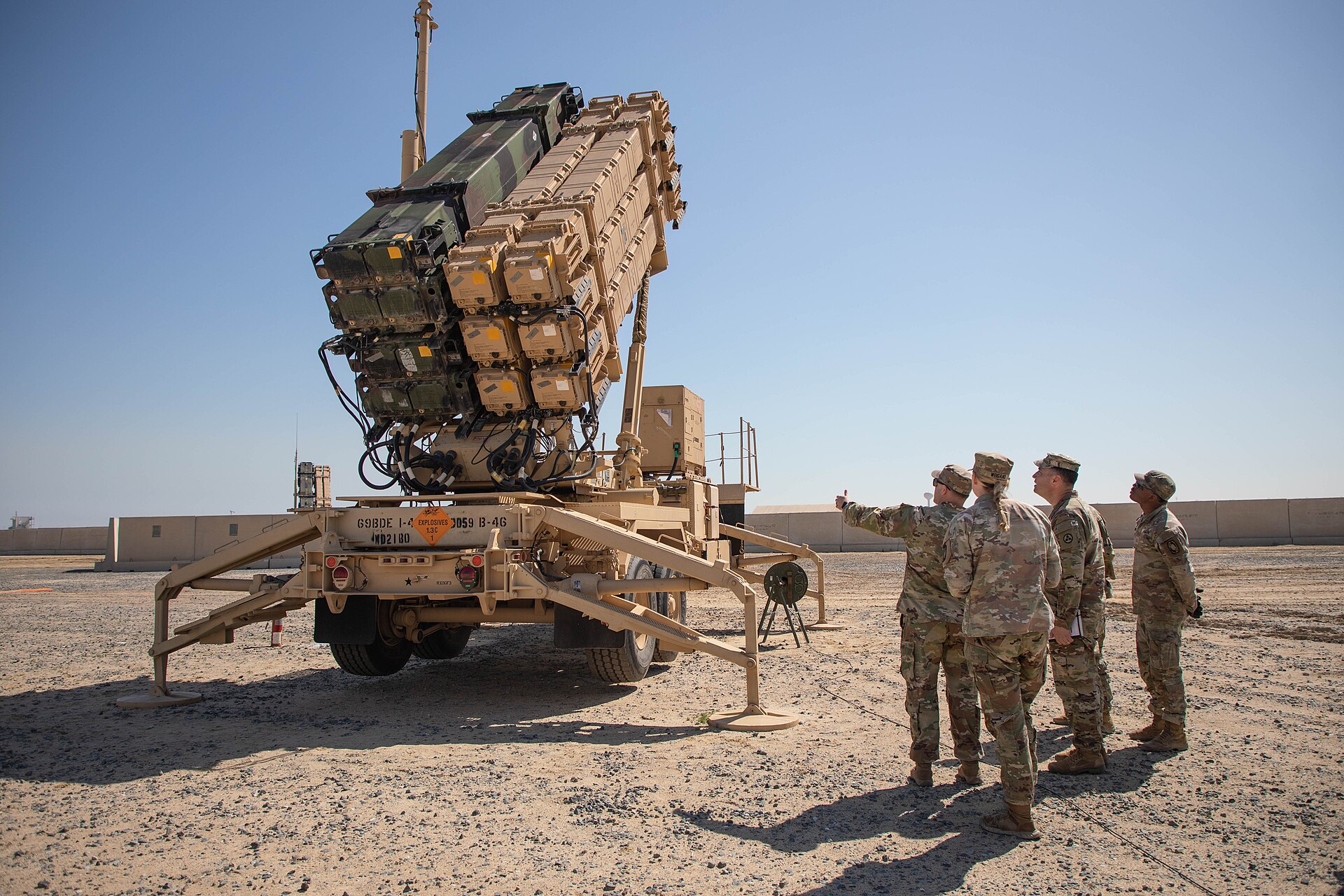
Not everyone in the defence establishment shares Trump’s apparent confidence. Stacie Pettyjohn, senior fellow and director of the defence programme at the Center for a New American Security, told Foreign Policy on November 2 that while US forces are “likely quite ready to carry out the planned operations,” long-term readiness concerns are “quite profound,” including munitions stockpiles and deferred maintenance. She described restarting the war as “a huge gamble.” Jonathan Panikoff, senior director at the Atlantic Council’s Scowcroft Middle East Security Initiative, told the same outlet that long-range systems like Tomahawks are “significantly depleted” and Patriot and THAAD air defence batteries are “limited.” He acknowledged the president still has “other ways” to execute planned missions.
For Saudi Arabia, the analysts’ warnings land differently than they do in Washington. “It is impossible to defend everywhere,” Pettyjohn told Foreign Policy — and Prince Sultan Air Base — the base Iran has already struck — sits at the intersection of everywhere Iran might want to strike and everything America needs to keep flying.
What Are Saudi Arabia’s Options Before January 3?
The new Democrat-controlled Congress does not take office until January 3, 2027, according to The Hill and CNBC. That leaves roughly 59 days in which Trump retains full war-powers authority with a Republican majority that has not challenged his conduct of the Iran conflict — a lame-duck window that has already drawn attention from analysts tracking the war. No war powers resolution has ever overcome a presidential veto, and Democrats’ main constraint tool is appropriations, which only bites once they are seated. Senator Chuck Schumer said the war “must end” and suggested the incoming majority could use funding control to press that goal, according to CNBC.
Saudi Arabia has managed these pressures before, with uneven results. The kingdom and Kuwait temporarily restricted US access to their bases during Operation Project Freedom in May, according to Wikipedia citing the New York Times. The NYT also reported Saudi Arabia denied US airspace access during that period. The precedent showed Riyadh was willing to limit cooperation under IRGC pressure — but the restriction was brief, and the circumstances were narrower than the current threat.
The Makkah Pact, signed on August 7, gives Saudi Arabia a regional security framework outside the American alliance. Pakistan ratified the pact on October 23, and Turkish and Pakistani forces have deployed under its terms. But the pact was designed to address Houthi strikes on the kingdom, not to manage the consequences of a US–Iran escalation that turns Saudi military infrastructure into an Iranian target list.
Iran’s supreme leader Mojtaba Khamenei, speaking on November 4, dismissed any expectation that Democratic control of Congress would change American hostility toward Iran, saying it was a mistake to hope for change in American behaviour through partisan shifts or concessions, according to Al Jazeera — a statement consistent with his broader post-midterm posture. Iran’s Majlis Speaker Mohammad Bagher Qalibaf argued on X that the midterm results showed American voters opposed the war, but warned that “if the US government ignores the public’s will, it will face severe consequences,” according to Al Jazeera.
Background
The US and Israel struck Iran on February 28, killing Supreme Leader Ali Khamenei, and the Assembly of Experts named his son Mojtaba Khamenei as successor on March 8, according to the Jakarta Post. Iranian missiles and drones began targeting Riyadh and the Eastern Region from the same day, according to Al Jazeera. The conflict has since drawn in Houthi forces — who have struck Saudi airports, including a devastating attack on King Khalid International Airport on October 10 that killed 12 and wounded 309, according to Al Jazeera (Wikipedia’s tally of the wounded was 308) — and prompted Saudi Arabia to build new security frameworks including the Red Sea maritime coalition and the Makkah Pact, even as the IRGC continued to claim tanker fires and mine strikes in Hormuz.
Saudi Arabia and Iran restored diplomatic ties in 2023 after a seven-year freeze brokered by China. The 2026 war has strained that normalisation without breaking it entirely — Araghchi and Prince Faisal have spoken by phone multiple times this year. Prince Faisal said on March 19 that the kingdom “reserved the right to take military actions if deemed necessary,” according to the Korea Herald, citing Reuters. On March 21, Saudi Arabia declared Iran’s military attaché and embassy staff persona non grata with 24 hours to leave, according to the Qatar Tribune.
Frequently Asked Questions
Has Iran previously struck US bases inside Saudi Arabia?
Iran struck Prince Sultan Air Base on March 27, 2026, and the Times of Israel reported at least 29 US troops were wounded across multiple PSAB attacks in a single week. Reuters later reported, citing Western and Iranian officials, that the Royal Saudi Air Force carried out unpublicised retaliatory strikes on Iran in late March — the first known direct Saudi military action on Iranian soil, according to the Korea Herald. A Saudi foreign ministry official did not directly address the claim.
What specific Saudi infrastructure has the IRGC named as a target?
Beyond US military bases, the IRGC has previously named the SAMREF refinery and Jubail petrochemical complex in Saudi Arabia, the Al Hosn gas field in the UAE, and the Mesaieed and Ras Laffan facilities in Qatar as “direct and legitimate targets,” according to the Caspian Post. The targeting of civilian energy infrastructure would represent an escalation beyond attacks on military installations.
How many US troops are in Saudi Arabia compared to the broader region?
Prince Sultan Air Base typically hosts an estimated 2,000 to 3,000 US personnel. Across the broader Middle East, approximately 50,000 US troops are deployed, according to Foreign Policy. CENTCOM announced in September that more than 50,000 US personnel were in the region after completing a wave of strikes on IRGC sites, according to Al Quds.
What role does Qatar play in the current diplomacy?
Qatar has served as the primary intermediary in US–Iran negotiations throughout 2026, hosting the talks that produced the June Islamabad Memorandum and the September seven-day roadmap proposal. Araghchi’s November 5 call to Qatar’s PM and FM Sheikh Mohammed bin Abdulrahman was among six regional calls he made that day. Separately, Qatar has been pushing a narrower interim deal on Hormuz after Iran rejected the US reply on November 5.
Has the Stimson Center’s recommendation on US Gulf basing gained traction?
The Stimson Center argued on November 2 that Iran has struck at least 20 US bases since February and that Washington should rebuild Gulf military infrastructure minimally rather than restore its full pre-war footprint. The recommendation reflects a growing debate in Washington — amplified by the CNAS and Atlantic Council analysts who warned of munitions depletion — about whether the current basing model is sustainable given Iran’s demonstrated ability to hit American facilities across the region.
The House of Saud Daily Briefing
Saudi Arabia's news in 3 minutes, every morning. Free. See today's issue