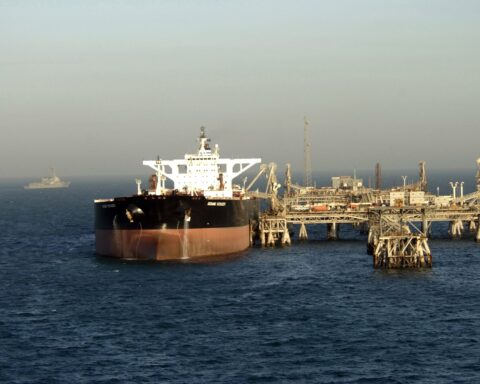
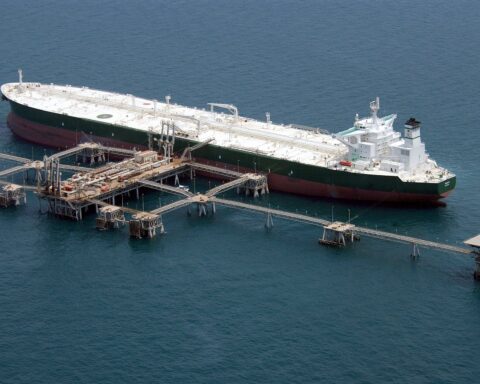
DOHA — Qatar has formally submitted a two-stage, 48-hour reciprocal plan to the United States and Iran aimed at averting a resumption of large-scale hostilities over the Strait of Hormuz, with neither Washington nor Tehran having accepted the proposal as of November 6, Axios reported.
It embeds a nuclear inspections component in its first day — giving the United States an entry point on the issue it has insisted must be addressed before any Hormuz agreement, while offering Iran the blockade relief and partial asset release it has demanded as a precondition for talks.
The House of Saud Daily Briefing
Saudi Arabia's news in 3 minutes, every morning. Free. See today's issue
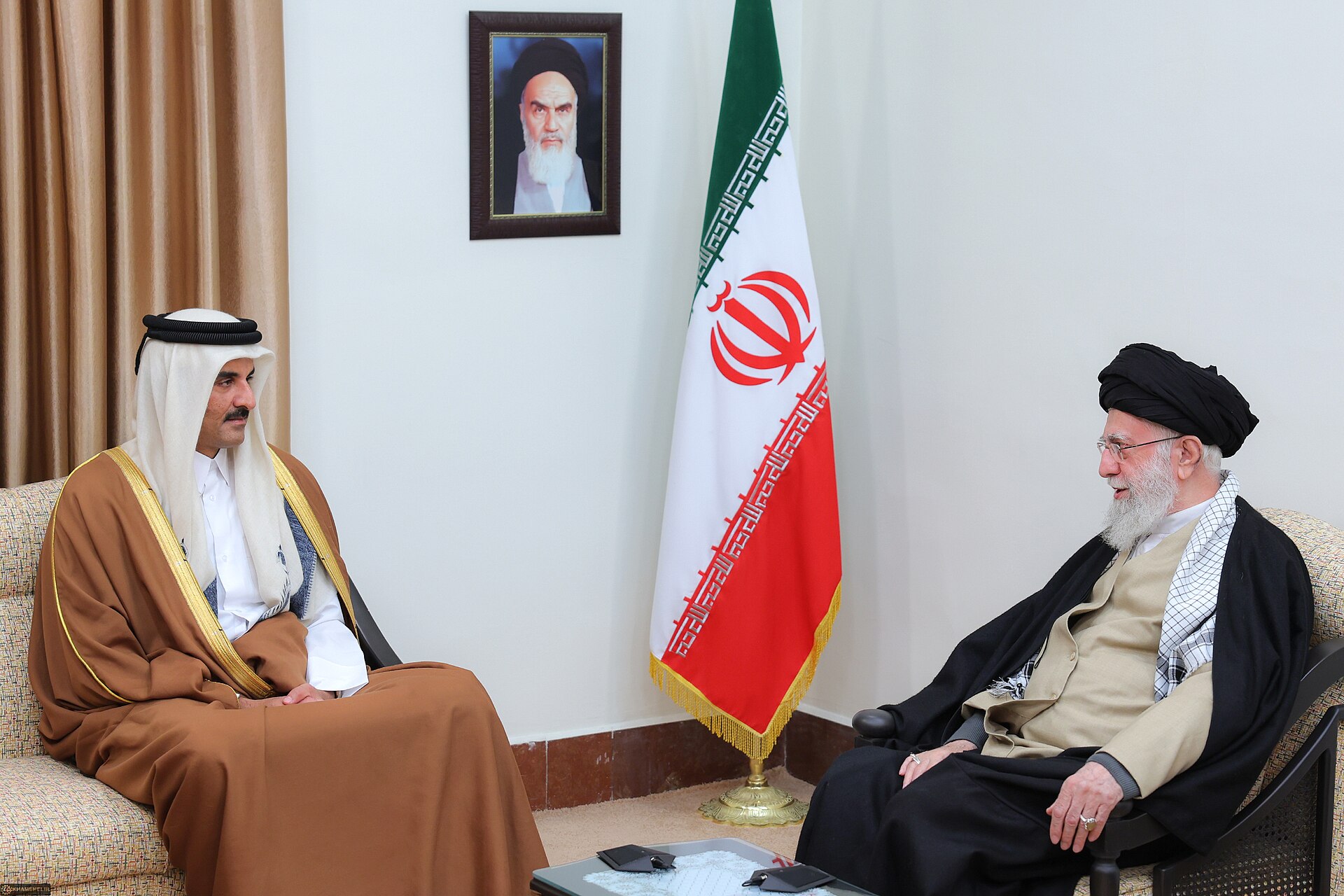
Table of Contents
What Does Qatar’s 2-Stage Plan Require?
The Qatari framework divides de-escalation into two sequential 24-hour stages, each requiring simultaneous actions from both sides, according to Axios and see.news.
Stage 1, covering the first day, demands that the United States lift its naval blockade of Iran and release a portion of Iran’s frozen financial assets held abroad. In return, Iran would formally invite the International Atomic Energy Agency to send inspectors to Iranian nuclear facilities damaged in earlier strikes. The IAEA invitation procedure is based on a framework agreement reached in Cairo, Axios reported.
Stage 2, on the second day, calls for Iran to reopen the Strait of Hormuz to international navigation. Both sides would then resume nuclear negotiations, with Iran’s stockpile of highly enriched uranium as the central issue, according to Axios and see.news.
The architecture addresses the core sequencing dispute that has stalled every previous round: the US has insisted that nuclear issues be part of any deal from the outset, while Iran has demanded that economic pressure — the blockade and sanctions — be eased before it will discuss its nuclear program, see.news reported. By embedding the IAEA invitation into Stage 1, Qatar gives Washington a nuclear entry point before Hormuz reopens on Day 2.
IAEA Director General Rafael Grossi said on October 28 that reviving the September 2025 Cairo agreement could restore inspections of damaged nuclear facilities, Axios reported — a statement that provided the procedural foundation for the IAEA component in Qatar’s plan.
How Does the Plan Differ From Iran’s Own 2-Day Offer?
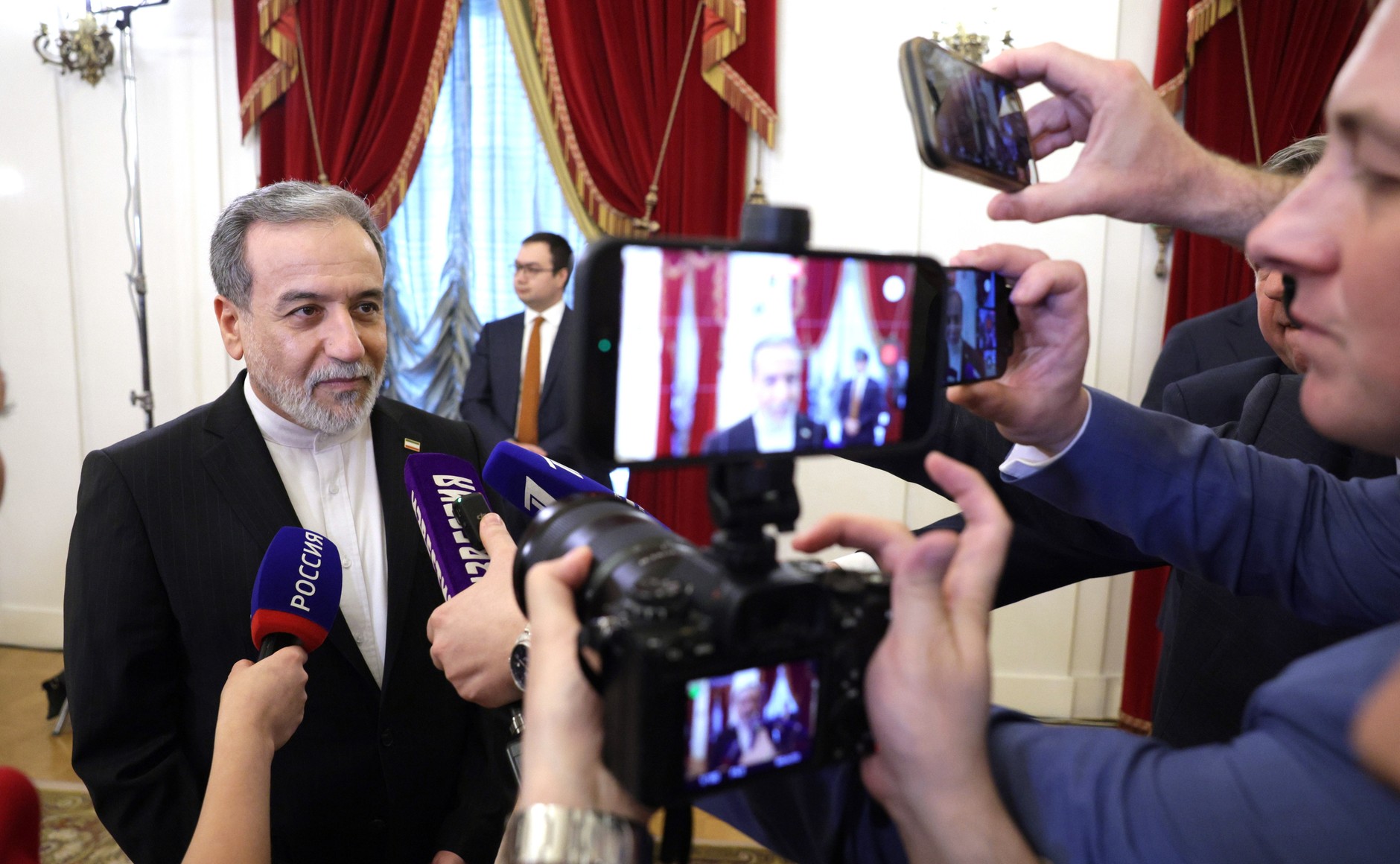
Iran’s Foreign Minister Abbas Araghchi confirmed on November 2 that Tehran had compressed its earlier seven-day roadmap — first presented via Qatar on September 25 — into a two-day plan at Doha’s request, Gulf News reported.
“We have now reached a two-day plan,” Araghchi told reporters, according to Gulf News and Clash Report.
But Iran’s version carries a different structure. Day 1 of the Iranian plan requires the United States to implement sanctions relief and other measures. Day 2 sees Hormuz reopen. There is no IAEA component; nuclear talks are treated as a separate, later track, according to Gulf News.
The gap between the two plans is the IAEA invitation. Qatar’s design makes nuclear inspections a Day 1 requirement — simultaneous with the blockade lift and asset release. Iran’s plan defers the nuclear question entirely.
Araghchi’s original seven-day roadmap, presented September 25, offered Hormuz reopening in exchange for the US lifting the blockade, waiving sanctions, and releasing approximately $12 billion in frozen Iranian assets, Al Jazeera reported at the time. Trump rejected that plan within days, according to Hurriyet and the Wall Street Journal.
The compression to two days did not change the substance, Araghchi said — only the timeline, Gulf News reported on November 2. But the Qatari framework goes further, inserting a nuclear clause Iran has resisted. Whether Tehran views the IAEA invitation as acceptable — or as a pretext Washington could use to reject any deal Iran would actually sign — remains unclear.
What Are Iran’s 7 Demands?
Separately from the Qatari plan, Iran has sent the United States a nuclear proposal through Qatar, Reuters reported on November 6. But an unnamed senior Iranian official told Reuters that Tehran would discuss the proposal “only after Washington meets Tehran’s seven demands.”
The demands, as outlined by Reuters and The Daily Jagran on November 6, include: lifting sanctions, releasing frozen assets, paying war reparations, ending the naval blockade, waiving oil sanctions, canceling new sanctions, and reducing US military forces in the region.
Mohsen Rezaei, Secretary of Iran’s Supreme National Security Council, said the US response on Hormuz “was not convincing” and that Iran would not reopen the strait or enter negotiations until all seven demands were met, Reuters reported via the Korea Times on November 4.
“No military operation or aggressive action will reopen Hormuz.”
— Brig. Gen. Mohammad Akraminia, Iranian military spokesperson, Axios, November 6
The distance between Iran’s seven demands and what Qatar’s Stage 1 asks of the United States — a blockade lift and partial asset release, but not reparations, not a troop drawdown, not a cancellation of new sanctions — is wide. Iran has not publicly said whether it views the Qatari framework as meeting enough of its conditions to proceed.
Araghchi himself has signaled ambiguity. “We have not yet reached a definitive conclusion,” he said on November 1, according to Newscord citing Al Jazeera, CGTN, and Mehr News.
Trump Weighs 3 Post-Midterm Options
Trump is weighing three paths in the wake of the Democrats’ midterm sweep of both chambers of Congress, according to Axios via Roya News and Gulf News: resume military strikes against Iran, continue economic pressure through the blockade and existing sanctions, or accept a negotiated deal involving US concessions.
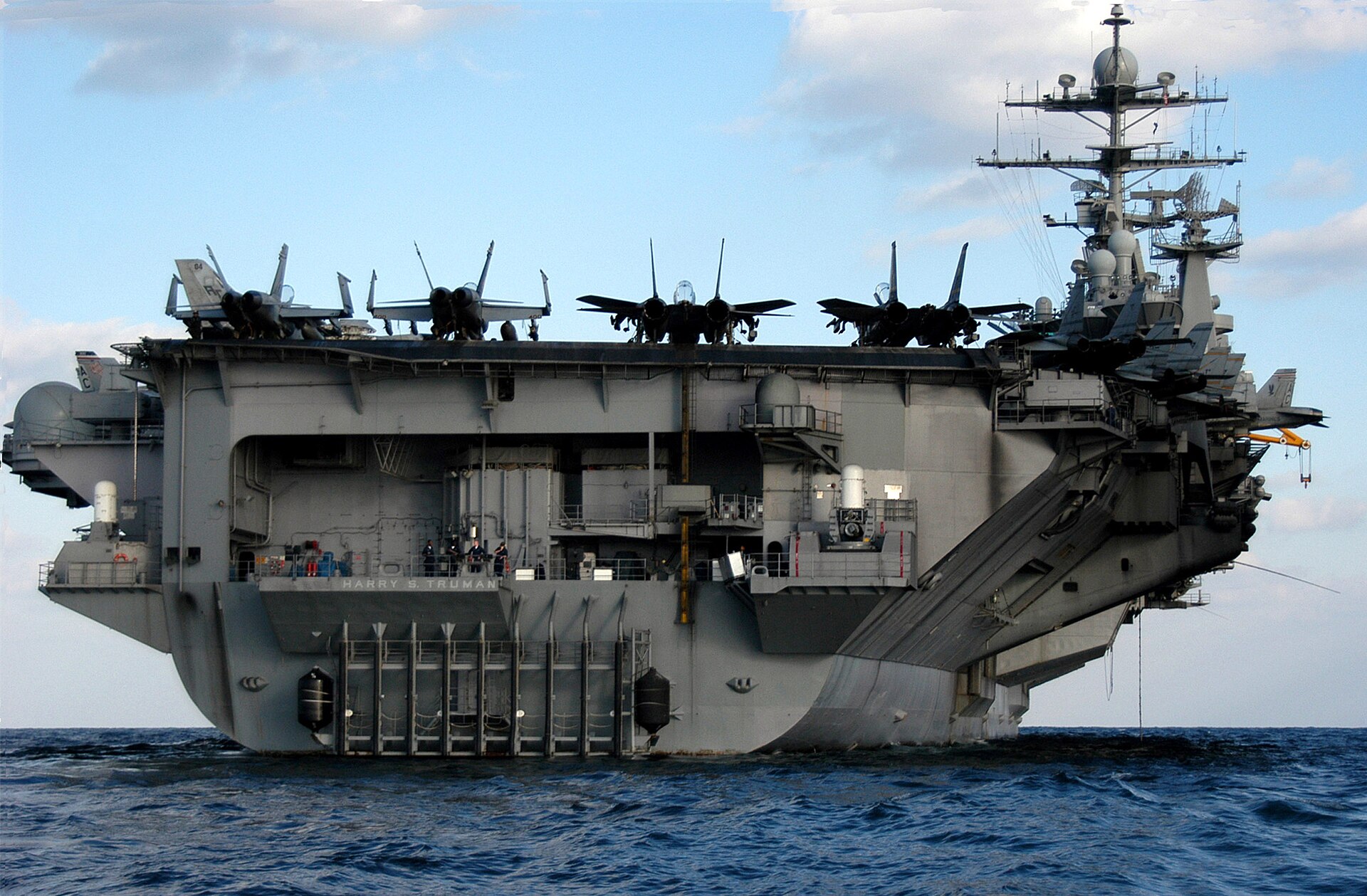
US Central Command has completed preparations for possible large-scale operations against Iran but has received no orders to resume combat as of November 6, Gulf News and the Korea Times reported.
Trump told reporters he would “rather not destroy the rest of the country” but warned he may have to, adding that Iran could need “25 to 30 years to rebuild,” Gulf News reported. He also acknowledged that 18 US service members have died in the conflict.
Vice President JD Vance reportedly urged agreement, telling colleagues the Iran war was “the reason we lost” the midterms, according to Gulf News.
Qatar’s Emir Sheikh Tamim bin Hamad Al Thani spoke with Trump by phone on November 6 — Trump placed the call — and the two discussed diplomatic efforts to reduce tensions, freedom of navigation, and energy supply security, AFP reported via the Seoul Economic Daily.
A day earlier, Qatar’s Prime Minister Sheikh Mohammed bin Abdulrahman Al Thani spoke with Araghchi on November 5, reaffirming Doha’s support for initiatives guaranteeing freedom of maritime navigation, the Qatar Tribune reported.
“If there were no glimmer of hope, there would be no negotiations… as a mediator, we cannot lose hope.”
— Majed al-Ansari, Qatar Foreign Ministry spokesperson, Korea Times, November 4
The incoming Democratic Congress will be seated on January 3, giving Trump a narrowing window to act militarily without legislative constraint. Saudi Arabia has also been evaluating its options for that period, including diplomatic channels that could run parallel to Qatar’s mediation.
Oil Markets and Hormuz Shipping
Brent crude rose to $98.29 on November 6, up 3.88 percent on the day, Gulf News reported.
Iran’s selective exemptions for India, China, Iraq, and Qatar from Hormuz transit restrictions — announced November 6 — have not eased broader supply concerns. Approximately 42 percent of the 10.23 million barrels per day of Gulf crude transiting the strait went to China, with 13 percent going to India, according to October figures from Kpler cited by Al Jazeera.
Qatar’s own crude transits through Hormuz have fallen from 517,000 to 193,000 barrels per day since the blockade began, Kpler data cited by Al Jazeera showed — a drop of more than 60 percent that gives Doha a direct economic stake in any reopening.
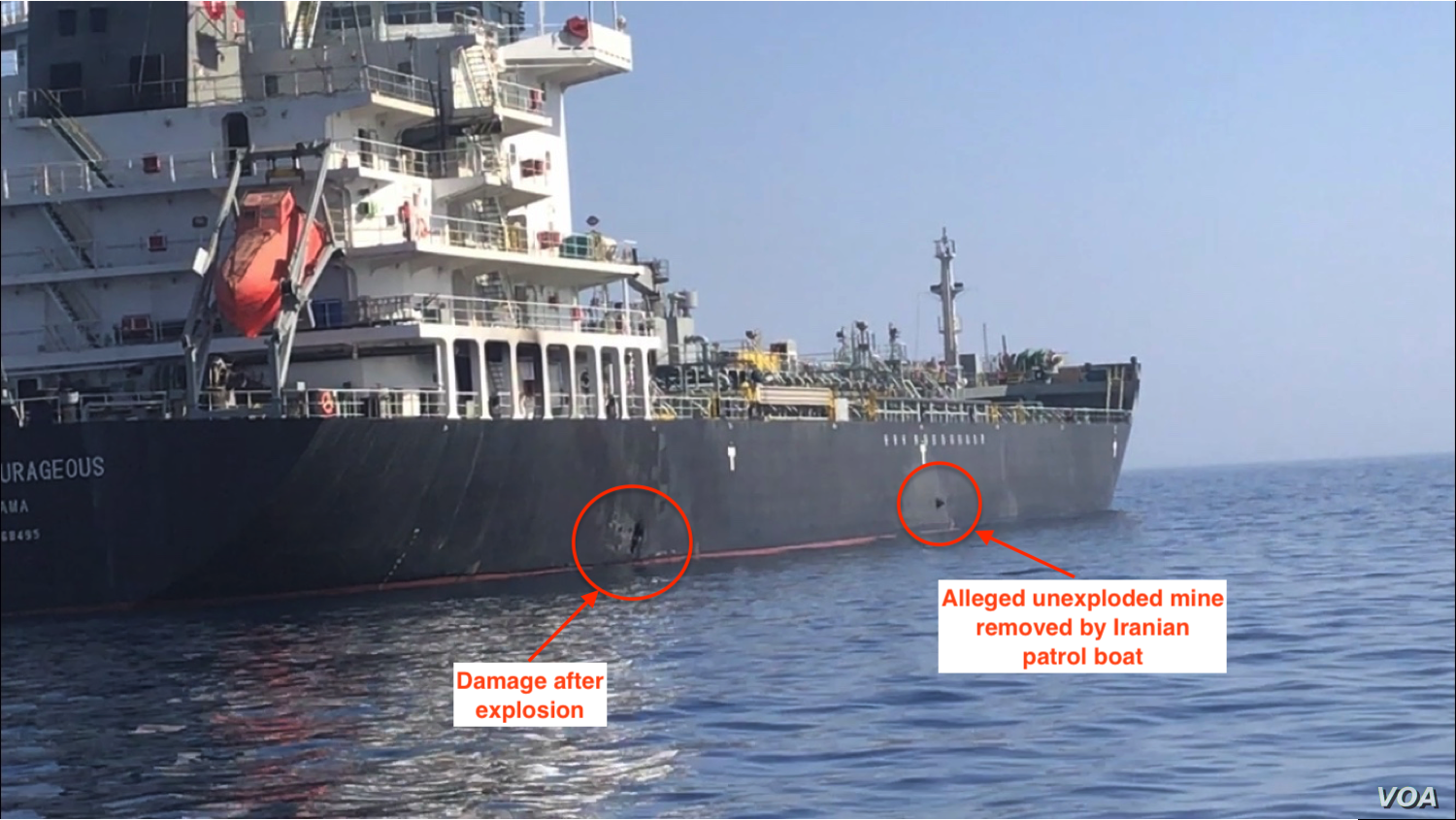
More than 120 commercial ships have been hit since the war began, Al Jazeera reported on November 6. CENTCOM said 144 ships had been turned around since the blockade started, according to Middle East Eye reporting the latest CENTCOM tally as of October 31. On November 6, the IRGC claimed two more tankers hit mines in Hormuz as Brent rebounded near $99, adding to a pattern of escalatory incidents that have accompanied each round of talks.
Mine strikes and diplomatic proposals have continued simultaneously throughout the past week. Iran’s position — that it will negotiate while the strait remains closed — has forced Qatar to design a framework that treats the Hormuz reopening as a Day 2 deliverable, not a precondition for talks.
Background
Qatar has served as the primary diplomatic channel between Washington and Tehran throughout the crisis, Al Jazeera reported on October 30. A Qatari delegation traveled to Tehran on October 30 to revive ceasefire talks, and Doha has facilitated the transmission of proposals in both directions since.
The current plan builds on months of failed attempts. Araghchi’s September 25 seven-day roadmap was the most detailed earlier framework, but Trump rejected it, according to Hurriyet and the Wall Street Journal. Iran’s compression to two days in early November did not alter the core conditions. Qatar’s 48-hour plan represents a new iteration — one that attempts to merge US nuclear priorities with Iran’s economic demands into a single sequenced package.
The regional military situation has not paused for diplomacy. The Saudi-led coalition on November 6 intercepted two Houthi ballistic missiles over Najran, and Turkey ratified the Makkah Defence Pact on November 5, completing the three-nation treaty. Both developments shape the security environment in which Qatar’s mediation is operating.
Whether the 48-hour framework is a sequencing schedule — Day 1 and Day 2 execute once both sides agree — or a response deadline remains unclear from the reporting. The plan offers each side something it has demanded while requiring each side to concede something it has resisted. For the United States, the concession is lifting the blockade before nuclear talks conclude. For Iran, it is inviting the IAEA before the blockade is fully gone.
Frequently Asked Questions
What is the Cairo framework referenced in Qatar’s plan?
The September 2025 Cairo agreement established procedures for IAEA inspections of Iranian nuclear facilities. It predates the current conflict and was negotiated during a period of relative diplomatic engagement. IAEA Director General Rafael Grossi said on October 28 that reviving the Cairo agreement could restore inspections of facilities damaged in the US-led strikes, Axios reported. Qatar’s Stage 1 uses this existing framework rather than requiring new negotiations over inspection terms — a design choice that makes Day 1 executable without additional diplomatic rounds. The Cairo agreement’s specific provisions have not been publicly disclosed in full, but Grossi’s endorsement of reviving it suggests the IAEA considers the framework still operationally viable.
Why does Qatar have a direct stake in Hormuz reopening?
Qatar is the world’s largest exporter of liquefied natural gas, and its shipments must transit the Strait of Hormuz. Since the blockade began, Qatar’s crude transits through the strait have fallen from 517,000 to 193,000 barrels per day — a drop of more than 60 percent, according to Kpler data cited by Al Jazeera. Iran’s decision to exempt Qatar from Hormuz transit restrictions, announced November 6, has not fully restored volumes. Rouzbeh Parsi, a researcher at Lund University, described Iran’s selective exemptions as “poking holes in an embargo,” Al Jazeera reported — suggesting the exemptions serve Iran’s diplomatic strategy as much as they help the exempted countries. Qatar’s prime minister, speaking at an Oxford event on November 6, said both sides should accept a “good deal” rather than a “perfect” one, the Daily Beirut reported.
What happens if neither side accepts the plan?
The reporting does not specify a deadline for responses. No new orders to resume large-scale combat operations had been issued as of November 6, Gulf News and the Korea Times reported. Iran’s military has said force alone will not reopen Hormuz. The Democrats’ January 3 takeover of Congress creates a hard deadline for any military option Trump might pursue without legislative constraint — after that date, the incoming majority has signaled it will invoke war powers authority to limit military action. Vance’s reported assessment that the Iran war cost Republicans the midterms may push the administration toward a negotiated outcome, but Trump has not publicly ruled out renewed strikes.
How do Iran’s 7 demands relate to the Qatar plan?
Iran’s seven demands — as outlined by Reuters and The Daily Jagran on November 6 — go well beyond what Qatar’s Stage 1 asks of the United States. Qatar’s plan requires a blockade lift and partial asset release on Day 1. Iran’s full list adds war reparations, waived oil sanctions, cancellation of new sanctions, and a reduction of US military forces in the region. Rezaei, Secretary of Iran’s Supreme National Security Council, has said none of the demands are negotiable. The gap raises a question the reporting has not answered: whether Iran would treat acceptance of Qatar’s Stage 1 terms as partial satisfaction of its demands, or whether it will hold out for all seven before engaging with any framework — including Doha’s.
The House of Saud Daily Briefing
Saudi Arabia's news in 3 minutes, every morning. Free. See today's issue