WASHINGTON — US President Donald Trump declared the war with Iran “effectively over militarily” on Monday evening, hours before the Saudi-led coalition intercepted two Houthi missiles fired at Riyadh and a drone over the Eastern Province on Tuesday morning — a sequence that captured, in miniature, the gap between the White House’s political framing and the operational reality across the Gulf. Trump made the statement at the Brady Briefing Room after a closed-door meeting with Qatar’s Prime Minister Sheikh Mohammed bin Abdulrahman Al Thani, telling reporters: “Iran, militarily, is effectively over. We’re just keeping it the status quo.”
The declaration landed on a region where nothing had actually stopped. No ceasefire exists, the Strait of Hormuz remains closed under IRGC enforcement, the US naval blockade of Iranian ports — reinstated on July 14 — is fully operational, and Houthi attacks on Saudi cities have continued without pause. For Saudi Arabia, which has absorbed months of missile and drone strikes while pivoting its entire oil export infrastructure to bypass Hormuz, the phrase “effectively over” describes a political aspiration in Washington, not a security condition in Riyadh, where schools moved to online instruction on Tuesday as a precautionary measure.
The House of Saud Daily Briefing
Saudi Arabia's news in 3 minutes, every morning. Free. See today's issue
Table of Contents
What Trump Said and What He Meant by It
Trump’s remarks came after the Qatari prime minister’s latest visit to Washington, part of a mediation shuttle that has produced the closest thing to a diplomatic channel between Washington and Tehran since the war began. Sheikh Mohammed told reporters afterward that he was grateful for “positive discussions on reaching a deal” and that the talks had covered “ways to progress the US-Iran talks,” according to Al Jazeera. The meeting followed Trump’s statement on November 8 — made to CNN — that fresh strikes on Iran were “highly unlikely” if Tehran showed progress on a nuclear deal and reopened the Strait of Hormuz.
The Monday declaration went further, removing the conditionality entirely. “At this point, taking the military action doesn’t seem to be a very necessary thing,” Trump told reporters, according to The National. He named Saudi Arabia, the UAE, Qatar, Bahrain and Kuwait as Gulf states that “would prefer the status quo” — meaning the continued blockade without resumed air strikes — and framed the posture as a favour to regional allies: “We’re doing that really at the behest of countries that are their neighbours.”
The language was carefully imprecise. “Effectively over militarily” is not a ceasefire announcement, not a peace declaration, and not a claim that Iran has surrendered. It is a claim about American intentions — that the US does not plan to resume kinetic strikes against Iran — wrapped in a characterisation of Iranian military capability that Tehran furiously disputes. On Truth Social the same evening, Trump wrote that US forces remained “locked and loaded ready to go for any reason,” and CNN reported that Trump said the US had identified 38 Iranian bridges as potential infrastructure targets should fighting resume.
The political context is difficult to separate from the strategic one. Trump publicly acknowledged that the Iran war was “at least partly responsible” for Republican losses in the midterm elections, according to the Washington Post, where Democrats won both chambers. Representative Thomas Massie moved to impeach Defence Secretary Pete Hegseth over the conduct of the war, per the Siasat Daily. US public support for the conflict had fallen from 40 percent in a March polling aggregate to 34 percent by July, according to AP data cited by the Washington Post — and that was before the Iron Gate escalation and the midterm results.
What Happened on the Ground the Same Morning
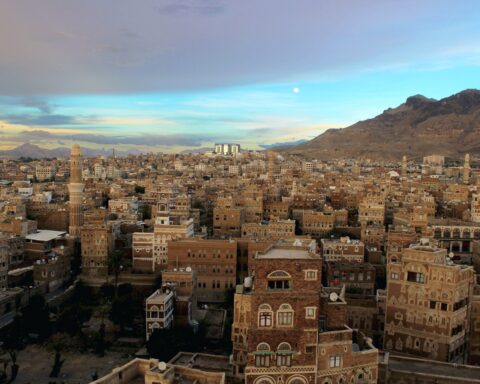
Within hours of Trump’s declaration, the Saudi-led coalition intercepted one ballistic missile and one cruise missile targeting Riyadh, and a separate drone over the Eastern Province, according to the Saudi Press Agency via Arab News and the Gulf News live blog. The Aramco Tower in Riyadh’s King Abdullah Financial District sustained debris damage from an earlier Houthi attack; the Saudi Energy Ministry said there were no casualties, ABC News reported. Houthi military spokesperson Yahya Saree said the strikes targeted the KAFD and other sites “in response to recent Saudi attacks on a village and a market in Yemen,” per ABC News — a reference to coalition operations in Sanaa Province that Houthi media claimed killed 27 people on November 7.
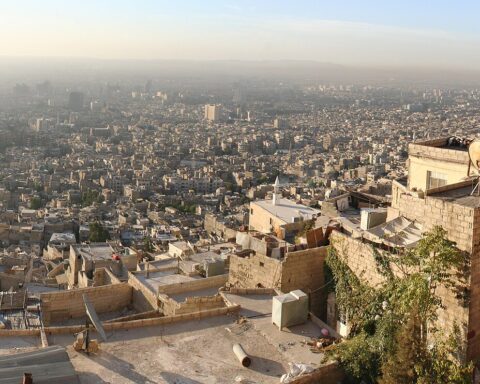
Riyadh schools shifted to online instruction starting Tuesday, Gulf News reported, with no end date announced — a precautionary measure that had become routine in a city where air-raid alerts and interceptions now punctuate the working week. The coalition’s Tuesday intercepts followed operations on November 9 in which Saudi forces said they destroyed a Houthi launch platform in Sanaa, and an earlier intercept of a cruise missile over Riyadh on November 7.
The Houthis have shown no indication of standing down. Their attacks have continued through every round of diplomacy, every Trump statement and every coalition retaliatory strike, operating on a logic that treats Saudi territory as fair game for as long as Yemen absorbs coalition bombs. The gap between Trump’s “effectively over” and the reality above Riyadh is not a contradiction the White House appears troubled by — the declaration concerns American action, not the wider war that American action helped set in motion.
How Did Oil Markets React to the Declaration?
Brent crude fell to approximately $91–92 per barrel on November 10, according to the Free Press Journal, dropping roughly 22 percent from a late-October peak of approximately $118. The fall was driven less by any single statement than by a cumulative shift in market sentiment, as traders priced in the growing probability that the US and Iran would avoid a return to direct strikes.
Gregory Brew, an analyst at the Eurasia Group, told Arab News that Brent was unlikely to fall below $90 “without more durable de-escalation and a US-Iran deal.” The floor, in other words, reflects the Strait of Hormuz remaining closed — which it does — and the blockade remaining in force — which it does — and the Houthi campaign continuing — which it does. Iranian analyst Mehdi Kharratiyan warned via Iran International that a further escalation could push Brent to $130 per barrel, a scenario that would compound the damage already visible in Saudi Arabia’s fiscal position.
Saudi crude output has recovered toward pre-war levels, a rebound enabled in part by the East-West pipeline restart in September, which allows crude to bypass the Hormuz chokepoint through Yanbu on the Red Sea. But the kingdom’s 2026 budget deficit has been revised to 245 billion riyals, with real GDP forecast at negative 3.6 percent, according to Reuters via Zawya — numbers that make the difference between $92 oil and $118 oil a matter of tens of billions in revenue.
Iran Rejects the Framing Entirely
Tehran met Trump’s declaration with a wall of rejection. Mohsen Rezaei, the Secretary of Iran’s Supreme National Security Council, posted in English: “STOP manufacturing FAKE NEWS about imaginary talks,” and followed with a demand that it was “time to surrender to the seven conditions Iran has repeatedly set out,” according to Iran International. The conditions — which have expanded since Araghchi’s September 25 roadmap — now include ending the US port blockade, lifting sanctions, unfreezing approximately $12 billion in assets, paying war compensation and ending regional hostilities, with nuclear talks to follow, per Al Jazeera and the Siasat Daily.
US Secretary of State Marco Rubio called those conditions “outrageous and ridiculous and really not realistic,” The National reported. The gap between what Iran demands and what Washington will offer has, if anything, widened since the midterms, with neither side showing flexibility and the mediators — Qatar, Oman and to a lesser degree Turkey — shuttling proposals that arrive dead.
“Iran, militarily, is effectively over. We’re just keeping it the status quo.”
Donald Trump, White House Brady Briefing Room, November 9, 2026
Iranian President Masoud Pezeshkian told Al Jazeera that Iran “will not surrender to force and bullying,” while noting that Supreme Leader Mojtaba Khamenei had described the situation as “neither war nor peace” and sought an end to it. The framing — from Khamenei through Pezeshkian — suggests an openness to a deal that Iran’s security establishment, led by Rezaei and the IRGC, publicly refuses to endorse. Iran’s Foreign Ministry spokesperson, Esmaeil Baghaei, confirmed that Iran’s two-day Hormuz reopening offer remained on the table — open the strait within two days if the US meets Iran’s conditions — per Iran International.
Iranian Foreign Minister Abbas Araghchi, whose original September 25 roadmap proposed Hormuz reopening in exchange for a blockade lift and sanctions waivers, said diplomatic efforts had “stalled” and that mediators had stopped travelling after the US midterms, The National reported. Iranian state television reported that 11 tankers had been disabled in the 10 days preceding Trump’s statement — a figure Tehran deploys as evidence that the Strait of Hormuz remains under IRGC control, regardless of what any American president says at a podium. Dr Anwar Gargash, the UAE’s Diplomatic Adviser, offered the most measured regional assessment, telling The National that the region should “prepare for a long period of uncertainty.”
What Does This Mean for Saudi Arabia?
No Saudi government official responded publicly to Trump’s “effectively over” declaration — a silence that communicates more than most statements would. Saudi Arabia’s position on the conflict has undergone a documented reversal: in April 2026, the kingdom pressed the US to end the Hormuz blockade, fearing Bab al-Mandeb escalation and the economic cost of rerouted exports, according to the Wall Street Journal. By September 2026, Riyadh had reversed course, urging the US to maintain the blockade and sanctions — also per the WSJ. Trump’s claim that Gulf allies prefer the “status quo” tracks the later position.
The reversal reflects a calculation that the blockade, however painful, has weakened Iran’s revenue base more than it has damaged Saudi Arabia’s — particularly after the East-West pipeline restarted and Yanbu’s Red Sea export terminal absorbed a larger share of crude shipments. But “status quo” for Saudi Arabia means continued Houthi attacks on its cities, continued air-defence expenditure against a threat that operates at a fraction of the cost of the interceptors used against it, and continued economic drag from a conflict that has depressed tourism, cancelled international events and forced Riyadh schools online.
The Qatar diplomatic channel remains the only viable path to any deal, and Trump’s “effectively over” language may have been intended partly to create political space for negotiations — declaring victory so that concessions can be framed as magnanimity rather than retreat. But the Houthis operate outside any framework that Washington or Riyadh controls, and their campaign has its own momentum, funded by Iran and driven by a Yemeni calculus that treats every coalition airstrike as justification for the next volley at Riyadh.
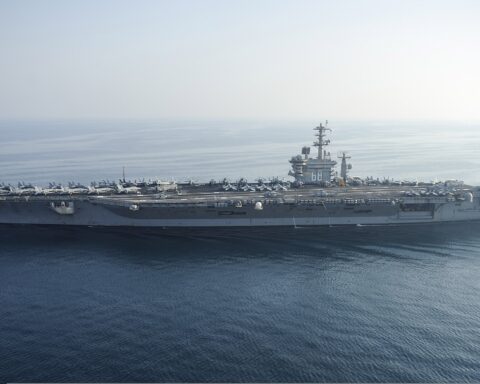
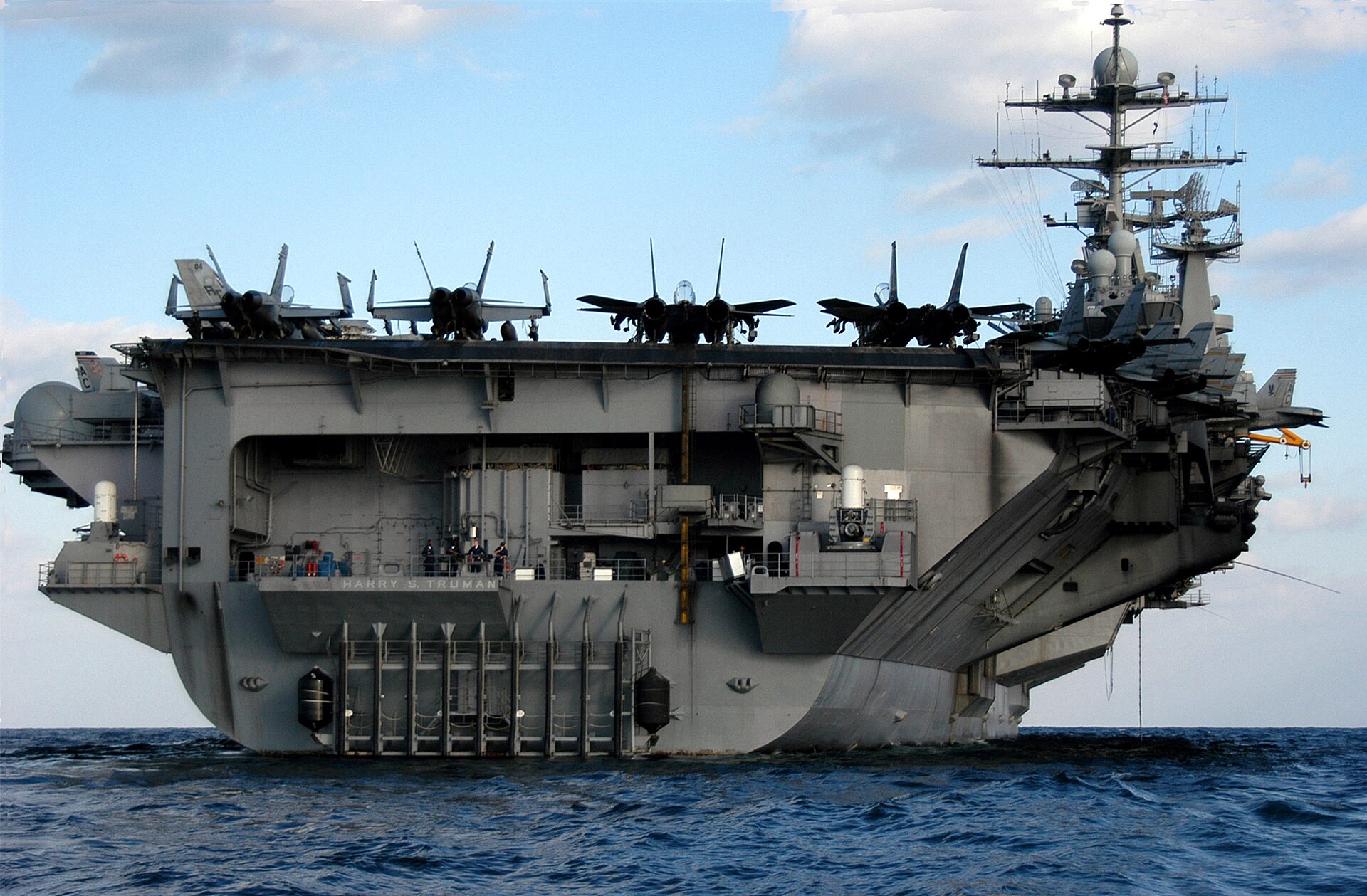
CENTCOM had turned around 135 ships since the blockade began on July 14, as of October 10, according to CBS News — a figure that has only grown in the month since. The newly launched Operation Iron Gate, reported by Fox News on November 8, extends blockade surveillance to Iranian land transport routes and the Caspian Sea, suggesting the US military is deepening the squeeze even as the president declares the war “effectively over.”
The Blockade, the Conditions and the Arithmetic of an Endgame
The contradiction at the centre of Trump’s declaration is structural, not rhetorical. The US naval blockade remains in force. The IRGC declared Hormuz closed — a closure it has enforced with mines, limpet charges and naval interdictions that have disabled at least 11 tankers in the past 10 days alone, per The National.
Iran’s conditions for reopening the strait have grown, not shrunk. And the Houthis, whose campaign against Saudi Arabia is the most visible manifestation of the wider war, have given no indication that Trump’s words in Washington translate to any change in their targeting.
Baghaei’s confirmation that the two-day Hormuz offer remains active is the closest thing to a negotiating position that Tehran has put forward since Araghchi’s September roadmap stalled. But the offer’s conditions — a full blockade lift, sanctions waivers and asset unfreezing, all within 48 hours — remain what Rubio called “outrageous and ridiculous.” The arithmetic of an endgame requires at least one side to move substantially from its public position, and neither has.
| Indicator | Status — November 10, 2026 | Source |
|---|---|---|
| Ceasefire | None in effect | Multiple sources |
| Strait of Hormuz | Closed (IRGC enforcement since July 14) | The National, Nov 10 |
| US naval blockade | Fully operational; expanded via Iron Gate | Fox News, Nov 8 |
| Brent crude | ~$91–92/barrel (down ~22% from Oct peak) | Free Press Journal, Nov 10 |
| Ships turned around by CENTCOM | 135+ (as of Oct 10) | CBS News, Oct 10 |
| Tankers disabled (10-day window) | 11 | The National, Nov 10 |
| Houthi attacks on Saudi cities | Ongoing — 2 missiles + 1 drone intercepted Nov 10 | SPA via Arab News, Nov 10 |
| Iran’s demands | 7 conditions; no movement | Al Jazeera / Siasat, Nov 10 |
| US pre-identified targets | 38 Iranian bridges | CNN / Fox News, Nov 8–10 |
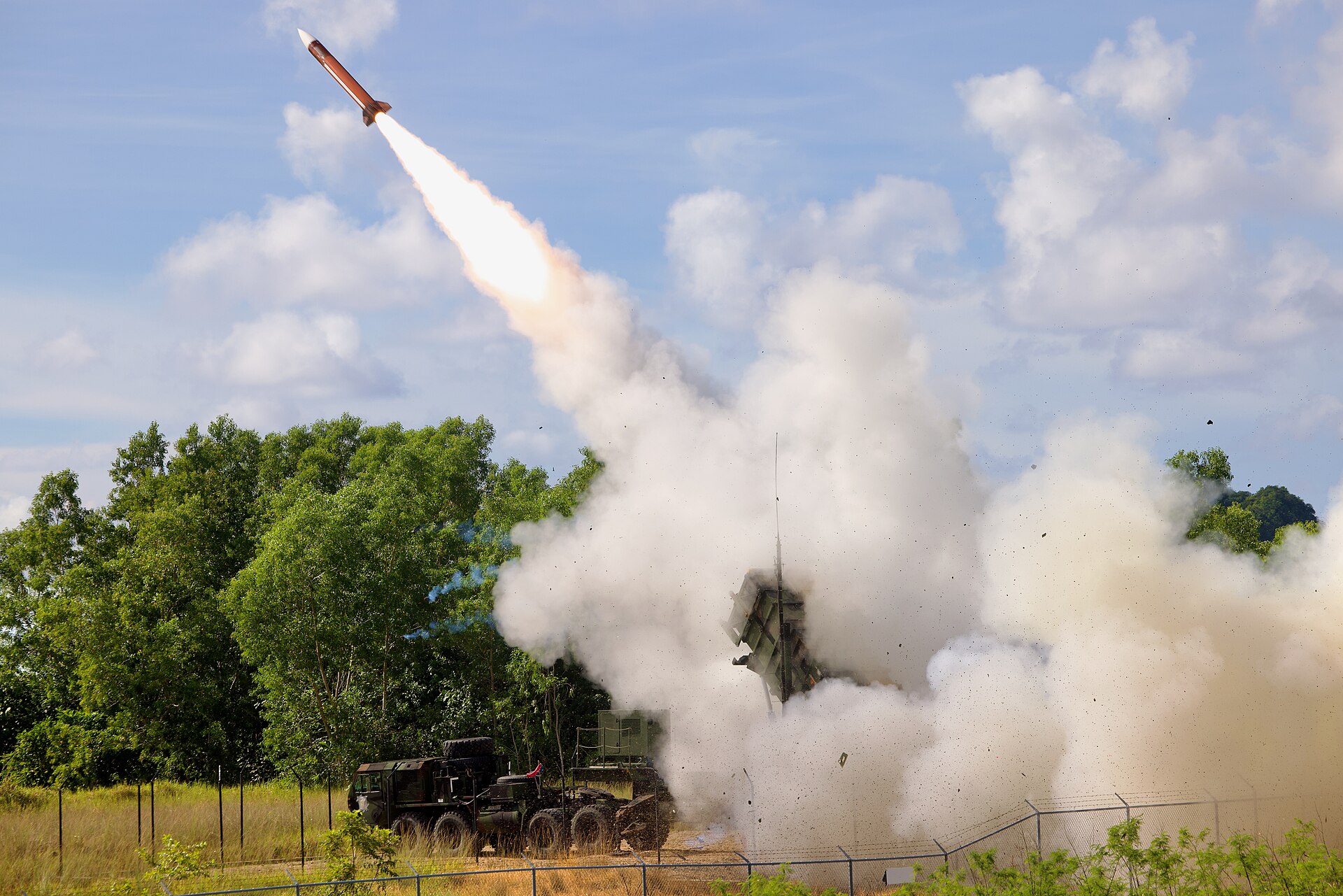
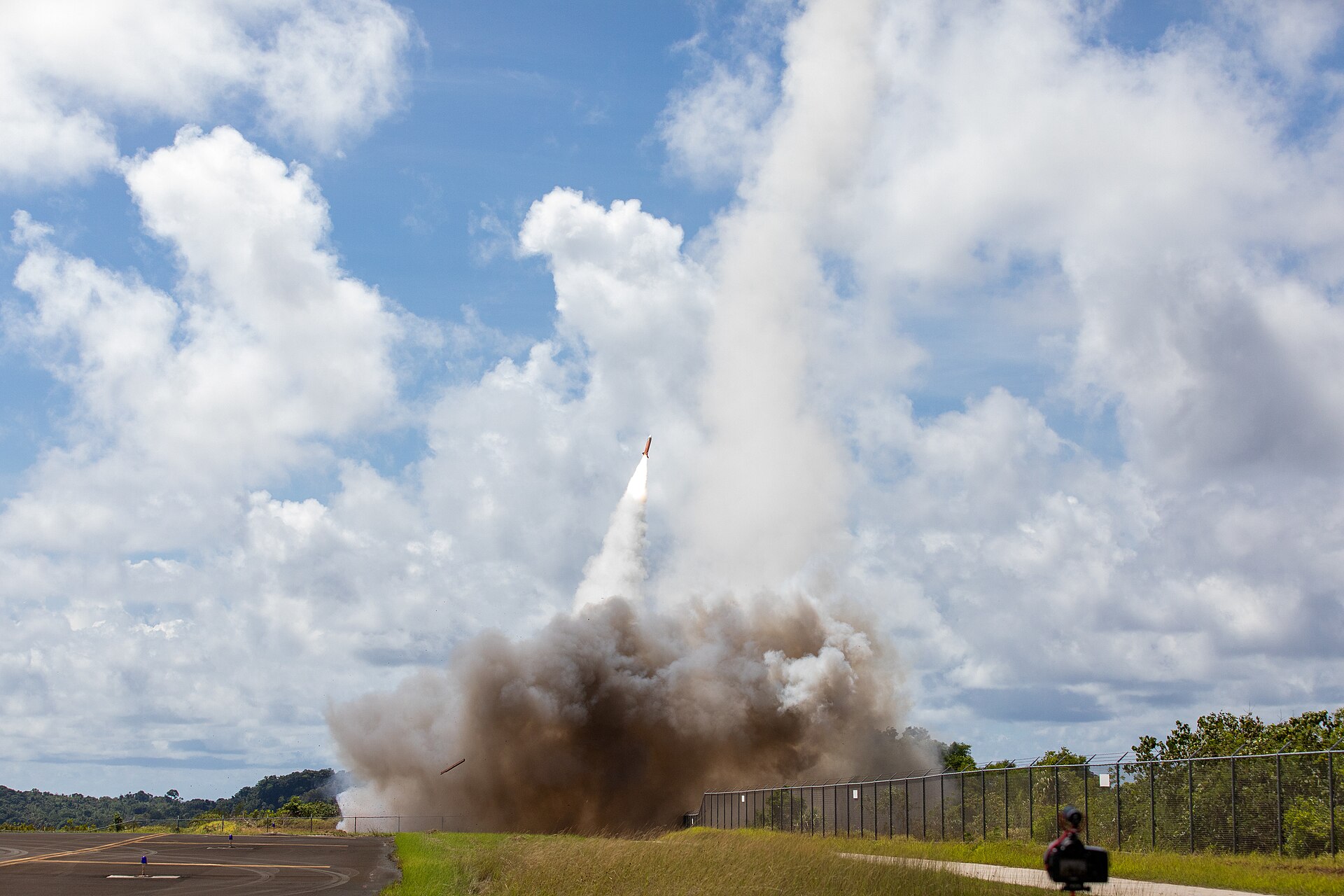
What “effectively over” means, stripped of its political packaging, is that Trump does not intend to order new strikes on Iran — and that he wants credit for restraint. It does not mean the blockade ends, the Houthis stop, Iran reopens Hormuz, or Saudi Arabia’s cities are safe. For Riyadh, Tuesday morning made that distinction concrete: the president’s words were still echoing on cable news when the coalition’s Patriot batteries lit up over the capital.
Frequently Asked Questions
Has the US signed any ceasefire or peace agreement with Iran?
No formal ceasefire, armistice or peace agreement exists between the United States and Iran as of November 10, 2026. Trump’s “effectively over” statement was a unilateral characterisation of American military posture, not a bilateral agreement. No Iranian official acknowledged or accepted the framing. The legal state of hostilities — including the congressional Authorisation for Use of Military Force that Democrats have sought to revoke — remains unchanged, and Representative Thomas Massie’s motion to impeach Defence Secretary Pete Hegseth over the war’s conduct is pending in the new Congress.
What is Operation Iron Gate and how does it differ from the naval blockade?
Operation Iron Gate, announced in early November 2026, extends the existing US naval blockade of Iranian ports to cover Iranian land transport routes and Caspian Sea shipping, according to Fox News. The original blockade, reinstated July 14, focused on maritime interdiction of Iranian oil exports through the Persian Gulf and Gulf of Oman. Iron Gate broadens the surveillance and enforcement perimeter to prevent Iran from rerouting exports overland through Iraq, Turkey or Central Asia — a recognition that the maritime-only approach left gaps Tehran was exploiting.
Why did Saudi Arabia reverse its position on the Hormuz blockade?
In April 2026, Saudi Arabia pressed Washington to end the blockade, concerned that Hormuz closure was driving Houthi escalation through Bab al-Mandeb and damaging the kingdom’s economy, according to the Wall Street Journal. By September 2026, the kingdom had reversed course and urged the US to maintain the blockade and sanctions, also per the WSJ. The shift tracked the East-West pipeline restart in September — the pipeline has a capacity of approximately 7 million barrels per day, per Aramco, enough to route most Saudi crude exports through Yanbu on the Red Sea without transiting Hormuz — and a hardening assessment in Riyadh that Iranian revenue loss from the blockade was strategically worth the continued Houthi threat.
What is the significance of the Strait of Hormuz closure?
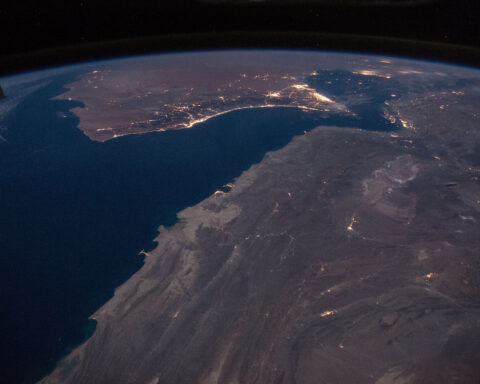
Before the current conflict, the Strait of Hormuz carried approximately 138 ships per day, according to the Joint Maritime Information Center — the volume that the IRGC’s enforced closure since July 14, 2026, has effectively cut off for traffic bound for Iranian ports. The IRGC has used mines, limpet charges and naval interdictions to enforce the closure; the US simultaneously operates a blockade of Iranian ports that had turned around 135 ships as of October 10, per CBS News. The two blockades run on parallel axes: Iran denies outbound tanker access through the strait while the US denies inbound shipping to Iranian ports. The combined effect has rerouted global oil flows, compressed Iranian export revenue and forced Saudi Arabia to pivot crude exports to the Red Sea via the East-West pipeline — leaving neither side able to claim the strait is open in any functional sense.
How have Houthi attacks affected daily life in Riyadh?
Riyadh residents have experienced repeated air-raid alerts, with Saudi Civil Defence issuing warnings and all-clears — sometimes within minutes of each other — as Patriot and other air-defence systems intercept incoming missiles and drones. Schools shifted to online instruction on November 10 with no announced end date. Airlines cancelled over a third of Saudi flights after Houthi airport strikes in early November. The Aramco Tower in the King Abdullah Financial District sustained debris damage from a Houthi strike. International events including the AFC Asian Cup and the Future Investment Initiative have been postponed, and the tourism and entertainment sectors that underpin Vision 2030 have absorbed cancellations across the board.
The House of Saud Daily Briefing
Saudi Arabia's news in 3 minutes, every morning. Free. See today's issue