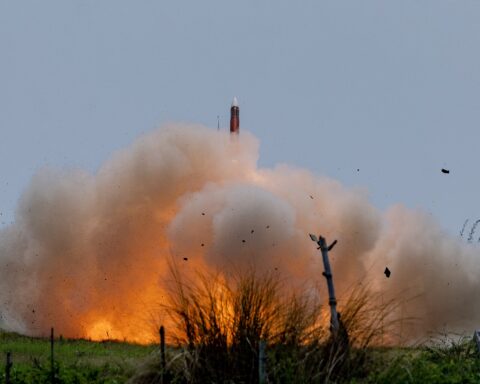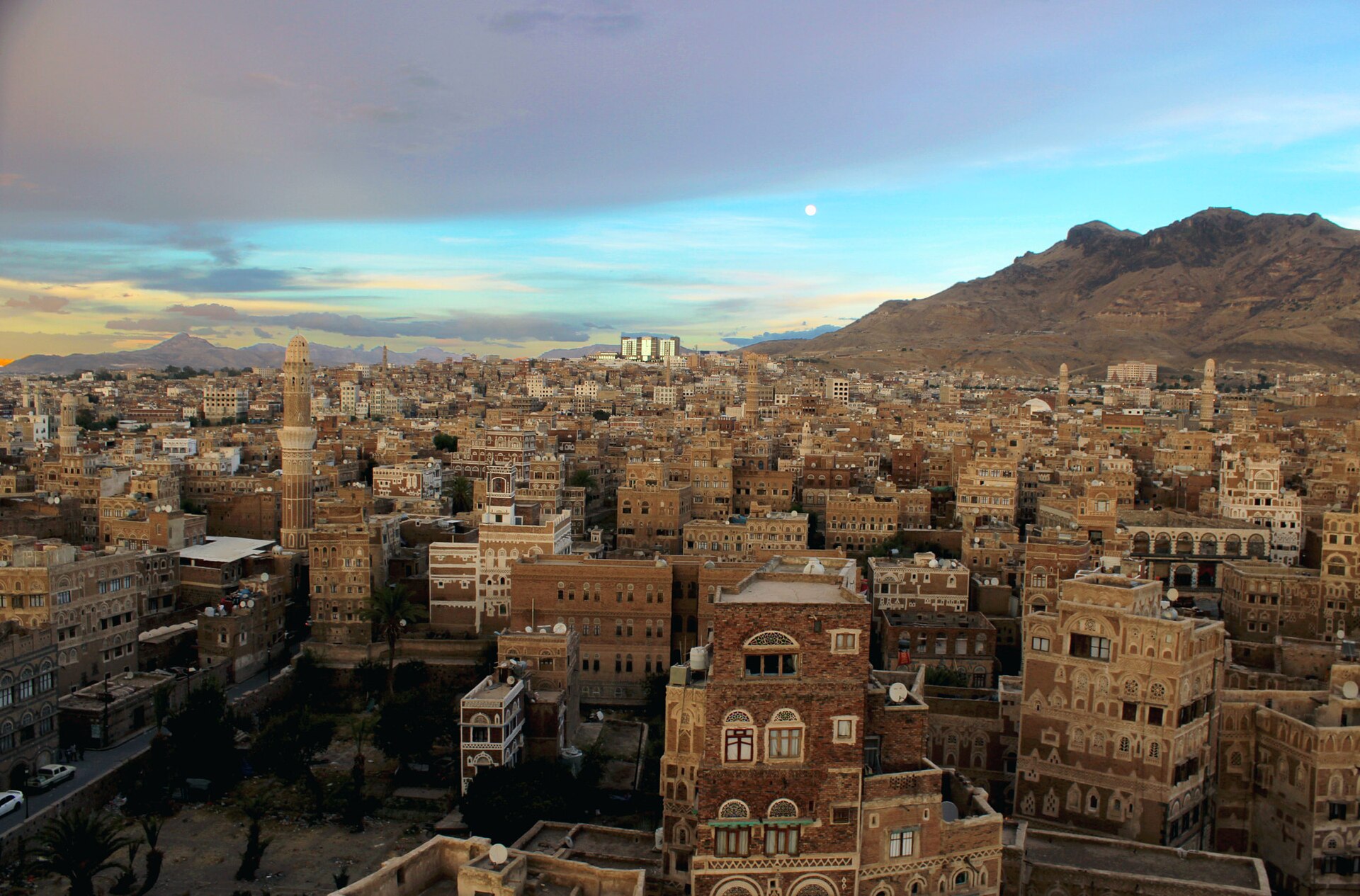

RIYADH — The Saudi-led coalition said on Saturday it destroyed a ballistic missile launch platform in Sanaa that the Houthis had used to fire at Saudi Arabia’s Eastern Province earlier in the day, marking an offensive strike inside Yemen’s capital aimed at degrading the group’s launch infrastructure rather than merely intercepting its projectiles.
The Sanaa strike was one of two separate coalition operations announced on 8 November. In the other, the coalition said it destroyed two ballistic missile launch pads in Saada Governorate, in northwestern Yemen, that had been used in an attack on Riyadh. Together, the strikes represent a continued effort to dismantle the Houthi ballistic missile network at its source, according to coalition spokesman Maj. Gen. Turki Al-Maliki.
The House of Saud Daily Briefing
Saudi Arabia's news in 3 minutes, every morning. Free. See today's issue
The operations came on a day when Saudi air defences intercepted a Houthi ballistic missile targeting the Eastern Province, triggering civil-defence alerts across Dammam, Dhahran, Abqaiq and Al-Hofuf before an all-clear was issued. Two Houthi ballistic missiles targeting Riyadh were also intercepted, though debris from one struck an Aramco building in Riyadh’s King Abdullah Financial District, causing damage but no reported injuries, according to Saudi Arabia’s energy ministry. The day’s events came amid an intensifying regional response to the Houthi campaign, with multiple Arab states issuing condemnations of the attacks on Saudi territory.
Table of Contents
Two Coalition Statements, Two Governorates
The coalition released two distinct statements on 8 November, each tied to a different Houthi attack and a different location inside Yemen, according to Arab News. The pairing was deliberate: each strike was linked to a specific inbound missile, closing the loop between interception and retaliation in what the coalition framed as a systematic campaign against launch infrastructure.
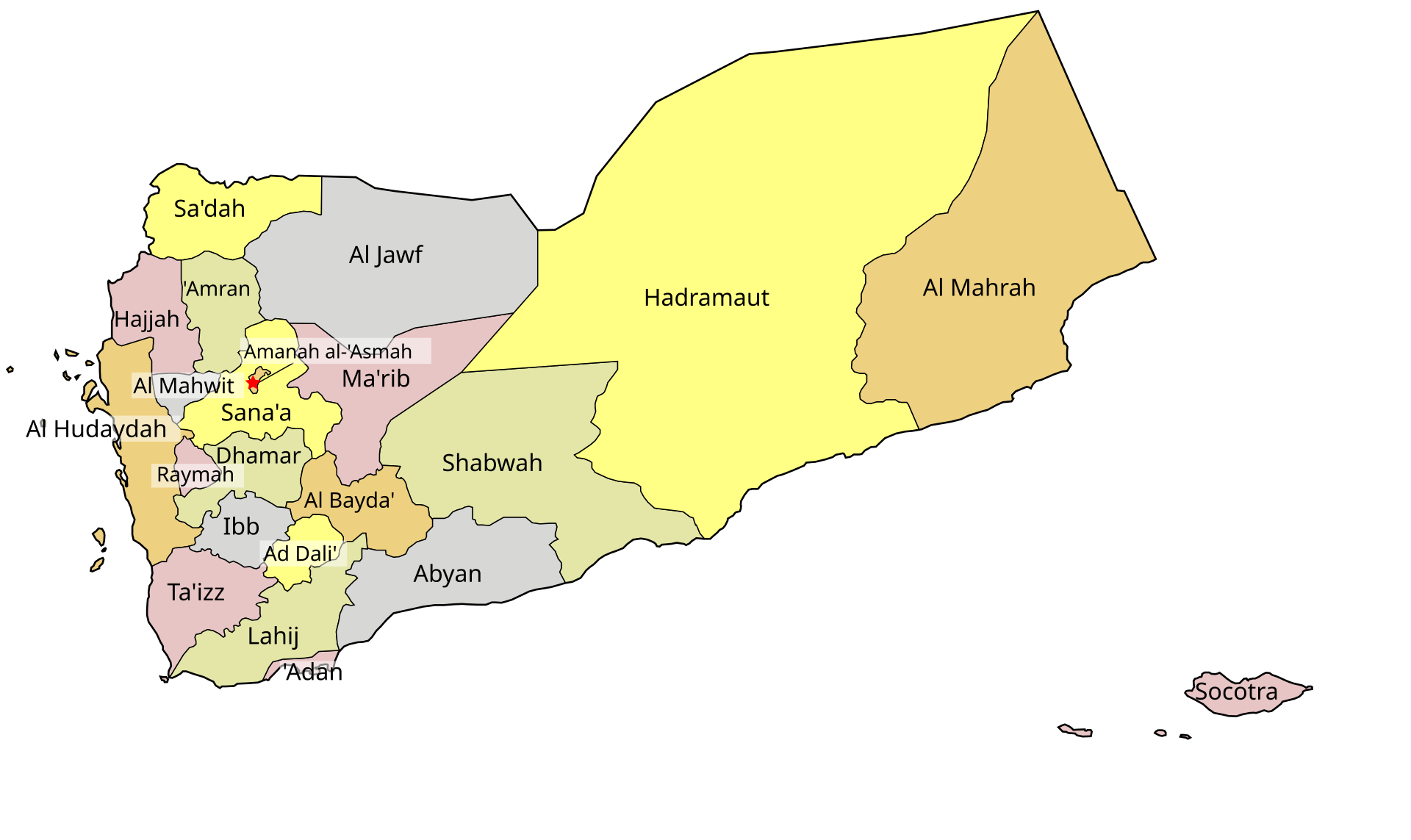
The first described two ballistic missile launch pads destroyed in Saada Governorate, linking them to the attack on Riyadh. Al-Maliki posted on X that “two ballistic missile launchers were eliminated in Saada,” according to TASS and Yemen Monitor. Saada, in Yemen’s far northwest near the Saudi border, has long been home to a concentration of Houthi launch sites, according to the Center for Strategic and International Studies. The governorate’s mountainous terrain offers natural concealment for mobile launchers, a factor that has complicated previous targeting efforts.
The second statement, timed at approximately 10:33 PM local time by the Khaleej Times live blog, described a launch platform destroyed in Sanaa, the Yemeni capital, which the coalition linked to the attempted ballistic missile attack on Saudi Arabia’s Eastern Region. Sanaa is both the Houthi seat of government and the largest city under their control, with a population density that makes military operations there more politically and operationally sensitive than strikes in remote Saada.
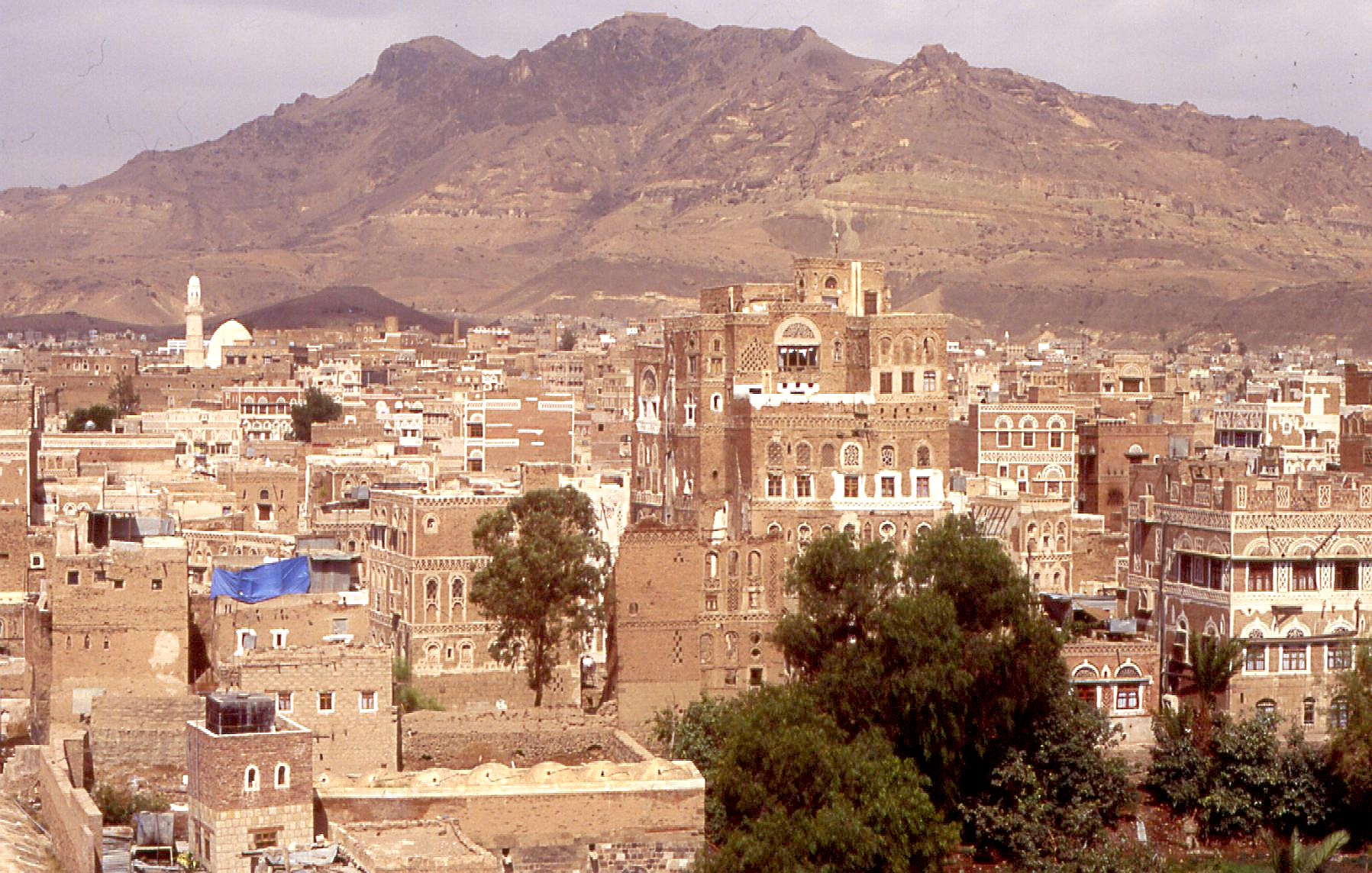
The geographic spread matters. Saada lies several hundred kilometres northwest of Sanaa. Striking both locations on the same day, in response to attacks launched hours apart, suggests the coalition was tracking launch activity across multiple governorates simultaneously.
Reuters reported one platform destroyed in Sanaa. Middle East Eye’s live blog, updated at 18:58 GMT, referred to “two ballistic missile launch platforms” in the capital, linking them to both the Eastern Region and Riyadh attacks. Saudi Gazette carried the story under the headline “Coalition: Ballistic missile launchers destroyed in Saada and Sanaa.”
What Did the Coalition Say It Targeted in Sanaa?
The coalition described the Sanaa target as a ballistic missile launch platform, a term that in military usage refers to the transporter-erector-launcher — the vehicle or fixed structure from which a missile is fired. Destroying a launcher eliminates not just the weapon loaded on it but the infrastructure needed to fire the next one from that position.
No source identified the specific district within Sanaa or the type of facility housing the platform. The coalition did not say whether the launcher was mobile or fixed, or whether additional munitions were destroyed alongside it. All destruction claims come from the coalition; no independent damage assessment has been published.
Al-Maliki said “operations continue to dismantle the terrorist Houthi militia’s ballistic missile network,” according to Arab News. The language — “network,” not “capability” — frames the campaign as a sustained effort against interconnected infrastructure rather than a response to any single launch. The distinction carries operational meaning: a network includes launchers, storage sites, supply routes and the technical personnel who assemble and fire the weapons. Destroying one node does not eliminate the network, but it reduces the rate at which the Houthis can mount successive attacks from that location.
Houthi Claims and the Absent Denial
Houthi military spokesman Yahya Saree claimed responsibility for six operations against Saudi targets on 8 November, including strikes on Aramco oil facilities, King Khalid International Airport in Riyadh and military positions, according to Reuters. The breadth of the claimed operations on 7 and 8 November was consistent with the group’s recent pattern of multi-target salvos designed to overwhelm Saudi air defences through volume. Saree’s announcement was framed as an offensive success, with no acknowledgement of coalition counterstrike activity.
Saree did not address the coalition’s claim that a launch platform in Sanaa had been destroyed. The omission is consistent with Houthi practice: the group typically announces its own operations but does not confirm or deny coalition strike claims against its military infrastructure. Whether this silence reflects an inability to confirm the damage, a decision not to acknowledge it, or simply a communications priority focused on the group’s own claims is not possible to determine from open sources.
Iranian state media, including IRNA and Mehr, did not comment on the Sanaa strike. Their coverage on 8 November was focused on events in the Strait of Hormuz, where the IRGC reported two tankers hit by mines and the US Navy disabled a vessel near the strait’s entrance. Tehran’s public silence on coalition strikes against the Houthis has been a consistent feature of the conflict; Iran has maintained its position that the Houthis are an independent movement rather than an Iranian proxy, even as Western governments and arms researchers have documented extensive Iranian weapons transfers to the group.
A Pattern of Launch-Site Strikes
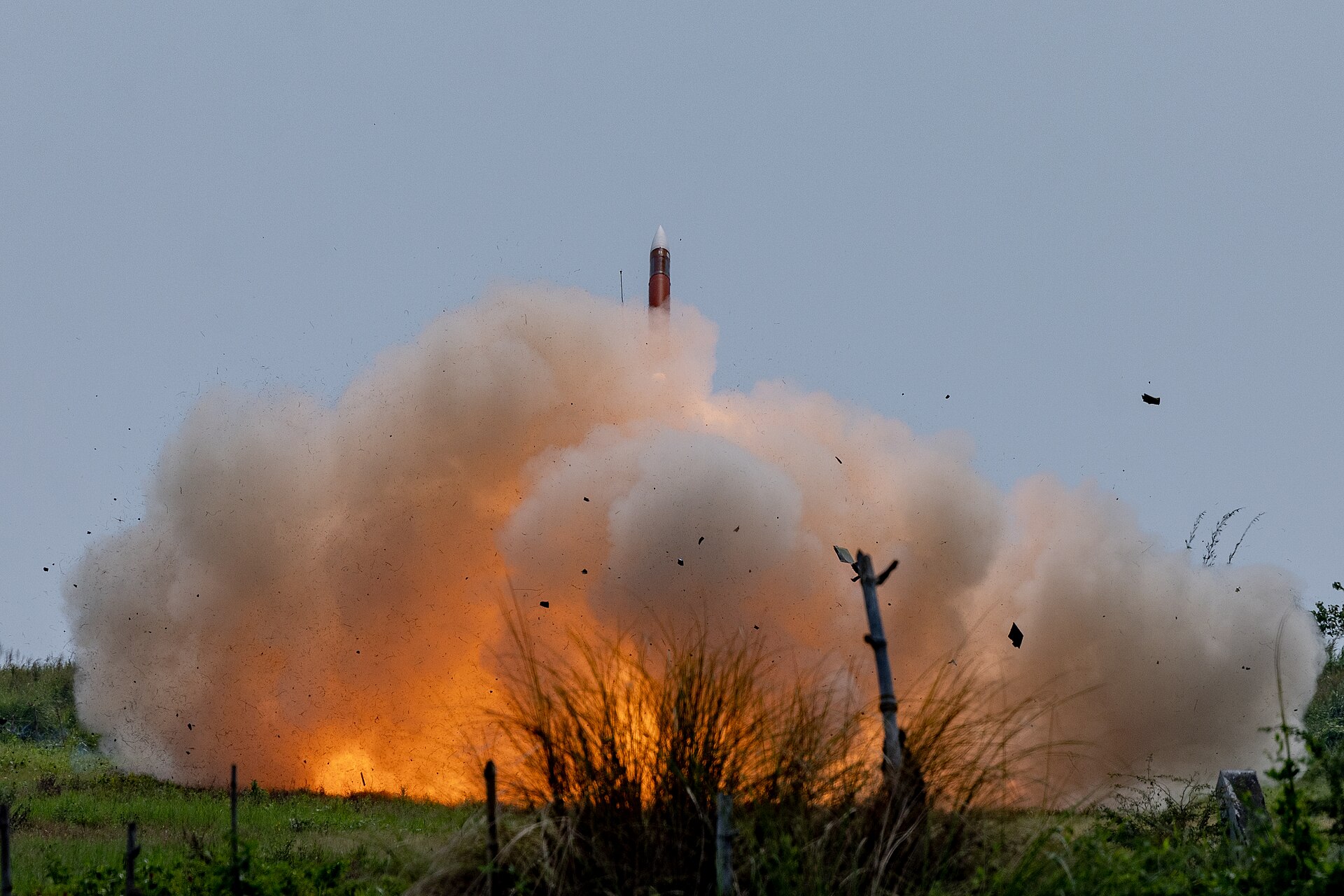
The 8 November operations fit into an accelerating tempo of coalition strikes against Houthi launch infrastructure since October.
On 9 October, the coalition said it destroyed three Houthi rocket launch platforms, according to CNBC. On 26 October, the coalition struck four ballistic missile launchers, five storage tunnels and a missile depot in Yemen, according to Al Jazeera. Al-Maliki posted on X that the operations aimed at “neutralising sources of threat.” Separately that day, the coalition said two launchers in Sanaa had been destroyed after a foiled attack on Riyadh, according to Arab News.
| Date | Location | Coalition Claim | Source |
|---|---|---|---|
| 9 Oct | Yemen (location unspecified) | 3 rocket launch platforms destroyed | CNBC |
| 26 Oct | Yemen (multiple sites) | 4 launchers, 5 storage tunnels, 1 depot | Al Jazeera |
| 26 Oct | Sanaa | 2 launchers destroyed (linked to Riyadh attack) | Arab News |
| 8 Nov | Saada Governorate | 2 launch pads destroyed (linked to Riyadh attack) | TASS, Yemen Monitor |
| 8 Nov | Sanaa | Launch platform destroyed (linked to Eastern Province attack) | Reuters, Khaleej Times |
CSIS has recommended “intelligence-led precision strikes” against Houthi launch, storage and assembly sites as part of a broader strategy to degrade the group’s offensive capacity. The think tank identified Saada Governorate as home to many ballistic missile launch sites, though it noted that Houthi mobile launchers are often concealed in mountainous terrain and tunnel complexes — making them difficult to locate before they fire.
Nawaf Obaid, of King’s College London’s War Studies Department, told Al Jazeera in October that the Saudi air campaign targeting missile depots, underground installations and drone production facilities is “inflicting enormous damage” on Houthi military capabilities. He also offered a caution that applies directly to the events of 8 November: “As much as you can have a multi-layered air defence system, one will always come through.”
How Large Is the Houthi Ballistic Missile Arsenal?
The Houthis field an arsenal that Al Jazeera has described as containing at least 10 missile types, including the Burkan series based on Iranian designs. The group’s arsenal spans short-range ballistic missiles, cruise missiles and a growing fleet of drones, giving it the ability to strike targets across Saudi Arabia from varying distances and altitudes.
A report by Conflict Armament Research, published in October, found evidence that the Houthis are attempting to build a longer-range variant of Iran’s Kheibar Shekan missile with an estimated range of approximately 1,900 kilometres — enough to reach targets well beyond the Saudi border. Senior CAR analyst Fabian Hinz said inspection of seized cargo “revealed Houthi ambitions to at least partially manufacture medium-range ballistic missiles inside Yemen,” though the group still relies on Iran for sophisticated guidance and navigation components, according to The New Arab.
The domestic production effort, Hinz noted, is “largely confined to lower-end missiles and drones.” That distinction matters: it means the coalition’s destruction of launch platforms and depots has a greater effect on the Houthis’ higher-end capabilities, which cannot be quickly replaced from local workshops.
Wolfgang Pusztai, an independent security and defence analyst, told Al Jazeera he believes the Houthis likely have “just a limited number of short-range ballistic missiles left,” which would prevent the kind of saturation attacks the group attempted in its early campaigns. Whether the 8 November strikes accelerated that depletion or simply eliminated launchers that could be replaced is not yet clear from open sources. The answer depends in part on how quickly Iran can resupply the group — a task complicated by the naval blockade in the Strait of Hormuz and by coalition efforts to interdict arms shipments along Yemen’s coastline.
The Civilian Toll in Sanaa Province
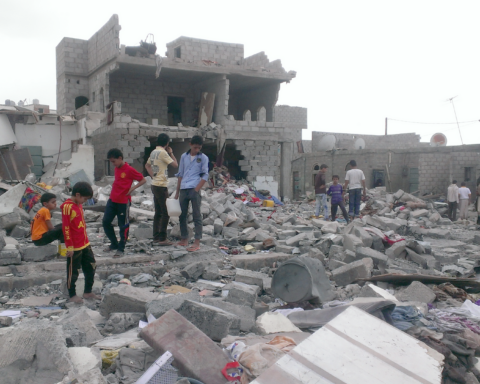
Coalition airstrikes in Sanaa province have come at a cost to civilians. On 7 November — the day before the launch-platform strike — Houthi-run media reported that at least 33 people were killed and 39 wounded in Saudi airstrikes on al-Shariya village, east of Sanaa. Houthi health ministry spokesman Anees Alasbahi gave a breakdown: 12 men, 8 women and 13 children among the dead, and 16 men, 10 women and 13 children among the wounded, according to the Times of Israel and the Manila Times.
Those casualties are from a separate incident — the village strikes on 7 November — and are not connected to the 8 November launch-platform operation. The Houthis attributed the destruction to Saudi airstrikes. Saudi Arabia made no immediate comment on the al-Shariya reports.
No civilian casualties have been reported in connection with the specific 8 November strike on the Sanaa launch platform. The coalition has not disclosed whether the platform was located in an urban or military area within the capital. The distinction between military targets and civilian surroundings in Sanaa — a dense city of more than two million people — has been a recurring source of dispute throughout the conflict. Coalition statements describe precision targeting of military infrastructure; the Houthis and international humanitarian organisations have repeatedly said that airstrikes in populated areas cause civilian harm regardless of the intended target.
Frequently Asked Questions
Has the coalition struck Houthi targets inside Sanaa before?
The coalition has repeatedly struck targets in the Yemeni capital. On 26 October, it said it destroyed two launchers in Sanaa after a foiled attack on Riyadh. In July, the coalition struck Sanaa airport’s runway on 13 July; Houthi military spokesman Yahya Saree described the coalition’s strikes as an end to the de-escalation phase and vowed retaliation, according to the Associated Press. Sanaa, as the Houthi-controlled seat of government, hosts military and administrative infrastructure that has made it a recurring target.
What is the difference between a launch platform and a launch pad?
The terms are often used interchangeably in English-language reporting on the conflict. Reuters described the Sanaa target as a “launch platform,” while Middle East Eye used “launch pads.” In military terminology, a platform can refer to either a mobile transporter-erector-launcher — a vehicle that can relocate between firings — or a fixed concrete pad. The coalition did not specify which type was involved in the 8 November strike.
Did the Eastern Province missile cause any damage?
Saudi air defences intercepted the ballistic missile before it reached its target, according to Arab News. Civil-defence authorities issued danger alerts for Dammam, Dhahran, Abqaiq and Al-Hofuf. An all-clear followed for all four cities. No casualties or structural damage from the intercept were reported.
What is Conflict Armament Research?
Conflict Armament Research is an independent investigative body that physically examines weapons recovered from conflict zones to document their origins and supply chains. The organisation publishes its findings in open-source reports that identify specific components and their countries of origin. Its October 2026 report on Houthi missile production found Chinese-sourced parts in the group’s attempt to build a domestically manufactured variant of Iran’s Kheibar Shekan ballistic missile, while also documenting the group’s continued reliance on Iran for advanced guidance and navigation systems, according to The New Arab.
Were any coalition aircraft involved in the strikes?
The coalition did not specify which aircraft or munitions were used in the 8 November strikes on Sanaa and Saada. Previous coalition operations in October involved what Al-Maliki described as air assets, and the coalition said 100 jets flew in Operation “Dawn of Yemen” on 4 October, according to the Oman Observer. The type and origin of the aircraft used in individual strikes are not routinely disclosed in coalition statements.
The House of Saud Daily Briefing
Saudi Arabia's news in 3 minutes, every morning. Free. See today's issue