ABU DHABI — An oil products tanker indirectly owned by Abu Dhabi’s state energy giant ADNOC caught fire and was abandoned eight nautical miles northwest of Khasab, Oman, on November 7, forcing all 22 crew members to evacuate into the waters of the Strait of Hormuz approach. The UAE National Guard’s Coast Guard Division pulled every crew member from the water and reported them in stable condition — but Abu Dhabi itself has said nothing about the attack on a vessel belonging to the company it paid $1.04 billion to acquire less than two years ago.
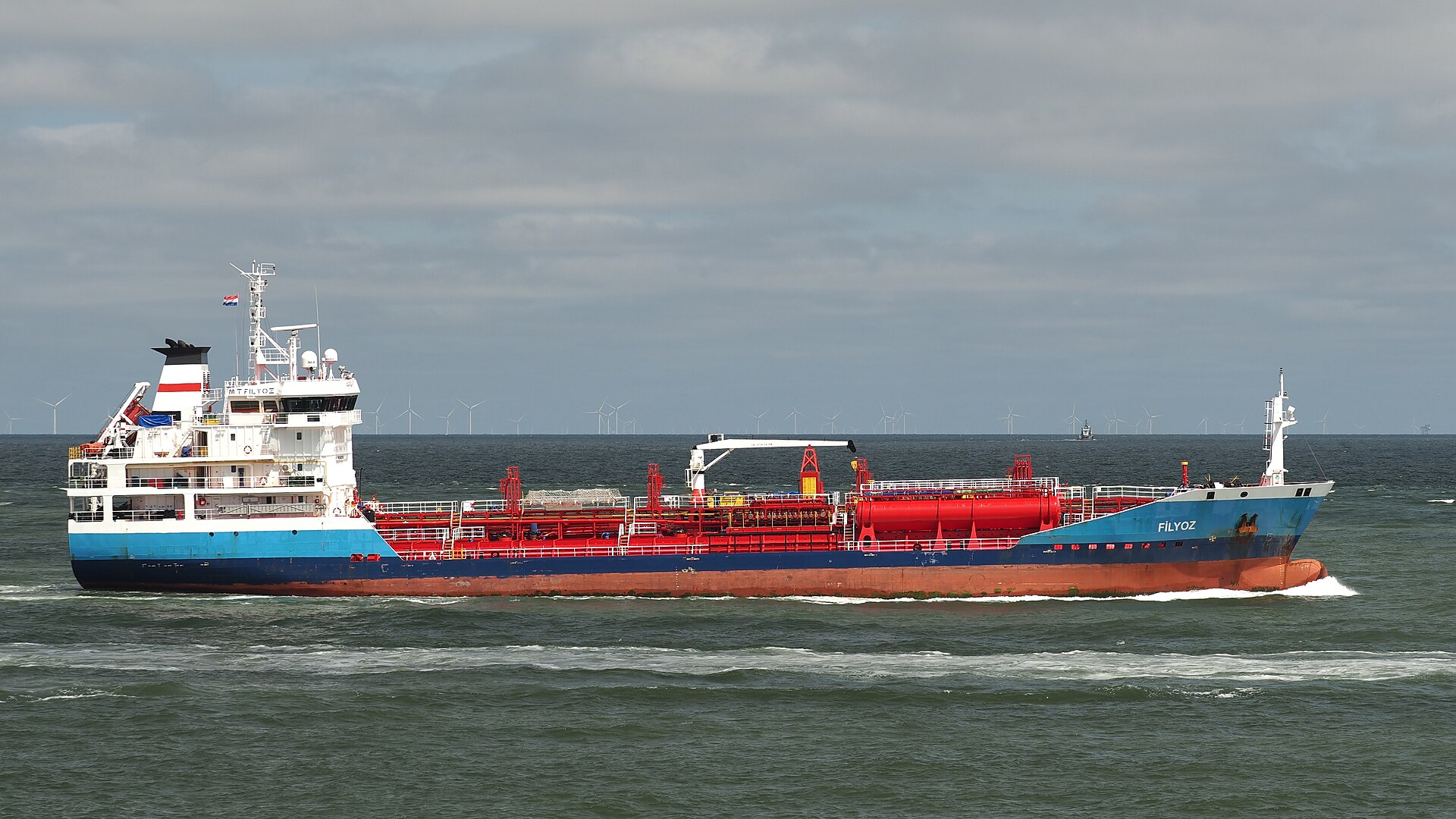
The vessel, tentatively identified by maritime monitors as the Navig8 Messi — a 75,618 deadweight-tonne LR1 products tanker built in 2011 — had made its last port call at Fujairah before heading through the strait, according to VesselFinder tracking data. By 19:20 UTC, a fire was burning aboard the ship and the United Kingdom Maritime Trade Operations issued Alert 199-26 confirming the incident, as reported by the Arab Times Online and Splash247. Iran’s Islamic Revolutionary Guard Corps Navy later claimed through Tasnim that “violating oil tankers” had struck mines while “passing through the southern prohibited route of the Hormuz Strait” with their automatic identification systems switched off — though the IRGC did not name the Navig8 Messi specifically.
The House of Saud Daily Briefing
Saudi Arabia's news in 3 minutes, every morning. Free. See today's issue
A $1.04 Billion Target
ADNOC Logistics & Services completed its acquisition of an 80 percent stake in Navig8 TopCo Holdings in January 2025, paying $1.04 billion for a fleet of roughly 32 tankers that would carry Abu Dhabi’s crude and refined products through some of the most contested waters on earth, according to The National and WAM. The remaining 20 percent is due to transfer by mid-2027 for an additional $335 million to $450 million. ADNOC L&S subsequently moved 20 of its own vessels into Navig8’s commercial pools, including four LR1 tankers of the same class as the Navig8 Messi, according to Baird Maritime and Hellenic Shipping News.
The Navig8 Messi, registered under IMO number 9482859, is exactly the kind of asset that deal was designed to operate: a midsize products carrier working the short-haul routes between Fujairah, the Gulf, and export markets through the strait. VesselFinder records show the tanker’s last port call was Fujairah, with an arrival timestamp of 03:41 UTC on November 7 — roughly 16 hours before it was burning and abandoned northwest of Khasab.
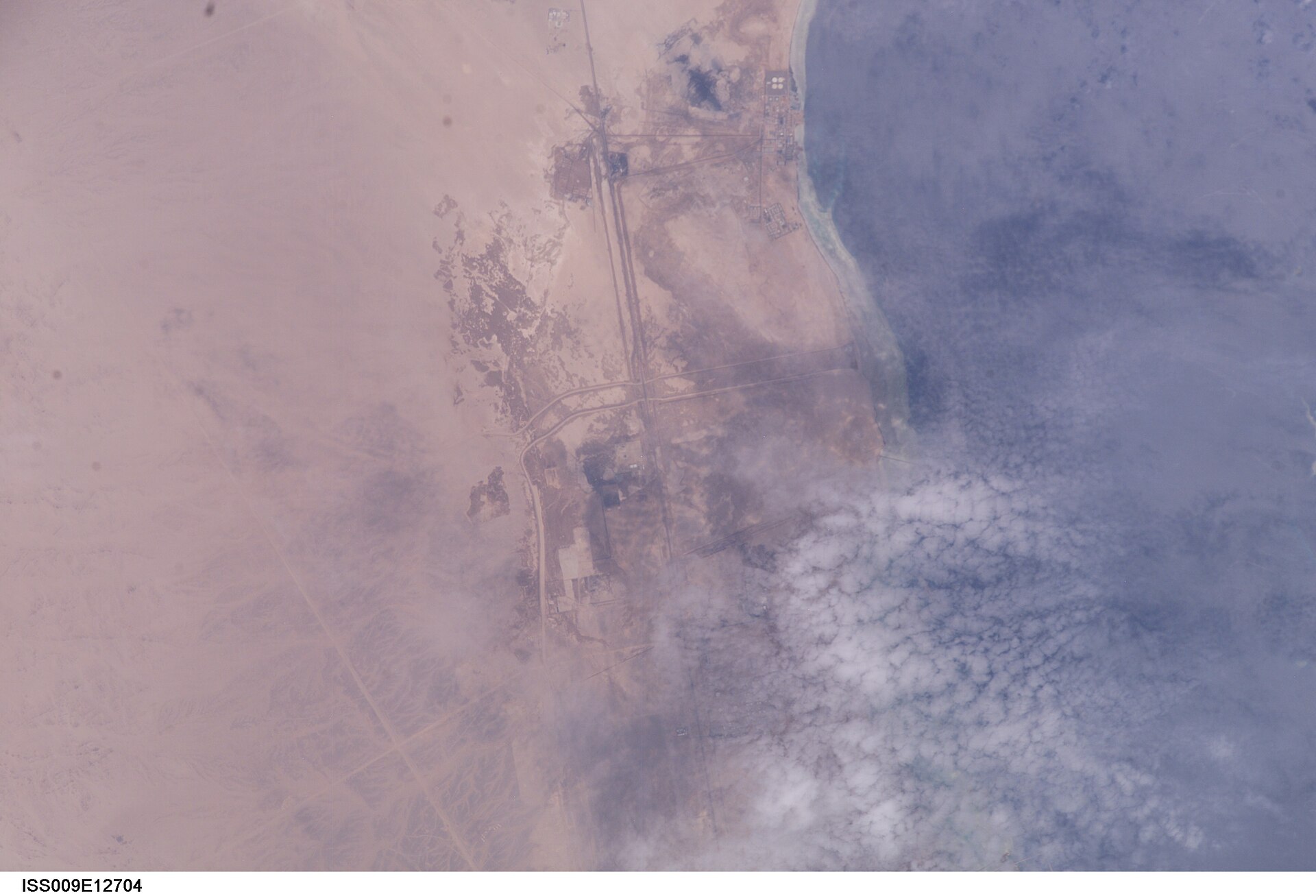
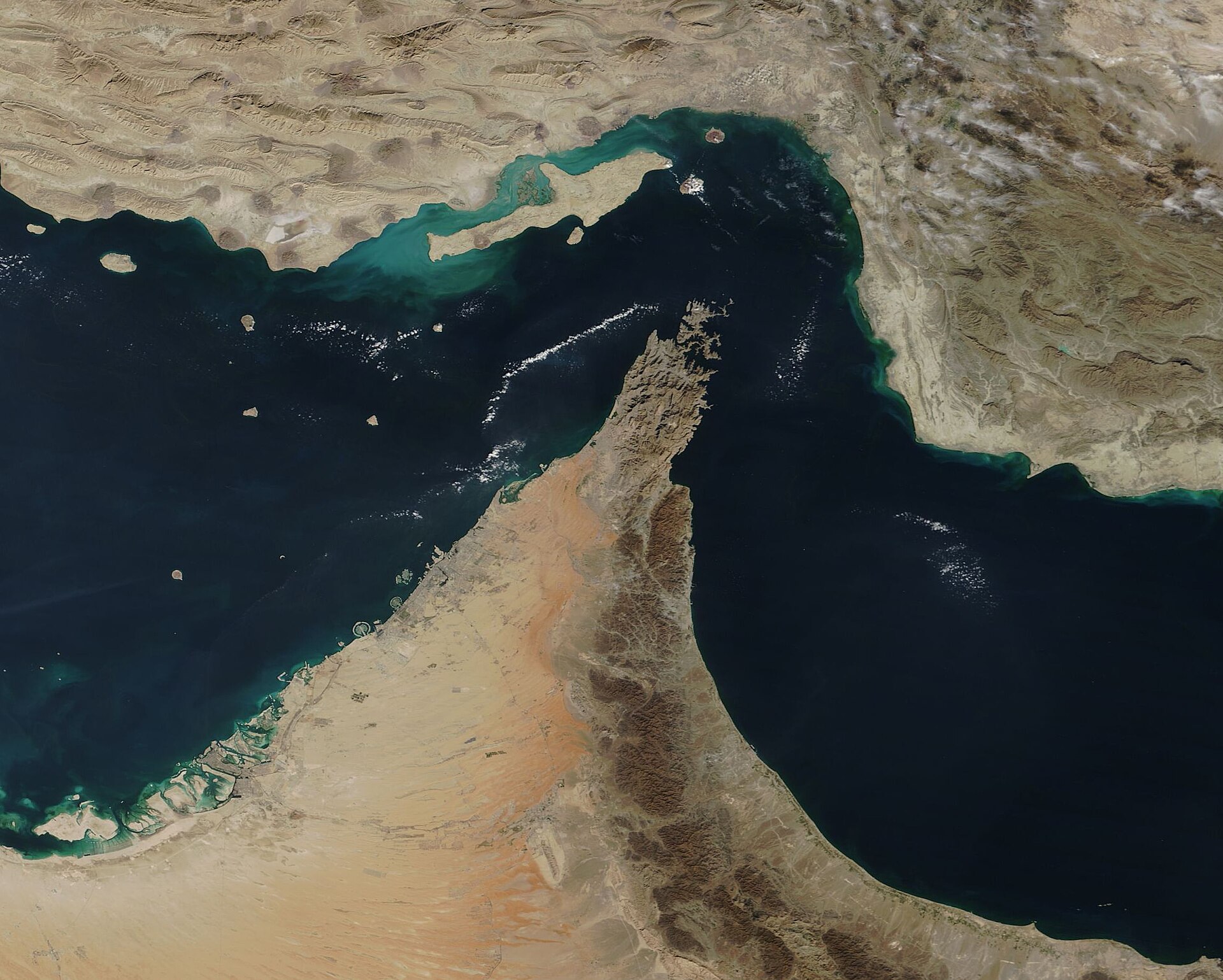
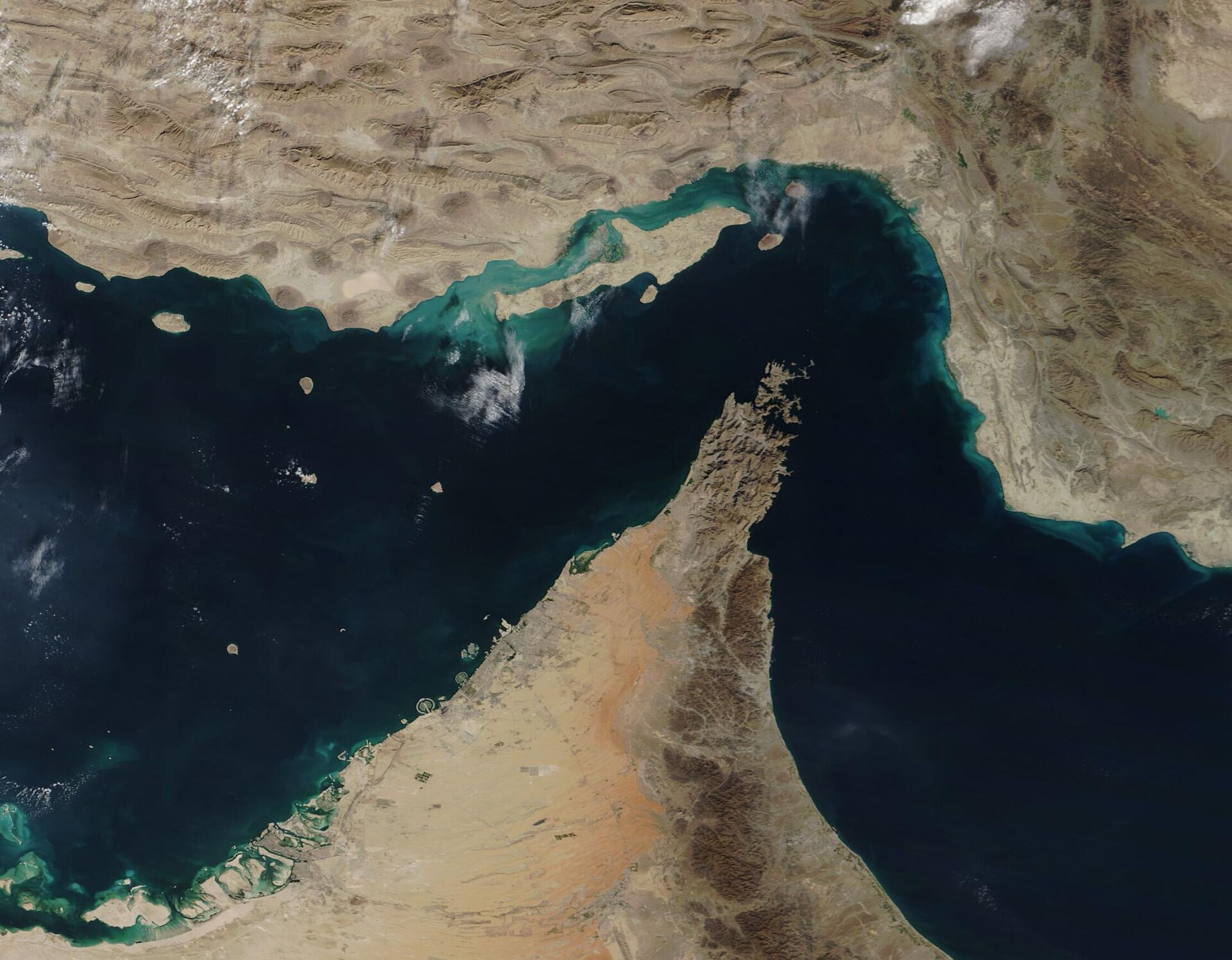
That proximity matters. Khasab sits on Oman’s Musandam Peninsula, the dagger of rock that juts into the strait from the Arabian side. At eight nautical miles from the Omani coast, the vessel was likely inside or near the 12-nautical-mile territorial waters limit. At least two firefighting tugboats reached the scene, according to the Maritime Executive, but the crew had already gone — all 22 of Arab nationalities, the UAE National Guard confirmed in a statement carried by Gulf News on November 8.
From a Drone Hit to Abandonment
This is not the first time the Navig8 Messi has been struck. On August 13, 2026, IRGC drones hit the same tanker in the Strait of Hormuz, according to the Maritime Executive and OSINT613. That attack caused minor damage, and the vessel continued under its own power. The difference between August and November is the difference between a warning shot and a gutting: three months later, the same ship was on fire and its entire crew was in the water.
The August episode was part of a broader campaign. By August 7, ADNOC had publicly confirmed that 15 of its vessels had been targeted since the conflict began, leaving one crew member dead and 20 injured, as reported by Gulf News and the Shipping Telegraph. By August 8, the Khaleej Times placed the total at a minimum of 16 vessels hit. In a statement carried by the Khaleej Times and Offshore-Mag, ADNOC said its operations had been “significantly impacted” by what it called “unprovoked attacks on our people and our assets,” while insisting it continued to meet customer requirements despite what it described as an exceptionally challenging environment.
What separates the November 7 incident from that catalogue is outcome. Previous strikes on ADNOC-linked vessels damaged hulls, injured crew, and killed one person — but the ships kept moving. The Navig8 Messi did not keep moving. It burned, it was abandoned, and as of the latest reporting, its status remained unresolved. For a company that spent more than a billion dollars to expand its tanker fleet into these waters, the escalation from repairable drone damage to full crew evacuation and abandonment represents a qualitative shift in the risk calculus its ships face every time they transit the strait.
Why Has Abu Dhabi Gone Quiet?
When IRGC drones struck the Navig8 Messi in August, Abu Dhabi’s response was loud and specific. The UAE Foreign Ministry formally condemned the attacks as a “hostile Iranian act” and a violation of United Nations Security Council Resolution 2817, describing them as “acts of piracy,” according to Seatrade-Maritime and the Tribune Pakistan. Anwar Gargash, the UAE’s Presidential Diplomatic Adviser, followed with a public statement carried by Gulf News on August 15: “The repeated targeting of ADNOC tankers will not deter the UAE from pursuing a balanced and rational policy” resting on “three pillars: deterrence, diplomacy, and adherence to international law.”
That was three months ago. As of this writing, no comparable statement has emerged from the UAE Foreign Ministry, ADNOC, or any Emirati government body regarding the November 7 attack. No condemnation, no invocation of international law, no reference to deterrence. The same vessel — struck worse, abandoned, burning — and the diplomatic apparatus that responded within days in August has produced nothing publicly.
The silence is difficult to read as anything other than deliberate. Abu Dhabi does not lack the institutional capacity to issue statements; the August response proved that. Nor is the November incident less severe — by every operational measure, it is worse. The most likely explanation is that the diplomatic context has shifted. Qatar’s prime minister met Donald Trump on November 9 to press a Hormuz deal, and Iran’s army spokesman declared on November 7 that the strait stays closed until the United States accepts seven conditions. A formal Emirati condemnation of Iran in the middle of active mediation efforts could complicate the very channels Abu Dhabi may be trying to keep open.
In March 2026, the UAE signaled its willingness to join a multinational force to reopen the Strait of Hormuz, alongside Bahrain, according to Al-Monitor and MarineLink. That posture — military readiness paired with diplomatic restraint — may explain the current quiet. But for the 22 crew members who went into the water off Khasab, and for the families of the one ADNOC worker already killed and 20 injured in previous attacks, the distinction between strategic patience and silence is academic.
How Does Iran Frame the Attack?
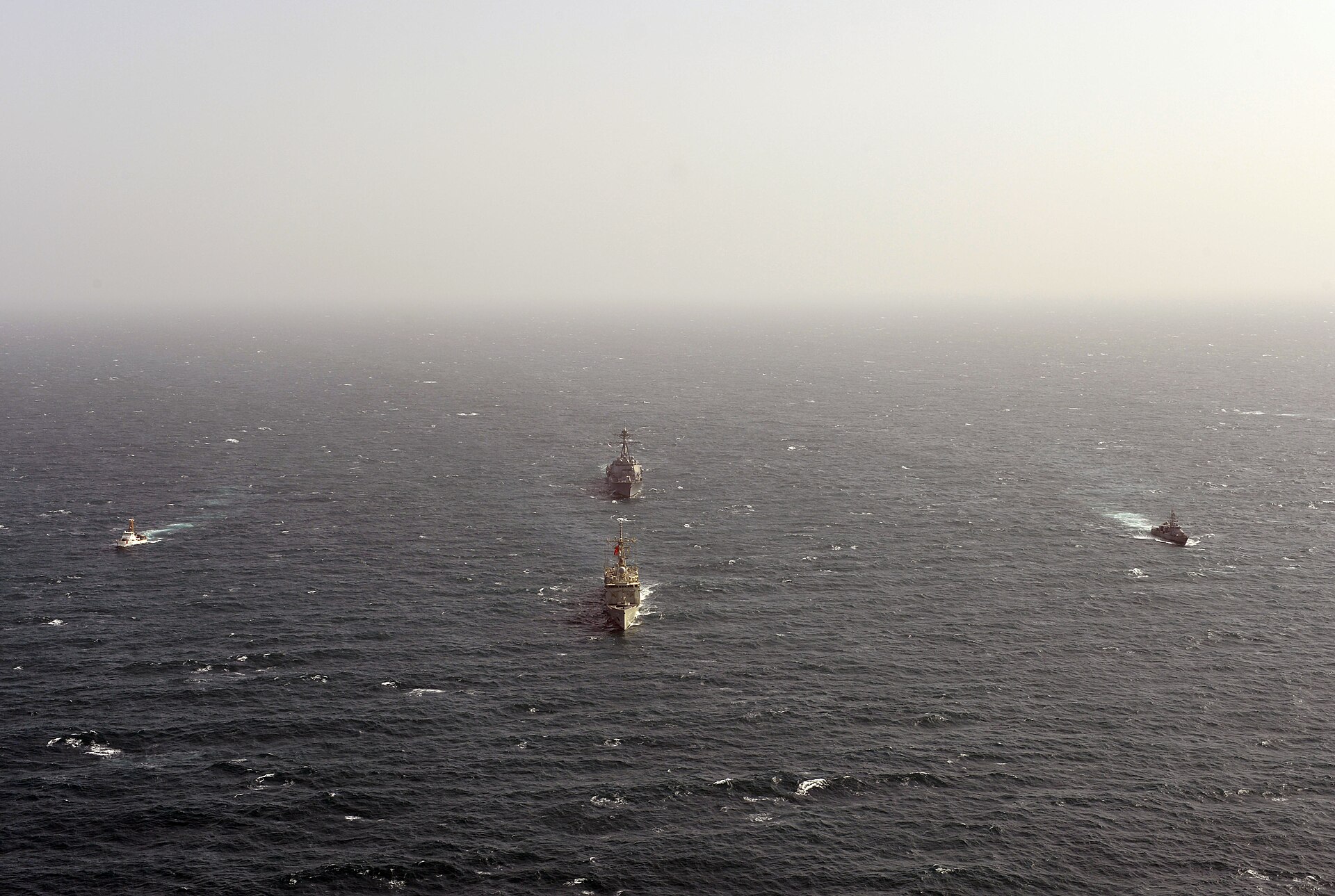
Tehran’s version of events, delivered through the IRGC Navy via Iran’s ISNA news agency and reported by Splash247 on November 9, strips the incident of any aggression on Iran’s part. The IRGC claimed that tankers had suffered “explosions and fires after colliding with a mine while passing through the southern prohibited route of the Hormuz Strait.” The statement did not name the Navig8 Messi. It framed the damage as a consequence of the vessel’s own non-compliance — sailing through waters Iran considers closed, with its transponder dark.
That framing has a documentary trail. According to No1’s Daily Digest, citing MenchOsint, the Navig8 Messi appeared on Iran’s Persian Gulf Shipping Authority non-compliant list, and its AIS had been switched off for two days before the strike. The IRGC’s logic is consistent with the position it articulated earlier in the week when it claimed two other tankers struck mines near Hormuz: vessels that enter the “prohibited zone” without authorization do so at their own risk, and any damage they sustain is self-inflicted.
The framing does not survive scrutiny cleanly. The August strike on the same vessel involved drones, not mines — a method that requires active targeting, not passive hazard. Whether the November incident involved a mine, a drone, or another weapon remains unconfirmed; the IRGC’s claim of a mine strike is just that, a claim. UKMTO’s own assessment, as reported by the Maritime Executive on November 8, described the broader pattern of activity in the strait as reflecting Iran’s “intent to assert presence along key transit lanes” — language that points to deliberate enforcement, not accidental encounters with ordnance.
The Wider Toll on the Strait
The Navig8 Messi was not the only vessel in trouble over the weekend. UKMTO’s 72-hour summary listed two attacks for the period, while other maritime monitors reported seven vessels disabled overall, according to No1’s Daily Digest on November 9. The International Maritime Organization reported on November 7 that 25 seafarers had been killed in the Strait of Hormuz since the US-Iran conflict began — a toll that grows with every weekend like this one.
The economic architecture of the strait makes each incident cumulative. Before Iran declared Hormuz closed, approximately 138 vessels transited the waterway daily, according to the Joint Maritime Information Center. Every abandoned tanker, every AIS blackout, every mine or drone strike compresses the insurance market, lengthens routing, and raises the price of moving hydrocarbons through the world’s most important chokepoint. ADNOC’s own experience — at least 16 vessels targeted, one worker dead, 20 injured, and now a ship abandoned and burning — is a corporate-scale illustration of what the strait’s closure means in practice.
The United States launched its Iron Gate task force on November 9, layering a new military response on top of existing operations. Whether that force or any diplomatic breakthrough changes the arithmetic for tankers transiting Hormuz is an open question. What is not open is the trajectory: the same ship, struck twice in three months, went from minor damage to abandonment. For the Navig8 Messi and the fleet it belongs to, the strait is getting worse, not better.
Background
The Strait of Hormuz has been the site of escalating confrontation between Iran and the United States and its Gulf allies since the IRGC declared the waterway closed on October 26, 2026, resuming a posture it originally adopted on April 13. Iran’s conditions for reopening the strait have expanded over successive rounds of communication; on November 7, an Iranian army spokesman listed seven conditions the United States must accept before any reopening. Diplomatic efforts have continued in parallel, with Qatar serving as the primary mediator between Washington and Tehran.
ADNOC, the Abu Dhabi National Oil Company, is one of the world’s largest energy producers and a central pillar of the UAE’s economy. Its logistics subsidiary, ADNOC L&S, expanded aggressively into commercial shipping with the Navig8 acquisition, betting that scale and operational integration would help it manage the risks of moving product through contested waters. The November 7 abandonment of the Navig8 Messi is the most severe single-vessel outcome ADNOC has publicly faced since the conflict began.
Frequently Asked Questions
What is the Navig8 Messi?
The Navig8 Messi is an LR1-class oil products tanker with a deadweight tonnage of 75,618 tonnes, built in 2011 and formerly known as the Georg Jacob. It carries IMO number 9482859 and is part of the fleet operated by Navig8 TopCo Holdings, of which ADNOC Logistics & Services owns 80 percent following a $1.04 billion acquisition completed in January 2025. LR1 tankers typically carry refined petroleum products such as gasoline, diesel, and jet fuel on regional routes.
What is the PGSA non-compliant list?
Iran’s Persian Gulf Shipping Authority maintains a list of vessels it considers non-compliant with the IRGC’s declared closure of the Strait of Hormuz. Vessels on this list are those Iran says have entered the strait without authorization or have failed to follow routing instructions issued by Iranian authorities. According to No1’s Daily Digest, citing MenchOsint, the Navig8 Messi appeared on this list, and its AIS transponder — the system that broadcasts a ship’s identity and position — had been off for two days before the November 7 incident.
Has the UAE responded to the November 7 attack?
As of November 9, no public statement has been found from the UAE Foreign Ministry, ADNOC, or any other Emirati government body regarding the November 7 incident. The UAE National Guard confirmed the rescue of 22 crew members and described the operation as evidence of “readiness to respond to maritime emergencies,” but this addressed the rescue operation, not the attack itself. This contrasts with August 2026, when the Foreign Ministry issued a formal condemnation calling IRGC strikes on ADNOC vessels a “hostile Iranian act” and “acts of piracy.”
How many ADNOC vessels have been attacked?
ADNOC confirmed on August 7, 2026, that 15 of its vessels had been targeted since the conflict began, resulting in one crew member killed and 20 injured, according to Gulf News. By August 8, the total had risen to at least 16, per the Khaleej Times. The November 7 incident involving the Navig8 Messi adds to that tally, though ADNOC has not issued an updated count.
What is the remaining 20 percent of the Navig8 acquisition worth?
ADNOC L&S is due to acquire the remaining 20 percent of Navig8 TopCo Holdings by mid-2027 for an additional $335 million to $450 million, according to The National. The total deal value, once completed, would range from $1.375 billion to $1.49 billion — a figure that now comes with the demonstrated risk that the fleet’s primary operating theater is a war zone where at least one of its vessels has been forced into abandonment.
The House of Saud Daily Briefing
Saudi Arabia's news in 3 minutes, every morning. Free. See today's issue