
RIYADH — The Saudi-led coalition said on Tuesday that its air defences intercepted and destroyed a drone over the Riyadh region on November 17, one day after two drones were shot down over the Makkah and Riyadh regions, according to Asharq Al-Awsat. The three intercepts in two days extend a pattern of near-daily Houthi aerial attacks on Saudi Arabia that the Foundation for Defense of Democracies has tracked since November 7.
The continued strikes on the Saudi heartland coincide with a Houthi ground advance in Yemen that has brought the group’s forces to within 85 km of Aden, where Saudi-backed Yemeni troops have reinforced positions at Tur al-Baha — described by officials as “the first line of defense” for the city, the Associated Press reported on November 17. The dual-front pressure comes days after King Salman replaced the coalition’s military commander and amid a broader dispute over whether Houthi drones are deliberately targeting Makkah, the holiest city in Islam.
The House of Saud Daily Briefing
Saudi Arabia's news in 3 minutes, every morning. Free. See today's issue
Table of Contents
What Did the Coalition Report on November 16 and 17?
On Tuesday, the Coalition to Restore Legitimacy in Yemen announced that air defences intercepted and destroyed a single drone over the Riyadh region, according to Asharq Al-Awsat. The coalition described the drone as consistent with the Houthi aerial campaign but provided no details on its type, altitude or flight path.
The day before, coalition spokesman Maj. Gen. Turki Al-Maliki said that air defences had shot down two drones over the Makkah and Riyadh regions, according to Siasat.com and Asharq Al-Awsat. Al-Maliki posted the announcement on X.
“Two drones launched by the terrorist Houthi militia were intercepted and destroyed in the Makkah and Riyadh regions.”
— Maj. Gen. Turki Al-Maliki, coalition spokesman, November 16
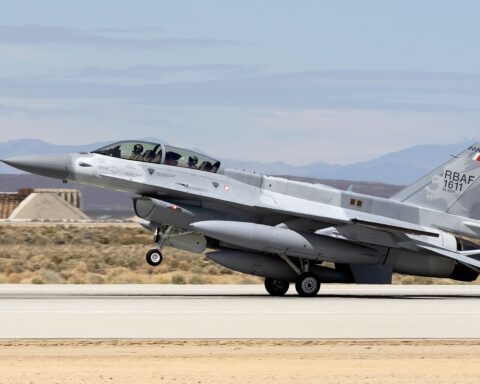
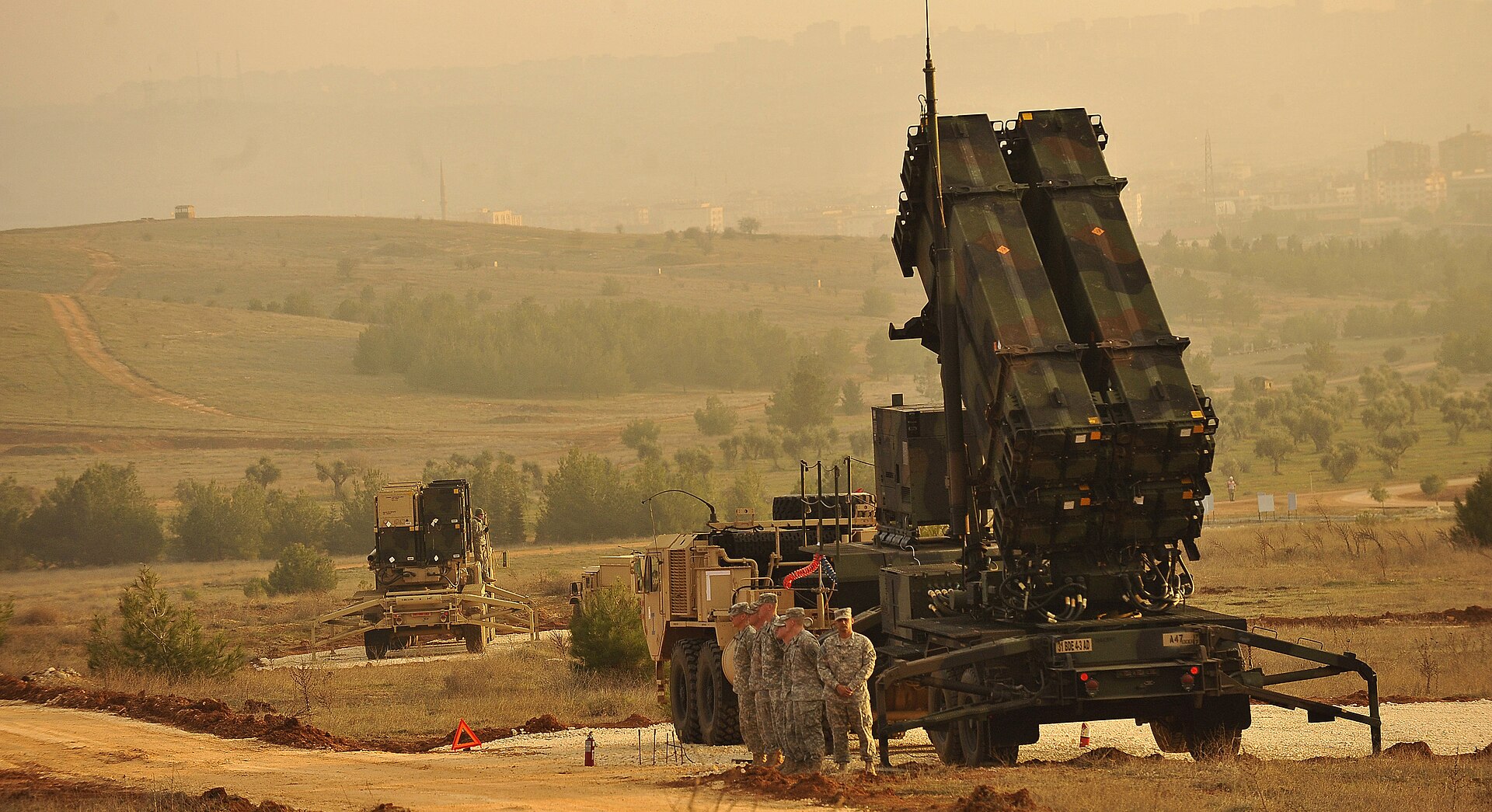
The coalition did not name the specific air defence systems used in any of the three intercepts. No casualties or structural damage were reported from either day’s events.
The Muslim World League condemned what it called “continued Houthi attempts to target Makkah and civilian areas with missiles and drones” and said Saudi air defences had intercepted all of them, according to Siasat.com.
No Houthi military media statement has been found claiming or denying responsibility for the specific November 16 or November 17 intercepts. The group’s public channels on Telegram did not address either event in the hours following the coalition announcements.
How Has the November Air Campaign Unfolded?
The November 16–17 intercepts are the latest in a sustained Houthi aerial campaign that has targeted Saudi Arabia on a near-daily basis for eleven days. Bridget Toomey, an analyst at the Foundation for Defense of Democracies’ Long War Journal, documented consecutive missile and drone attacks from November 7 through November 14.
Toomey noted that the escalation followed coalition airstrikes on a Taiz market on November 6 — which the Houthis said killed 30 people — and strikes on Bani Hushaysh in Sanaa on November 7, which the Houthis said killed 40. The Houthis framed their subsequent campaign as retaliation for both strikes, according to the same FDD report.
The scale and geographic spread of the attacks have varied widely. On November 15 alone, the coalition reported intercepting 2 ballistic missiles targeting Riyadh, 2 drones over the Makkah region, 1 drone over the Madinah region, and 3 drones over the Eastern Province — 8 projectiles across four regions in a single day, according to Gulf News. The Houthis denied targeting Mecca or Medina that day, while claiming the strikes on other Saudi targets, according to Middle East Eye.
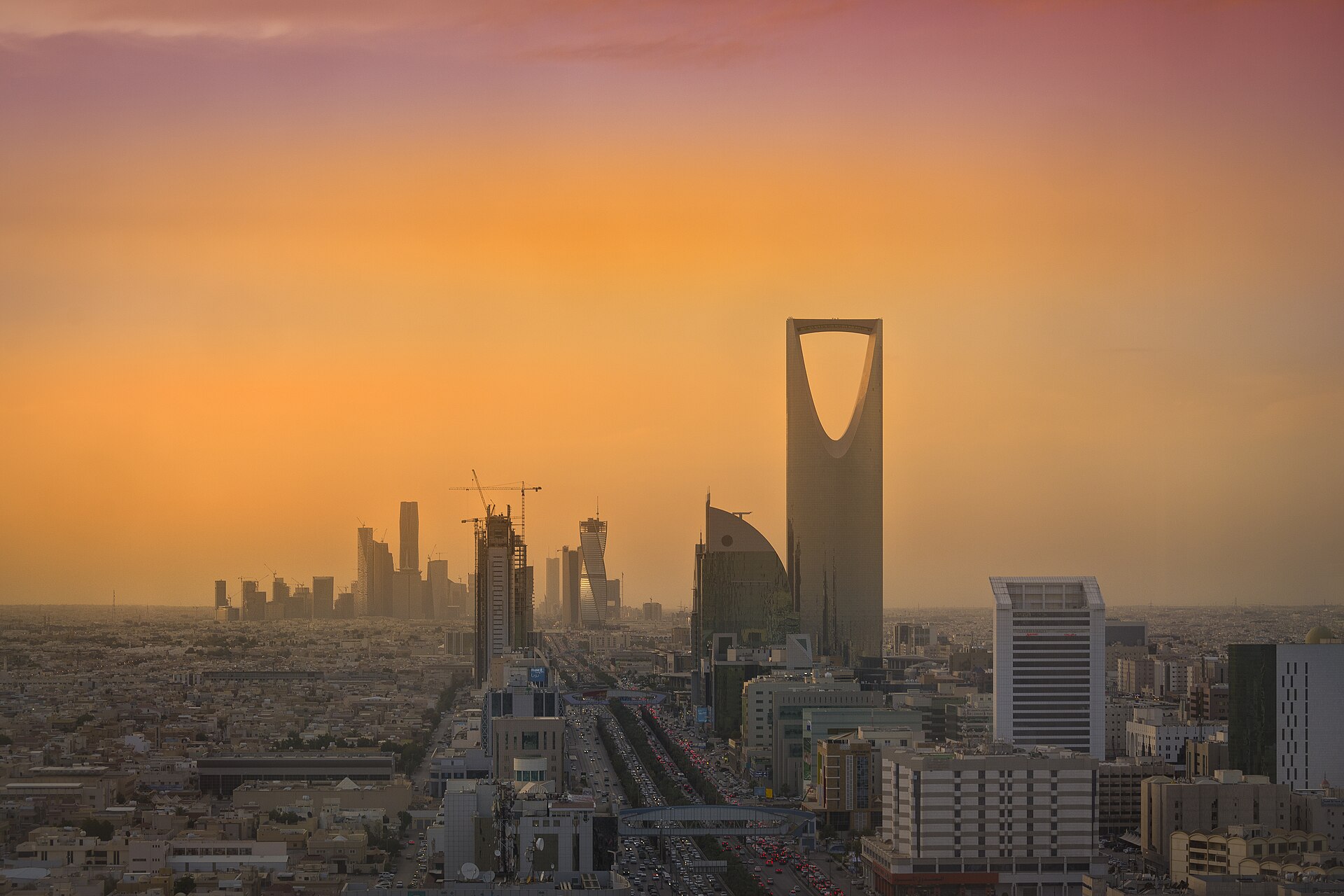
On November 8, an Aramco administrative building in Riyadh’s King Abdullah Financial District sustained what the Saudi Energy Ministry described as “minor damage” from falling shrapnel, according to the FDD Long War Journal. No other structural damage to non-military sites in the capital has been reported during the November campaign.
The Houthis have claimed responsibility for specific strikes while denying others. On November 11, Houthi military spokesman Yahya Saree claimed drone attacks on a Yanbu pumping station and cruise missile attacks on King Khalid International Airport, according to Reuters. On November 12, Saree claimed attacks on a pumping station on the East-West pipeline, oil facilities at Yanbu, Khamis Mushait Air Base, and an Aramco facility in Riyadh, according to the FDD Long War Journal.
Saudi Arabia did not confirm that any of these claimed targets were struck. The gap between what the coalition says it intercepted and what the Houthis say they hit has widened throughout the campaign, with neither side releasing independently verifiable evidence for most incidents.
Since September, Houthi attacks have resulted in 26 fatalities in Saudi Arabia, according to Saudi authorities as reported by Arab News. The specific incidents in which those deaths occurred have not been itemised in public statements.
Why Do the Houthis Deny Targeting Makkah?
The Makkah-region intercept on November 16 is the most politically sensitive element of the recent pattern. The coalition has reported multiple drone and missile intercepts over or near the holy city since September. The Houthis have denied every one.
Saree stated on October 16 that “the lies spread by the Saudi regime about targeting holy Mecca are fooling no one” and that Yemen “poses no threat to the holy sites,” according to Ynet. An unnamed Houthi spokesperson wrote on Telegram around November 15 that Saudi claims of a Mecca-bound drone were “a blatant lie and fabrication,” stating that the group “directs its operations exclusively at oil installations and military bases in Saudi Arabia,” according to Middle East Eye.
The Houthi position is that Riyadh fabricates the Makkah dimension to generate international sympathy. The coalition’s position is that it has physical evidence.
On November 12, the Saudi Civil Defence Authority said debris from intercepted ballistic missiles fell in Sabuhah village in Mecca province, and called the targeting of civilian objects “a flagrant violation of international humanitarian law,” according to Reuters. The debris provided the most tangible evidence to date that projectiles had reached the Makkah region during the current campaign.
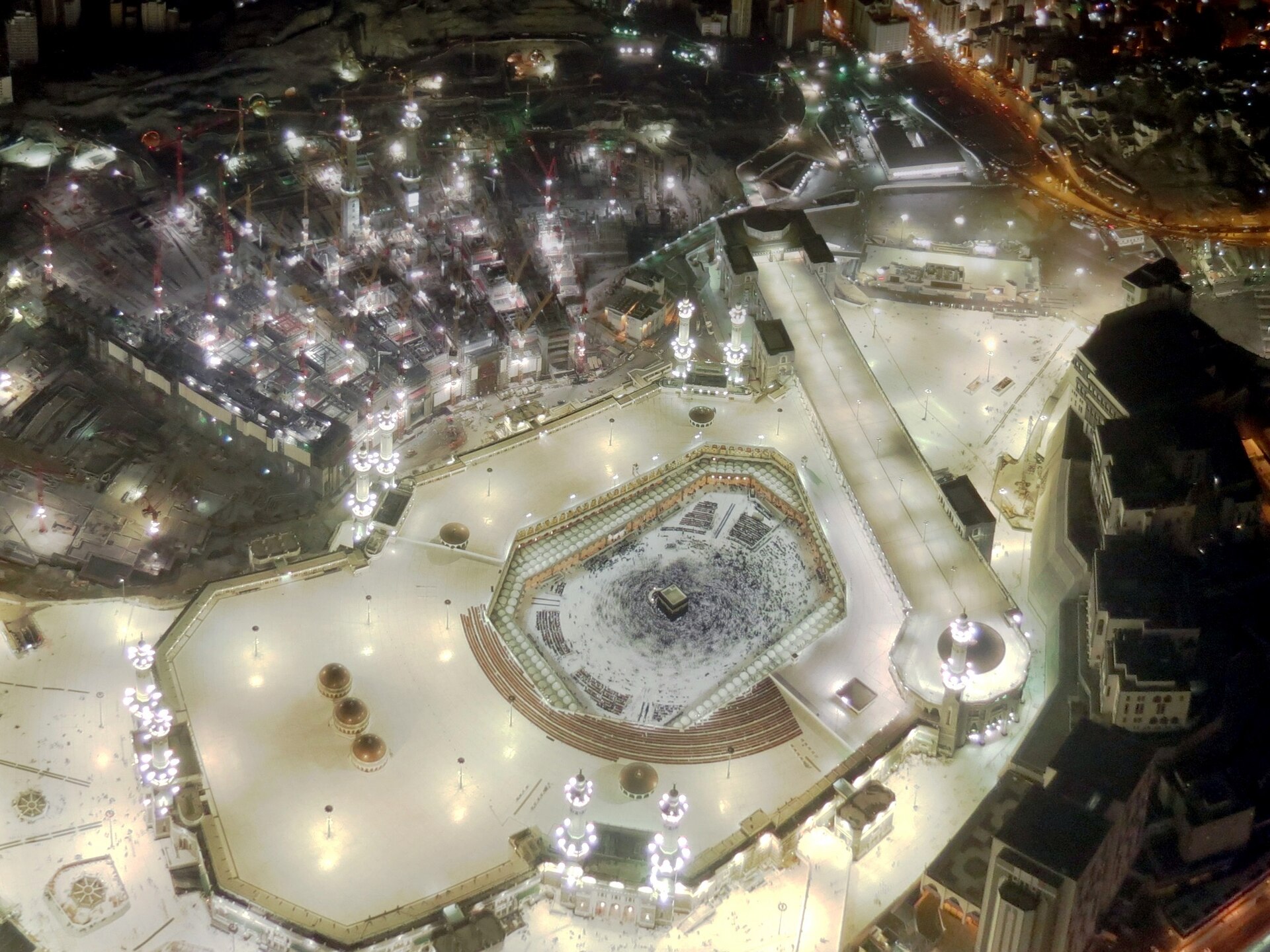
Dr. Yoel Guzansky, a senior researcher at the Institute for National Security Studies, said targeting Mecca “could unite the entire Islamic world” against the Houthis, arguing the group would have little strategic reason to do so deliberately, according to Ynet. Guzansky suggested Saudi Arabia may be using the religious framing to build international legitimacy and attract backing from states including Pakistan and Turkey.
“The more the Saudis use this, the more dangerous it could become for them. It could create an image of weakness: ‘Are they incapable of protecting Mecca and Medina?'”
— Dr. Yoel Guzansky, Institute for National Security Studies, via Ynet
The first Makkah-region drone interception in the current escalation occurred on September 15, when the coalition said a drone was destroyed south of the holy city, according to The National. The Saudi Civil Defence issued the first Makkah security alert since 2017, the same outlet reported. Subsequent Makkah-region events were reported on November 11, November 12, November 15, and November 16, according to coalition statements reported by Siasat.com and Gulf News.
Houthi Ground Forces Press Toward Aden
While drones target the Saudi heartland, Houthi ground forces have continued to advance in southern Yemen. Saudi-backed Yemeni forces sent reinforcements to Tur al-Baha, approximately 85 km (52 miles) west of Aden, which officials described as “the first line of defense” for the city, the Associated Press reported on November 17.
The ground advance follows the Houthi consolidation of the Bab el-Mandeb coast earlier this month and a broader push toward Aden that has seen Saudi-backed forces retreat from multiple positions. The Institute for the Study of War assessed that the Saudi-backed forces’ pullback from the Bab el-Mandeb area had held off the Houthis “only temporarily” and had not resolved their “underlying vulnerabilities,” including “fragmentation, poor coordination and overextension,” according to the AP.
An official close to the Houthis acknowledged “significant casualties” from fighting around Bab el-Mandeb and other fronts, the AP reported. The acknowledgment was rare — Houthi military statements have emphasised territorial gains and said little about losses since the ground campaign accelerated in November.
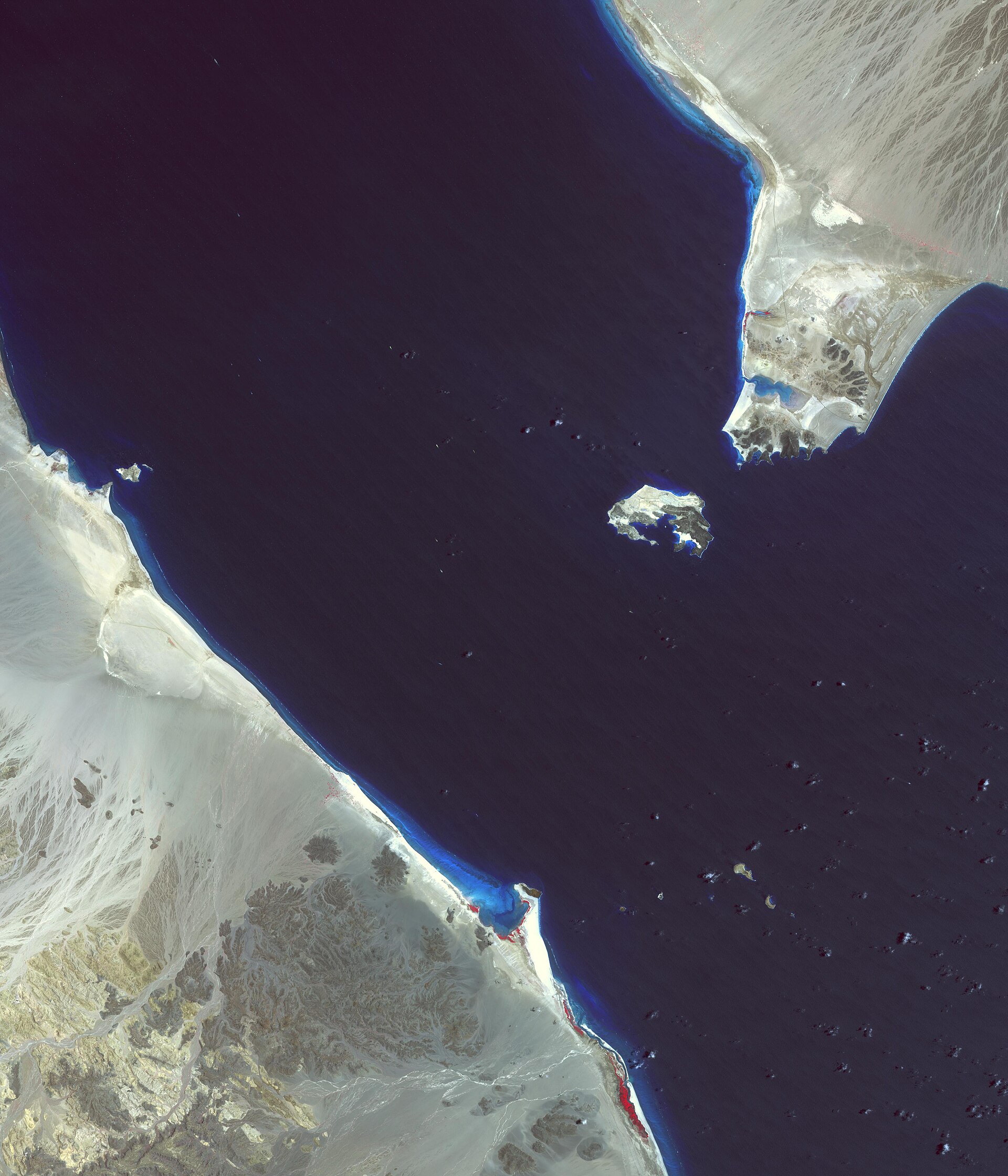
If the Houthis were to take Aden — the seat of the internationally recognised government, the country’s largest southern city, and a major port — it would reshape the military balance in Yemen. Saudi-backed forces have held Aden since 2015, and its loss would deprive them of their most important urban base in the south.
The coalition’s command change on November 16 — when King Salman removed the coalition’s military commander and appointed Gen. Fayyad Al-Ruwaili — came as the dual-front pressure mounted. Pakistani forces deployed under the Makkah Pact and up to 200 US advisers providing targeting data remain in-country as the coalition adjusts to the simultaneous challenge of defending Saudi airspace and preventing the fall of Aden.
Background
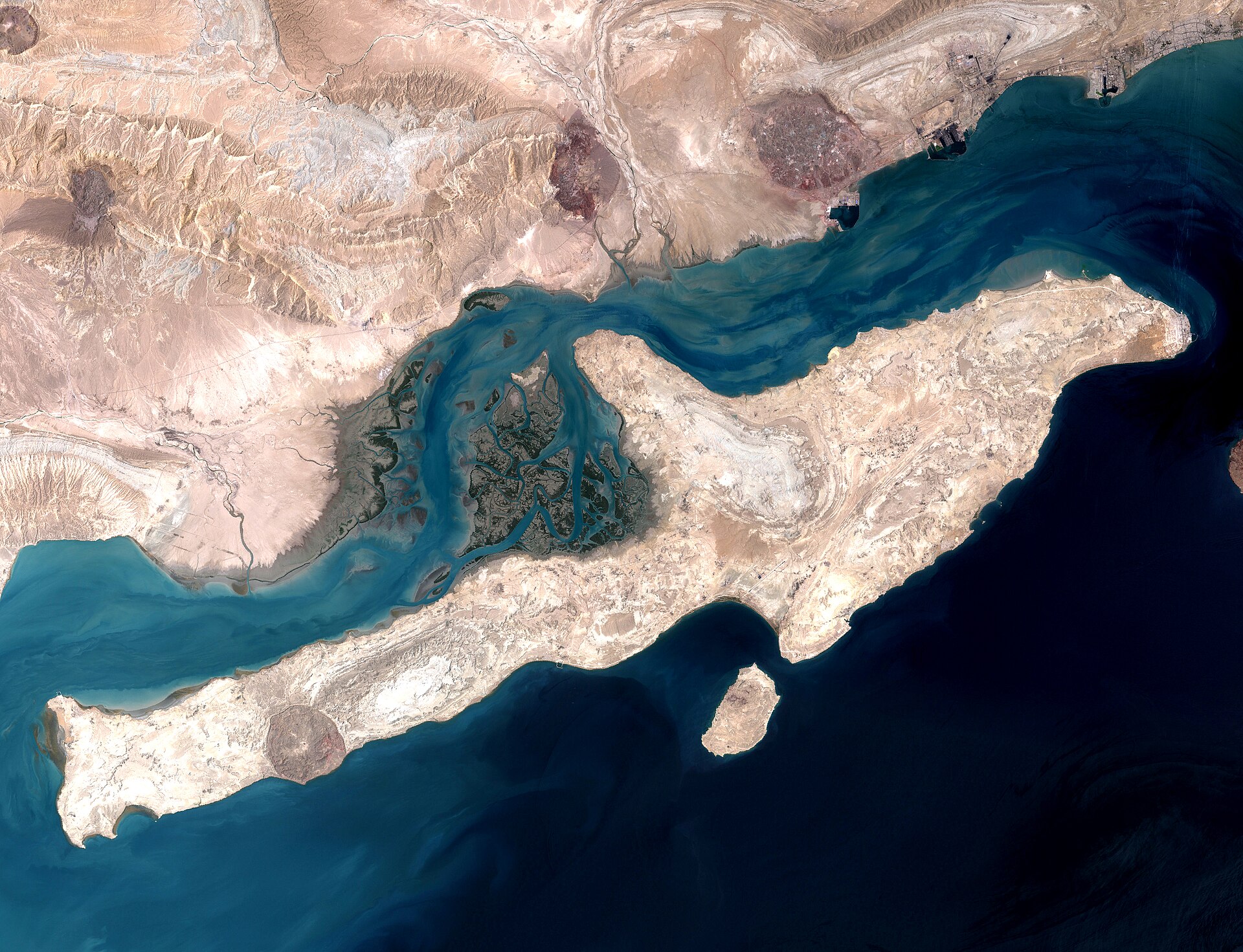
The Houthi drone and missile campaign against Saudi Arabia escalated sharply as the Iran-Saudi conflict widened in 2026. Iran closed the Strait of Hormuz on April 18, the IRGC declared the strait closed on October 26, and the Houthis — who control much of northern Yemen including the capital Sanaa — have used the broader conflict as both cover and justification for sustained attacks on Saudi territory.
Saudi-led coalition airstrikes on Yemen have continued throughout the conflict. Coalition airstrikes have drawn international criticism when they have struck civilian areas, though the coalition has described its targets as military infrastructure.
Saudi Arabia’s custodianship of Mecca and Medina — the two holiest cities in Islam — makes any threat to them a matter that extends well beyond the military conflict.
Frequently Asked Questions
How has the coalition’s characterisation of Makkah-region intercepts changed since September?
The first coalition announcement citing the Makkah region came on September 15, when the Saudi Civil Defence issued a security alert for the first time since 2017, according to The National. The pattern since has been consistent: the coalition announces an intercept in the Makkah administrative region, the Houthis deny it was aimed at the city, and no independent investigation verifies either account. The November 12 debris confirmation in Sabuhah village — in Mecca province — marked the first time Saudi authorities acknowledged physical evidence of an aerial event reaching the broader region, according to Reuters, distinguishing November from earlier months when no debris was confirmed.
Has Saudi Arabia named which air defence systems intercepted the drones on November 16 and 17?
No. Coalition statements on November 16 and 17 did not identify the specific air defence systems used to destroy the three drones, according to Asharq Al-Awsat and Siasat.com. This is consistent with coalition practice throughout November: none of the intercept announcements reviewed for this article — from FDD Long War Journal, Gulf News, or Asharq Al-Awsat — named a specific air defence system for any engagement. No independent analysis identified the batteries deployed for the November 15 through 17 intercepts.
What has Saudi Arabia officially confirmed about casualties and damage from Houthi attacks?
Saudi authorities have reported 26 fatalities in Saudi Arabia from Houthi attacks since September, according to Arab News. The government has not broken down how many of those deaths occurred in November specifically, nor itemised the incidents in which they occurred. Saudi Arabia has not publicly acknowledged damage to any operational energy infrastructure in November, though Yahya Saree claimed strikes on Yanbu pumping stations, East-West pipeline facilities, and Abqaiq in mid-November. Saudi Arabia did not confirm any of those claims, according to official statements reviewed by Reuters and the FDD Long War Journal.
What is Tur al-Baha and why does it matter for the Aden front?
Tur al-Baha is a town approximately 85 km (52 miles) west of Aden in southern Yemen, which Saudi-backed Yemeni forces describe as “the first line of defense” for the city, according to the Associated Press. Saudi-backed forces sent reinforcements there on November 17 — a defensive posture, not an offensive push, according to the AP. That posture reflects how much ground the coalition has conceded along the coastal corridor since the Houthis retook the Bab el-Mandeb coast earlier this month, a reversal that the Institute for the Study of War attributed to “fragmentation, poor coordination and overextension” among Saudi-backed forces, per the AP.
Has any international body condemned the Houthi attacks on the Makkah region?
The Muslim World League condemned “continued Houthi attempts to target Makkah and civilian areas with missiles and drones,” according to Siasat.com. The Saudi Civil Defence called the debris fall in Mecca province “a flagrant violation of international humanitarian law,” according to Reuters. Beyond Saudi-aligned bodies, no international organisation has issued a specific statement on the Makkah-region intercepts reviewed for this article. The Makkah Pact — which brought Pakistani forces to Saudi Arabia following Turkish parliamentary ratification on November 5 — has not publicly disclosed provisions specifically addressing the defence of the holy cities.
The House of Saud Daily Briefing
Saudi Arabia's news in 3 minutes, every morning. Free. See today's issue