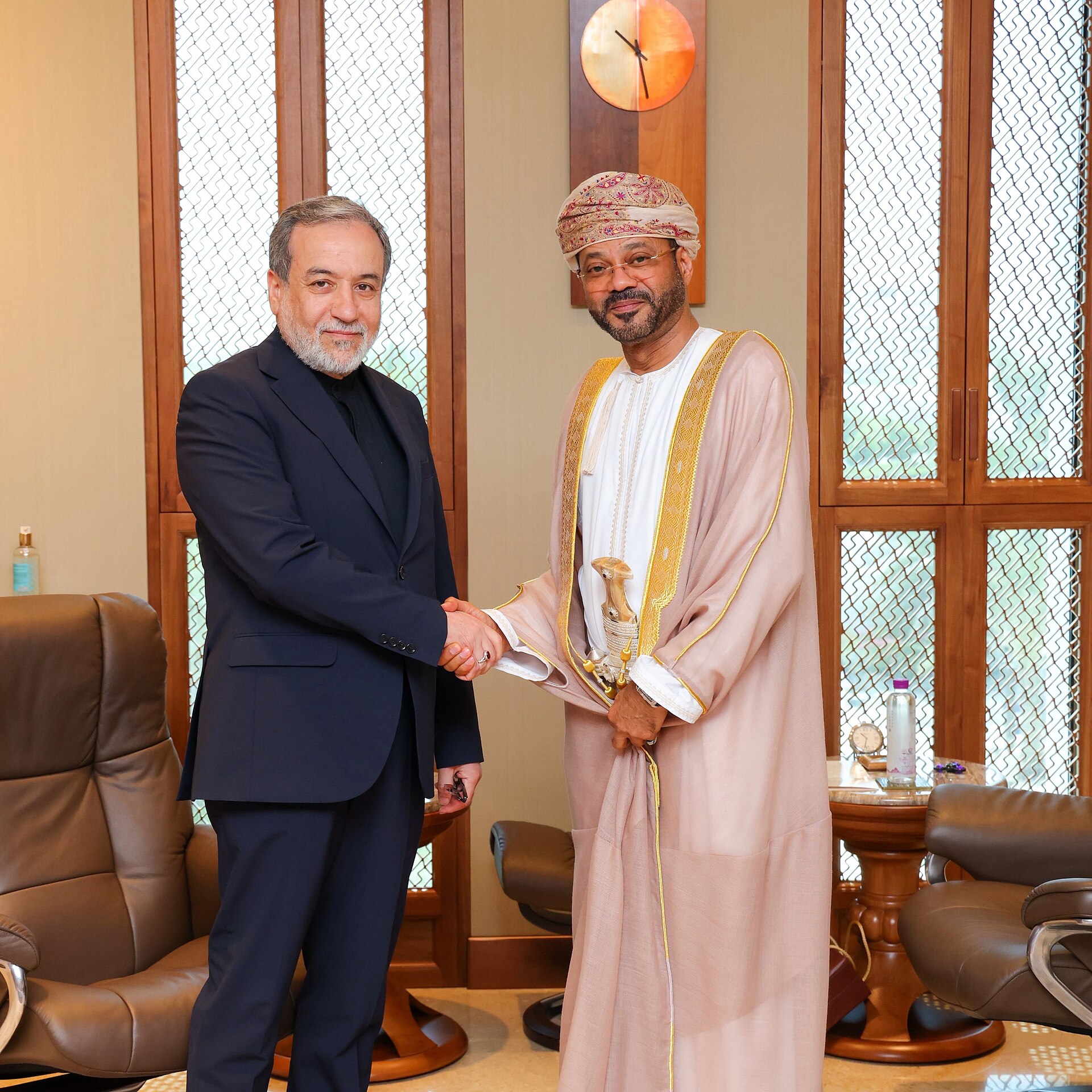
DUBAI — Iran’s Navy said a fourth oil tanker caught fire after hitting a mine east of the Strait of Hormuz within a single 24-hour window on November 16, raising the Iranian state-media tally of vessels struck or disabled that day to four. The United Kingdom Maritime Trade Operations separately confirmed the LPG carrier Tara Gas was attacked and disabled approximately 7 nautical miles north of Khasab, Oman — on the same day that Omani diplomats hosted Iranian Foreign Minister Abbas Araghchi in Muscat for talks that ended without a Hormuz agreement.
The concentration of incidents — two confirmed by UKMTO, at least two more claimed by Iranian state media with no independent verification — extended the conflict’s pattern of near-daily attacks on commercial shipping. The timing also placed an attacked vessel squarely in Omani territorial proximity on the day Oman was attempting to broker a de-escalation, a juxtaposition that drew no public comment from Muscat.
The House of Saud Daily Briefing
Saudi Arabia's news in 3 minutes, every morning. Free. See today's issue
Table of Contents
- What UKMTO Confirmed on November 16
- The Tara Gas: 24 Indian Nationals, a Panama Flag, and an Engine-Room Fire
- What Did Iran’s Navy Actually Claim?
- Mine or Projectile? The Verification Gap
- Why Does the Khasab Location Matter for Oman?
- Shipping Gridlock and Oil Prices
- Background: Hormuz Under Pressure Since April
- Frequently Asked Questions
What UKMTO Confirmed on November 16
Two separate UKMTO advisories went out on Monday. The first, Warning 207-26, was issued after the tanker On Phoenix reported at 05:58 UTC that it had been “struck by an unidentified projectile whilst transiting outbound” through the Strait of Hormuz, according to gCaptain. The vessel suffered an engine-room fire but reported no casualties, with all crew accounted for.
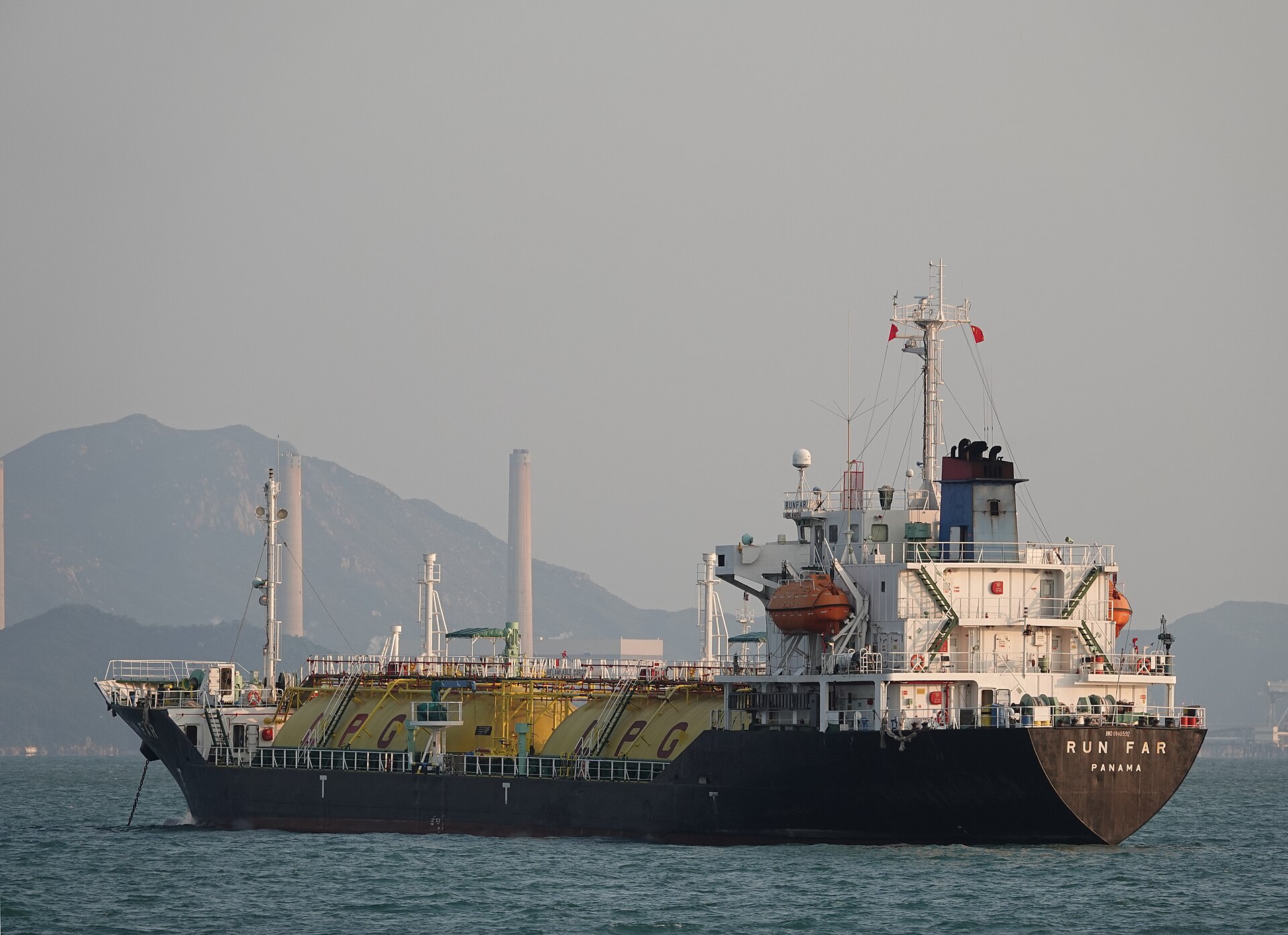
The second warning came roughly 13 hours later. At approximately 19:00 UTC, UKMTO said a third party had reported “an attack involving a tanker transiting the Strait of Hormuz” about 7 nautical miles north of Khasab, Oman. The vessel was disabled with an engine-room fire, though the crew were reported safe. UKMTO did not name either vessel in its advisories, but maritime tracking firms and Gulf media subsequently identified the second ship as the Tara Gas, a Panama-flagged LPG carrier.
Neither UKMTO warning used the word “mine.” The first described a projectile strike; the second described an attack. That distinction matters because Iranian state media described all four incidents as mine detonations — a characterisation that remains unverified by any independent maritime authority.
The Tara Gas: 24 Indian Nationals, a Panama Flag, and an Engine-Room Fire
The Tara Gas carried a crew of 25, of whom 24 were Indian nationals, according to Gulf News. The nationality of the 25th crew member has not been disclosed. All crew were reported safe and uninjured after the vessel was disabled by what Gulf News described as a missile attack.
India’s Minister of Ports, Shipping and Waterways, Sarbananda Sonowal, confirmed the crew’s safety on X. He said the government was “closely monitoring the situation” and was in contact with the ship management company, Gulf News reported. The Indian government response was swift by the standards of such incidents — Sonowal’s statement came within hours — and reflects the growing exposure of Indian seafarers to the Hormuz chokepoint.
The vessel’s status — whether it has been towed, is under repair, or remains adrift — has not been publicly confirmed. Its position places it within Oman’s exclusive economic zone on the eastern approach to the strait.
What Did Iran’s Navy Actually Claim?
Iranian state television broadcast the Navy’s statement at approximately 20:15 UTC on November 16, according to Newsquawk. The announcement said a fourth oil tanker had caught fire after hitting a mine in a “restricted area east of the Strait of Hormuz” within the previous 24 hours. The Navy said the vessel had been “following a route Iran had not authorised” and urged all ships to “follow maritime regulations and coordinate with Iran’s armed forces for safe passage,” as reported by Trend.az and the Jerusalem Post citing Reuters.
No vessel name, flag, cargo type, or crew status was provided in the fourth-vessel announcement. The same absence applied to the earlier IRGC claims on Sunday and Monday morning, when Iranian state media said one tanker struck a mine overnight and two more followed on Monday, bringing the running count to three before the Navy’s evening statement added a fourth. Neither the IRGC nor the Navy identified any of the four vessels by name in any of their statements, as reported by gCaptain and the Jerusalem Post.
The language followed a template Iran has used repeatedly since at least April 2026. The IRGC and Navy describe vessels that do not use the northern corridor — which passes near Larak island and falls within Iran’s designated routing scheme — as operating on “unauthorised” or “southern” routes. That framing serves as a standing policy justification: ships that ignore Iran’s routing authority face consequences, the statements imply, and mines are the mechanism.
Mine or Projectile? The Verification Gap
The gap between Iran’s mine-strike narrative and what independent monitors have confirmed is not new, but it widened on November 16. UKMTO described the On Phoenix incident as a projectile strike and the Tara Gas incident as an attack. Neither advisory mentioned mines. Gulf News characterised the Tara Gas strike as a missile attack. The Joint Maritime Information Center has not confirmed a mine detonation for any of the November 15–16 incidents.
This pattern has held since at least mid-2026. As gCaptain reported in an analysis of Iranian mine claims, CENTCOM explicitly denied that any ships had hit mines in the Strait of Hormuz as recently as August 31, stating: “No ships have hit mines in the Strait of Hormuz.” JMIC has separately stated “no substantiation” for specific Iranian mine claims on multiple occasions. A confirmed mine strike would imply new mines in waters CENTCOM declared cleared in late August, gCaptain noted.
Iran has an operational incentive to frame attacks as mine detonations rather than active strikes. Mines suggest a passive hazard — a standing threat that punishes unauthorised routing — while missile or projectile attacks suggest deliberate targeting of specific vessels. The distinction carries legal and escalatory weight: a minefield can be characterised as a defensive measure in waters Iran claims authority over, while a direct strike on a commercial vessel is harder to frame as anything other than an act of war.
Whether the November 16 incidents involved mines, missiles, or some combination remains unresolved. What is confirmed is that two commercial vessels were attacked and disabled in the strait on the same day, and Iran claimed credit for striking four.
Why Does the Khasab Location Matter for Oman?
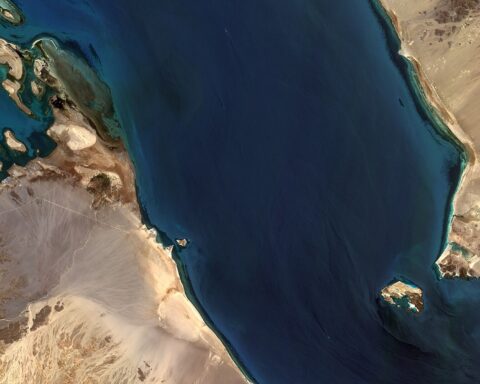
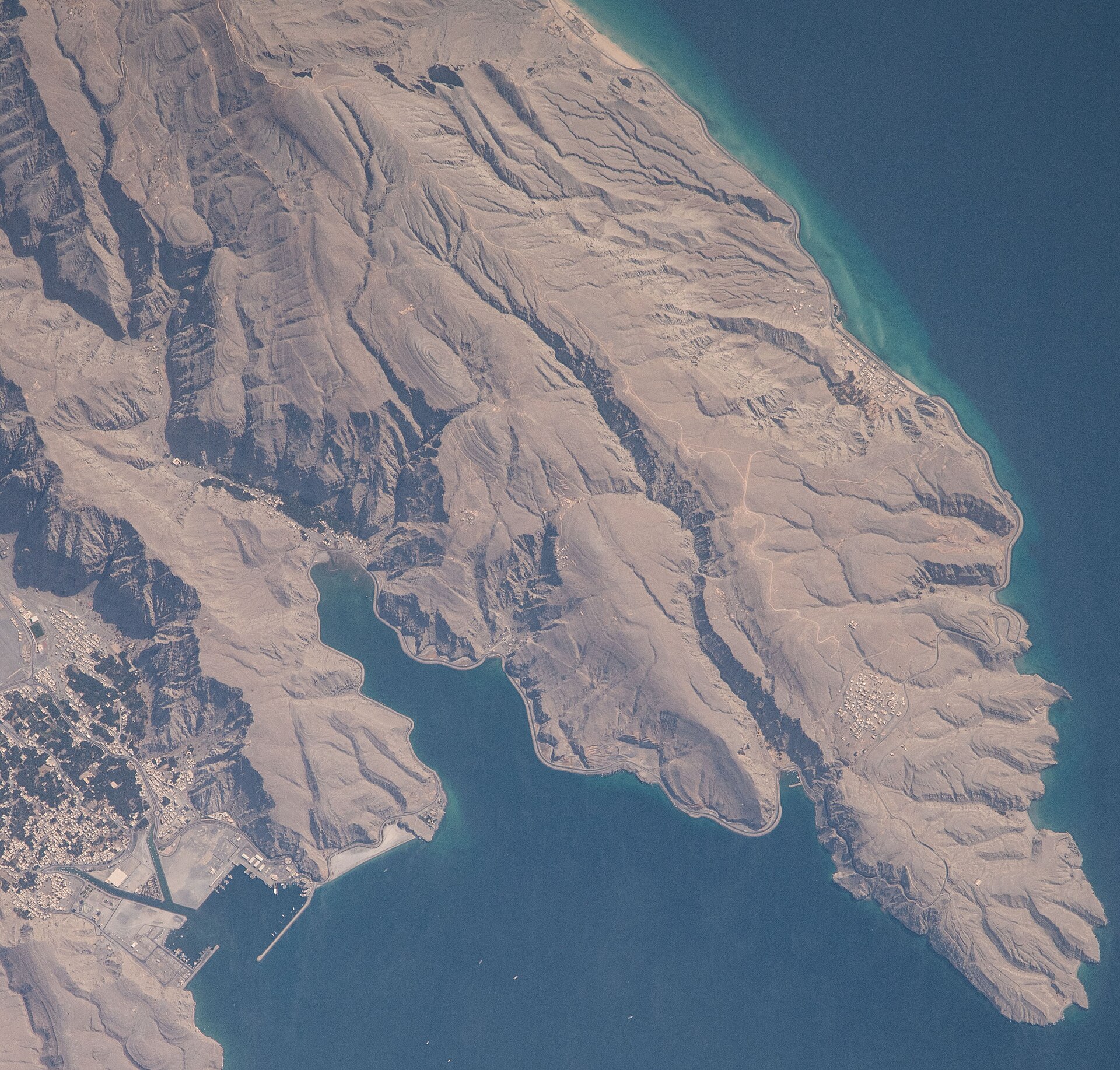
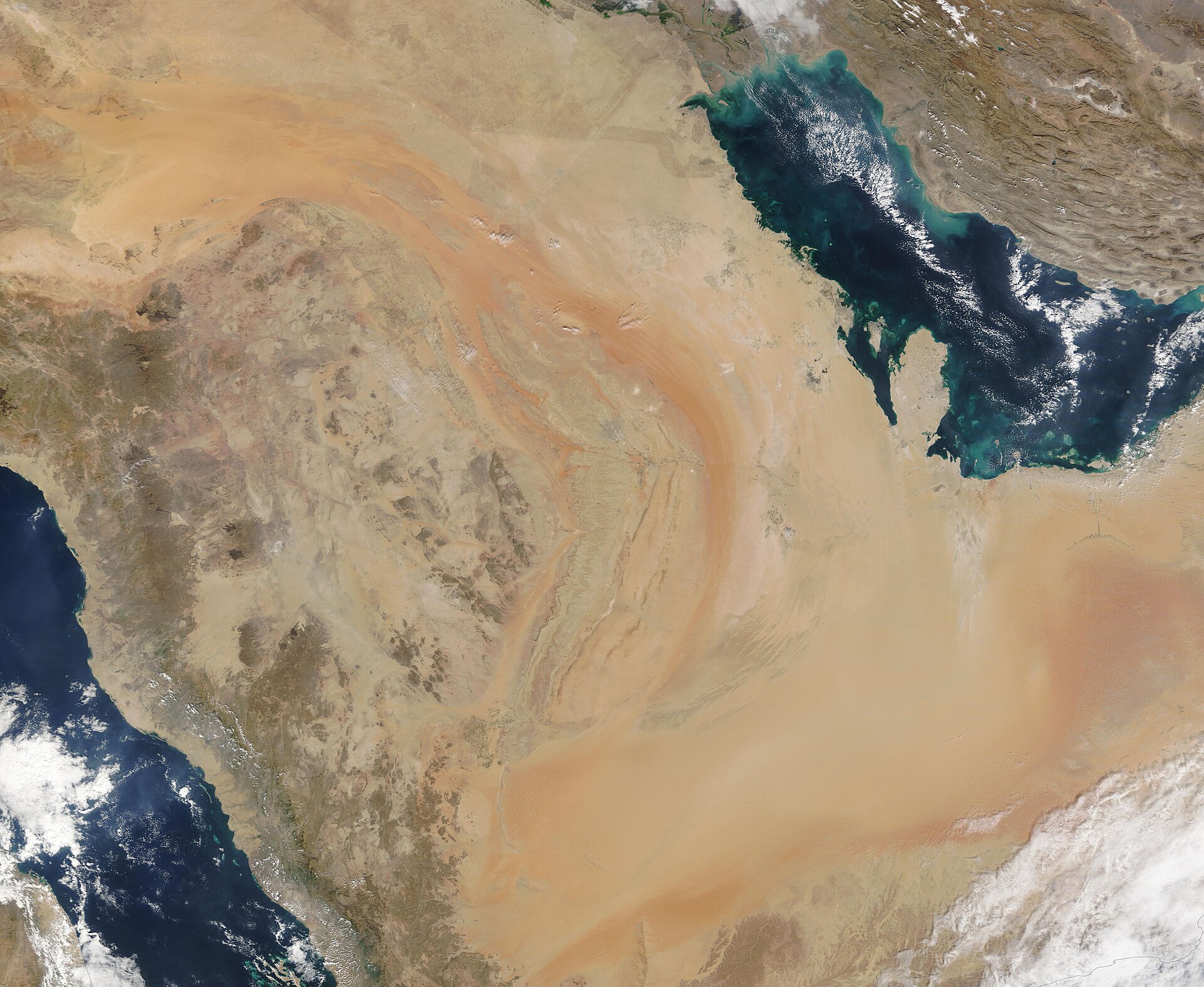
Khasab is the main port on Oman’s Musandam Peninsula, the finger of Omani territory that projects northward into the Strait of Hormuz from the Arabian Peninsula’s eastern tip. The Tara Gas was disabled 7 nautical miles north of it, within Oman’s exclusive economic zone.
The proximity is not incidental to the diplomatic context. On the same day the Tara Gas was struck, Omani Foreign Minister Badr Albusaidi was hosting Iranian Foreign Minister Abbas Araghchi in Muscat for talks that the Oman News Agency described as addressing “diplomatic options available to contain tensions and revitalise tracks of dialogue and negotiation” and “safeguarding the security of maritime passages,” as reported by ARY News citing AFP. Those talks produced no joint statement and no Hormuz agreement.
The juxtaposition — an attacked vessel disabled in Omani waters while Oman hosted Iran for talks about maritime security — is diplomatically corrosive even if the timing was coincidental. JMIC has documented five attacks off the Musandam Peninsula since November 1, according to gCaptain, placing the Khasab corridor as a consistent pressure zone. A tanker was struck by an unknown projectile about 12 nautical miles north of Khasab in September 2026, as Shipping Telegraph reported. The Tara Gas at 7 nautical miles was struck closer to port than that September incident.
Oman has maintained its traditional posture as a neutral mediator between Iran and the Gulf Arab states throughout the conflict. That posture depends in part on the assumption that Iran would not escalate in Omani waters while Muscat is trying to broker agreements on Iran’s behalf. Whether the Tara Gas attack undermines that assumption depends on who carried it out — a question that remains unanswered.
Shipping Gridlock and Oil Prices
The tactical tempo in the strait has not translated into sustained upward pressure on oil prices. Brent crude stood at $91.66 per barrel at 04:30 GMT on November 17, down 0.8 percent, while West Texas Intermediate was at $84.99, according to Reuters via Spaziocrypto.
The market is responding less to the tanker attacks and more to the International Energy Agency’s November 13 report, which projected global oil supply at 105 million barrels per day in the fourth quarter of 2026 — approximately 1.7 million barrels per day above estimated demand, the first surplus since the Iran war began. Tim Waterer, chief analyst at KCM Trade, told Reuters that supply “has finally caught up with demand and may now be set to exceed it,” adding that the geopolitical risk premium is “clearly on the back burner for now.”
Supply “has finally caught up with demand and may now be set to exceed it.” The geopolitical risk premium is “clearly on the back burner for now.” — Tim Waterer, chief analyst, KCM Trade, via Reuters
The surplus is partly a consequence of Saudi Arabia rerouting crude exports through Yanbu on the Red Sea coast and of non-OPEC producers filling the gap left by reduced Gulf flows. But the physical shipping picture remains strained. According to gCaptain citing JMIC data, 227 commercial vessels sat stationary at anchorages east of the strait — Fujairah, Khor Fakkan, Sohar, and Musandam — as of November 16. Non-facilitated traffic through Hormuz had fallen to single-digit to low-double-digit transits per day, against a pre-war baseline of 138 ships per day.
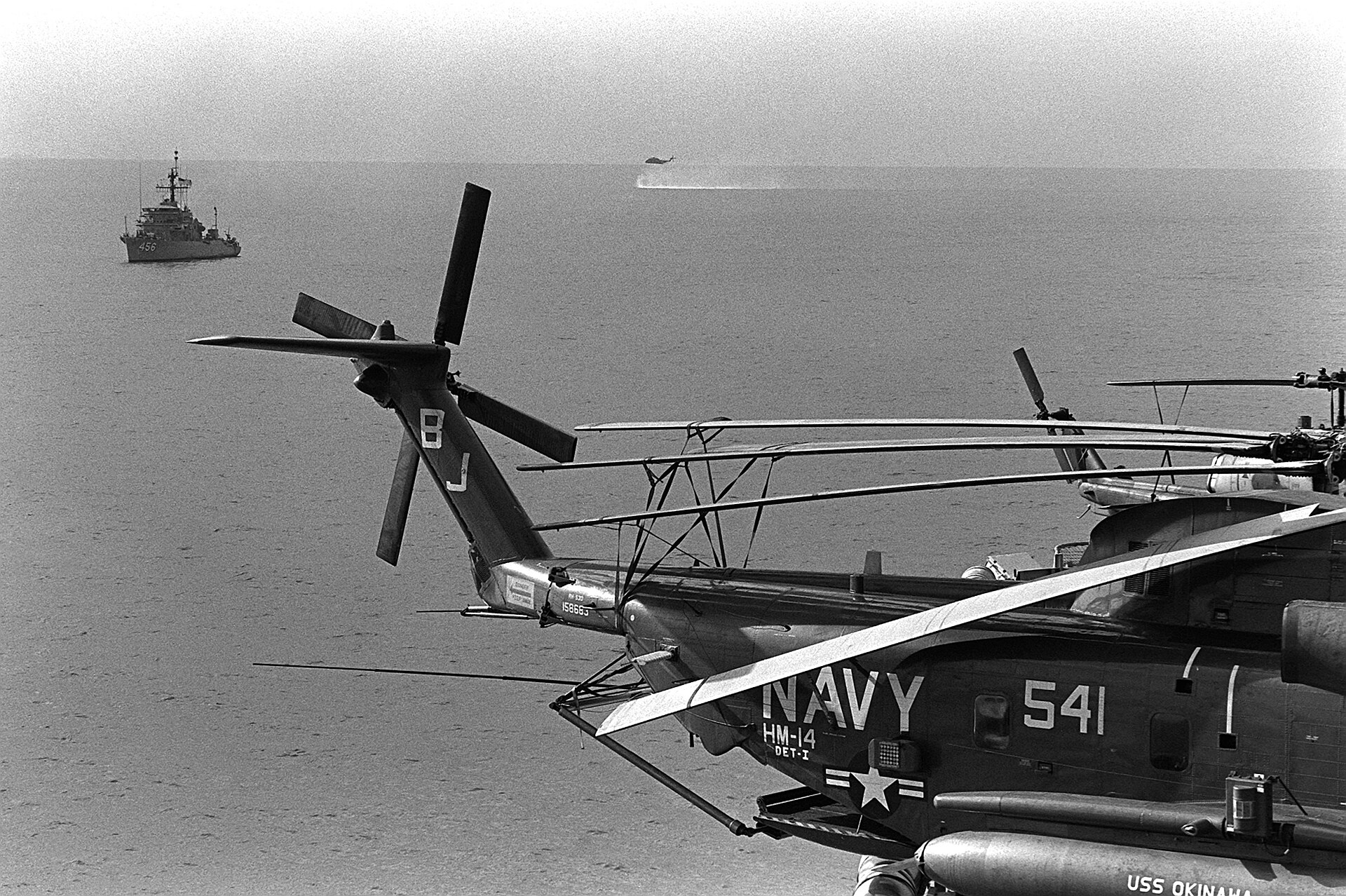
The US Navy facilitated 83 transits between November 12 and 14, gCaptain reported. ANZ analysts warned via Reuters that current strait transit volumes, estimated at about 49 percent of pre-war levels, “are not sustainable in the long term.” The USS Theodore Roosevelt carrier strike group entered CENTCOM’s area of responsibility on November 16, joining the USS George H.W. Bush and USS George Washington, with more than 20 US Navy ships now enforcing the blockade, according to Yahoo News. War-risk insurance premiums for Hormuz transits are rising, though no numerical figures have been publicly disclosed for the most recent period.
Background: Hormuz Under Pressure Since April
Iran declared the Strait of Hormuz closed on April 18, 2026. The United States had imposed a naval blockade five days earlier, on April 13, to enforce sanctions on Iranian oil exports. Iran’s closure announcement was framed as a sovereign response to what Tehran called an act of war. The IRGC subsequently designated a “restricted zone” in the eastern approaches to the strait and declared that all commercial vessels must use an Iranian-authorised northern routing corridor near Larak island.
The US and its allies rejected the closure and maintained the international traffic separation scheme established under the United Nations Convention on the Law of the Sea. Since then, the strait has operated under a split regime: US-facilitated convoys transit on the international route, while vessels without military escort face the risk of Iranian interdiction — by mine, missile, or boarding — if they use routes Iran has not approved.
The IRGC re-closed the strait on July 12 after a brief partial reopening, and the US reinstated its blockade on July 14. Iran has set seven conditions for reopening, including the lifting of all sanctions and the withdrawal of US naval forces from the Persian Gulf. None have been met.
The human cost of the shipping disruption extends beyond crew safety. Vessels stranded at anchorage tie up seafarers for weeks or months beyond their contracted voyages. The simultaneous Houthi campaign at Bab el-Mandeb, the other chokepoint at the southern end of the Red Sea, has created a dual-chokepoint scenario that has forced global shipping to reroute around both the Persian Gulf and Red Sea approaches simultaneously.
Frequently Asked Questions
What is the difference between UKMTO and JMIC?
UKMTO — the United Kingdom Maritime Trade Operations — is a Royal Navy-run coordination centre based in Dubai that acts as the primary point of contact for merchant vessels in the region. It issues real-time advisories when vessels report incidents. JMIC, the Joint Maritime Information Center, is a US-led multinational intelligence fusion centre that provides assessed threat analysis and traffic data. UKMTO reports what ships tell it happened; JMIC assesses what the intelligence picture shows.
How many tankers has Iran claimed to have struck since the war began?
Iran has claimed dozens of vessels struck by mines or interdicted since the IRGC declared the strait closed in April 2026. The exact Iranian state-media count is difficult to verify because many claims are not matched by independent confirmation from UKMTO, JMIC, or CENTCOM. CENTCOM stated on August 31 that “no ships have hit mines in the Strait of Hormuz,” directly contradicting numerous IRGC mine-strike claims made before that date. The gap between Iranian claims and independent confirmation has persisted into November.
Can LPG carriers like Tara Gas explode if attacked?
LPG carriers transport liquefied petroleum gas — propane and butane — under pressure or refrigeration. A breach of the cargo containment system could in theory trigger a catastrophic release and ignition. In the Tara Gas incident, the fire was reported confined to the engine room, not the cargo area. The crew were reported safe, suggesting the cargo tanks were not compromised. Maritime safety authorities have warned, however, that any attack on a gas carrier in confined waters like the Strait of Hormuz carries a risk of environmental and humanitarian disaster that exceeds the risk posed by attacks on crude oil tankers.
Why does Oman tolerate attacks near its territory?
Oman’s strategic position as a neutral mediator depends on maintaining working relationships with both Iran and the Gulf Arab states. Publicly condemning Iran for attacks near Khasab would jeopardise Muscat’s role as a go-between — a role that both Washington and Riyadh have encouraged Oman to maintain. Oman has historically addressed such incidents through private diplomatic channels rather than public statements. Whether the increasing frequency of attacks off the Musandam Peninsula — JMIC documented five since November 1 alone — will force a shift in Omani posture remains an open question.
What would happen to oil prices if the Strait of Hormuz were fully reopened?
ANZ analysts estimated in November 2026 that strait transit volumes were running at about 49 percent of pre-war levels. A full reopening would, in theory, allow the 227 vessels at anchorage to transit and restore the pre-war flow of 138 ships per day. The IEA’s November 13 report already projected a supply surplus of approximately 1.7 million barrels per day for Q4 2026. A reopening would add further downward pressure on prices by eliminating the rerouting costs and insurance premiums that have kept delivered crude prices elevated even as headline Brent prices have softened. How fast prices would fall depends on whether OPEC+ members — particularly Saudi Arabia — would cut output to defend a price floor, a decision that would be heavily influenced by Riyadh’s fiscal requirements and its broader strategic posture toward Iran.
The House of Saud Daily Briefing
Saudi Arabia's news in 3 minutes, every morning. Free. See today's issue