RIYADH — King Salman on November 16 removed Lt. Gen. Fahd bin Hamad Al-Salman as commander of the Saudi Joint Forces and appointed Chief of the General Staff Gen. Fayyad Al-Ruwaili to the role, the Saudi Press Agency reported, one day after government forces withdrew from the Bab al-Mandeb area of southwestern Yemen.
The decree places Saudi Arabia’s most senior uniformed officer in direct operational command of the Yemen war in a dual-role arrangement with no confirmed precedent in the command’s history. Al-Ruwaili holds the Joint Forces command “in addition to his current responsibilities” as Chief of the General Staff, Arab News and Asharq Al-Awsat reported. Two unnamed Western diplomats told Reuters the reshuffle was directly linked to the deteriorating military situation, with Houthi forces now within 80 km of Aden, the seat of Yemen’s internationally recognised government.
The House of Saud Daily Briefing
Saudi Arabia's news in 3 minutes, every morning. Free. See today's issue
Table of Contents
The Royal Decree
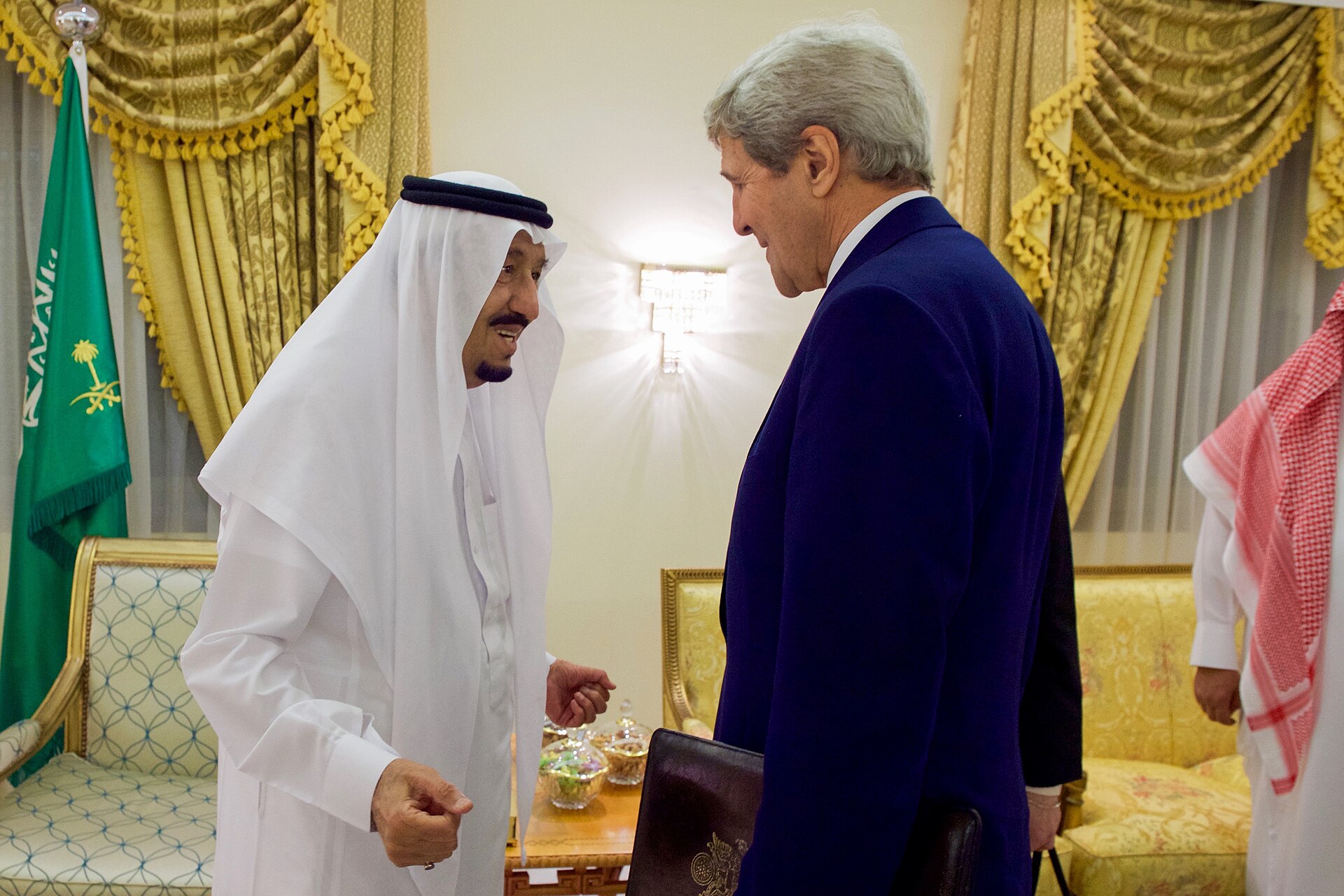
The decree was issued on the recommendation of Defence Minister Prince Khalid bin Salman, the Saudi Press Agency said. It assigned Al-Ruwaili to lead the Joint Forces while retaining his position as Chief of the General Staff. No prior instance of the CGS himself — rather than a deputy — holding the Joint Forces command has been confirmed in the command’s history since its creation in March 2015, according to Asharq Al-Awsat and Saudipedia records.
Al-Salman was not dismissed outright. The Saudi Press Agency said he was appointed “advisor for military affairs” to Prince Khalid bin Salman. His tenure as Joint Forces commander lasted approximately 26 months, dating from his appointment by royal decree on August 29, 2024, when he replaced Lt. Gen. Mutlaq bin Salim Al-Azima, according to Barran Press and the Pakistan Observer.
The Saudi government media office did not respond to a request for comment from Reuters regarding the reasons for the command change. Neither the Defence Ministry nor the Saudi Press Agency provided an explanation beyond the decree text, leaving analysts and diplomats to draw their own conclusions from the timing.
What Triggered the Command Change?
Two unnamed Western diplomats directly linked the command change to the deteriorating military situation, Reuters reported on November 16. The diplomats were not attributed to a specific government. The Saudi government offered no such explanation, but the timing was difficult to separate from events on the ground: the decree came one day after the Southern Armed Forces announced their withdrawal from Dhubab Airport and the Bab al-Mandeb area on November 15.
Mohammed Al-Qadhi, a political and conflict analyst, told Reuters that the loss was “a major setback.” He said the government “was aiming to recapture Sanaa, but now they are defending Aden.” Al-Qadhi blamed the reversal on “an accumulation of years of disagreements and infighting” on the government side, as reported by Reuters, Al-Monitor, Al Jazeera and France 24 on November 16.
It is a major setback. The government was aiming to recapture Sanaa, but now they are defending Aden.
Mohammed Al-Qadhi, political and conflict analyst, via Reuters, November 16, 2026
Umar Karim, a Saudi foreign policy expert at the University of Birmingham, linked the command change to “successive failures of Yemeni forces to carry out joint defensive and offensive manoeuvres against the Houthis.” Riyadh had to “revisit both its strategy and its coalition war approach,” Karim told The New Arab on November 16.
Ali al-Dahab, a strategic affairs expert, was more direct. “What happened is a retreat or a withdrawal with the same meaning, and not a redeployment,” he told Al Jazeera on November 16. The Houthis now “directly and completely control the western Yemeni coastal sector,” al-Dahab said.
The Retreat From Dhubab
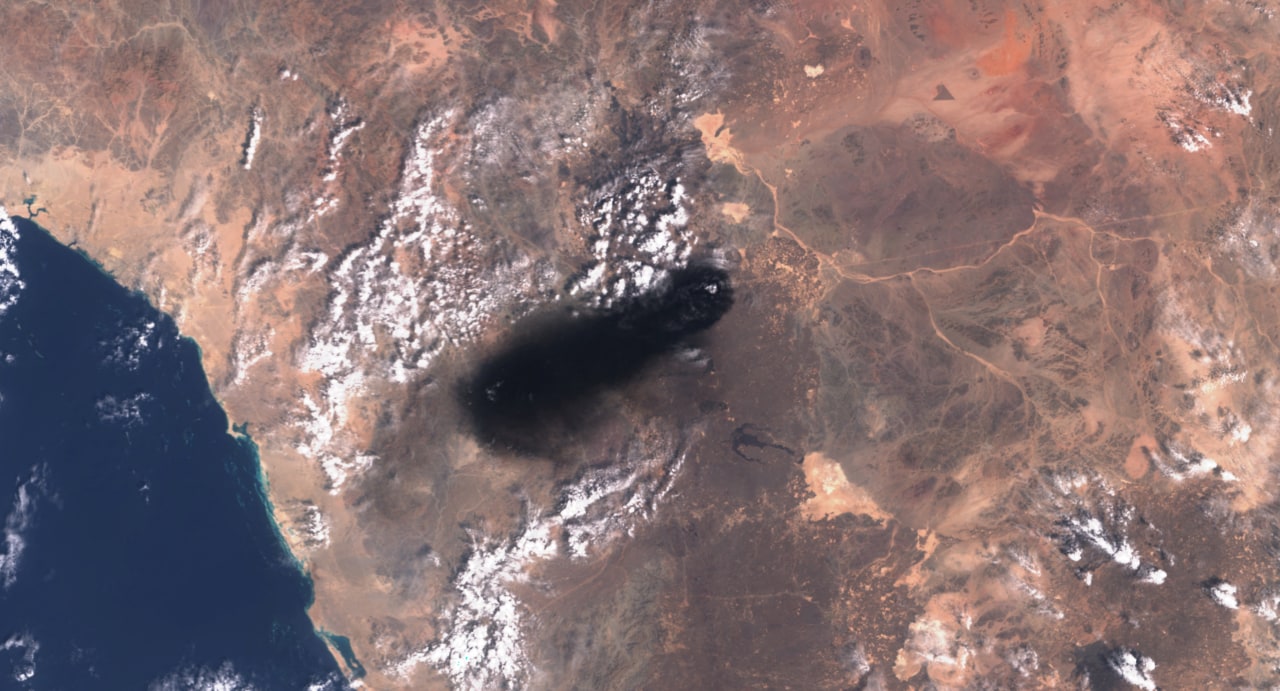
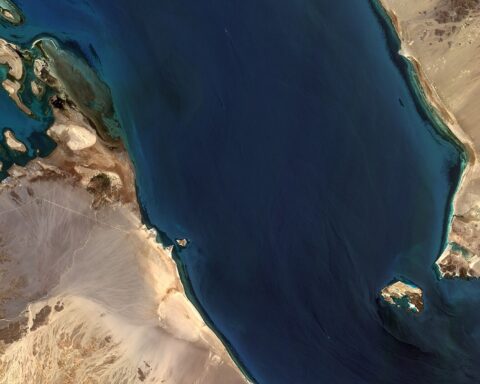
The battlefield collapse unfolded in stages over three months. Houthi forces seized the Red Sea port of al-Mocha in September 2026, reaching the vicinity of Bab al-Mandeb, according to The National. Saudi-backed government forces launched a counteroffensive in October and retook Dhubab. By October 5, Yemeni government forces said they had secured the Bab al-Mandeb strait, the Dhubab area and the port city of al-Mocha, The National reported. That claim proved premature: they could not take al-Mocha, NBC News and Reuters reported.
On November 15, the Southern Armed Forces announced their withdrawal from Dhubab Airport and surrounding territory west of Taiz. Their official statement said the move was “based on the priority of securing the capital, Aden, and the neighbouring governorates,” according to The National. The retreating forces repositioned to al-Suqyah, south of Dhubab, the Jerusalem Post reported.
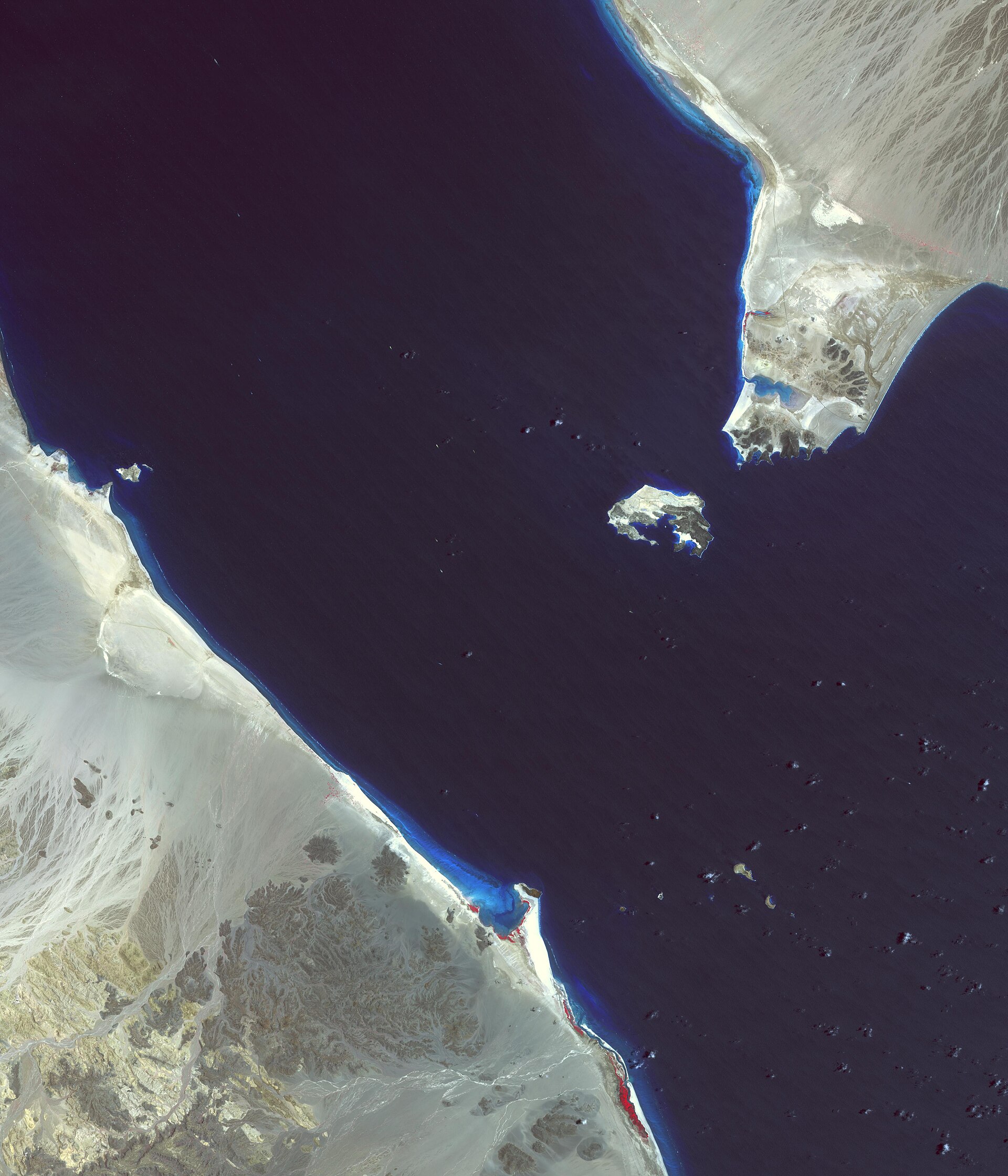
By November 16, Houthi forces had advanced to Khor Omairh, approximately 100 km west of Aden, and were 25 km from government positions at Qawah, according to Reuters via Al-Monitor and Khaama Press. Al Jazeera reported that Houthi fighters had also reached Tor al-Baha, described as 80 km from Aden. Government forces had been pushed into a defensive posture around Aden and Lahj, Al Jazeera and NBC News reported.
Taiz, Yemen’s third-largest city, remains under Houthi siege. Approximately 300,000 people have been displaced across Yemen, with Taiz accounting for roughly half, according to NBC News and Reuters.
Who Is Fayyad Al-Ruwaili?
Al-Ruwaili was born on April 27, 1958 in Turaif, in Saudi Arabia’s Northern Borders region, according to an Asharq Al-Awsat profile published November 16. He trained as a pilot at King Faisal Air Academy before receiving flight training in Lakeland, Florida. He holds a master’s degree in military science from the Air Command and Staff College, where he graduated first in his class and was awarded the Sword of Honor, and a master’s degree in strategic studies from the Air War College at the US Air University.
His career followed the Royal Saudi Air Force track. He commanded the western sector of King Fahd Air Base, served as RSAF Commander from 2013 to 2014, and became Deputy Chief of the General Staff in May 2014, Asharq Al-Awsat reported. He has held the Chief of the General Staff post since February 2018, making him the longest-serving CGS in the current war period. He also holds Pakistan’s Military Excellence Medal and has led Saudi delegations to the GCC Supreme Military Committee.
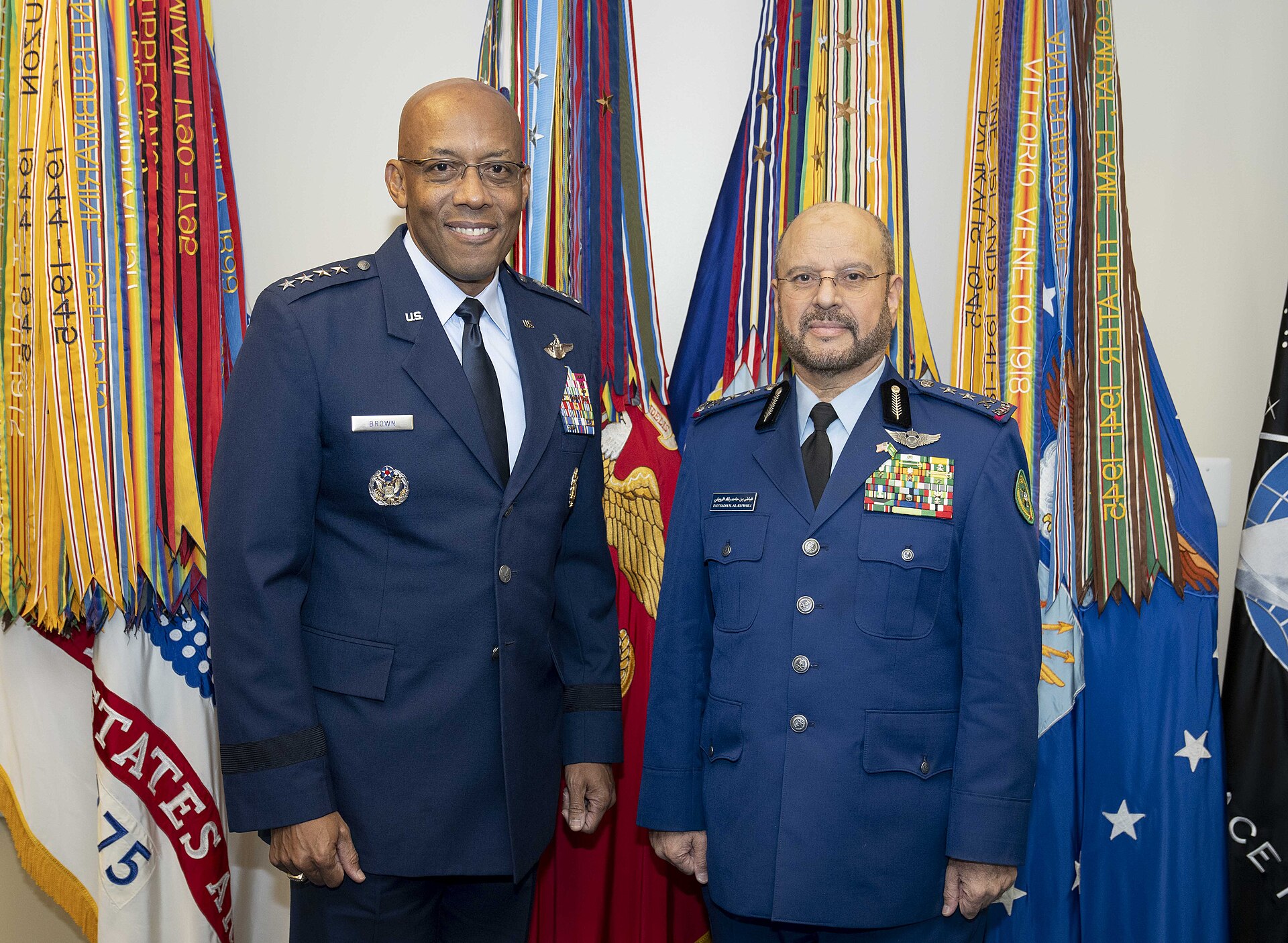
His appointment now concentrates both the military’s strategic planning apparatus and its operational theatre command under a single officer. Where the previous structure separated the CGS role from the Joint Forces command, Al-Ruwaili merges them — a consolidation that analysts read as an attempt to impose direct General Staff control over a campaign that has relied on a fragmented coalition force structure.
What Does the Change Mean for Coalition Partners?
The Joint Forces command oversees a multinational force that has expanded under the Makkah Pact framework. Pakistan has approximately 8,000 troops in Saudi Arabia, according to Reuters, and a Western official told Middle East Eye that some Pakistani personnel are deployed in southern Yemen. Egypt’s Foreign Minister Badr Abdelatty confirmed in a France 24 interview aired November 10 that Egyptian troops were in the kingdom. “We already have a military presence there at the request of our brothers and sisters in Saudi Arabia to help,” he said. Briefed sources described the Egyptian contingent as “in the hundreds,” The National reported on November 11.
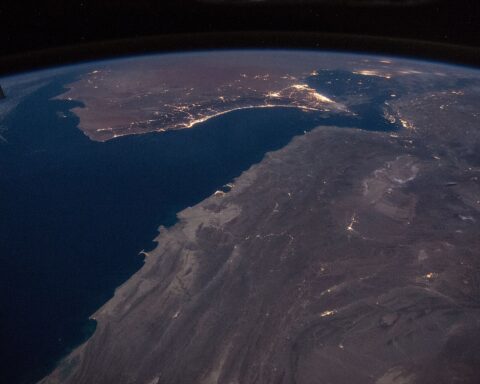
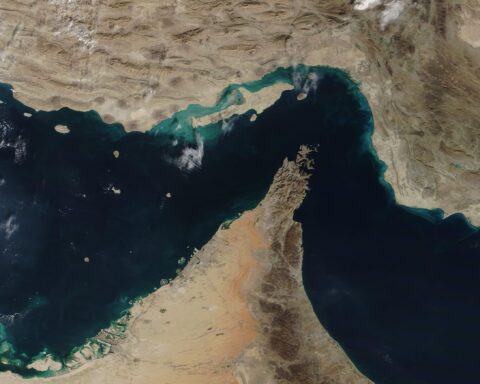
Turkey ratified the Makkah Pact on November 5 in a 279–119 parliamentary vote, Anadolu Agency reported, but Ankara has not publicly confirmed any troop deployment. The UAE is not part of the current coalition force structure. The Saudi Cabinet called on November 10 for an immediate end to threats in the Strait of Hormuz and Bab al-Mandeb, and Saudi Foreign Minister Prince Faisal bin Farhan sought European naval escorts during a Brussels visit on November 15.
Karim cautioned in The New Arab that “controlling allied forces, coordinating with them and pushing them to achieve results in a complex theatre will remain very difficult.” No coalition partner — Pakistan, Turkey or Egypt — has publicly commented on the command change as of November 16. The exact command authority Al-Ruwaili will exercise over non-Saudi partner forces has not been addressed by any government or in any official statement.
US military advisers are providing targeting and intelligence support in Saudi Arabia, CNN reported, though they operate under separate bilateral arrangements outside the Joint Forces command structure.
The Houthi Advance Toward Aden
Retired Lebanese Brigadier-General Hassan Jouni described the Aden–Taiz–Bab al-Mandeb triangle as “the strategic centre of gravity for the war in Yemen as a whole.” Houthi forces had reached the defensive perimeter around Aden, Jouni told Al Jazeera on November 16. “The Houthi forces have reached this line,” he said, placing them inside the defensive perimeter of Aden itself.
This triangle is the strategic centre of gravity for the war in Yemen as a whole.
Hassan Jouni, retired Lebanese Brigadier-General, Al Jazeera, November 16, 2026
Al-Qadhi told Reuters there was “a serious threat to Aden because they are getting closer and closer.” In Aden itself, government employee Amin Mahmoud told Reuters that “food supplies are available, and so is fuel. However, people are worried about the retreat of government forces,” as reported by France 24 on November 16.
Iran’s PressTV framed the command change as confirmation of coalition battlefield failure. The Houthi-aligned Yemeni Armed Forces claimed that “Saudi enemy military build-ups were repelled on the outskirts of Dhubab and around the Bab al-Mandeb Strait” — a military claim that has not been independently confirmed. PressTV asserted that Houthi forces control “the entire western coastline,” though Reuters reported that full control had not been established.

Houthi forces described the advance as their “largest manoeuvre yet” in Taiz and Lahj, Al Jazeera reported, days after they claimed a missile strike on a Saudi officers’ camp in Aden on November 13. Ali al-Dahab told Al Jazeera that “the matter translates the Houthis’ gains in Bab al-Mandeb in large part to the benefit of Iran.” Majed al-Nuzaili, a Yemeni Armed Forces spokesperson, called the government’s withdrawal “an extension of the heroic positions of the popular resistance and the southern forces,” Al Jazeera reported.
Background: The Joint Forces Command
Saudi Arabia created the Joint Forces Command when it launched its Yemen intervention in March 2015. The Chief of the General Staff at the time, Gen. Abdulrahman bin Saleh al-Bunyan, held the initial operational command, according to Saudipedia and Asharq Al-Awsat. Prince Fahd bin Turki bin Abdulaziz became the first standalone Joint Forces commander in February 2018 and was dismissed on September 1, 2020.
After Prince Fahd bin Turki’s departure, the Deputy Chief of the General Staff, Lt. Gen. Mutlaq bin Salim Al-Azima, was assigned to “carry out the work of commander” — a designation that fell short of full appointment. Al-Azima held that interim role from September 2020 until Al-Salman’s appointment by royal decree on August 29, 2024, according to Asharq Al-Awsat and Barran Press.
Al-Ruwaili’s assignment follows the structural logic of the 2020 precedent but escalates it. In 2020, a Deputy CGS took over the Joint Forces as an interim measure. In 2026, the CGS himself holds the operational command as a formally assigned dual role. Yemeni government forces remain fragmented: the Southern Transitional Council was dissolved in January 2026, and the forces that withdrew from Dhubab operated as “Southern Armed Forces” under the Presidential Leadership Council and Saudi coalition command, Reuters and Al-Monitor reported.
Frequently Asked Questions
Has Saudi Arabia officially explained the command change?
No. The Saudi Press Agency published the decree text on November 16 but offered no explanation for the removal. The Saudi government media office did not respond to a request for comment from Reuters, and the Defence Ministry has not issued a separate statement. The only official characterisation is the decree itself, which described Al-Salman’s new role as “advisor for military affairs” to the Defence Minister. The 2020 precedent — when Prince Fahd bin Turki was dismissed amid what Saudi media linked to corruption allegations — also came without a detailed public explanation from the Defence Ministry, according to Saudipedia and Asharq Al-Awsat.
Could Al-Ruwaili appoint a deputy for day-to-day Joint Forces operations?
The Saudi Press Agency decree did not mention a deputy. In the 2020 precedent, the Deputy Chief of the General Staff was assigned to “carry out the work of commander” after Prince Fahd bin Turki’s departure, suggesting a template for delegating operational management. Whether Al-Ruwaili will follow that model or run both commands personally has not been announced. No spokesperson has addressed how the dual role will function in practice, and the question of time allocation between strategic planning and operational command remains open.
How have coalition partners responded?
None has commented publicly as of publication. The substantive open question is whether the terms of engagement signed under the previous command structure require renegotiation now that Al-Ruwaili holds both the CGS and Joint Forces roles. Pakistan and Egypt deployed their forces under arrangements made when Al-Salman led the Joint Forces, and it is not clear whether those arrangements transfer automatically to Al-Ruwaili or require renewed authorisation under the new dual-command arrangement. No government has addressed this question.
What is the Houthi military strategy in southern Yemen?
The Houthis have articulated a policy of “siege for siege, airport for airport, and escalation for escalation,” Al Jazeera reported. Their advance in Taiz and Lahj was described as their “largest manoeuvre yet.” PressTV, Iran’s state broadcaster, asserted on November 16 that Houthi forces now control “the entire western coastline,” though Reuters reported that full control had not been established. A Houthi commander claimed as early as September 10 that Bab al-Mandeb was “under the administration of our forces,” according to The National. Government forces reclaimed Dhubab in October but could not retake al-Mocha.
The House of Saud Daily Briefing
Saudi Arabia's news in 3 minutes, every morning. Free. See today's issue