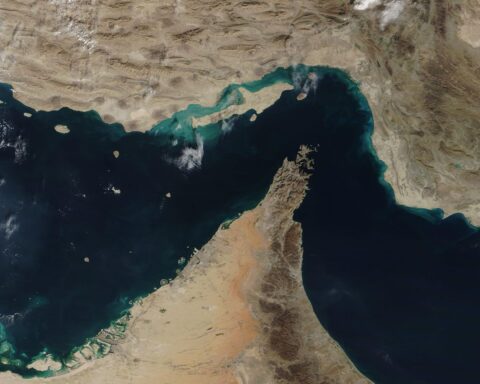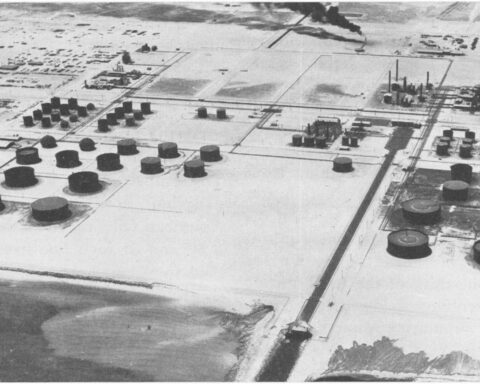
DHAHRAN — Saudi Aramco told at least three European refiners they will receive their full November term-contract crude allocations, reversing a total supply cutoff imposed for October after drone attacks launched from Iraq forced the shutdown of the East-West Pipeline in September, Bloomberg reported. The crude will move overland from Abqaiq in the Eastern Province to the Red Sea terminal at Yanbu, then by tanker to Egypt and through the SUMED pipeline to Sidi Kerir on the Mediterranean — a bypass of the Strait of Hormuz that has become Aramco’s default European delivery route since Iran closed the waterway in April.
The restoration matters because Saudi Arabia typically ships 700,000 to 800,000 barrels per day of crude to Europe under term contracts, according to Bloomberg ship-tracking data cited by Hellenic Shipping News. When those barrels disappeared from loading schedules in October, buyers turned elsewhere. Polish refiner Orlen, which derives roughly 40 percent of its crude purchases from Saudi Arabia according to Reuters, issued more than ten replacement tenders in a single month, sourcing from Norway, the United Kingdom, Algeria, Kazakhstan, Azerbaijan and the Americas, Baird Maritime reported.
The House of Saud Daily Briefing
Saudi Arabia's news in 3 minutes, every morning. Free. See today's issue
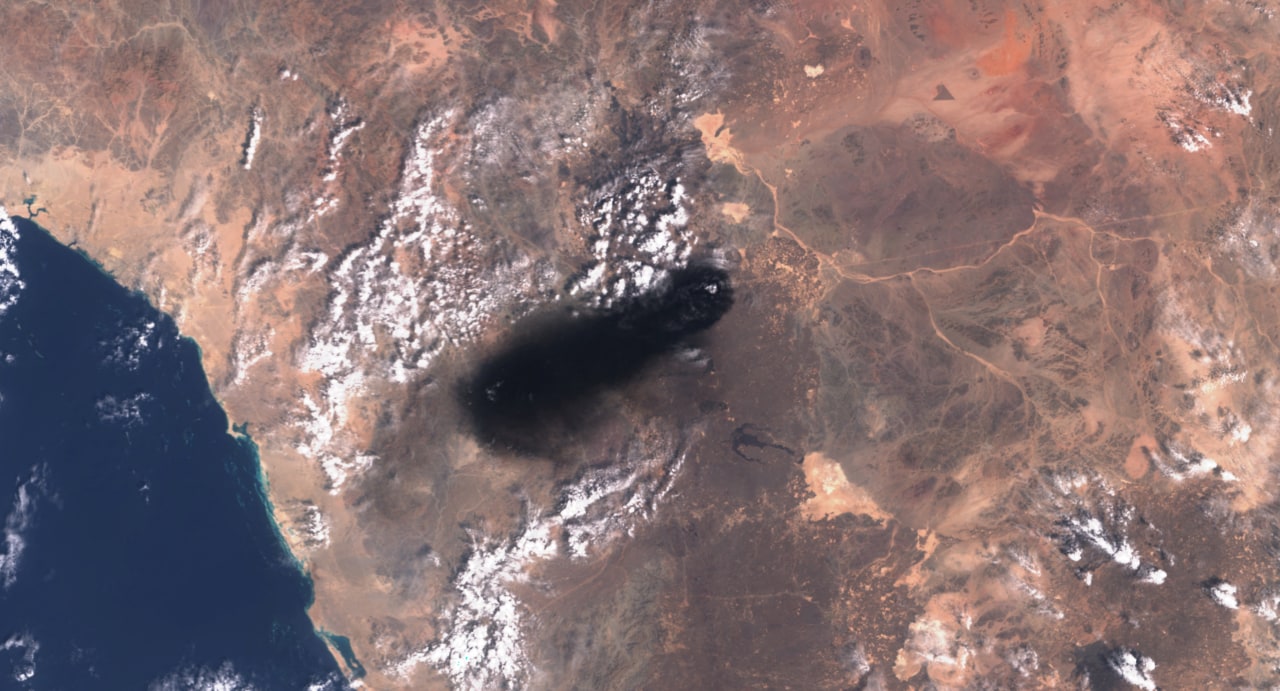
Table of Contents
From Abqaiq to the Mediterranean: The Yanbu Bypass
The East-West Pipeline — formally the Petroline — runs from processing facilities near Abqaiq in the Eastern Province to the export terminal at Yanbu on the Red Sea coast. The pipeline can carry up to 7 million barrels per day, with about 5 million barrels per day exportable from Yanbu, Saudi Gazette reported via Zawya. Since the Strait of Hormuz was disrupted, approximately 4 million bpd of Saudi crude has been rerouted through the pipeline, Al Jazeera reported on November 9.
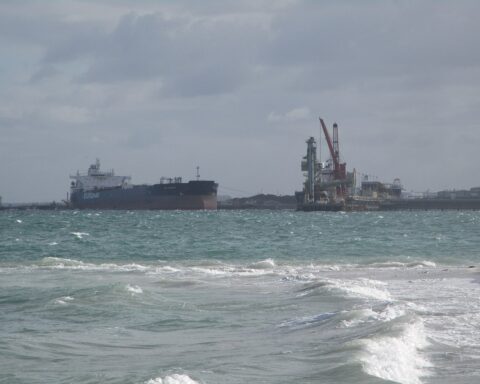
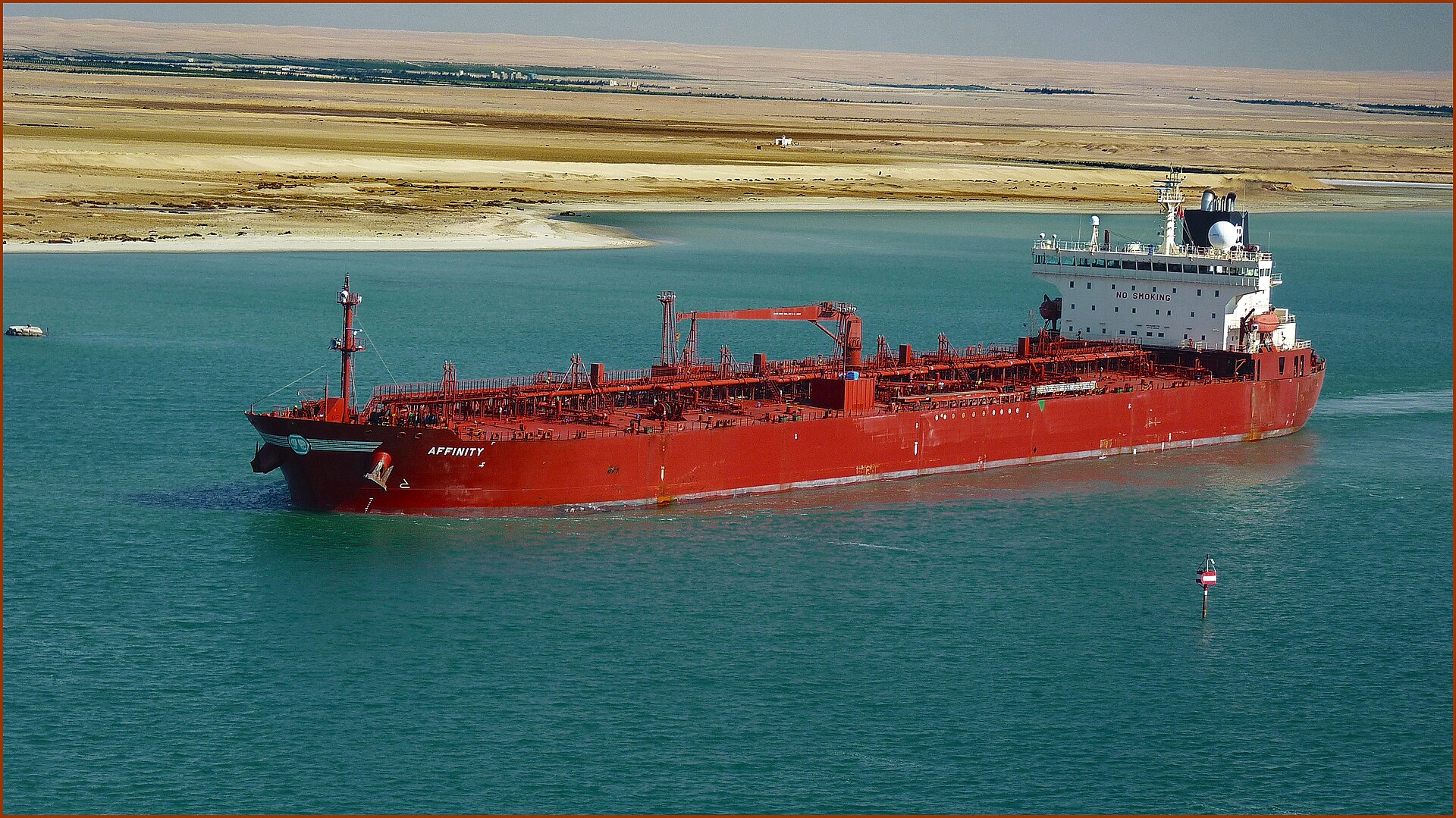
Before the war, Saudi crude bound for Europe loaded at Ras Tanura or Ju’aymah on the Persian Gulf coast, sailed south through Hormuz, and reached European refineries via the Suez Canal in roughly two weeks. The Yanbu route eliminates Hormuz but adds handling complexity: crude is pumped overland, transferred to tankers at Yanbu, offloaded at Egypt’s Ain Sukhna, pumped through the SUMED pipeline — which has a capacity of approximately 2.5 million bpd, according to the US Energy Information Administration — and reloaded at Sidi Kerir on the Mediterranean for the final voyage to European ports. Each transfer point adds cost, time and the risk of delay.
The scale of the shift showed up at Sidi Kerir. Loadings there roughly doubled to approximately 2.3 million bpd in August from about 1 million bpd in July, Kpler data cited by Enterprise AM showed. The Saudi energy minister confirmed on October 6 that East-West Pipeline flows had recovered to 5.8 million bpd after the September disruption, according to The National — a rapid recovery from the September 12 precautionary shutdown, with restart on September 22, as Baird Maritime reported citing Reuters.
What Did the October Cutoff Cost European Refiners?
Saudi crude exports to Europe fell to 460,000 bpd in September, down from 900,000 bpd in August, Kpler data cited by Reuters showed. For October, Aramco halted all European term-contract cargoes after the pipeline attack, Bloomberg reported as cited by Invezz. The cutoff removed Saudi Arabia’s entire European supply stream overnight — an abrupt end to term-contract deliveries that European refiners had relied on for decades.
Orlen’s experience illustrates the disruption. Replacement grades from the North Sea and Central Asia carry different sulphur and density profiles from Arab Light, requiring adjustments to refinery configurations — procurement complexity that the regularity of Saudi term contracts had previously eliminated.
Aramco moved to reclaim European market share before buyers locked in long-term replacements. Three unnamed trade sources told Reuters that Aramco offered additional spot cargoes for delivery into Europe in late October and mid-November, priced below official selling prices, as reported by Zawya. An Aramco spokesperson declined to comment on the European allocation reports, Reuters reported via Zawya.
Pricing the Pivot: OSPs Tilt Toward Europe
Aramco’s November official selling prices told a two-directional story. The company cut Arab Light to Asia by $3.00 from October, setting it at $5.00 below the Oman/Dubai average — the widest discount since June 2020, Reuters reported via bdnews24. At the same time, it raised prices to northwest Europe by $3.00 across all grades, the same outlet reported.
The divergence reflected freight economics that the war had distorted beyond recognition. With Hormuz transit near-impossible for Saudi-linked vessels, Gulf-loading cargoes bound for Asia faced costs that made delivered prices uncompetitive. VLCC charter rates on the Gulf-to-China route reached $1.2 million per day, against roughly $80,000 a year earlier, according to LSEG data cited by Reuters via bdnews24. At those rates, Saudi crude could not compete with closer suppliers to Asian refiners on a landed-cost basis.
The European premium, by contrast, reflected the Yanbu-SUMED route’s comparative viability and Aramco’s urgency to rebuild its position after the October cutoff. The company also offered spot cargoes to Asian refiners for November loading from Gulf ports, Energynews.pro reported citing Reuters — a signal that some volumes still reached Asian buyers, though at freight costs that compressed margins to the vanishing point. Aramco was directing incremental barrels toward the route that worked and discounting heavily on the route that did not, a pattern visible in the simultaneous below-OSP spot offers to European buyers reported by Reuters via Zawya.
How Secure Is the East-West Pipeline?
The pipeline that now carries the bulk of Saudi Arabia’s export volumes has itself become a target. On April 9, an attack on a pumping station cut East-West Pipeline flows by 700,000 bpd, The New Arab reported. The IRGC claimed an earlier strike on what it described as “American companies in Yanbu,” according to Seatrade-Maritime. The September pipeline attack forced the most consequential shutdown of the war — one that triggered the October European supply cutoff.
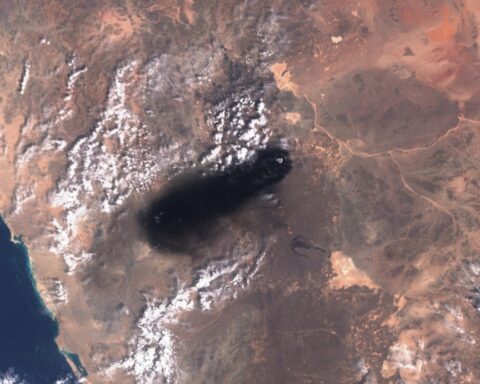
On November 9, drones struck the pipeline in the Medina region, the latest in a series of Houthi attacks on the infrastructure. The Saudi energy ministry said a “limited fire” was extinguished and that “no injuries or fatalities were reported, and pipeline operations were unaffected,” Al Jazeera reported. Three days later, on November 12, the Houthis claimed strikes on the East-West Pipeline and Yanbu export facilities, the Counter Threat Center reported on November 14 citing The Hindu. Saudi Arabia has not publicly confirmed damage from the November 12 attack beyond the energy ministry’s November 9 statement.
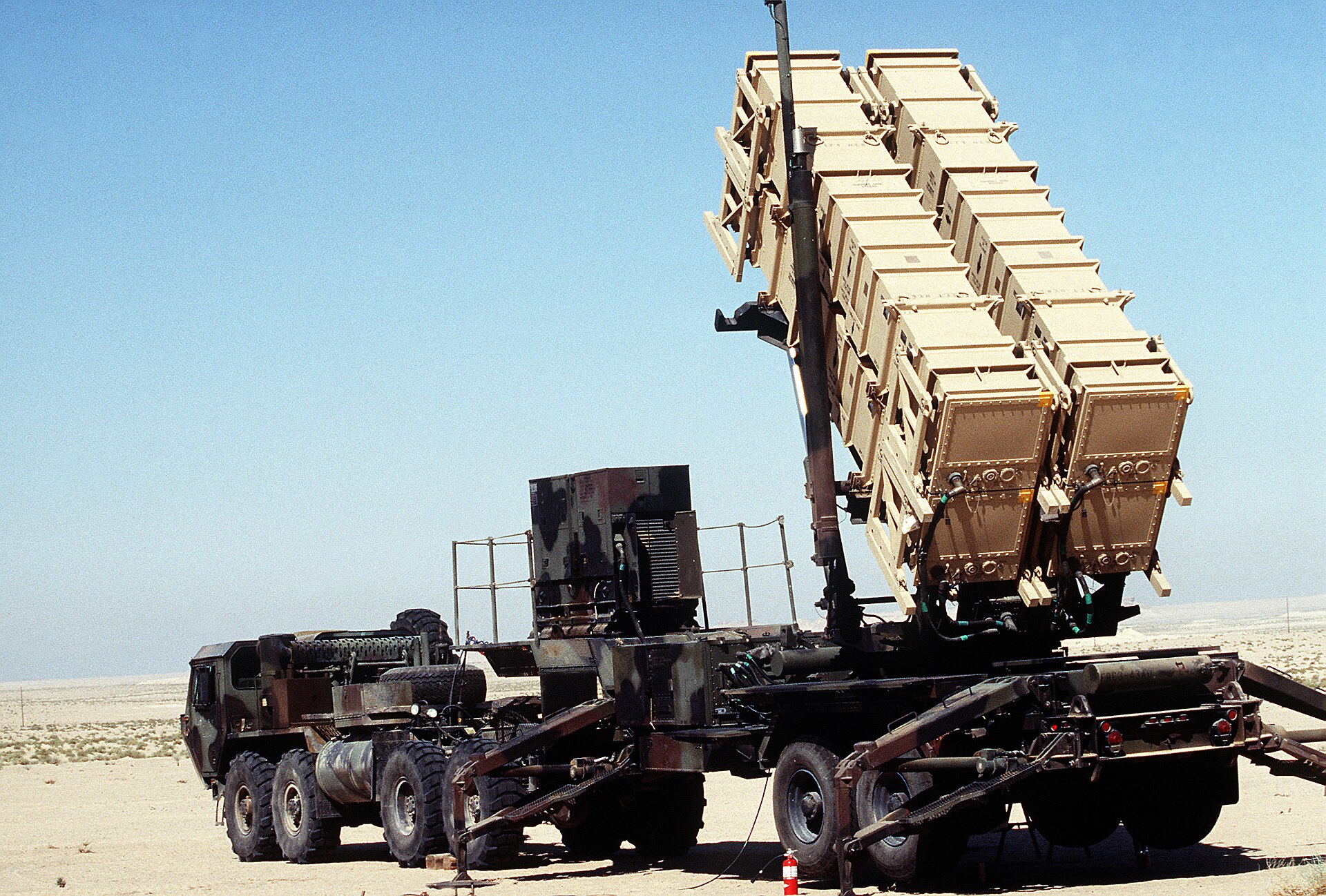
The Counter Threat Center assessed that the Houthis will likely continue alternating attacks between pipeline pumping stations and coastal terminals including Yanbu. France deployed troops, radars and air-defence systems to Yanbu in September, Al Jazeera reported — a measure of how seriously Paris regards both the terminal’s vulnerability and its own refiners’ dependence on the route.
Aramco CEO Amin Nasser told Nikkei Asia in September that disruptions typically last “days, not weeks or months,” as reported by Zawya. The pipeline’s recovery pattern has largely tracked that assessment: from the 10 September attack and precautionary suspension to the 22 September restart, flows recovered to previously confirmed levels within two weeks. Whether a sustained Houthi campaign can inflict enough cumulative disruption to once again break European supply commitments — as happened in October — depends on the pace of attacks relative to Aramco’s repair capacity, and that arithmetic changes with every drone that reaches the line.
Can Aramco Sustain European Volumes Under Continued Attack?
Several constraints bear on the answer. The SUMED pipeline’s capacity sets a hard ceiling on crude flows from the Red Sea to the Mediterranean without tankers rounding Africa. Saudi crude competes with Iraqi, Kuwaiti and other Gulf-origin streams for that capacity. With global oil supply exceeding demand for the first time since the Iran war began, according to the IEA, competition for SUMED slots could ease — or intensify, if Iraq and Kuwait similarly shift exports toward the Red Sea to avoid Hormuz.
War-risk insurance on Saudi-linked tankers loading at Yanbu tripled to around 3 percent of vessel value by September, up from less than 1 percent in early July, Reuters reported as cited by OilPrice.com. These costs ultimately reach the European buyer or compress Aramco’s margin. Either way, they erode the delivered-cost competitiveness of Saudi crude against Atlantic Basin alternatives that carry no war-risk surcharge.
Saudi output provides some production headroom. Output exceeded 8 million bpd in September, according to Bloomberg data cited by TankTerminals.com, well above the levels recorded after the worst attacks earlier in the year — Saudi crude production had fallen to 6,967 thousand bpd in March according to OPEC data cited by Hellenic Shipping News. Aramco has been selling spot cargoes below OSPs to both European and Asian buyers — a strategy that prioritises market share over per-barrel margin while the disruption of Hormuz shipping persists.
The routing itself swaps one geographic bottleneck for another. Tankers leaving Yanbu must sail south past Houthi-controlled coastline toward Bab al-Mandeb before turning north into the Gulf of Suez — the same waters where the Houthis have been operating since declaring a Red Sea blockade in July. France’s deployment to Yanbu and the coalition’s intensified air-defence operations across western Saudi Arabia aim to secure both ends of the route. The pipeline in between remains exposed to drone and missile attack from Yemen, and each successful Houthi strike — however quickly repaired — reminds European refiners that the bypass route is not a permanent solution.
Frequently Asked Questions
How long does Saudi crude take to reach Europe via the Yanbu-SUMED route?
The route involves four sequential steps, each adding time and handling cost: overland pipeline transit from Abqaiq to Yanbu; a Red Sea tanker voyage north to Egypt’s Ain Sukhna; the SUMED pipeline crossing to Sidi Kerir on the Mediterranean; and a final tanker voyage to European ports. Each transfer — from pipeline to tanker to pipeline to tanker — also adds the risk of scheduling delays. Total door-to-door transit is longer than the pre-war Gulf-Hormuz-Suez route, which loaded directly from Persian Gulf terminals without the intermediate SUMED transfer.
Why did Aramco cut Asian crude prices while raising European prices for November?
Freight economics drove the split. Gulf-loading cargoes bound for Asia must either transit war-risk waters near Hormuz or take the far longer Cape of Good Hope route, pushing delivery costs to levels where Saudi crude struggles against Australian, West African and Russian alternatives on a landed-cost basis. European-bound cargoes flow through the Yanbu-SUMED route with shorter voyage distances and avoid the Hormuz chokepoint entirely. By cutting Asian OSPs $3.00 and raising European OSPs $3.00, Aramco signalled that the Yanbu-SUMED corridor is its functioning delivery route and that keeping Asian market share now requires substantial per-barrel subsidies.
What alternatives do European refiners have if Saudi supply is disrupted again?
During the October cutoff, Orlen demonstrated the available options by sourcing from multiple countries across the Atlantic Basin, North Africa and the Caspian, Baird Maritime reported. North Sea Brent-linked crudes offer the most direct substitute for lighter Saudi grades, while CPC Blend from Kazakhstan and Algerian Saharan Blend can partially replace medium-sour Arab grades. These alternatives carry higher freight costs to continental European refiners further from Atlantic loading points, and the volume consistency of Saudi term contracts — where a buyer lifts the same grade monthly — proves difficult to replicate through multiple spot purchases.
What role does Egypt play in Saudi oil exports to Europe?
Egypt’s SUMED pipeline has become the critical transit link. The pipeline connects Ain Sukhna on the Gulf of Suez to Sidi Kerir on the Mediterranean — the only major infrastructure allowing Gulf crude to reach European buyers without transiting Hormuz or rounding Africa. Sidi Kerir loadings roughly doubled in August according to Kpler data, and Egypt collects transit fees on SUMED throughput — a revenue stream that has expanded alongside the wartime rerouting of Gulf crude flows through its territory.
The House of Saud Daily Briefing
Saudi Arabia's news in 3 minutes, every morning. Free. See today's issue