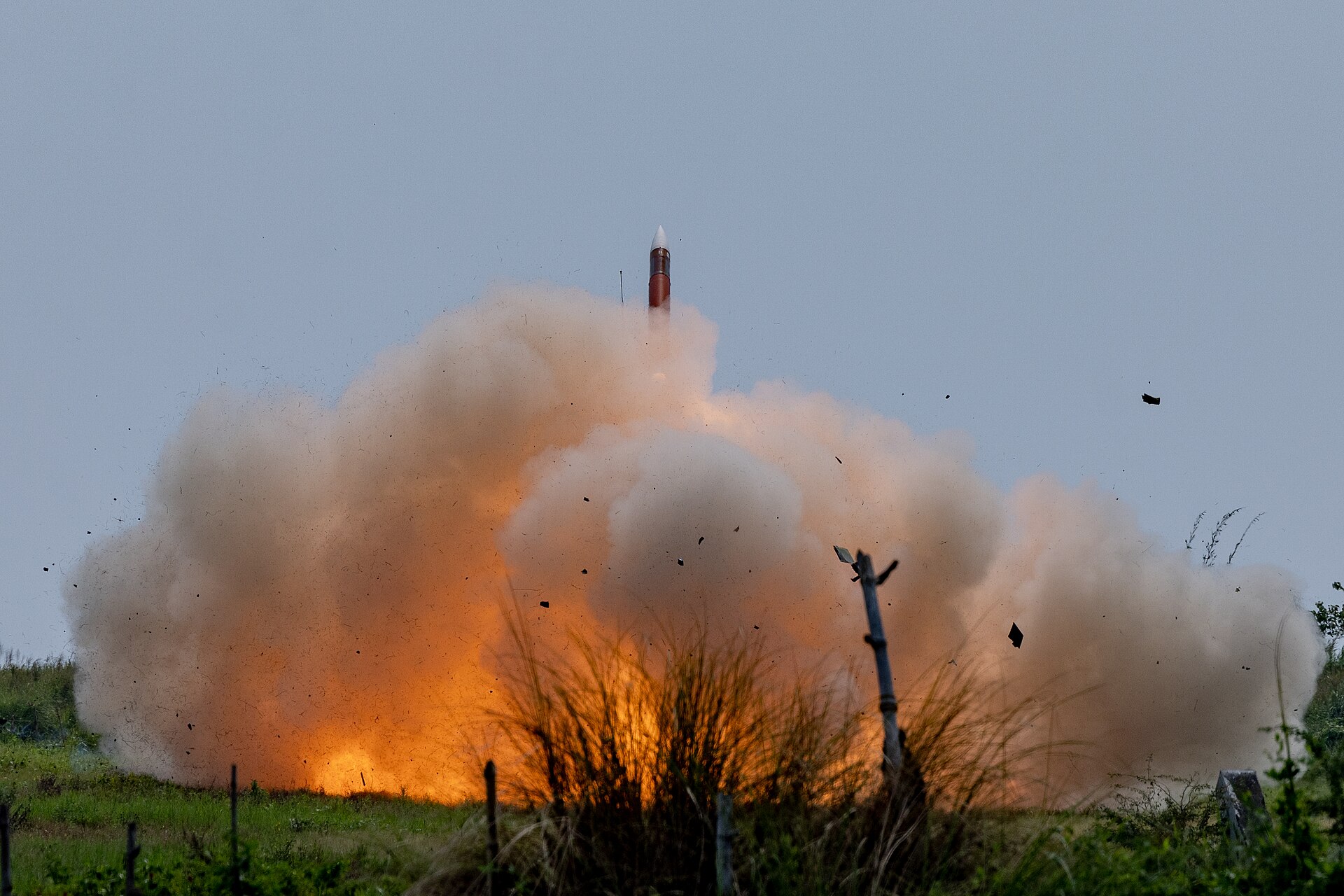

MANAMA — Iran’s Revolutionary Guards attacked US military installations in Bahrain four times over six days, Bahrain took its case to the United Nations Security Council and demanded security guarantees, and on Wednesday Iran’s regular army widened the campaign to a US airbase in Kuwait — the most sustained Iranian assault on Gulf Arab territory since strikes paused in early September, NBC News reported. The diplomatic response has been as rapid as the military escalation, with Bahrain formally asking the Council to enforce a resolution it passed in March and Gulf states presenting evidence of more than 7,000 Iranian missiles and drones fired at their territories since the war began on February 28.
Bahrain’s UN Ambassador Jamal Fares Alrowaiei, speaking on behalf of all six GCC members at the Security Council, said Iran’s attacks on Gulf states could not be allowed to function as a negotiating instrument, Iran International reported. Secretary of State Marco Rubio condemned the attacks in a call with Bahrain’s Foreign Minister Abdullatif bin Rashid Al Zayani on Tuesday and reaffirmed Washington’s commitment to the security of Bahrain and its Gulf partners, a State Department readout confirmed.
The House of Saud Daily Briefing
Saudi Arabia's news in 3 minutes, every morning. Free. See today's issue
Table of Contents
Four Attack Waves: The Attacks on Bahrain
The first strike came on Friday, November 13, when the IRGC launched drones at what it described as a US early-warning radar facility in Bahrain — the first Iranian attack on a Gulf state since early September, ending a roughly two-month lull, according to NBC News. US Central Command said it intercepted two IRGC drones with no injuries or damage, Al Jazeera reported. The IRGC claimed it had destroyed the radar; the US denied it, and US Ambassador to Bahrain Stephanie Hallett called the IRGC’s claim false, according to Sabq.
Two days later, on Sunday, November 15, the IRGC said it launched six drones at a US air-defence radar at the Al-Riffa helicopter base — a separate facility from Naval Support Activity Bahrain at Juffair — in what it described as retaliation for “hostile US actions,” Al Jazeera reported. Bahrain’s Defence Force said it intercepted the attacks, with no injuries or damage. Bahrain’s Interior Ministry issued two threat alerts the same day, the first such warnings since September according to the Khaleej Times, and sirens sounded across Manama.
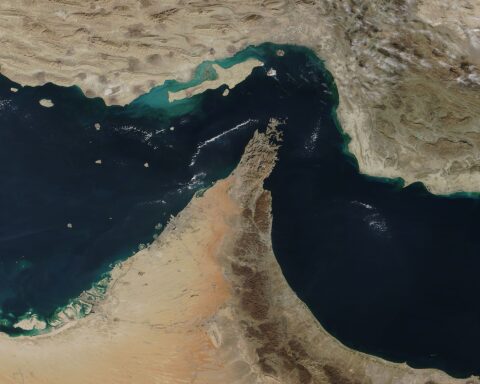
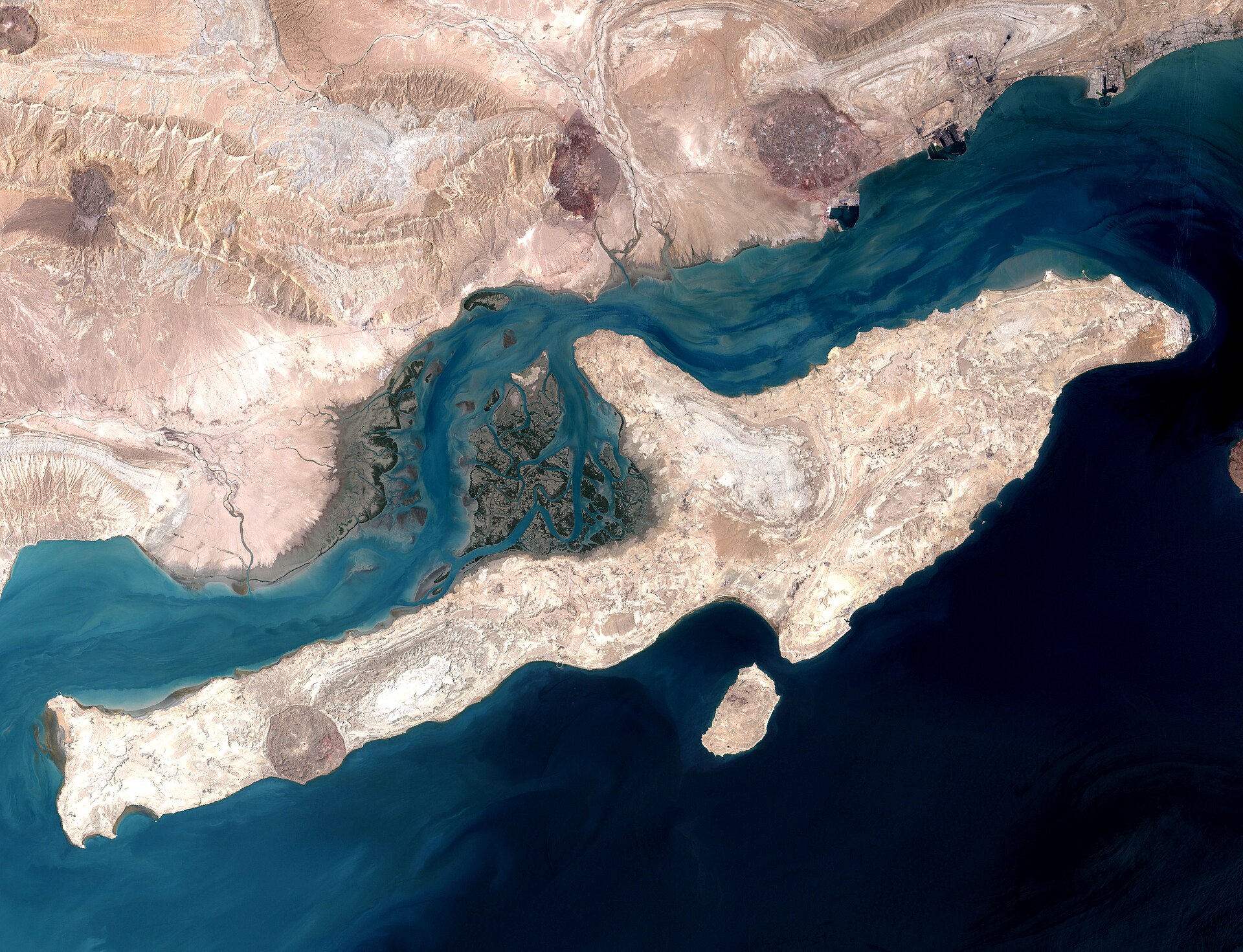
The third wave came on Tuesday, November 17, when the IRGC targeted a US radar system at the Sheikh Isa Airbase in Bahrain, NBC News reported. Bahrain and the US said the attacks were intercepted, and the US responded by striking an Iranian missile launch site on Qeshm Island in the Strait of Hormuz, according to Al Jazeera. On Wednesday, November 18, Bahrain’s Defence Force reported it had intercepted yet another round of Iranian aerial attacks, and the Interior Ministry issued two more threat alerts, Asharq Al-Awsat and Al Jazeera’s liveblog reported.
Why Did Bahrain Take Its Case to the Security Council?
At a Security Council session that Bahrain had requested, Gulf states collectively presented the scale of Iran’s campaign — more than 7,000 missiles and drones fired at GCC territories since February 28, according to Iran International and the Khaleej Times. Bahrain’s Foreign Ministry separately called on the Council to take “firm, deterrent measures” to compel Iran to cease attacks, and demanded that Tehran pay compensation under international law and UN Security Council Resolution 2817, the Middle East Monitor reported, citing Anadolu Agency.
Resolution 2817, adopted on March 11, condemned Iranian attacks on GCC states and Jordan and demanded their immediate cessation, the Middle East Monitor noted. Bahrain cited it as the legal foundation for its current demands — asking the Council not merely to condemn the attacks, as it had done in March, but to enforce the resolution it had already passed, with reparations attached. Bahrain had already invoked its Article 51 self-defence rights in multiple UN letters over the preceding months, according to the Diplomacy and Law platform.
“The security of civilians cannot constitute a bargaining chip or a tool for extortion.”
Jamal Fares Alrowaiei, Bahrain’s UN Ambassador, speaking for the GCC at the Security Council — Iran International, November 17
Reuters linked the resumption of attacks to a Bahraini court having sentenced 64 people, mostly Shia clerics, to life in prison for colluding with Iran, as reported by Al Jazeera. The strikes also followed US attacks on Qeshm Island in the Strait of Hormuz, and the roughly two-month pause that ended on November 13 had coincided with a period of Qatari-mediated contacts between Washington and Tehran.
Iran Widens the Campaign to Kuwait
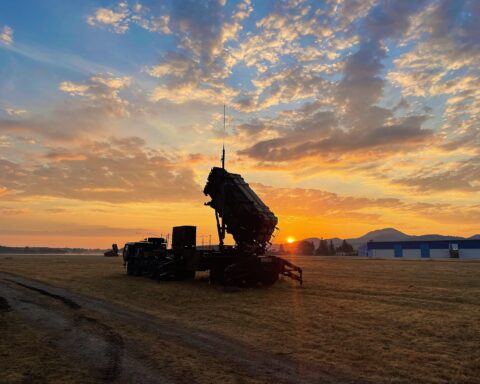
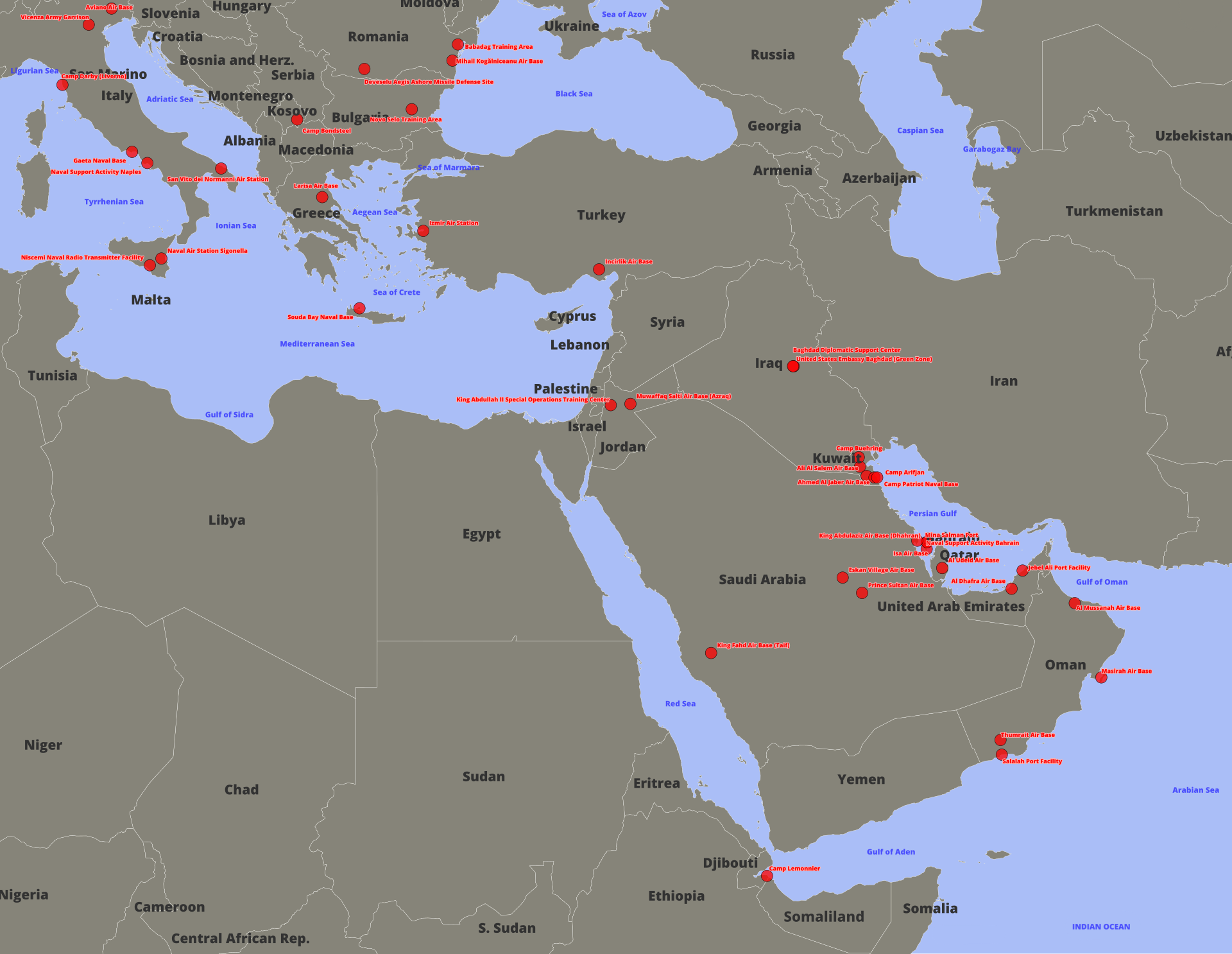
On Wednesday, November 18, Iran’s regular army — not the Revolutionary Guards, who carried out the Bahrain operations — said its “destructive combat drones” had targeted “Patriot defense systems and drone and missile launchers of the US terrorist army at the Ali al-Salem base in Kuwait,” Middle East Eye reported, citing a statement broadcast on state television IRIB. No casualties or damage at the base were confirmed in initial reporting.
The actor distinction matters, because it tells you something about the scale of institutional commitment in Tehran. The IRGC, which operates its own command structure under Supreme Leader Mojtaba Khamenei, carried out all three Bahrain attacks. The regular army — the Artesh, which reports to the Supreme Leader through the Armed Forces General Staff — took responsibility for Kuwait. Both chains of command terminate at the same authority, but the deployment of the conventional army alongside the Guards means this is not a single-branch operation running on its own initiative.
Kuwait’s Foreign Ministry called the attacks “repeated and criminal” and described them as “a dangerous escalation that threatens the region’s security and stability,” Middle East Eye reported. Ali Al Salem, which has been repeatedly targeted since the war began on February 28, hosts US air operations in the northern Gulf and has been a consistent Iranian target throughout the nine-month conflict.
What Did the US Say About the Attacks?
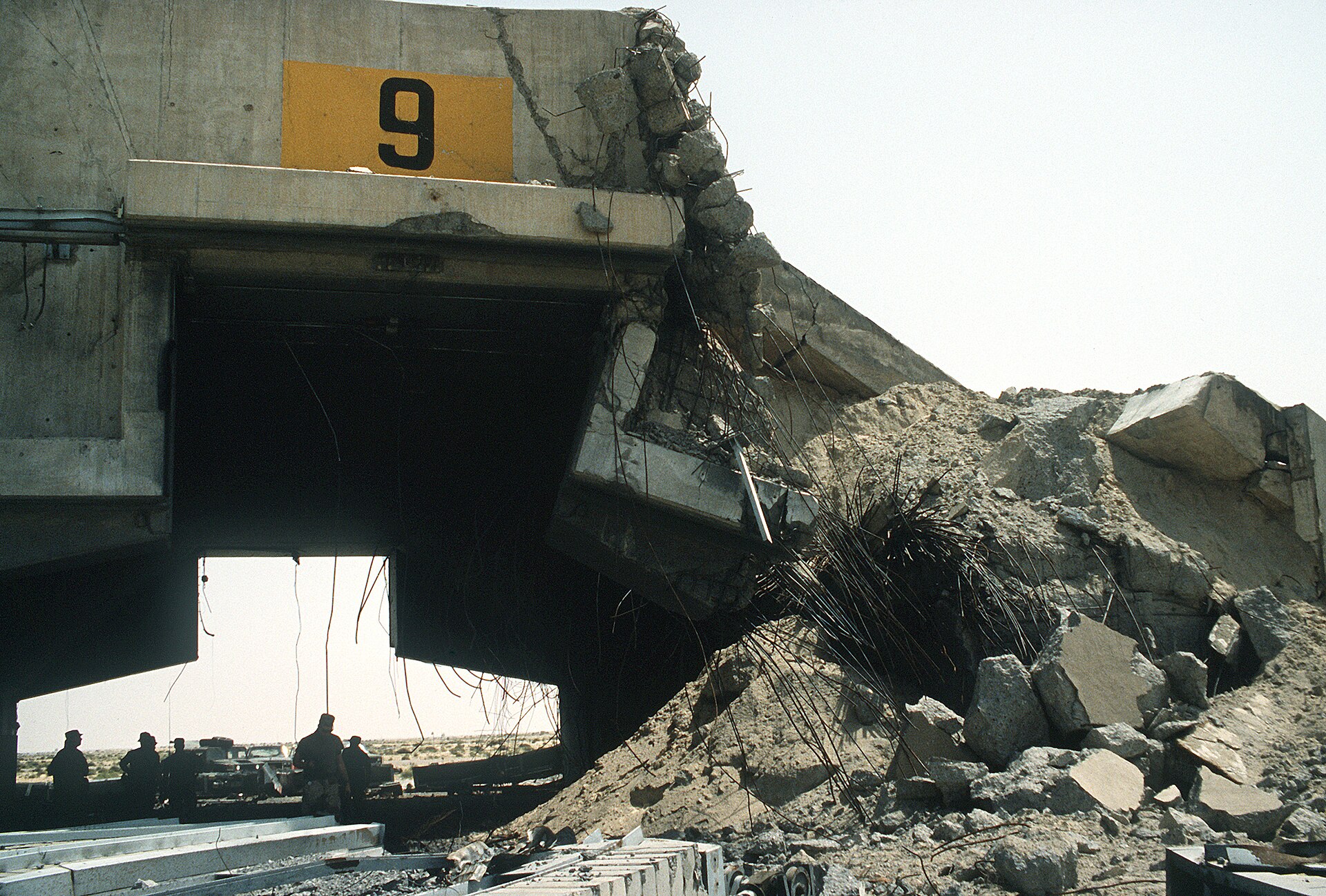
Secretary of State Marco Rubio spoke by telephone with Bahraini Foreign Minister Al Zayani on Tuesday, November 17, and condemned Iran’s attacks on Bahrain, according to a State Department readout reported by Asharq Al-Awsat and Iran International. Rubio “reaffirmed the commitment of the United States to the security of Bahrain and all our Gulf partners,” the readout said. The State Department cited the Comprehensive Security Integration and Prosperity Agreement (C-SIPA), signed in September 2023, as the foundation of the bilateral security relationship.
The US military presence in Bahrain has contracted under the pressure of repeated Iranian attacks over the course of the war. The on-base population at Naval Support Activity Bahrain — headquarters of the US Navy’s Fifth Fleet, which oversees operations across the Persian Gulf, Red Sea and Arabian Sea — fell to fewer than 100 personnel, and the base was not expected to resume full operations “anytime soon,” NBC News reported on November 17.
On the same day as the Rubio call, the US struck an Iranian missile launch site on Qeshm Island after the third Bahrain attack. The tempo of exchanges — three IRGC attacks on Bahrain, a US counterstrike on Qeshm, and an Artesh attack on Kuwait within 24 hours — has compressed the cycle of provocation and response to a pace that leaves little room for diplomatic intervention.
The GCC Closes Ranks
GCC Secretary-General Jasem Albudaiwi issued statements condemning both the Bahrain and Kuwait attacks. After the November 15 Bahrain strikes, Albudaiwi said the attacks were “a flagrant violation” of Bahrain’s sovereignty and called for “a resolute international stance to halt these attacks and hold those responsible accountable,” according to Asharq Al-Awsat. He added that “any attack on the Kingdom constitutes an infringement on the security of all GCC states,” the same report noted — language that mirrors the collective-defence clause of the Makkah Joint Defence Agreement signed in August.
After the Kuwait attack on November 18, Albudaiwi said Iran’s actions “reflect its persistence in undermining de-escalation efforts” and called on the international community to “assume its responsibilities toward these grave and repeated Iranian assaults,” Asharq Al-Awsat reported. Saudi Arabia’s Foreign Ministry condemned the attacks on Bahrain, Kuwait, and a UAE oil tanker in a single statement, citing “complete rejection of Iran’s continued aggression against brotherly countries,” according to the same outlet.
The Saudi statement bundled all three targets into one condemnation — consistent with the Makkah pact framework, under which an attack on one signatory is treated as an attack on all, as Kuwait Times and AFP reported at the time of signing. The coalition’s simultaneous operations in Yemen and the diplomatic response to Iran’s Gulf strikes are running on parallel tracks, with the GCC increasingly treating the Houthi and Iranian fronts as a single theatre of operations.
What Iran Says — and What It Means
The IRGC framed each Bahrain attack as retaliation for US military actions in the region. The November 15 strike on Al-Riffa was justified as retaliation for “repeated violations of Iranian airspace by US military drones,” Al Jazeera reported, and after the third attack on November 17, the IRGC said “continued aggression against the country’s airspace and the use of regional bases for hostile acts against Iran would not go unanswered,” according to NBC News.
“Our response will be decisive, crushing, and without geographical limitations.”
Iran’s regular army statement on the Kuwait strike, via IRIB — Middle East Eye, November 18
Iran consistently frames the attacks as operations against US military assets rather than assaults on Gulf sovereignty — a distinction that Gulf states, and the Security Council in Resolution 2817, explicitly reject. Iran said the US strikes on Qeshm Island “caused no damage to residential, commercial, or infrastructure areas,” according to Hormozgan deputy governor Ahmad Nafisi, as reported by Al Jazeera on November 17.
Saeid Golkar, a UC Foundation associate professor of political science at the University of Tennessee at Chattanooga, told Al Jazeera that “both sides may prefer to avoid a full-scale war, but the danger lies in miscalculation.” Sascha Bruchmann, an IISS analyst based in Bahrain, reached a similar conclusion, telling NBC News the escalation remained below the threshold either side would consider a point of no return.
Frequently Asked Questions
How many Iranian attacks has Bahrain intercepted since the war began?
As of April 19 — the date of Bahrain’s 11th letter to the United Nations — the kingdom reported it had intercepted 194 ballistic missiles and 523 hostile drones since February 28, the Khaleej Times reported. The cumulative figure has not been publicly updated since April, though the November attacks added at least four more waves to the tally.
What is the chain of command for Iran’s regular army?
The Artesh — Iran’s conventional military — reports to Supreme Leader Mojtaba Khamenei through the Armed Forces General Staff. The Ministry of Defence and Armed Forces Logistics (MODAFL) handles procurement and logistics but has no operational command authority over either the Artesh or the IRGC — it is a support body, not an operational headquarters. The November 13 to 17 Bahrain attacks were carried out by the IRGC; the November 18 Kuwait attack was attributed to the Artesh, meaning both branches of Iran’s military are now engaged in strikes on Gulf states. Hamidreza Azizi of the International Crisis Group told NBC News that Iranian leaders may be weighing whether “breaking the blockade through escalation is less costly than accepting its continuation.”
Has anyone been killed or injured in the November attacks on Bahrain?
No casualties were reported in any of the four attack waves on Bahrain between November 13 and 18, according to US and Bahraini officials cited by Al Jazeera, NBC News, and Asharq Al-Awsat. The US said it intercepted the drones each time, and Bahrain’s Defence Force confirmed interceptions on its end as well. The Kuwait attack on November 18 also produced no confirmed casualties, though Kuwait’s military did not release a full damage assessment in its initial statement.
What is UN Security Council Resolution 2817?
Resolution 2817, adopted on March 11, 2026, condemned Iranian attacks on GCC member states and Jordan and demanded their immediate and complete cessation, the Middle East Monitor reported. Bahrain is now citing the resolution as the legal basis for demanding both enforcement action and financial compensation from Iran — a move that shifts the dispute from a bilateral grievance into a question of whether the Council will enforce its own authority. No new resolution or enforcement mechanism has been adopted since March, and the resolution’s practical effect depends on the willingness of permanent members — including Russia and China, which maintain economic ties with Tehran — to support further measures.
Sascha Bruchmann, the IISS analyst based in Bahrain, told NBC News the current pace of exchanges was “not it — yet” — placing the escalation below the threshold either side considers a point of no return, but only just. Bahrain has decided to put that assessment to the test: by taking its case to the Security Council, it is asking the international community to enforce Resolution 2817 before the question of what comes next answers itself.
The House of Saud Daily Briefing
Saudi Arabia's news in 3 minutes, every morning. Free. See today's issue