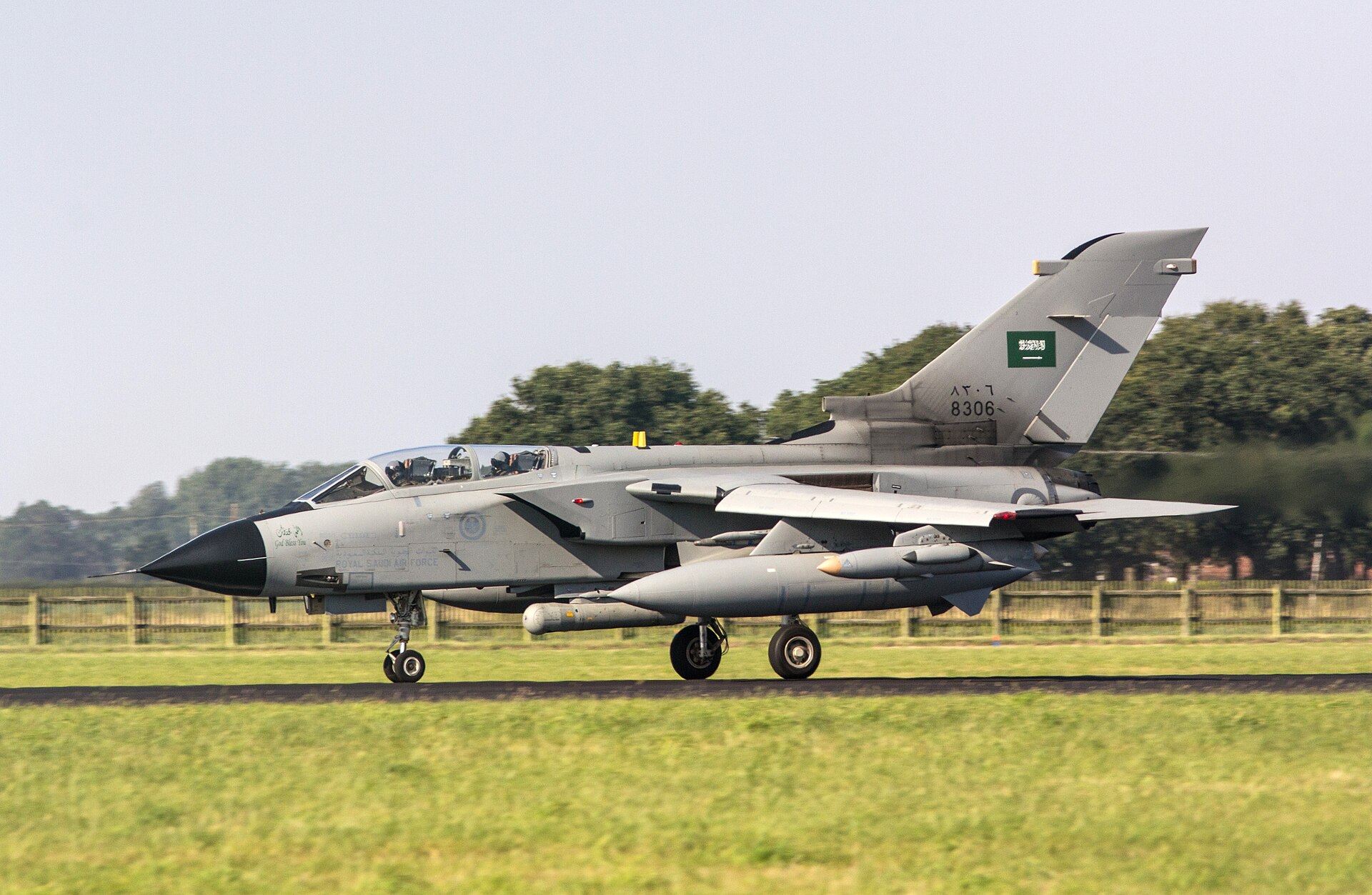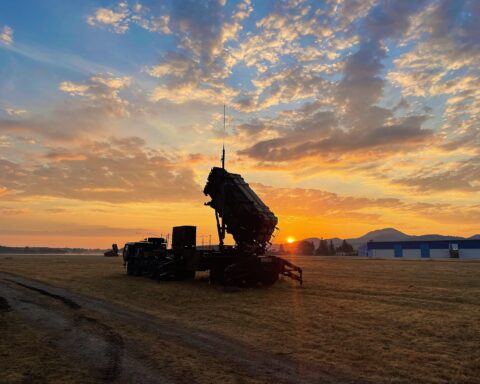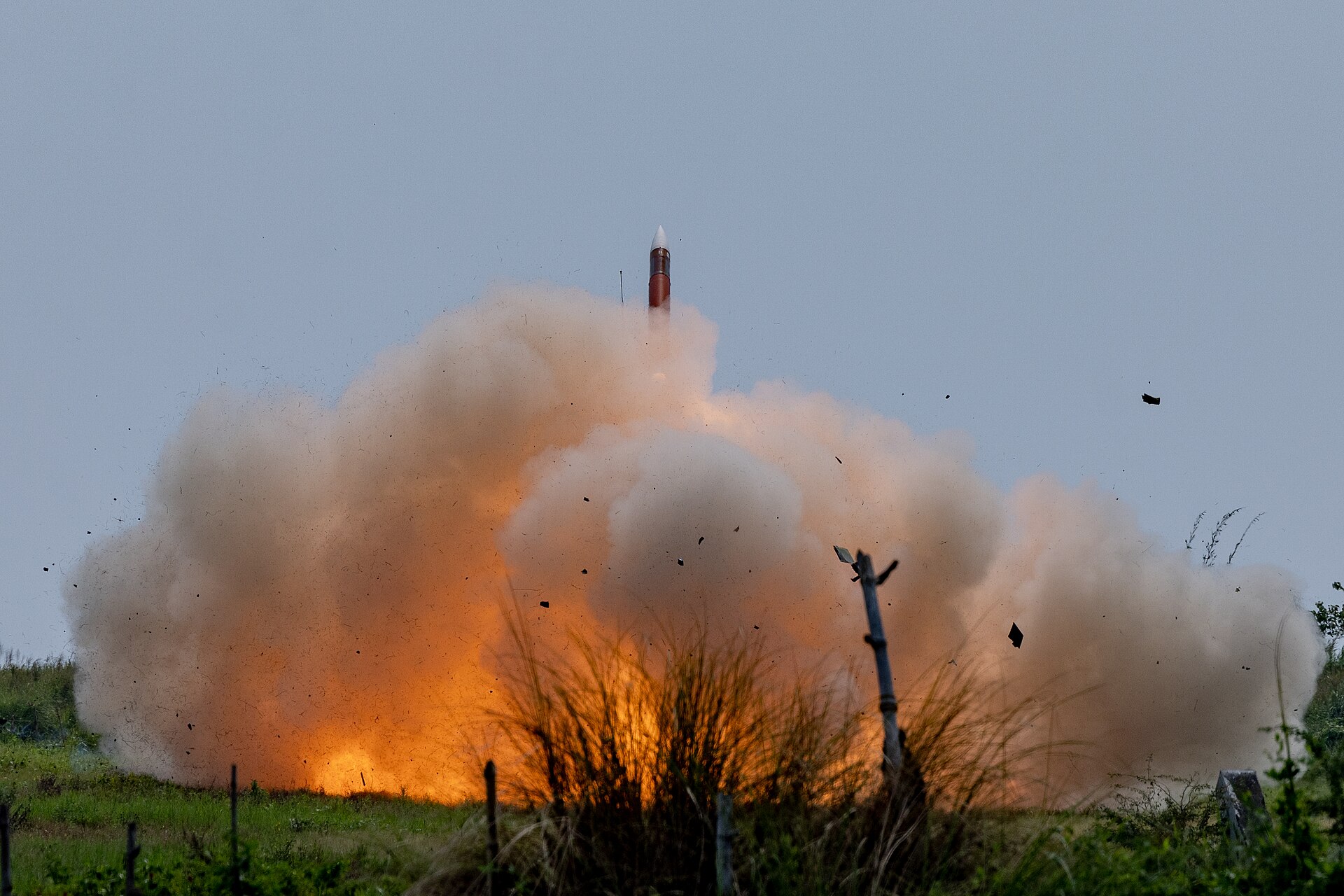

RIYADH — The Saudi-led coalition said it intercepted and destroyed a cruise missile launched by the Houthis toward the Riyadh area on November 18, according to coalition spokesman Maj. Gen. Turki al-Maliki. Hours later, AFP journalists and residents reported a powerful explosion that rattled homes across the capital, with smoke visible near King Khalid International Airport in northeast Riyadh.
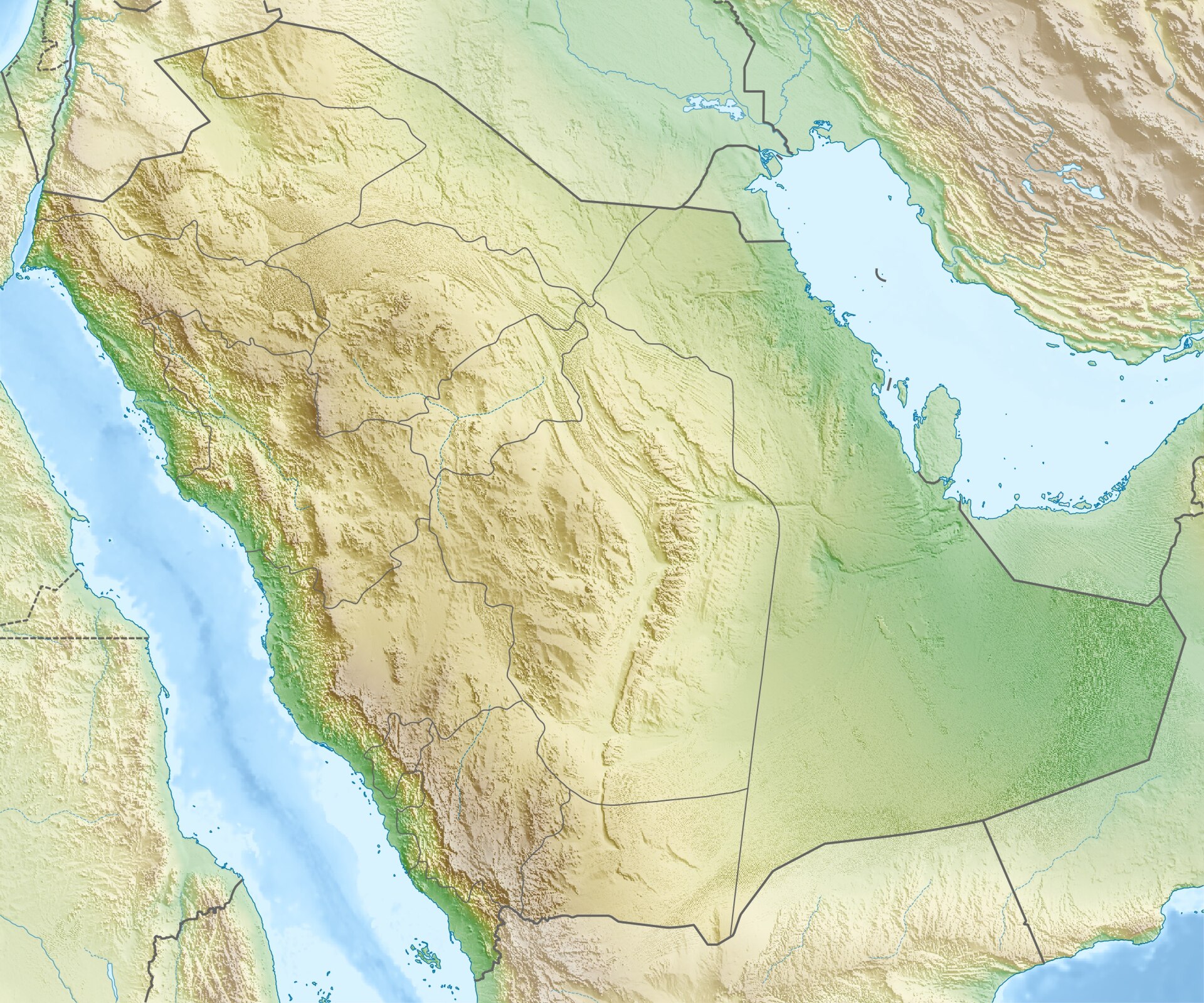
The interception came on the same day that the coalition announced precision strikes against 60 Houthi military targets across four Yemeni governorates and as Saudi Civil Defense issued and then lifted warnings for three southern cities stretching from the Red Sea coast to the Yemen border. The sequence — a cruise missile over Riyadh, an audible detonation with no prior mobile-phone alert, and simultaneous threat warnings spanning roughly 1,500 km of Saudi territory — marked another day in a sustained Houthi aerial campaign that has targeted the capital repeatedly throughout November.
The House of Saud Daily Briefing
Saudi Arabia's news in 3 minutes, every morning. Free. See today's issue
Table of Contents
- What Did the Coalition Say About the Interception?
- Explosion Reported Near King Khalid Airport
- Civil Defense Alerts Span 3 Southern Cities
- Was There a Second Cruise Missile?
- What Did the Houthis Claim?
- Escalation Pattern: Riyadh Under Repeated Fire
- Coalition Strikes 60 Targets as Houthis Advance on Aden
- Frequently Asked Questions
What Did the Coalition Say About the Interception?
Al-Maliki posted on X that “a cruise missile, launched by the terrorist Houthi militia towards the Riyadh area, has been intercepted and destroyed,” according to France 24’s live blog, which cited the post at 06:41 UTC on November 18. Gulf Times, citing Qatar News Agency, carried a matching report: “A cruise missile launched by the Houthi group toward Riyadh Region was intercepted and destroyed.”
Anadolu Agency confirmed the interception and noted that “there was no immediate comment from the Houthis on the reported interception.” No casualties or damage were reported in connection with the interception itself, according to Anadolu Agency.
The statement from al-Maliki followed a day that had already seen the coalition announce a large-scale operation against Houthi positions in Yemen. The same spokesman confirmed that the coalition had struck 60 Houthi military targets across Sanaa, Hodeidah, Amran and Saada governorates in what the coalition described as a “precision military operation” targeting ballistic missile warehouses, drone workshops and facilities linked to maritime threats, according to Gulf Times and QNA.
Explosion Reported Near King Khalid Airport
At approximately 11:07 UTC, AFP journalists in Riyadh reported “a powerful explosion rattled homes in Riyadh,” according to France 24’s live blog, which attributed the account to AFP. Residents said they saw smoke near King Khalid International Airport in the northeast of the city.
No prior mobile-phone alert preceded the explosion, according to AFP, as cited by France 24. That detail drew attention because Saudi Civil Defense had already issued and lifted warnings for southern governorates hours earlier — but Riyadh residents received no advance notification before the blast.
It was not immediately clear whether the explosion resulted from interception debris, an interceptor’s own detonation, or the missile itself. Saudi authorities had not, as of publication, issued a statement explaining the source of the blast. No casualties were confirmed from either the interception or the explosion.
KKIA — the main international gateway to the capital — has been repeatedly targeted in the current conflict. On October 10, a Houthi strike on the airport killed 12 and wounded 309, according to Al Jazeera. An Indian victim’s death the following day raised the death toll to 13. The October 10 attack remains the deadliest single strike on the airport during the war.
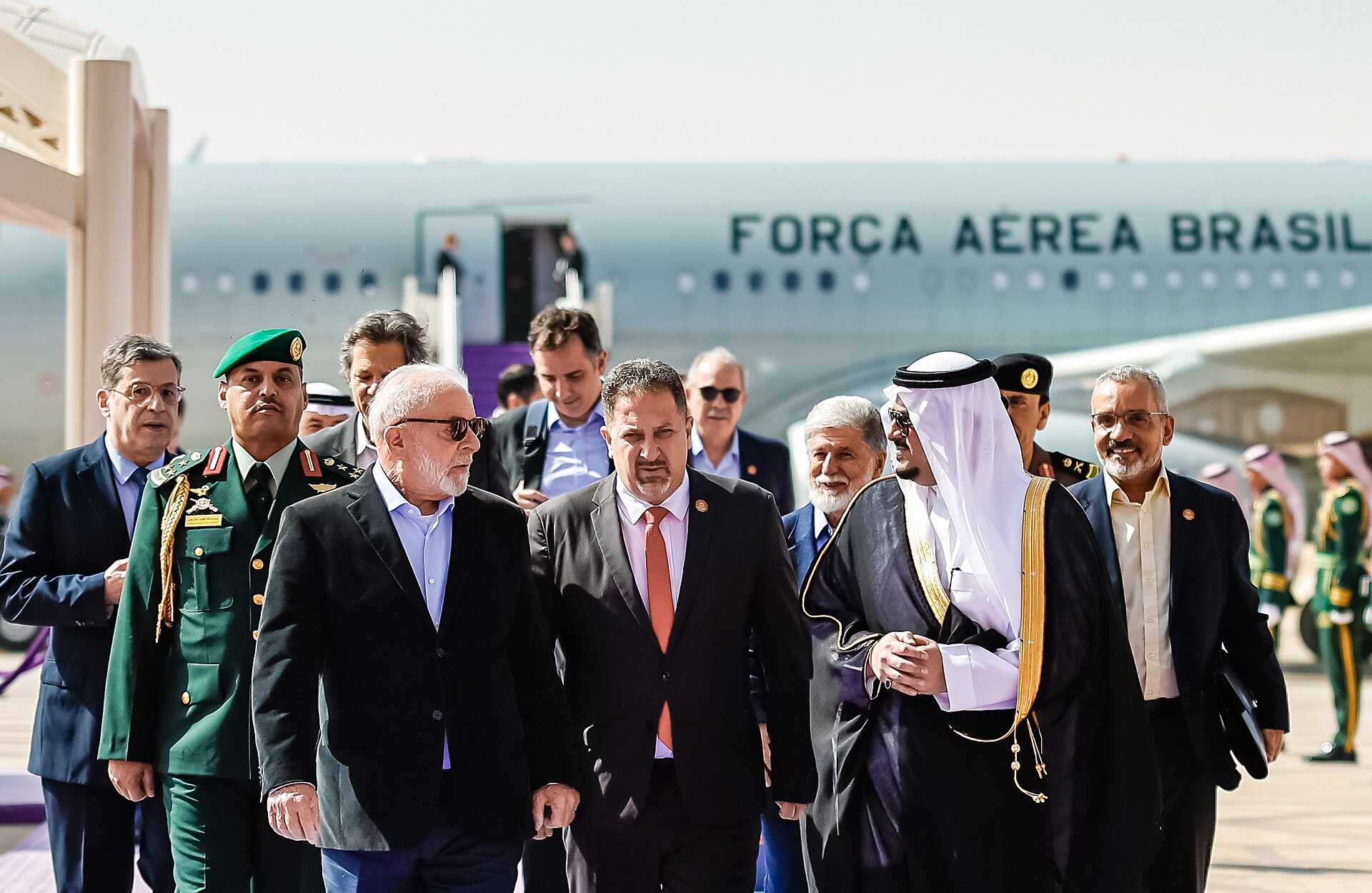
For travellers monitoring the situation at Riyadh’s airport and other Saudi airports, the European Union Aviation Safety Agency has extended six Gulf airspace warnings to 31 January 2027. A guide to Saudi Arabia’s airports provides current operational details.
Civil Defense Alerts Span 3 Southern Cities
Saudi Civil Defense issued alerts warning of “potential danger” in Jazan, Najran and Khamis Mushait, according to Reuters, as reported by ThePrint, Anadolu Agency and MTV Lebanon. France 24’s live blog timed the alerts at approximately 10:30 UTC. Newsquawk reported a Jazan alert at 09:05 UTC, suggesting the warning cycle may have begun earlier in some areas.
The all-clear came at 10:39 UTC, according to France 24 — a window of roughly 9 minutes from the latest alert to the confirmation that “the danger had passed.”
The three cities represent distinct points along Saudi Arabia’s southern frontier. Jazan sits on the southern Red Sea coast. Najran lies along the southeastern border with Yemen. Khamis Mushait, the largest city in the Asir region, is home to a major Saudi airbase. That Civil Defense activated across all three simultaneously indicates the military assessed threats arriving from, or traversing through, multiple approach corridors from Yemen.
The alerts on November 18 were not the first southern warnings this month. Coalition statements have cited Houthi missiles and drones targeting Khamis Mushait and other southern cities on multiple occasions during the conflict. On September 8, Houthi missiles and drones targeting Khamis Mushait, Abha and Jazan injured at least 73 civilians across four cities, according to The National.
Was There a Second Cruise Missile?
The missile count from November 18 is disputed across wire services. Al-Maliki’s first confirmed statement, carried by Anadolu Agency and QNA, referred to a single cruise missile. AP — in reporting by Toqa Ezzidin and Samy Magdy — said al-Maliki “said Saudi air defenses destroyed two Houthi-fired cruise missiles.” Al Jazeera also reported two.
France 24’s live blog contains two separate interception entries — the first at 06:41 UTC and a second around 10:30 UTC — which may correspond to two discrete events. The data here is thin: it is not clear whether the second entry represents a fresh interception or updated reporting on the first.
The headline and lead follow al-Maliki’s first confirmed statement — a single cruise missile. AP and Al Jazeera’s reports of a second intercept are noted here but cannot be independently reconciled with the coalition’s initial announcement at the time of publication.
What Did the Houthis Claim?
No Houthi claim was found specifically for the November 18 Riyadh cruise missile interception. Anadolu Agency reported: “There was no immediate comment from the Houthis.”
Separately, Houthi military spokesman Yahya Saree claimed via Al Jazeera on November 18 that the Houthis had targeted “oil pumping stations near Riyadh and a radar installation in southern Saudi Arabia.” That claim does not correspond to the cruise missile intercepted over the Riyadh area — it describes different targets. Whether Saree’s statement was intended to encompass the same weapon or a parallel operation is unclear.
The absence of a specific cruise missile claim is notable. In past attacks on Riyadh, Saree has typically been prompt to claim successful strikes — particularly when targeting high-profile installations like KKIA. On November 15, the Houthis claimed two ballistic missiles struck Riyadh airport. The silence on November 18 may reflect uncertainty about the weapon’s outcome, or it may indicate the cruise missile was part of a broader salvo that the Houthis chose to frame differently.
Escalation Pattern: Riyadh Under Repeated Fire
The November 18 interception extends a pattern that has made Riyadh one of the most frequently targeted capitals in the region throughout the month. Based on reporting from the FDD’s Long War Journal, The National, and coalition statements:
On November 7, the coalition said it intercepted a cruise missile over Riyadh, according to Anadolu Agency and Gulf Times. On November 8, the coalition intercepted two ballistic missiles and two cruise missiles fired at the capital; falling shrapnel from the interception struck an Aramco building in the financial district, blowing out windows on several floors but causing no injuries, according to The National. On November 9, one cruise missile and one ballistic missile were intercepted over Riyadh. On November 11, the coalition intercepted three cruise missiles over Riyadh; Saree claimed strikes on KKIA, according to FDD’s Long War Journal.
On November 17, the coalition said it intercepted three drones targeting Makkah and Riyadh. That was a distinct event — drones, not cruise missiles — and preceded the November 18 cruise missile interception by less than 24 hours.
The pattern shows the Houthis rotating weapon types: cruise missiles, ballistic missiles and drones, sometimes in the same day, sometimes on consecutive days. This complicates Saudi air defense planning, which must simultaneously track low-altitude, slow-moving drones and faster cruise missiles arriving from the south.
Coalition Strikes 60 Targets as Houthis Advance on Aden
The cruise missile interception occurred on a day when the coalition was simultaneously conducting large-scale offensive operations in Yemen. Al-Maliki announced that the coalition had struck 60 Houthi military targets across Sanaa, Hodeidah, Amran and Saada governorates, according to Gulf Times and QNA. The targets included ballistic missile warehouses, drone workshops and what the coalition described as “facilities linked to maritime threats.”
The strikes came as Houthi ground forces continued their advance toward Aden, the seat of Yemen’s internationally recognized government. Retired Lebanese Brigadier-General Hassan Jouni, cited by Al Jazeera on November 16, placed Houthi forces at approximately 80 km from the city. The coalition’s 60-target operation appeared aimed at degrading the Houthi logistics and weapons infrastructure feeding both the ground advance and the aerial campaign against Saudi territory.
The two tracks — Houthi missiles reaching Riyadh while Houthi troops press toward Aden — represent simultaneous pressure on the coalition. The aerial attacks force Saudi Arabia to devote interceptors and air defense resources to homeland defense, while the ground advance threatens to overturn the coalition’s primary political objective in Yemen.
More than 100 US military advisers are providing targeting data in Saudi Arabia, officials told CNN in September — a measure of Washington’s continuing role in the coalition’s operations even as the conflict stretches Saudi defense resources across multiple fronts. A third US carrier has reached the Middle East, reflecting the broader regional military posture.
For travellers and residents concerned about the security situation, a guide to safety in Saudi Arabia covers current conditions.
Frequently Asked Questions
What types of cruise missiles do the Houthis possess?
The Houthis operate several cruise missile variants, according to an Al Jazeera feature published September 29, 2026. These include the Quds series of cruise missiles. The same feature also lists longer-range ballistic systems, among them the Toufan, which the International Institute for Strategic Studies assessed as a rebranded Iranian Ghadr with an estimated range of 1,350 to 1,950 km. The Houthis also claim to possess the Palestine-2, which they describe as hypersonic with a range exceeding 2,000 km, though that claim is unverified. Riyadh lies approximately 1,000 km north of the Yemen border, well within the assessed range of the Toufan.
Have the Houthis modified Iranian weapons for cruise missile attacks?
Eleonora Ardemagni, senior associate research fellow at the Italian Institute for International Political Studies, told Al Jazeera in September 2026 that there is no conclusive evidence of a modified Iranian air defence system, but that “a series of things suggest this can’t be ruled out.” She added that the Houthis assemble Iranian-origin components, and argued that new cruise missiles would shift Red Sea balances toward non-state actors. Brig. Gen. Majed al-Nazili, spokesperson for Yemeni government forces, alleged in the same report that the Houthis modified Iranian air-defence weapons into loitering cruise missiles with IRGC expert assistance. Al-Nazili said the weapons could move around for a period of up to 25 minutes per missile, use thermal tracking, and can attack any heat source without distinguishing military from civilian targets.
What was the deadliest Houthi strike on Riyadh?
The deadliest confirmed Houthi strike on Riyadh during the current conflict was the October 10, 2026 attack on King Khalid International Airport, which killed 12 and wounded 309, according to Al Jazeera. An Indian victim’s death the following day raised the toll to 13. In 2018, a Houthi missile strike on Riyadh killed one person.
How often has the coalition intercepted missiles over Riyadh in November 2026?
Based on coalition statements and reporting from the FDD’s Long War Journal and The National, the coalition has announced interceptions over Riyadh on at least six days in November: November 7 (one cruise missile), November 8 (two ballistic and two cruise missiles), November 9 (one cruise and one ballistic missile), November 11 (three cruise missiles), November 12 (three cruise missiles and two drones, according to Asharq Al-Awsat), and November 18 (the cruise missile in this report, with AP and Al Jazeera reporting a second). The Houthis have also launched drones at the capital, including three intercepted on November 17.
Were there any casualties from the November 18 Riyadh interception?
No casualties or damage were confirmed from the November 18 interception or the explosion reported near King Khalid International Airport, according to Anadolu Agency. Saudi authorities had not issued a statement on the source of the explosion as of publication. On November 8, falling shrapnel from an interception over Riyadh struck an Aramco building in the financial district — blowing out windows on several floors — but caused no injuries, according to The National.
The House of Saud Daily Briefing
Saudi Arabia's news in 3 minutes, every morning. Free. See today's issue