
RIYADH — Saudi Arabia’s Cabinet approved the Kingdom’s 2027 state budget on Tuesday, 24 November 2026, in a session chaired by Crown Prince Mohammed bin Salman. The budget sets total expenditure at SAR 1.392 trillion (about $371.2 billion) against projected revenue of roughly SAR 1.201 trillion (about $320 billion), according to the Saudi Press Agency and Ministry of Finance figures carried by Sabq and Gulf News. It allocates SAR 263 billion (about $70.1 billion) to defense and projects a deficit of SAR 190.56 billion, equal to 3.6 percent of gross domestic product.
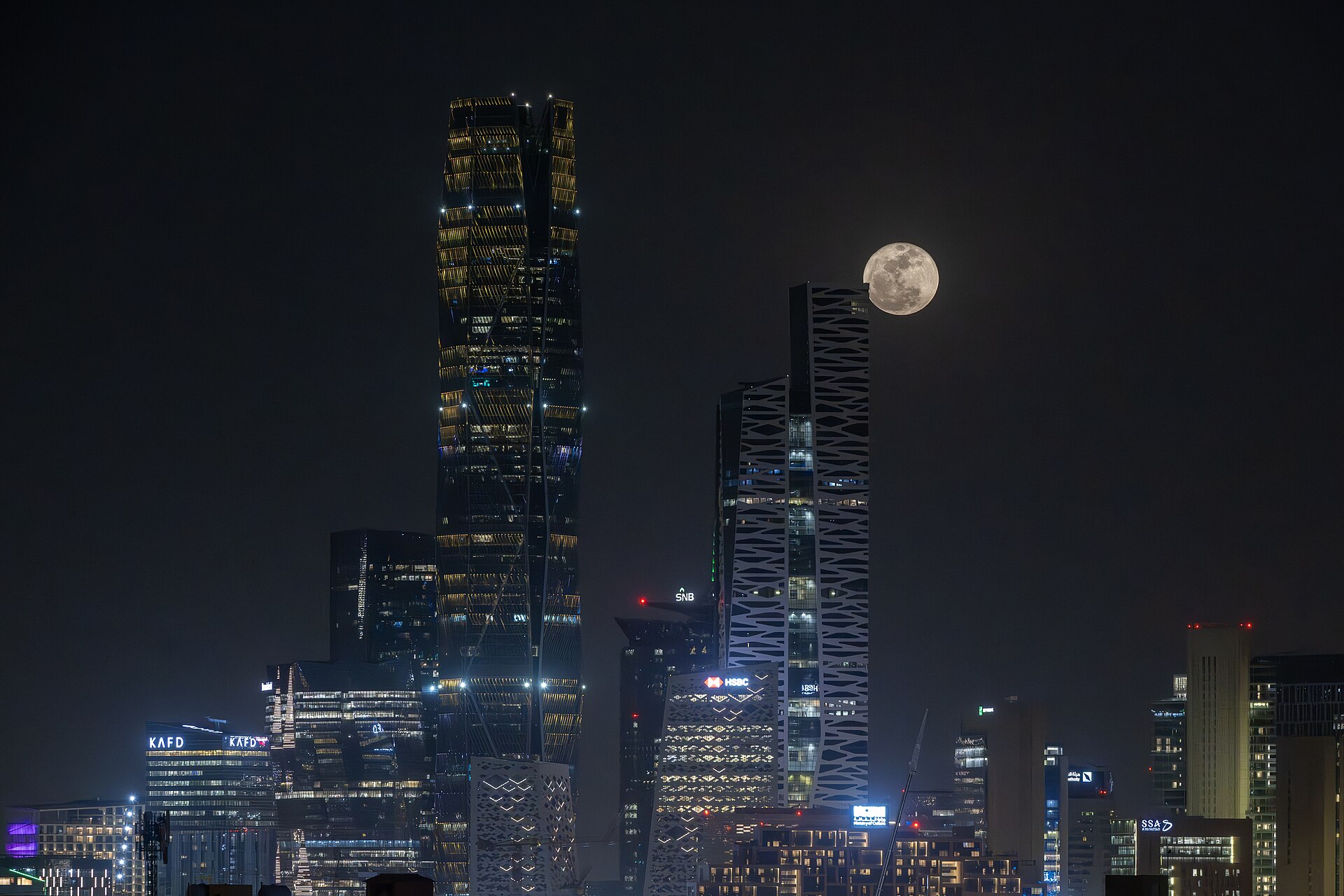
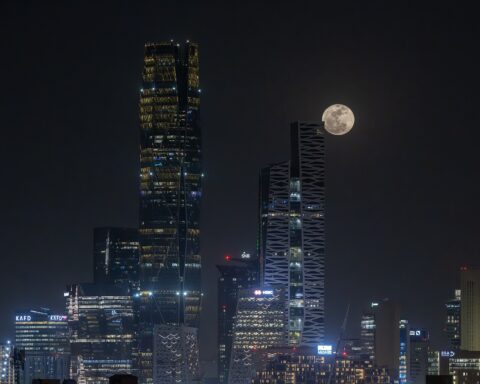
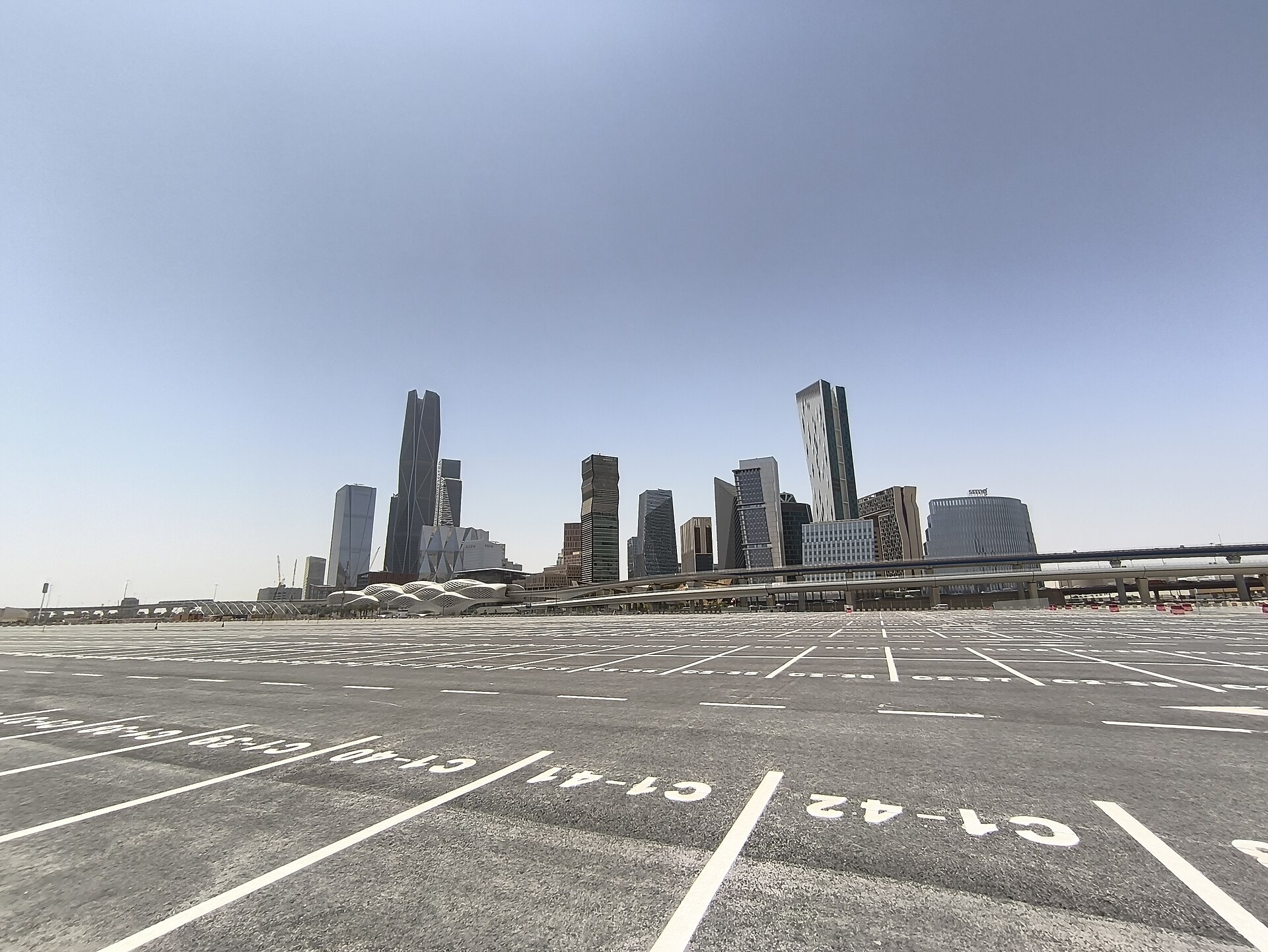
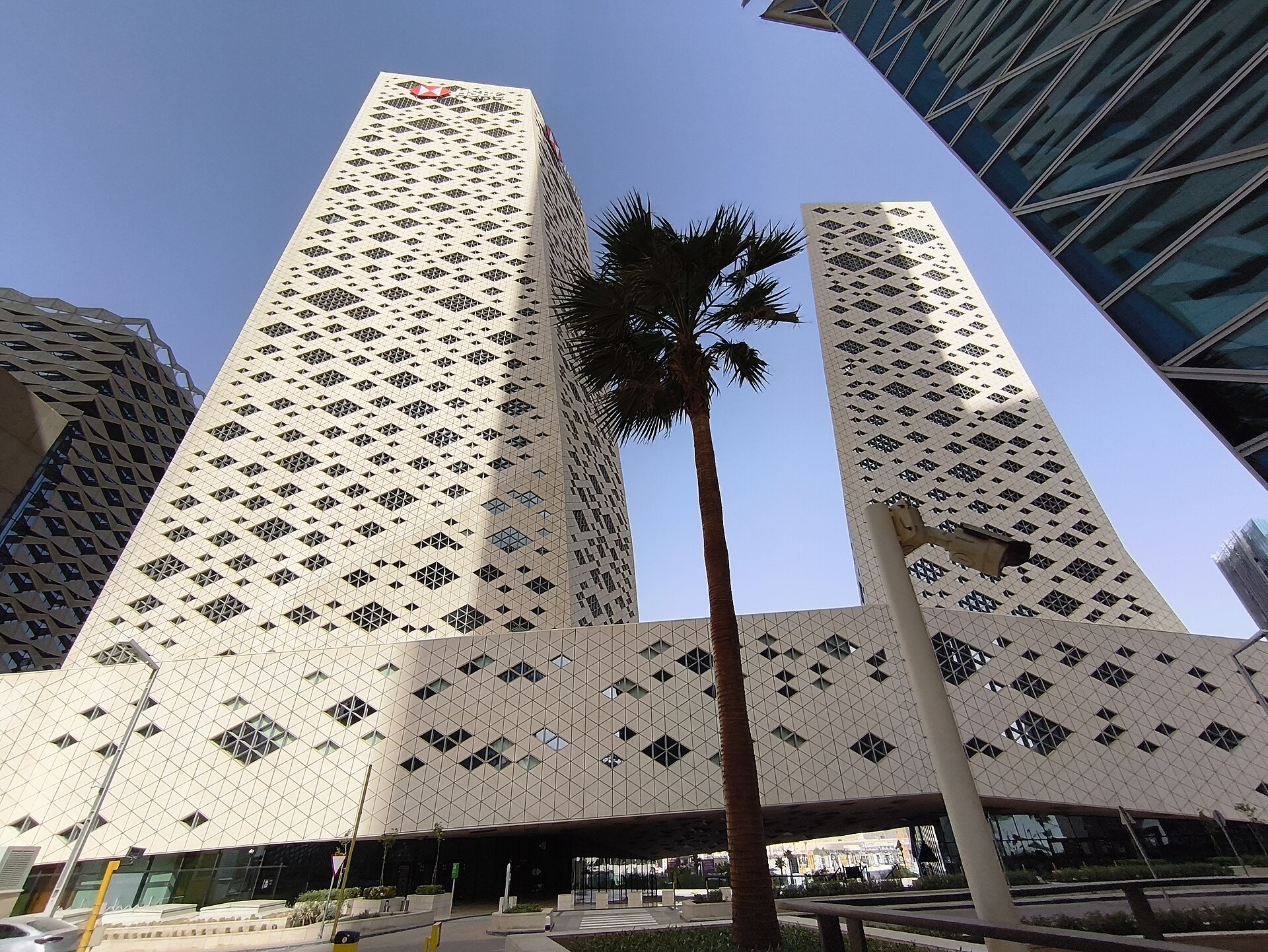
The budget was approved while the Kingdom’s territory is under direct attack at scale and the Strait of Hormuz is closed. On the day of the Cabinet session, a projectile struck a tower in Riyadh’s King Abdullah Financial District that witnesses identified as the PIF Tower, and the Saudi-led coalition called the attack cowardly. At a press conference the same day, Finance Minister Mohammed Aljadaan said there would be “no price tag or cap” on defense funds if the fighting requires more, Reuters reported.
The House of Saud Daily Briefing
Saudi Arabia's news in 3 minutes, every morning. Free. See today's issue
Table of Contents
- What the 2027 Budget Contains
- How Much Will Saudi Arabia Spend on Defense in 2027?
- Why Did the 2026 Deficit Overshoot?
- Hormuz Bypass Construction Pushed to 2028
- What Conditions Is the Budget Being Written Into?
- About 200 Emergency Measures and SANED Wage Support
- Debt, Reserves and Financing
- Background
- Frequently Asked Questions
What the 2027 Budget Contains
The approved numbers match those in the pre-budget statement the Ministry of Finance published in September, which projected SAR 1.392 trillion in spending, SAR 1.202 trillion in revenue and a deficit of about SAR 191 billion, Reuters reported via Zawya on 30 September. The Cabinet confirmed those figures without material revision. Ministry figures published on budget day put revenue in a range of SAR 1.201 trillion to SAR 1.202 trillion.
Tax revenue is projected at SAR 414 billion, up 4.5 percent from an estimated SAR 397 billion in 2026, according to Ministry of Finance data reported by Sabq and Gulf News. The 2027 fiscal year is also when the Zakat, Tax and Customs Authority begins applying a 15 percent minimum tax on multinationals from January 2027.
| Item (2027 budget) | Saudi riyals | US dollars (approx.) |
|---|---|---|
| Total expenditure | SAR 1.392 trillion | $371.2 billion |
| Projected revenue | SAR 1.201–1.202 trillion | $320 billion |
| Deficit | SAR 190.56 billion (3.6% of GDP) | $50.8 billion |
| Defense spending | SAR 263 billion | $70.1 billion |
| Tax revenue | SAR 414 billion | — |
| Public debt, end-2027 | SAR 1.923 trillion (35.9% of GDP) | — |
Source: Saudi Ministry of Finance via the Saudi Press Agency, Sabq, Gulf News and The National, 24 November 2026.
How Much Will Saudi Arabia Spend on Defense in 2027?
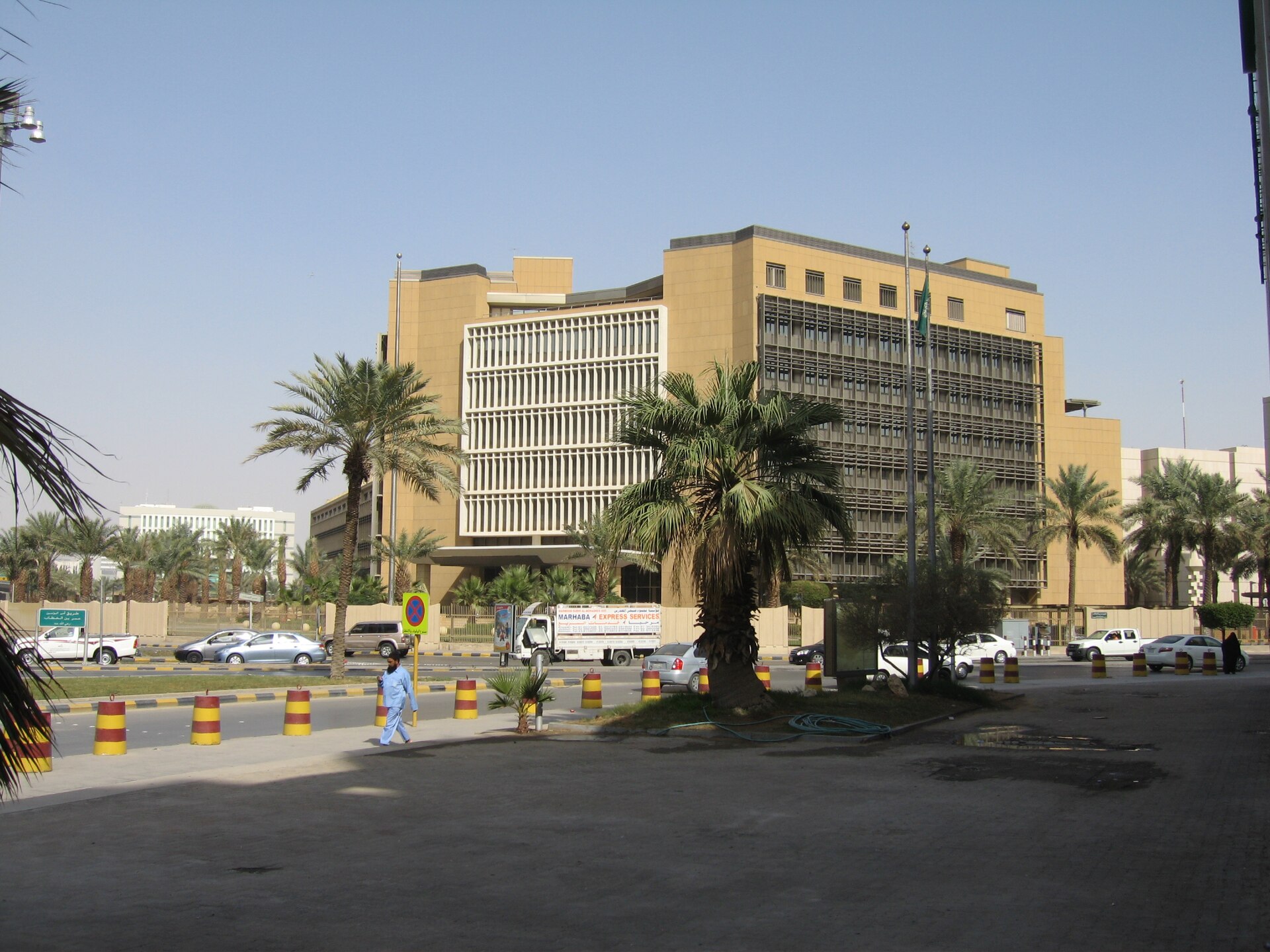
The budget assigns SAR 263 billion to the military, according to the Ministry of Finance. Aljadaan told reporters at the press conference that figure is not a fixed ceiling.
The defense allocation lands during changes at the top of the war effort. On 16 November, King Salman removed the commander of the Saudi-led coalition and appointed Al-Ruwaili, Chief of General Staff since February 2018, in his place, Saudi state media reported. The Kingdom also relies on outside support: CNN reported in September that about 200 US advisers were providing targeting data in Saudi Arabia.
“Blackmail by missiles … is a total mistake.”
Mohammed Aljadaan, Saudi Finance Minister, budget press conference, 24 November 2026 (The National)
The minister described the Kingdom as “resilient enough to withstand a prolonged conflict” and said spending decisions made before the war were now paying off. “We have invested in advance in a lot of the systems that now are relevant,” Aljadaan said, according to The National.
The Crown Prince’s Cabinet statement, carried by Asharq Al-Awsat, said the Kingdom would defend its “security, sovereignty and national assets” with “strength and resolve.” The statement was issued on the same day that a projectile struck the tower in the King Abdullah Financial District; details of that attack were reported separately.
Why Did the 2026 Deficit Overshoot?
The 2026 deficit is now estimated at SAR 245 billion, or 4.9 percent of GDP, against SAR 165 billion in the original budget, according to Reuters via Zawya and The National. Spending for 2026 is estimated at SAR 1.44 trillion, above the original budget of about SAR 1.39 trillion, according to Ministry of Finance estimates published on budget day. The 2027 expenditure figure of SAR 1.392 trillion sits below that 2026 estimate.
The ministry’s growth estimates changed between September and budget day. The September pre-budget statement projected real GDP contraction of 3.6 percent in 2026 and growth of 12.8 percent in 2027, Reuters reported via Zawya. Budget-day coverage in Gulf News gave the latest Ministry of Finance estimate as a 2.1 percent contraction in 2026, followed by 10.9 percent growth in 2027.
Both sets of figures show oil activities contracting by 21.8 percent in 2026. The revision came as Hormuz oil flows fell to about 10 million barrels a day as November attacks mounted, according to industry tracking data.
The non-oil economy also slowed. The Crown Prince’s Cabinet statement put 2026 non-oil real GDP growth at 2.5 percent, down from the 3.2 percent previously projected, according to Asharq Al-Awsat. The statement credited “flexible fiscal policies” with keeping the economy resilient.
“We are maximizing the impact of the Vision on people’s lives, transforming its achievements into a sustainable strength,” the Crown Prince said in the statement.
Hormuz Bypass Construction Pushed to 2028
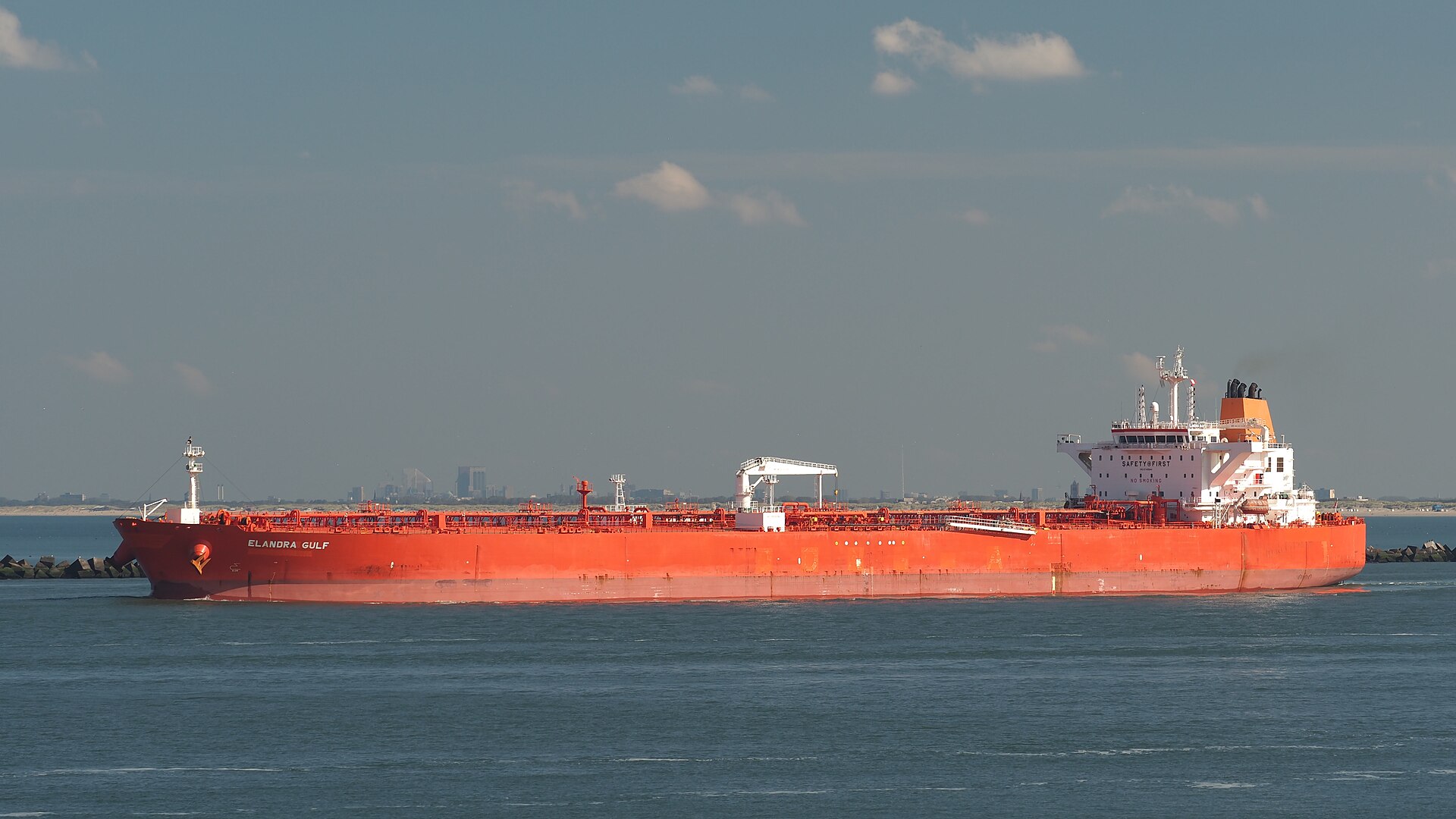
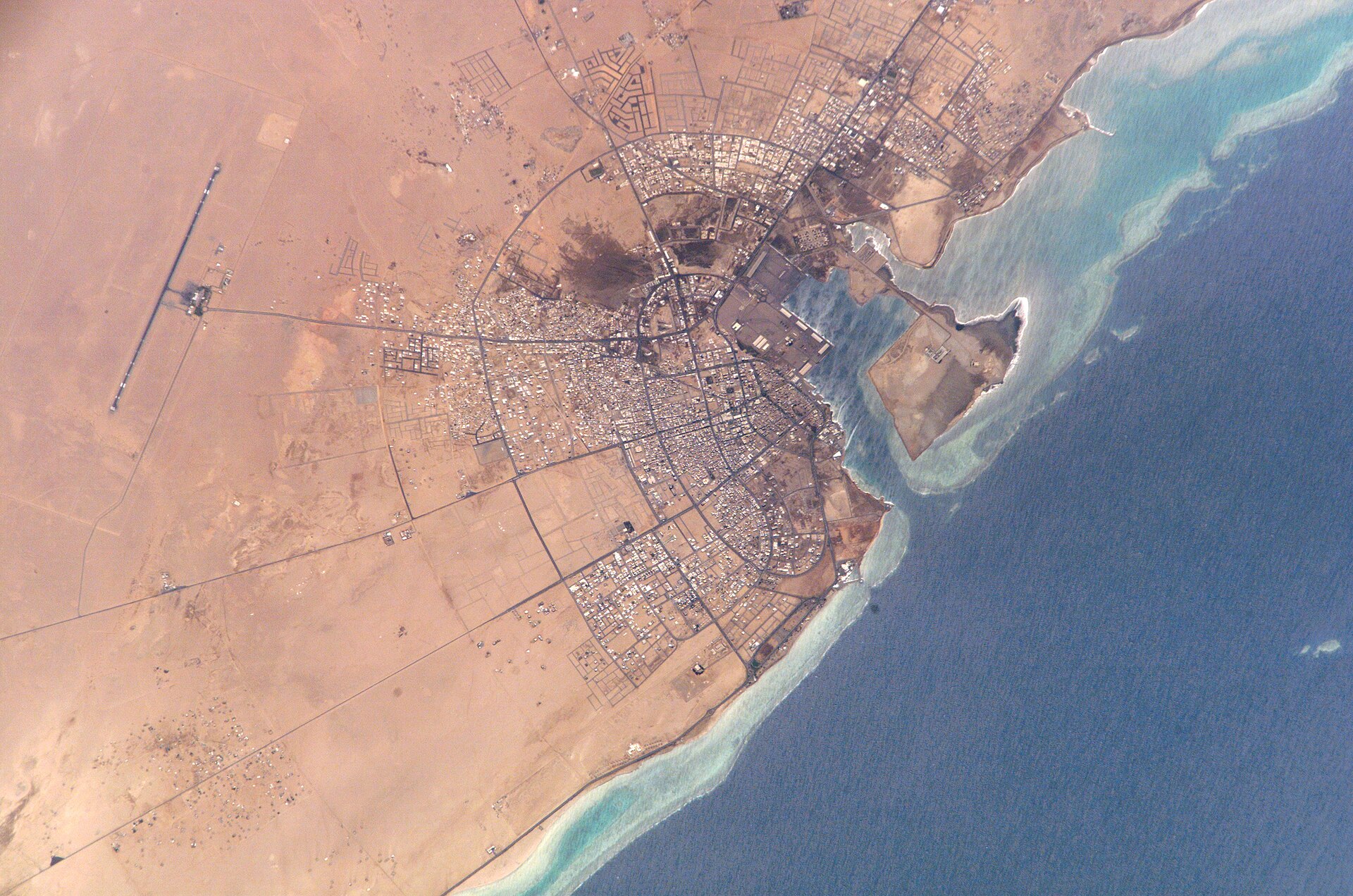
The Crown Prince’s statement named two pieces of infrastructure. It credited “utilizing the East-West Pipeline and ports along the western coast” with keeping export flows moving, Asharq Al-Awsat reported. The pipeline runs from the Eastern Province to Yanbu on the Red Sea, bypassing Hormuz, and has a capacity of about 7 million barrels a day, according to the Arab Center Washington DC.
New bypass capacity will take longer. Aljadaan said 2027 is “largely a design year” for transport infrastructure. Major construction, including new infrastructure to move oil outside the Strait of Hormuz, is expected in 2028, he said, Reuters reported.
Transport and logistics spending in 2027 falls by roughly SAR 3 billion from actual 2026 outlays, the minister said.
What Conditions Is the Budget Being Written Into?
The revenue line depends on an oil market that has weakened through November. Brent crude posted a third straight weekly loss and fell below $89 a barrel for the first time since August. The International Energy Agency had earlier reported an oil surplus in November 2026, the first since the Iran war began.
Outside forecasters have been more cautious than the ministry about 2026. S&P Global Ratings, in its September 2026 affirmation of the Kingdom’s rating, forecast a 0.9 percent GDP contraction for the year.
Supply policy for the budget year has not been set. OPEC+ meets on November 29 to set 2027 quotas with no plan past December, five days after the Cabinet vote.
Iran is also tightening its hold on Hormuz. On 24 November, Iran’s army ordered the Strait of Hormuz closed further each day until its conditions are met, Iran’s state media reported. Against a pre-war baseline of 138 transits a day, the Joint Maritime Information Center has described daily traffic as single-digit to low-double-digit. US President Donald Trump said on 23 November that he may order new strikes on Iran in 2027.
The fighting on the Kingdom’s southern front is also planned to run into the budget year. Saudi officials said on 19 November that the Kingdom plans a six-month campaign against the Houthis extending into 2027. On 23 November the Saudi-led coalition said it intercepted a Houthi ballistic missile fired toward the Makkah region.
The 24 November strike on the PIF Tower was the second in less than a week. A suspected Houthi missile damaged the same building on 19 November, the Saudi-led coalition reported at the time.
About 200 Emergency Measures and SANED Wage Support
Aljadaan said the Kingdom implemented “about 200” policy, procedural and regulatory measures this year in response to regional disruptions, according to Asharq Al-Awsat and The National. He listed working-capital financing for businesses importing food and production inputs, easier use of airports and ports, expanded transport and shipping capacity, and monitoring of goods flows.
The list also included a marine insurance pool and wage support through SANED, the Kingdom’s unemployment insurance scheme.
On the same day as the budget, King Salman issued a royal order activating SANED wage support for Saudi nationals at “eligible establishments” for up to three months, Asharq Al-Awsat and Sabq reported. The order did not name the sectors that will qualify.
The General Organization for Social Insurance has begun implementation procedures, according to Sabq. No list of eligible sectors had been published as of 24 November.
Debt, Reserves and Financing
Public debt is projected at SAR 1.923 trillion at the end of 2027, or 35.9 percent of GDP, according to the Ministry of Finance. The government’s ceiling is 40 percent. Government reserves at the Saudi Central Bank are projected at about SAR 399 billion through the end of 2027.
The ministry said the deficit will be financed through “bonds, sukuk, and loans at a fair cost, in addition to the expansion of alternative government financing operations.” The Public Investment Fund has already adjusted to tighter conditions: it capped foreign investment at 20 percent amid a $51 billion budget gap.
Abdullah Almeer, an assistant professor of economics at King Fahd University of Petroleum and Minerals, told Asharq Al-Awsat the 3.6 percent deficit target is meant to “balance economic stimulus with fiscal sustainability.” He identified geopolitics, oil markets and shipping as the main risks to the projections.
Hussein Alattas, a financial and economic adviser, said the budget shows the Kingdom is “not abandoning oil but building an economy capable of continuing to grow and expand under varying oil-market conditions,” according to Asharq Al-Awsat.
Background
The 2026 overrun began early. The Kingdom recorded a first-quarter deficit of SAR 125.7 billion (about $33.5 billion), its largest quarterly shortfall in about eight years, the Arab Center Washington DC reported in May.
Attacks on Saudi territory this year have reached the capital’s main airport. Strikes on King Khalid International Airport in Riyadh between 6 and 11 October killed at least 14 people, according to Saudi Gazette. The European Union Aviation Safety Agency has extended its warnings for six Gulf airspaces to 31 January 2027. Easing the use of airports was among the measures Aljadaan listed.
The war has also hit the Kingdom’s investment calendar. Saudi Arabia postponed the 10th Future Investment Initiative summit to October 2027.
The Crown Prince has chaired the Cabinet throughout the escalation. On 17 November he chaired a session dedicated to the war and Hormuz, according to Saudi state media, with King Salman absent from Cabinet sessions since October 20. The King’s royal order on SANED was issued on 24 November, the same day as the budget session.
Frequently Asked Questions
Who decides which sectors receive SANED wage support?
A ministerial committee will define the qualifying sectors, according to Asharq Al-Awsat and Sabq. It comprises the ministers of finance, economy and planning, and human resources, together with the Governor of the General Organization for Social Insurance.
What happens to the deficit if oil revenue is higher or lower than planned?
In a higher-revenue scenario the 2027 deficit narrows to SAR 132 billion, and in a lower-revenue scenario it widens to SAR 259 billion, according to a pre-budget analysis published by Asharq Al-Awsat.
How fast will Saudi public debt rise after 2027?
The Ministry of Finance projects public debt rising to 39 percent of GDP by 2029, just below the 40 percent ceiling, up from 35.9 percent at the end of 2027.
How does the 2027 deficit compare with the 2015 oil crash and the start of the Yemen war?
In 2015, when oil prices collapsed and the Saudi-led campaign in Yemen began, the Kingdom’s deficit reached about $98 billion, the Times of Israel reported in December 2015, equal to roughly 15 to 16 percent of GDP based on International Monetary Fund data. The 2027 projection is about $50.8 billion, or 3.6 percent of GDP.
The House of Saud Daily Briefing
Saudi Arabia's news in 3 minutes, every morning. Free. See today's issue