RIYADH — Saudi Arabia’s Public Investment Fund is exploring securitisation vehicles, minority stake sales and external borrowing to fund its portfolio growth as the sovereign wealth fund’s annualised return since inception fell to 5.8 per cent at the end of 2025, down from 7.2 per cent a year earlier, according to Reuters. The shift marks a structural turn in how the kingdom’s $904.5 billion investment vehicle finances itself — away from government equity injections and toward market-based instruments — at a time when a widening budget deficit and disrupted oil exports have squeezed the fiscal pipeline that once kept PIF expanding.
Three people familiar with the discussions told Reuters that PIF is in early-stage talks to securitise cash flows from portfolio companies, sell minority stakes in mature businesses, raise external financing for younger portfolio companies, trim positions in listed assets, issue bonds to international investors and borrow from export credit agencies. No transaction sizes or company names were disclosed. PIF declined to comment and pointed to its 2026–2030 strategy, Reuters reported.
The House of Saud Daily Briefing
Saudi Arabia's news in 3 minutes, every morning. Free. See today's issue
Table of Contents
A Return That Fell Before the War
PIF’s 2025 annual report, published in August 2026 and reported by Reuters and Zawya, attributed the fall in returns to “downward movements in the valuations of some assets” caused by “wider market conditions” — language that covered both public-equity losses and markdowns on unlisted holdings.
The fund’s own metric measures total shareholder return — a composite that includes Aramco equity transfers from the government, not only standalone investment gains. Tim Callen of the Arab Gulf States Institute in Washington estimated that PIF’s average annual return on its actual investments was approximately 4.7 per cent, with negative returns in three of the past five years, according to an AGSI analysis published in October 2026. The gap between PIF’s reported 5.8 per cent and AGSI’s 4.7 per cent reflects the difference between total shareholder return — which counts government asset transfers as value creation — and standalone investment performance.
Revenue told a different story. PIF reported revenue of $120 billion in 2025, up 9 per cent year on year, and net profit of $17 billion, more than double the prior year, according to the Saudi Press Agency. Gross assets under management stood at 3.396 trillion riyals, approximately $904.5 billion, a slight decline from 3.434 trillion riyals a year earlier, Reuters reported. Of that total, 76 per cent sat in domestic investments, 20 per cent in international holdings and 4 per cent in treasury instruments, according to PIF’s annual report.
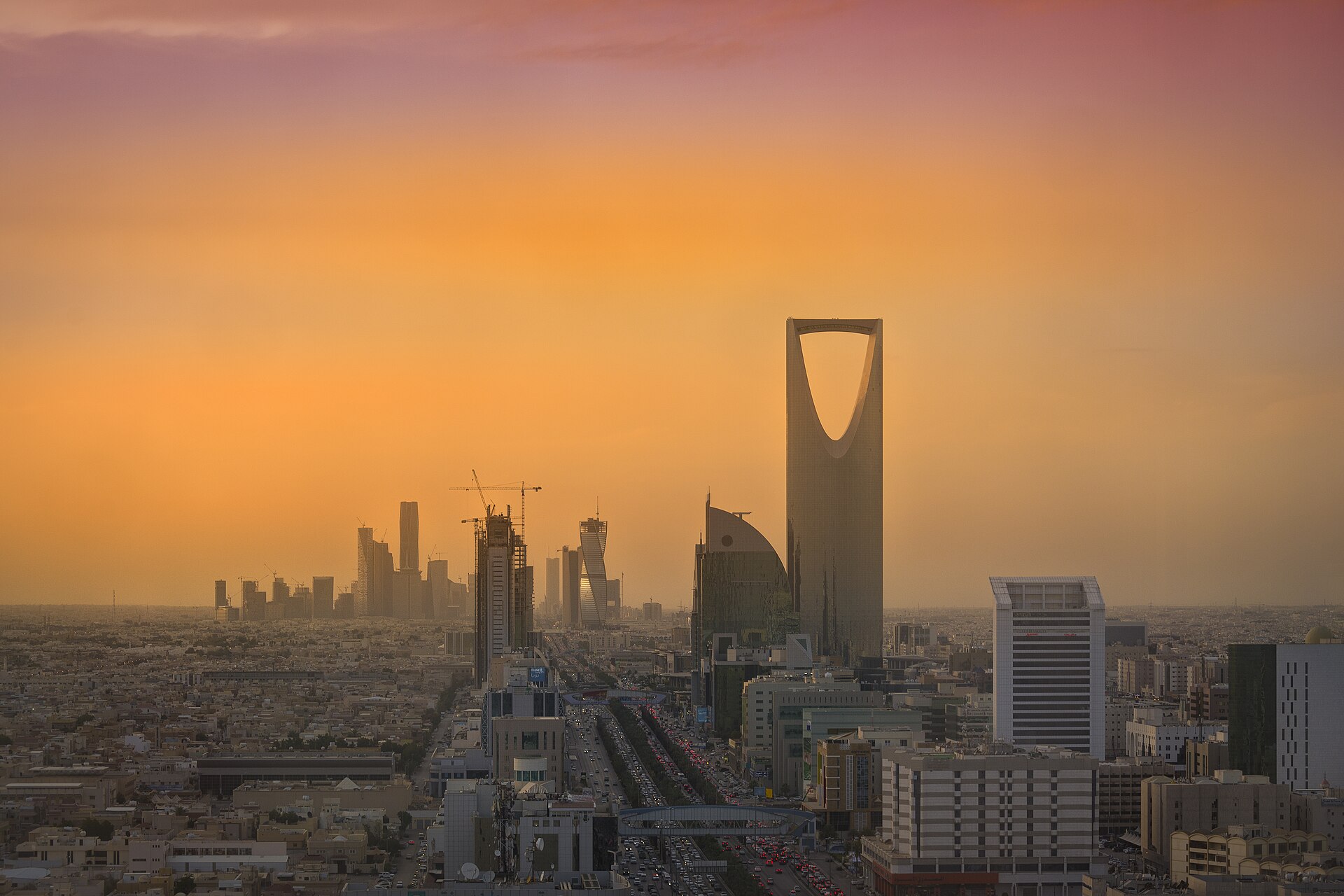
Rachel Ziemba, a macro-strategy adviser, observed in Finance Middle East in October 2026 that PIF had “moved from a diversified international portfolio to a more concentrated one, compared with its 2020 approach of buying small stakes in many companies.” The shift toward large domestic bets — NEOM, the entertainment giga-projects, Aramco-adjacent ventures — amplified the fund’s exposure to a single economy now absorbing the costs of war.
How Did PIF Fund Its Growth to $904 Billion?
PIF grew from 835 billion riyals ($223 billion) at the end of 2017 to approximately $904 billion at the end of 2025. The growth did not come primarily from investment returns. Tim Callen’s AGSI analysis, covering 2017 to mid-2023, broke down the sources: approximately 32 per cent of AUM growth came from government transfers of Aramco equity, 17 per cent from capital injections, 31 per cent from investment returns and 5 per cent from borrowing. Roughly half of AUM growth, in other words, came from the state moving public-sector assets onto PIF’s balance sheet.
PIF does not receive a direct share of oil export revenue. Its fiscal lifeline runs through Aramco dividends and government-directed asset transfers — a distinction that matters when oil exports fall. Saudi oil exports have declined roughly 2 million barrels per day from prewar levels, reaching approximately 60 to 70 per cent of prewar volumes, according to Kristian Coates Ulrichsen at the Arab Center Washington DC.
AGSI estimated that meeting PIF’s domestic investment targets through 2030 may require approximately 1 trillion riyals — roughly $270 billion — in new capital injections. That estimate predated the war. Global SWF, the research firm, noted in November 2026 that PIF’s domestic portfolio scale means expansion “cannot depend indefinitely on new PIF equity,” according to Hedgeweek.
Securitisation, Stake Sales and the New Toolkit
The Reuters report of November 10, 2026, based on three unnamed sources, described a menu of instruments PIF is evaluating. Securitisation vehicles would package predictable cash flows from mature portfolio companies — revenue streams from toll roads, utilities or real-estate leases — into tradable securities. Minority stake sales would bring outside investors into businesses PIF considers strategically important but no longer needs to own entirely.
External financing would fund younger portfolio companies that have not yet reached the scale to attract private capital on their own. Bond issuances would tap international debt markets, and export credit agency borrowing would draw on concessional financing tied to procurement.
PIF’s stated goal, as reported by Reuters via ARY News, was to “grow investments without injecting more of its own capital.” The language echoed the 2026–2030 strategy approved on April 15, 2026, by PIF’s board — chaired by Crown Prince Mohammed bin Salman — which described a shift “from rapid expansion to consolidating efficiency” and toward enabling the private sector, according to the strategy’s published details reported by Jawlah. The strategic pivot predated the war, which began on February 28, 2026. Governor Yasir al-Rumayyan first signalled the direction in October 2025, according to Arab Center Washington DC.
Coates Ulrichsen argued that “the war reinforces Riyadh’s earlier decision to adopt fiscal realism.” The capital-model shift was planned; the war made it urgent. Whether any of the securitisation vehicles close depends, Reuters reported, on “the company’s sector, its strategic importance to the fund and Vision 2030, and its financial self-sufficiency.”
Deals Already Closed: Al Hilal, Humain and What Comes Next
Two transactions completed in 2026 illustrated the direction. In April, Kingdom Holding Company — the investment vehicle of Prince Alwaleed bin Talal — signed a binding agreement to acquire 70 per cent of PIF-owned Al Hilal football club; the transaction closed in September 2026 at an enterprise value of 1.4 billion riyals, approximately $373 million, according to Reuters. PIF said the sale “aligns with PIF’s strategy to maximise returns and redeploy capital within the domestic economy.”
In November, PIF sold a 49 per cent stake in Humain, its artificial intelligence infrastructure company, to Saudi Aramco. Aramco committed to investing $2.6 billion into Humain during the year, according to Reuters. PIF retained control. Global SWF said the Humain transaction “does not imply an immediate liquidity problem,” according to Hedgeweek — a measured assessment that nonetheless acknowledged the question the sale raised.
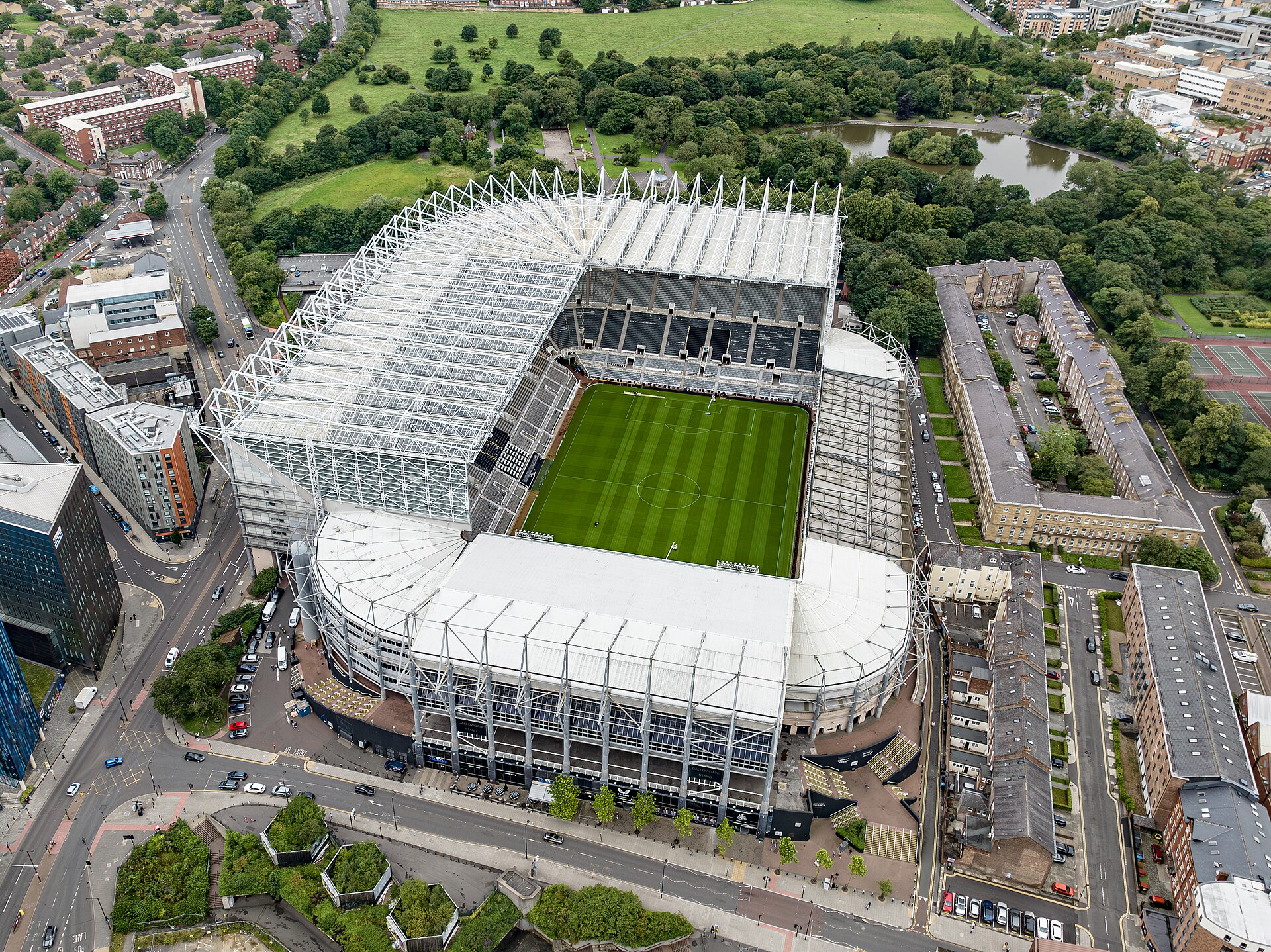
Further transactions are in various stages. PIF-owned ROSHN, the real-estate developer, is seeking investors for a project to free up capital, though no project name or deal size has been disclosed, Reuters reported. PIF is also considering a minority stake sale in English Premier League club Newcastle United, with no buyer named, according to Reuters via Hedgeweek. And PIF said in April it would fund LIV Golf only through the 2026 season, saying a longer commitment “is no longer consistent with the current phase of PIF’s investment strategy,” according to Al Jazeera — a quieter form of capital reallocation.
The pattern across Al Hilal, Humain, ROSHN and LIV Golf is consistent: retain what serves the mandate, monetise what does not, and bring in co-investors to share the capital burden on what remains.
What Stands in the Way?
Reuters identified four obstacles. Valuation gaps: sellers and buyers disagree on what PIF’s unlisted assets are worth, particularly in a market where comparable transactions are thin. Control disputes: PIF has historically operated with full ownership, and negotiations over minority protections, board seats and exit rights are unfamiliar territory. A weak IPO market: listings that might have provided an exit route — NEOM subsidiaries, entertainment assets, sports properties — face a Saudi exchange trading under wartime uncertainty. Tight bank liquidity: the same fiscal pressures that constrain PIF also constrain the Saudi banks that would normally underwrite its instruments.
The 2026–2030 strategy itself scaled back or repositioned several giga-projects. The Line at NEOM was reportedly halted until after 2030, with its population target cut to 100,000, according to Semafor in May 2026. Trojena’s ski-village and dam contracts were terminated in March 2026, with NEOM citing “geopolitical developments in the Middle East,” according to ME Construction News and MEED. The Asian Winter Games, planned for Trojena in 2029, were “indefinitely postponed” in January 2026, according to MEED. PIF described NEOM’s new direction as an industrial-logistics hub rather than a futuristic city, according to Arab Center Washington DC and Reuters.
The giga-project retreats reduce future capital demands but also eliminate potential IPO candidates and revenue streams that might have supported securitisation vehicles. A project that never reaches commercial operation cannot generate the cash flows needed to back a tradable security.
The Fiscal Backdrop: Deficits, Oil and a Contracting Economy
PIF’s capital-model shift sits inside a broader fiscal squeeze. Saudi Arabia’s 2026 budget deficit reached 245 billion riyals, up from a budgeted 165 billion, according to Reuters via Zawya. The IMF’s October 2026 World Economic Outlook projected Saudi GDP to contract 3.3 per cent in 2026, according to Reuters and AFP via Al Ahram English. Saudi oil exports fell roughly 2 million barrels per day from prewar levels, according to Arab Center Washington DC — a decline driven by the Strait of Hormuz disruptions, attacks on export infrastructure and OPEC+ production adjustments.
The government’s pre-budget statement projected 2027 spending of 1.39 trillion riyals against revenue of 1.20 trillion, leaving a deficit of 191 billion riyals, 3.6 per cent of GDP, according to Reuters via Zawya. It forecast oil activities falling 21.8 per cent in 2026 before rebounding 12.8 per cent in 2027 — projections that assumed some normalisation of export routes.
Against this backdrop, PIF’s domestic weight is substantial. The fund said it had invested over $199 billion in Saudi Arabia and contributed over $342 billion cumulatively to non-oil GDP between 2021 and 2025, according to its annual report. PIF accounted for 11 per cent of non-oil GDP in 2025, Asharq Al-Awsat reported. Saudi Arabia issued thousands of new investment licences in the third quarter of 2026, but the broader investment climate operates under conditions the fund did not face when it began its expansion: a war in the Gulf, disrupted export routes, and a government deficit that limits the equity top-ups PIF once relied upon.
Coates Ulrichsen wrote that “shedding loss-making projects may help Saudi Arabia handle an uncertain postwar economy.” The implication — that the economy may need to be managed through rather than past the current disruption — sat behind PIF’s pivot toward self-financing instruments. If PIF can raise capital from markets rather than the treasury, it frees fiscal space for the government’s own wartime spending, including the oil production infrastructure and defence commitments that now compete with Vision 2030 for the same budget.
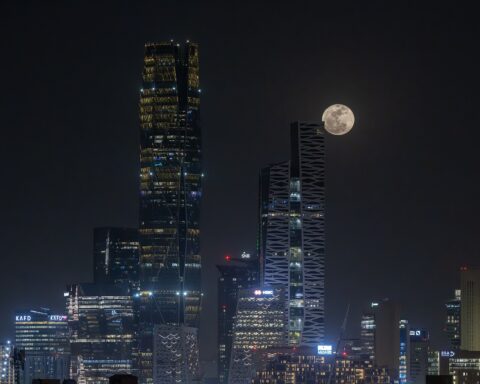
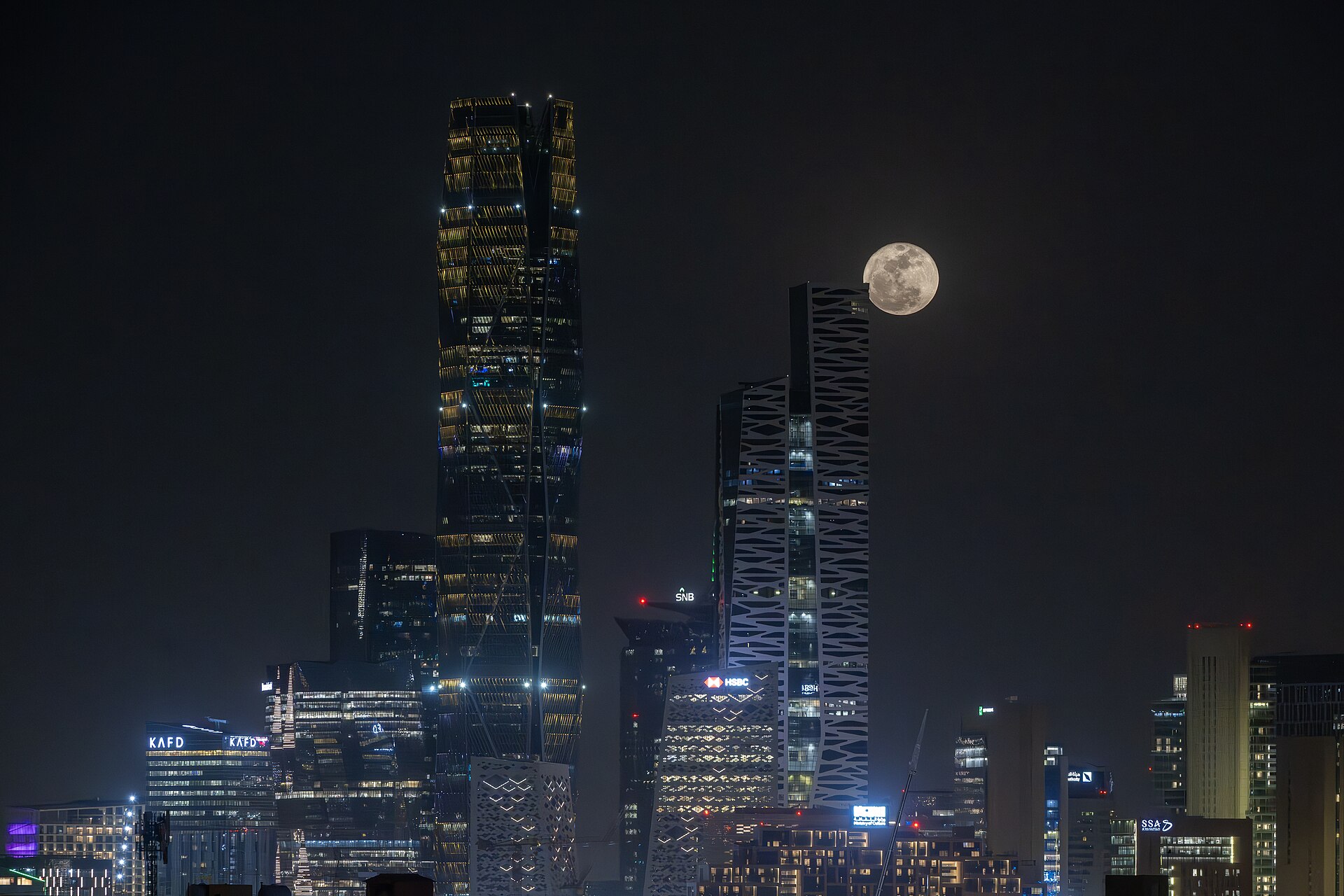
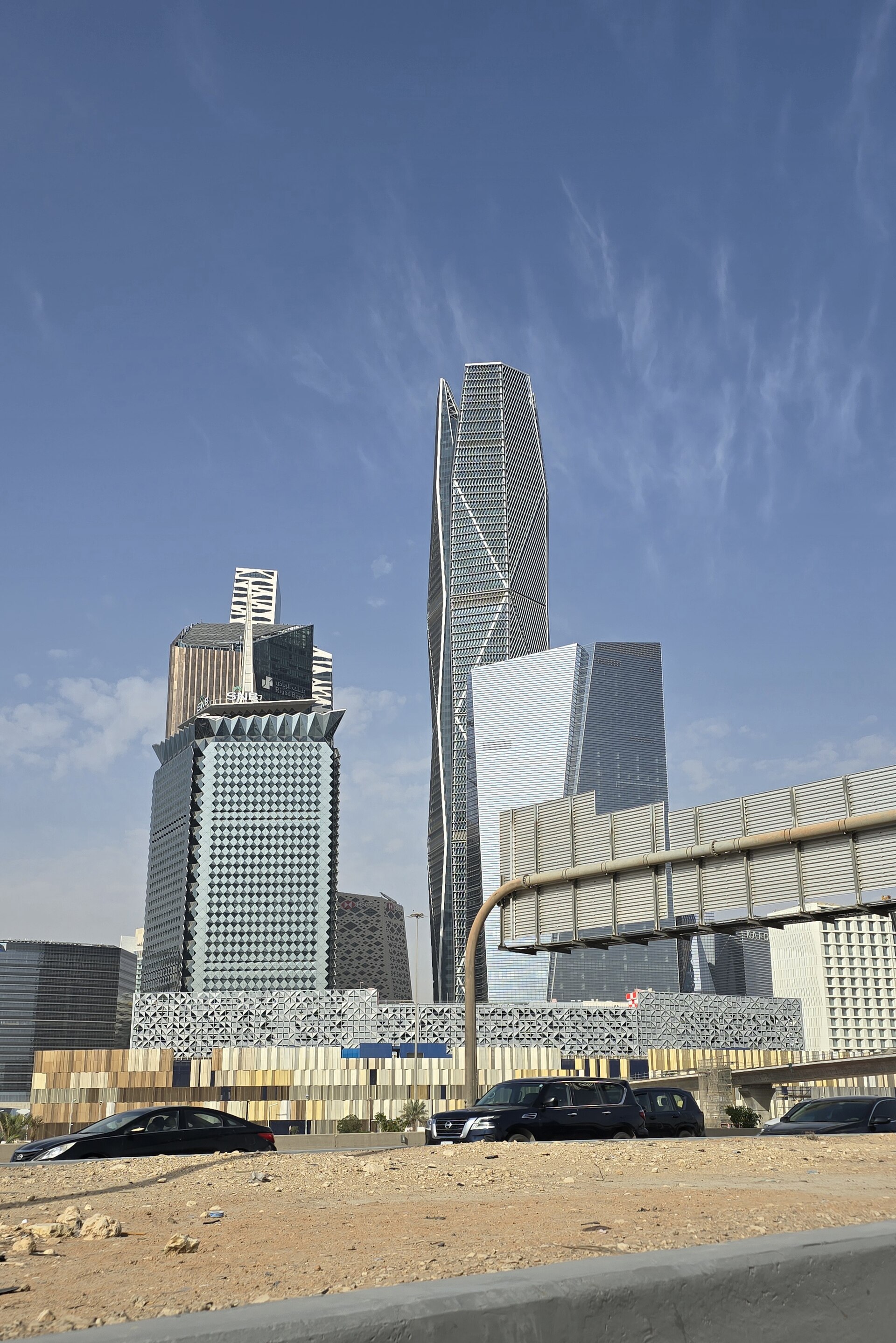
Gulf sovereign wealth funds collectively deployed approximately $25 billion in the first quarter of 2026 — PIF, Mubadala and QIA combined — according to Global SWF and AGSI. But the tempo has shifted. Mubadala led Gulf SWF dealmaking in 2026 with $26.2 billion deployed to that point, according to Finance Middle East and Global SWF — a contrast with PIF’s more cautious posture. PIF’s physical infrastructure also faces direct risk: a suspected Houthi missile damaged the PIF Tower in Riyadh’s King Abdullah Financial District on November 19, a reminder that the fund’s domestic concentration carries security as well as financial exposure.
Frequently Asked Questions
Does PIF face a liquidity crisis?
The fund has not signalled a funding crisis. Its securitisation and stake-sale discussions are described by Reuters as early-stage and strategic — aimed at long-term self-sufficiency, not emergency fundraising. The key distinction is structural: PIF is redesigning a capital model that relied on government equity injections, not responding to a shortfall in cash. A fund in distress sells assets quickly at a discount; PIF is building market infrastructure to avoid having to do that.
How does PIF’s performance compare with other Gulf sovereign wealth funds?
Direct comparisons are difficult because Gulf sovereign wealth funds use different return metrics and disclosure standards. Mubadala, the Abu Dhabi fund, led Gulf SWF dealmaking in 2026 with $26.2 billion deployed, according to Global SWF and Finance Middle East. PIF’s 5.8 per cent annualised return since inception is a total-shareholder-return figure that includes government equity transfers; AGSI’s independent estimate of standalone investment returns was 4.7 per cent, with negative returns in three of five years. Neither Mubadala nor QIA publishes an equivalent since-inception return figure.
What happens to Vision 2030 if PIF cannot raise enough external capital?
AGSI estimated that meeting PIF’s domestic investment targets through 2030 may require approximately 1 trillion riyals in new capital injections. If securitisation vehicles and stake sales underperform, the government faces a choice between increasing fiscal transfers — widening the deficit further — or scaling back project timelines. The 2026–2030 strategy already moved in the latter direction, with NEOM repositioned as an industrial hub and several giga-projects suspended. The strategic question is not whether PIF spends less, but whether it spends differently enough to sustain the mandate on its own earnings and market borrowing.
Can PIF securitise assets during a war?
Securitisation requires investors to price risk, and wartime conditions complicate that pricing. Reuters reported valuation gaps as a primary obstacle. Cash flows from domestic assets — real estate, utilities, infrastructure — carry sovereign risk that international investors will discount more heavily during active conflict. Export credit agency borrowing may prove more accessible because it is tied to procurement rather than portfolio valuation, but ECAs typically require project-specific collateral and government guarantees that add to the fiscal burden securitisation is meant to relieve.
Has PIF sold international assets to raise capital?
PIF’s international portfolio is under review. Reuters reported early-stage discussions about trimming listed positions and a potential minority stake in Newcastle United — no buyer named. The clearest completed step was LIV Golf: PIF ended its commitment to fund beyond 2026, and no successor primary sponsor has been announced. For international holdings PIF continues to own outright, a minority sale would generate capital without full divestment — structurally different from the domestic securitisation programme, which does not involve ownership transfer. Aramco’s separate pricing decisions and PIF’s international review both point toward the same domestic priority, though the two are managed independently.
The House of Saud Daily Briefing
Saudi Arabia's news in 3 minutes, every morning. Free. See today's issue