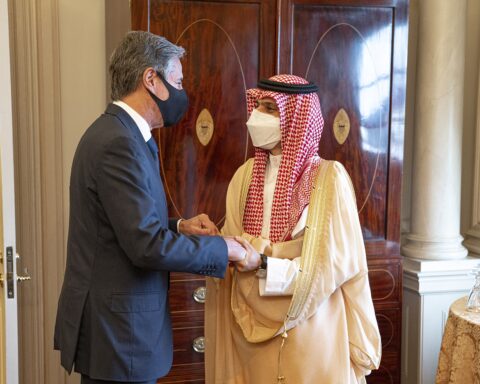
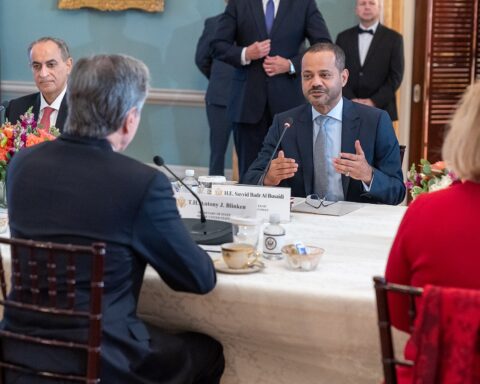
RIYADH — Crown Prince Mohammed bin Salman chaired the Saudi cabinet on November 17 to address regional security, maritime corridor stability, and an energy cooperation memorandum with Canada, Arab News and ksa.com reported on November 18. The session extends a pattern in which the 41-year-old prime minister has led government meetings while his 90-year-old father, King Salman, remains away from public view — the king has not appeared at a cabinet session since October 20, when Reuters described his presence as “his first reported public appearance since Sept. 22.”
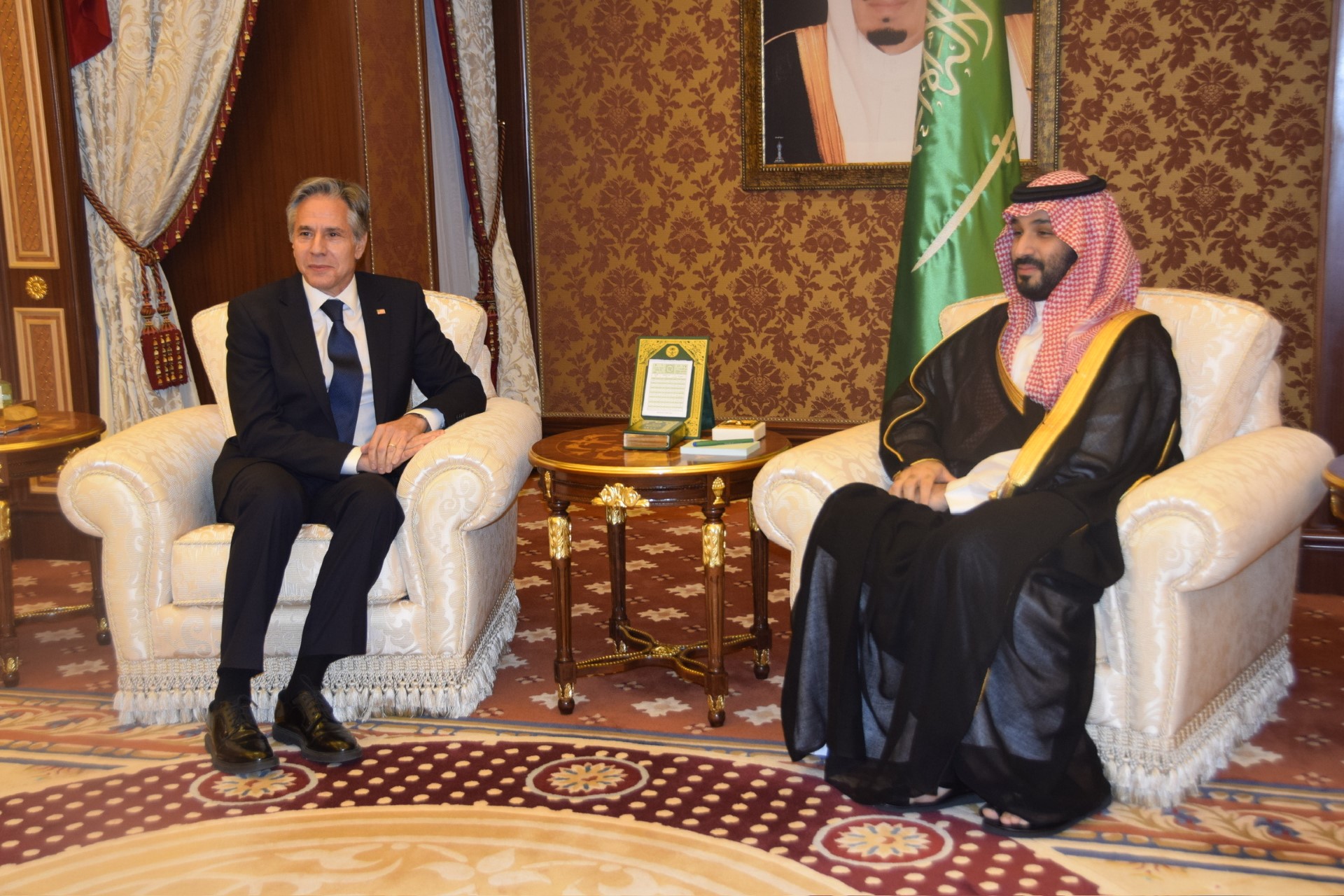
Twenty-nine days have now passed since the October 20 session without another confirmed public appearance. That timeline hangs over every decision coming out of the Saudi government at a moment when the kingdom is fighting a war with Iran, managing threats to the Strait of Hormuz, and enduring repeated attacks on its airports and cities. King Salman remains formally active — he signed a royal decree on November 16 replacing the coalition’s military commander — but formal authority and visible leadership serve different functions, and the gap between them has grown harder to dismiss as the conflict deepens.
The House of Saud Daily Briefing
Saudi Arabia's news in 3 minutes, every morning. Free. See today's issue
The November 17 session is constitutionally routine. MBS has served as prime minister since 2022, giving him clear legal standing to chair cabinet and direct the government’s agenda. The wartime context gives the pattern its weight: Saudi Arabia is absorbing missile and drone strikes on its territory, coordinating a coalition offensive in Yemen, and managing the most severe disruption to Gulf shipping routes in decades — all while the king’s public role has contracted to the issuing of written decrees.
Table of Contents
What Did the November 17 Cabinet Address?
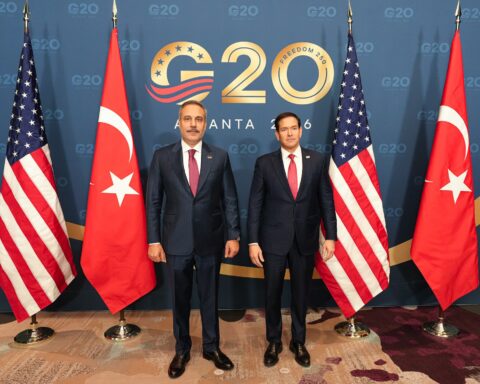
The cabinet session covered three main areas: regional security and peace efforts, the stability of energy markets, and the safety of maritime corridors, according to Arab News and ksa.com reporting published on November 18. The session also discussed a memorandum of understanding with Canada on energy cooperation — an extension of the diplomatic track that has seen multiple exchanges between MBS and Canadian Prime Minister Mark Carney in recent months, including a phone call around November 10 and an in-person meeting in July 2026.
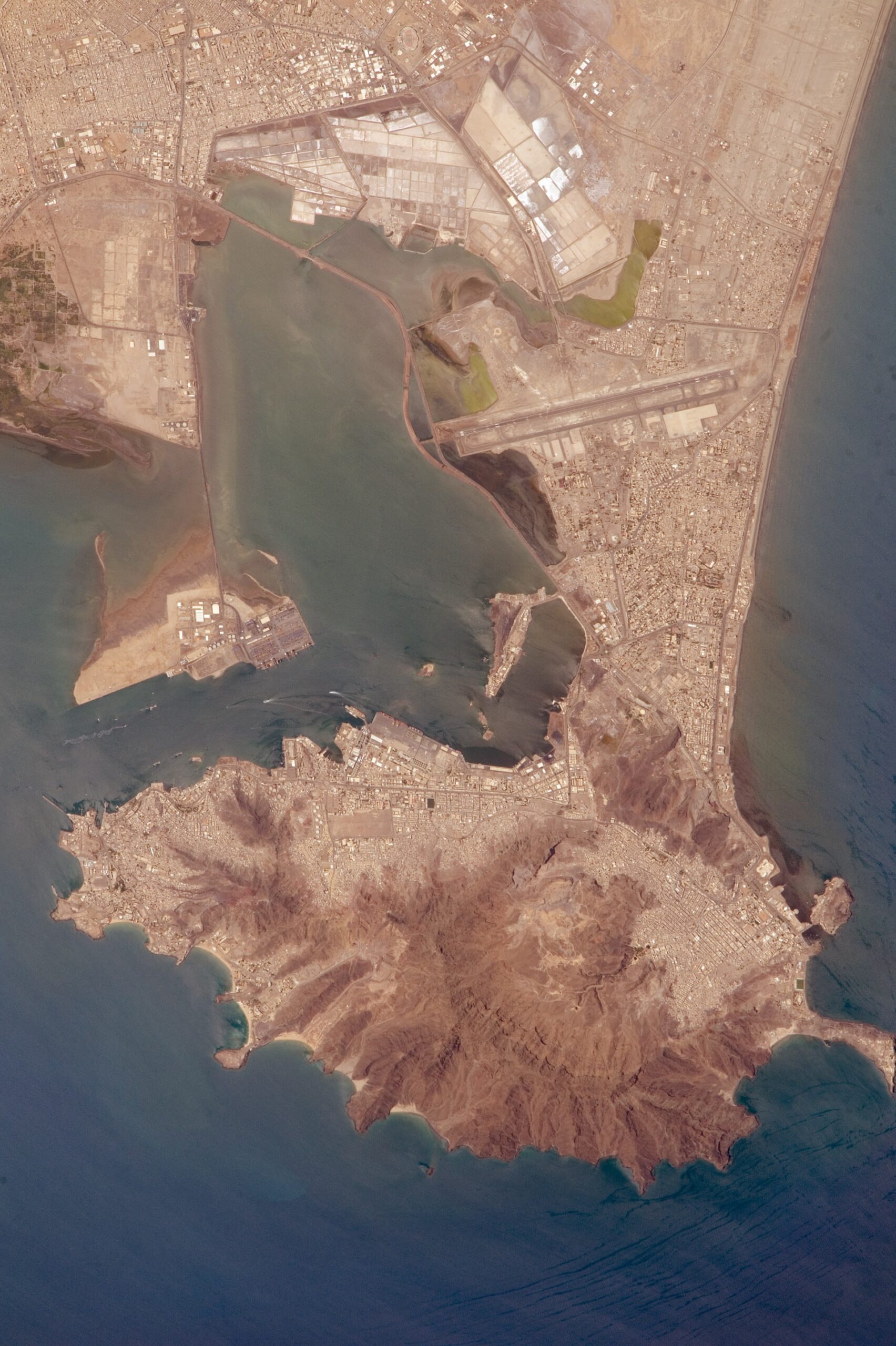
The regional security discussion reflects Saudi Arabia’s simultaneous threats from multiple directions. Houthi forces in Yemen have pressed toward Aden, raising concerns about a potential siege of the port city, while Iranian drones have struck targets in Bahrain and Kuwait and the Strait of Hormuz remains effectively contested by IRGC mines, damaged tankers, and diverted shipping. Coalition forces have been intercepting missiles and drones aimed at Saudi cities, including the capital, while conducting large-scale strikes on Houthi positions in Yemen.
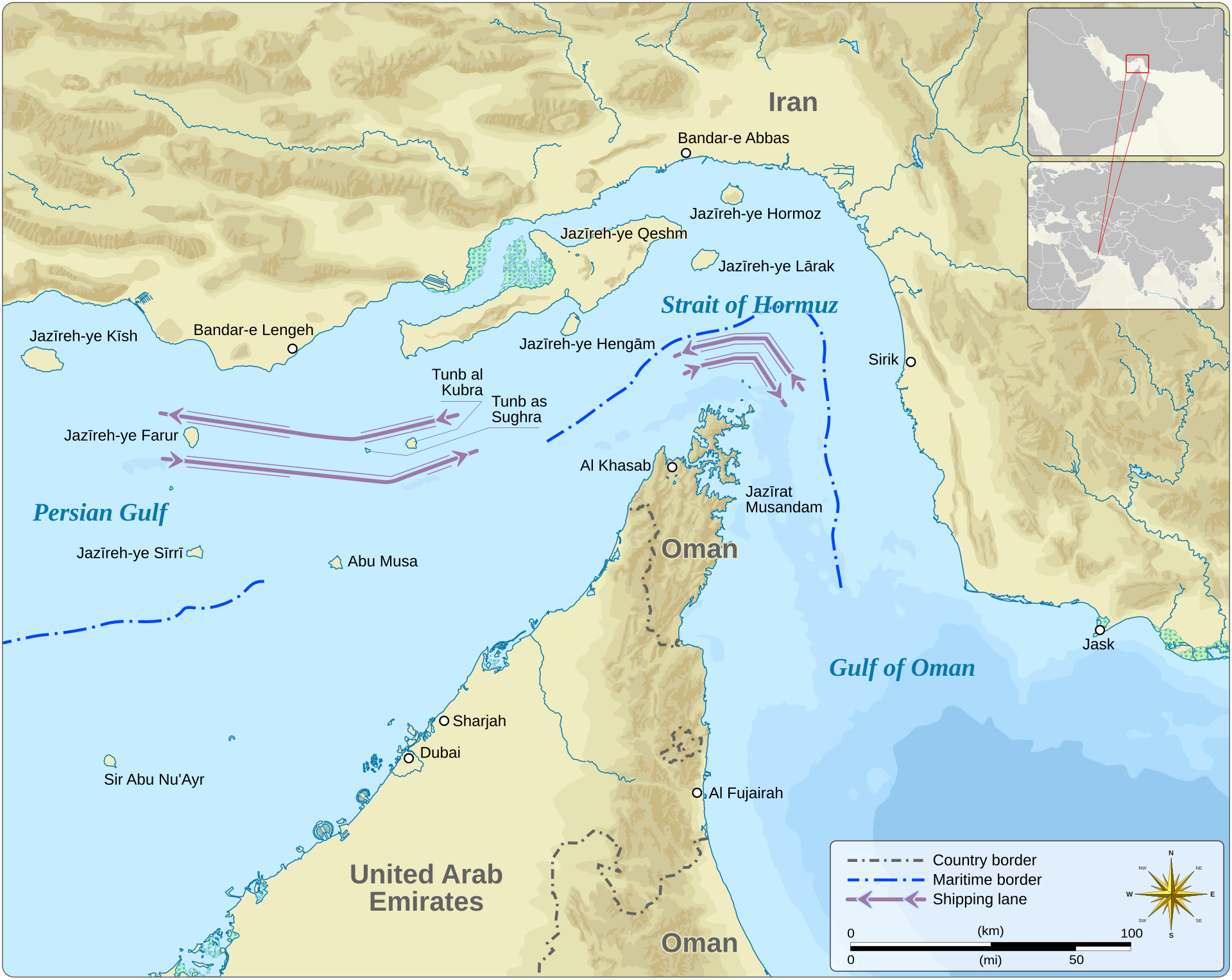
Maritime corridor stability — a central item on the cabinet’s agenda — speaks directly to Saudi Arabia’s economic lifeline. The kingdom depends on Gulf shipping lanes for the overwhelming majority of its crude oil exports, and the ongoing disruption to Hormuz has forced a partial shift to Red Sea export routes through the Yanbu terminal. The reference to maritime corridors in the cabinet communiqué reflects a government managing a wartime economy in real time, not simply a diplomatic talking point.
The Canada MoU adds a broader diplomatic dimension to the session’s work. MBS spoke with Carney by phone around November 10, and the energy partnership signals an effort to diversify export relationships and infrastructure cooperation at a time when traditional Gulf shipping routes face sustained disruption from Iranian military activity.
King Salman’s Narrowing Public Role
King Salman, who is 90 years old according to The Daily Star, chaired a cabinet session on September 22 in Jeddah, during which the government condemned Houthi attacks targeting the holy city of Makkah, Asharq Al-Awsat reported. He then did not appear publicly for approximately 28 days until an October 20 cabinet session in Riyadh, which Reuters described as “his first reported public appearance since Sept. 22,” according to Reuters via Yahoo News Canada.
Since that October 20 session, King Salman has not been reported at any cabinet meeting. MBS chaired the next confirmed session on October 27, according to Saudi Gazette, and again on November 17, per Arab News and ksa.com. As of November 18, 29 days have elapsed since the king’s last confirmed public appearance — a gap that now exceeds the 28-day interval that Reuters noted between his September and October sittings.
The king’s public activity in 2026 has been punctuated by periods of absence and bouts of speculation. In January, King Salman was hospitalised, though the Royal Court said test results were “reassuring,” and he chaired cabinet days later, Al-Monitor reported on January 20. In April, false rumours of his death circulated on social media, traced by Palestinian outlet Raya.ps to an unverified account called “Iranian Events” on X — rumours that were swiftly debunked but that reflected the degree to which the king’s health has become a subject of persistent public speculation.
None of this means King Salman is incapacitated, and no Saudi official has said so. No medical disclosure has been made, and the Royal Court has issued no formal health statements since the January hospitalisation. What the pattern does show is a monarch whose public footprint has contracted during exactly the period when Saudi Arabia has confronted a severe and sustained security crisis — a contraction that leaves MBS as the sole visible face of Saudi governance when visibility itself carries political weight.
Why Can MBS Govern Without the King?
The constitutional answer is straightforward. MBS has held the title of prime minister since September 2022, when King Salman issued a royal decree creating the position for the crown prince. The Saudi Basic Law and subsequent royal orders give the prime minister authority to chair the Council of Ministers, set the government’s agenda, and oversee domestic and foreign policy. When MBS chairs cabinet, he exercises formal constitutional powers rather than acting as a temporary stand-in.
On August 13, 2026, King Salman reconstituted the cabinet under MBS via royal decree, in accordance with the four-year term requirement for the Council of Ministers, The National News reported. That reconstitution reaffirmed MBS’s authority over the full machinery of Saudi governance for a fresh term — a procedural step, but one that confirmed the crown prince’s centrality to the state apparatus during active conflict.
Stephen Kinzer, a senior fellow at the Watson Institute for International and Public Affairs at Brown University, offered a sharper framing in the Boston Globe on October 22. Kinzer wrote that MBS had abandoned his family’s tradition of collective decision-making “by concentrating all authority in his own hands.” Kinzer also observed that MBS “has dropped out of sight and is reportedly moving among palaces and bunkers” — a characterisation that aligned with Wall Street Journal reporting published eight days earlier, cited by The Daily Star.
The concentration of decision-making in MBS is not new and predates the current war; it has been a defining feature of his tenure as crown prince and de facto ruler of Saudi Arabia. But wartime has made the arrangement more visible, and the king’s diminished public presence has removed the symbolic counterbalance that the Saudi system traditionally maintained — even when real power rested with the next in line.
Royal Decrees Still Flow Despite the Silence
If King Salman’s public role has narrowed, his formal authority has not vanished. On November 16, the king signed a royal decree replacing the coalition’s military commander, Lt. Gen. Fahd bin Hamad Al-Salman, and appointing Gen. Fayyad Al-Ruwaili to the position, The National News reported. Al-Ruwaili, who has served as Chief of the General Staff since February 2018, now takes on direct responsibility for the coalition’s military operations as Saudi-led forces conduct a major offensive in Yemen and defending the kingdom’s cities and energy infrastructure from aerial attack.
The timing of the decree matters as much as its content. The coalition had just struck dozens of targets in Yemen, and Houthi forces were pressing their advance toward Aden when the command change was announced. A wartime leadership switch of this magnitude — replacing the officer directing combat operations — signals either a planned rotation or a response to battlefield conditions, and in either case it was King Salman’s decree that executed it.
This is the essential duality of King Salman’s current position: absent from public view but still functioning as the constitutional head of state through written instruments of authority. The question that the duality raises is whether this arrangement can persist indefinitely without political consequence, or whether the growing distance between the pen that signs decrees and the face the public last saw on October 20 will eventually produce its own pressures — from within the royal family, among allied governments, or in the perceptions of adversaries watching for any sign of institutional strain.
What Does the Succession Law Actually Provide?
Saudi Arabia’s Succession Commission Law, enacted in 2006, established the Allegiance Council — a body of senior princes tasked with managing the transfer of power within the royal family. Under the law, if the king is unable to perform his duties due to health reasons, the crown prince exercises the king’s powers on a temporary basis, according to Saudipedia and the University of Minnesota Human Rights Library archive of Saudi legal documents.
The provision has never been formally invoked. Even in the most closely watched precedent — the decade between 1995 and 2005 when Crown Prince Abdullah effectively governed Saudi Arabia after King Fahd suffered a debilitating stroke — there was no formal declaration of royal incapacity, according to RANE/Worldview analysis of that period. Abdullah governed through convention and consensus rather than formal legal mechanism, and the system continued to function without testing the succession law’s written provisions.
That historical parallel is both instructive and revealing. It demonstrates that Saudi governance can operate without a visible, active monarch for extended periods — but it also shows that the kingdom has historically avoided triggering the formal declaration that would activate the law’s succession mechanisms, even when conditions appeared to warrant it. The question today is not whether MBS has the authority to govern, because he demonstrably does through his role as prime minister. It is whether the absence of a formal framework for the king’s diminished role creates ambiguity that adversaries could probe, or that could become a complicating factor in coalition diplomacy during a war that shows no sign of ending.
Perception and Power in Wartime
The Wall Street Journal reported on October 14, cited by The Daily Star, that MBS was “reportedly moving between heavily guarded palace bunkers” — a security posture that reflects the reality of a leader whose country is under direct military attack from multiple fronts. That reporting, based on unnamed officials, describes wartime governance conducted from fortified positions, far from the public ceremonial settings that traditionally defined Saudi royal authority and projected stability to both domestic and international audiences.
Timothy Lenderking, the former US Special Envoy for Yemen, described the Houthis as “the most lethal nonstate actor in the entire Middle East” in the Boston Globe on October 22 — a characterisation that helps explain the security environment driving both MBS’s reported physical movements and the broader climate in which King Salman’s withdrawal from public appearances has occurred. When the threat environment includes ballistic missiles aimed at the capital and drones targeting energy infrastructure, the calculus around royal visibility changes from protocol to survival.

Neither Iranian state media nor Houthi channels appear to have publicly exploited any perception of Saudi leadership uncertainty, though adversaries who have shown no hesitation to exploit Saudi vulnerabilities in other domains have not publicly done so here. The April death rumours about King Salman, traced by Raya.ps to the unverified “Iranian Events” account on X, suggest that at least some actors in the broader information environment have identified the king’s visibility as a potential pressure point — even if more organised exploitation has not materialised.
For Saudi Arabia’s allies and economic partners, the operational picture is one of functional governance: MBS chairs cabinet, decrees are issued, military operations continue, and diplomatic engagement proceeds across multiple fronts simultaneously. The kingdom’s Basic Law does not require public appearances from the monarch, and there is no constitutional crisis in any formal sense. But international perception of Saudi leadership stability matters for defence cooperation, energy market confidence, and the kind of allied coordination that sustains a wartime coalition — and the gap between King Salman’s formal authority and his visible exercise of it is a factor that governments and markets will continue to watch closely.
Background
Saudi Arabia has been in active conflict since Iran first closed the Strait of Hormuz in late February 2026. The war has involved direct Iranian missile and drone attacks on Gulf states, Houthi offensives in Yemen, and a Saudi-led coalition air and ground campaign that has included strikes across Yemen and naval operations in the Persian Gulf and Red Sea.
MBS has served as crown prince since 2017 and prime minister since September 2022. King Salman ascended to the throne in January 2015. The Saudi cabinet meets weekly, traditionally chaired by either the king or the prime minister.
Under MBS, the government has pursued the Vision 2030 economic diversification programme while simultaneously managing the most sustained military crisis in the kingdom’s recent history.
Frequently Asked Questions
Does Saudi law require the king to appear publicly at cabinet sessions?
No. The Saudi Basic Law provides that the king heads the Council of Ministers, but the 2022 royal decree creating the prime minister position allows the PM to chair cabinet sessions in the king’s stead. Since MBS holds both the crown prince and prime minister titles, his chairing of cabinet is a fully constitutional exercise of delegated authority, not an ad hoc workaround. The Basic Law contains no requirement for the monarch to maintain a minimum schedule of public appearances, and the system is designed to function when the prime minister presides.
What is the Allegiance Council and has it ever been activated?
The Allegiance Council was established under the 2006 Succession Commission Law as a body of senior Saudi princes responsible for affirming the appointment of the crown prince and managing the orderly transfer of power within the royal family, according to Saudipedia. Its most consequential function — temporarily transferring the king’s powers to the crown prince in cases of health-related incapacity — has never been formally invoked in the kingdom’s history. The council exists as a constitutional safeguard that the Saudi system has consistently declined to trigger, preferring informal arrangements and established convention over formal declarations of royal limitation.
Has any adversary publicly exploited King Salman’s reduced visibility?
No confirmed cases of organised exploitation have been documented. Neither Iranian state media nor Houthi communication channels have been found to publicly target perceptions of Saudi leadership uncertainty related to the king’s absence from cabinet sessions or public appearances. The closest incident was a set of false death rumours in April 2026 that Palestinian outlet Raya.ps traced to an unverified account called “Iranian Events” on X, which spread across Arabic-language social media platforms before being debunked. The rumours were not attributed to any state-linked information operation, though they demonstrated that the king’s health and visibility had become a topic of interest in adversary-adjacent information spaces.
When was MBS appointed prime minister and what does the role entail?
King Salman appointed MBS as prime minister via royal decree in September 2022. The appointment formalised a role MBS had effectively performed for years as crown prince, giving him independent constitutional authority over the Council of Ministers and the government’s legislative and policy agenda. The cabinet was most recently reconstituted under MBS on August 13, 2026, in accordance with the four-year term requirement, per The National News. The prime minister title gives MBS authority to chair cabinet, receive foreign dignitaries in an official governmental capacity, and direct the work of all ministries.
Who is Gen. Fayyad Al-Ruwaili and why does his appointment as coalition commander matter?
Gen. Fayyad Al-Ruwaili has served as Chief of the General Staff — Saudi Arabia’s senior military position — since February 2018, according to The National News. His appointment as coalition commander via King Salman’s November 16, 2026 royal decree added direct oversight of wartime coalition operations to his existing responsibilities, replacing Lt. Gen. Fahd bin Hamad Al-Salman. The appointment was issued during active combat operations, with the coalition conducting large-scale strikes in Yemen and Houthi forces pressing toward Aden. The November 16 decree also makes Al-Ruwaili the officer simultaneously responsible for Saudi Arabia’s domestic military command and its wartime coalition command — concentrating both mandates in a single officer for the duration of the conflict.
The House of Saud Daily Briefing
Saudi Arabia's news in 3 minutes, every morning. Free. See today's issue