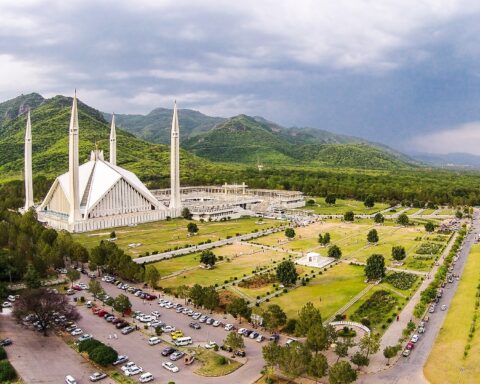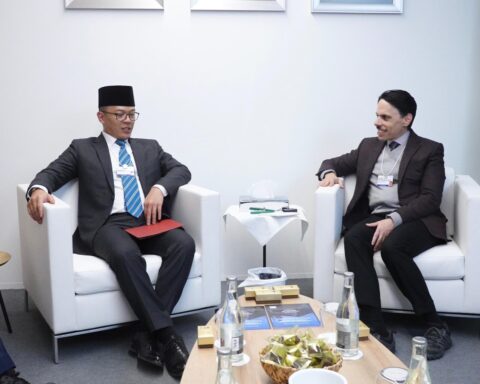

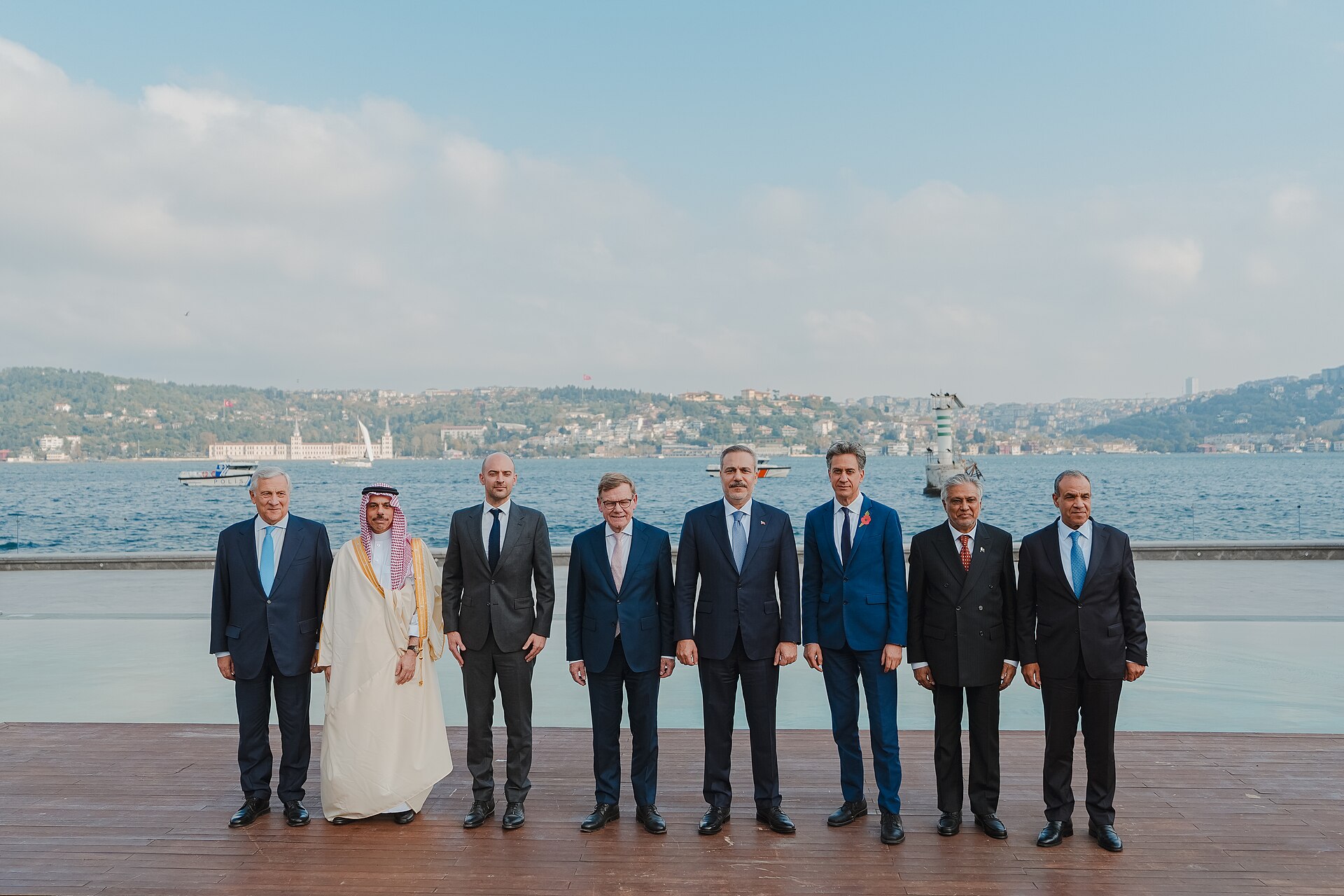
ISLAMABAD — Turkey’s Foreign Minister Hakan Fidan said on November 27 that Turkey is providing air defence and electronic warfare support to Saudi Arabia under the Makkah Joint Defence Agreement, the most detailed public acknowledgment of Turkish military involvement in the Gulf conflict to date. The statement came after the alliance’s Strategic Political and Defence Committee held its second regular session in Islamabad on November 27-28, attended by Turkey’s defence minister and chief of general staff.
The confirmation places Turkey in a position no other NATO member occupies: it has both military personnel embedded in a Gulf war zone and a treaty obligation that treats an attack on Saudi Arabia as an attack on itself. Britain, France, and Greece also have forces on Saudi soil, but none of them carry that collective-defence clause. No government involved — in Ankara, Riyadh, Brussels, or the alliance itself — has publicly addressed what this dual obligation means if Iranian strikes hit Turkish positions inside the kingdom.
The House of Saud Daily Briefing
Saudi Arabia's news in 3 minutes, every morning. Free. See today's issue
Table of Contents
What Has Turkey Confirmed About Its Role in Saudi Arabia?
Fidan said in an interview with broadcaster TGRT before the Islamabad session that Turkey is “doing our best in air defence, electronic warfare and other areas” of technical assistance to Saudi Arabia, The National reported on November 27. He confirmed separately to TRT World that “the necessary support is being provided in defending Saudi Arabia,” and drew a firm boundary: “Our current policy is focused on the defence of Saudi Arabia; no decision has been made on deploying troops inside Yemen.”
Speaking to Dawn, Fidan framed the obligation in collective-defence terms. “When a country of this agreement is attacked, you have to side with them,” he said, before adding a distinction he clearly wanted on the record: “This is not an attack agreement. Türkiye is not carrying out an attack by sending troops to another country’s land.” The phrasing positions Turkey’s involvement as reactive and defensive — a characterisation that depends entirely on how broadly “defence” is defined.
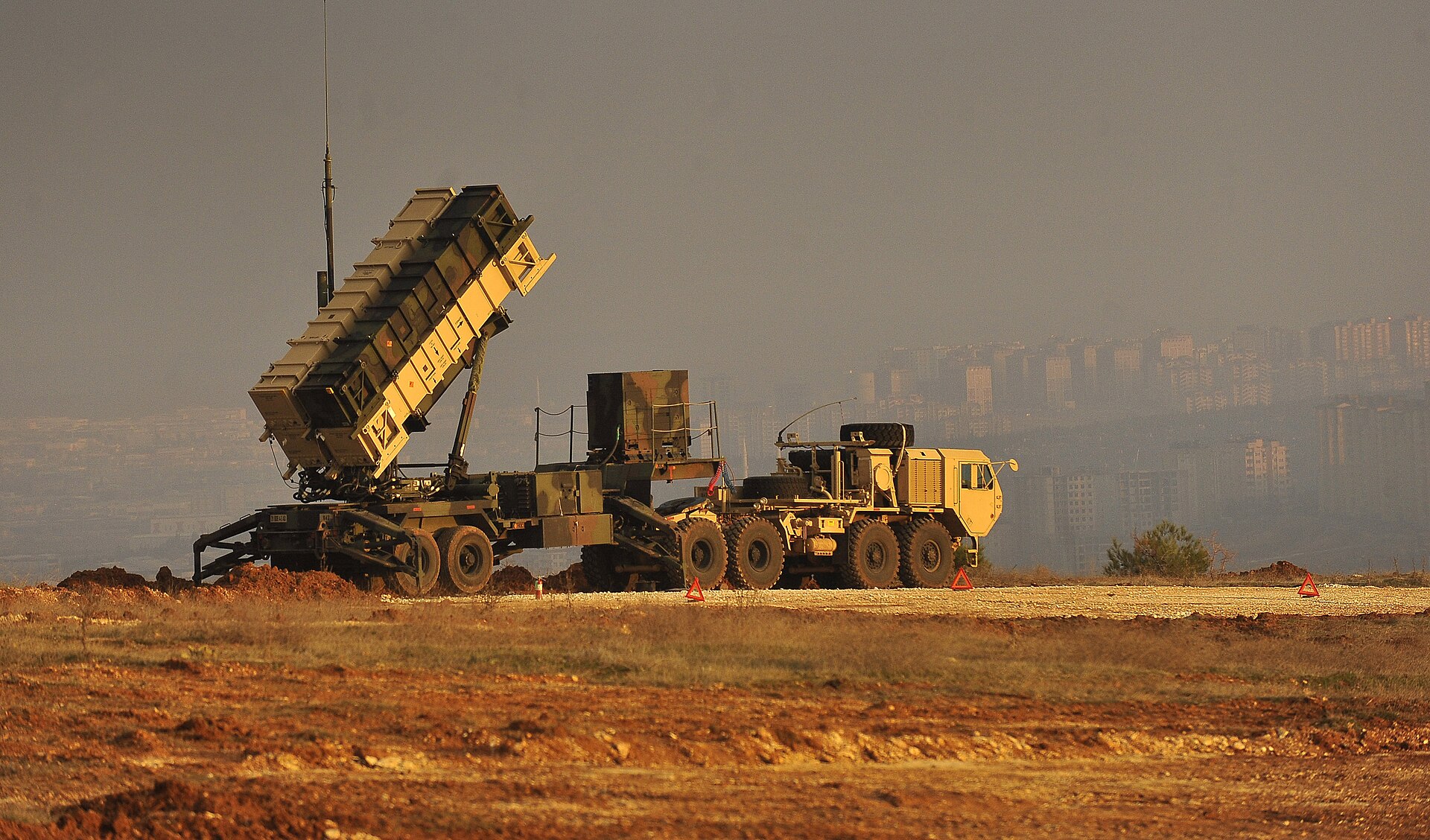
The statements remain deliberately unspecific about systems, locations, and personnel numbers. Fidan named no weapons platforms and gave no deployment figures. Separately, in October, an unnamed US official told Reuters that Turkey’s contribution already included drone operators alongside planning, logistics, and intelligence, surveillance and reconnaissance assets. An AK Party lawmaker told Al-Monitor that month that “technical personnel and experts would be sent initially to help with air defences, electronic warfare systems, and other defensive capabilities.” Neither statement came from Fidan, and neither was repeated at Islamabad.
Middle East Eye reported on October 6 that Turkish technical teams, air-defence systems, and electronic warfare equipment had been operating in Saudi Arabia since 2025, protecting energy infrastructure. The same report said Turkey planned at least one command base in Saudi Arabia, with named protection targets: Riyadh, Mecca, Medina, and the western section of the East-West oil pipeline. A senior Turkish official told the outlet that technical teams “carried out work in Saudi Arabia throughout September” for the command base project.
Why Does Turkey’s NATO Membership Change the Equation?
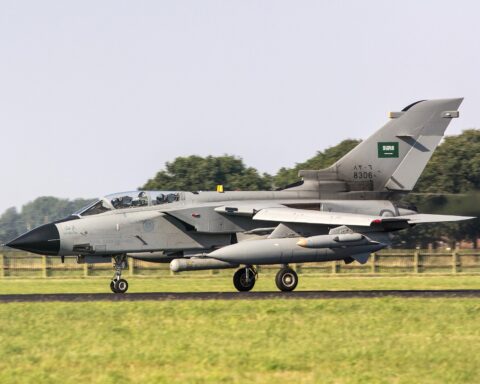
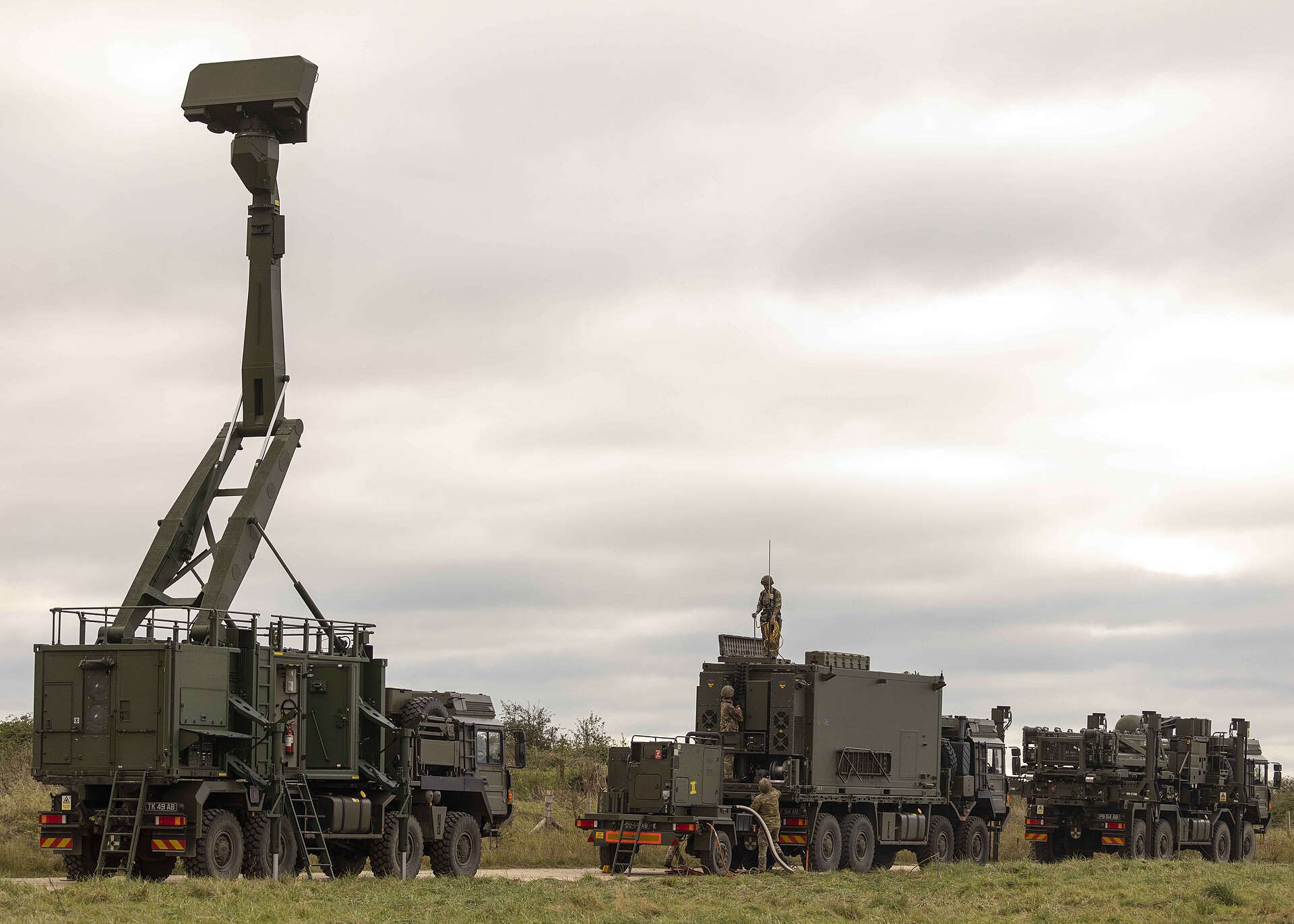
Turkey is not the only NATO member with forces on Saudi soil. Britain deployed its Sky Sabre air-defence system to King Fahd Air Base on March 31, 2026, according to the UK Ministry of Defence. France sent troops, radars, and air-defence batteries to protect infrastructure around Yanbu, Al Jazeera reported on September 25. Greece has maintained a Patriot battery near Yanbu since 2021, according to Arab Center DC.
The difference is legal, and it is substantial. Britain, France, and Greece deployed as bilateral partners with no collective-defence treaty binding them to Saudi Arabia’s wars. Turkey deploys under two frameworks simultaneously: a 2010 bilateral military training agreement and the Makkah pact, whose Article 2 states that “any armed attack against any one of the three states shall be regarded as an attack against them all.” That language mirrors NATO’s own Article 5.
Iranian missiles entered Turkish airspace in March 2026 — Turkey protested but did not invoke NATO’s mutual-defence clause. If a future Iranian strike kills or wounds Turkish personnel at a Saudi air-defence site, Ankara would hold obligations under two collective-defence treaties simultaneously. Article 12 of the Makkah pact explicitly preserves members’ “prior international obligations” including NATO, but no clause in either treaty addresses what happens when those obligations collide. No Turkish, NATO, or alliance official has publicly stated whether a strike on Turkish personnel embedded in Saudi Arabia could constitute an attack on a NATO member’s armed forces under Article 5.
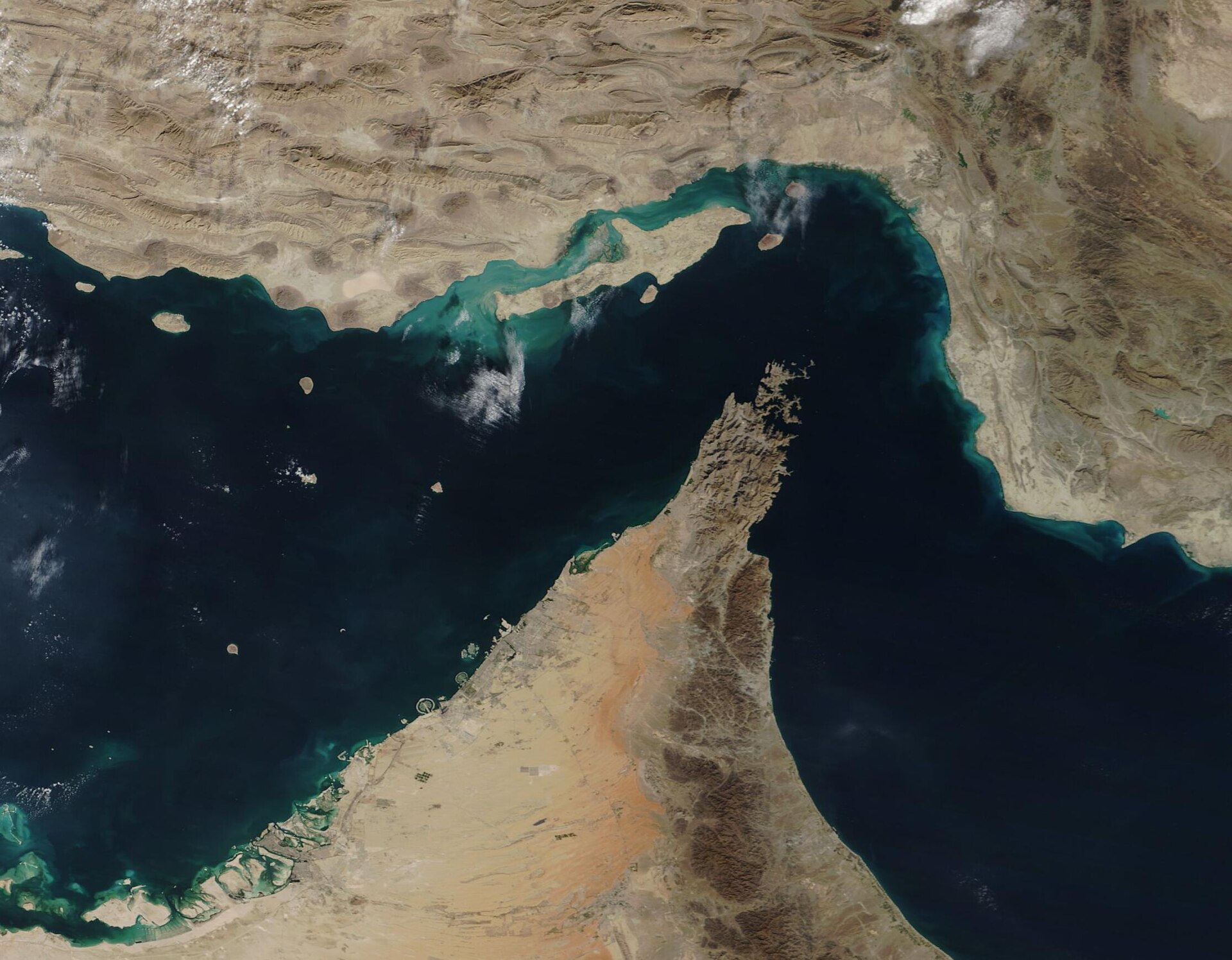
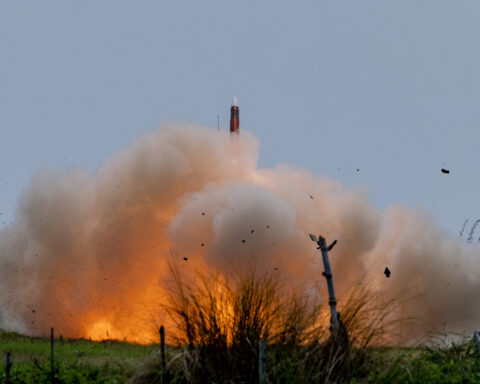
The question carries operational weight. Houthi attacks have struck the Jazan refinery on November 26, killing one person, and have reached Riyadh with cruise and ballistic missiles fired in 2 exchanges over 4 days. Iran’s Artesh commander said on November 28 that the Strait of Hormuz would remain closed on Supreme Leader Mojtaba Khamenei’s orders. Turkish electronic warfare teams and air-defence crews would operate inside the same threat environment that has already wounded and killed coalition soldiers from multiple nations.
What Legal Authority Covers the Current Deployments?
Turkey’s parliament voted 279 to 119 on November 5 to ratify the Makkah pact under Article 90 of the constitution, which governs international treaties. President Erdogan signed the ratification law on November 13, and it was published in the Official Gazette on November 14 — the date the treaty formally entered into force.
That vote authorised the treaty itself, not specific force deployments. Under Article 92 of Turkey’s constitution, sending Turkish armed forces abroad for combat or expanded military operations requires a separate parliamentary mandate. AK Party foreign affairs committee chairman Fuat Oktay confirmed this distinction on November 5, according to Turkish Minute. No Article 92 vote has been held, scheduled, or publicly discussed.
The current deployments appear to operate under the 2010 Turkey-Saudi military training agreement, which Turkish officials and defence analysts say covers limited technical assistance without requiring an Article 92 mandate. Middle East Eye and DefenceMatters.eu both cited this pre-existing framework as the legal basis. An AK Party lawmaker told Al-Monitor in October that “no Turkish troops deployed under the pact would take part in offensive operations” — a constraint that reflects Article 92’s reach rather than a policy preference.
The distinction matters because it defines what Turkey can and cannot do without going back to parliament. Air-defence crew rotation, electronic warfare technicians, and drone training teams fit within a training agreement. Deploying a standing combat force, sending fighter aircraft on offensive sorties into Yemen, or operating ground forces outside Saudi territory would each require a second vote — one that Turkey’s opposition would almost certainly contest more fiercely than the 279-119 pact ratification.
Pakistan’s Parallel Build-up
Pakistan has moved further and faster than Turkey in operational terms. Reuters reported in May 2026 that Pakistan deployed about 8,000 troops to Saudi Arabia, along with a JF-17 fighter squadron and a Chinese-supplied HQ-9 air-defence system. Pakistan’s Defence Minister Asif said Pakistan would use “whatever means are available” to defend the kingdom, NBC News/AP reported on November 27 — language that places no ceiling on the commitment.
The Islamabad communiqué confirmed the General Secretariat in Riyadh and Lieutenant General (retired) Nauman Mahmood of Pakistan as the alliance’s first Secretary-General — an appointment formally made at the October 5 emergency session — The National and the Friday Times reported. A joint military command was also agreed in principle, though the chain-of-command structure — who reports to whom, and which national authority prevails in real-time targeting decisions — has not been publicly disclosed.
Turkey’s contribution differs in kind rather than scale. Where Pakistan brought troop numbers and air power, Turkey has emphasised technical expertise. Defence analyst Arda Mevlütoğlu described the Turkish model to DefenceMatters.eu as “defence as a service,” combining equipment with technical and operational support. Murat Yesiltas of Turkey’s presidential advisory board told Middle East Eye in October that Turkey’s initial role was “far more likely to take the form of air defense, anti-drone systems, or ISR elements” than combat troops.
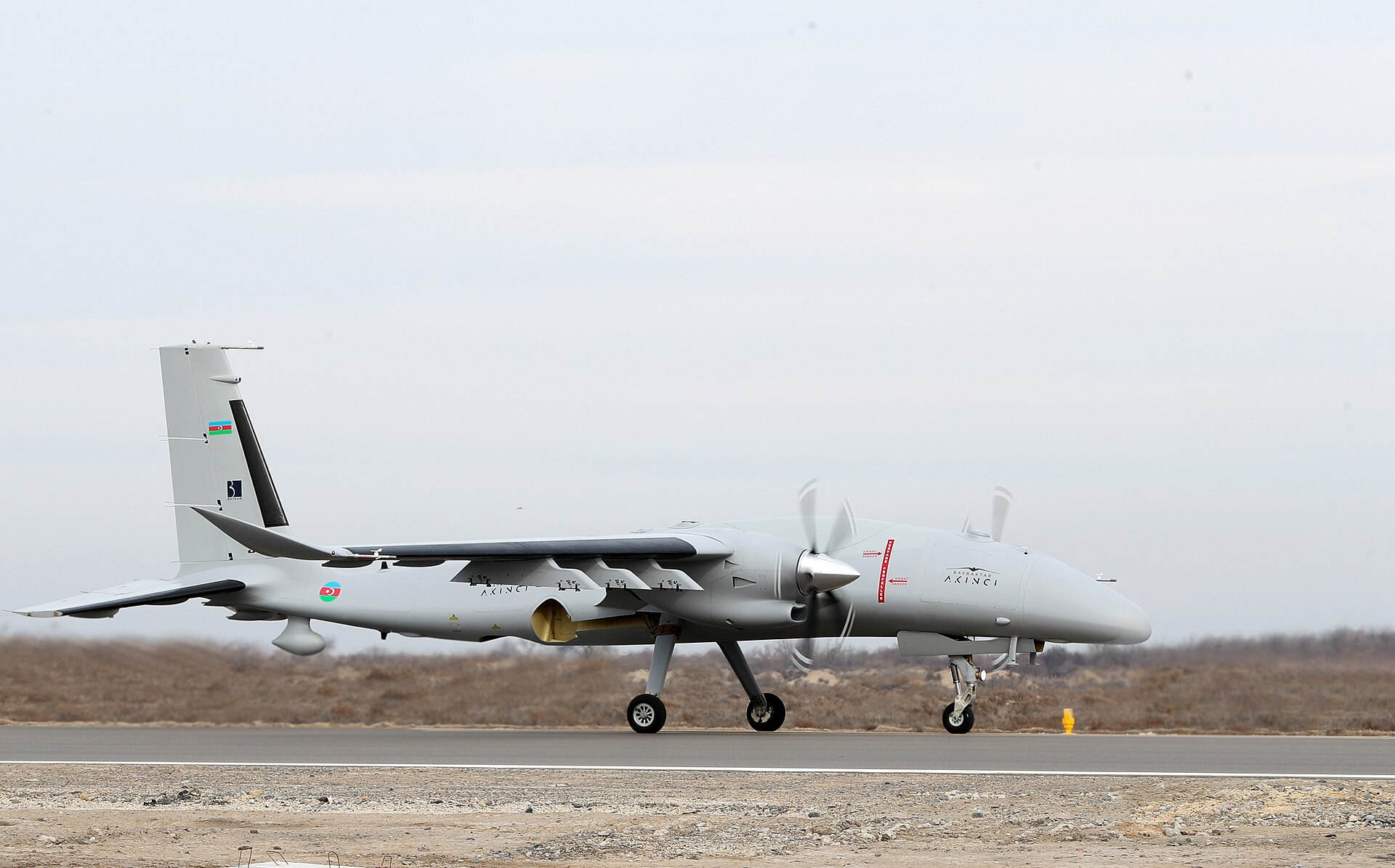
The two contributions converge at a specific point. Saudi Arabia completed training its first AKINCI drone operators at Baykar’s facility in Çorlu, Turkey, in October 2025, under a $3 billion deal signed in July 2023, Defence Security Asia reported. Turkish electronic warfare technicians alongside Turkish-trained Saudi drone crews would create a layered defensive capability that Saudi Arabia has struggled to build independently while absorbing daily Houthi missile and drone attacks on its cities and infrastructure.
How Has Iran Responded to the Makkah Alliance?
Iran’s rhetoric has escalated in stages since the alliance was invoked at an emergency meeting in Riyadh on October 5. Iranian foreign ministry spokesman Baghaei warned that regional states were “well aware” of the “possible consequences” of intervening in Yemen, Iran International reported in October. Tasnim News, affiliated with the IRGC, ran a headline that month calling the pact’s activation “Turkey and Pakistan join the Saudi war against the Yemeni people,” according to Iran International. Iranian MP Boroujerdi told the same outlet that Turkish and Pakistani involvement “will definitely work to their own detriment.”
The warnings carry a specific edge for Turkey given the operational environment. Iranian drones killed 2 Italian nationals in Kuwait on November 26, demonstrating Iran’s willingness to strike targets associated with foreign nationals across the Gulf. The coalition intercepted 2 Houthi drones targeting Saudi Arabia on November 27 alone. Turkish air-defence and electronic warfare personnel would be stationed at installations that sit squarely within the Houthi and Iranian target set — a risk that Fidan’s public statements acknowledge implicitly by defining Turkey’s role as defensive rather than offensive.
Iran’s criticism has focused on the military embedding rather than Turkey’s NATO membership. No Iranian official has publicly cited Turkey’s NATO status as a source of concern in any statement reported by Iran International, Tasnim, or other Iranian outlets. That silence may reflect a calculation in Tehran: drawing attention to the NATO dimension would underscore the escalatory consequences of striking a NATO ally’s forces, a threshold Iran may prefer to leave unexamined rather than test.
Background
The Makkah Joint Defence Agreement was signed by Saudi Arabia, Turkey, and Pakistan on August 7, 2026, and entered into force on November 14 after Turkey became the last signatory to ratify. The pact carries a 10-year minimum commitment with 3 months’ notice required for withdrawal under Article 16.
The Islamabad session was the second regular meeting of the S-PDC. The first was held in Istanbul on August 31; an emergency session took place in Riyadh on October 5. Turkey’s delegation in Islamabad comprised Foreign Minister Fidan, Defence Minister Yaşar Güler, and Chief of General Staff General Selcuk Bayraktarıoğlu, according to Daily Sabah and NBC News.
Turkey’s foreign military footprint already spans several theatres. It operates a base in Qatar, where it deployed 6 F-16s to Dukhan Air Base in July 2024, according to Forbes. It extended its Libya military mandate for 2 more years from January 2026, Hurriyet Daily News reported. The Saudi role would make Turkey the fourth non-US NATO member with forces in the kingdom alongside Britain, France, and Greece — but the only one bound by a mutual-defence clause that treats an attack on Saudi Arabia as an attack on Turkey itself.
Frequently Asked Questions
Can Turkey use NATO assets for Makkah Alliance operations?
The Makkah pact’s Article 12 preserves but does not extend NATO commitments to the alliance’s other members. Turkey can deploy its own national forces and equipment under the pact, but cannot channel NATO planning, logistics, or command structures into Makkah Alliance operations unless NATO separately authorises that use. The two frameworks are legally parallel. Saudi Arabia and Pakistan gain access to Turkish military expertise, not to NATO’s collective infrastructure or intelligence-sharing networks.
Has Turkey deployed fighter jets to Saudi Arabia?
No confirmed deployment of Turkish combat aircraft to Saudi Arabia has been reported. Turkey has deployed F-16s overseas, including 6 to Dukhan Air Base in Qatar since July 2024, according to Forbes, but the Saudi role has focused on ground-based air defence, electronic warfare, and technical personnel. Deploying fighter aircraft for offensive operations would require a separate Article 92 parliamentary mandate — a vote that has not been sought and that Turkey’s opposition would likely contest.
What is the 2010 Turkey-Saudi military training agreement?
A bilateral agreement signed in 2010 covering joint training, technical assistance, and limited personnel exchanges between the Turkish and Saudi armed forces. Turkish officials and defence analysts cite this framework as the legal basis for the current technical deployments, which proceed without the separate Article 92 parliamentary vote that a full combat deployment would require under the Turkish constitution.
Could Turkey leave the Makkah Alliance before 10 years?
The treaty’s Article 16 sets a 10-year minimum commitment period. After that period, any member may withdraw with 3 months’ written notice. No early-exit clause appears in the publicly available treaty text. Turkey’s ratification is constitutionally complete, making reversal a distant prospect absent a seismic political shift in Ankara — though the treaty says nothing about what happens if a member simply stops fulfilling its obligations.
The House of Saud Daily Briefing
Saudi Arabia's news in 3 minutes, every morning. Free. See today's issue