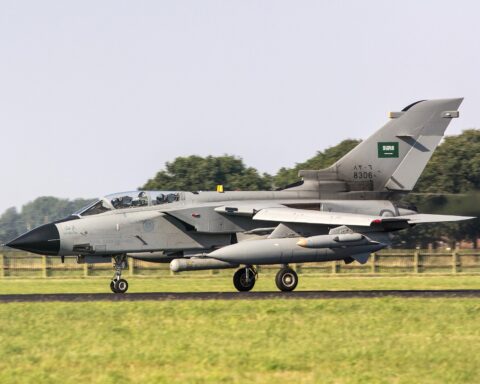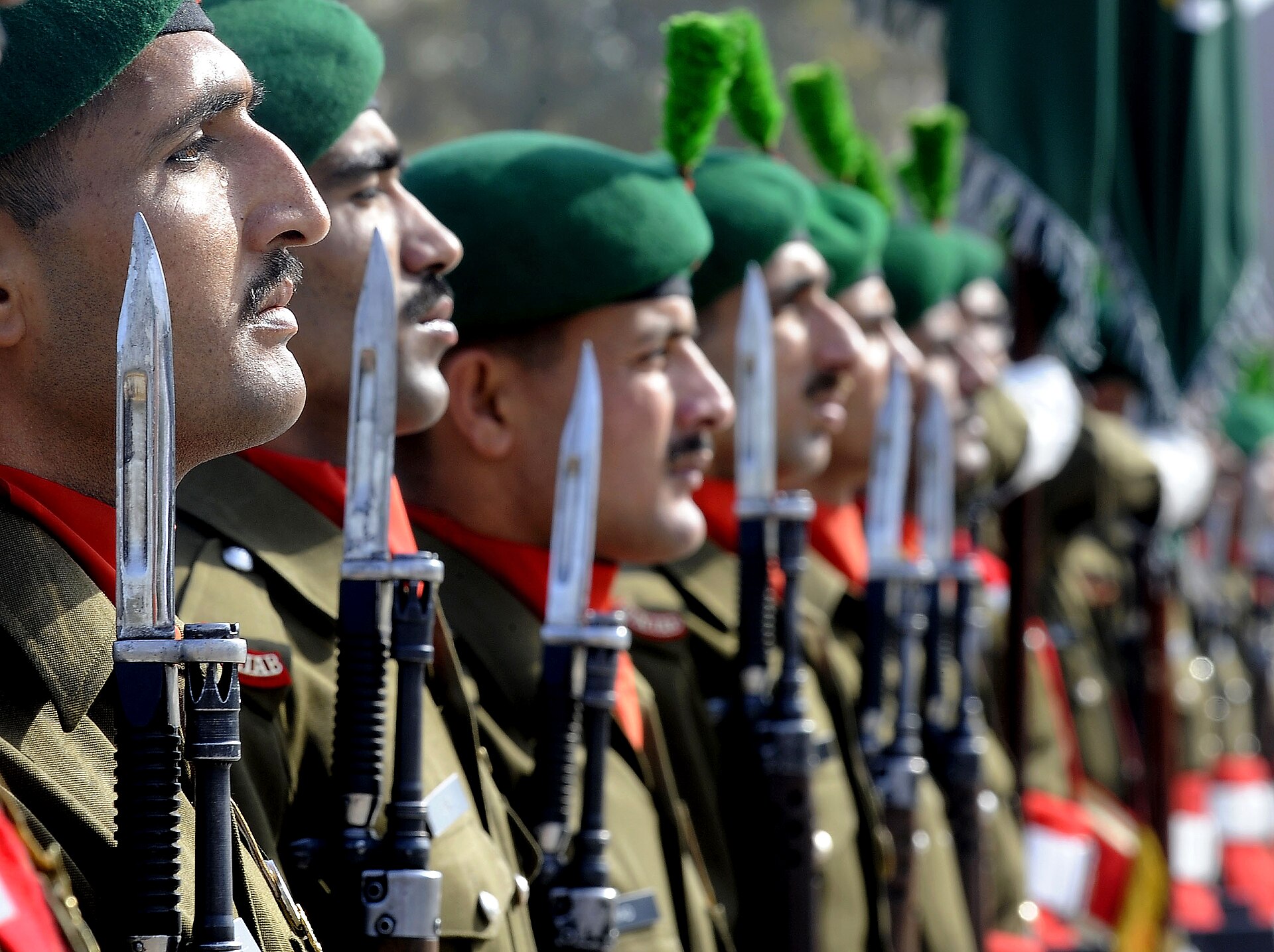

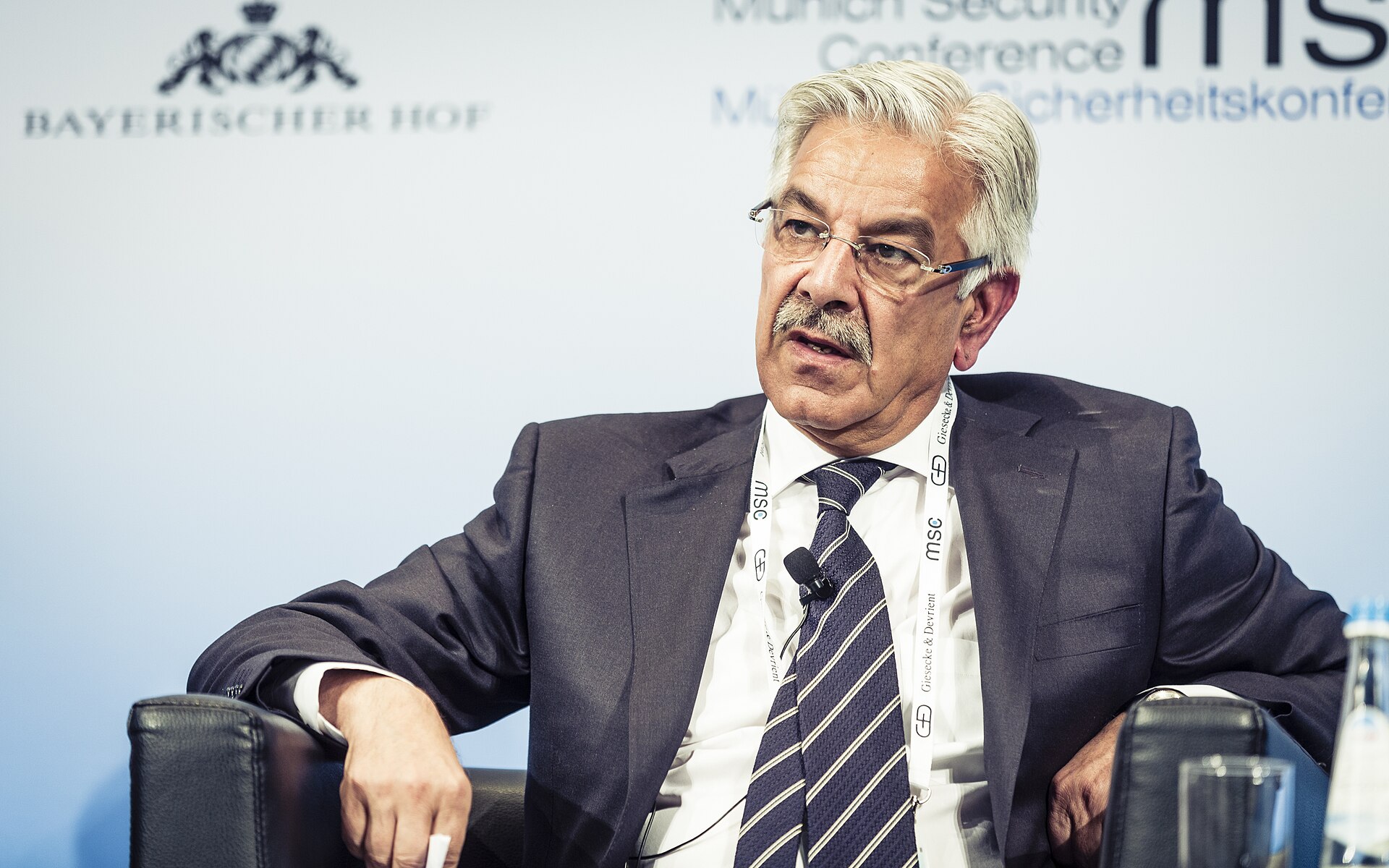
ISLAMABAD — Pakistan sent troops to Saudi Arabia under the Makkah Defence Alliance at a send-off ceremony in Rawalpindi on Saturday, November 28, with Defence Minister Khawaja Muhammad Asif as chief guest and the Saudi ambassador looking on, the army’s media wing said on Sunday. Nobody has said how many soldiers are going, where they will be based or which units they come from, and the alliance they now serve has never publicly said who commands them.
The ceremony came one day after the alliance’s Strategic Political and Defence Committee (S-PDC) closed its second session in Islamabad, and 14 days after the Makkah Joint Defence Agreement entered force. Turkey has sent air defence and electronic warfare equipment to the kingdom; Pakistan is now sending people. A three-country pact signed in Mecca in August has started to look like a military commitment rather than a series of communiqués, without yet answering the most basic question any soldier on that parade ground could ask: on whose orders?
The House of Saud Daily Briefing
Saudi Arabia's news in 3 minutes, every morning. Free. See today's issue
Table of Contents
- What Did Pakistan Announce in Rawalpindi?
- Why Does the Deployment Trace Back to October 5?
- Pakistan Sends People While Turkey Sends Equipment
- Who Commands the Makkah Alliance’s Forces?
- Pakistan Says Its Troops Will Not Cross Into Yemen
- How the Makkah Alliance Got From Mecca to Rawalpindi
- Frequently Asked Questions
What Did Pakistan Announce in Rawalpindi?
Inter-Services Public Relations (ISPR), the Pakistan military’s media wing, issued its statement on Sunday, November 29, a day after the ceremony itself. It said the deployment will operate “within Saudi territory, under agreed commitments and the established framework of defence cooperation,” according to Anadolu Agency. That sentence sets the boundary of the mission: inside the kingdom, under rules both governments say exist.
The guest list did the rest of the talking. Alongside Asif stood Saudi Ambassador to Pakistan Rajeh Tami Albugamy, Pakistan Army Chief of General Staff Lt Gen Omer Ahmed Bokhari and Lahore Corps Commander Lt Gen Muhammad Umer Bashir, according to ISPR as reported by Dawn and Anadolu. A defence minister, the army’s chief of general staff, a corps commander and the kingdom’s envoy on one parade ground is a picture built to be seen in Riyadh, and in Tehran.
ISPR framed the move in the language of family rather than strategy. “The military deployment reflects Pakistan’s unwavering commitment to the security, sovereignty and territorial integrity of the Kingdom of Saudi Arabia, rooted in the longstanding strategic partnership and fraternal bonds between the two brotherly countries,” the statement said, as quoted by Dawn. It then reached for the holiest ground in Islam: “Pakistan remains steadfast in its commitment to safeguarding the Kingdom’s security and the sanctity of Haramain Sharifain.”
Haramain Sharifain means the Two Noble Sanctuaries, the mosques of Mecca and Medina. For a Pakistani domestic audience, that phrase turns a foreign deployment into a religious duty, and it is the one specific thing ISPR said its soldiers will protect. What it did not say fills the rest of the page.
What ISPR left out
No troop numbers, unit designations or basing locations were disclosed in any account of the ceremony, including the ISPR statement and the reports carried by Dawn and Anadolu. The public knows the city the soldiers left from, the date they were sent off and the names of the officials who saw them go. It does not know whether this is a company, a brigade or something larger.
Dawn reported that the deployment rests on two legal layers: the bilateral Strategic Mutual Defence Agreement (SMDA) Pakistan and Saudi Arabia signed in 2025, and the trilateral Makkah Joint Defence Agreement signed on August 7, 2026. Which of the two governs which troops is not spelled out, and that ambiguity runs straight back to a meeting in Riyadh nearly eight weeks ago.
Why Does the Deployment Trace Back to October 5?
The Islamabad session that closed on November 27–28 did not order anyone anywhere. Its joint statement, published by Turkey’s Ministry of Foreign Affairs on November 27, condemned “persistent and heinous attacks by the Houthi militia targeting civilians and civilian infrastructure” and reaffirmed the members’ “collective resolve” to support Saudi Arabia “under the collective defence provisions of the Agreement.” That is a reaffirmation, not an authorization.
The authorization came on October 5, at an emergency S-PDC meeting in Riyadh attended by Pakistan’s army chief, Field Marshal Asim Munir, according to Dawn. Pakistan’s Foreign Office described the decision in unusually direct terms for a diplomatic statement:
“The committee decided to move immediately to the practical implementation of the collective defence commitments and to take the necessary measures to provide the agreed military forces and capabilities and ensure their rapid deployment in the kingdom.”Pakistan Foreign Office statement on the October 5 S-PDC emergency meeting, via Dawn
Asif, speaking in Riyadh that day, told reporters that “the organisational structure of the alliance was formalised during today’s meeting,” Dawn reported. Put the two statements side by side and the alliance claimed, on a single day, both a finished structure and an order to move forces immediately.
From that order to the Rawalpindi ceremony took 54 days. “Rapid deployment” that becomes visible after nearly eight weeks would look like slippage, except that Pakistan’s own military spokesman said two days after the Riyadh meeting that Pakistani forces were already on the ground.
Pakistan Sends People While Turkey Sends Equipment
On October 7, ISPR Director General Lt Gen Ahmed Sharif Chaudhry told CNN’s Ivan Watson that the question of whether Pakistan would send troops had been overtaken by history. His answer, as reported by Dawn, was blunt enough to close the argument:
“Pakistan troops have been there for decades […] Pakistani forces, in multiple capabilities and domains, are already there.”Lt Gen Ahmed Sharif Chaudhry, ISPR Director General, to CNN, October 7, 2026, via Dawn
Dawn also reported that after the Iran war began, Pakistan sent a military force and fighter jets to the kingdom under the bilateral 2025 SMDA, not under the trilateral pact, which did not yet exist. So the Rawalpindi ceremony is not the arrival of Pakistani soldiers in Saudi Arabia. It is the arrival of Pakistani soldiers flagged, in public, as a Makkah Alliance deployment.
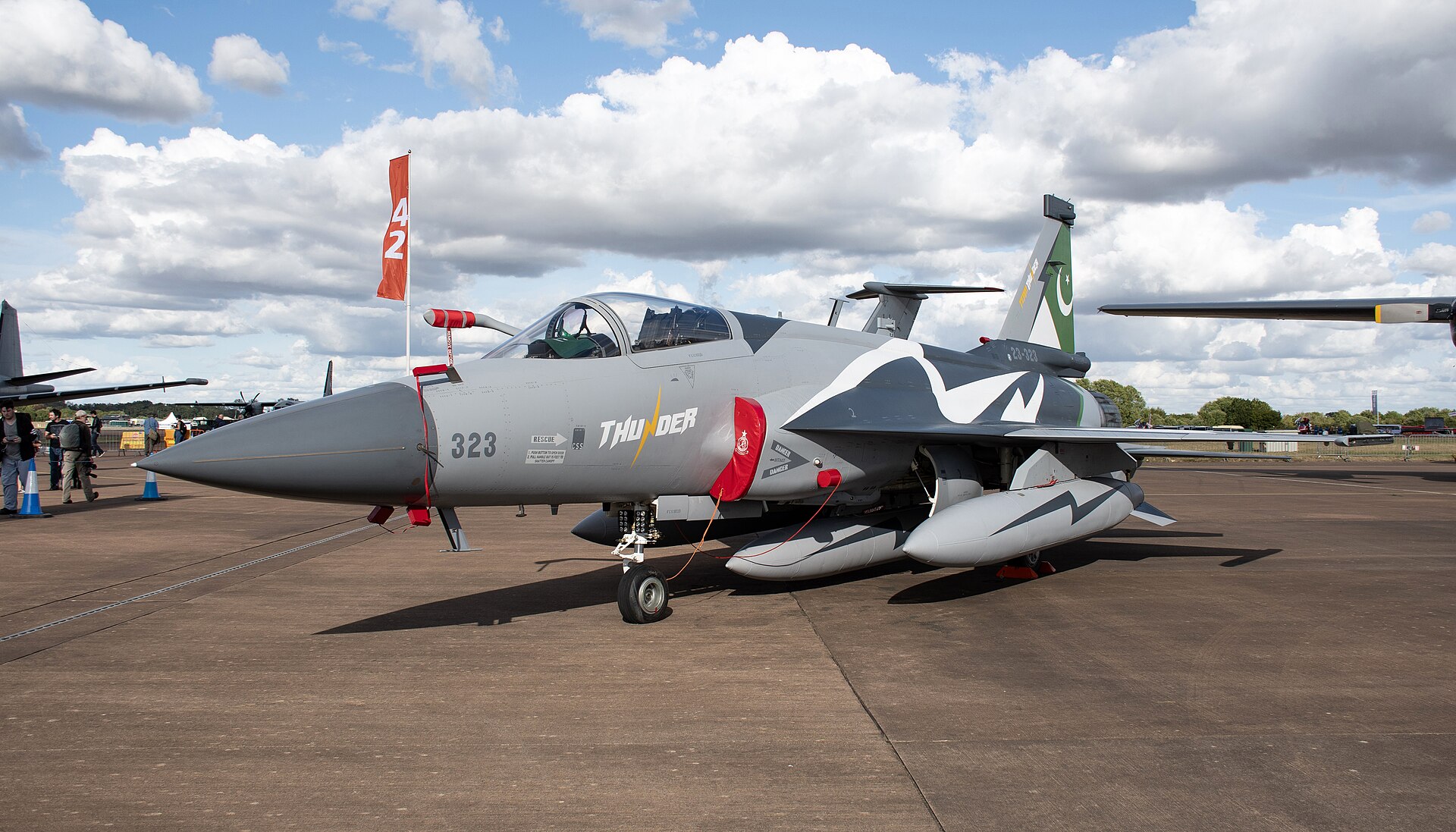
Asif described the existing presence as backup rather than front line. “Whatever assistance they require is being provided. But right now, the Turkish and Pakistani armies are playing a supportive role,” he said on October 7, according to Dawn, which reported that the support included reconnaissance. Whether the new contingent changes that role from supportive to something heavier, no official has said.
Turkey’s contribution stays in crates
The contrast with Ankara is sharp. As HOS reported on November 28, Turkey says it is providing air defence and electronic warfare assistance to Saudi Arabia, limited to equipment, with no Turkish troop deployment announced. Of the alliance’s two non-Saudi members, one is shipping hardware and the other is sending soldiers.
Prime Minister Shehbaz Sharif presented the three-way split as strength rather than imbalance. At the National Security Workshop in Islamabad on November 29, he recalled Pakistan’s defence pacts with Saudi Arabia and Turkiye and said it was time to convert those achievements into economic gains, Dawn reported. That is the promise; the machinery that would turn it into orders has not been shown.
Who Commands the Makkah Alliance’s Forces?
Nobody outside the three governments knows. Dawn put it plainly on November 29: “The Makkah Defence Alliance has yet to publicly define its doctrine, the composition of forces, command arrangements or procedures governing a collective military response.” Those four items are what turn a signed treaty into a force that can actually fight together.
Set that against what Asif said in Riyadh on October 5, that the organisational structure had been “formalised.” Both statements can be true at once: a structure can exist on paper inside three defence ministries without being published. The ISPR phrase “under agreed commitments” points the same way, toward an arrangement that has been agreed and kept private.
Why the gap matters on the ground
An undefined command chain is a practical problem, not an academic one. If Pakistani troops inside the kingdom come under fire, the public record does not say whether they answer to a Saudi commander, to their own army’s chain of command, or to some joint body the S-PDC has created. The difference decides who gives the order to shoot back, and who carries the blame if something goes wrong.
The two legal layers make the question harder. Pakistani forces sent after the Iran war began went under the bilateral SMDA, according to Dawn; the new deployment is being presented under the trilateral pact. Without a published doctrine, it is not clear whether the two contingents sit in one command or two, and the alliance has three members whose priorities do not always match, most obviously on Iran.
Pakistan Says Its Troops Will Not Cross Into Yemen
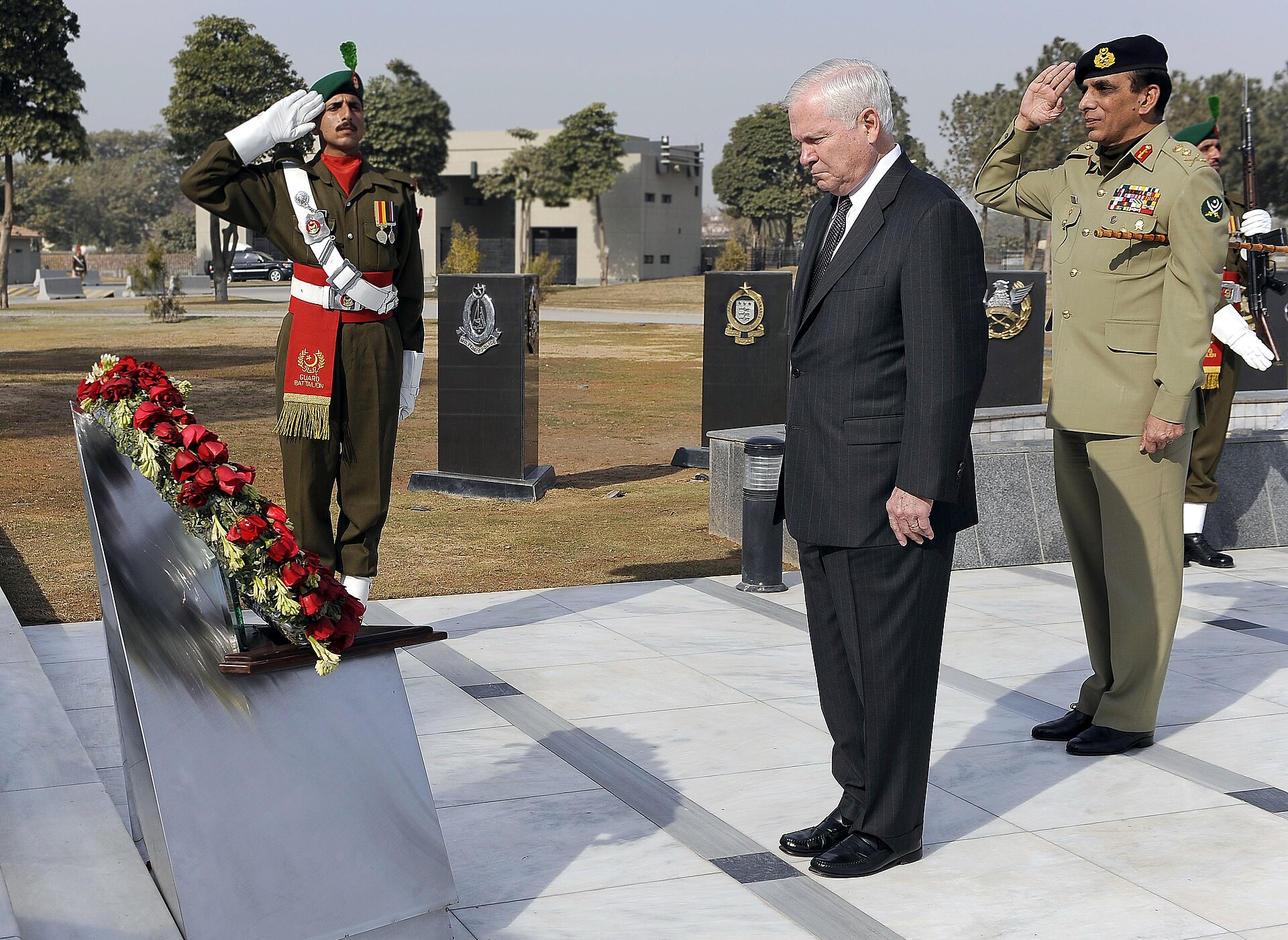
Islamabad has drawn one line in public. Foreign Office spokesperson Sajjad Haider Khan said the troops “would not cross the border into Yemen” and described the alliance as a “defensive organisation,” Dawn reported on November 29. That is the clearest operational limit any official has stated, and it was given by a diplomat rather than a general.
The line matters because the war next door is hot. The S-PDC’s Islamabad statement singled out Houthi attacks on Saudi civilians and infrastructure, and the Saudi-led coalition has been trading fire with the Houthis, as HOS reported when the coalition struck Sanaa while the Houthis targeted Riyadh on November 28. Pakistan is promising to help defend Saudi soil from that fire while keeping its soldiers on the Saudi side of the frontier.
Sharif’s message to Iran
The bigger audience sits across the Gulf. Sharif told the National Security Workshop that the Makkah alliance “is against no country at all; it has no aggressive design whatsoever,” according to Dawn. He called Iran a “brotherly country” and recalled Pakistan’s diplomatic role in the US-Iran war, the same newspaper reported.
Pakistan is trying to do two things with one statement: put troops in a kingdom under Houthi fire, and reassure Iran that those troops are not aimed at it. Whether Tehran accepts that reading will depend partly on what the alliance’s unpublished doctrine says about who the enemy is, which returns the story to where the alliance began.
How the Makkah Alliance Got From Mecca to Rawalpindi
Turkish President Recep Tayyip Erdogan, Pakistani Prime Minister Shehbaz Sharif and Saudi Crown Prince Mohammed bin Salman signed the Makkah Joint Defence Agreement in Mecca on August 7, 2026, according to the Turkish Ministry of Foreign Affairs. It sat on top of the bilateral Pakistan-Saudi SMDA of 2025, which Dawn reported Pakistan had already used to send forces after the Iran war began.
The S-PDC’s emergency meeting in Riyadh on October 5 ordered forces into the kingdom before the full treaty had even completed ratification. The full treaty entered force on November 14, and the committee gathered for its second session in Islamabad on November 27–28, when HOS reported on the alliance’s Islamabad meeting. Saudi diplomacy toward Islamabad had been running in parallel, as HOS reported when the Saudi foreign minister called Pakistan on Gulf security on November 22.
Counted from the signing in Mecca, the Rawalpindi send-off came 113 days later. Counted from the treaty’s entry into force, it came after 14. In that time the alliance has produced an order to deploy, a formalised structure no one has published, and a parade with no numbers attached.
Pakistan has told the world exactly what its soldiers are going to protect, the kingdom and “the sanctity of Haramain Sharifain,” and almost nothing about how many of them there are or whose orders they will follow. For an alliance 14 days into its legal life, the soldiers have arrived before the rulebook.
Frequently Asked Questions
How did the Makkah Joint Defence Agreement come into force?
Each member had to ratify it. Pakistan ratified on October 23, 2026, and Turkey’s Grand National Assembly approved it by 279 votes to 119 on November 5, according to the Turkish Ministry of Foreign Affairs. The full treaty entered force on November 14, 2026, after Turkey’s ratification law was published.
Who is the Makkah Alliance’s secretary general?
The October 5 emergency meeting in Riyadh appointed Lt Gen (Retd) Nauman Mahmood as the alliance’s first secretary general for a three-year term, Dawn reported. Dawn’s later reporting that the alliance has yet to publicly define its command arrangements means the secretary general’s authority over deployed forces has not been published either.
How many times has the S-PDC met?
Three times, according to the Turkish Ministry of Foreign Affairs. The inaugural session was held in Istanbul on August 31, 2026; an emergency meeting followed in Riyadh on October 5; and the second regular session was held in Islamabad on November 27–28. The Riyadh meeting was an emergency gathering and is not counted as a numbered regular session.
Have Iran or the Houthis responded to the deployment?
No Iranian or Houthi statement on the Rawalpindi send-off or the deployment had been found as of November 29. The only Pakistani message aimed at Tehran so far is Prime Minister Sharif’s description of Iran as a “brotherly country” and his insistence that the alliance has no aggressive design.
The House of Saud Daily Briefing
Saudi Arabia's news in 3 minutes, every morning. Free. See today's issue