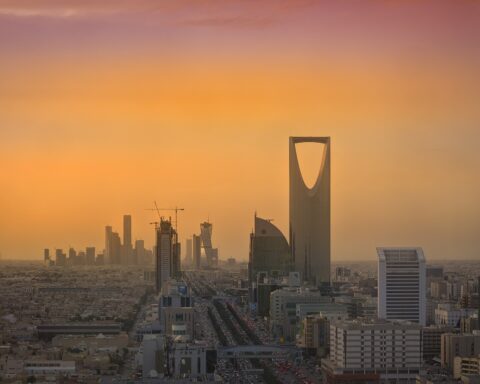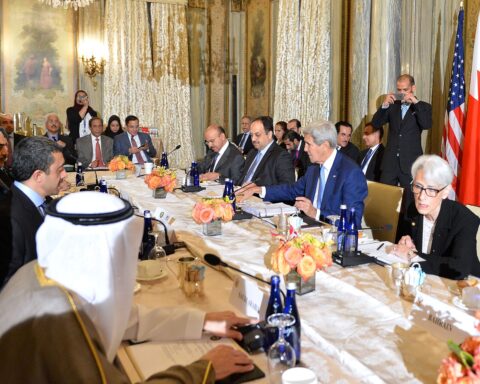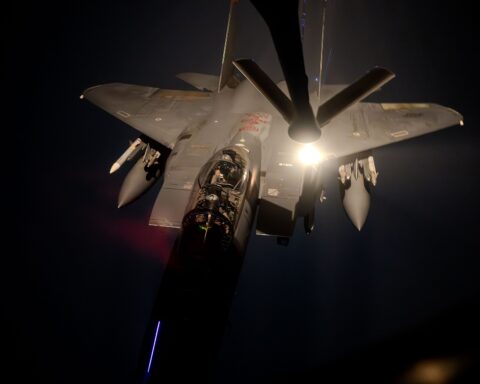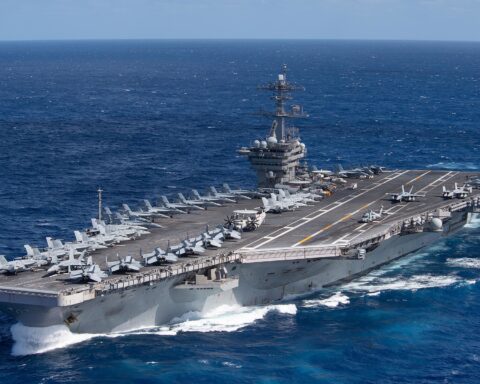

ISLAMABAD — Saudi Arabia, Turkey and Pakistan will hold the third meeting of the Makkah Alliance’s Strategic Political and Defence Committee in Islamabad on November 26–27, the first session since Turkey’s ratification law took effect on November 14 and made all three signatories legally bound by the collective defence pact for the first time. The meeting, confirmed by Pakistan’s deputy prime minister Ishaq Dar on November 17, will bring together foreign and defence ministers from all three countries alongside Field Marshal Asim Munir, as the alliance confronts a gap between its declared deterrence posture and the continuing Houthi strikes that have killed at least 14 people at King Khalid International Airport, hit the Aramco headquarters in Dhahran and struck the PIF Tower in Riyadh twice since the pact was first invoked on October 5.
The Islamabad session arrives at a moment when the pact’s credibility turns on a question none of its members have publicly answered: what “collective deterrence” means when the Houthis keep firing and neither Turkey nor Pakistan has conducted a single offensive operation against them. Pakistan has 8,000 troops on the ground and a Chinese-made HQ-9 air defence battery deployed to the kingdom, but Turkey’s Defence Minister Yasar Guler has explicitly ruled out combat, saying Ankara’s role is to “strengthen deterrence” — a posture that leaves the alliance’s Article 2 mutual defence clause untested by design.
The House of Saud Daily Briefing
Saudi Arabia's news in 3 minutes, every morning. Free. See today's issue
What Changed on November 14
The Makkah Joint Defence Agreement, signed on August 7 in the holy city by Saudi Arabia, Turkey and Pakistan, contains 16 articles, carries no expiry date and locks each member in for a minimum of 10 years before withdrawal is permitted, according to the treaty text seen by Reuters. Pakistan ratified the pact on October 23, and Turkey’s Grand National Assembly voted 279 to 119 to approve it on November 5, but the pact did not enter full legal force until November 14, when Turkey’s ratification law was published domestically — the final procedural step required under Turkish law.
That date matters because Article 2 — the collective defence clause — commits each member to respond to an armed attack on any other “utilising the full range of mutual assistance measures available to them,” according to the text obtained by Reuters and reported by Al Jazeera on November 6. Before November 14, only Saudi Arabia and Pakistan were legally bound; Turkey’s vote was a political signal but not a legal obligation. Now all three governments are treaty parties, and the Islamabad meeting is the first committee session held under that full trilateral framework.
On November 19, Saudi Foreign Minister Prince Faisal bin Farhan met Lt. Gen. (retd.) Nauman Mahmood, the alliance’s first secretary-general, in Riyadh to review progress on establishing the General Secretariat’s institutional framework, according to Asharq Al-Awsat. Mahmood, a retired Pakistani lieutenant general, was appointed to a three-year term at the October 5 emergency meeting that first invoked the pact, and the secretariat is being set up in Riyadh — though it remains in an early institutional stage, with no joint operational command structure yet announced.

Pakistan’s 8,000 Troops and the 80,000 Ceiling
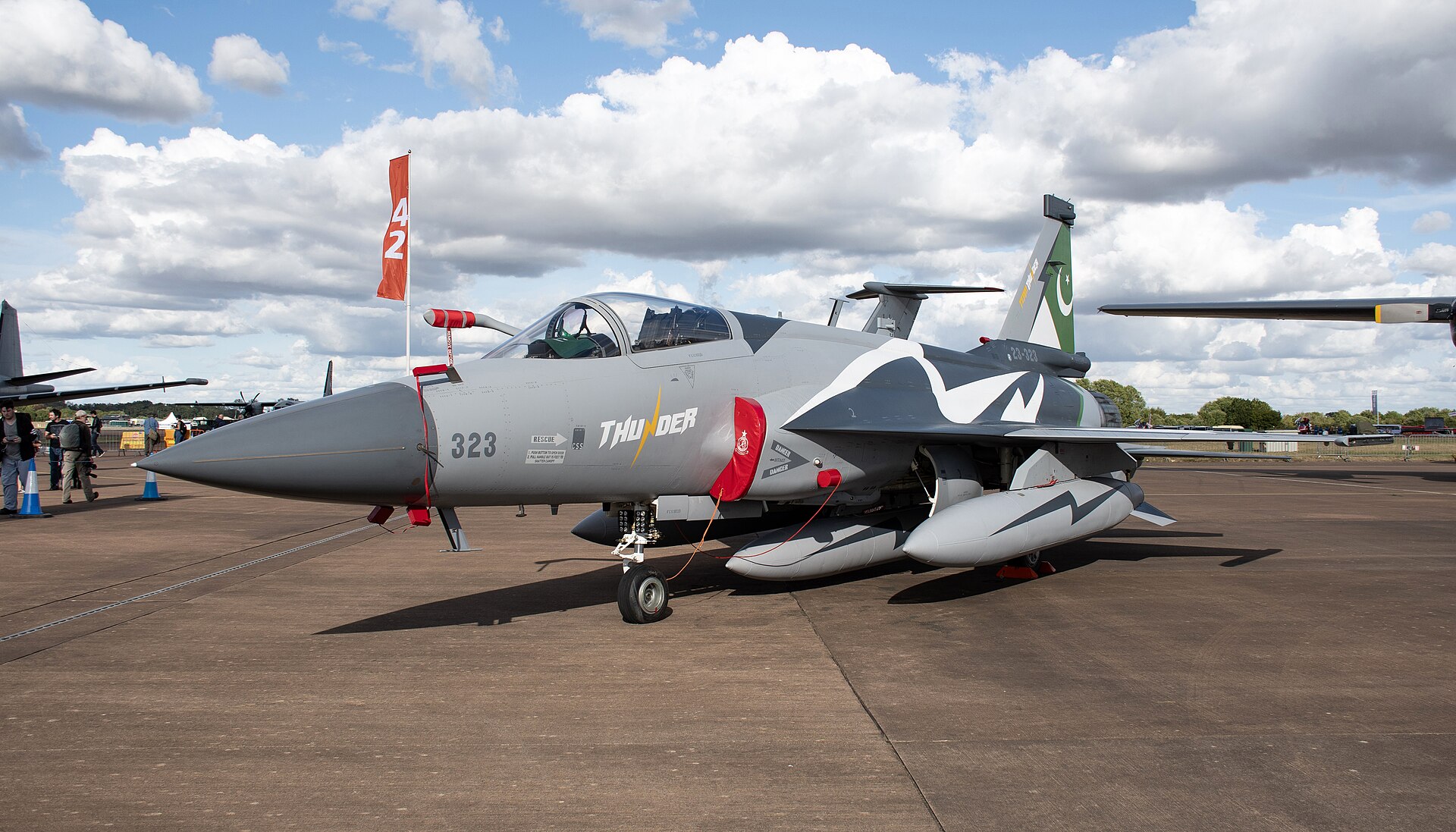
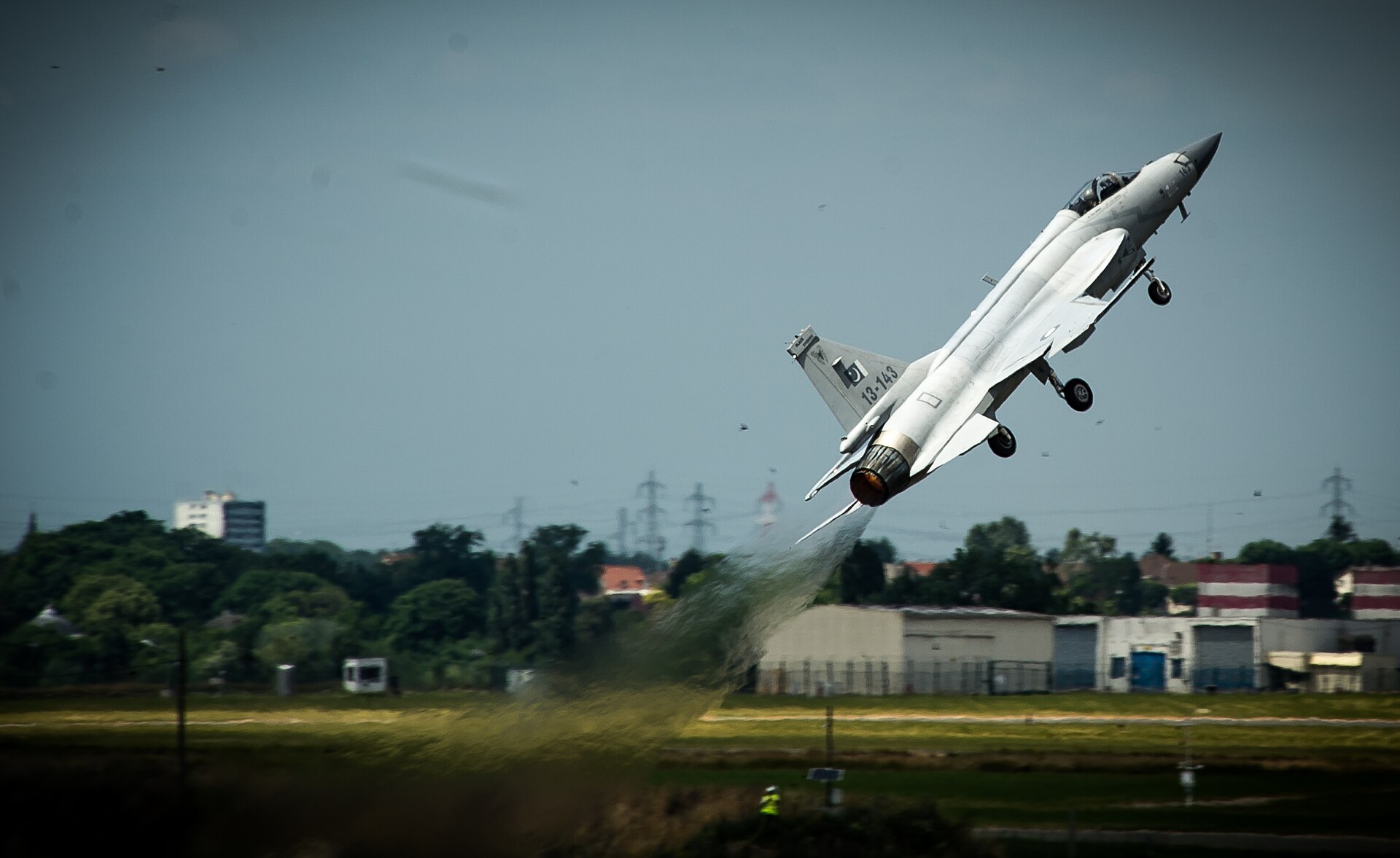
Pakistan is the only alliance member with confirmed boots on the ground. Reuters reported in May that Islamabad had deployed approximately 8,000 troops, a squadron of around 16 mostly JF-17 warplanes, two drone squadrons and a Chinese-made HQ-9 air defence system to Saudi Arabia, with Riyadh financing the deployment. Those forces arrived under the bilateral strategic defence agreement concluded between Saudi Arabia and Pakistan before the trilateral Makkah pact, with Pakistani fighter and support jets landing at King Abdulaziz Air Base in the Eastern Province on April 11, according to Al Jazeera.
The bilateral pact contains a provision that allows for up to 80,000 Pakistani troops in a major regional crisis, Reuters reported, citing a source familiar with the agreement — a ceiling ten times the current deployment and roughly the size of a full army corps. Pakistani security sources called the Reuters report “angled” but did not dispute its figures, according to The News. Lt. Gen. Ahmed Sharif Chaudhry, the Pakistani army spokesman, told CNN that “the forces of Pakistan are already there” and that “Pakistani troops have been stationed there for decades in multiple capabilities.”
What those forces have done since arriving is a different question. Neither the Pakistani contingent nor any alliance member has conducted direct offensive military action against the Houthis, according to available reporting. The Houthis struck KKIA on October 10, killing at least 14 people including two Indian nationals who died of their injuries, hit an Aramco building on October 13, and struck the PIF Tower in Riyadh’s King Abdullah Financial District on both November 19 and November 24 — all after the pact’s October 5 invocation and Pakistan’s troop presence. Pakistan’s defence minister Khawaja Asif said in September that “if there is unprovoked aggression, or a spillover of whatever is happening in Yemen into Saudi Arabia, definitely the Mecca agreement will become operational,” according to Geo News as cited by Al Jazeera — but those conditions appear to have been met repeatedly without a visible Pakistani offensive response.
Does Turkey’s Deterrence-Only Role Hold Up?
Turkey is the pact member whose commitment remains most ambiguous. Defence Minister Yasar Guler told Turkish media: “We absolutely do not foresee entering into any conflict with the Houthis,” adding that Turkish support “would be to strengthen deterrence,” according to Al Jazeera’s November 6 report on the ratification. The 279–119 vote showed substantial parliamentary opposition, and Al Jazeera noted that any actual troop deployment to Saudi Arabia would require additional legislative steps beyond the ratification itself.
Guler’s position creates a structural tension within the alliance. The pact’s Article 2 does not distinguish between deterrence contributions and combat contributions — it obligates members to provide “the full range of mutual assistance measures available to them” when a signatory is attacked. If Turkey defines its own ceiling as deterrence and rules out direct action against the group conducting the attacks, then the “collective” in collective defence applies to two of three members at best.
Abdulaziz Alghashian, a senior non-resident fellow at the Gulf International Forum, told Al Jazeera on October 5 that “the Houthi attacks and provocations in recent weeks and months really hastened the Mecca alliance, inspired it, even.” The question the Islamabad meeting must address is whether the attacks that inspired the pact have also exposed its limits — or whether the alliance’s deterrent value lies precisely in the ambiguity of what Turkey and Pakistan might do, rather than what they have done.
The Tehran Meeting and Iran’s Counter-Move
Iran’s response to the Makkah Alliance has followed two tracks: dismissal in public and engagement in private. When the pact was signed in August, Foreign Minister Abbas Araghchi avoided criticising it by name, stressing Iran’s military strength and calling for Muslim unity, while SNSC Secretary Mohsen Rezaei dismissed it as “an agreement on paper” that would not secure Saudi Arabia, according to Iran International.
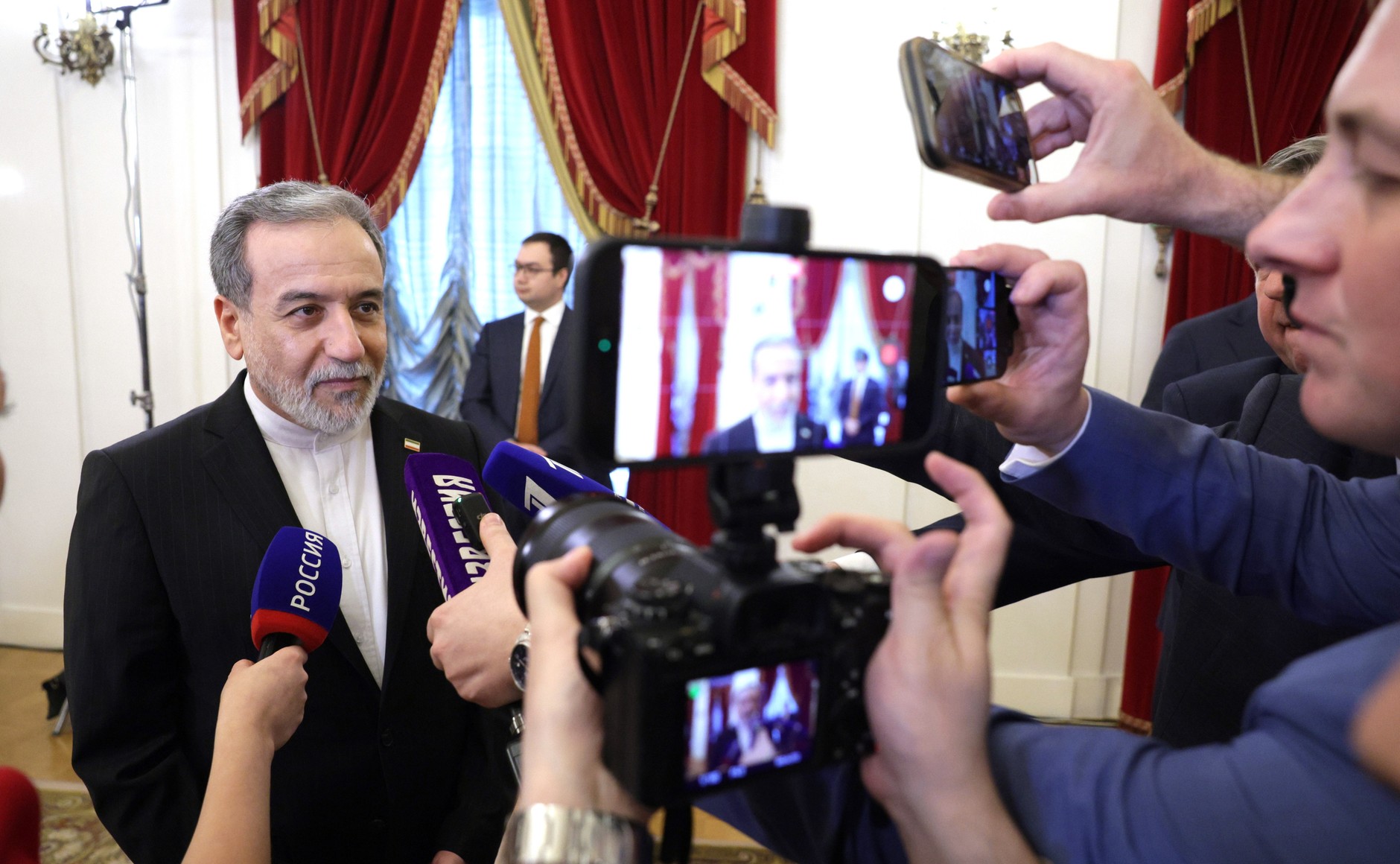
The private track proved more revealing. On October 26, Iran hosted the first high-level meeting since Houthi attacks escalated, bringing together officials from all four countries — Saudi Arabia, Pakistan, Turkey and Iran — in Tehran. Saudi Arabia was represented by Defence Minister Prince Khalid bin Salman, Pakistan by Field Marshal Asim Munir and Turkey by intelligence chief Ibrahim Kalin, according to Al Jazeera. Iran’s security chief said he had “very good discussions,” and the official Iranian line held that “regional security should be ensured by countries in the region itself and not by foreign actors” — a formulation that implicitly cast the Makkah Alliance as legitimate regional cooperation while pushing back against any role for the United States.
No binding agreement resulted from the Tehran session, and the Houthis struck the PIF Tower in Riyadh for the first time less than four weeks later, on November 19. Egypt’s parliament approved defence support for Saudi Arabia on the same day as the Tehran meeting, according to Middle East Monitor — a signal that the alliance’s diplomatic orbit extends beyond its three formal members, even as the pact itself has not stopped the attacks it was designed to deter.
What Comes Out of Islamabad?
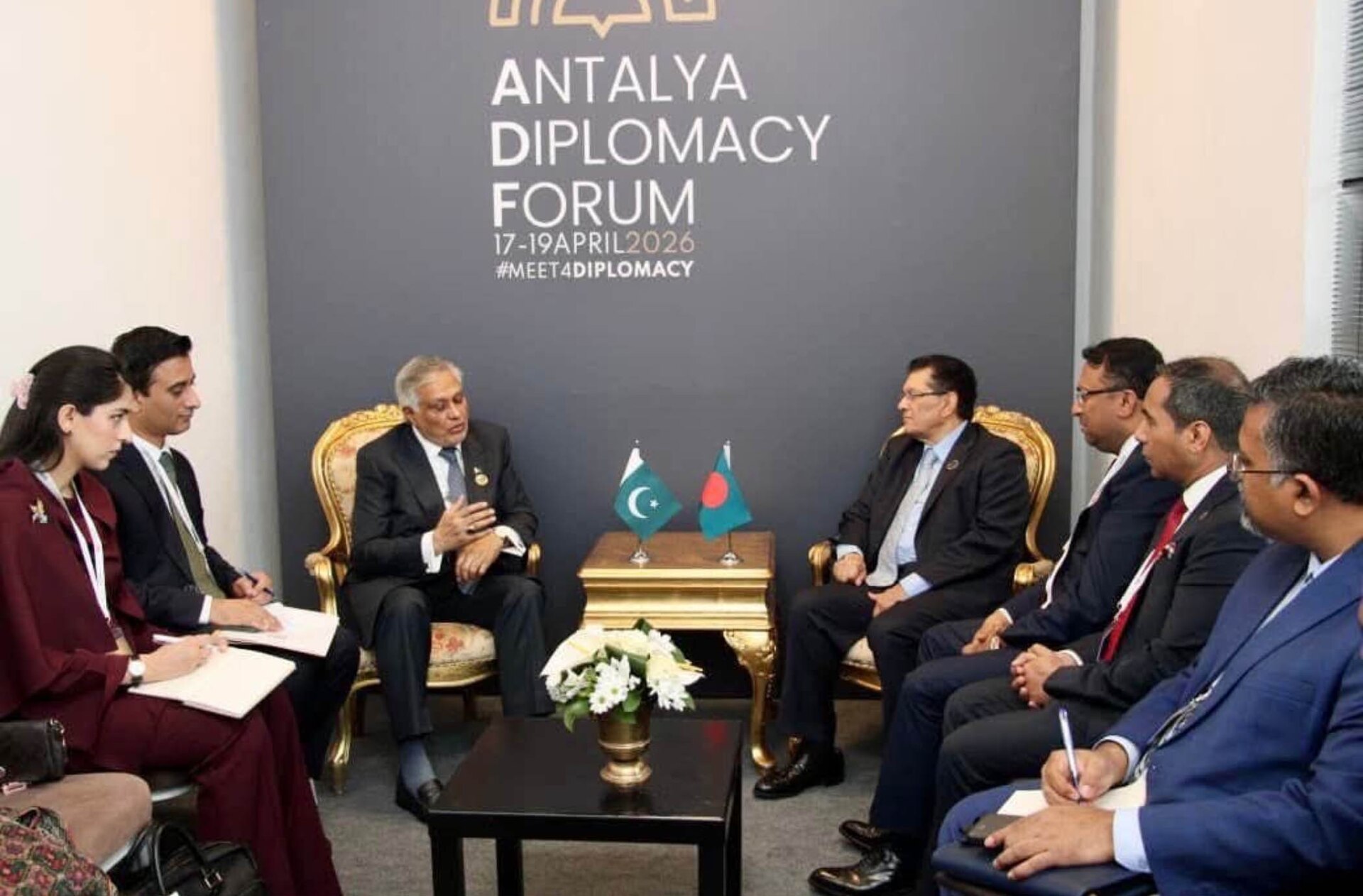
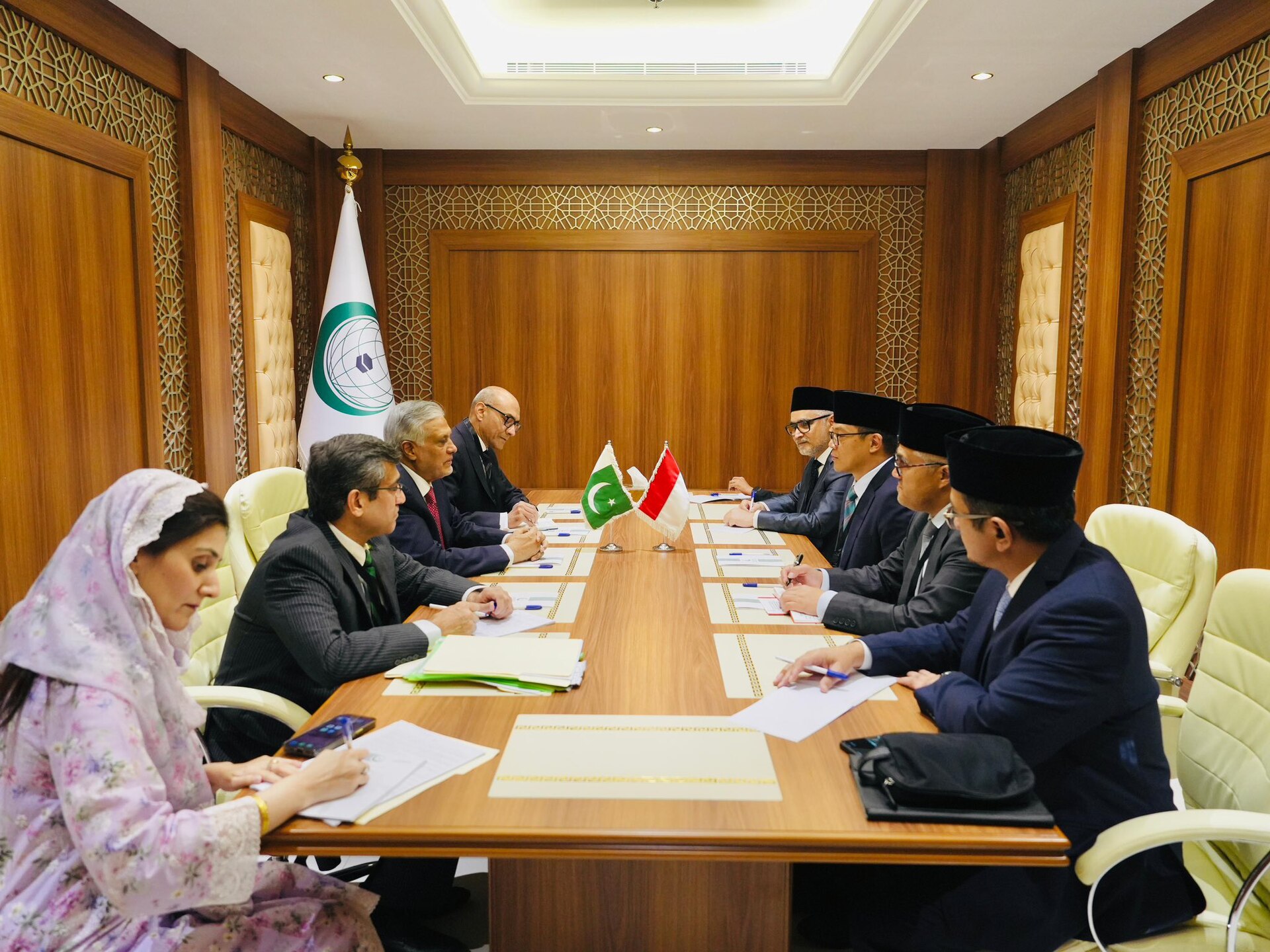
Pakistan’s delegation to the November 26–27 meeting will include Deputy Prime Minister and Foreign Minister Ishaq Dar, Defence Minister Khawaja Asif and Field Marshal Asim Munir, according to 24newshd.tv and Arab News Pakistan. Dar said on November 17 that the alliance is still developing its institutional structure, including the secretary-general’s office, and that Islamabad would host the third committee meeting — an indication that the pact’s bureaucratic scaffolding remains incomplete nearly four months after signing.
The meeting’s agenda has not been made public, but the operational questions facing the committee are not subtle. The secretariat in Riyadh is still being established. No joint command structure has been announced. Turkey has not confirmed any troop deployment, and its self-imposed deterrence-only posture has not been reconciled with Article 2’s mutual defence language. Pakistan’s forces have been in-country since April but have not participated in offensive strikes against the Houthis, who have continued to hit targets deep inside Saudi Arabia — including two confirmed strikes on the PIF Tower and an October 10 airport attack that killed at least 14 people.
The combined military paper strength of all three alliance members is approximately 1.4 million active troops, 3,400 military aircraft, 6,000 tanks and more than 340 naval assets, according to the 2026 Global Firepower Index as cited by Al Jazeera — numbers that describe what exists on three nations’ books, not what is deployed to Saudi Arabia or committed to the alliance’s defence. The gap between that combined strength and the 8,000 Pakistani troops actually on the ground is the distance between a treaty and a war-fighting coalition, and the Islamabad meeting is where the alliance’s members will have to decide which one this is.
From Bilateral Pact to Trilateral Alliance
The Makkah Alliance grew from a bilateral Saudi-Pakistan mutual defence agreement concluded before the trilateral pact, with Turkey joining talks that date back to 2023, according to the International Institute for Strategic Studies. The bilateral pact already provided the legal basis for Pakistan’s troop deployment, which began in April 2026, and the trilateral agreement formalized Turkey’s inclusion in a framework the IISS described as “a key geopolitical realignment.”
The timeline from signing to invocation was compressed by events. Saudi, Pakistani and Turkish foreign ministers met on September 25 on the sidelines of the UN General Assembly in New York to arrange an urgent meeting of military chiefs, according to Al Jazeera. Those chiefs met in Riyadh the same day, September 25, according to Gulf News. On October 5, with Houthi strikes escalating, the emergency committee session in Riyadh agreed to “activate collective deterrence measures,” with Saudi Defence Minister Prince Khalid bin Salman posting that the alliance “reaffirmed the solidarity and unity of our countries, in confronting the heinous attacks against the Kingdom, and holy sites.” The Pakistan Foreign Ministry’s joint statement from that session said the three countries would “provide the agreed military forces and capabilities and ensure their rapid deployment” to Saudi Arabia, “in accordance with each country’s laws.”
The pact came together after the United States declined two Saudi requests for strikes on the Houthis in September 2026, according to the New York Times via the Philadelphia Inquirer. France confirmed troops, radars and air defences for Yanbu in September, and Britain deployed an RAF Voyager tanker — parallel deployments that sit outside the Makkah Alliance but underscore the breadth of Saudi Arabia’s security outreach as the Houthi campaign continued. Trump called the Turkish and Pakistani deployments “good” on October 7, according to Gulf News, and Saudi Arabia, Egypt, Pakistan and Turkey issued a joint statement on October 11 calling the Houthi attacks “a blatant violation of international law,” according to CBS News.
The GCC defence ministers approved a forward command headquarters in Kuwait in a parallel institutional step, while Prince Faisal bin Farhan has been working the phones with counterparts from Pakistan to Norway. The Makkah Alliance’s value has always been as much diplomatic as military — a demonstration that Saudi Arabia can assemble a coalition of Muslim-majority powers independent of Washington. Whether the Islamabad meeting converts that demonstration into operational capability is the test the alliance now faces.
FAQ
What is Article 2 of the Makkah Alliance?
Article 2 is the pact’s collective defence clause, seen by Reuters and reported by Al Jazeera on November 6. It states: “In the event one of the parties is subjected to an armed attack or military aggression by another country or group of countries, the parties shall immediately provide assistance to the party under attack, utilising the full range of mutual assistance measures available to them.” It is modelled on collective defence provisions in other multilateral treaties, though the Makkah pact’s operational mechanisms remain undeveloped compared to established alliances with integrated command structures.
Have the Houthis responded to the Makkah Alliance?
No specific Houthi statement on the pact has been found in available reporting. The Houthis continued to attack Saudi airports, Aramco facilities and the PIF Tower in Riyadh after both the August 7 signing and the October 5 invocation, suggesting the alliance has not altered their targeting calculus. The Houthis have separately claimed strikes on Jeddah-area targets and threatened Saudi Red Sea ports after coalition strikes on Hodeidah.
How does the Makkah Alliance relate to the US role in Saudi defence?
The alliance emerged after the US declined two Saudi requests for strikes on the Houthis in September 2026, according to the New York Times. The US has provided intelligence support — CNN reported more than 100 military advisers — and approved a potential $24.3 billion sale of 48 F-35A fighters, according to The Aviationist. But Washington has not conducted direct strikes on Houthi positions, and the Makkah Alliance represents Saudi Arabia’s parallel effort to build a non-US security framework with Muslim-majority partners.
Why did Turkey’s ratification take effect nine days after parliament voted?
Under Turkish constitutional procedure, an international treaty takes legal effect domestically only after the parliamentary ratification law is published in the Official Gazette — the final procedural step before legal obligations bind the state. Turkey’s Grand National Assembly voted 279 to 119 on November 5, but the law was published on November 14, the date Al Jazeera identified as when the pact entered full legal force. The significance of that interval is that the alliance’s Article 2 mutual defence obligation was legally binding on only two of its three members — Saudi Arabia and Pakistan — between Turkey’s parliamentary vote and the November 14 publication date. Pakistan had ratified on October 23.
Could the alliance expand beyond three members?
The pact’s 16 articles and open-ended structure do not preclude expansion, though no additional countries have been publicly invited to join. Egypt approved defence support for Saudi Arabia on October 26, and France and Britain have deployed assets independently. The October 26 Tehran meeting included all three alliance members plus Iran, suggesting the pact’s diplomatic weight already extends beyond its formal membership — but expansion would require ratification processes in each new member state, a timeline Turkey’s experience shows can take months.
The House of Saud Daily Briefing
Saudi Arabia's news in 3 minutes, every morning. Free. See today's issue