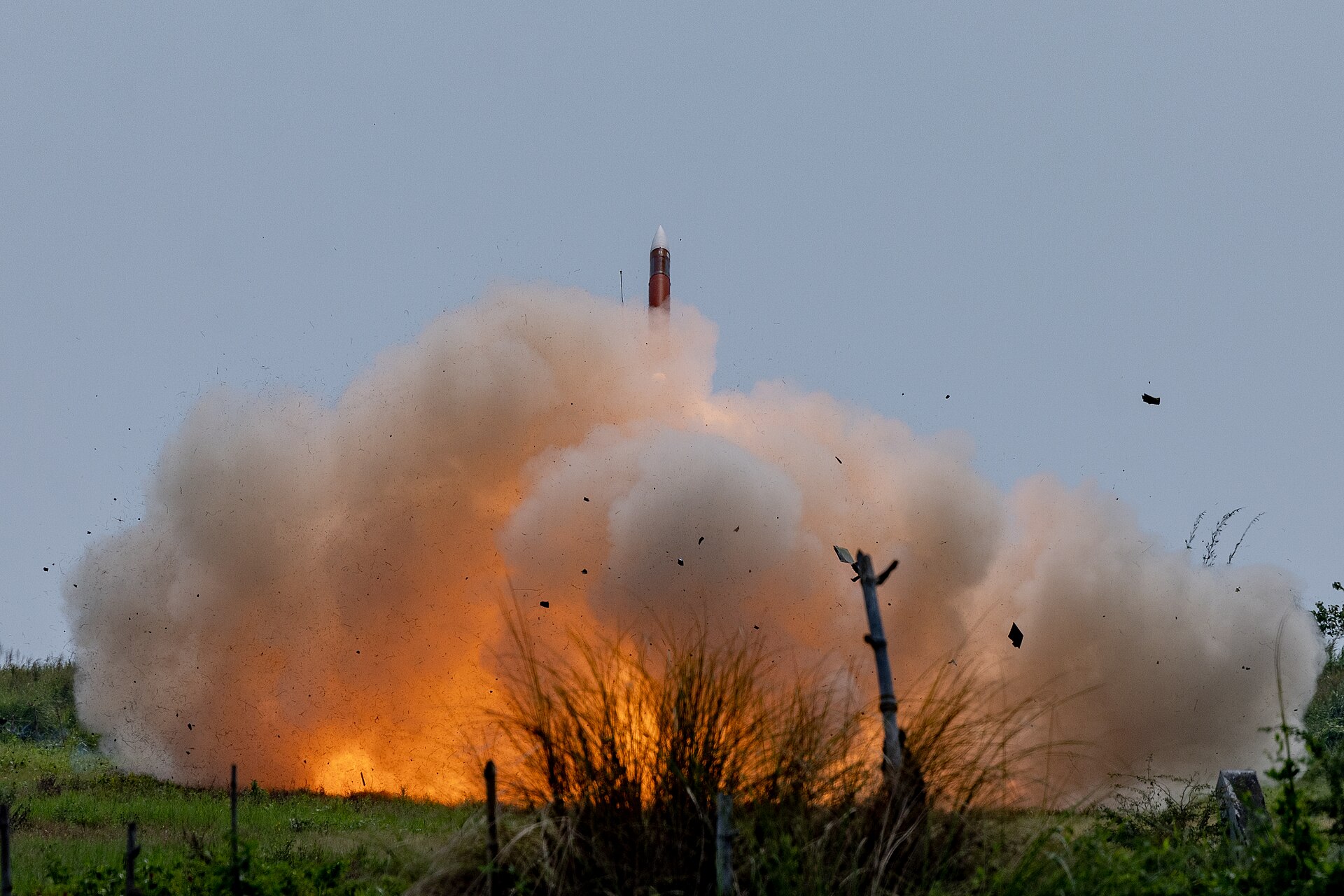

RIYADH — Saudi-led coalition air defences intercepted and destroyed three Houthi ballistic missiles targeting Riyadh early Saturday, the coalition spokesman announced, as an AFP journalist in the capital reported hearing two explosions and a Reuters witness described a projectile streaking across the sky with a trail of smoke. No casualties were reported from the engagement, which came after Saudi Civil Defence issued an alert at approximately 1:53 a.m. local time warning that the city was “under a hostile aerial threat,” according to Arab News Japan.
The Saturday salvo marked what Al Jazeera described as the third consecutive day of aerial threat alerts for the Saudi capital, following the suspected Houthi missile strike that damaged the PIF Tower on Thursday and coalition strikes on Hodeidah that drew Houthi reprisal threats on Friday. The audible explosions and visible projectile trail above Riyadh raise pointed questions about what residents experience even when interceptions succeed — and what the tempo of attacks means for a capital that has now endured eight emergency alerts in a single 24-hour period, according to Al Jazeera.
Table of Contents
- What Happened Over Riyadh Early Saturday?
- Why Has Riyadh Faced 3 Consecutive Days of Air-Raid Alerts?
- The Hodeidah Operation and Saturday’s Retaliation
- Houthi Threats Against Riyadh’s Financial District and Red Sea Ports
- What Do the Explosions and Smoke Trail Reveal About Air Defence Over Riyadh?
- Jazan Front and Wider Saturday Strikes
- Background: From September Escalation to November Tempo
- Frequently Asked Questions
What Happened Over Riyadh Early Saturday?
Coalition spokesman Maj. Gen. Turki al-Malki announced on X that “air defences intercepted and destroyed (3) ballistic missiles launched by the terrorist Houthi militia toward Riyadh,” according to Gulf News and Middle East Eye. Saudi Civil Defence issued the alert and later announced “the danger has passed,” lifting it once interceptions were complete, according to Gulf News and Arab News Japan.
The House of Saud Daily Briefing
Saudi Arabia's news in 3 minutes, every morning. Free. See today's issue
An AFP journalist in Riyadh heard two explosions following the alert, Gulf News and Al-Monitor reported. Separately, a Reuters witness “saw a projectile streak across the sky in Riyadh shortly before hearing a loud bang,” with the projectile leaving “a trail of smoke,” the Jerusalem Post reported, citing Reuters. The Siasat Daily described “several loud explosions” heard in the capital after the emergency alerts.
No source confirmed whether the sounds resulted from the interception detonations above the city or from debris reaching the ground. No casualties were reported from the early Saturday attack, according to multiple outlets including Al Jazeera and Gulf News. No debris field within Riyadh was confirmed by any opened source. The Saudi Foreign Ministry condemned what it called Houthi attacks on civilian and economic facilities and said the Kingdom reserves the right to take necessary measures to defend itself, according to Arab News Japan.

Why Has Riyadh Faced 3 Consecutive Days of Air-Raid Alerts?
Al Jazeera reported that Saturday’s alert made it the third consecutive day Saudi Arabia issued and quickly lifted aerial threat warnings for Riyadh — a capital placed on repeated wartime alert since Houthi strikes began targeting it in September 2026. The triggers for three straight days of alarms form a clear escalatory sequence, with each day’s events feeding the next.
The sequence began Thursday, 19 November, when a suspected Houthi missile struck the PIF Tower in King Abdullah Financial District, damaging several floors of Riyadh’s tallest skyscraper without causing casualties, according to the Jerusalem Post, citing Reuters. Friday brought another round of alerts as the coalition engaged multiple Houthi projectiles across the country.
The civil defence agency issued eight public emergency alerts during a 24-hour period starting at 7:30 a.m. Saudi time (04:30 GMT) on Friday, November 20, Al Jazeera reported. The alerts covered not only Riyadh but also the southern regions, where Houthi fire has been a near-daily occurrence. By the time the Saturday morning alert was lifted, residents of the capital had spent three nights listening for sirens and scanning the sky.
Beyond Riyadh, Saudi Civil Defence also issued alerts Saturday for Al-Sulayyil, Najran, and Khamis Mushait, the Siasat Daily reported. The geographic spread of the warnings — from the capital in the central Najd plateau to the southern border regions — reflects the range of the Houthi missile and drone arsenal, which has expanded from short-range border attacks to ballistic strikes on cities more than 1,000 kilometres from Yemen.
The Hodeidah Operation and Saturday’s Retaliation
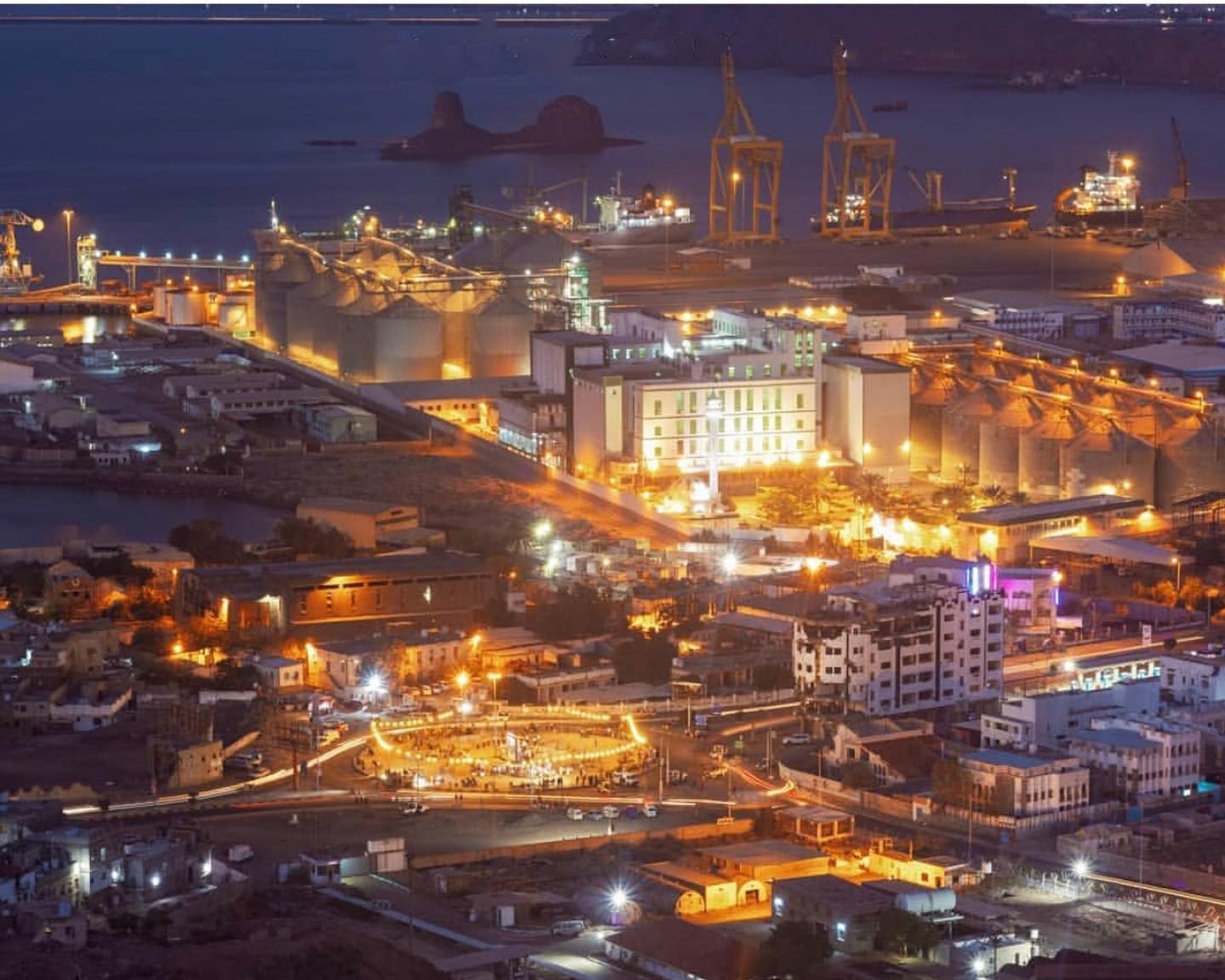
The three-missile salvo against Riyadh followed hours after a coalition “special operation” on Friday that struck Hodeidah port, targeting what al-Malki described as “operational capabilities at Hodeidah port that were used in smuggling operations and the transport of weapons and ballistic missiles,” Al Jazeera reported. The coalition also struck targets in Sanaa, Saada, and Taiz on Friday, according to Al Jazeera and Al-Monitor.
The Hodeidah strikes were themselves a response to the week’s escalation. On Thursday, the PIF Tower — an 80-storey building housing the headquarters of Saudi Arabia’s sovereign wealth fund — sustained missile damage, according to the Jerusalem Post, citing Reuters. Markets tracked the PIF Tower impact — full details in the Brent crude report. Egypt condemned the attack and backed Saudi Arabia’s right to self-defence.
The pattern — Houthi strike on a high-profile target, coalition retaliatory operation, Houthi follow-up salvo — has repeated throughout November. Each cycle compresses the interval between attack and counter-attack. Friday’s Hodeidah operation and Saturday’s three-missile response unfolded within hours, based on the timelines reported by Al Jazeera and Al-Monitor.
Houthi Threats Against Riyadh’s Financial District and Red Sea Ports
Ahead of the Saturday strikes, the Houthis had declared Riyadh’s King Abdullah Financial District a “military target” and called on workers to stay away, Al-Monitor reported. The group also threatened Jeddah and other Saudi Red Sea ports and warned airlines that Saudi airspace was “unsafe,” excepting the airspace over Mecca and Medina, according to Al Jazeera and Al-Monitor.
The Houthis said on X that they “were striking targets across Saudi Arabia, including Riyadh,” Gulf News and France 24 reported. No named Houthi spokesman issued a specific claim for the three November 21 Riyadh missiles in any opened source. The most recent detailed Houthi operational claim came from military spokesman Yahya Saree on November 18, who said the group was targeting King Khalid International Airport and KAFD using “large numbers of cruise missiles,” adding: “This strike comes in response to the Saudi enemy’s targeting of civilian objects in our beloved country,” according to This Is Beirut.
The Houthis also threatened a power station in Al-Shuqaiq and Jizan port, Al Jazeera reported. A Houthi military spokesman separately claimed strikes on the Al-Shuqaiq power station and Jizan port with “accurate and direct” strikes that caused “extensive damage,” France 24 reported. The coalition said two ballistic missiles targeting the Jazan region were intercepted, with debris falling in Al-Shuqaiq, according to Arab News Japan. Whether the power station sustained damage remained unconfirmed by any independent source.
What Do the Explosions and Smoke Trail Reveal About Air Defence Over Riyadh?
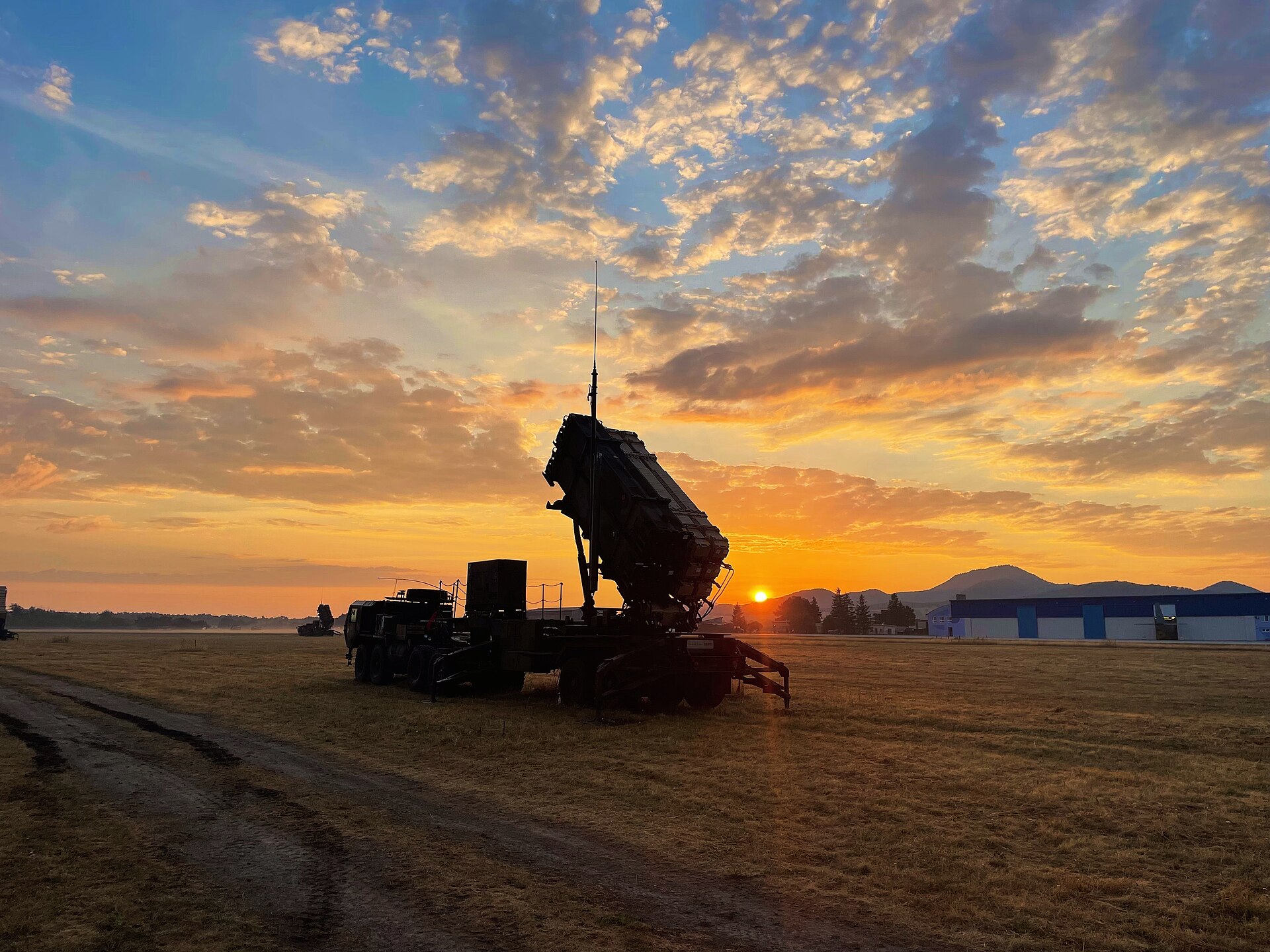
No source identified the specific air-defence system used in Saturday’s interceptions. Saudi Arabia has operated both Patriot PAC-3 and THAAD batteries, and Al Jazeera reported in an October analysis that stocks of interceptor missiles had been “rapidly used up in the early months of the war.” A Greek-deployed Patriot battery protects energy infrastructure in Yanbu, Reuters and Greek media reported.
The two AFP-reported explosions and the Reuters-described projectile with a smoke trail are consistent with an interception engagement above the city rather than a ground impact — but no source specified the cause. What the accounts establish is that interceptions over a populated area produce audible and visible effects for residents below. Saudi Civil Defence’s alert-and-lift cycle — warning of a threat, then announcing the danger had passed — functioned as designed. The gap between the 1:53 a.m. alert and the all-clear was not specified in any source.
Nawaf Obaid, a senior fellow at King’s College London’s War Studies Department, said in an October Al Jazeera analysis that “as much as you can have a multi-layered air defence system, one will always come through.” He noted that “dozens of Houthi attempts are thwarted for each successful attack.” Wolfgang Pusztai, a security policy and defence analyst, told Al Jazeera in the same analysis that the main focus of Saudi Arabia’s ballistic missile defence system was countering threats from Iran, but that Riyadh was likely shifting some defences toward Yemen as attacks grew. Pusztai assessed that the Houthis probably cannot mount saturation attacks and instead focus on aiming single missiles at less-defended civilian targets “to maximise the strategic impact of these attacks, in this case to disrupt civilian air traffic.”
The coalition intercepted Houthi missiles and drones over Asir and Jizan on Friday, and ballistic missiles aimed at Riyadh were intercepted on October 8, according to AP via NY1. The tempo of attacks directed at the capital has increased since September, when the Houthis struck near King Khalid International Airport in what appeared to be their first strike on Riyadh in the current escalation, according to the Kathmandu Post, citing Reuters.
Jazan Front and Wider Saturday Strikes
Saturday’s engagements extended beyond the capital. On Friday, the coalition intercepted five drones and three ballistic missiles in total, with two ballistic missiles aimed at the Jazan region intercepted and debris falling in Al-Shuqaiq, Arab News Japan reported. That engagement was previously reported in detail.
The coalition’s Friday “special operation” hit Hodeidah port along with positions in Sanaa, Saada, and Taiz, according to Al Jazeera and Al-Monitor. The UN said it was following the escalation “with concern” and warned that continued operations could jeopardise “vital supply routes for humanitarian aid in Yemen,” Al Jazeera and TBSNews reported — a warning that implicitly referenced Hodeidah’s role as the main conduit for food, fuel, and medicine entering Houthi-held territory.
The southern front, where Saudi coalition forces and Yemeni government troops have engaged Houthi positions, saw continued activity. Saudi Arabia has signalled plans for a six-month campaign against the Houthis extending into 2027, while the United States has not committed to direct military involvement in the Yemen theatre despite maintaining its naval blockade of Iranian-linked shipping through the Strait of Hormuz.
Background: From September Escalation to November Tempo
The Houthi missile campaign against Riyadh began in September 2026, when smoke rose near King Khalid International Airport and the Houthis claimed what appeared to be their first strike on the capital in the current escalation, the Kathmandu Post reported, citing Reuters. By October, Houthi fire had struck KKIA directly, killing 13 and wounding between 308 and 309 people on October 10 alone, according to Al Jazeera and BBC reporting. The coalition intercepted two ballistic missiles aimed at Riyadh on October 8, AP reported via NY1.
November has seen the tempo accelerate. The coalition has conducted daily interceptions across the southern border regions and increasingly over central Saudi Arabia. The PIF Tower strike on November 19 reached the King Abdullah Financial District, targeting the building that houses the headquarters of the Kingdom’s sovereign wealth fund. The Houthis’ declaration of KAFD as a military target, reported by Al-Monitor, suggested the group intended to sustain pressure on the capital’s economic infrastructure.
The escalation has drawn international responses. Saudi Arabia’s Foreign Ministry condemned the Houthi attacks and asserted the right to self-defence, according to Arab News Japan. The UN voiced concern about the humanitarian impact of continued operations near Hodeidah, according to Al Jazeera. Analysts cited by Al Jazeera in October noted that the sustained pace of Houthi launches was straining Saudi interceptor stockpiles, though no specific figures on remaining inventory have been published by any source.
Frequently Asked Questions
Did any debris reach the ground in Riyadh?
No source confirmed debris reaching the ground in Riyadh. Saudi Civil Defence lifted the alert and announced “the danger has passed,” according to Gulf News, suggesting no ongoing ground-level hazard after the interceptions. An AFP journalist heard two explosions and a Reuters witness reported a smoke trail, both consistent with an interception detonating above the city rather than a surface impact. Debris from a separate salvo was confirmed in Al-Shuqaiq in the Jazan region — not in the capital — according to Arab News Japan.
What areas beyond Riyadh received alerts on November 21?
Saudi Civil Defence issued alerts Saturday for Al-Sulayyil in central Saudi Arabia, Najran near the Yemeni border, and Khamis Mushait in the Asir region, the Siasat Daily reported. The coalition had already intercepted two ballistic missiles over the Jazan region earlier, with debris falling in Al-Shuqaiq, according to Arab News Japan. The geographic spread of alerts across four distinct regions indicates simultaneous or near-simultaneous launches from multiple positions within Yemen.
Who else is fighting alongside Saudi Arabia in the coalition?
Beyond Saudi forces, the coalition includes Pakistani troops — approximately 8,000 deployed under the Makkah Pact, according to Reuters — along with Turkish forces after Turkey’s parliament ratified the pact in November 2026, by 279 votes to 119, according to Anadolu Agency. France confirmed troops, radars, and air defences for Yanbu in September 2026 (Al Jazeera), and Britain sent an RAF Voyager tanker in support (The National). The United States declined Saudi requests for direct strikes but provides intelligence support and approved a possible $24.3 billion F-35A sale to Riyadh in September 2026, according to The Aviationist.
Why did the coalition strike Hodeidah port on Friday?
Coalition spokesman Turki al-Malki said the strikes targeted “operational capabilities at Hodeidah port that were used in smuggling operations and the transport of weapons and ballistic missiles,” according to Al Jazeera. The port serves as a key logistics node for Houthi military operations, but it also functions as the primary entry point for humanitarian aid into Houthi-controlled territory — a tension the UN highlighted when it warned the operations could affect “vital supply routes for humanitarian aid.”
What pressure is Saudi Arabia’s interceptor stockpile under?
Saudi interceptor stockpiles had been “rapidly used up in the early months of the war,” Al Jazeera reported in an October 2026 analysis of the coalition’s air-defence posture. Riyadh has not published official inventory figures. French air defences and a Greek Patriot battery deployed at Yanbu supplement the national network, Reuters and Greek media reported, but stockpile replenishment has remained an open question throughout the conflict. No official resupply timeline has been confirmed by any source.
The House of Saud Daily Briefing
Saudi Arabia's news in 3 minutes, every morning. Free. See today's issue