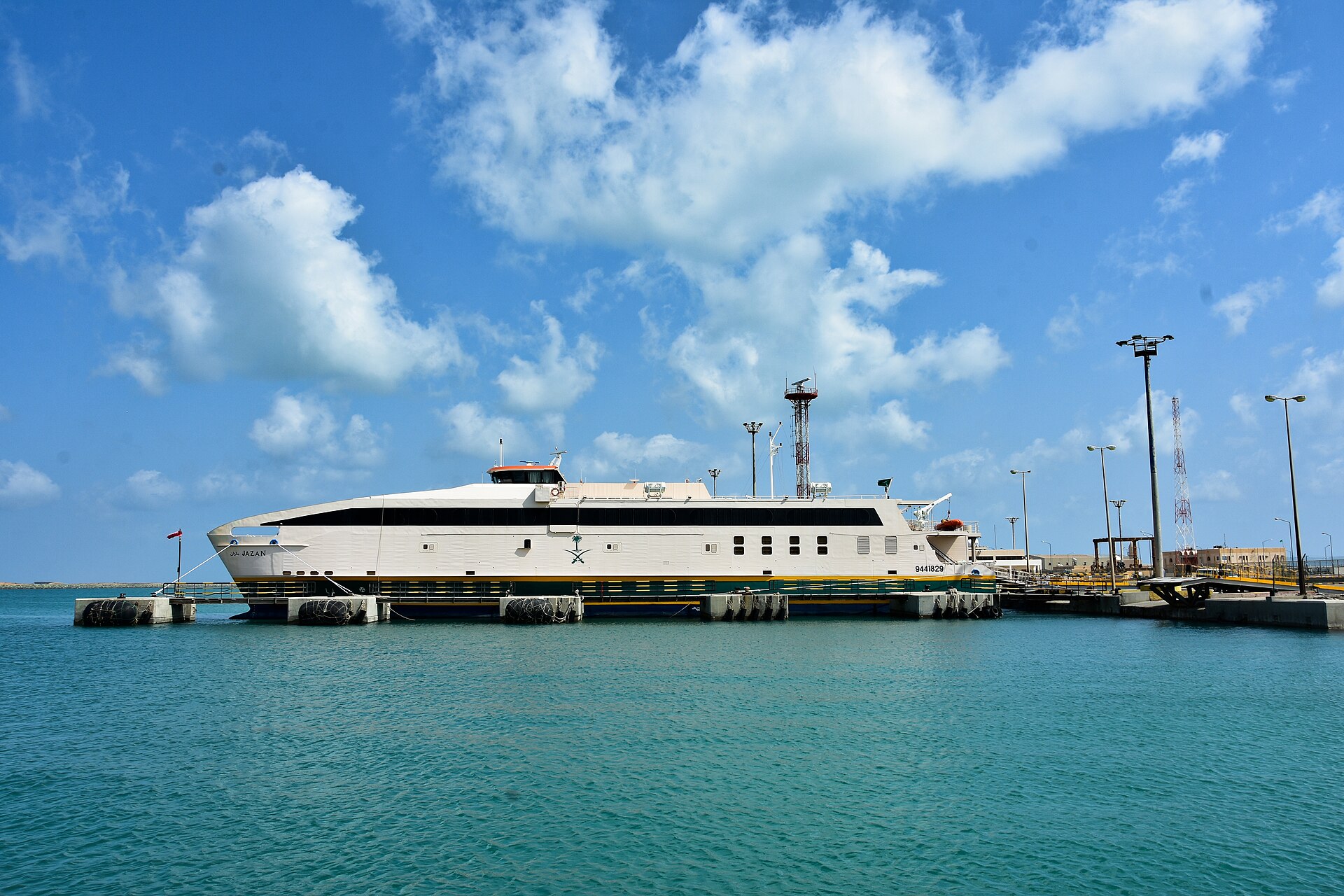

RIYADH — The Saudi-led coalition said it intercepted and destroyed two Houthi ballistic missiles fired at Saudi Arabia’s Jazan region on the evening of Friday, November 20, 2026. Coalition spokesman Maj. Gen. Turki al-Maliki announced the interceptions on X, and debris fell in the Al-Shuqaiq area of Jazan province, according to Anadolu Agency.
There were no immediate reports of casualties or damage from the debris, and authorities were responding at the site, Anadolu reported. Houthi military spokesman Yahya Saree said the group had struck the Al-Shuqaiq power station and Jazan port, a claim the coalition has not confirmed. Earlier the same day, the coalition said it intercepted five drones and one ballistic missile, the Associated Press reported.
The House of Saud Daily Briefing
Saudi Arabia's news in 3 minutes, every morning. Free. See today's issue
Table of Contents
- What did the coalition say about the Jazan missiles?
- What did the Houthis claim at Al-Shuqaiq and Jazan port?
- Alerts in Asir, Jazan and Najran on the same day
- How did the Houthis threaten Saudi airspace and Riyadh?
- Coalition strikes on Sanaa and Hodeidah
- Background: Houthi attacks on southern Saudi Arabia since July
- Frequently asked questions
What did the coalition say about the Jazan missiles?
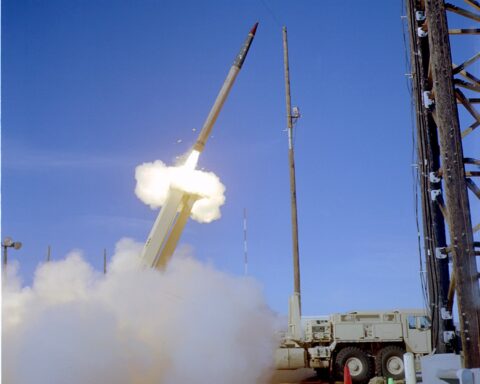
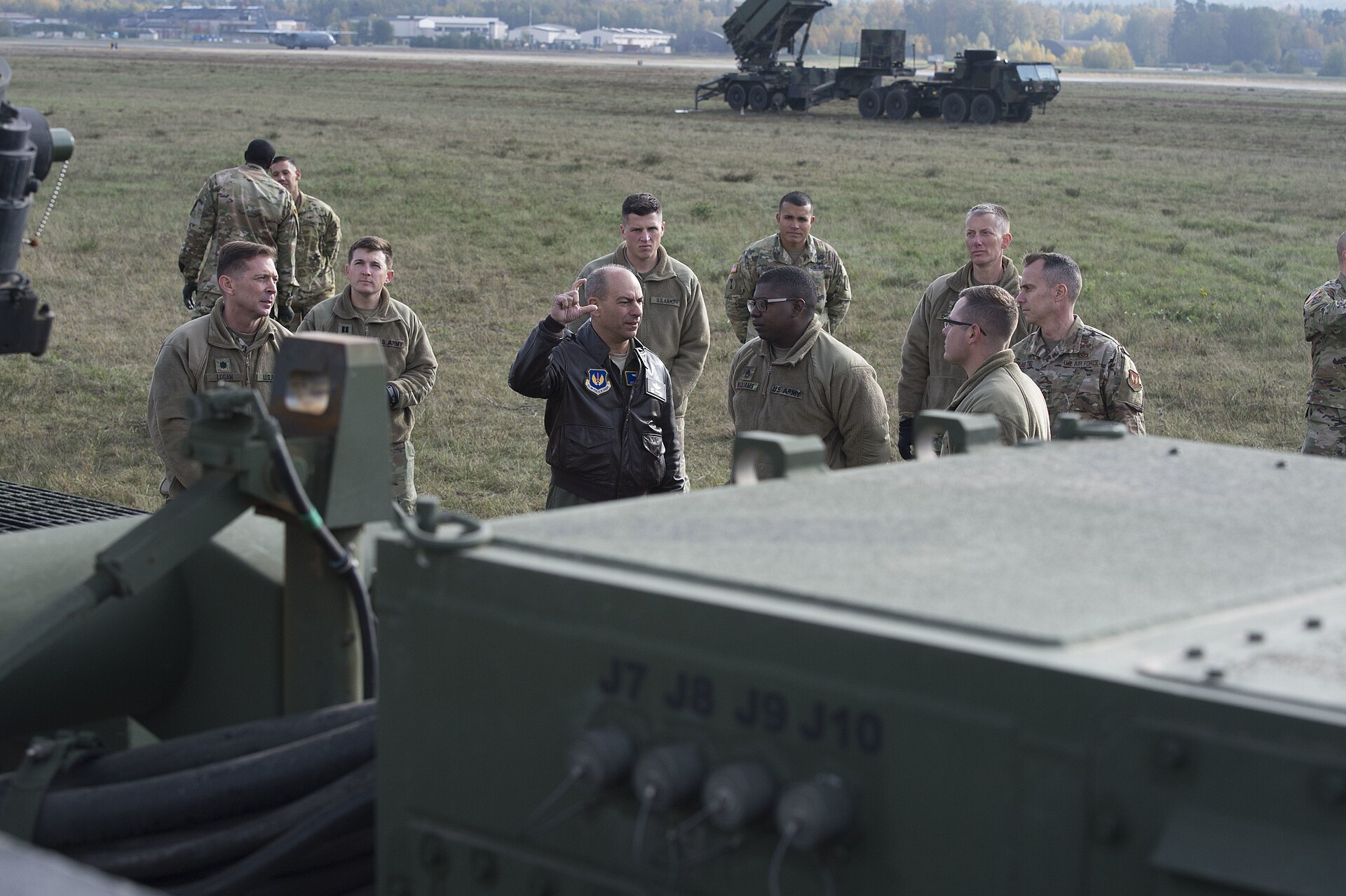
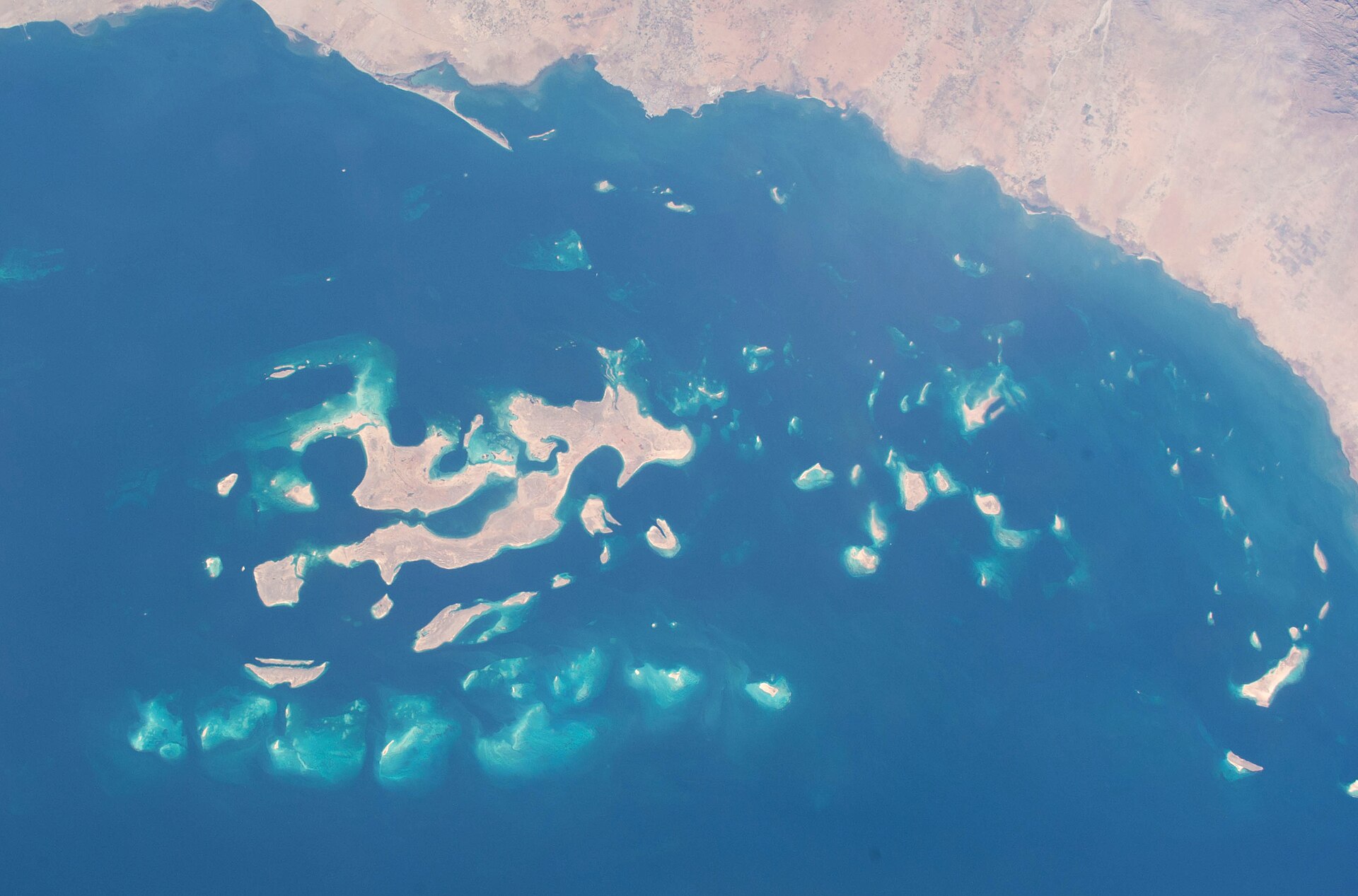
The coalition said its air defences intercepted and destroyed two ballistic missiles launched by the Houthis toward the southwestern Jazan region on Friday evening. Al-Maliki said “both missiles were intercepted and destroyed,” according to Anadolu Agency. Debris fell in Al-Shuqaiq, on Jazan’s Red Sea coast.
The coalition gave no details on casualties or damage, Xinhua reported. Its account referred to shrapnel falling in Al-Shuqaiq, where authorities were responding. Dawn, carrying agency reports, placed the interception over the Jazan region near the Yemen border.
The coalition statement did not say whether the Al-Shuqaiq power station had been struck. Anadolu noted that the Houthis had not immediately commented when the interception was first announced. Saree’s claim of hits on the power station and the port came later that night.
The evening interceptions followed a morning of attacks on southern Saudi Arabia and the capital. The AP’s morning count, cited above, included targets in the capital. “Riyadh, the kingdom’s capital and largest city, was among the targets,” the agency reported. An earlier AFP report, carried by Free Malaysia Today, counted one ballistic missile and two drones fired toward the southern region.
Those morning interceptions over Asir and Jazan are covered in our earlier report on the coalition’s Friday morning intercepts. Added to the two Jazan missiles, the AP’s morning count puts the coalition’s reported Friday interceptions at five drones and three ballistic missiles.
What did the Houthis claim at Al-Shuqaiq and Jazan port?
Saree posted on X that the strikes were “accurate and direct” and caused “extensive damage,” according to Dawn and AFP. Shafaq News reported his description as “significant damage.” None of the reports could verify the claims independently.
Saree framed the attacks as retaliation. He said they answered coalition strikes on power stations in Yemen’s northern Saada province and the Red Sea city of Mokha, and an earlier attack on Hodeidah port, Xinhua reported. The Houthi-run Al-Masirah channel broadcast images of a damaged power station in Mokha after a coalition air raid, according to Dawn.
He also warned of more to come. Further strikes on Yemeni ports or power facilities would bring “immediate retaliation” against similar Saudi facilities, Saree said, according to Xinhua. Shafaq News did not report a missile count or weapon type for the Al-Shuqaiq and Jazan port operation.
Saree made additional claims the same day. He said Houthi forces used locally made surface-to-air missiles to force Saudi F-15s to leave Hodeidah airspace without attacking, Shafaq News reported. He also said Saudi forces had carried out 78 airstrikes and missile attacks in 24 hours, bringing the total since the escalation began to 5,429.
The Houthi-affiliated Health Ministry said 41 civilians were killed in Yemen in the 24 hours before its statement, including 11 children and seven women, Shafaq News reported. It said 28 people were injured, three of them children. The ministry put the toll since the escalation began at 438 killed and 924 wounded.
The Houthis also accused Saudi Arabia of striking a civilian boat early on Friday, killing 19 people, AFP reported. Saudi authorities had not commented on the casualty figures, according to Xinhua. None of these figures could be independently verified.
Alerts in Asir, Jazan and Najran on the same day
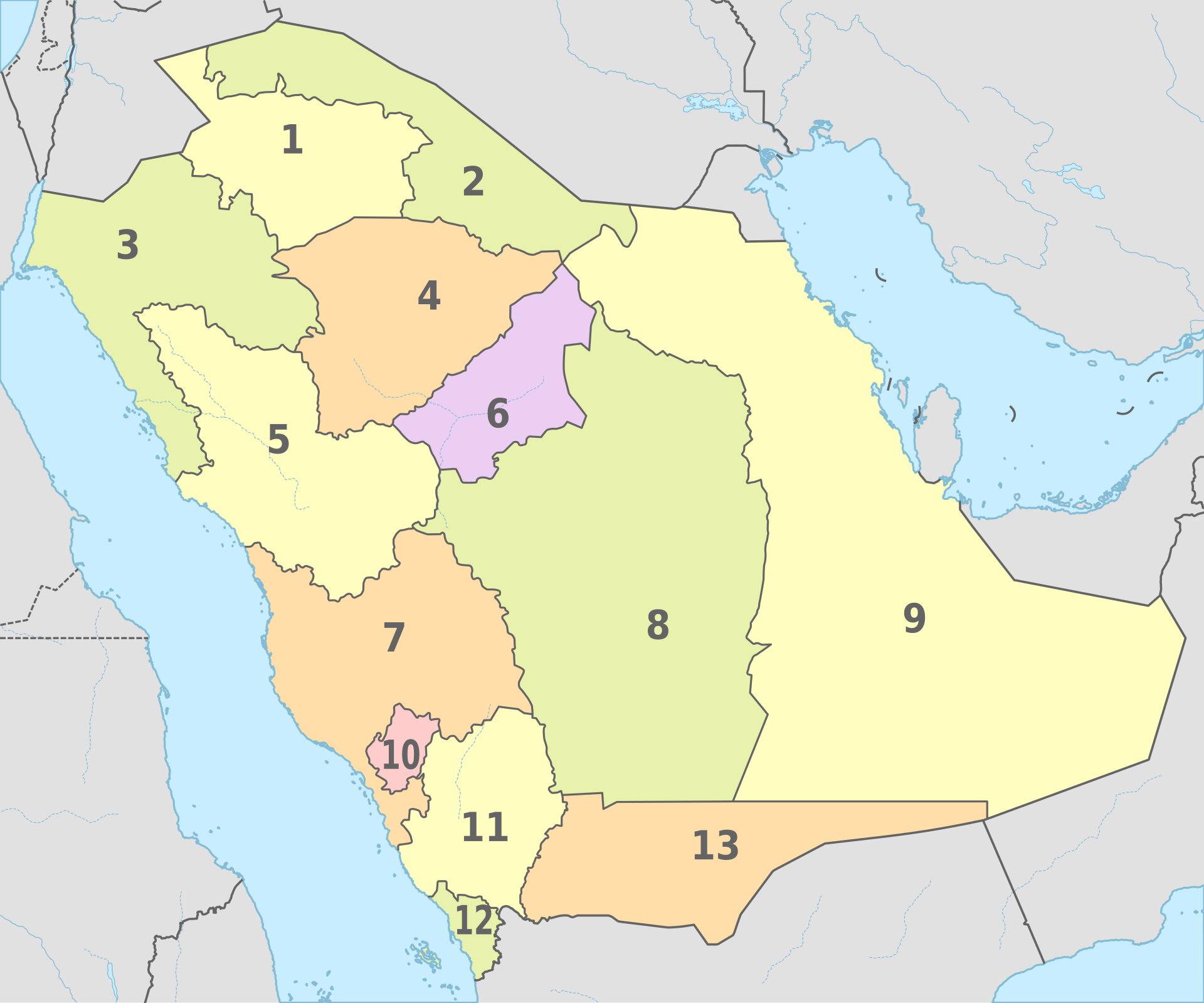
Saudi Civil Defence issued warnings in all three of the kingdom’s southern border provinces on November 20. Early on Friday it issued “potential danger” alerts for Jizan, Abha and Khamis Mushait governorate, the latter two in Asir province, AFP reported. It later said the danger had passed.
Later the same day, the National Early Warning Platform issued emergency warnings for Jazan and Najran provinces, Siasat reported. Later updates said the danger had passed in both provinces. The warnings appeared in the same Siasat report as the coalition’s new operation in Yemen.
The AP put the scale of the alerts in numbers. Saudi Civil Defense had issued 13 emergency alerts since Thursday, warning of possible incoming strikes or interception debris, the agency reported on Friday morning. That count came before the evening Jazan interceptions.
The southern alerts came two days after a similar pattern. On November 18, Civil Defence issued alerts for Khamis Mushait, Najran and Jazan, then announced the danger had passed in all three, Siasat reported. That day the coalition said it intercepted and destroyed a cruise missile launched toward the Riyadh region, an event detailed in our report on the November 18 cruise missile over Riyadh.
| Date | Areas with Civil Defence alerts | Provinces covered | Source |
|---|---|---|---|
| November 18 | Khamis Mushait, Najran, Jazan | Asir, Najran, Jazan | Siasat |
| November 20 (early) | Jizan, Abha, Khamis Mushait | Jazan, Asir | AFP |
| November 20 (later) | Jazan, Najran | Jazan, Najran | Siasat |
The coalition and the outlets that reported its statements did not say which areas the morning drones had targeted beyond the southern region and Riyadh. Xinhua reported a morning count of one ballistic missile and three drones toward southern Saudi Arabia. The figures differ between outlets, with the AP’s five drones the highest morning count.
How did the Houthis threaten Saudi airspace and Riyadh?
Saree warned airlines to stay out of Saudi airspace on November 20. He told “all airlines that Saudi airspace is unsafe, as it will be the theatre of our operations in the coming hours,” AFP reported. He excluded “the holy airspace over Mecca and Medina.”
He also named Riyadh’s King Abdullah Financial District a “military target” and urged people to avoid it, AFP reported. The district’s offices had been evacuated weeks earlier, according to AFP.
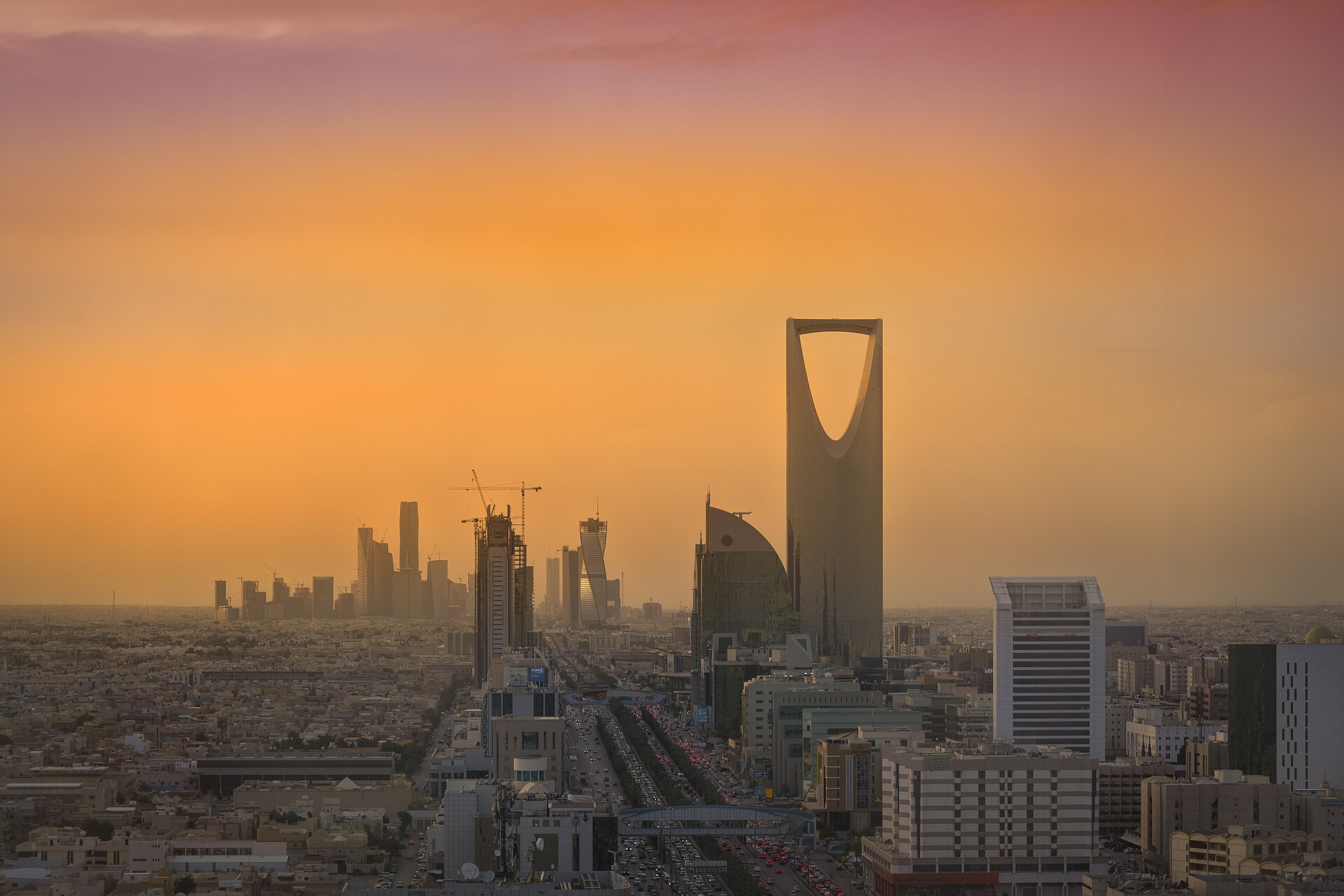
The warning followed the strike on the district a day earlier. On November 19, a Houthi attack damaged the tallest skyscraper in Riyadh, according to Dawn. Civil Defence photos showed shattered glass and exterior damage to a tower housing the Public Investment Fund, AFP reported. The details are in our report on the PIF Tower damage in Riyadh’s financial district.
Saree’s threats extended to Saudi Arabia’s Red Sea coast. He said Jeddah port and all Saudi Red Sea ports would become “targets” if the coalition attacked Hodeidah, Al Jazeera reported. He told port workers and people nearby to leave, and urged shipping companies to evacuate their ships.
The Houthis had already named Al-Shuqaiq before the evening missiles. Saree said the group would target a power station at Shuqaiq in southern Saudi Arabia, Al Jazeera reported. Anadolu reported that debris from the intercepted missiles later fell in that same area.
Coalition strikes on Sanaa and Hodeidah
The coalition announced a military operation against Houthi missile and drone capabilities on November 20. Al-Maliki said it aimed at “eliminating sources of threats” used against civilians in Yemen and Saudi Arabia, according to Siasat. Siasat gave his rank as brigadier general; Anadolu gave it as major general.
In Sanaa, the coalition said it destroyed seven military targets and six workshops used to make structures for ballistic missile and drone launch platforms, Siasat reported. It also said one main Houthi supply depot was “neutralised.” These are coalition claims and were not independently verified.
At Hodeidah, the coalition said it struck port facilities used to smuggle weapons and ballistic missiles. “We targeted operational capabilities at Hodeida port that were used in smuggling operations,” al-Maliki said on X, according to AFP. The coalition said operations against military targets and ballistic missile capabilities were ongoing in Sanaa, Saada and Taiz, Anadolu reported. The Hodeidah strike and the Houthi threat to Jeddah port are covered separately.
Al Jazeera’s Yousef Mawry, reporting from Sanaa, said warnings from both sides were being followed by a stepped-up aerial campaign. He described “the heaviest air strikes that we have witnessed since the conflict began.”
Saudi-backed Yemeni forces said 31 airstrikes, 91 drone attacks and hundreds of artillery attacks had left 193 Houthi fighters dead or wounded, AFP reported. AFP said the figures could not be independently verified. The UN said it was “following with concern” the strikes, spokesman Farhan Haq said, according to AFP.
The operation came a day after officials described plans for a longer campaign, set out in our report on Saudi Arabia’s six-month Houthi campaign plan. On the ground, government forces are preparing to defend Aden, which Al Jazeera described as their “last real stronghold.” The Houthi advance toward the city is tracked in our report on Houthi forces nearing Aden.
Background: Houthi attacks on southern Saudi Arabia since July
Jazan, Asir and Najran border Yemen and have been under Houthi fire since fighting resumed in July, ending the calm that followed a 2022 UN-brokered truce, Anadolu reported. Several attacks on the three provinces caused casualties or shut facilities. The record below lists events confirmed by named outlets.
| Date | Event | Source |
|---|---|---|
| July 13, 2026 | Houthis fired missiles and drones at Abha International Airport; coalition said air defences dealt with ballistic missiles fired at southern Saudi Arabia | AP via News4Jax |
| July 16, 2026 | Abha, Jizan and Najran airports in a fourth day of closure; 358 flights reported cancelled or delayed | Al-Khabar Al-Yemeni, citing Travel and Tour World |
| July 27, 2026 | 400,000 bpd Jazan refinery shut after a Houthi strike damaged its IGCC complex and tank farm | Hydrocarbon Processing, citing IIR |
| August 9, 2026 | Houthis said they hit the Jazan refinery with a drone; Saudi energy ministry said a fire was extinguished with no injuries | Al-Monitor |
| September 8, 2026 | Coalition said missiles and drones targeted Khamis Mushait, Abha and Jazan; at least 73 civilians injured across four southern cities | The National |
| September 12, 2026 | Projectile wounded two people in Al-Tuwal governorate, Jazan, and damaged a mosque, buildings and vehicles | Khaleej Times, citing Civil Defence |
| October 18, 2026 | Projectile struck a residential site in Najran, injuring six citizens and damaging three homes and three vehicles | Shafaq News, citing Civil Defence |
| Early November 2026 | Coalition intercepted two ballistic missiles aimed at Najran; debris fell in the area | Yemen Monitor, November 7 |
The Najran interception reported by Yemen Monitor on November 7 came with two Civil Defence early warnings to Najran residents. Al-Maliki said a drone was also intercepted over the Mecca region in the same period, Yemen Monitor reported.
The Jazan refinery has been the subject of earlier Houthi claims. The group’s claimed strikes in the province, and Riyadh’s planning for a longer war, are examined in our editorial on the Houthi Jizan strike claim and Riyadh’s campaign plan. The US Embassy’s nationwide warning on the Houthi threat is in our report on the November 14 security alert.
Frequently asked questions
What is located in Al-Shuqaiq?
Al-Shuqaiq, in ad-Darb governorate of Jazan province on the Red Sea shore, hosts the Shuqaiq Water Desalination Plant, according to Saudipedia. Its first phase opened in 1989 to serve Asir and Jazan provinces using multi-stage flash distillation. A second phase using reverse osmosis followed in 2020. The plant is operated under the Saudi Water Authority.
What does Saudi Civil Defence tell residents to do during an alert?
Civil Defence tells residents to move to safe places inside buildings, stay away from windows and remain indoors until the danger passes, Siasat reported. People outdoors should avoid open areas, balconies and rooftops, and shelter behind solid barriers. Motorists should pull over away from bridges and high-rise buildings. Residents are told not to gather or film.
Is Hodeidah port still operating after the coalition strikes?
Yemen’s Information Minister said Hodeidah port remained fully operational and that the flow of goods would continue, Dawn reported. Hodeidah is the main port bringing food and other supplies into Houthi-controlled northern Yemen. The UN stressed the need to safeguard operations at Yemen’s Red Sea ports, AFP reported.
How close to the Yemen border do foreign governments allow travel?
The US barred its government staff from travel within 20 miles of the Yemen border, Gulf News reported in October. The UK advises against all travel within 10 kilometres of the border, according to the BBC.
The House of Saud Daily Briefing
Saudi Arabia's news in 3 minutes, every morning. Free. See today's issue