
ADEN — Saudi-backed Southern Armed Forces announced on November 15 that they had pulled out of Dhubab Airport and the Bab el-Mandeb area west of Taiz, a withdrawal that leaves Houthi forces as the dominant power overlooking the southern gateway to the Red Sea. With the IRGC having declared the Strait of Hormuz closed on October 26, the two chokepoints at either end of the Arabian Peninsula now sit within reach of Iran and its Yemeni allies at the same time.
That matters more to Saudi Arabia than to almost anyone. The kingdom has spent months pushing crude west to Yanbu to escape Hormuz, and Kpler data reported by The National showed the Red Sea port handling 92 percent of Saudi seaborne crude exports in June, yet Samriddhi Vij of ORF Middle East estimates that 70 to 75 percent of Yanbu’s exports must still pass through Bab el-Mandeb to reach their buyers.
The House of Saud Daily Briefing
Saudi Arabia's news in 3 minutes, every morning. Free. See today's issue
Table of Contents
- Why Did the Southern Armed Forces Leave Dhubab?
- Hormuz and Bab el-Mandeb Under Pressure at the Same Time
- What Does the Withdrawal Mean for Saudi Oil Exports?
- What the Houthis and Maritime Analysts Say
- Can the Saudi-Backed Government Still Hold the South?
- Background: How Dhubab Changed Hands Three Times
- Frequently Asked Questions
Why Did the Southern Armed Forces Leave Dhubab?
The announcement came in the flat language armies use when they give ground. “The Southern Armed Forces announce the implementation of a redeployment operation for its forces from Dhubab Airport and the Bab el-Mandeb area, west of Taiz Governorate,” the statement said, according to The National, NBC News and Reuters.
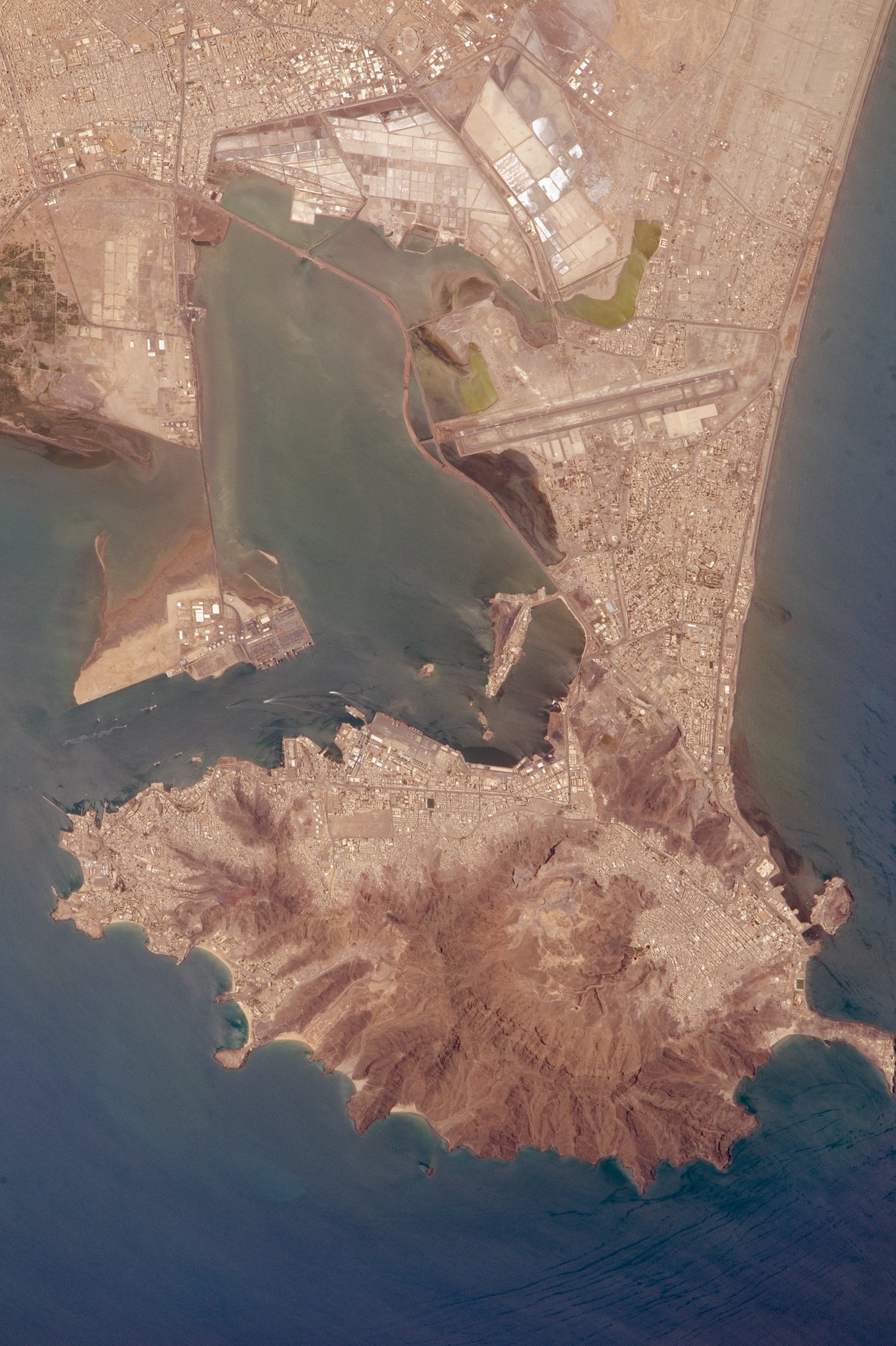
The reason offered was defensive, and it was blunt about where the danger now lies. “This step is taken based on the priority of securing the capital, Aden, and the neighbouring governorates, as well as strengthening the front lines and addressing existing threats,” the statement continued. Al-Arabiya and Newscord.org reported that the units fell back toward Khawr Amirah on Aden’s western perimeter, which puts the new defensive line on the outskirts of the city the statement calls the capital rather than on the coast of the strait.
The forces leaving are the same ones that fought their way back in only weeks ago. Arab News and Yemen Monitor reported in October that the Southern Giants Brigades, the Nation’s Shield Forces and Subaiha tribal fighters retook Dhubab after the Houthis had seized it in September. Whatever the statement calls it, a position won in October has been given up in November, and the statement describes no fighting over it.
There is one gap in the picture that readers should keep in mind. As of the time of writing, no statement from the Houthi movement, Ansar Allah, claiming the physical seizure of Dhubab had been found. The description of the area as Houthi-held comes from media reporting on the withdrawal itself, which leaves the Houthis as the strongest armed force in the area once the government-aligned units are gone.
The timing is hard to separate from the wider war. On the same day, the Saudi-led coalition said its air defences destroyed two ballistic missiles aimed at the Saudi capital, as House of Saud reported this morning, and a day earlier the Houthis claimed the coalition had carried out 72 air strikes across Yemen in 24 hours. If the Houthi count is even close, Saudi air power is still busy over Yemen, but it was not enough to keep its allies on the ground at the mouth of the Red Sea, and the consequences of that reach well beyond Yemen’s coast.
Hormuz and Bab el-Mandeb Under Pressure at the Same Time
Take each chokepoint on its own and the threat is familiar. Take them together and the Arabian Peninsula is boxed in on both flanks, with the IRGC sitting on the eastern exit and the Houthis now dominant on the western one. Samriddhi Vij of ORF Middle East estimates that a dual chokepoint disruption puts around $10 billion a day of global trade at risk and threatens about 22 percent of the world’s oil.
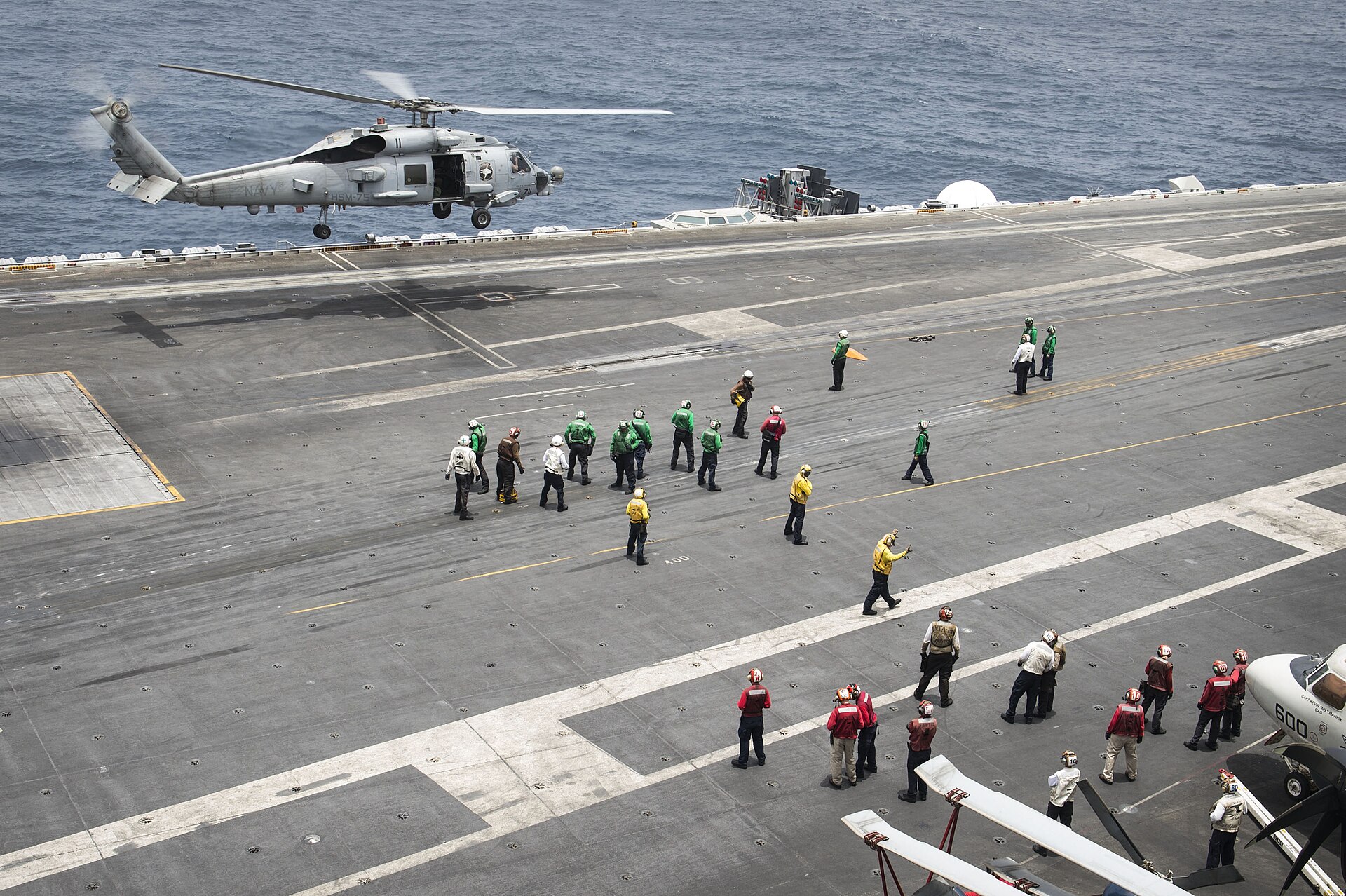
The eastern half of that squeeze has been tightening for weeks. The IRGC declared Hormuz closed on October 26, and on November 12 it claimed that two supertankers carrying more than four million barrels were ablaze in the strait. This morning it claimed six drones had targeted Al-Rifaa helicopter base in Bahrain, which the United States said were all intercepted, as House of Saud reported.
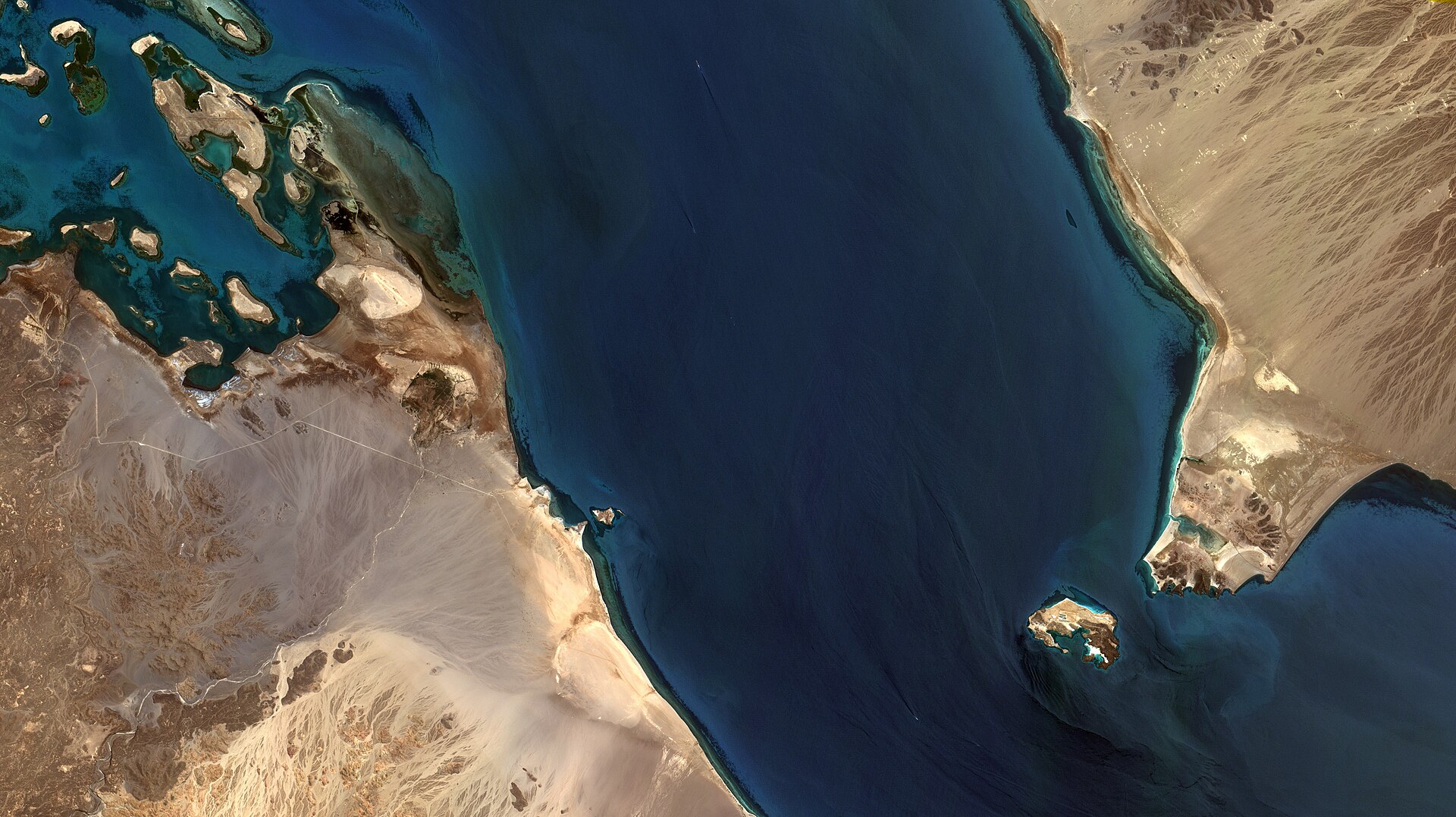
Bab el-Mandeb is no sideshow by comparison. Al Jazeera reported in September that the strait carries roughly 12 percent of global trade and 11 percent of maritime oil. Any tanker or container ship moving between the Suez Canal and the Indian Ocean has to pass through it or go the long way around Africa.
Tehran-aligned voices have been open about the logic. SCFR, a Tehran think-tank, has described control of Hormuz and Bab el-Mandeb together as an “attrition war” strategy, a plan that bets on the cost of disruption wearing down the Gulf states and their partners faster than military pressure wears down Iran and the Houthis.
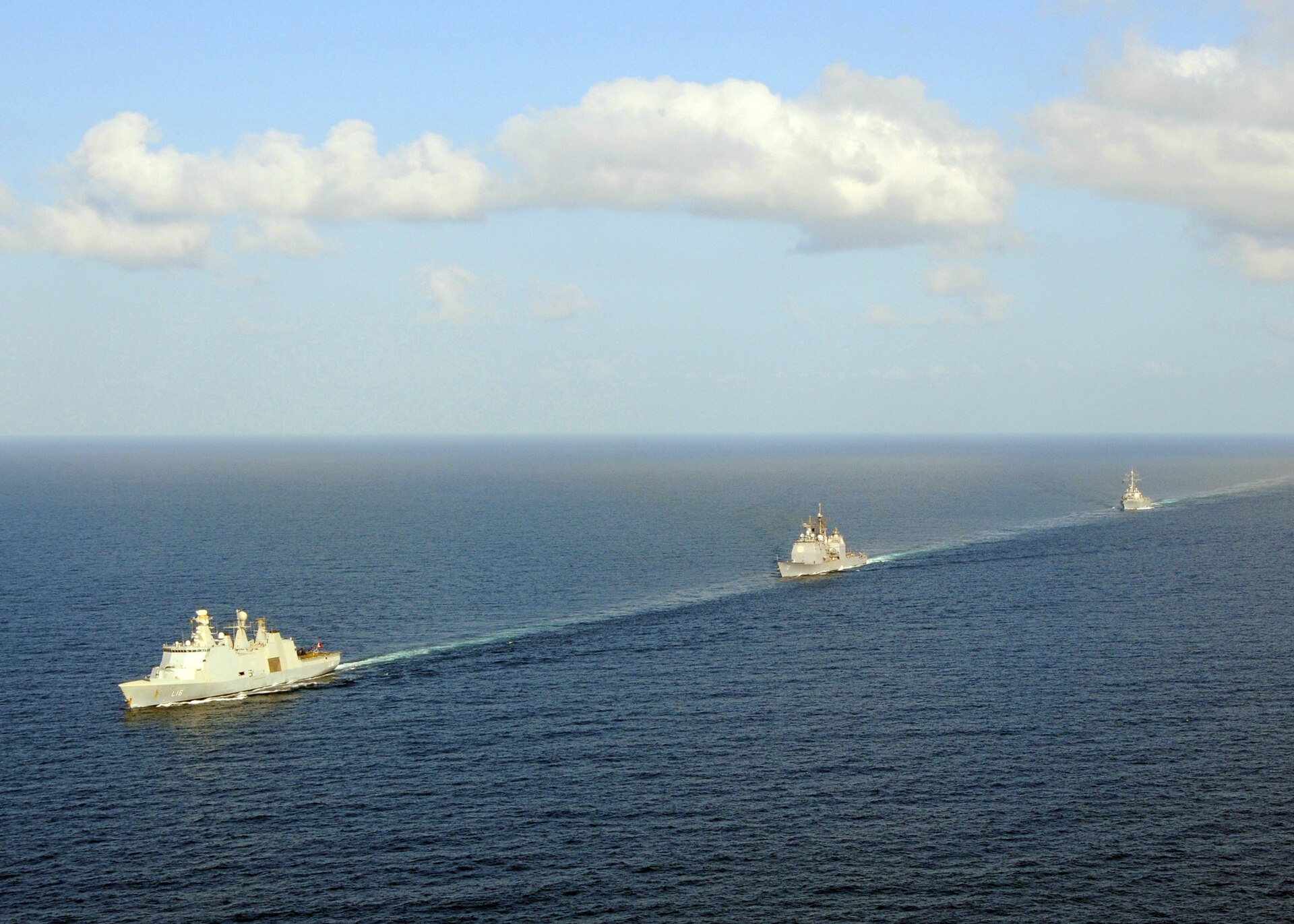
Saudi Arabia has seen this coming. The Saudi Cabinet called for an immediate end to threats in Hormuz and Bab al-Mandeb earlier this week, and Foreign Minister Prince Faisal bin Farhan was in Brussels on November 15 seeking European naval escorts and more pressure on Iran. Diplomacy is moving at the speed of EU ministerial meetings, while the front line in Yemen moved in a single statement, and the gap between those two speeds is felt most sharply at a single port on the Red Sea.
What Does the Withdrawal Mean for Saudi Oil Exports?
Yanbu has become Saudi Arabia’s lifeline, and the pipeline that feeds it is running hard. On October 6, the Saudi energy minister said flows on the East-West Petroline had reached 5.8 million barrels per day, according to Al Jazeera. By June, Kpler data reported by The National showed Yanbu handling 92 percent of the kingdom’s seaborne crude exports.
The problem is where those barrels go next. Vij estimates that 70 to 75 percent of Yanbu’s exports must transit Bab el-Mandeb to reach their markets, which means the escape route from Hormuz runs straight into the second chokepoint. Put the Kpler and ORF figures side by side and, if both still hold, somewhere around two-thirds of Saudi seaborne crude now depends on a strait overlooked by forces that have claimed repeated strikes on Saudi targets this month.
Those forces have already gone for the pipeline itself. On November 12, the Houthis claimed two strikes on the East-West Pipeline and Yanbu oil facilities. The withdrawal from Dhubab does not change the range of Houthi missiles and drones, but it does change who holds the coast that Yanbu’s southbound tankers must pass.
For shipping in general, avoiding the strait is expensive and slow. ORF Middle East calculates that rerouting around the Cape of Good Hope adds 10 to 14 days to a voyage and $1.2 million to $1.8 million in fuel per round trip, and that war-risk insurance premiums have risen by more than 1,000 percent since the conflict began. Those costs fall on every cargo that would otherwise use the Red Sea, and a Saudi barrel that has to be insured through a contested strait carries its share of that bill.
| Indicator | Figure | Source |
|---|---|---|
| East-West Petroline flows (Oct 6, 2026) | 5.8 million bpd | Saudi energy minister, via Al Jazeera |
| Yanbu share of Saudi seaborne crude exports (June 2026) | 92% | Kpler, via The National |
| Share of Yanbu exports that must transit Bab el-Mandeb | 70–75% | Samriddhi Vij, ORF Middle East |
| Extra voyage time via Cape of Good Hope | 10–14 days | ORF Middle East |
| Extra fuel cost per round trip via Cape | $1.2–1.8 million | ORF Middle East |
| Rise in war-risk insurance since conflict began | More than 1,000% | ORF Middle East |
None of this means Saudi tankers stop sailing tomorrow. It means every voyage south from Yanbu now carries a risk calculation set partly by the Houthis, who insist they are the ones keeping the strait open.
What the Houthis and Maritime Analysts Say
The Houthi line has been consistent since they first took the area. After the September offensive, Houthi politburo member Hazem al-Assad said that freedom of navigation in the Red Sea and Bab el-Mandeb was “safe and orderly,” according to Al Jazeera. That remark dates from September 13, and no fresh Houthi comment on Dhubab or the strait had been found by the time of writing on November 15.
The message is that commercial traffic has nothing to fear from the Houthis, and it is aimed as much at shipping companies and insurers as at governments. It would sound more convincing if the same movement had not claimed strikes on the East-West Pipeline and Yanbu oil facilities on November 12.
Maritime analysts are more measured about what the ground war changes. Alexandru Cristian Hudisteanu, a maritime security expert and former naval officer, told Al Jazeera in September that the Houthi gains do not “fundamentally alter the Houthis’ overall capability” at sea. He added, though, that they make targeting ships “simpler for them than before.”
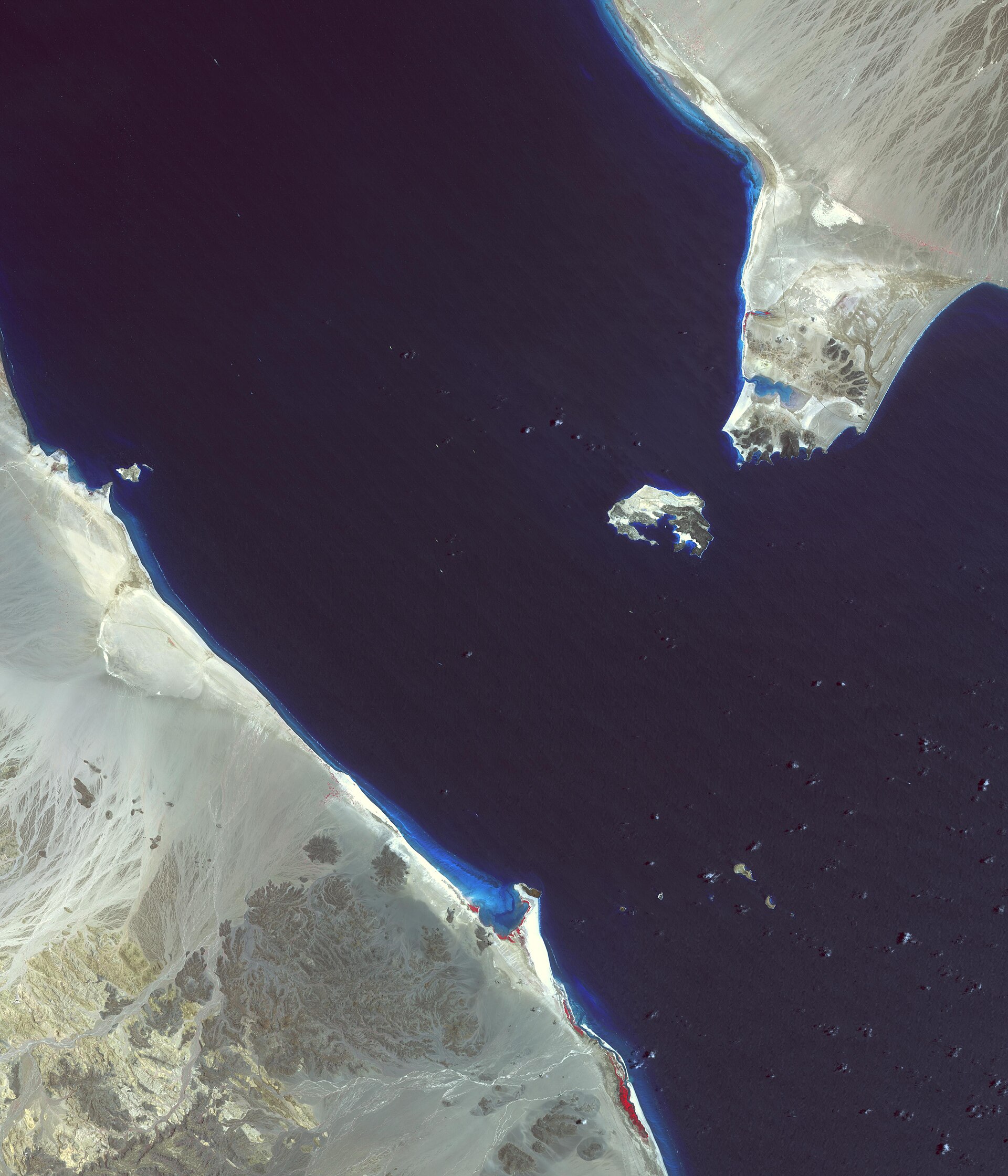
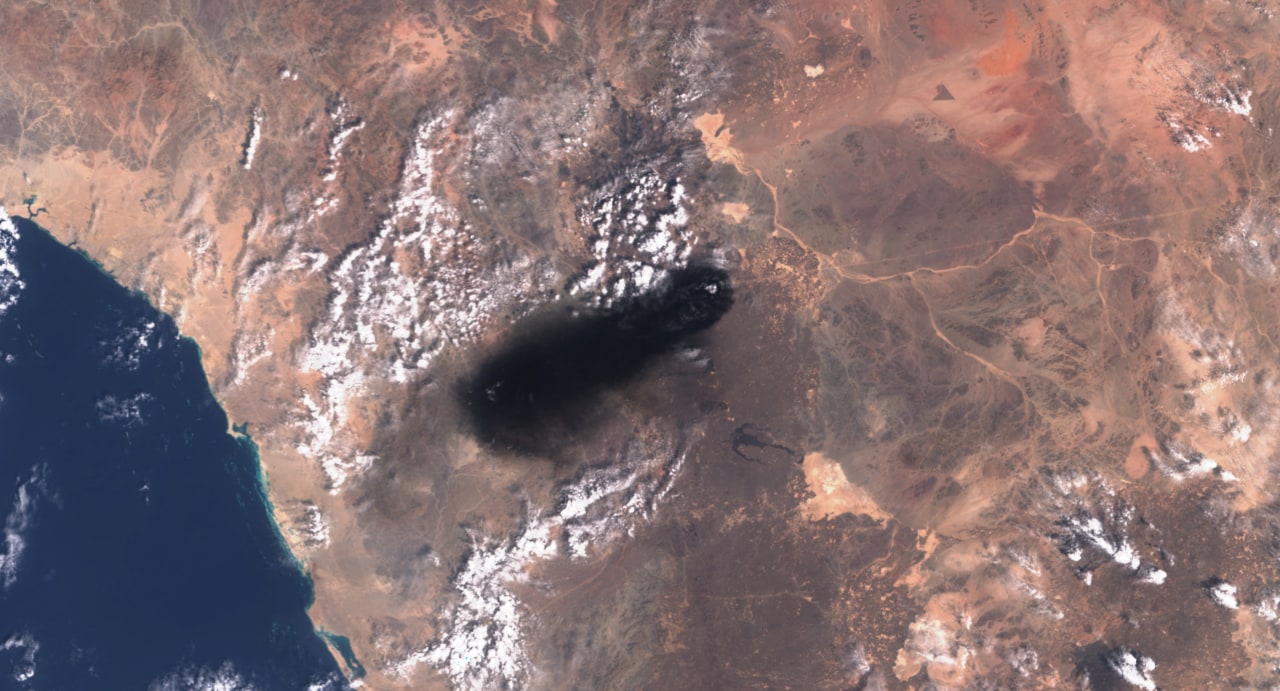
That distinction is the heart of the story. The Houthis could already hit ships with missiles and drones from deep inside Yemen, but holding the coast and the island beside the shipping lane means shorter ranges, closer observation and less warning for crews. Perim island, known locally as Mayyun, sits about 4 kilometres off the Yemeni coast at the strait’s narrowest point, and Houthi forces captured it on September 11, according to Al Jazeera, with no confirmed recapture since.
With Dhubab now abandoned by government-aligned forces, the Houthis are the dominant force on both the island and the mainland shore beside it. Whether that translates into attacks on shipping or into a show of restraint aimed at buyers in Asia is a decision that now rests in Sanaa, and the Saudi-backed government in Aden has fewer cards to change it.
Can the Saudi-Backed Government Still Hold the South?
The withdrawal statement frames the move as a choice to concentrate strength around Aden. Read plainly, it also tells you that the government side no longer believes it can hold a coastal front west of Taiz and protect its own base at the same time. The fall-back line at Khawr Amirah, on Aden’s western edge, is a defensive perimeter rather than a launching point, and the statement still ended with defiance.
“We will continue to confront the Houthis until their rebellion is ended and the state is restored.”Southern Armed Forces statement, November 15, 2026, via The National, NBC News and Reuters
The track record of the last three months tests that promise. Dhubab fell to the Houthis in September, was retaken in October by the Giants Brigades, the Nation’s Shield Forces and Subaiha tribal fighters, and has now been given up again. A force that cannot keep what it wins for more than a few weeks is a force whose main job is shifting from taking ground to surviving, and Saudi Arabia is left supplying air cover to a partner that is pulling back toward its last city.
The civilian cost sits underneath all of it. The UN humanitarian office OCHA said in April that 22 million Yemenis require humanitarian assistance. When the front line moves closer to Aden, it moves closer to the city the government calls its capital and to the people who live there, and aid agencies now have to work with a hostile shoreline at the mouth of the Red Sea and a shrinking government-held area around the city.
For Saudi Arabia, the strategic cost is easier to count than the human one. Its partners on the ground have just surrendered the Yemeni coast at the mouth of the Red Sea, and the kingdom’s main oil export route runs past it. The last time that coast changed hands, the people living there did not wait to see what would happen next.
Background: How Dhubab Changed Hands Three Times
The fight for Dhubab began in earnest on September 10 and 11, when a Houthi offensive took the town, Perim island and the port of Mokha, according to Al Jazeera and published records of the 2026 Yemen offensives. The speed of the advance sent civilians running across the water: the International Organization for Migration said more than 2,000 people had reached Djibouti’s northern shores after Dhubab and Perim fell, as reported by Al Jazeera.
In October, the government side struck back. Arab News and Yemen Monitor reported that the Southern Giants Brigades, the Nation’s Shield Forces and Subaiha tribal fighters retook Dhubab, though there was no confirmed recapture of Perim island. That left an awkward split, with government-aligned forces on the mainland and the Houthis on the island in the middle of the strait.
Shipping had been retreating from the strait well before any of this. IMF PortWatch data put the pre-disruption baseline at 20.1 tankers a day through Bab el-Mandeb, falling to about eight a day in August 2026, a drop of 57.5 percent, before the September offensive had even begun. By October 18, with Dhubab back in government-aligned hands, IMF PortWatch counted 26 total ship transits a day, still 29.4 percent below the same point a year earlier.
Those numbers frame the decision every shipping company now has to make. Traffic stayed depressed even when Saudi Arabia’s allies held the mainland coast, and on November 15 those allies withdrew from it. The tanker captains who had been weighing the Bab el-Mandeb route have just lost their best reason to take it.
Frequently Asked Questions
Who are the Southern Armed Forces, and are they the STC?
The Southern Armed Forces are the Saudi-backed southern Yemeni units that issued the November 15 withdrawal statement. They should not be described as forces of the Southern Transitional Council, because the STC dissolved in January 2026.
How narrow is the Bab el-Mandeb strait?
The strait is 18 miles wide at its narrowest point, according to the US Energy Information Administration, as cited by ORF Middle East. That narrowness is why control of its shores and islands matters so much to anyone wanting to watch or threaten passing ships.
Does the strait matter for gas as well as oil?
Yes. Al Jazeera reported in September that around 8 percent of global liquefied natural gas trade passes through Bab el-Mandeb, alongside its share of oil and general cargo.
Have the Houthis promised safe passage to commercial ships?
The Houthis’ Humanitarian Operations Coordination Center (HOCC) announced in August 2026 that authorized civilian vessels could transit Bab el-Mandeb. That announcement predates the September offensive and the November 15 withdrawal, and no updated HOCC statement had been found as of the time of writing.
The House of Saud Daily Briefing
Saudi Arabia's news in 3 minutes, every morning. Free. See today's issue