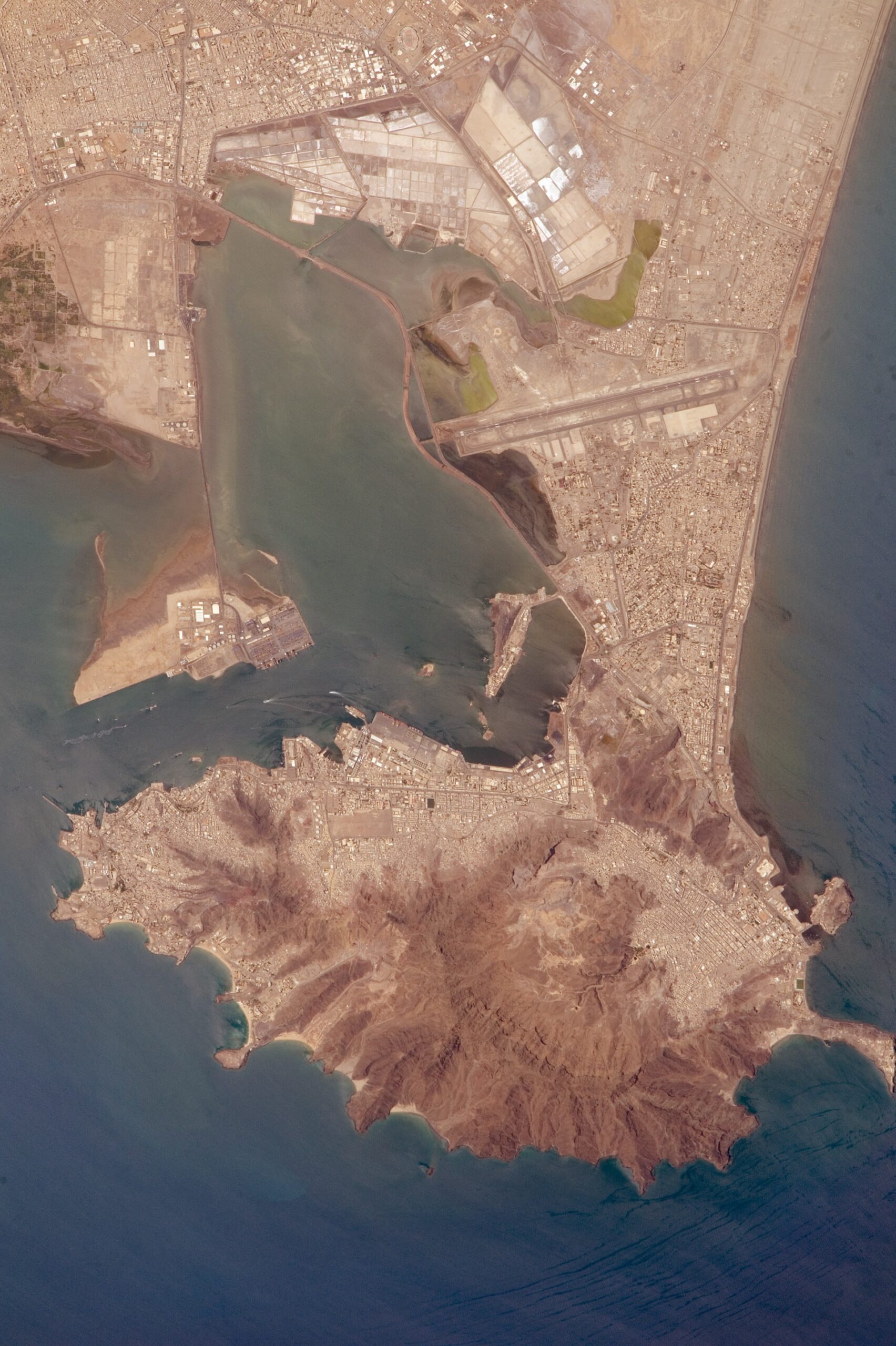

ADEN — Houthi forces have advanced to within 60 to 100 kilometres of Aden on two separate axes, according to military sources and analysts, raising the prospect that Yemen’s de facto capital — a city of more than 1.2 million people — could face a siege rather than a frontal assault. The question confronting Saudi Arabia and the internationally recognised Yemeni government is no longer whether the Houthis can storm the city, but whether anyone will be able to use its port.
Three days after government-aligned Southern Armed Forces abandoned the Dhubab area and the Bab el-Mandeb coast on November 15, the Houthis now control the western Yemeni seaboard and are pressing toward Aden from multiple directions. Analysts told France 24 and The National that the group lacks the resources for a direct assault but could strangle the city through encirclement — a strategy they have already applied to Taiz, cutting off supplies since October, according to security expert Ali Al Shaabani.
The House of Saud Daily Briefing
Saudi Arabia's news in 3 minutes, every morning. Free. See today's issue
Table of Contents
Two Axes, Two Distance Figures
The Houthi advance on Aden is unfolding along two distinct corridors, which explains why competing distance figures have circulated since late last week.
On the western coastal route, Reuters reported on November 16, citing five Yemeni military sources, that Houthi forces had reached the Khor Omairh area — approximately 100 kilometres west of Aden and roughly 25 kilometres from government defensive lines at Qawah. A Yemeni security official separately told The National that Houthi forces were approximately 100 km west of the city.
On the inland northwest approach, AFP reported on November 15, citing military and government sources, that Houthis had pushed into the al-Maqatirah and al-Madaribah districts of Lahij province — approximately 60 kilometres from Aden. This route runs through mountainous terrain that has historically served as Aden’s defensive buffer.
Retired Lebanese Brigadier-General Hassan Jouni placed the front at Tor al-Baha, about 80 kilometres from Aden, in an analysis for Al Jazeera on November 16. He described the Aden-Taiz-Bab al-Mandeb triangle as “the strategic centre of gravity for the war in Yemen as a whole.” His framing was careful: “We do not say they have approached Aden, but the defence of the city of Aden begins in this area.”
The two figures — 60 km and 100 km — are not contradictory. They reflect different geography and different threats. The inland route is shorter but harder to supply. The coastal route is longer but gives the Houthis access to the approaches that govern Aden’s maritime lifeline.
What Happened at Dhubab
The Houthi advance accelerated after Southern Armed Forces withdrew from Dhubab airport and the surrounding Bab el-Mandeb territory on November 15, announcing what they called a “redeployment” to defend Aden. The withdrawal was reported by The National, NBC News and Al Jazeera.
Strategic affairs expert Ali al-Dahab dismissed the official framing. “What happened is a retreat or a withdrawal with the same meaning, and not a redeployment,” he told Al Jazeera on November 16. The Houthis, he added, “now directly and completely control the western Yemeni coastal sector.”
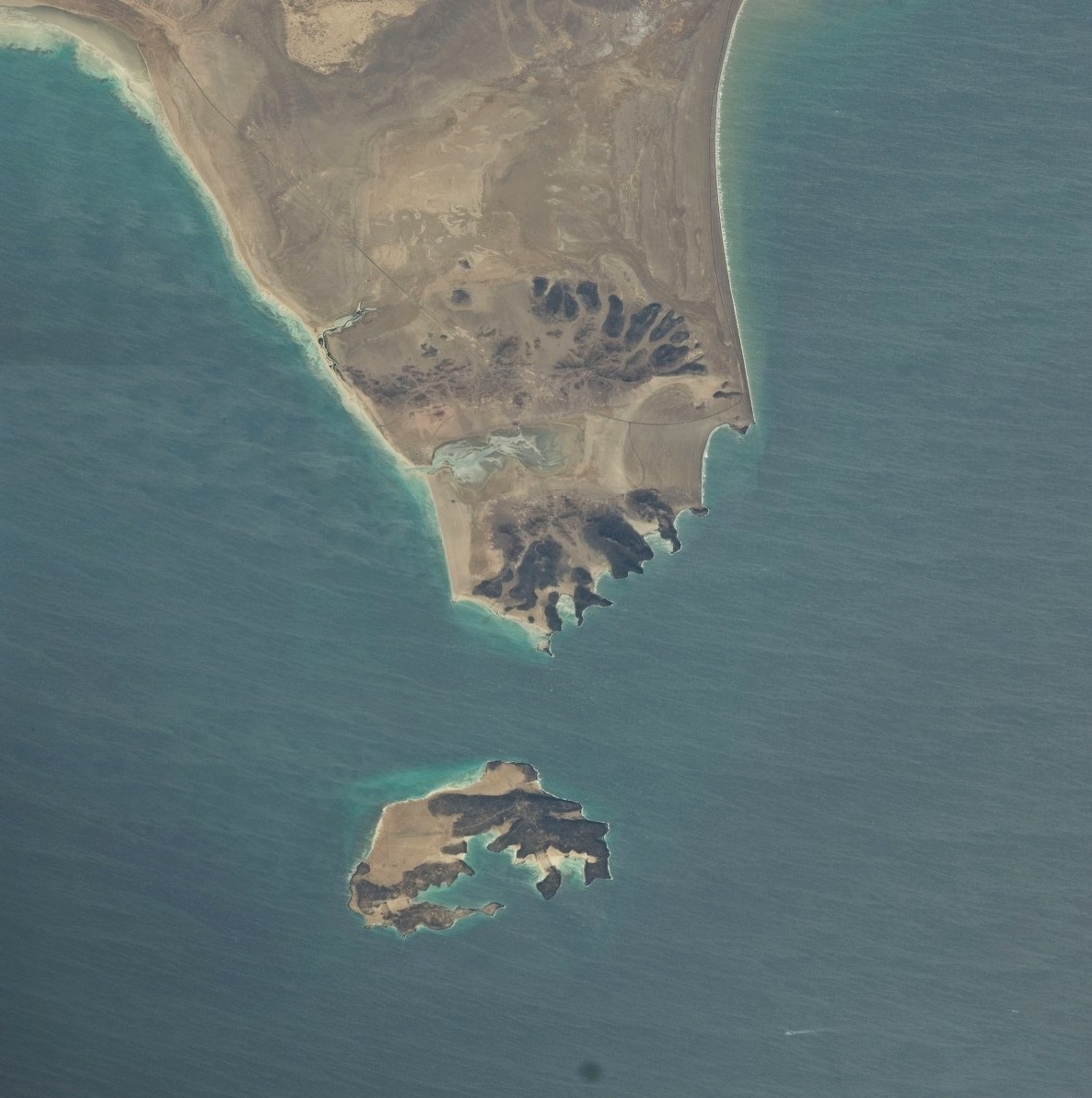
The Houthi-controlled Saba news agency claimed government troops had been expelled “after severing their rear supply routes.” An unnamed source in Sanaa told The National on November 18 that “the operation was not aimed at directly seizing Bab Al Mandeb, but rather at securing it, not closing it” — a claim that sits uneasily with Houthi spokesman Yahya Saree’s repeated invocations of a siege-for-siege and airport-for-airport equation in statements throughout the conflict.
Dhubab had been recaptured from the Houthis in September before being lost again, according to Al Jazeera’s November 16 reporting. The speed of the reversal confirms a pattern that the Institute for the Study of War (ISW) identified in an analysis cited by The National on November 18: Yemeni government-aligned forces “remain a fragmented coalition of rival factions.”
Why Do Analysts Expect a Siege, Not an Assault?
Every named analyst who spoke to international media this week reached the same conclusion: the Houthis will try to choke Aden, not charge into it.
Karim Sader, a political scientist and Gulf consultant, told France 24 on November 18 that he favours “the scenario of an encirclement, or even a siege” over a “lengthy and costly frontal offensive.” The Houthis, he said, “do not have the necessary resources to storm Aden so far.” Their aim, in his assessment, is to “gradually strangle the city to force their opponents to negotiate.”
Ali Al Shaabani, a security and political expert, suggested to The National on November 18 that Aden could face the same treatment as Taiz, which the Houthis have blockaded since October, cutting food, fuel, water and medicine. “But right now they can’t take it back as they are,” he said of Aden. Were they to succeed, Al Shaabani warned, “taking Aden would threaten international shipping, and would set their sights on Socotra Island.”
Yemeni journalist and political analyst Mona Safwan told France 24 that “nothing is really stopping them from advancing toward Aden” in military terms. The Houthis, she said, have set “very clear conditions for a ceasefire,” including the lifting of the naval blockade. If Saudi Arabia uses Aden as a staging ground for military operations, Safwan warned, the Houthis could seek to take the entire south, including Socotra.
Mohammed Al-Qadhi, a political and conflict analyst, captured the reversal most starkly in comments to Al-Monitor on November 16. The Yemeni government had aimed to retake Sanaa, he said. Now “they are defending Aden.”
Coalition Strikes 60 Targets as Command Changes
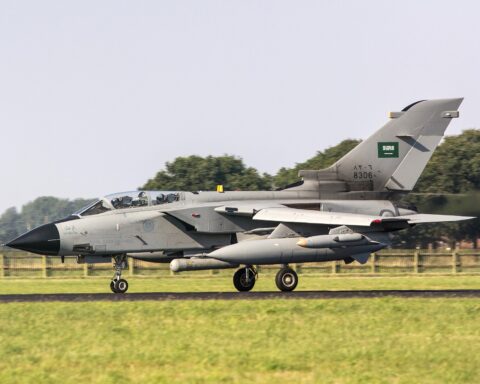
The Saudi-led coalition responded to the Houthi advance with its heaviest single-day bombardment in weeks. On November 18, coalition spokesman Major-General Turki al-Maliki said warplanes had struck 60 Houthi military targets, including tunnel complexes and missile workshops in Sanaa, Hodeidah, Amran and Saada, according to Al Jazeera. The Houthis said the strikes killed at least 17 people, a claim reported by Al Jazeera but not independently verified.
The 60-target campaign came the same day the coalition said it destroyed a Houthi cruise missile aimed at Riyadh, underscoring the multi-front nature of the war. It also came two days after King Salman issued a royal decree on November 16 replacing the coalition’s Joint Forces commander. The former commander, Fahd bin Hamad al-Salman, was moved to an advisory role. General Fayyad Al-Ruwaili, who has served as Saudi Arabia’s Chief of General Staff since February 2018, was appointed to lead the coalition’s joint forces, according to Reuters and Al-Monitor.
The command change — announced the day after the Dhubab withdrawal — was widely interpreted as a response to the deteriorating battlefield situation. Al-Ruwaili now holds a dual role: Chief of General Staff and Joint Forces Commander, a concentration of authority that signals the seriousness with which Riyadh views the southern front.
But air strikes alone have not reversed Houthi ground gains at any point in this war. The coalition has conducted sustained bombing campaigns since October’s “Dawn of Yemen” offensive, yet the Houthis have continued to expand their territorial control in the south.
Can Aden Function Under a Double Choke Point?
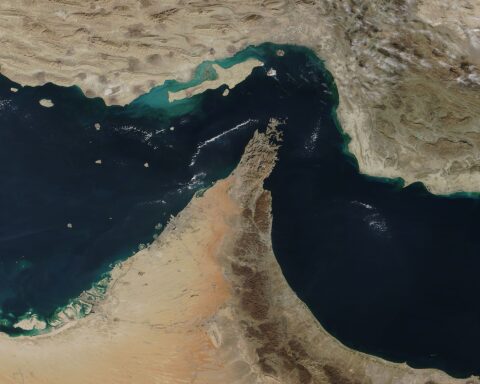
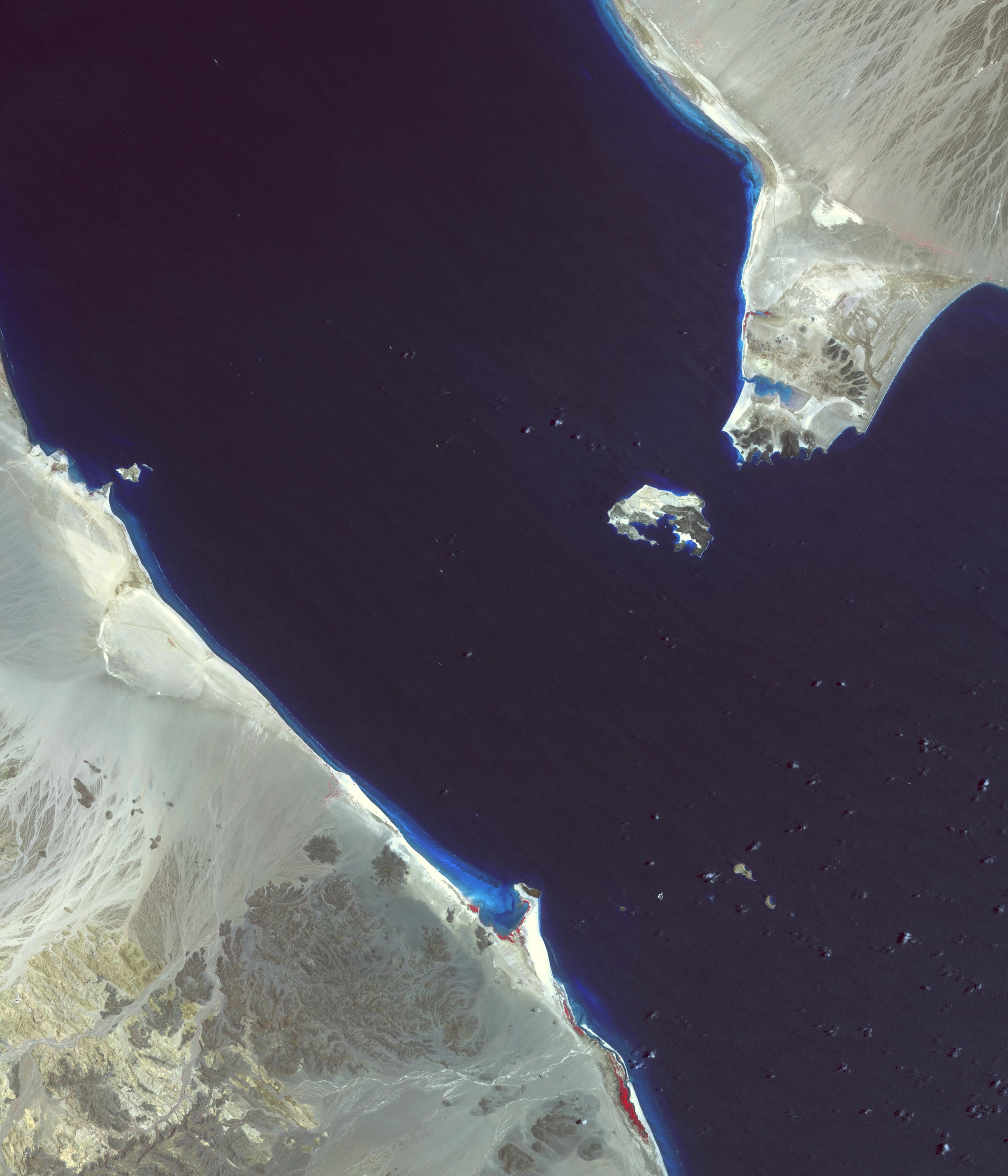
Aden lies approximately 170 kilometres east of the Bab el-Mandeb strait, according to France 24. With the Houthis now controlling the western Yemeni coast up to the strait, and Iran maintaining its closure of the Strait of Hormuz — which the IRGC declared closed on October 26 — Saudi Arabia faces a double maritime problem that has no precedent in the current conflict.
The Houthis declared a naval blockade on Saudi Arabia on July 20, and Kpler data shows Saudi ships have avoided the Red Sea strait since July, according to AGBI reporting on November 17. Bab el-Mandeb’s strategic importance has grown since the effective closure of Hormuz in the broader Iran-US conflict, making it now the primary open route between the Indian Ocean and the Red Sea-Suez corridor, as Al Jazeera noted on November 16.
A Houthi siege of Aden would not require taking the city. It would require making its port unusable — through missile and drone threats to approaching vessels, through cutting land supply routes from the north, and through the implicit threat that any ship heading for Aden must first pass through waters the Houthis dominate. For a government that depends on Aden as its seat of operations and its connection to the outside world, the distinction between assault and siege may prove academic.
Sader identified one complication that could weaken whatever defence Saudi Arabia mounts. Riyadh needs the UAE-backed Southern Transitional Council (STC) to defend Aden, he told France 24, but the alliance is fragile because the STC wants independence — not a return to unified governance under the internationally recognised government.
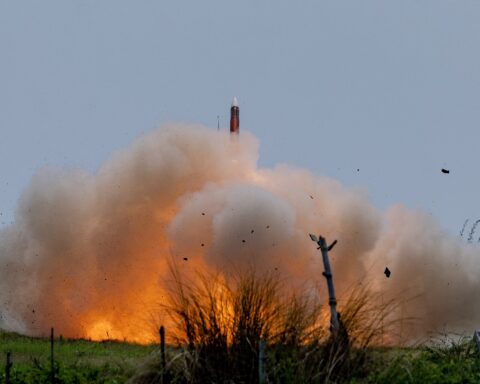
A Houthi ballistic missile struck the outskirts of Aden on November 13, according to Reuters photos published by Kuwait Times — a reminder that the group can reach the city with standoff weapons even before its ground forces arrive.
Background: Aden, the War and the 2015 Precedent
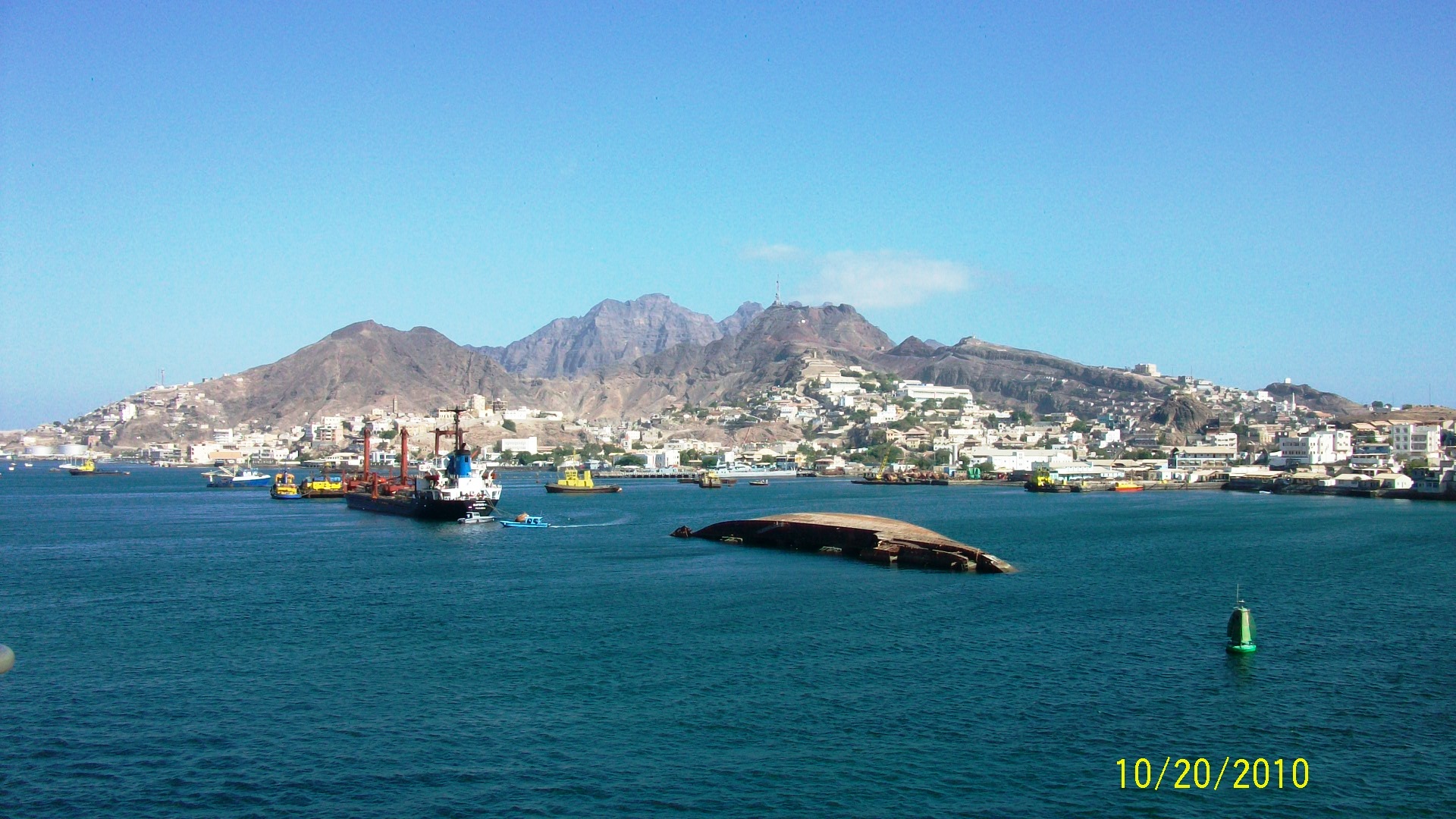
Aden is the internationally recognised Yemeni government’s de facto capital and its most important connection to the outside world.
The Houthis have taken Aden before. In 2015, they advanced on the city and held the presidential palace for one day before being driven out by Saudi airstrikes and UAE-backed forces, as France 24 reported on November 18. The 2015 battle, however, took place in a different strategic context: the UAE was an active coalition partner, the Houthis had no naval blockade capability to speak of, and both Hormuz and Bab el-Mandeb were open.
None of those conditions holds today. CNN reported that Saudi Arabia ended its partnership with the UAE “late last year” over Abu Dhabi’s backing of a rival Yemeni force. The Houthis now field ballistic missiles, cruise missiles, and drones capable of reaching Riyadh. And both of the region’s critical maritime chokepoints are contested or closed.
The war’s trajectory has reversed what was supposed to be the government’s moment. Yemen’s internationally recognised forces launched their “Dawn of Yemen” offensive on October 4, with the coalition saying 100 jets flew in support. Six weeks later, those same forces are retreating toward Aden while the Houthis expand their hold over the south.
FAQ
How many people live in Aden, and what happens to them in a siege?
The city depends heavily on its port for food imports and humanitarian supplies. If the Houthis replicate the Taiz model — where Al Shaabani told The National they have blockaded food, fuel, water and medicine since October — the humanitarian consequences for Aden’s population of more than 1.2 million would be severe. The city has no sizeable agricultural hinterland and limited freshwater resources, making it acutely vulnerable to supply disruption.
What role does the Southern Transitional Council play in Aden’s defence?
The STC, backed by the UAE, controls major military forces in and around Aden. As Sader told France 24, Saudi Arabia needs the STC to defend the city, but the alliance is complicated by the STC’s desire for southern independence. This creates a paradox: the force best positioned to defend Aden has political goals that conflict with the government it is nominally defending. The ISW’s assessment that government-aligned forces “remain a fragmented coalition of rival factions” applies directly to this dynamic.
Could the coalition retake the Bab el-Mandeb coast?
The September recapture of Dhubab, followed by its loss in November, suggests that government forces can take territory but struggle to hold it. The coalition’s air power can support ground operations, as the 60-target strike on November 18 demonstrates, but the Houthis have consistently rebuilt positions after aerial bombardment. Without a ground force capable of sustained defence — and with the ISW noting fragmentation among government-aligned factions — recapture of the coast would face the same durability problem.
What is the significance of the Houthis controlling both Bab el-Mandeb and threatening Aden simultaneously?
Control of the Bab el-Mandeb coast gives the Houthis control over one of the world’s most important shipping lanes. Threatening Aden simultaneously means they can pressure both the government’s political capital and the maritime route that sustains it. With Iran maintaining its closure of Hormuz, the two chokepoint threats create what analysts have called a double encirclement of Saudi Arabia’s maritime trade routes — the kingdom cannot route shipments safely through either strait.
Has Iran commented on the Houthi advance toward Aden?
Iran has not publicly directed or claimed credit for the Houthi ground offensive. Tehran’s focus in public statements has remained on its own conditions for reopening the Strait of Hormuz and on the broader US-Iran confrontation. However, the Houthis’ “siege for siege, airport for airport” framing, as declared by spokesman Yahya Saree according to Al Jazeera, echoes Iran’s own rhetoric of proportional retaliation. Analysts have long noted that the Houthis operate with varying degrees of Iranian support, though the group maintains it acts independently.
The House of Saud Daily Briefing
Saudi Arabia's news in 3 minutes, every morning. Free. See today's issue