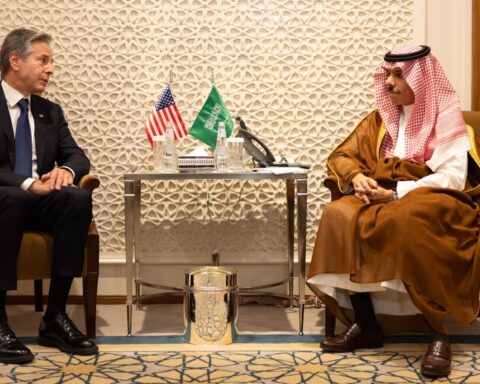
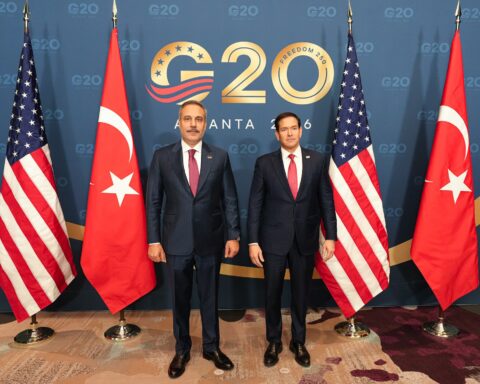
RIYADH — Saudi Foreign Minister Prince Faisal bin Farhan received Makkah Alliance for Defense Secretary-General Lt. Gen. (retd) Nauman Mahmood at the Ministry of Foreign Affairs headquarters on Thursday, November 19, 2026, for talks on establishing the institutional framework of the alliance’s General Secretariat, the Saudi Press Agency reported.
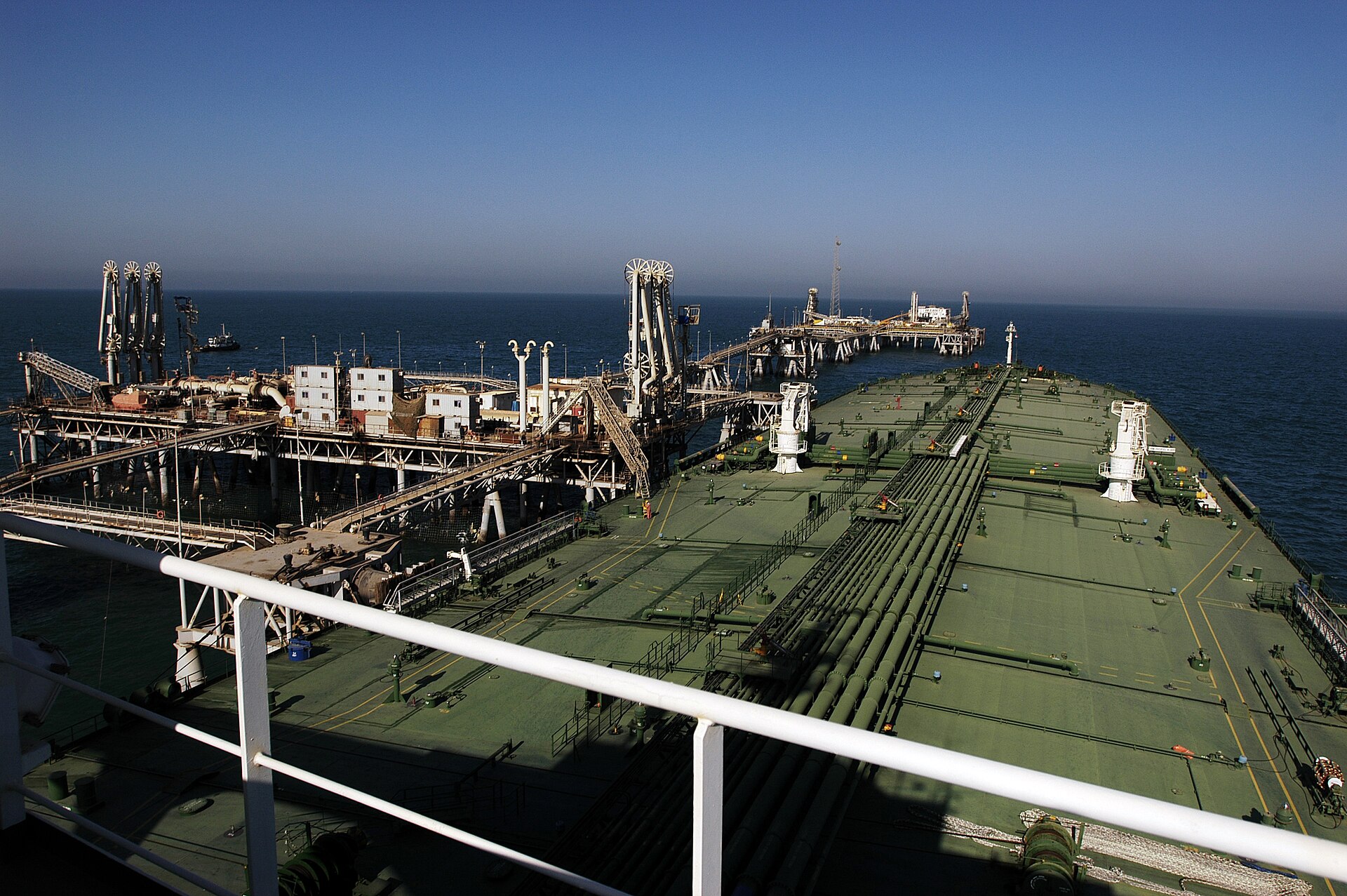
The meeting came five days after the three-nation defense pact entered into force. Turkey’s ratification law, published in the Official Gazette on November 14, completed the final legal step for an agreement that Al Jazeera said at its August signing “puts three of the largest Muslim populations together.” The alliance is now operational during an active Gulf war, with Saudi Arabia planning a six-month campaign against Houthi forces into 2027 and Iranian mining operations restricting traffic through the Strait of Hormuz.
The House of Saud Daily Briefing
Saudi Arabia's news in 3 minutes, every morning. Free. See today's issue
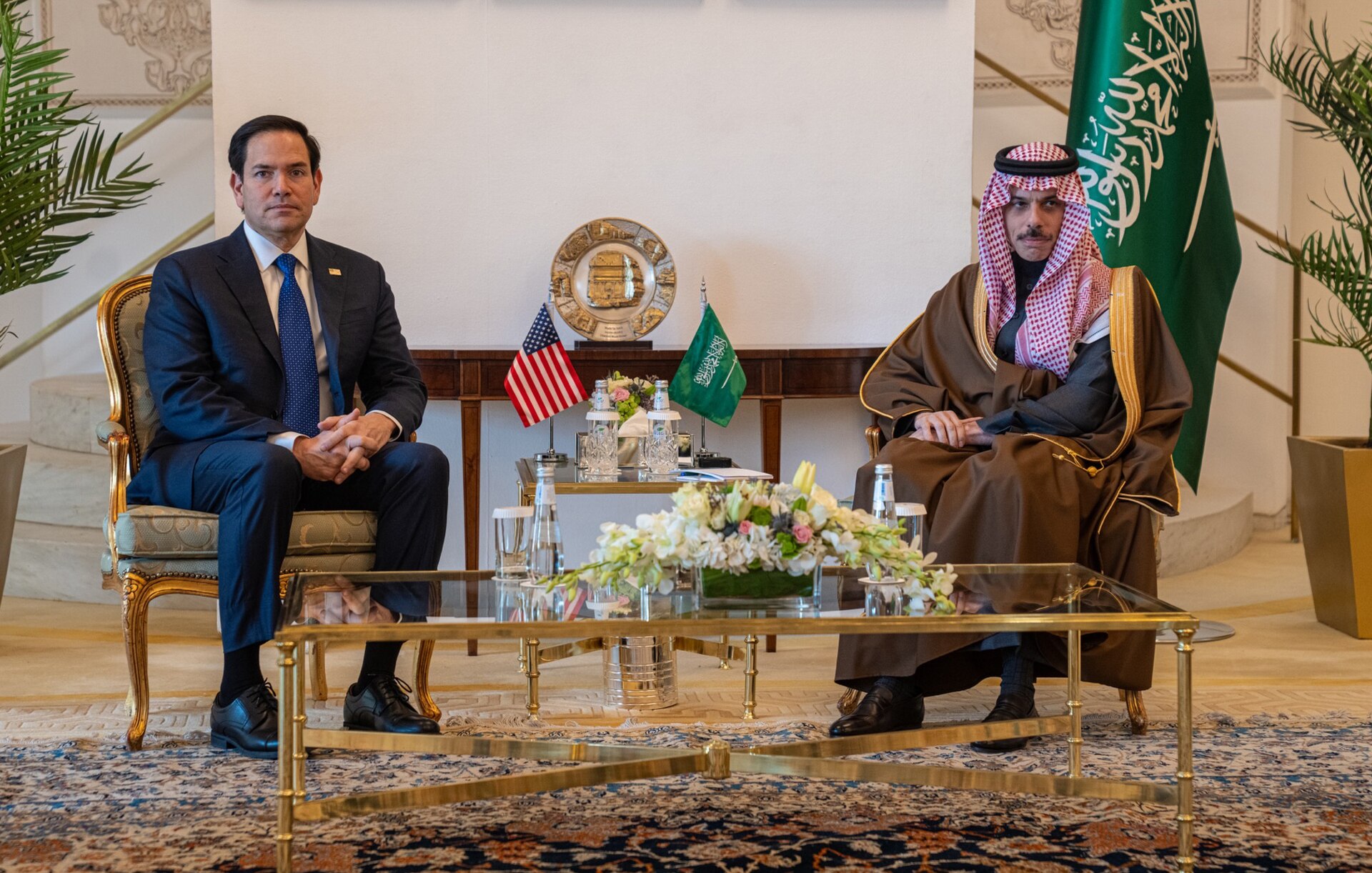
Table of Contents
What Did the Saudi FM and Alliance SG Discuss?
The SPA readout, cited by Asharq Al-Awsat on November 19, said Prince Faisal and Lt. Gen. Mahmood discussed efforts to establish the institutional framework of the General Secretariat, mechanisms for coordination and cooperation among the three member states, and the strengthening of the alliance’s “joint defense cooperation system.” No decisions, agreements, or specific next steps were published.
Neither official was directly quoted. The Saudi Foreign Ministry’s X account posted an image of the meeting alongside text that tracked the SPA language, adding no detail beyond the agency’s original readout.
The alliance’s strategic decisions are handled separately by its Strategic Political and Defence Committee (SPDC). That body met in emergency session in Riyadh on October 5 and agreed to deploy forces and capabilities to Saudi Arabia, Al Jazeera reported. A third SPDC meeting is expected in Islamabad in the last week of November, the Daily Pakistan reported on November 16, though the exact date has not been confirmed.
From Mecca Signing to 3-Nation Ratification
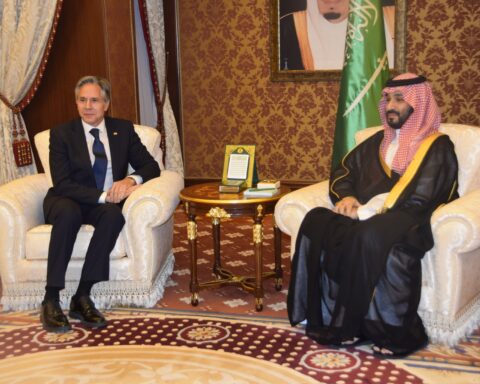
The Makkah Joint Defence Agreement was signed on August 7, 2026, in Mecca by Crown Prince Mohammed bin Salman, Turkish President Recep Tayyip Erdogan, and Pakistani Prime Minister Shehbaz Sharif, Al Jazeera reported. The trilateral pact built on a bilateral Strategic Mutual Defence Agreement between Pakistan and Saudi Arabia endorsed in September 2025, which was later expanded to include Turkey, according to an August 2026 analysis by the International Institute for Strategic Studies (IISS).
Pakistan completed its ratification on October 23, 2026, according to Anadolu Agency, citing the Pakistani Foreign Office. Turkey’s Grand National Assembly followed on November 5, voting 279 to 119 in favor of the ratification legislation, Anadolu Agency reported. The vote completed the ratification process across all three signatories.
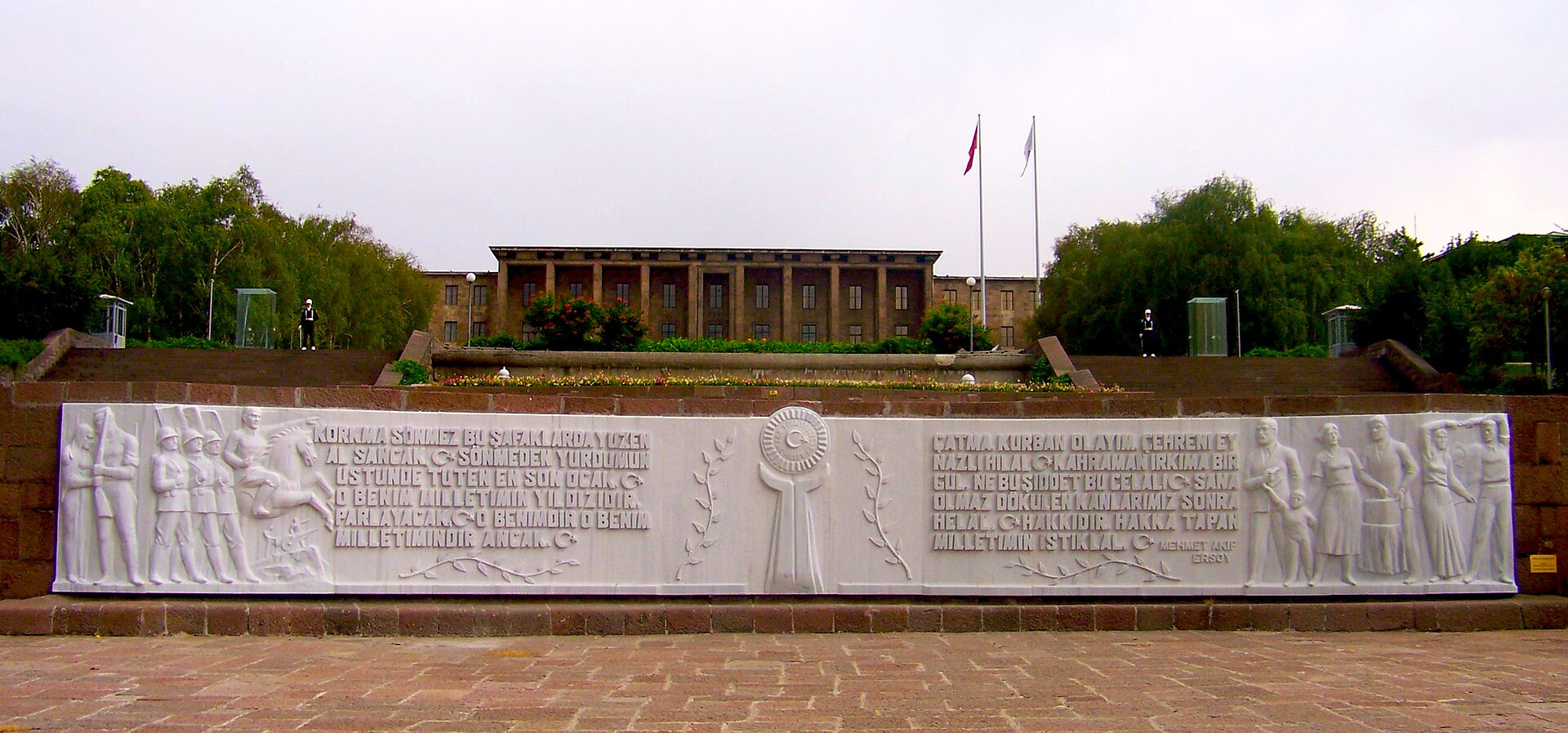
Turkey’s ratification law was published in the Official Gazette on November 14, entering into force immediately and making the pact operative, the Makkah Alliance’s official website confirmed. The nine-day interval between Turkey’s parliamentary approval and the law’s formal publication — a routine administrative step — marked the final gap before the agreement acquired binding legal force.
Turkey’s ratification law took effect with Pakistani forces already on Saudi soil. Pakistan’s defense minister told Geo News on October 5 that combat operations in the Yemen theater “is practically being conducted by Saudi Arabia’s own forces,” with Pakistani and Turkish personnel serving in a supportive role. The remark defined the terms under which the two junior partners have so far contributed: present, committed by treaty, but not on the front lines.
Building the General Secretariat in Riyadh
Lt. Gen. (retd) Nauman Mahmood was announced as the alliance’s first secretary-general by Pakistan’s Foreign Office on September 23, 2026, Dawn reported. His appointment carries a three-year term on a rotational basis, with Pakistan leading the first cycle. The secretariat is headquartered in Riyadh, and Turkey and Saudi Arabia will each head the body in subsequent rotations, according to Dawn and the Express Tribune.
The institutional track had advanced through a series of military engagements before the Thursday meeting with Prince Faisal. Saudi, Pakistani, and Turkish military chiefs met in Riyadh on September 26, Gulf News reported. The first SPDC session took place in Istanbul on August 31, followed by the emergency session in Riyadh on October 5 that produced the deployment decision. At that October meeting, Saudi Defense Minister Prince Khalid bin Salman announced the activation of “collective deterrence measures” and an agreement to “rapidly deploy” forces and capabilities, Al Jazeera reported on October 6.
The October 5 decision moved the alliance from a legal framework into a military posture, though the scope of that posture varies by member. Turkey’s defense minister said in October that Ankara did not foresee entering into any conflict with the Houthis, as Al Jazeera reported. The remark indicated that Turkish involvement would remain oriented toward the defense of Saudi territory rather than offensive operations inside Yemen, a distinction that shapes the kind of coordination the secretariat must manage across three armed forces with different rules of engagement.
Can the Alliance Accept New Members?
Turkish Foreign Minister Hakan Fidan said approximately two days before the November 19 meeting that Turkey would welcome new members to the alliance once its institutional structure is in place, the Daily Times reported on November 20. Prospective members, Fidan said, must seek peace and respect international law. No timeline for expansion was given.
Syria is reportedly preparing to apply for membership, according to The Diplomatic Insight, though talks remain at an early stage. Egypt, a potential candidate given its military weight and geography, has not moved to join. Ahmed Aboudouh, an associate fellow at Chatham House, told researchers at ISPI that Egypt’s approach amounts to “procrastination” — “a deliberate strategy to gain more time.”
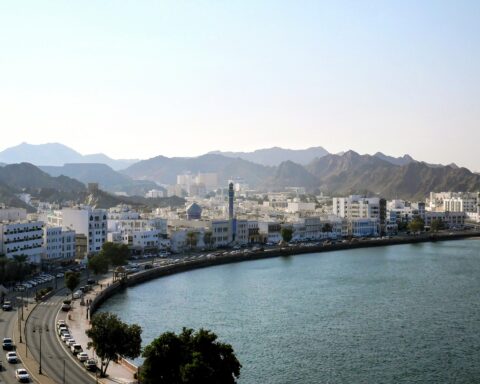
The alliance’s members have already engaged in broader diplomatic formats alongside non-members. An October 23 meeting in Istanbul brought alliance foreign ministers together with counterparts from Egypt, the United Kingdom, Germany, France, and Italy — a configuration described as the R4+E3+Italy format — Muslim News Nigeria reported, citing Anadolu Agency. The Makkah Alliance has also attracted Jordan’s interest, with the Jordanian foreign minister holding calls with Prince Faisal amid stalled mediation efforts in Muscat.
Fidan framed the pact in broad terms, describing it as a step toward a new “security and cooperation architecture” grounded in international law and “not aimed at any specific country,” according to an ISPI analysis of his public statements. The framing positioned the alliance as an open platform rather than a closed bloc — but its three current members are the same states whose forces are deployed against Iranian-backed threats in the Gulf.
How Does Iran View the Makkah Alliance?
No formal Iranian government statement on the November 19 Riyadh meeting or the operational secretariat was identified in available reporting. Iran’s public response to the alliance has mixed general approval of Muslim-majority cooperation with wariness about its strategic direction. The Houthis, Iran’s principal proxy in the Yemen theater, issued their own warning: Houthi military authorities told airlines in October that Saudi airspace would become a “theater of operations” for their forces, the Saba news agency reported, as cited by Gulf News.
Iranian Foreign Minister Abbas Araghchi earlier welcomed the agreement in general terms, calling for “greater unity among Muslim-majority countries” while urging member states to “rely on their own capabilities,” according to Geopolitical Monitor. The phrasing carried an implicit caution against dependence on the United States — a persistent theme in Iranian diplomacy that predates the current conflict.
In October 2026, Ali Bagheri, Iran’s deputy secretary of the Supreme National Security Council, confirmed a planned delegation from the alliance’s three members to Tehran to discuss regional security, Muslim News Nigeria reported, citing Anadolu Agency. Claims that the pact was “established to strike Iran” and Yemen’s “resistance axis” circulated in Iranian-aligned media; alliance members rejected the characterization, the same report said.
Saudi Deputy Foreign Minister for Public Diplomacy Raid Krimly said in an October 26 post on X that an alliance delegation’s visit to Tehran aimed “to ease tensions amid the ongoing US-Iran crisis, promote dialogue, support mediation led by Qatar and Pakistan, and strengthen regional stability.” Whether the visit took place as planned has not been publicly confirmed. Saudi Arabia’s condemnation of Iranian attacks on Bahrain two days before the Riyadh meeting indicated that whatever diplomatic channels exist between the alliance and Tehran have not softened Riyadh’s posture on Iranian military operations in the Gulf.
Background
The Makkah Joint Defence Agreement emerged from a Saudi effort to build regional defense partnerships beyond the kingdom’s longstanding reliance on the United States. Aziz Alghashian, a senior non-resident fellow at the Gulf International Forum, told ISPI that “Riyadh is trying to regionalise the security of its borders.” Kristian Coates Ulrichsen, a fellow at Rice University’s Baker Institute for Public Policy, cautioned in the same analysis that “no other power can (yet) replace or supplant the US as a security and defense partner.”
The gap between those two assessments defines the alliance’s operating environment. Saudi Arabia continues to absorb Iran war costs while US-Iran talks stall and Hormuz remains closed, and the Makkah Alliance offers a complementary defense structure — not an alternative to the American partnership. Valeria Talbot, head of ISPI’s MENA Centre, observed that “Turkey views the agreement as complementary to its existing alliances,” including its NATO membership.
Antonia Ricciardiello, a research trainee at ISPI, argued that the pact’s value at this stage lies less in the creation of an immediately operational military bloc than in laying the foundations for regional security and coordination mechanisms. Its durability, she added, will depend in no small part on the trajectory of the ongoing regional conflict.
Frequently Asked Questions
What does Article 2 of the Makkah Joint Defence Agreement require?
Under Article 2, each signatory determines the scope and nature of support it provides to a fellow member following an “objective assessment” of the assistance required, according to a J-Post explainer and the Tribune India. The article does not mandate automatic military intervention — each state retains discretion over its contribution. A separate provision bars any member from withdrawing for the first 10 years after the pact enters into force, placing the earliest possible exit date in November 2036.
Who is Lt. Gen. (retd) Nauman Mahmood?
Mahmood was commissioned in 1987 into the Baloch Regiment of the Pakistan Army, Dawn reported. He commanded XI Corps in Peshawar from 2019 to 2021, served as director-general of analysis at the Inter-Services Intelligence directorate, and was the 35th president of Pakistan’s National Defence University from 2021 to 2023. He holds a master’s degree in war studies and retired in April 2023 before his appointment as the alliance’s first secretary-general on September 23, 2026.
What areas does the Makkah Alliance cover beyond military operations?
Reporting on the pact’s text, published in November 2026, indicates the alliance’s mandate extends beyond joint defense to include intelligence sharing, logistics coordination, counterterrorism cooperation, joint training exercises, research and development, and cooperation on advanced military technologies. The breadth of the mandate gives the General Secretariat a wide remit as it establishes its operational capacity under Lt. Gen. Mahmood.
How many Pakistani troops are currently in Saudi Arabia?
Reuters reported that approximately 8,000 Pakistani personnel are deployed in Saudi Arabia. Specific Turkish troop numbers or capability commitments have not been publicly disclosed. Field Marshal Asim Munir, Pakistan’s army chief, was part of an alliance delegation confirmed for a Tehran visit in late October alongside Saudi Defense Minister Prince Khalid bin Salman and Turkish intelligence chief Ibrahim Kalin, Anadolu Agency reported via Muslim News Nigeria.
The House of Saud Daily Briefing
Saudi Arabia's news in 3 minutes, every morning. Free. See today's issue