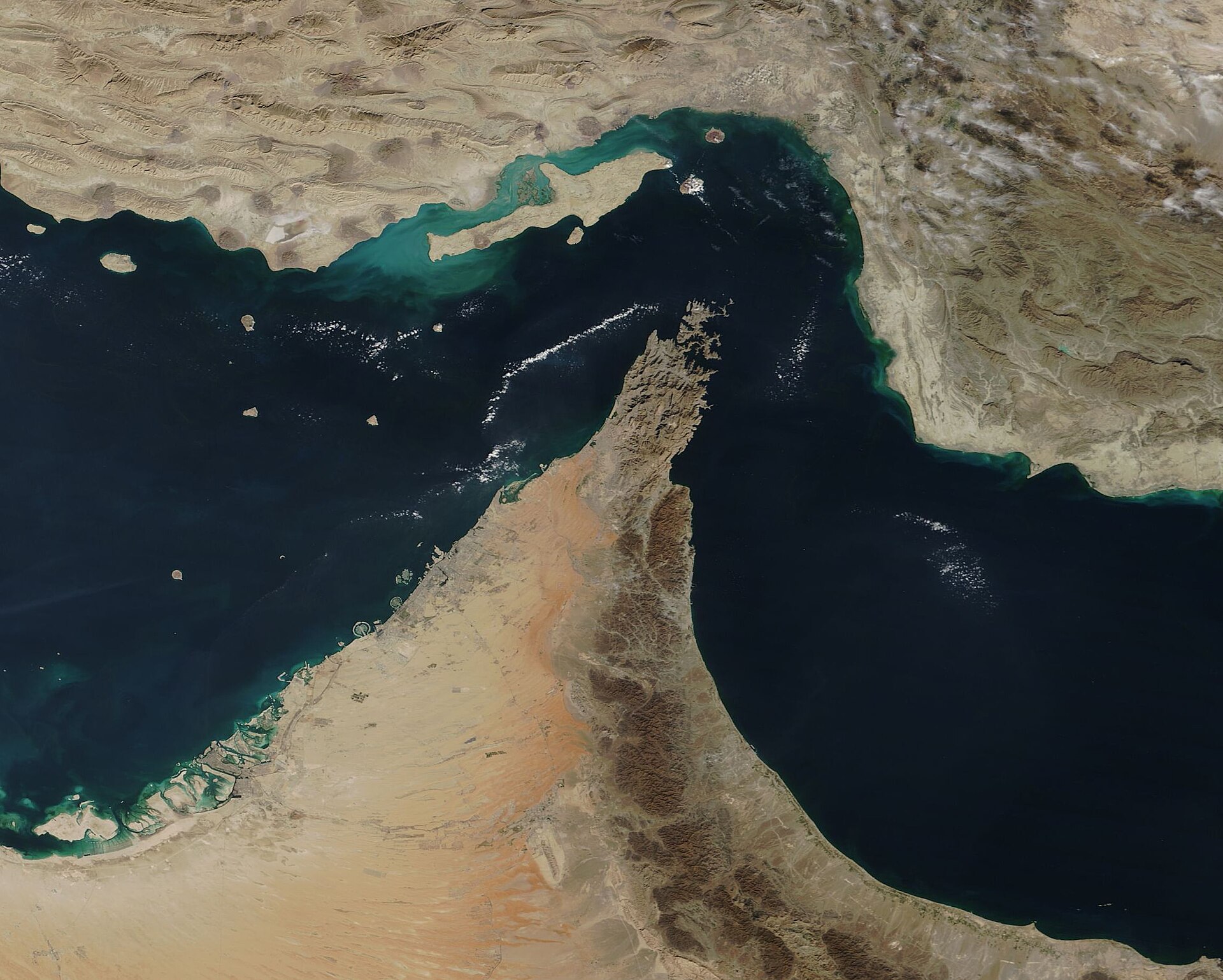
LONDON — At least 25 seafarers have been killed in and around the Strait of Hormuz since the US-Iran conflict began on February 28, the International Maritime Organization said on November 7, covering more than eight months of conflict.
The figure, disclosed after an IMO Council meeting that ended November 6, accompanied a count of 130 attacks on commercial vessels and thousands of stranded crew members across the Persian Gulf. IMO Secretary-General Arsenio Dominguez said seafarers “continue to be killed and seriously injured, abandoned, deprived of the opportunity to return home,” according to reports by Trend News Agency and APA citing IMO proceedings.
The House of Saud Daily Briefing
Saudi Arabia's news in 3 minutes, every morning. Free. See today's issue
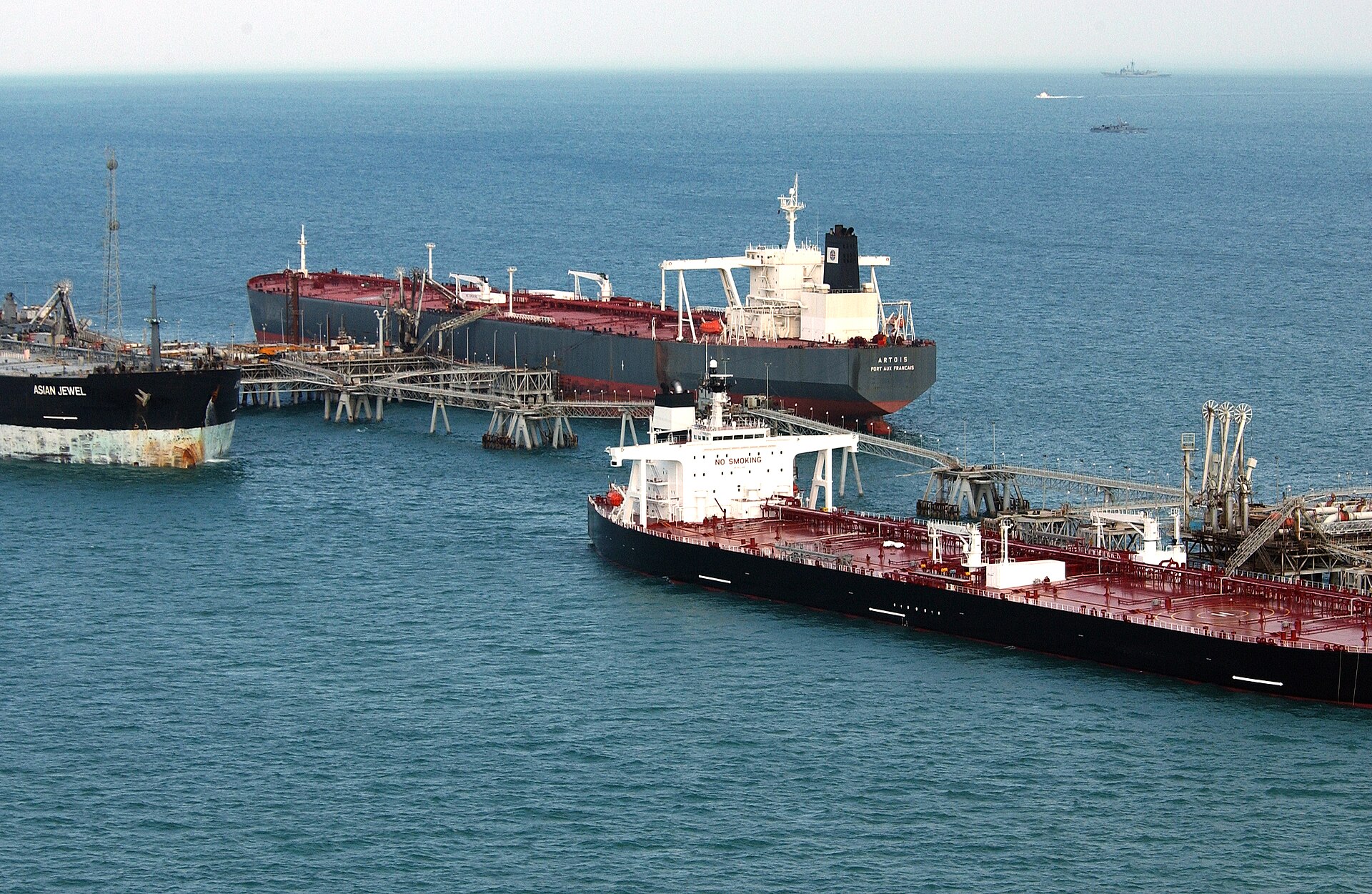
Table of Contents
Vessels With Confirmed Crew Deaths
At least five vessels have confirmed fatalities supported by shipping companies, flag-state governments, or international agencies. The deadliest single incident involved the UAE-flagged tug Mussafah 2 on March 6, when four crew members were killed, according to the IMO. Five days later, on March 11, the Thai-flagged bulk carrier Mayuree Naree lost three crew members. Thailand’s Foreign Minister Sihasak confirmed the deaths on April 8.
On August 31, the Saudi-flagged VLCC Bahri Sidr was struck while transiting the strait. Bahri, Saudi Arabia’s national shipping company, confirmed two Filipino seafarers were killed, as reported by The National and Gulf News on September 2.
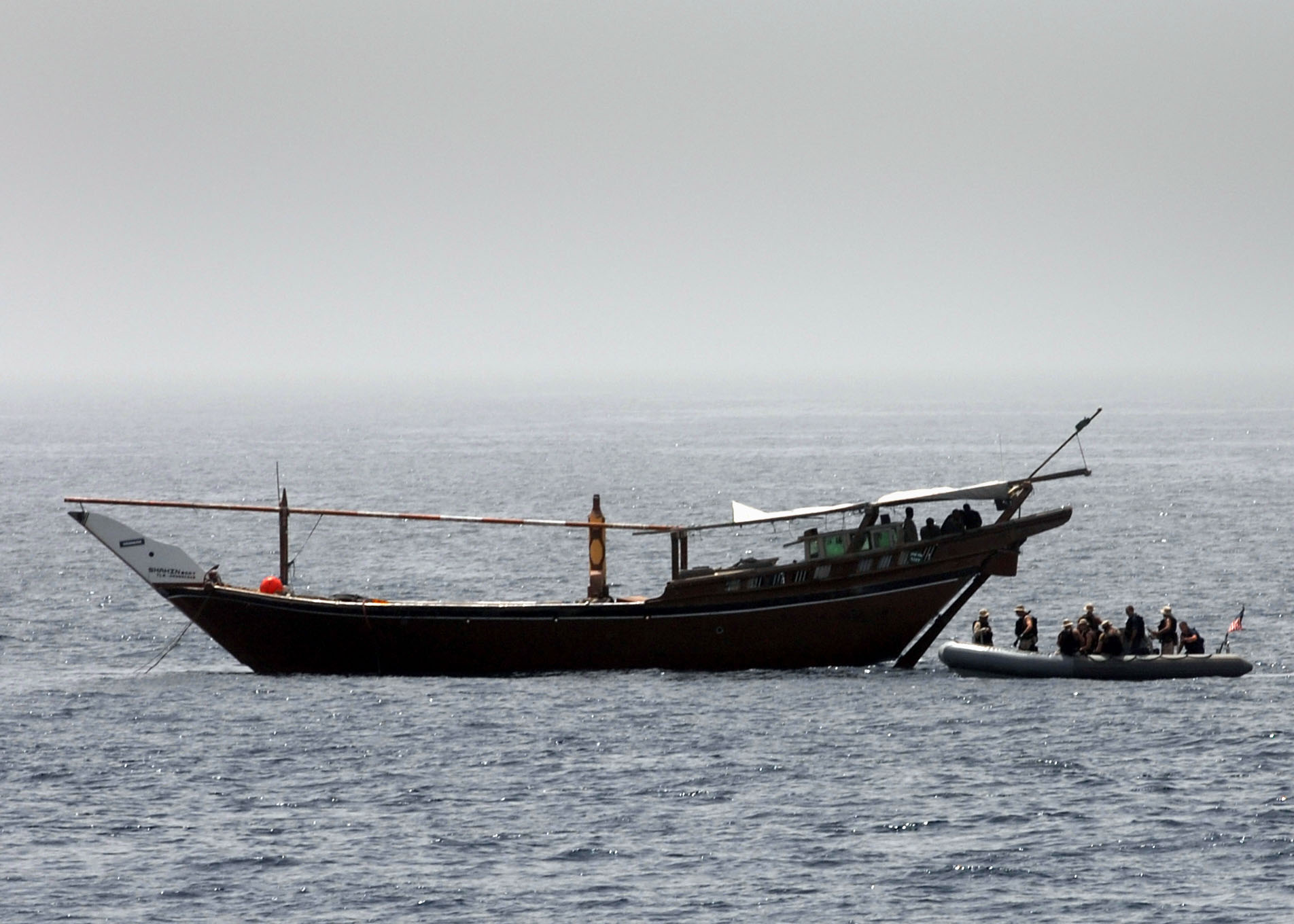
Two more fatalities have been confirmed in the final weeks before the IMO’s November count. On November 2, an Indian seafarer from Gujarat died when the dhow MSV Al Jusufi came under attack off Oman. Thirteen other crew members were rescued by the Omani Coast Guard, Seatrade Maritime reported on November 3. On November 4 or 5, a crew member of the Greek-owned tanker Velos Sapphire was killed after the vessel was struck by a suspected projectile approximately 50 nautical miles north of Madinat ash Shamal, Qatar. The crew member was initially reported missing before Velos Tankers confirmed the death. The vessel was directed to Khalifa Bin Salman Port in Bahrain, according to Riviera Maritime Media and IranWire.
| Vessel | Flag | Deaths | Date | Circumstances |
|---|---|---|---|---|
| Mussafah 2 | UAE | 4 | March 6 | Tug; deadliest single commercial-vessel incident |
| Mayuree Naree | Thailand | 3 | March 11 | Bulk carrier; IRGC claimed enforcement; Thailand FM confirmed April 8 |
| Bahri Sidr | Saudi Arabia | 2 | August 31 | VLCC; Filipino crew; Saudi FM named Iran |
| MSV Al Jusufi | — | 1 | November 2 | Dhow off Oman; Indian crew; Omani Coast Guard rescued 13 |
| Velos Sapphire | — | 1 | Nov 4–5 | Tanker; Greek-owned; suspected projectile; diverted to Bahrain |
The five confirmed-fatal vessels account for 11 of the 25 deaths. The remaining 14 fatalities span other vessels — including the El Gaia, Minoan Dignity, Mombasa B, Cape Dao, GFS Galaxy, and Hercules Star — though nationalities and circumstances for most remain unconfirmed in publicly available records, per IMO data.
Who Were the Dead?
India has absorbed the largest share of the toll. Arab News Pakistan, citing India’s Ministry of External Affairs data, reported that 15 Indian nationals have been killed in attacks on ships around the strait since the conflict began. The most recent was the seafarer who died aboard the MSV Al Jusufi off Oman on November 2. India responded in July 2026 by barring its seafarers from working in the strait “until further orders,” according to the International Transport Workers’ Federation; the measure was revised in August to a consent-based protocol requiring individual crew approval. No Gulf country matched even the initial restriction.
The two Bahri Sidr fatalities were Filipino nationals. Thailand confirmed three of its citizens dead on the Mayuree Naree. For the remaining confirmed deaths — the four aboard Mussafah 2 and the one on the Velos Sapphire — nationalities have not been publicly disclosed by flag states or shipping companies.
The workforce in the strait reflects this geography. Crews on Gulf-route tankers and bulk carriers are drawn disproportionately from South and Southeast Asia — India, the Philippines, Myanmar, Bangladesh, Indonesia — manning vessels flagged in Europe, the Gulf, and open registries. The deaths have followed that pattern: India’s transit exemption from Iran’s Hormuz restrictions did not extend to Indian-crewed vessels sailing under other flags.
How Did Saudi Arabia Respond to the Sidr Attack?
Saudi Arabia’s foreign ministry issued a formal condemnation of Iran over the Bahri Sidr attack on September 2. The statement condemned “the Islamic Republic of Iran’s attack on the Saudi tanker Sidr” and called for respect for “the security and safety of international navigation, the security of global energy supplies, and the Charter of the United Nations,” as reported by Al Jazeera and Arab News.
It was the only instance in the conflict where a flag state or vessel owner publicly attributed a seafarer death to a named actor. No other government — not the UAE after the Mussafah 2 deaths, not Greece after the Velos Sapphire — has issued a comparable statement naming Iran.
“The Kingdom condemns the Islamic Republic of Iran’s attack on the Saudi tanker Sidr” and calls for respect for “the security and safety of international navigation, the security of global energy supplies, and the Charter of the United Nations.”
— Saudi Arabia Foreign Ministry, September 2, 2026 (Al Jazeera)
Kuwait’s foreign ministry called the Sidr attack a “heinous attack” and a “grave violation of international law.” Qatar’s foreign ministry termed it a “flagrant violation of freedom of maritime navigation.”
What Has Iran Said About the Deaths?
Iran and the IRGC have not acknowledged responsibility for the 25 deaths counted by the IMO. The IRGC’s position on individual incidents has followed a pattern: vessels that came under fire or struck mines were, in Iran’s account, navigating outside its designated transit route.
The IRGC claimed responsibility for the Mayuree Naree attack on March 11 but framed it as enforcement action. In a statement carried by Iranian state media, the IRGC said the vessel “disregarded warnings and insistently attempted to illegally pass through the Strait of Hormuz.” Three Thai crew members were killed.
When claiming mine strikes on tankers in October and November, the IRGC stated that vessels had “requested permission from the US military” to use what Iran calls an “illegal route,” rather than following Iranian guidance. No mine-strike death has been independently verified as mine-caused by any maritime authority. The IRGC has not identified any vessel by name or IMO number in its mine announcements. Iran has not publicly acknowledged responsibility for the Bahri Sidr deaths, despite Saudi Arabia naming it directly. And as of November 7, the IRGC had issued no statement on the Velos Sapphire.
The Qatar 48-hour plan submitted on November 6 to both the US and Iran proposed a two-stage de-escalation, but neither side had accepted it by the time the IMO published its death toll.
The ITF’s Warlike Operations Area
The International Transport Workers’ Federation designated the Strait of Hormuz, Gulf of Oman, and Persian Gulf as a Warlike Operations Area on March 5, six days after the conflict began. The designation, announced by ITF General Secretary Stephen Cotton, triggered doubled death-and-disability compensation for crew members and guaranteed the right to refuse to sail into the zone, with repatriation at company cost, per the ITF’s March 5 statement.
“No worker should have to risk being killed or maimed simply for doing their job. The safest way to protect seafarers is not to send them through a war zone in the first place. Naval escorts cannot guarantee the safety of civilian crews.”
— Stephen Cotton, ITF General Secretary, March 5, 2026
The designation was issued before any confirmed crew death. The Mussafah 2 — four dead — was struck the following day. In the eight months since, 130 attacks have been recorded and an estimated 20,000 seafarers were stranded in the Persian Gulf during the conflict’s opening weeks, a figure cited by both the IMO and the ITF in March. Thousands remain stranded as of November 7, the IMO said.
IMO Council and GCC Joint Statement
The IMO Council meeting that produced the 25-death figure ended on November 6. Members called on states to “refrain from unlawful actions that could jeopardize the safety of seafarers and international shipping,” according to APA and Trend News Agency. Dominguez pledged to develop new measures to prevent further loss of life.
Dominguez had used stronger language in March. At a press briefing on March 6, the day the Mussafah 2 crew was killed, he said “seafarers must not be targets” and described the situation as “unacceptable and unsustainable,” per the IMO’s own website.
Five GCC member states — Bahrain, Kuwait, Qatar, Saudi Arabia, and the UAE — submitted a joint statement to the IMO rejecting Iran’s alternative Hormuz route and expressing “grave concern” over the use of drones, missiles, and naval mines against commercial shipping, Maritime Professional reported. The statement called on member states to coordinate steps to ensure the safety of commercial vessels.
Parallel to the IMO proceedings, Trump said on November 6 that the US and Iran were “doing very well” on talks, even as the IRGC claimed further tanker mine strikes in the strait that same day.
Background: The Tanker War Parallel
The 1980s Tanker War during the Iran-Iraq conflict killed approximately 116 merchant sailors through 1987, according to Al Jazeera’s April 24 analysis, which cited the US Naval History and Heritage Command. In the current crisis, 25 seafarers have died in just over eight months — a pace that, if sustained, would approach the Tanker War’s toll in a fraction of the time.
Al Jazeera’s analysis noted a difference in Iran’s strategic position: during the 1980s war, Iran had economic reasons to keep the strait open for its own oil exports. In 2026, under comprehensive US sanctions and with its nuclear infrastructure struck on February 28, those incentives have shifted. The IRGC declared the strait closed on October 26, and Iran has since operated a selective exemption system — India, China, Iraq, and Qatar were exempted from transit restrictions while Saudi Arabia and UAE-bound traffic was not.
The IMO’s baseline for the strait before the conflict was approximately 138 transits per day, per the Joint Maritime Information Center. That traffic has been interrupted by the IRGC’s closure declaration, its mine-laying claims, and the 130 attacks the IMO has now counted.
Frequently Asked Questions
What compensation do families of killed seafarers receive under the Warlike Operations Area designation?
Under the ITF’s Warlike Operations Area terms declared March 5, death-and-disability compensation is doubled from the standard rate in crew members’ collective bargaining agreements. The exact payout varies by contract, flag state, and employer, but the ITF’s framework guarantees a minimum floor. Families of crew members who refused to sail under the designation and were repatriated at company cost receive no penalty, per ITF policy.
Has any crew member successfully refused to sail into the strait under ITF rules?
The ITF confirmed that the Warlike Operations Area designation grants seafarers the right to refuse orders to transit the zone and to be repatriated at the shipping company’s expense. Stephen Cotton said “naval escorts cannot guarantee the safety of civilian crews,” reinforcing the right to refuse. India went further by banning its nationals from working in the strait entirely in July 2026, per the ITF — the only flag state to impose an outright prohibition rather than relying on individual crew refusals. The ban was revised to a consent-based protocol in August 2026.
Why has no mine-strike death been independently confirmed?
The IRGC has claimed that tankers struck mines after leaving its designated route, but it has not identified any vessel by name or IMO number in these announcements. No maritime authority — not UKMTO, not the IMO, not any flag state — has independently verified that a mine caused a crew death. Every confirmed fatality in the IMO’s count traces to a projectile, missile, drone strike, or unspecified attack, not to a mine detonation.
How many seafarers remain stranded in the Persian Gulf?
The IMO and ITF estimated approximately 20,000 seafarers were stranded in the Gulf during the conflict’s opening weeks in March 2026. As of the November 6 IMO Council meeting, Dominguez said seafarers continue to be “abandoned” and “deprived of the opportunity to return home,” but neither the IMO nor the ITF has published an updated figure. The number is described as “thousands” in the IMO’s latest proceedings.
What is the Hormuz transit baseline that the attacks are measured against?
The Joint Maritime Information Center reported approximately 138 vessel transits per day through the strait before the conflict. The IRGC declared the strait closed on October 26. The 130 attacks counted by the IMO span the period from late February to early November — an average of roughly one attack every two days across the entire conflict.
The House of Saud Daily Briefing
Saudi Arabia's news in 3 minutes, every morning. Free. See today's issue