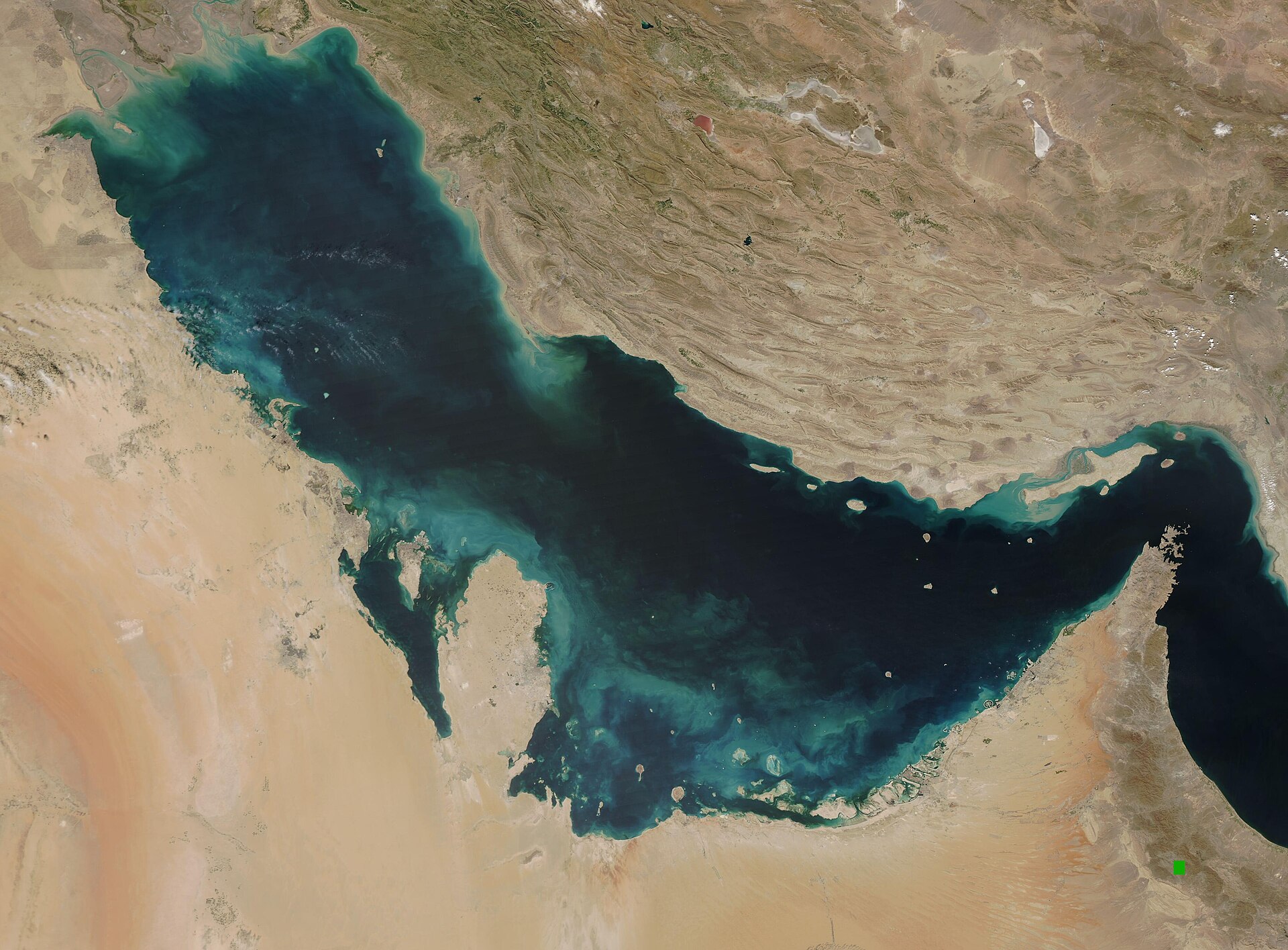

DUBAI — A Saudi Arabia-flagged chemical tanker operated by a subsidiary of the kingdom’s national shipping company was involved in a suspected attack while transiting the Strait of Hormuz on Wednesday, November 11, 2026. All crew aboard the vessel, NCC Fajr, are safe, India’s shipping minister confirmed. The tanker is owned by National Chemical Carriers, a joint venture in which Bahri — the state-linked national shipping company — holds 80 percent.
The incident came the day after the Saudi Cabinet publicly called for an immediate end to threats against navigation in the Strait of Hormuz and the Bab al-Mandeb. Separately, Iran’s Islamic Revolutionary Guard Corps Navy claimed on the same day that two tankers exploded after striking naval mines in Hormuz — though no Iranian source named NCC Fajr, and it remains unclear whether the IRGC’s claim and the NCC Fajr incident describe the same event or different ones. NCC Fajr follows two earlier Bahri-linked vessels that were attacked during the Hormuz crisis: the VLCC Sidr, in which two Filipino crew members were killed on August 31, and the tanker Wedyan, damaged in July.
The House of Saud Daily Briefing
Saudi Arabia's news in 3 minutes, every morning. Free. See today's issue
Table of Contents
- What Happened to NCC Fajr in the Strait of Hormuz?
- Who Owns NCC Fajr? The Bahri and Saudi State Connection
- What Did the IRGC Claim About Hormuz on November 11?
- Saudi Cabinet Demanded End to Hormuz Threats Hours Earlier
- A Pattern of Attacks on Bahri-Linked Vessels
- Bahri’s Hormuz Strategy and US Coordination
- Frequently Asked Questions
What Happened to NCC Fajr in the Strait of Hormuz?
NCC Fajr, a Saudi Arabia-flagged chemical and oil products tanker with IMO number 9595644, was involved in a suspected attack while transiting the Strait of Hormuz on November 11, 2026, according to reports by the Khaleej Times, ANI, and the Freepressjournal. The vessel is an Aframax/LR2-class tanker of approximately 81,336 deadweight tonnage (DWT), built in 2013, according to VesselFinder and Maritime Optima shipping databases.
India’s Union Minister for Ports, Shipping and Waterways, Sarbananda Sonowal, confirmed on social media platform X that “all 3 Indian nationals, along with the entire crew are safe.” Sonowal added that Indian authorities were monitoring the situation and “remained in regular contact with the ship management company,” ANI and the Khaleej Times reported on November 11.
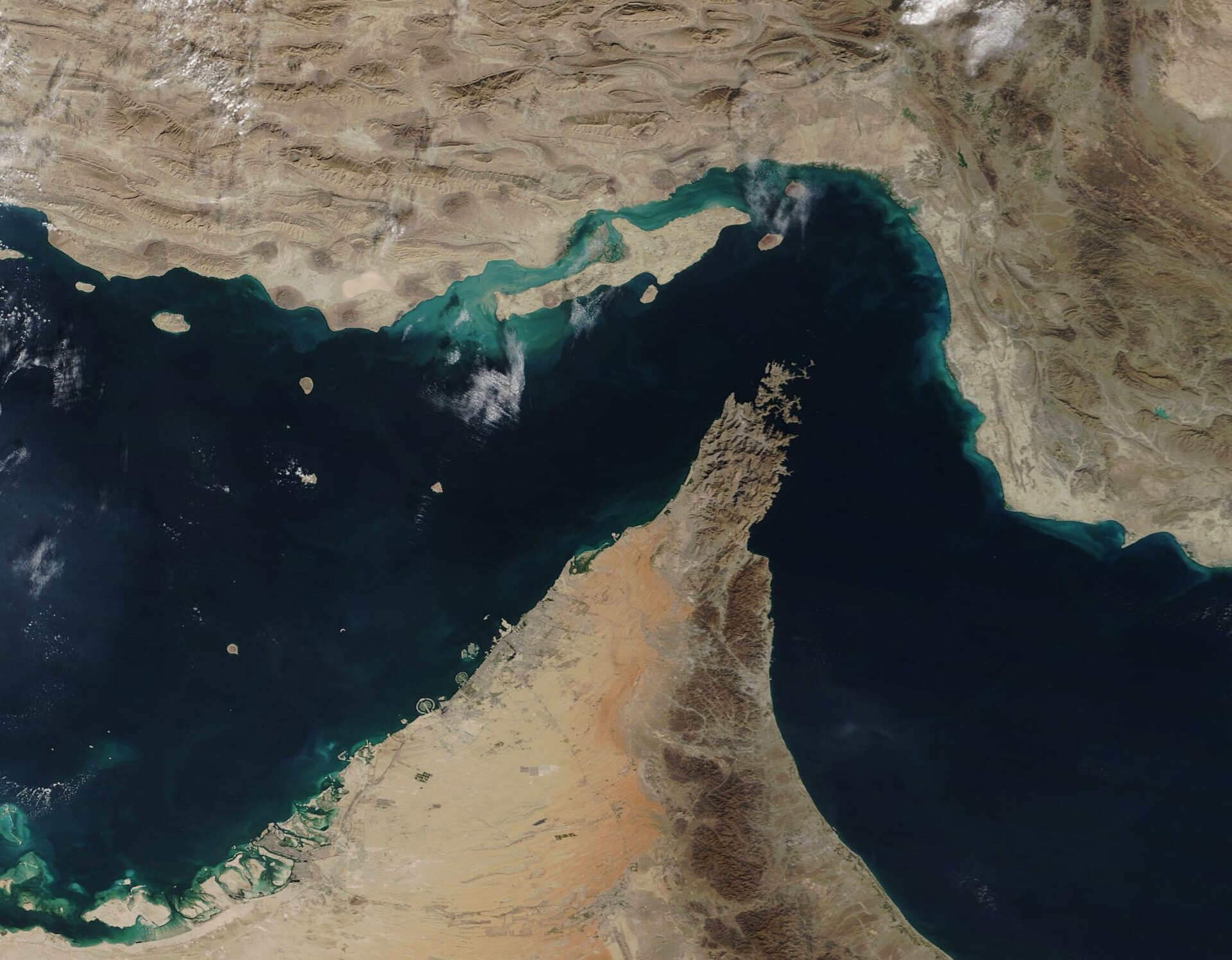
The nature and cause of the incident remain disputed. The United Kingdom Maritime Trade Operations (UKMTO) separately reported on November 11 that a tanker was struck by an “unidentified projectile” in the area, with all crew safe, according to Riviera Maritime Media. Iran’s army told state media that an oil tanker struck a “naval mine” and caught fire in the eastern Strait, the Khaleej Times reported. No independent body had confirmed which account is accurate as of November 11, and the cause of the incident was still under assessment at the time of initial reports.
TradeWinds, a shipping industry publication, reported the vessel at approximately 17:30 UTC on November 11 as a “Bahri product tanker linked to Hormuz ‘attack.'” The word “linked to” in that framing reflects Bahri’s role as the operational manager of NCC Fajr, rather than the vessel’s registered owner.
The incident occurred on the same day that the Indian-linked VLCC MT Fujairah Energy was struck by a projectile in the Persian Gulf, injuring four crew members, according to India’s shipping ministry. November 10-11 saw multiple maritime security incidents reported across the Strait of Hormuz and Persian Gulf, according to Riviera Maritime Media.
Who Owns NCC Fajr? The Bahri and Saudi State Connection
NCC Fajr is owned by National Chemical Carriers Ltd (NCC), a joint venture established in 1990 in which Bahri — the National Shipping Company of Saudi Arabia — holds 80 percent and SABIC holds the remaining 20 percent, according to Offshore Energy reporting and the Equasis maritime database as cited by Riviera Maritime Media on November 11. Operational management of the vessel is handled by Bahri Shipmanagement, a UAE-registered entity listed in the Equasis records.
Saudi state entities are Bahri’s largest shareholders. The Public Investment Fund (PIF), Saudi Arabia’s sovereign wealth fund, holds approximately 22 percent of Bahri, while the Saudi Aramco Development Company (SADCO) holds approximately 20 percent, according to PIF’s portfolio disclosures. Bahri is listed on the Saudi stock exchange (Tadawul).
This ownership chain distinguishes an attack on NCC Fajr from strikes on third-party commercial vessels that happen to be transiting Hormuz. Through PIF and SADCO, the Saudi government has direct financial exposure to the vessel. A confirmed deliberate attack would mark a strike on Saudi state-linked maritime assets — not a case of collateral damage to neutral shipping.
No party has claimed responsibility for the NCC Fajr incident specifically. The IRGC’s November 11 statement about two tankers hitting mines did not name any vessel.
What Did the IRGC Claim About Hormuz on November 11?
The IRGC Navy released a statement on November 11, 2026, claiming that two tankers “exploded and caught fire in the Strait of Hormuz after striking naval mines,” according to IranWire and Shabtabnews. The statement said the vessels were navigating an “unauthorized and high-risk” route with US fighter-jet air support, that their navigation and automatic identification systems (AIS) were switched off, and that a “US officer was steering them.”
The IRGC further claimed both vessels were abandoned after firefighting efforts failed and accused US Central Command (CENTCOM) of spreading false information about the incidents, IranWire reported. None of these claims were independently verified at the time of reporting.
No Iranian source — including the IRGC Navy, state news agency Mehr, or IRNA — named NCC Fajr or identified either of the two vessels it claimed were struck. The IRGC’s account of vessels striking naval mines does not align with UKMTO’s report of a tanker struck by an “unidentified projectile.” The two descriptions suggest different attack methods and, potentially, different incidents.
This discrepancy fits a recurring pattern in the Hormuz crisis. The IRGC has repeatedly claimed that tankers hit mines while navigating unauthorized routes, framing the incidents as consequences of reckless navigation rather than deliberate attacks. Western maritime authorities and UKMTO have more often described projectile strikes, drone attacks, or limpet mine placements — implying active targeting rather than passive mine contact.
On November 10, the IRGC claimed three tankers were hit in Hormuz, using nearly identical language about unauthorized routes and mine strikes. Iran separately denied on November 11 that it was engaged in negotiations with the United States over Hormuz, saying the strait would not reopen until seven conditions were met, according to Iranian state media.
Saudi Cabinet Demanded End to Hormuz Threats Hours Earlier
The NCC Fajr incident was reported the day after the Saudi Cabinet issued a public statement on navigation threats in the Strait of Hormuz. In a session chaired by Crown Prince Mohammed bin Salman on November 10, the Cabinet called for an immediate end to all threats against navigation in the Strait of Hormuz and the Bab al-Mandeb.
The Cabinet’s statement addressed both chokepoints simultaneously — Hormuz, where Iran’s IRGC has been mining and interdicting commercial vessels since declaring the strait closed on October 26, and Bab al-Mandeb, where Houthi forces have conducted sustained attacks on shipping and Saudi territory. The Cabinet communiqué was published on November 10. TradeWinds reported the NCC Fajr incident at approximately 17:30 UTC on November 11.
No evidence links the timing of the NCC Fajr incident to the Cabinet’s statement, and no Saudi government body had commented specifically on the NCC Fajr case as of November 11.
A Pattern of Attacks on Bahri-Linked Vessels
The attack on NCC Fajr follows two earlier strikes on Bahri-linked vessels during the Hormuz crisis. The pattern is distinct from broader strikes on international commercial shipping because each vessel traces back to Saudi state ownership.
On August 31, 2026, the Saudi-flagged VLCC Sidr — a 300,759-DWT supertanker operated by Bahri — was hit by an unidentified projectile approximately 16.6 nautical miles northeast of Khasab, Oman, according to Shipuniverse. Two Filipino crew members were killed in that attack. The Sidr was subsequently abandoned. At 300,759 DWT, the Sidr was among the largest vessels struck in the Hormuz crisis.
Earlier, in July 2026, the Bahri-operated tanker Wedyan was attacked and damaged in a separate incident during the same crisis, according to maritime tracking records. No crew fatalities were reported in the Wedyan attack.
Bahri CEO Ahmed Ali Al Subaey acknowledged the toll on the company’s operations. “These events are a profound reminder of the conditions in which our seafarers operate,” Al Subaey said, according to Oilprice.com citing Bloomberg on November 10.
The attacks on Bahri-linked vessels have occurred alongside a broader wave of strikes on commercial shipping in Hormuz. The Navig8 Messi burned off Khasab on November 7 after a Hormuz strike, with the crew evacuated safely. The VLCC MT Fujairah Energy was hit on November 11, injuring four. These are separate from the Bahri-linked vessels but illustrate the scale of maritime disruption in the strait.
Bahri’s Hormuz Strategy and US Coordination
Despite escalating attacks on its fleet, Bahri has continued transiting the Strait of Hormuz — a decision its leadership has framed as both commercially necessary and strategically coordinated with the United States.
Khalid Alhammad, president of Bahri Ship Management, told a Dubai maritime industry event that Bahri has been transiting Hormuz with US coordination “at the government level,” according to Oilprice.com citing Bloomberg on November 10. “We have to keep moving the energy,” Alhammad said.
“We have to keep moving the energy.” — Khalid Alhammad, president of Bahri Ship Management, on the company’s decision to continue Hormuz transits with US government-level coordination
The financial incentives for continued transits are substantial. Bahri Oil revenue rose $3.2 billion — 12 billion Saudi riyals — year-on-year in the third quarter of 2026, and Bahri’s overall profit surged approximately 900 percent in Q3, Oilprice.com reported citing Bloomberg. Saudi Arabia’s crude production surged 26 percent to 10.563 million barrels per day in October, according to OPEC data, while Aramco cut its November Arab Light pricing to Asia by $3, hitting a six-year low — a signal that the kingdom is prioritizing volume over price as it pushes crude through contested waters.
The Kpler energy data firm estimated approximately 14 million barrels per day were flowing through the Strait of Hormuz as of October 21, representing roughly 82 percent of pre-crisis throughput, according to compiled maritime data. The Joint Maritime Information Centre (JMIC) has recorded a baseline of 138 transits per day through the strait.
The IRGC’s November 11 claim — that the tankers it described were under US fighter-jet escort and being steered by a “US officer” — appears to directly address the kind of US-Saudi maritime coordination that Alhammad publicly described. Whether the IRGC statement was crafted in response to Bahri’s public comments or reflects independent intelligence cannot be determined from available sources. The juxtaposition, however, suggests that the IRGC views Saudi state shipping in Hormuz as a legitimate target, not collateral damage — a framing that, if accurate, would mark an escalation from the broader pattern of attacks on neutral commercial vessels.
Frequently Asked Questions
What type of cargo does NCC Fajr carry?
NCC Fajr is classified as a chemical and oil products tanker, not a crude oil carrier. National Chemical Carriers specializes in transporting refined petroleum products, petrochemicals, and specialty chemicals. The Aframax/LR2 class designation means NCC Fajr can carry up to approximately 81,336 DWT of products — far less than the VLCCs that typically move Saudi crude exports, which carry 200,000 to 320,000 DWT. The distinction matters because products tankers serve downstream refining markets, while crude carriers supply upstream customers.
Has any country formally attributed the NCC Fajr incident to Iran?
No government had formally attributed the NCC Fajr incident to Iran or any other party as of November 11, 2026. India’s shipping minister confirmed the crew were safe and said authorities were monitoring the situation but did not assign blame. The IRGC claimed two tankers hit mines in Hormuz on the same day but did not name NCC Fajr. Saudi Arabia had not issued a public statement specific to NCC Fajr. The absence of attribution is consistent with earlier incidents in the Hormuz crisis, where formal governmental blame has often lagged behind the events by days or weeks.
What is SABIC’s role in National Chemical Carriers?
SABIC, one of Saudi Arabia’s largest petrochemical companies, holds the remaining 20 percent of National Chemical Carriers alongside Bahri’s 80 percent. The joint venture was established in 1990 to transport petrochemical products for SABIC’s operations, according to Offshore Energy reporting.
How does the NCC Fajr incident compare to the MT Fujairah Energy attack on the same day?
Both incidents occurred on November 11, 2026, but they differ in ownership, vessel type, and reported details. MT Fujairah Energy is an Indian-linked VLCC that was struck by a projectile in the Persian Gulf, with four crew injured. NCC Fajr is a Saudi-linked products tanker involved in a suspected attack in the Strait of Hormuz proper, with no reported injuries. The Fujairah Energy incident had confirmed casualties; the NCC Fajr case remains classified as a “possible” or “suspected” attack with the cause still under assessment.
The House of Saud Daily Briefing
Saudi Arabia's news in 3 minutes, every morning. Free. See today's issue