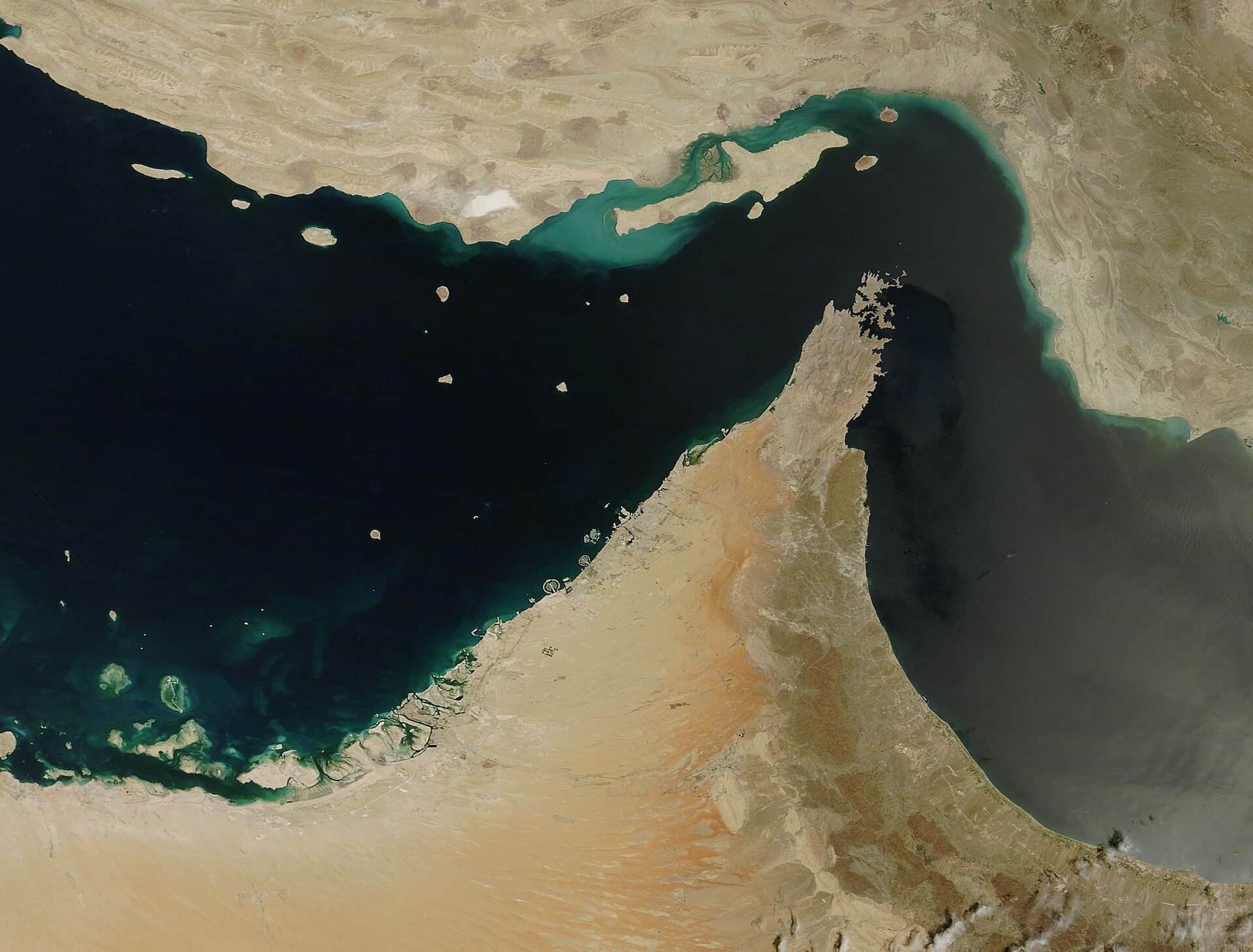
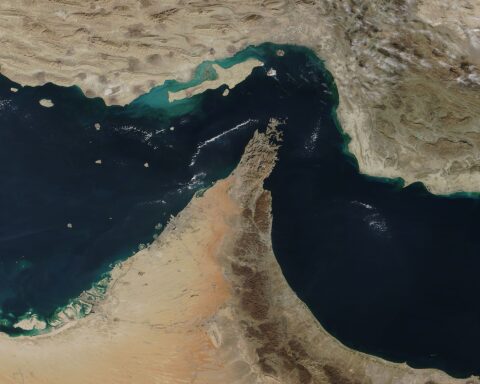
TEHRAN — Mohsen Rezaei, Secretary of Iran’s Supreme National Security Council, said on Tuesday that Tehran is holding no negotiations with the United States and that the Strait of Hormuz will remain closed until Washington meets all seven of Iran’s conditions. The statement arrived less than 24 hours after President Donald Trump told reporters the war was “militarily effectively over,” and it amounted to the most comprehensive rejection yet of Washington’s framing of the conflict as winding down.
Speaking to Lebanon’s Al Mayadeen TV in remarks carried by Fars News Agency, Rezaei accused Washington of pushing talk of a deal “to ease economic pressure and lower oil prices” and restated demands that include lifting the US naval blockade, releasing frozen Iranian assets, and ending sanctions. The distance between Trump’s language and the reality of the strait has not narrowed — and on Tuesday, Iran made clear it has no interest in narrowing it.
The House of Saud Daily Briefing
Saudi Arabia's news in 3 minutes, every morning. Free. See today's issue
Table of Contents
What Did Iran Say About Trump’s War Claim?
Rezaei’s Tuesday statement was blunt, even by the standards of a standoff in which Iranian officials have made a habit of publicly contradicting the White House. “I particularly stress that we are not currently holding any negotiations with the Americans,” he told Al Mayadeen, according to Fars News Agency. The Strait of Hormuz, he said, “would remain closed until Iran’s seven conditions were fulfilled.”
The statement did not mention Trump’s “effectively over” language by name, but its timing — arriving within hours of the White House remarks — left no room for misreading. A day earlier, after Trump claimed “positive momentum” toward a deal, Rezaei had posted on X that Trump “flails like a desperate gambler” and told the US president to “fold your hand. Stop manufacturing fake news about imaginary talks,” according to Euronews.
Iran’s Foreign Minister Abbas Araghchi reinforced the position, denying that any meeting with the US was being planned and saying the conflict “will not be resolved through military means, nor by intensifying sanctions,” Al Jazeera reported on November 11. Majlis Speaker Mohammad Bagher Ghalibaf added his own warning on X, declaring that “unless Washington drops the ‘Israel First’ mindset, America and its allies are headed straight for a dark age,” according to Euronews.
Three senior Iranian officials used three platforms within 48 hours to deliver the same core message: there is no deal, there are no talks, and the conditions for reopening the world’s most contested waterway have not changed by a single clause. The coordination — the SNSC Secretary on regional television, the foreign minister to the wire services, the Majlis speaker on social media — was calibrated to reach every audience that might have taken Trump’s optimism at face value.
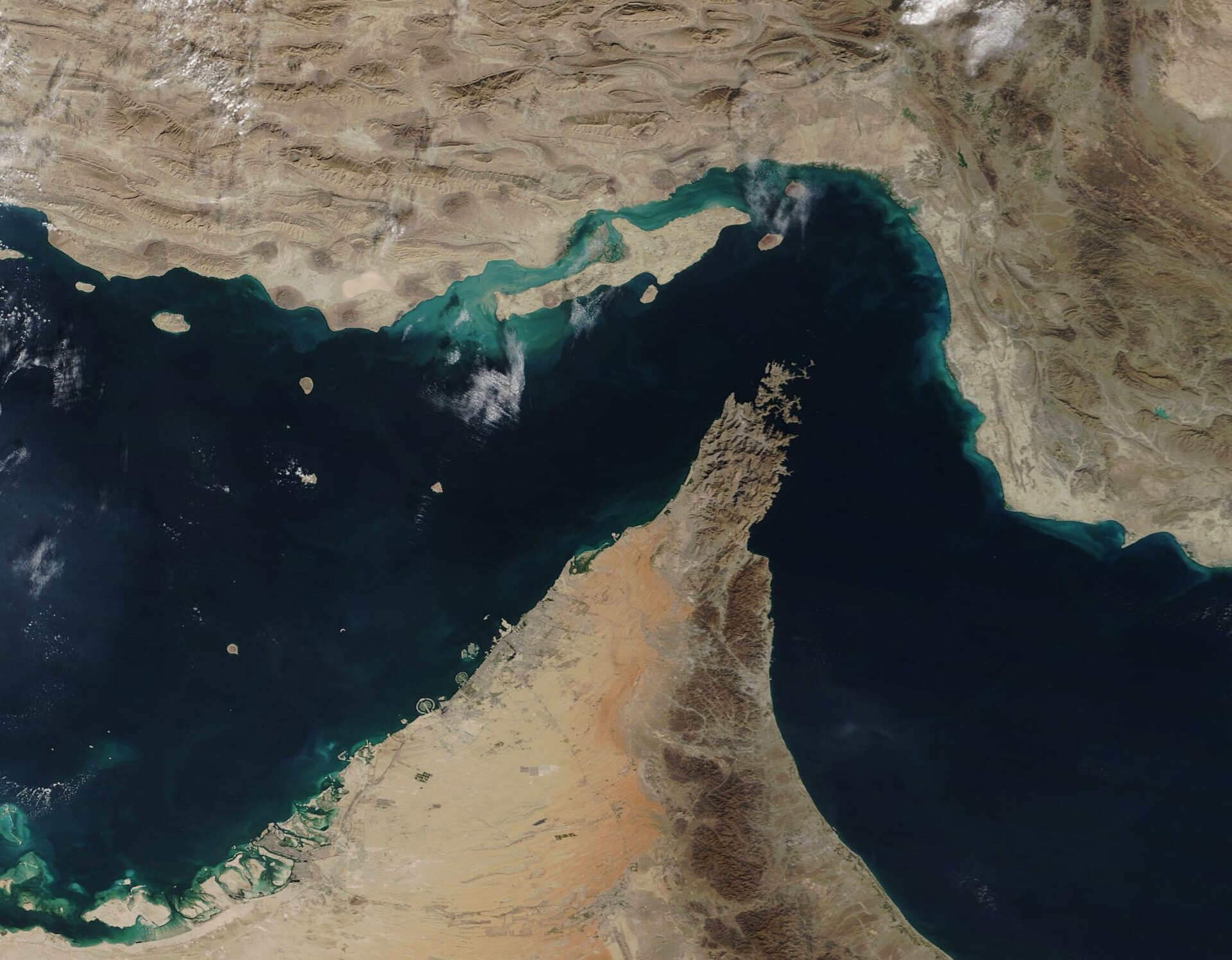
Iran’s 7 Conditions for Reopening Hormuz
The conditions Rezaei confirmed on Tuesday, as reported by Fars News Agency and the Middle East Monitor, amount to a demand that the US dismantle its wartime posture before Iran opens a single shipping lane. They are:
- End the US naval blockade
- Guarantee safe passage for commercial ships and oil tankers through Hormuz
- Lift unilateral sanctions
- Grant exemptions from oil export restrictions
- Release frozen assets
- Keep nuclear materials inside Iran
- End the war
The list builds on demands Iran’s SNSC first set on August 8, when it said Hormuz would not reopen without an end to the war, the lifting of the US counter-blockade, and wartime compensation, according to Al-Monitor citing AFP. The expanded version adds nuclear safeguards, guaranteed shipping corridors, and sanctions relief — each of which Washington has either explicitly rejected or declined to discuss.
Araghchi has repeatedly said Hormuz could reopen “within two days” if the conditions were met, according to Al Jazeera. That offer remains formally on the table, and Rezaei’s Tuesday statement did not retract it. Andreas Krieg, a security studies lecturer at King’s College London, said the two-day proposal “sounds accommodating, but shifts the timeline rather than the substance of a deal,” adding that “the US and Iran’s Arab neighbours would not accept long-term, Iran-approved shipping corridors,” Al Jazeera reported on November 9.
The sixth condition — keeping nuclear materials inside Iran — is the one most likely to prevent any agreement from forming. Washington has insisted throughout the broader standoff that Iran’s nuclear programme is part of the negotiation, and Rubio has said throughout the conflict that enrichment must stop, a position Tehran has called unacceptable. By folding nuclear safeguards into its Hormuz conditions, Iran has made reopening the strait inseparable from the nuclear file — a linkage the US has spent years trying to avoid.
How Did Washington Frame the Same 24 Hours?
Trump’s version of events bore almost no resemblance to Tehran’s. Speaking on November 9 in the White House briefing room after meeting Qatar’s prime minister, he said the war was “militarily effectively over” and that there was “positive momentum” toward a deal, while adding that further strikes on Iran were “quite unlikely” — though the US remained “locked and loaded,” according to Arab News.
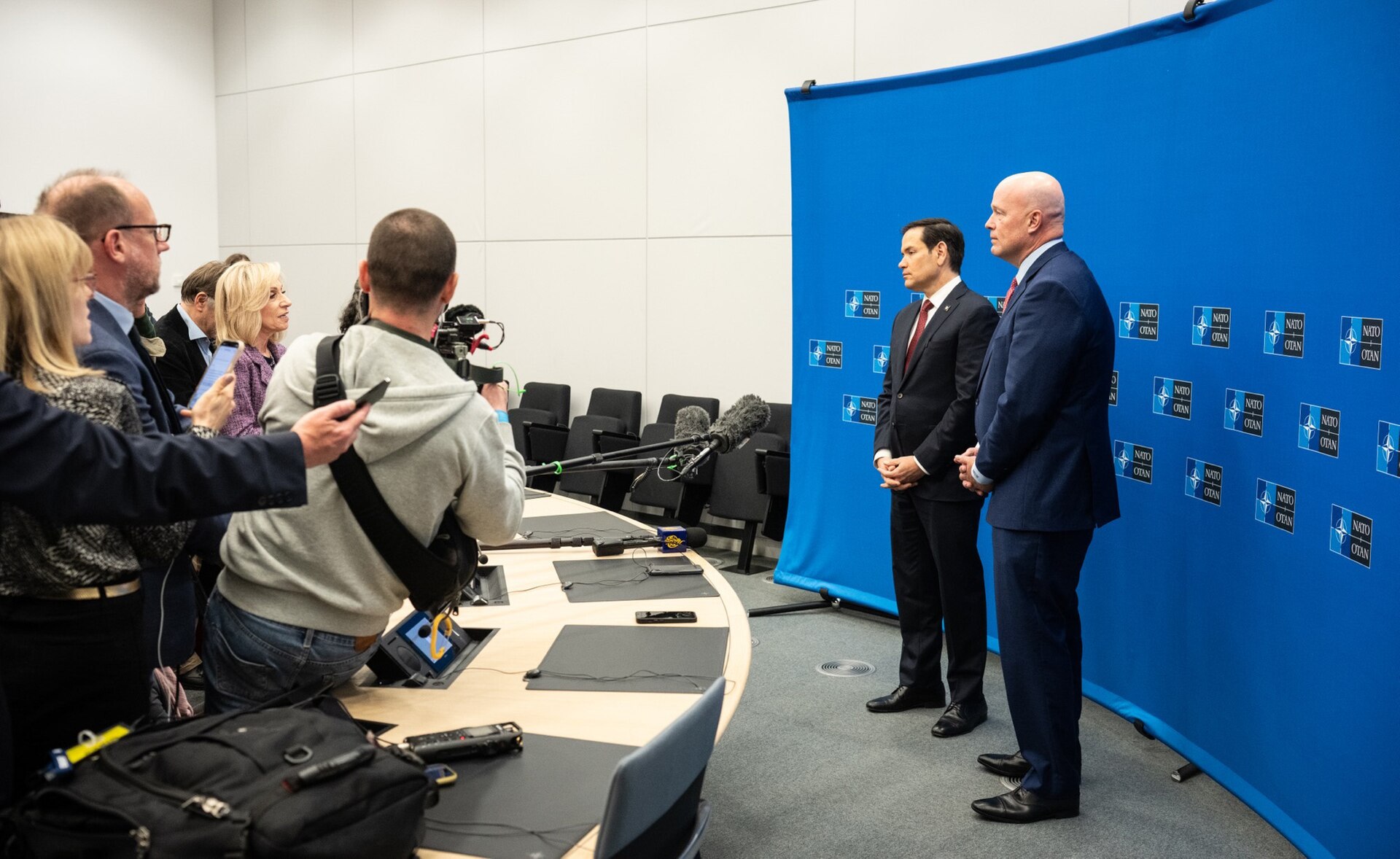
Secretary of State Marco Rubio, speaking the previous day, had already undercut that optimism. He called Iran’s conditions “outrageous” and “ridiculous and really not realistic,” and said plainly: “I don’t have any progress to report to you,” according to Al Jazeera. He added that Trump still preferred a diplomatic solution, but the gap between “positive momentum” and “no progress to report” was wide enough for Rezaei, when his response came, to drive a rhetorical truck through it.
“I don’t have any progress to report to you.”
Marco Rubio, US Secretary of State, November 8
Rubio’s candour landed harder precisely because it preceded Trump’s claims by a single day — the Secretary of State told reporters there was nothing to show for months of back-channel work, and the president walked to a podium 24 hours later and declared the war effectively finished. The contradiction was not lost on Tehran, and Rezaei’s accusation that Washington manufactures talk of negotiations to manipulate oil markets drew much of its force from the fact that two of the administration’s most senior officials could not agree on whether progress had been made.
The Qatar Diplomatic Channel
Qatar’s prime minister, Sheikh Mohammed bin Abdulrahman Al Thani, called his November 9 meeting with Trump “excellent” and said they discussed “ways to advance the negotiations between the United States and Iran,” according to Euronews. Turkey’s intelligence chief Ibrahim Kalin separately reported that Vice President JD Vance and Rezaei could meet in Qatar the following week, Euronews reported — a prospect Iran’s FM Araghchi flatly denied.
The channel is alive in the narrow sense that intermediaries are still talking, but no proposal currently on the table has survived contact with the other side. Araghchi submitted a seven-day roadmap via Qatar on September 25, proposing that Hormuz reopen in return for the US lifting its blockade, sanctions waivers, and approximately $12 billion in frozen assets, according to Al Jazeera. Trump rejected the plan. By October 8, he wrote that the US “will not be attacking Iran at any time prior to the midterm elections,” according to The National. The midterms passed on November 5, the roadmap remains rejected, and no new framework has replaced it.
Rezaei’s accusation — that Washington pushes talk of progress “to ease economic pressure and lower oil prices” — speaks to a dynamic both sides understand. Each time a US official hints at a breakthrough, oil futures respond, which benefits American consumers at the pump and diminishes the economic pressure Iran’s blockade exerts globally. Whether or not the intent is that calculated, Tehran has built a talking point around the pattern, and Rezaei’s Tuesday statement was partly aimed at ensuring the markets treated Trump’s optimism with the scepticism Iran believes it deserves.
What Has the Hormuz Closure Cost?
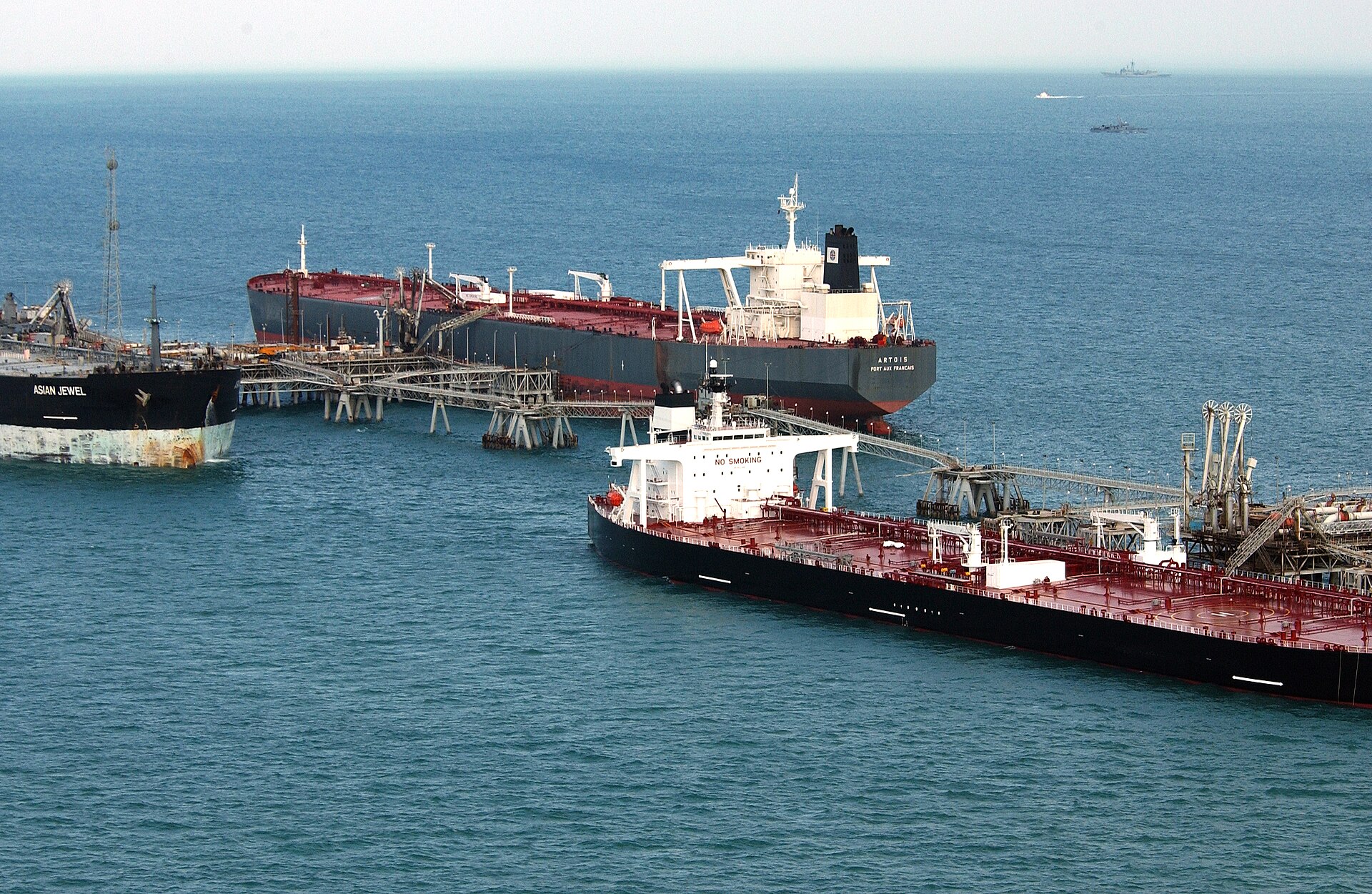
On November 8, IMF PortWatch recorded 3 vessels broadcasting AIS transiting the Strait of Hormuz, against a pre-war typical of roughly 85 per day — approximately 4% of normal traffic, according to data published by straits.live. The IRGC claimed it had attacked 11 tankers in 10 days, with 4 unable to continue their transit, and IRGC spokesman Hossein Mohebbi rejected US assertions that mines had been cleared. “Nobody dares enter the Strait of Hormuz to remove the mines,” he said, according to Al Jazeera.
The commercial consequences are visible in every line of Aramco’s pricing data. Aramco cut its November official selling price for Arab Light crude to Asia by $3 per barrel, setting it at $5 below the Oman/Dubai average — the widest discount since June 2020, according to Egypt Oil & Gas. Arab Medium and Heavy grades were each cut $5 per barrel. Asian refiners said the reductions partly compensated for freight costs that have, by any historical measure, become extraordinary: VLCC rates for Gulf loading have reached approximately $1.2 million per day, according to LSEG data cited by Egypt Oil & Gas, compared with roughly $80,000 a year earlier — a fifteen-fold increase by that measure that has redrawn the economics of every eastbound crude cargo.
War-risk insurance premiums have hit 7.5 to 10% of hull value per single transit — approximately 10 times pre-war levels, the Cyprus Mail reported. Before the conflict, roughly 20% of the world’s oil supply flowed through Hormuz: about 15 million barrels per day of crude and 5 million of refined products, according to a Brookings analysis by Samantha Gross and Ryan Beane. The International Energy Agency called the disruption “the largest supply disruption in the history of the global oil market,” with output from affected countries down more than 14 million barrels per day; the IEA coordinated a 400 million barrel stock release in response, according to Brookings.
Saudi Arabia has partially offset the loss through the East-West pipeline, which was carrying 5.8 million barrels per day as of October 6, according to Al Jazeera, against a total pipeline capacity of approximately 7 million barrels per day. But the risks around the strait are not receding — they are spreading geographically. Iran’s strike on Oman’s Didamar Island navigation aids and the projectile hit on the VLCC MT Fujairah Energy in the Persian Gulf, which injured 4 crew members according to Indian officials, suggest the zone of danger now extends well beyond the strait’s narrowest shipping lanes.
Background
Iran declared the Strait of Hormuz closed on July 12, resuming a closure first imposed on April 18 and briefly lifted under a June agreement. The escalation has included US strikes on Iranian military infrastructure, IRGC mine-laying operations across the strait’s shipping channels, and an expanding proxy conflict in which Houthi forces have launched repeated attacks on Saudi cities.
By October 10, CENTCOM said 135 ships had been turned around since the blockade began, according to CBS News. Iran’s SNSC first set Hormuz reopening conditions on August 8, demanding an end to the war, the lifting of the US counter-blockade, and wartime compensation, according to Al-Monitor citing AFP. The diplomatic track has since produced Araghchi’s seven-day roadmap, a Qatari two-stage plan, and a 15-point US peace proposal delivered via Pakistani intermediaries in March — none of which have reached agreement, and several of which have been publicly rejected by one side or the other.
As of November 11, no official Saudi statement on Trump’s characterisation of the war or Iran’s conditions for reopening the strait was available at time of publication. Riyadh’s public position on the standoff between Washington and Tehran — which is being waged partly over Saudi shipping lanes and partly with Saudi cities as targets — remains unstated.
Frequently Asked Questions
Could Iran Reopen Hormuz Quickly if a Deal Were Reached?
Araghchi has said the strait could reopen “within two days” if conditions were met, but the preconditions would require US executive action — lifting the naval blockade, releasing frozen assets, ending sanctions — with no precedent in the current conflict. The two-day timeline refers to the physical reopening of shipping lanes, not to the negotiation of terms, which analysts such as Andreas Krieg of King’s College London say would take far longer. Any physical reopening would also require a mine-clearance operation of uncertain duration, given the IRGC’s assertion that its mines remain in place and that no party has attempted to remove them.
What Is the IRGC’s Position on Mine Clearance in Hormuz?
IRGC spokesman Hossein Mohebbi said on November 9 that “nobody dares enter the Strait of Hormuz to remove the mines,” rejecting US claims of successful clearance operations, according to Al Jazeera. The IRGC simultaneously claimed 11 tankers had been attacked in the preceding 10 days, with 4 unable to continue their voyages. These figures have not been independently verified, and the US has not publicly responded to Mohebbi’s mine-clearance assertions as of November 11.
How Is Saudi Arabia Rerouting Its Oil Exports?
Saudi Arabia’s East-West pipeline runs from the Eastern Province oil fields to the Red Sea port of Yanbu, bypassing the Strait of Hormuz entirely. It was carrying 5.8 million barrels per day as of October 6, according to Al Jazeera, against a total capacity of approximately 7 million barrels per day. The pipeline does not replace the full volume that previously transited Hormuz — pre-war flows were roughly 15 million bpd of crude from multiple Gulf producers — but it has allowed Aramco to continue supplying Asian customers, albeit at discounted prices and with substantially higher freight costs for tankers taking the longer route around the Arabian Peninsula.
Why Does Iran’s Nuclear Condition Complicate a Hormuz Deal?
Iran’s sixth condition — keeping nuclear materials inside the country — effectively links the Hormuz file to the nuclear dispute that has dominated US-Iran relations for two decades. Washington has insisted that any comprehensive deal must address enrichment, and Rubio has said Iran must stop enriching, a position Tehran has called unacceptable. By making nuclear safeguards a precondition for reopening the strait, Iran has ensured that resolving the shipping crisis requires resolving the nuclear standoff first — a sequencing that has defeated every diplomatic framework attempted since the JCPOA collapsed.
The House of Saud Daily Briefing
Saudi Arabia's news in 3 minutes, every morning. Free. See today's issue