
DHAHRAN — Saudi Arabia told OPEC that its crude oil production rose to 10.563 million barrels per day in October, up from 8.372 million bpd in September, according to the group’s monthly oil market report published on Wednesday, November 11, and cited by Reuters and Bloomberg. The increase of about 2.19 million bpd, or roughly 26 percent, is the kingdom’s highest self-reported output since the war began.
OPEC’s own secondary sources put Saudi October production at 9.194 million bpd, according to Quartz’s reading of the same report. The two figures, published side by side in one document, are 1.369 million bpd apart, a gap roughly two-thirds the size of the entire month-on-month increase the kingdom reported.
The House of Saud Daily Briefing
Saudi Arabia's news in 3 minutes, every morning. Free. See today's issue
Table of Contents
- What the OPEC Report Shows
- Why Does OPEC Publish Two Saudi Numbers 1.369 Million Bpd Apart?
- Nasser’s Three-Week Capacity Claim
- Repair or Reserve: How Did Output Recover So Fast?
- Iran at Zero Exports, Iraq at a Wartime High
- How Did Brent React?
- Background: Eight Months of Lost Barrels
- Frequently Asked Questions
What the OPEC Report Shows
The October figure Saudi Arabia submitted to OPEC by direct communication stands at about 97 percent of the 10.882 million bpd the kingdom reported for February, the last full month before the conflict, according to Reuters via Business Recorder. It also sits marginally above the 10.5 million bpd OPEC+ target set for Saudi Arabia for November, according to Enerdata.
Across the wider OPEC+ group, October output totalled 41.23 million bpd, against 42.72 million bpd in February, Reuters reported via CP24. The alliance remains about 1.49 million bpd below its pre-war level even as its largest producer reports that it is close to fully restored. On the self-reported series, Saudi Arabia accounts for about 319,000 bpd of that 1.49 million bpd shortfall.
The size of the October move is easier to read against earlier losses. In August, the International Energy Agency estimated that Saudi output was 2.6 million bpd below pre-war levels, according to Trend. The kingdom’s self-reported increase in October alone was about 2.19 million bpd.
Bloomberg’s own monthly survey of OPEC production, published earlier in the week and reported by House of Saud on November 9, estimated Saudi output at 9.2 million bpd, according to Bloomberg via Pakistan Times. That number tracks the secondary-source estimate almost exactly, not the self-reported one.
| Measure | Saudi October crude output | Source |
|---|---|---|
| Self-reported to OPEC (direct communication) | 10.563 million bpd | OPEC monthly report via Reuters, Bloomberg |
| OPEC secondary sources | 9.194 million bpd | OPEC monthly report via Quartz |
| Bloomberg survey | 9.2 million bpd | Bloomberg via Pakistan Times |
| OPEC+ November target | 10.5 million bpd | Enerdata |
| September (self-reported) | 8.372 million bpd | Reuters via CP24 |
| February, pre-war (self-reported) | 10.882 million bpd | Reuters via Business Recorder |
Why Does OPEC Publish Two Saudi Numbers 1.369 Million Bpd Apart?
OPEC’s monthly report carries two sets of production data for each member: the figure the government submits itself and an estimate compiled from outside assessors. In October, the self-reported Saudi number exceeded the secondary-source estimate by 1.369 million bpd, according to Quartz’s reading of the report.
The two numbers tell different stories about where the kingdom stands against its quota. On the self-reported figure, Saudi Arabia produced about 63,000 bpd above its November target of 10.5 million bpd. On the secondary-source figure, it produced roughly 1.3 million bpd below it.
They also tell different stories about the pace of recovery. Measured against February’s self-reported 10.882 million bpd, the October self-reported figure leaves the kingdom about 319,000 bpd short of pre-war output. The secondary-source estimate leaves a gap of nearly 1.7 million bpd on the same comparison.
Valued at Brent’s November 10 settlement of $91.49 a barrel, the 1.369 million bpd gap between the two series is worth about $125 million of crude a day. Over a 31-day month, that is roughly $3.9 billion of oil that appears in one OPEC table and not in the other.
No explanation of the difference from OPEC or the Saudi energy ministry appeared in published reporting on Wednesday. One difference in method is visible in the data itself: the self-reported series is a single government submission, while the 9.194 million bpd estimate and Bloomberg’s independent 9.2 million bpd survey were compiled separately and arrived at nearly the same number.
Nasser’s Three-Week Capacity Claim
Aramco chief executive Amin Nasser told analysts on the company’s third-quarter earnings call that the company could restore pre-conflict output of about 10.4 million bpd within “days,” according to AGBI, Zawya and Boereport. He said Aramco could reach its maximum sustainable capacity of 12 million bpd in “less than three weeks” if requested.
Nasser added that going beyond 12 million bpd “was not difficult” given the kingdom’s reserves, AGBI reported. The earnings call accompanied Aramco’s $36.25 billion third-quarter profit.
The pre-conflict figure Nasser cited, about 10.4 million bpd, is lower than the 10.882 million bpd the kingdom reported to OPEC for February. October’s self-reported 10.563 million bpd sits above Nasser’s pre-conflict number and below the February submission.
Nasser was describing what Aramco could do from where it stood after the third quarter. By the time the kingdom filed its October number with OPEC, it was reporting output already above the pre-conflict level he had cited. No separate announcement from Aramco or the energy ministry that the restoration had taken place appeared in published reporting.
On the self-reported figure, the gap between October output and Aramco’s stated 12 million bpd ceiling is about 1.44 million bpd. On the secondary-source figure, it is about 2.8 million bpd.
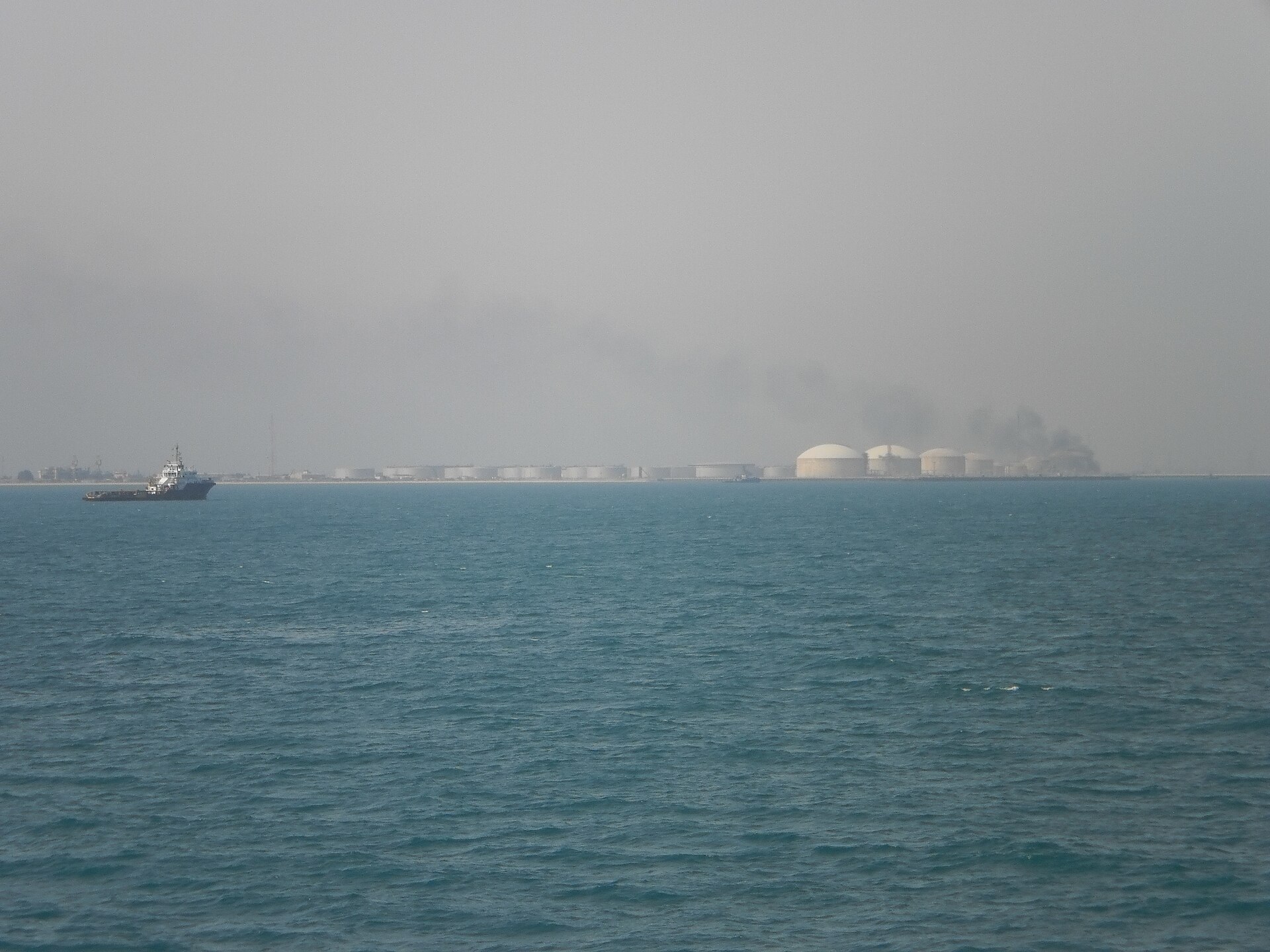
A move to 12 million bpd would place Saudi production about 1.5 million bpd above its November OPEC+ target of 10.5 million bpd. Nasser framed the ceiling as a matter of instruction rather than engineering: the company could get there, he said, “if requested,” according to AGBI. The request would come from the government, which sets output policy through the energy ministry and its OPEC+ commitments.
Repair or Reserve: How Did Output Recover So Fast?
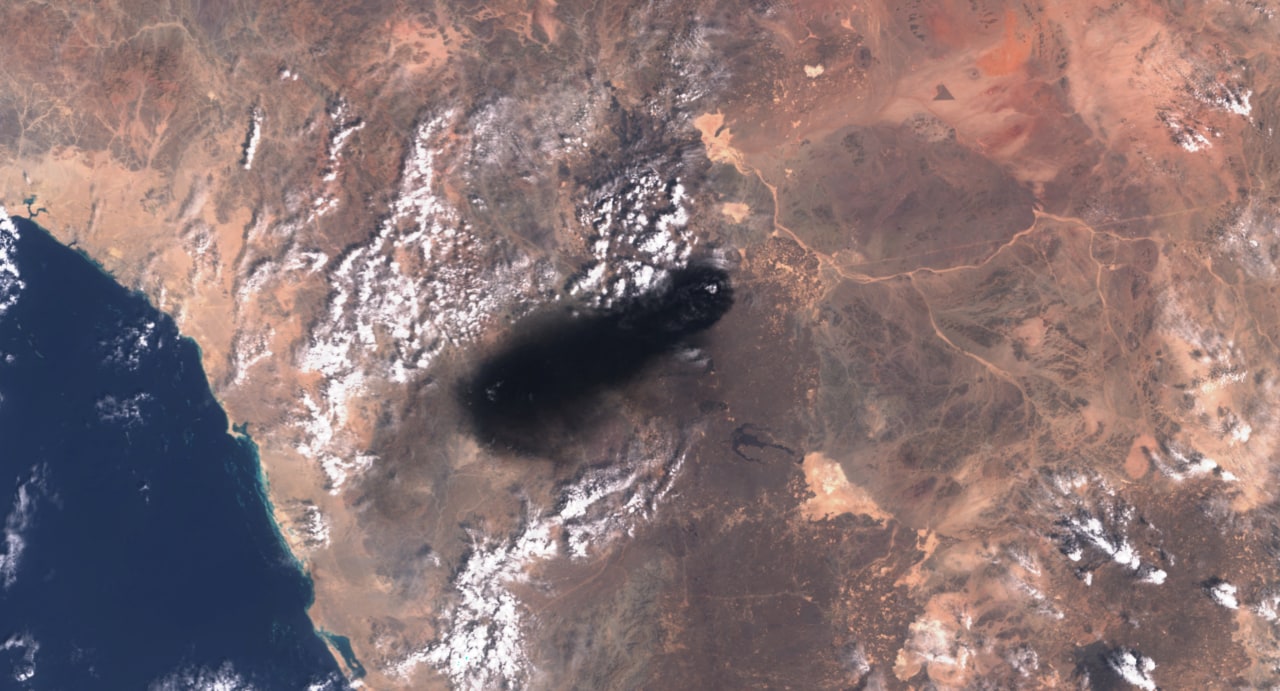
The self-reported rebound came eight weeks after the most serious interruption of the autumn. Drones struck the East-West pipeline on September 10 and 11, and the full line was shut as a precaution; Aramco cancelled cargoes bound for Europe. The pipeline restarted at low volumes on September 22.
Aramco restored the pipeline “within days” of the September attack, far faster than the industry average, according to the Korea Times. The line, which carries crude from the Eastern Province to the Red Sea coast and bypasses the Strait of Hormuz, has capacity of about 7 million bpd, according to the Saudi Gazette via Zawya.
Two readings of the October number are available from the public record. The first is repair: damaged infrastructure brought back faster than outside analysts assumed, consistent with the Korea Times account of the pipeline. The second is reserve: capacity that was intact but not used, consistent with Nasser’s statement that pre-conflict output could be restored in “days” rather than months.
The two readings are not mutually exclusive, and neither Aramco nor the energy ministry has said which describes October. What the figures do show is that the kingdom reported a jump of that size in a single month, at a time when the US and Iran were trading claims over whether the war was over at all.
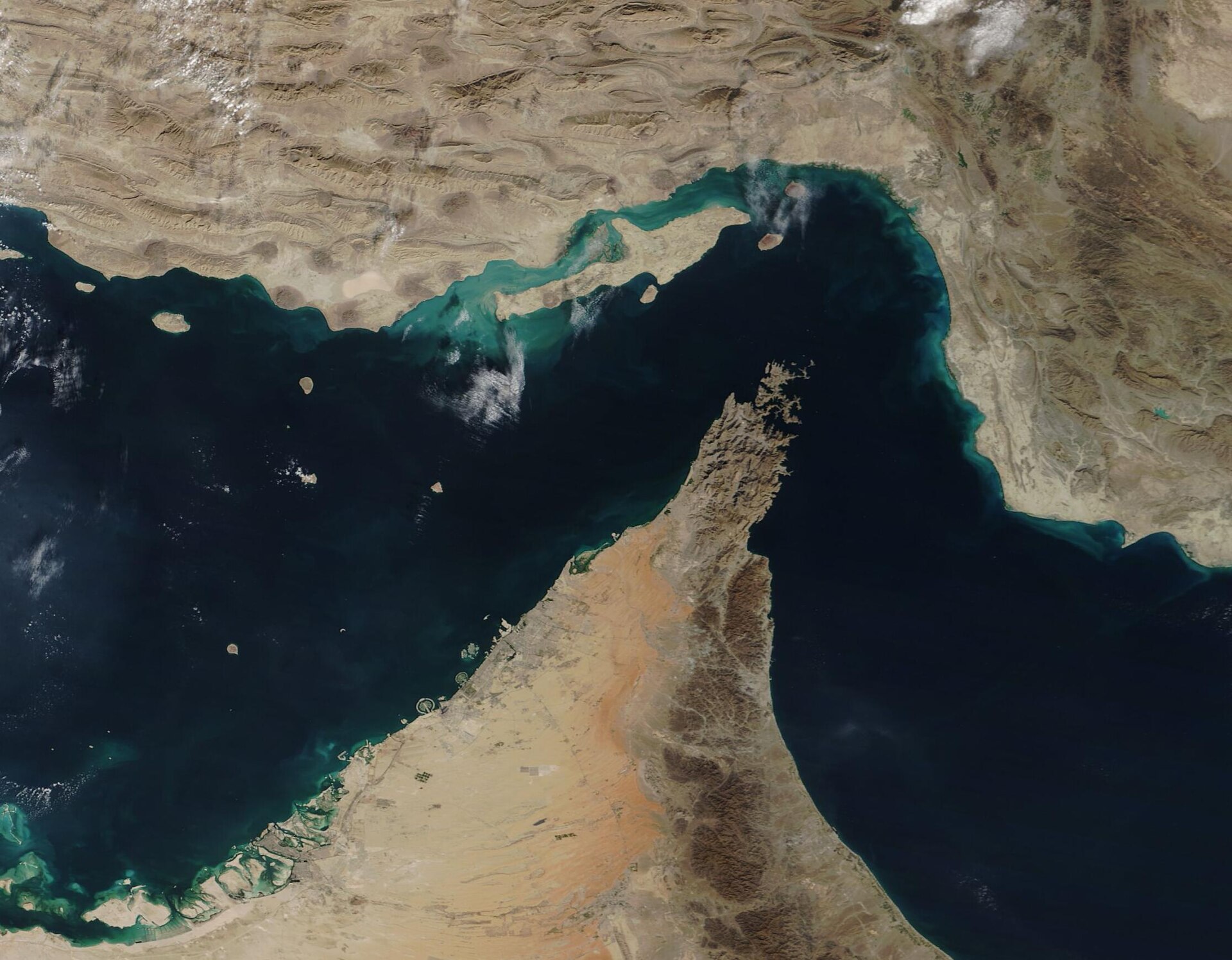
The OPEC data was published in the same week that Iran said that the Strait of Hormuz would not reopen until seven conditions were met, while the Saudi Cabinet on November 10 called for an immediate end to threats in Hormuz and Bab al-Mandeb.
The infrastructure remains under fire. In November, the Saudi energy ministry confirmed a strike on the East-West pipeline but said there was “no disruption to operations,” as House of Saud reported on November 9. A Houthi military source, quoted without being named by Newsquawk, framed the recovery as a target rather than an achievement.
Aramco facilities lie fully within the range of Houthi forces, and any investment in them constitutes a high-risk gamble fraught with losses.Unnamed Houthi military source, via Newsquawk
Iran at Zero Exports, Iraq at a Wartime High
The same report shows the opposite trajectory for Iran. Iranian crude output fell to 1.9 million bpd in October, the lowest in Bloomberg’s survey records going back to 1989, and the country’s exports were zero for a second consecutive month, according to Bloomberg via Quartz.
Iraq produced 4.888 million bpd in October, its highest since the war began, Bloomberg reported via Quartz.
Set side by side, the figures are stark. The month-on-month increase Saudi Arabia reported, about 2.19 million bpd, is larger than Iran’s entire October output of 1.9 million bpd. Iraq’s October production was more than two and a half times Iran’s.
No public comment from Iranian officials on the OPEC figures or on the Saudi self-reported number had been reported as of Wednesday. Tehran’s public statements this week have focused on Hormuz access and its conditions for talks with Washington rather than on production data.
| Producer | October 2026 crude output | Note | Source |
|---|---|---|---|
| Saudi Arabia (self-reported) | 10.563 million bpd | Highest since war began | Reuters, Bloomberg |
| Saudi Arabia (secondary sources) | 9.194 million bpd | 1.369 million bpd below self-report | Quartz |
| Iraq | 4.888 million bpd | Wartime high | Bloomberg via Quartz |
| Iran | 1.9 million bpd | Lowest in survey since 1989; zero exports | Bloomberg via Quartz |
| OPEC+ total | 41.23 million bpd | February: 42.72 million bpd | Reuters via CP24 |
How Did Brent React?
Brent crude fell about 1.17 percent to $91.49 a barrel on November 10, according to Investing.com. On November 11, the day the OPEC report was published, the benchmark was rebounding toward $92 to $93, according to Invezz.
Aramco has cut its November Arab Light price to Asia by $3 to a six-year low, as House of Saud reported on November 10. The Saudi government projects a 2026 budget deficit of 245 billion riyals, according to Zawya and Reuters.
The sequence in the market ran ahead of the data. Brent’s November 10 decline came a day before the OPEC report was published, and the October output figures, self-reported and secondary, reached traders only afterwards, alongside an OPEC demand outlook and fresh Iraqi and Iranian numbers.
On the same day as the OPEC report, India said that the VLCC MT Fujairah Energy was hit by a projectile in the Persian Gulf, injuring four.
Background: Eight Months of Lost Barrels
Attacks in April cut Saudi production capacity by about 600,000 bpd and pipeline throughput by about 700,000 bpd, the Saudi energy ministry said at the time, according to EnergyNow. By August, the International Energy Agency said Saudi output was 2.6 million bpd below pre-war levels and that crude shipments had fallen to 6 million bpd, according to Trend.
The September strikes on the East-West line followed, shutting the main export route that avoids Hormuz until its low-volume restart on September 22. House of Saud reported on November 2 that Saudi crude exports had dropped to 5.52 million bpd as both export corridors came under pressure.
September’s self-reported 8.372 million bpd was the starting point for October’s jump.
Frequently Asked Questions
What is OPEC’s demand forecast for 2026 and 2027?
In the November 11 report, OPEC forecast global oil demand growth of 180,000 bpd in 2026 and 2.55 million bpd in 2027, according to Reuters via CP24.
How much will it cost to repair Gulf energy infrastructure?
Rystad Energy estimated in March 2026 that the minimum repair bill for Gulf energy infrastructure would be $25 billion, according to Rigzone. The figure was published before the September attacks on the East-West pipeline.
When does the IEA expect Gulf oil supply to fully recover?
The International Energy Agency said in October 2026 that it had deferred its expectation of a full recovery in Gulf supply to 2027.
Is Saudi Arabia expanding the East-West pipeline?
An expansion of the pipeline from about 7 million bpd to 10 million bpd is under consideration, according to AGBI and 1Arabia reporting in May 2026. That would give the kingdom more export capacity that bypasses the Strait of Hormuz.
The House of Saud Daily Briefing
Saudi Arabia's news in 3 minutes, every morning. Free. See today's issue