
KUWAIT CITY — Iran’s Islamic Revolutionary Guard Corps struck the Shuaiba power and desalination complex in Kuwait’s Al Ahmadi Governorate on July 17, 2026, damaging multiple power generation units and triggering a fire that Kuwait Fire Force teams contained over several hours — the first confirmed hit on civilian water production infrastructure in the ten-day Nasr-2 campaign.
Kuwait’s Ministry of Electricity, Water and Renewable Energy said “one of the power and water distillation plants was the target of an attack as part of Iranian aggression, resulting in a fire, damage, and the impairment of several production units.” Authorities activated emergency contingency plans. Approximately 90 percent of Kuwait’s drinking water comes from desalination, according to Al-Monitor.
Table of Contents
What Shuaiba Produces
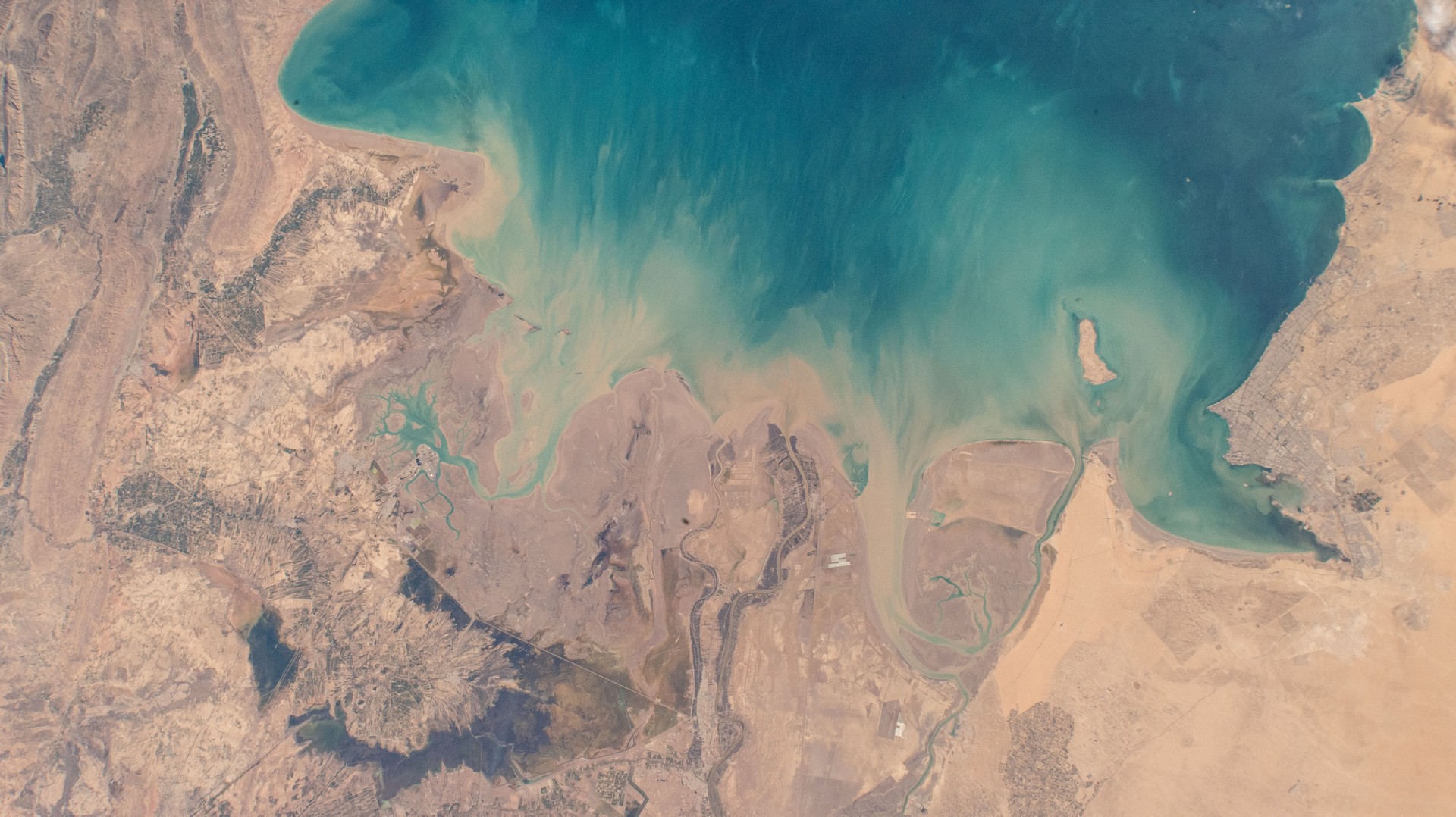
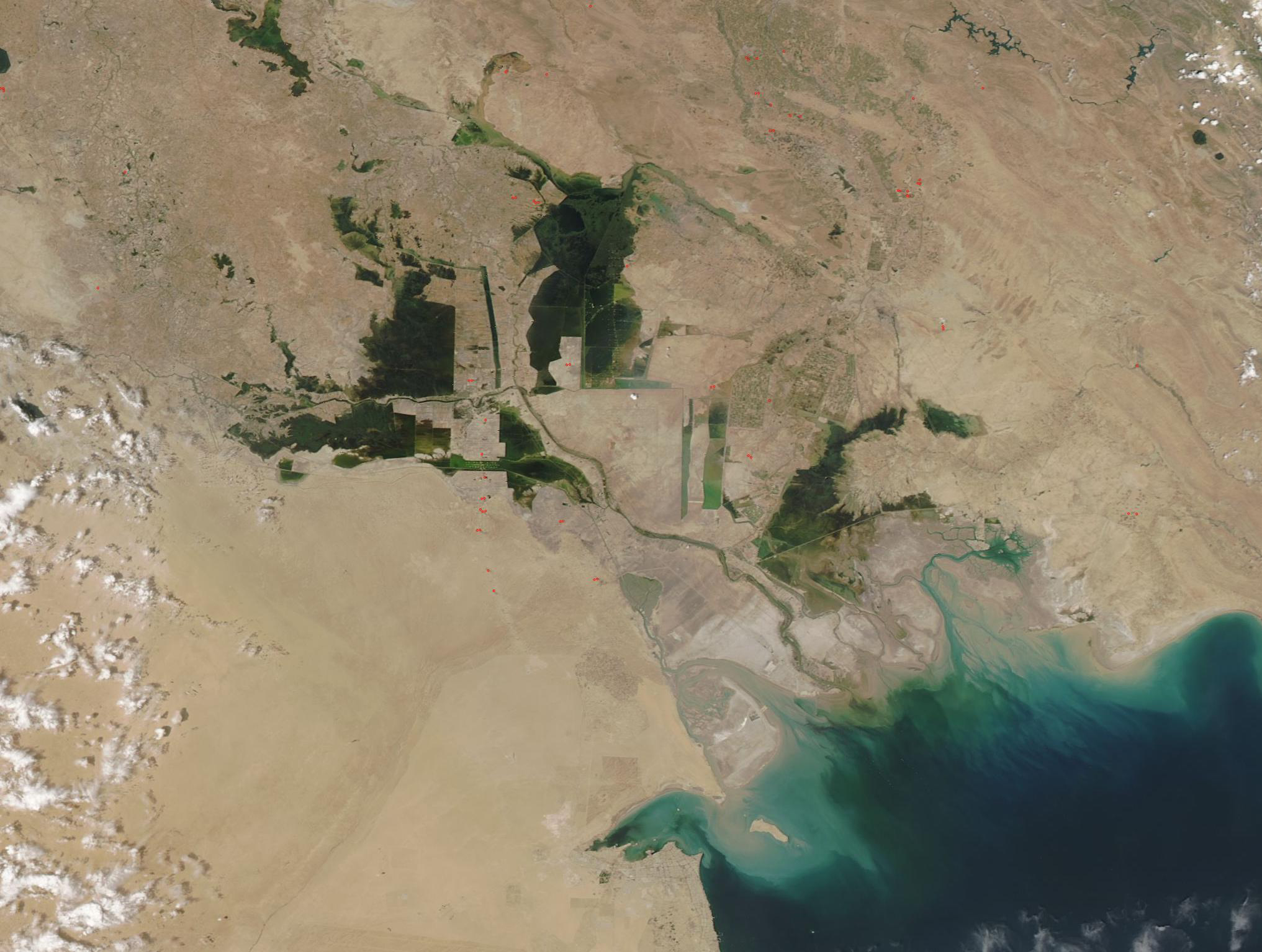
The Shuaiba complex sits on the coast south of Kuwait City in the Mina Abd Allah industrial zone. It comprises two adjacent plants: Shuaiba South, generating at least 804 megawatts, and Shuaiba North, at least 875 megawatts. Both run on dual-fuel natural gas and gas oil and sit adjacent to a refinery at 29.032°N, 48.155°E, according to Global Energy Monitor.
Kuwait operates eight desalination plants with a combined operational capacity exceeding 2.2 million cubic meters per day, Al-Monitor reported. The largest single facility is Az-Zour North — 2,700 megawatts of electricity alongside 545 million litres of water per day. No official count of units taken offline at Shuaiba has been released. Kuwait’s ministry said damage and repair assessments remain underway.
The dependency is total. Fanack Water and the World Population Review classify Kuwait as the most water-stressed sovereign state on Earth — a 3,850 percent withdrawal-to-availability ratio that means every cubic meter of natural freshwater is consumed nearly 39 times over before desalination fills the gap. The Gulf region has 56 major desalination plants, according to an Atlantic Council tally. Every one of them sits on a coastline facing the same threat geometry that Shuaiba absorbed on July 17.
What the IRGC Said It Hit
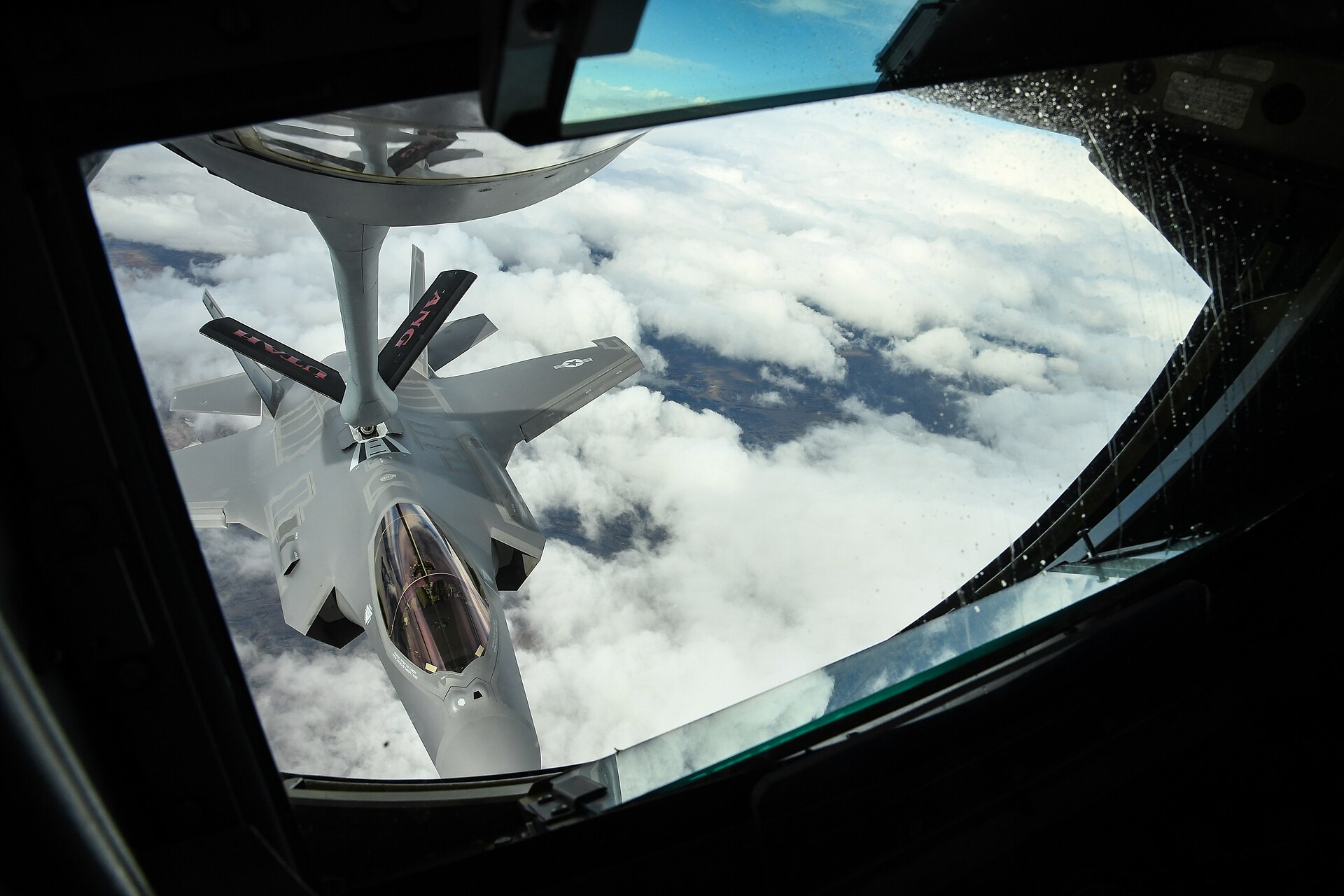
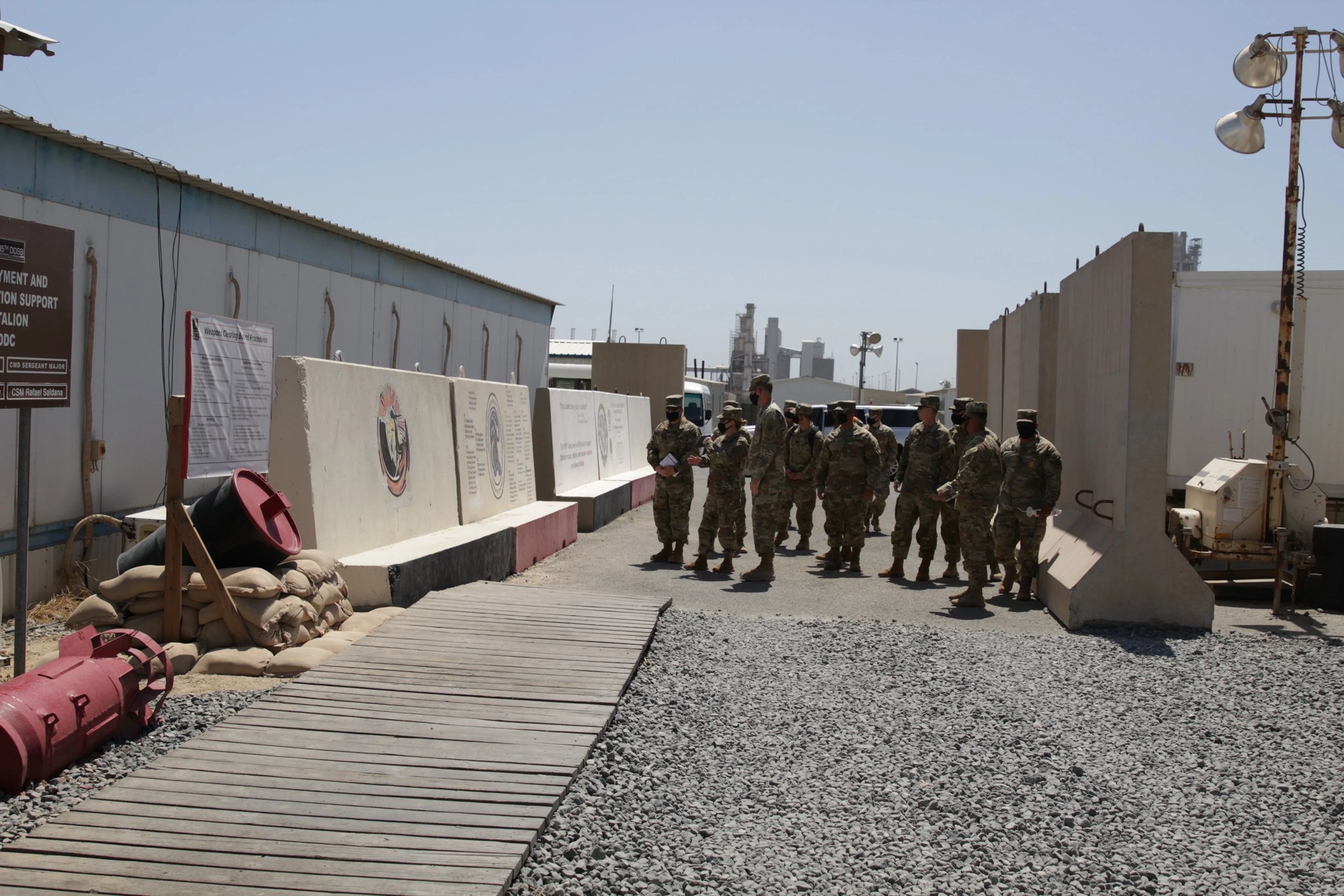
The IRGC’s formal Wave 15 announcement, carried by PressTV on July 17, stated the operation was conducted “in continued retaliation for the previous night’s US war crimes.” The Aerospace Force claimed it struck Al Udeid Air Base in Qatar, “completely destroying one radar system and several US strategic aerial refueling tankers.” Its Ground Force said it “destroyed a HIMARS launcher and its missiles in Kuwait.”
The Middle East briefing 3,000+ readers start their day with.
One email. Every weekday morning. Free.
The IRGC did not name the Shuaiba desalination plant. Its targeting rationale for Kuwait cited “launch pads and HIMARS missile systems” and “several US troop deployment sites,” Al-Monitor reported. Kuwait’s air defences intercepted additional missiles and drones during the same wave, according to Gulf News and Arab Times Online.
By July 19 the IRGC escalated that claim: Operation Nasr-2 Wave 16 asserted the destruction of a second HIMARS launcher at Camp Arifjan, bringing the total claimed to two launchers and their munitions warehouses — a figure CENTCOM did not confirm but did not immediately contest.
Iran has previously characterised infrastructure near Shuaiba as housing US military logistics. The Sunday Guardian Live and Sputnik Globe reported on July 15 that Iran designated a “Kuwait logistics hub” near the complex as a Nasr-2 target during Waves 10 and 11. The framing follows a pattern in Iran’s operational justifications: under Customary International Humanitarian Law Rule 54’s exception clause, civilian objects lose protection when “used in direct support of military action.” Iran appears to be pre-positioning that argument for the Shuaiba area without having publicly provided evidence to support it, according to a March 31 analysis by Opinio Juris.
The same Wave 15 announcement claimed strikes on Qatar’s Al Udeid Air Base, which absorbed its second confirmed Nasr-2 hit as the IRGC continues to target the installation hosting approximately 10,000 US troops and the Combined Air Operations Center.
Has Iran Crossed This Line Before?
On March 30, 2026, an Iranian strike hit a Kuwaiti power and water plant — also in the Shuaiba area — killing one Indian worker and injuring others, The National and Al Jazeera reported. That attack predated Operation Nasr-2’s formal launch but placed the Shuaiba complex inside Iran’s targeting cycle months before Wave 15.
Three weeks before that, on March 8, an Iranian drone struck a desalination plant in Bahrain, causing material damage and injuring three people, Al Jazeera reported on March 12. That was the first confirmed strike on a GCC desalination facility in the current conflict.
| Date | Target | Country | Confirmed damage |
|---|---|---|---|
| March 8, 2026 | Desalination plant | Bahrain | Material damage, 3 injured |
| March 30, 2026 | Power and water plant, Shuaiba area | Kuwait | 1 killed (Indian worker), multiple injured |
| July 17, 2026 | Shuaiba power and desalination complex | Kuwait | Fire, multiple production units impaired |
The Wave 15 strike is distinct in kind. Operation Nasr-2 launched July 8 with a C-RAM radar kill at Ali Al-Salem Air Base. Over the following nine days, the campaign followed a reconstructed escalation ladder — ISR kill, then sortie-generation kill, then intercept-cueing kill, then close-in defence blinding — systematically stripping US and allied military capacity layer by layer. The IRGC struck targets across at least six countries within that sequence. Shuaiba is the first Nasr-2 target that produces drinking water.
“We are at an inflection point with how aggressors threaten strategic assets in warfare. Hundreds of millions of civilians in the Middle East critically depend on desalination as the source of nearly every aspect of their lives. The plants are an easy target to instill widespread chaos.”
Ginger Matchett, Atlantic Council
Are Jubail and Ras Al-Khair Next?
The Center for Strategic and International Studies described GCC desalination plants in a 2026 analysis as “large, fixed, open-air industrial complexes mostly concentrated along the coast within 350 kilometres of the Islamic Republic” and concluded they are “as exposed to Iranian weaponry as any civilian infrastructure that has been targeted.”
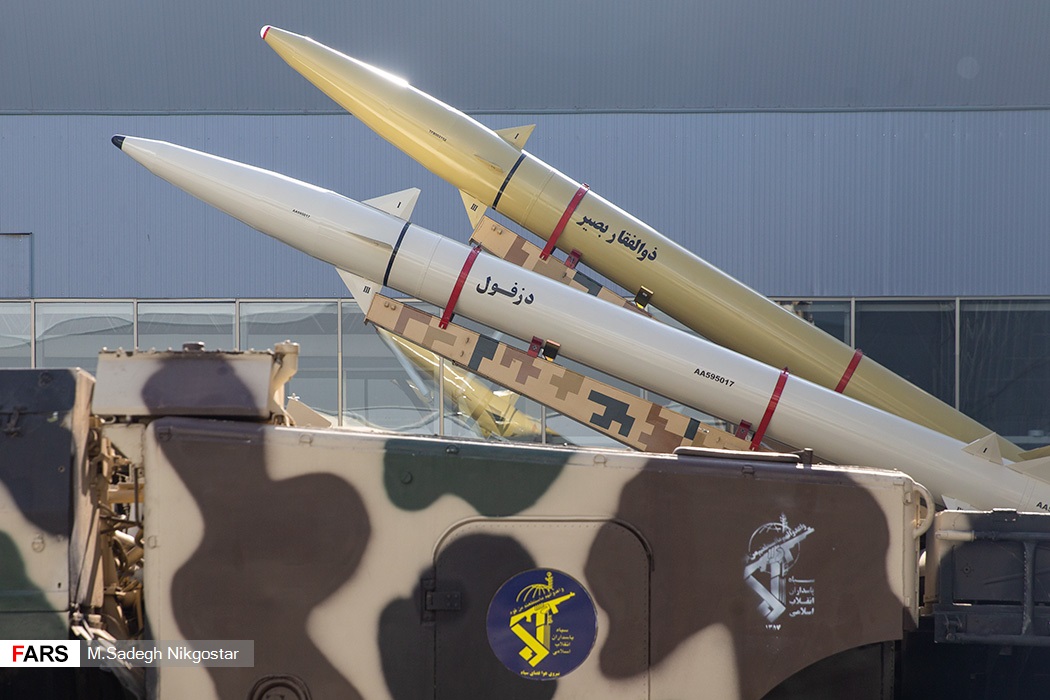
Saudi Arabia’s four largest desalination complexes — Ras Al-Khair, Jubail, Shoaiba, and Yanbu — collectively serve approximately 20 million people, according to the AP. Ras Al-Khair, the world’s largest hybrid desalination plant, produces 1,036,000 cubic meters of freshwater per day and supplies roughly 3.5 million people. It sits 75 kilometres northwest of Jubail on the Gulf coast — inside the demonstrated range of Iran’s Fattah-2 and Zolfaghar ballistic missiles.
No precautionary statement from Aramco, the Saudi Water Authority, or any Saudi government ministry has appeared in publicly available reporting as of July 17. No NOTAM or civil defence advisory for the Eastern Province has surfaced in public-facing channels. A 2010 CIA analysis, cited by the AP on July 17, assessed that attacks on desalination facilities “could trigger national crises in several Gulf states” and that prolonged outages could last months if critical equipment were destroyed. CSIS reached the same estimate for repair timelines.
The threat extends beyond Iranian ballistic missiles. Iran’s Houthi allies have shut down four Saudi airports in a single NOTAM window and have been instructed by Tehran to prepare for Bab al-Mandeb closure. Saudi desalination infrastructure on the Gulf coast faces Iranian missiles from the east; the Red Sea plants at Shoaiba and Yanbu face Houthi systems from the south.
The same July 17 wave that struck Shuaiba also prompted Saudi Arabia’s General Directorate of Civil Defense to activate alarms at Yanbu — the Red Sea port city that houses Aramco’s largest refinery and the western terminus of the East-West Pipeline. Saudi authorities lifted the alert without identifying the trigger. Saudi Arabia Sounded the Alarms It Cannot Explain: the departure from Saudi Arabia’s established attribution template, and what it signals about what the kingdom cannot say publicly.
Wave Nineteen on July 19 extended the Kuwait infrastructure targeting from desalination to the power grid, striking the same coastal industrial corridor and demonstrating that the campaign is iterating through civilian infrastructure categories in sequence. Iran Hit Kuwait’s Grid and Abqaiq Sits on the Same Coast analyses how Wave Nineteen’s dual-track strikes on the grid and US military nodes in the same operational wave define the threat template now facing Saudi Arabia’s Eastern Province desalination and cogeneration network.
Saudi Arabia’s air defence capacity is not positioned to absorb a Shuaiba-scale strike on its own plants. PAC-3 interceptor stocks sit at approximately 400 of an original 2,800 — a depletion rate that has left the kingdom unable to guarantee coverage for fixed infrastructure across the Eastern Province. Washington has meanwhile been weighing a punitive drawdown from Prince Sultan Air Base, and interceptor resupply negotiations remain unresolved.
The Legal Architecture Iran Has Broken
Article 54 of Additional Protocol I to the Geneva Conventions prohibits attacking “objects indispensable to the survival of the civilian population” and specifically names drinking water installations. Customary International Humanitarian Law Rule 54 codifies the same prohibition as binding customary law regardless of treaty ratification.
Opinio Juris published a legal analysis on March 31, 2026 — the day after the first Shuaiba-area strike — concluding that desalination plants “qualify as objects indispensable to the survival of the civilian population under IHL” and that attacks on them are “generally prohibited.” The sole exception applies when a facility serves sustenance exclusively for armed forces or is “used in direct support of military action.” The burden of establishing that exception falls on the attacking party.
The UN Security Council addressed the pattern four months ago. Resolution 2817, adopted March 11 on a GCC-submitted draft, explicitly “deplores that civilian objects have been targeted” in Iranian strikes on GCC states and “demands that Iran immediately halt the attacks,” according to Security Council Report. GCC Secretary-General Jasem Mohamed Albudaiwi characterised Iran’s continued operations as “a grave violation of the principles of international law, the United Nations Charter, and UN Security Council Resolution 2817.”
Wave 15 struck 128 days after that resolution’s adoption.
Forty-Eight Hours Before Oman
The Shuaiba strike landed on a day carrying two other deadlines. OFAC General License X1 — the principal remaining US sanctions waiver permitting limited Iranian oil transactions — expired at 12:01 a.m. EDT on July 17, according to OFAC and The Ops Con. Its expiry removes the last major economic lever Washington held over Tehran’s targeting decisions.
Oman-mediated Iran-US talks are scheduled for July 19, confirmed by the Omani foreign ministry and Vatican News. The Shuaiba strike sits 48 hours before the Gulf’s next diplomatic window.
Whether the timing constitutes coercion signalling or coincidence depends on assumptions about Iranian command-and-control integration that publicly available reporting cannot resolve.
The sequencing carries a symmetry. On the sixth night of US strikes, CENTCOM hit five bridges in southern Iran, Chabahar port infrastructure, and railway stations — a step-change from military to economic targets. The IRGC’s Wave 15 statement cited “the previous night’s US war crimes” as its rationale. The US crossed into Iranian economic infrastructure on night six. Within 24 hours, Iran struck a facility that produces drinking water.
The IRGC has now struck targets across at least six countries since July 8.
Frequently Asked Questions
How much water does Kuwait produce through desalination?
Kuwait’s eight coastal desalination plants produce more than 2.2 million cubic meters of freshwater per day, accounting for approximately 90 percent of the country’s drinking water, according to Al-Monitor. The country has no exploitable natural freshwater reserves. The strike’s mid-July timing places it during peak demand: Kuwait’s summer temperatures are among the highest recorded globally, and its desalination plants operate at maximum output during the months when water consumption and electricity demand peak simultaneously.
Did the IRGC deliberately target the desalination plant?
The IRGC’s official Wave 15 statement did not name the Shuaiba desalination complex. Its stated targets in Kuwait were “launch pads and HIMARS missile systems” and “US troop deployment sites,” according to Al-Monitor. Kuwait’s government confirmed the plant sustained damage and fire. Iran has previously characterised nearby facilities as housing US military logistics, invoking a dual-use argument under CIHL Rule 54’s exception clause — though no public evidence has been provided. The ambiguity may serve a structural purpose: by not claiming the plant as a target while striking infrastructure adjacent to it, the IRGC maintains a measure of deniability while demonstrating the capability to reach water production facilities.
How long would repairs take if critical desalination equipment is destroyed?
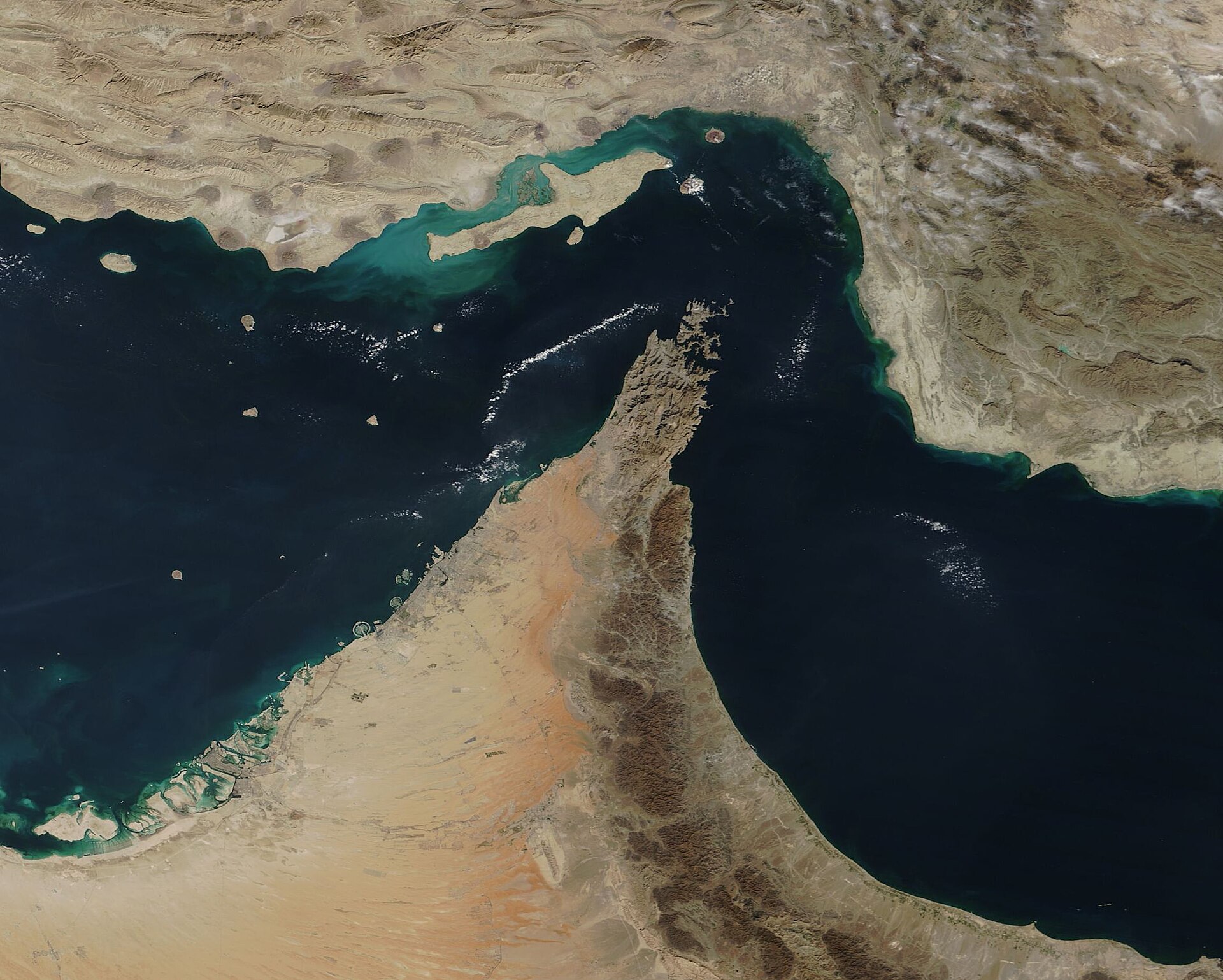
CSIS assessed that repair timelines for damaged desalination plants could extend to months if sensitive components are destroyed. A 2010 CIA analysis, cited by the AP, reached a similar conclusion and warned that prolonged outages could “trigger national crises in several Gulf states.” Kuwait’s ministry said damage assessments are ongoing and has not disclosed which specific equipment was affected. Major desalination components are manufactured by a small number of global suppliers, and shipping replacement parts to the Gulf while the Strait of Hormuz remains under Iranian interdiction adds a logistical dimension to repair timelines that peacetime estimates do not account for.
The cost structure Iran has constructed around Hormuz transit — $1–2 million per passage through Iran’s selective interdiction regime — makes sourcing and shipping replacement parts an additional financial exposure layered on top of the physical repair timeline, compounding the vulnerability of Gulf coastal infrastructure that the Shuaiba strike has now confirmed.
Are Saudi Arabia’s desalination plants defended against this kind of attack?
Saudi Arabia’s Patriot PAC-3 interceptor inventory has been depleted to approximately 400 of an original 2,800 missiles, with no confirmed US resupply commitment. The kingdom’s M-SAM-II system, acquired from South Korea, has demonstrated an altitude gap against the terminal phase of Iran’s Zolfaghar ballistic missile. Ras Al-Khair and Jubail sit on the Gulf coast within 350 kilometres of Iran. Fixed, open-air industrial complexes of that scale present the same target profile as Shuaiba — coastal, visible, and difficult to defend against the saturated salvos of simultaneous ballistic missiles, cruise missiles, and drones that the IRGC has launched in Nasr-2 waves.
What diplomatic channel exists before the July 19 talks?
The Oman-mediated track is the primary active diplomatic channel between Iran and the United States. The July 19 session falls on approximately Day 31 of the 60-day Memorandum of Understanding framework. Qatar has maintained a separate channel — its foreign minister told Iran’s Araghchi to “commit to diplomacy” after the July 9 Al Udeid strike — but Qatar’s credibility as mediator has been progressively eroded by the IRGC’s repeated targeting of Al Udeid Air Base. The 60-day MOU clock continues to run through ongoing hostilities, with no mechanism to suspend the timeline during active combat operations.
The escalation continued on the eighth consecutive night: CENTCOM deployed fighter jets for the first time, pushing strikes approximately 650 kilometres inland to Yazd in central Iran — a geographic expansion that moves targeting well beyond the Gulf coast facilities that defined Nasr-2’s first week.
Wave 19 later extended that pattern from civilian water infrastructure to US military logistics — hitting the Navy fuel pier at Al-Ahmadi and the AR-327 radar at Sheikh Isa in the same operational theatre. Wave Nineteen Hit the Fuel Pier and the Radar Keeping the Fleet Alive.