
Table of Contents
- Ten Points Against Fifteen: The Written Exchange
- What Did Trump Actually Say at the Easter Egg Roll?
- The Phase Inversion: Why Iran’s Terms Make Phase 1 Impossible
- The Overnight in Islamabad
- Does the IRGC Even Want a Deal?
- Saudi Arabia Abandons Neutrality
- The 9 PM Arithmetic
- Background
- Frequently Asked Questions
WASHINGTON — Iran submitted a 10-point written counter-proposal to the American 15-point peace plan on Sunday, the first formal written exchange between the two sides since the war began 36 days ago, and within hours President Donald Trump dismissed it at the White House Easter Egg Roll as “significant” but “not good enough.” The 9 PM EDT deadline Trump set for Iran — which he told reporters he was “highly unlikely” to extend again — expires in a matter of hours, and the structural gap between what Tehran demands and what Washington requires has not narrowed since the fighting began on March 2.
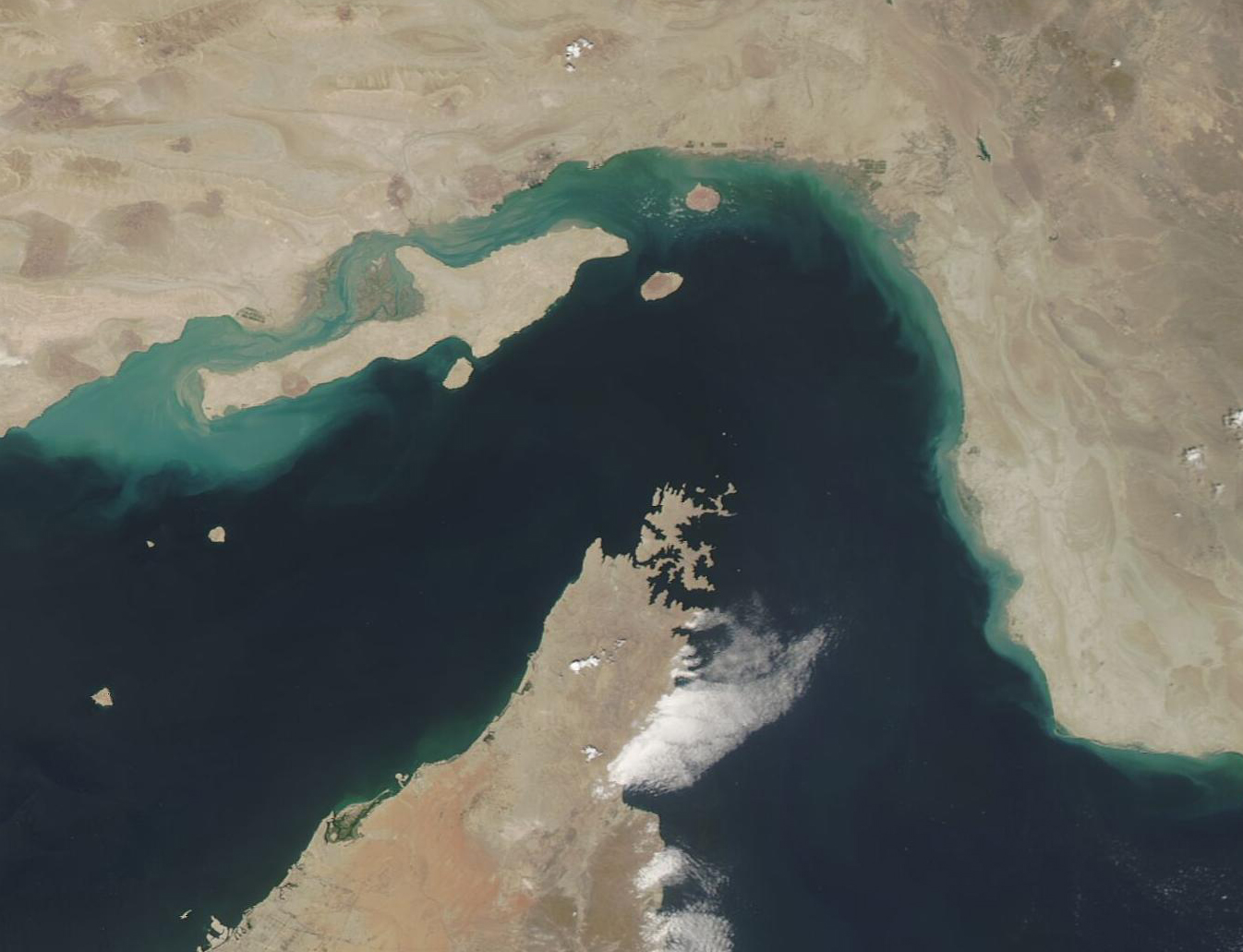
The counter-proposal, conveyed through Pakistani intermediaries to US envoy Steve Witkoff and described internally by a US official as “maximalist,” does not concede the one thing Washington has treated as the minimum threshold for a ceasefire: reopening the Strait of Hormuz. Iran has instead conditioned Hormuz on a permanent end to the war, non-aggression guarantees, full sanctions relief, reconstruction funding, and the resolution of conflicts across Lebanon, Iraq, and Gaza. These are the terms of a peace treaty, not a 45-day ceasefire.

Ten Points Against Fifteen: The Written Exchange
IRNA, Iran’s state news agency, confirmed on April 6 that Tehran had communicated its response to the American plan “based on past experiences,” emphasizing what it called “the necessity of a permanent end to the war while respecting Iran’s considerations.” The phrasing — “based on past experiences” — is a reference to the 2015 JCPOA, which Iran views as a deal the US signed and then abandoned. The phrase does diplomatic work: it tells domestic audiences that Tehran has learned from betrayal, and tells Washington that temporary arrangements carry no credibility in Tehran.
The 10-point document, according to Axios and CNBC reporting on April 6, includes demands for: an end to all regional conflicts encompassing Lebanon, Iraq, and Gaza; a new “safe passage protocol for the Strait of Hormuz” — language that reframes Hormuz from a US demand into an Iranian sovereign initiative; funding for the reconstruction of Iranian infrastructure destroyed since March 2; and the lifting of all Western sanctions. Additional points amount to a permanent war-termination framework with non-aggression guarantees.
The US 15-point plan, delivered earlier through the same Pakistani channel, had been structured around the 45-day ceasefire framework reported by Axios on April 6: Phase 1 would establish a ceasefire and Hormuz reopening, Phase 2 would address the permanent settlement including nuclear issues and Hormuz sovereignty. Iran’s counter-proposal collapses the two phases into one. It does not reject the American plan outright — it accepts the destination while refusing every vehicle that could get there.
Mojtaba Ferdousi Pour, the head of Iran’s diplomatic mission in Cairo, articulated the position plainly to the Associated Press: “We only accept an end of the war with guarantees that we won’t be attacked again.”
The Middle East briefing 3,000+ readers start their day with.
One email. Every weekday morning. Free.
What Did Trump Actually Say at the Easter Egg Roll?
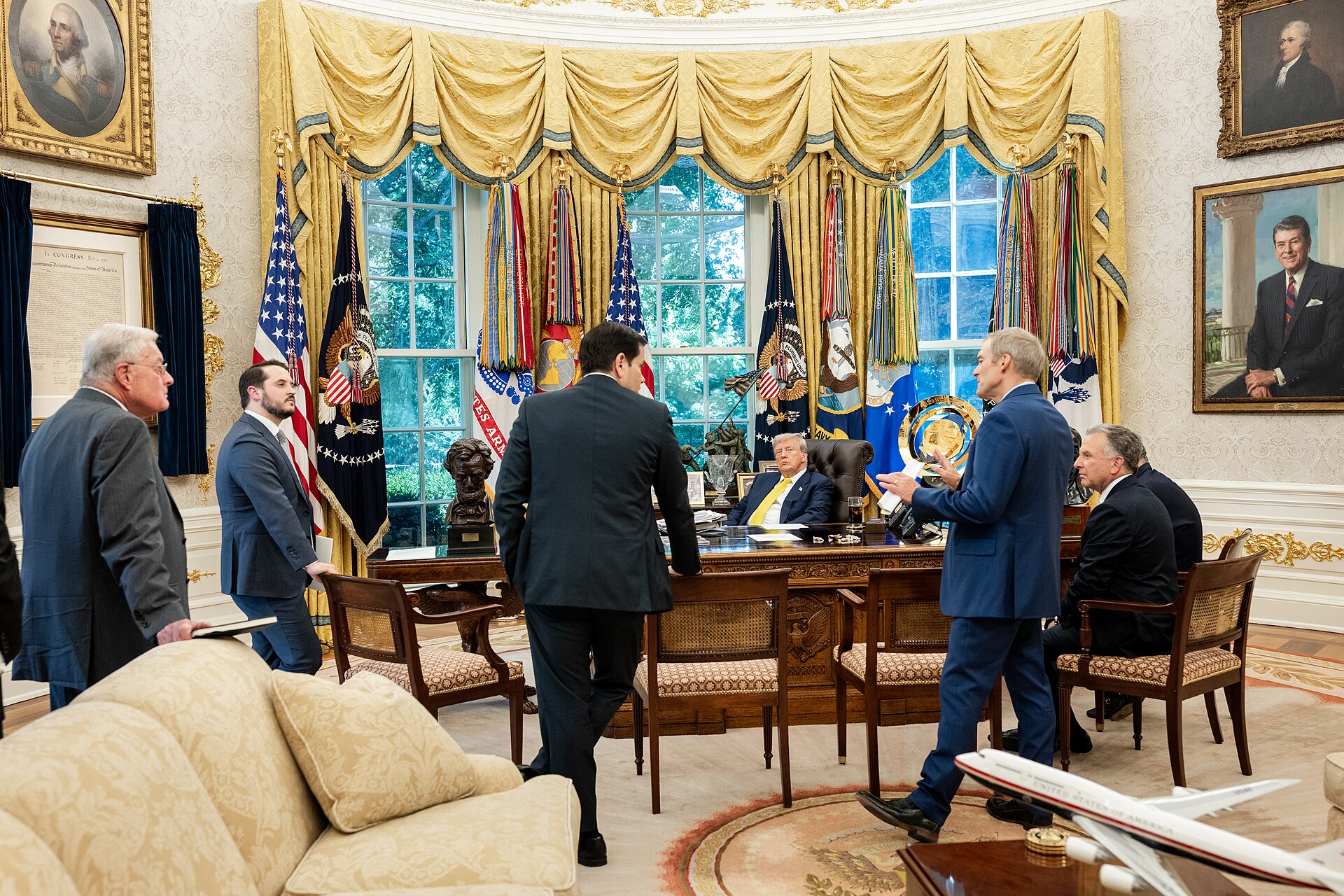
Trump spoke to reporters on the South Lawn while children rolled eggs behind him. “They made a proposal, and it’s a significant proposal, a significant step,” he said, according to NBC News and BNN Bloomberg live coverage. “It’s not good enough, but it’s a very significant step.” He added that extending the 9 PM EDT deadline was “highly unlikely.”
The word “significant” appeared three times in two sentences. The repetition matters because Trump has historically used calibrated adjectives as public signals — “beautiful” for deals he intends to close, “significant” for positions he intends to reject while leaving a diplomatic door ajar. He did not call the proposal “serious.” He did not call it a “starting point.”
Separately, Trump escalated his military language. “They’ll have no bridges. They’ll have no power plants. They’ll have no anything,” he told the press pool — a direct echo of his “Power Plant Day and Bridge Day” declaration on Truth Social the previous morning. Fox News chief foreign correspondent reported that Trump told him he was “considering blowing everything up and taking over the oil.” The phrase “taking over the oil” has appeared in Trump’s rhetoric since the 2016 campaign cycle and has never been operationalized, but US forces are already striking Iranian territory.
Secretary of State Marco Rubio, speaking on CBS News, framed the Iranian government in terms that leave little room for diplomatic engagement: “The people that run this country are radical Shia clerics. These are religious fanatics.”
The Phase Inversion: Why Iran’s Terms Make Phase 1 Impossible
The structural problem is not that Iran’s demands are extreme. It is that they are logically sequenced to prevent Phase 1 from functioning on its own terms.
Under the Witkoff framework, Phase 1 requires Iran to reopen the Strait of Hormuz in exchange for a 45-day ceasefire. Phase 2 would then negotiate the permanent settlement — sanctions, nuclear program, Hormuz sovereignty, reconstruction. Iran’s counter-proposal demands that the Phase 2 items be resolved before Phase 1 can begin. Hormuz reopening requires first establishing permanent war termination, non-aggression guarantees, and sanctions relief. These are not items that can be negotiated in the hours before a deadline.
Iranian Foreign Ministry spokesman Esmaeil Baghaei made the reasoning explicit. A temporary ceasefire, he told CBC News and CNBC on April 6, would allow adversaries to “pause and prepare for the continuation of the conflict.” This is not paranoia manufactured for negotiating purposes. It is a reasonable reading of the 2006 Lebanon war ceasefire (UNSCR 1701), which Hezbollah leadership publicly described as a rearmament window. Tehran is applying a lesson from its own alliance network.
The result is a closed logical loop. The US says: reopen Hormuz first, then we negotiate permanent terms. Iran says: negotiate permanent terms first, then we reopen Hormuz. Neither side’s Phase 1 is compatible with the other’s. The 45-day clock cannot start because the prerequisites for starting it are themselves the subject of the negotiation. Simultaneously, at the Security Council, a GCC-drafted Hormuz resolution is engineered to receive a Russian-Chinese veto — not because Bahrain expects it to pass, but because a vetoed resolution provides the documented diplomatic exhaustion Washington needs to justify military escalation without a UN mandate.
Baghaei added that negotiations were “incompatible with ultimatums and threats to commit war crimes” — a phrase designed to pre-assign blame for whatever follows the deadline. If the US escalates, Iran will point to a written peace proposal that Washington rejected. If the US does not escalate, Iran will claim the proposal forced a climbdown.
The Overnight in Islamabad
Pakistan Army Chief Field Marshal Asim Munir was in contact “all night long” on April 5–6 with Vice President JD Vance, Steve Witkoff, and Iranian Foreign Minister Abbas Araghchi simultaneously, according to the Express Tribune. The channel produced a separate framework — the “Islamabad Accord” — calling for an immediate ceasefire with 15 to 20 days to finalize a permanent settlement. Iran rejected the temporary ceasefire component.
The Islamabad Accord was structurally different from the Witkoff 45-day framework. It compressed the timeline, eliminated the phased structure, and attempted to make the ceasefire and the permanent settlement functionally simultaneous. Iran rejected it for the same reason it rejected the Witkoff plan: any ceasefire that precedes permanent guarantees is, in Tehran’s framing, a trap.
Munir’s role — simultaneous contact with three principals across two sides of a war — represents the most active Pakistani diplomatic intervention since the 1999 Kargil crisis mediation. Islamabad has tools that other mediators lack: it shares a 959-kilometer border with Iran, hosts approximately 1.5 million Afghan refugees whose movements are affected by the conflict, and controls a nuclear deterrent that shapes the regional escalation ceiling. Munir did not close even an interim agreement after a full night of direct contact.
Araghchi’s own characterization of the communications channel remains unchanged from his March 31 statement to Al Jazeera: “I receive messages from Witkoff directly, as before, and this does not mean that we are in negotiations. We do not have any faith that negotiations with the US will yield any results. The trust level is at zero.”
Does the IRGC Even Want a Deal?
On April 5, the IRGC Navy issued a formal statement declaring the Strait of Hormuz “will never return to its previous status, especially for the US and Israel.” The statement said the IRGC was completing operational preparations for “Iran’s comprehensive plan for a new order in the Persian Gulf.” The language — “new order” — is not ceasefire language. It is post-war settlement language, issued while the war is ongoing.
The statement arrived after the killing of Khademi, the second IRGC intelligence chief, at dawn on April 6. IRGC spokesman Ebrahim Zolfaghari accused Trump of “going back and forth between talks and threats,” a characterization that ABC7 and NPR reported on April 6. The accusation mirrors — almost verbatim — the charge the US has leveled against Iran for three decades of nuclear negotiations.
The IRGC’s position is distinct from the Foreign Ministry’s. Baghaei’s language at least adopts the form of diplomatic engagement — proposals, conditions, counteroffers. The IRGC’s “new order” language rejects the premise that pre-war arrangements are a valid reference point. Iran’s franchise model at Hormuz — selective exemptions, reported $2 million per-vessel transit fees, and Chinese-intermediated passages for Qatar’s LNG tankers — already constitutes a partial implementation of that “new order.” The IRGC is building facts on the water while the diplomats exchange paper.
Tasnim News Agency, linked to the IRGC, described diplomatic engagement itself as “an effort to sow discord within Iran” — framing negotiation as a US psychological operation rather than a diplomatic process. This is not a faction that views the counter-proposal as a path to a deal. It is a faction that views the counter-proposal as cover for continued operations.
Supreme Leader Ali Khamenei has not appeared publicly for 29 days — since March 8, one day before the war’s second week. His absence removes the one authority figure who could override both the IRGC’s operational autonomy and the Foreign Ministry’s diplomatic constraints. Without Khamenei’s visible endorsement, no Iranian negotiator can credibly commit to terms that require IRGC compliance. On the deadline morning of April 7, the regime attempted to fill that absence with a written eulogy for the killed IRGC intelligence chief Khademi — released in the same format as every prior statement, with no video or audio — while intelligence reports simultaneously described Khamenei as unconscious in Qom.
Saudi Arabia Abandons Neutrality
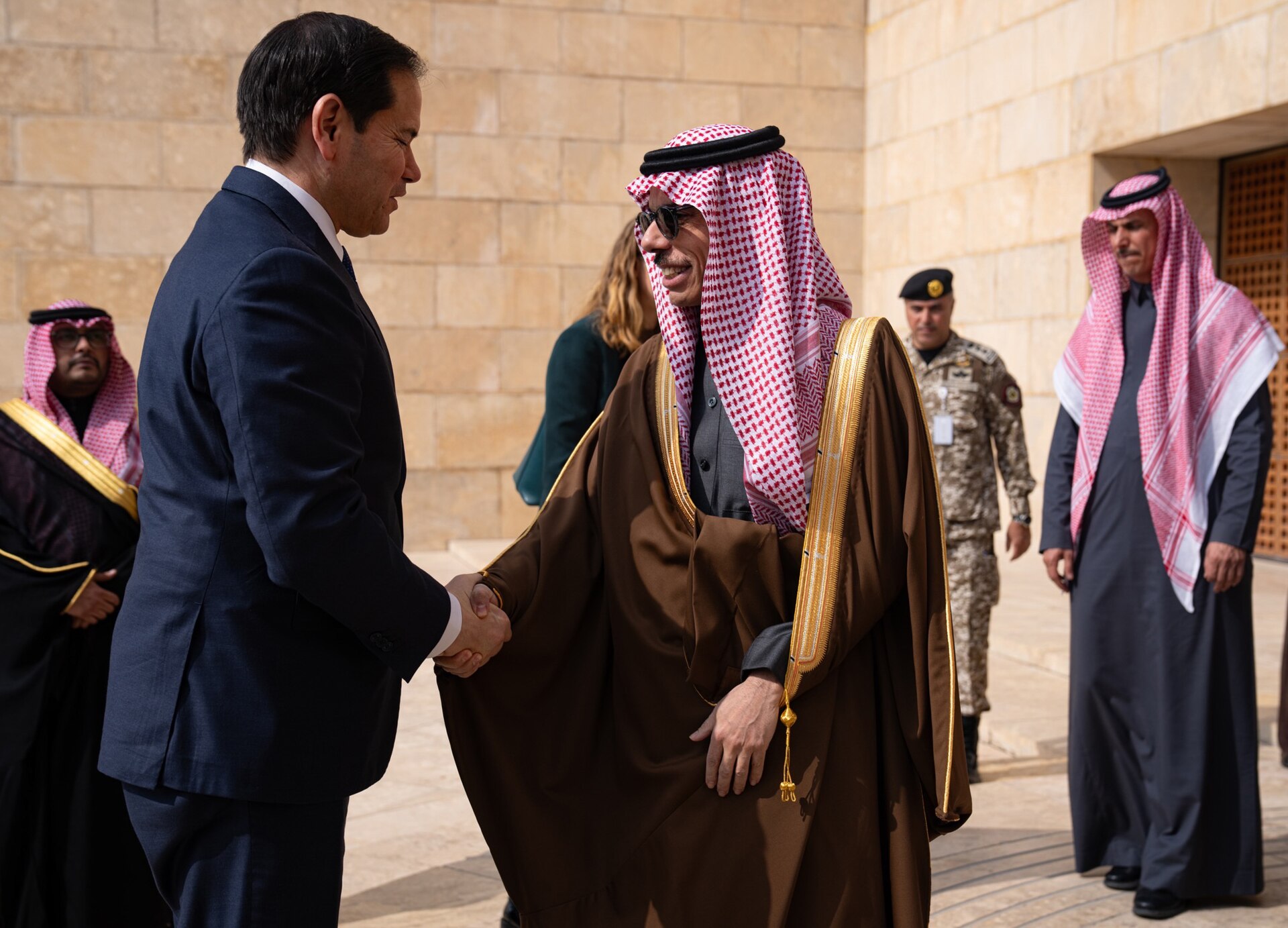
Saudi Foreign Minister Prince Faisal bin Farhan warned on April 6 that Iran would “bear the heaviest diplomatic, economic, and strategic consequences” — language that abandons Riyadh’s 36-day attempt to maintain a neutral posture between its American ally and its Iranian neighbor. Saudi air defenses are actively intercepting Iranian missiles targeting Al-Kharj air base and the Ras Tanura export terminal, according to Arab News and Energy Connects reporting.
The shift is not voluntary. Ras Tanura — Saudi Arabia’s largest oil export facility — has already been struck. The King Fahd Causeway connecting Saudi Arabia to Bahrain appeared on an IRGC counter-target list published by Fars News. Saudi Arabia is being pulled into co-belligerency by Iranian targeting decisions, not by diplomatic choice. Prince Faisal’s statement acknowledges a reality that the kingdom’s public posture had been denying for weeks.
For Iran’s counter-proposal, Saudi Arabia’s position matters because Riyadh was one of the few regional actors that could have served as a credible guarantor of a ceasefire. A neutral Saudi Arabia could offer Iran assurances that Gulf states would not use a ceasefire to reposition militarily. A co-belligerent Saudi Arabia cannot. Each Iranian strike on Saudi territory removes one more potential guarantor from the table and narrows the universe of actors who could make Iran’s demand for non-aggression guarantees credible.
The 9 PM Arithmetic
Trump’s deadline of 9 PM EDT April 6 — shifted from the original 8 PM, a one-hour adjustment that Fortune was the only outlet to report — expires with no mechanism in place to translate Iran’s counter-proposal into operational terms. The proposal requires the resolution of conflicts in Lebanon, Iraq, and Gaza as a precondition. The Gaza ceasefire alone has defied more than two years of negotiation. Iran’s demand that these conflicts be resolved before Hormuz reopening is a demand that the deadline be extended not by hours or days but by months or years.
Trump said extension was “highly unlikely.” His administration has now received a written document it can characterize as evidence that diplomacy was attempted and failed. Iran has a written document it can characterize as a peace offer the US rejected.
The Arms Control Association assessed in April 2026 that US negotiators were “ill-prepared for serious nuclear talks with Iran,” a judgment that applies equally to the broader peace framework. The 15-point US plan and the 10-point Iranian counter-proposal are not documents that nearly agree. They are documents that define the same problems in mutually exclusive terms.
What happens after 9 PM EDT depends on which of Trump’s statements at the Easter Egg Roll governs. The “significant step” language suggests a face-saving extension remains possible despite his “highly unlikely” caveat. The “no bridges, no power plants, no anything” language suggests the targeting list is already approved. The “taking over the oil” language suggests planning that goes beyond the current air campaign. These three statements were made within minutes of each other, on the same lawn, to the same reporters.
The 20,000 US troops currently in theater — a figure reported by the Soufan Center — are positioned for the air campaign and force protection. Ground operations of the kind “taking over the oil” implies would require a force structure that does not yet exist in the region. The gap between the president’s language and the military’s posture is itself a data point. Either the language is aspirational, or force deployments are underway that have not yet been reported.
Background
The Iran-US war began on March 2, 2026, following an escalation cycle that included Iranian-backed attacks on US forces in the region and a US decision to strike Iranian nuclear and military infrastructure. Iran responded by closing the Strait of Hormuz to commercial shipping — a long-threatened action that immediately disrupted approximately 21 million barrels per day of oil transit, roughly 21 percent of global consumption.
Since March 2, the US has conducted sustained air operations against Iranian military, energy, and transportation infrastructure. Iran has launched ballistic missile and drone attacks against US bases and allied facilities across the Gulf, including strikes on Saudi Arabia, Bahrain, and the UAE. The information warfare surrounding aircraft losses has been intense, with Iran claiming 12 US aircraft destroyed against a verified count closer to four enemy kills, six self-destroyed to prevent capture, and two or more unconfirmed.
Multiple mediation tracks have operated simultaneously: the Witkoff direct channel via text messages with Araghchi; Pakistan’s Islamabad Accord framework brokered by Field Marshal Munir; Oman’s hosting of undersecretary-level discussions on April 4–5 that produced no agreement; and an Egyptian-Turkish channel that has not yet yielded public results. None have produced a ceasefire or a framework both sides accept.
Iran’s five original conditions, articulated on March 25 and reported by Foreign Policy, remain the baseline for Tehran’s position: a complete halt to aggression; mechanisms to prevent recurrence; war reparations; an end to the war across all fronts including all resistance groups; and Iranian sovereignty over the Strait of Hormuz. The 10-point counter-proposal elaborates on these five conditions without retreating from any of them.
Frequently Asked Questions
How does Iran’s 10-point counter-proposal differ from its original five conditions?
The March 25 five conditions were a public statement of principles. The 10-point document is the first written, structured counter-proposal transmitted through a formal diplomatic channel — in this case Pakistani intermediaries delivering directly to Witkoff. The expansion from five to ten points adds operational specifics: a “safe passage protocol” for Hormuz (implying Iranian-managed transit rules rather than a simple reopening), explicit demands for infrastructure reconstruction funding, and the inclusion of Lebanon, Iraq, and Gaza conflict resolution as preconditions. The format shift from public statement to written proposal also changes the legal and diplomatic character of the exchange — written proposals create a negotiating record that can be referenced in future mediation, arbitration, or international legal proceedings.
What is the “Islamabad Accord” and why did it fail?
The Islamabad Accord is a Pakistani-brokered framework that emerged from Field Marshal Asim Munir’s overnight mediation session on April 5–6. Unlike the Witkoff 45-day phased approach, the Islamabad Accord proposed an immediate ceasefire followed by 15 to 20 days to negotiate a permanent settlement — compressing the timeline and attempting to make the ceasefire and the final deal functionally simultaneous. Pakistan offered itself as a guarantor, citing its shared border with Iran and its relationships with both Washington and Tehran. Iran rejected it because even the Islamabad Accord’s compressed timeline separated the ceasefire from the permanent guarantees. Pakistan has not publicly acknowledged the failure, and the Express Tribune report attributing “all night long” contact to Munir has not been officially confirmed by Islamabad.
What happens legally if the 9 PM deadline passes without a deal?
Trump’s deadline carries no legal force under international or domestic law — it is a political instrument, not a legal one. The Authorization for Use of Military Force (AUMF) that the administration has invoked does not contain time-limited conditions tied to diplomatic deadlines. Operationally, the expiration of the deadline removes a self-imposed political constraint on escalation. The US military can intensify operations without requiring any new authorization. For Iran, the deadline’s passage without a deal reinforces the IRGC’s position that diplomacy is performative — the military preparations the IRGC Navy described as a “comprehensive plan for a new order” would proceed regardless of whether the deadline existed.
Could China broker a deal where Pakistan and Oman could not?
China has demonstrated operational influence over Hormuz transit — Beijing intermediated the April 6 passage of Qatari LNG tanker Al Daayen through the strait, the first laden LNG exit since the war began. CNPC and Sinopec hold contracted offtake of 8 million tonnes per annum from Qatar’s North Field plus 5 percent equity in North Field East, giving China structural economic motivation to keep LNG flowing. China has not offered to mediate the broader conflict, and its interests diverge from a comprehensive settlement: Beijing benefits from discounted Iranian crude purchased through yuan-denominated transactions via Kunlun Bank outside the SWIFT system. A full sanctions-relief deal that reintegrated Iran into dollar-denominated oil markets would eliminate China’s preferential pricing. Beijing’s incentive is to manage Hormuz traffic, not to resolve the war.
What is the status of Khamenei and how does his absence affect the counter-proposal’s credibility?
Supreme Leader Ali Khamenei has not appeared in public since March 8, 2026 — a 29-day absence that is the longest unexplained gap in his 37-year tenure as supreme leader. Iranian state media has released audio statements attributed to Khamenei but no video or photographic evidence of his current condition. His last known position on the war, per IRGC-linked media, was that the US should be “brought to their knees.” The counter-proposal requires commitments — permanent war termination, non-aggression guarantees — that only Khamenei has the constitutional and religious authority to authorize. SNSC Secretary Zolghadr, who is under US sanctions, and IRGC senior adviser Vahidi have been described by multiple analysts as the effective decision-making layer in Khamenei’s absence, but neither holds the theological mandate (velayat-e faqih) that legitimizes binding commitments in Iran’s governing structure.