JEDDAH — On April 16, Pakistan’s Army Chief Asim Munir sat across from Iranian officials in Tehran carrying a US nuclear message, while 800 kilometres to the south, Pakistan’s 25th Mechanised Division — 10,000 troops, T-80 UD tanks, and M109A2 self-propelled howitzers — was completing its deployment to the Saudi-Yemen border under a mutual defence pact Munir himself negotiated. The contradiction is not a diplomatic awkwardness that can be managed. It is the structural end of the fiction that Pakistan was ever a neutral mediator in this war.
The deployment was not reactive. Munir flew to Riyadh in early March to finalise the operational framework for the Saudi-Pakistan Mutual Defense Pact, weeks before the Islamabad ceasefire talks and weeks before Pakistan was anointed as “the only mediator,” according to The Week. The mediation role, in this reading, was not a spontaneous act of regional statesmanship — it was political cover for a military commitment already in motion. Iran’s Foreign Minister Abbas Araghchi said Tehran “entered the talks in Islamabad with good faith,” and accepted the ceasefire “in response to the brotherly request of PM Sharif.” The brother’s tanks are now pointed at Iran’s proxy.
What Has Pakistan Actually Deployed to the Saudi Border?
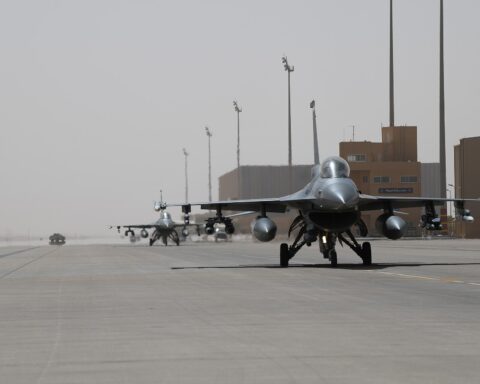
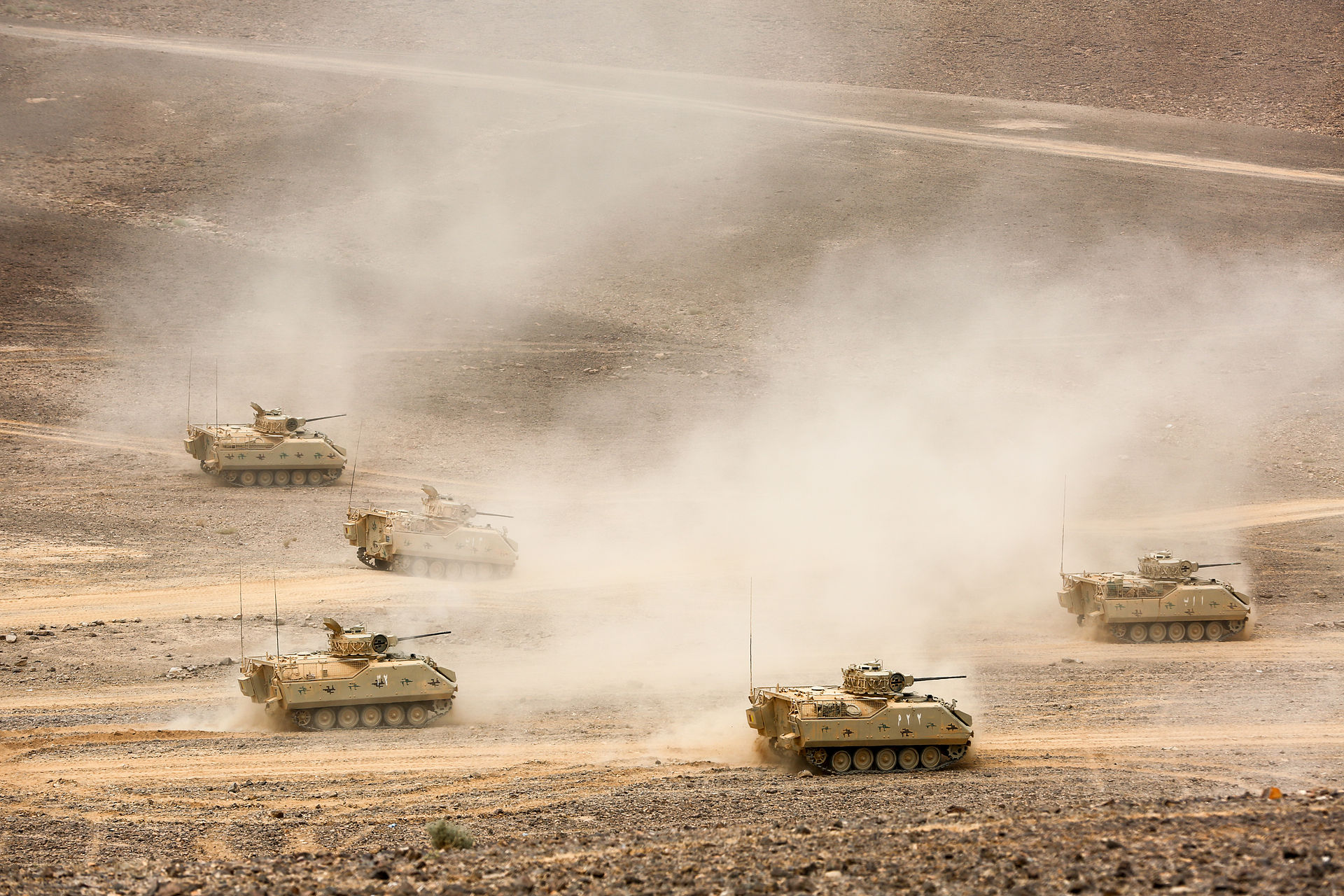
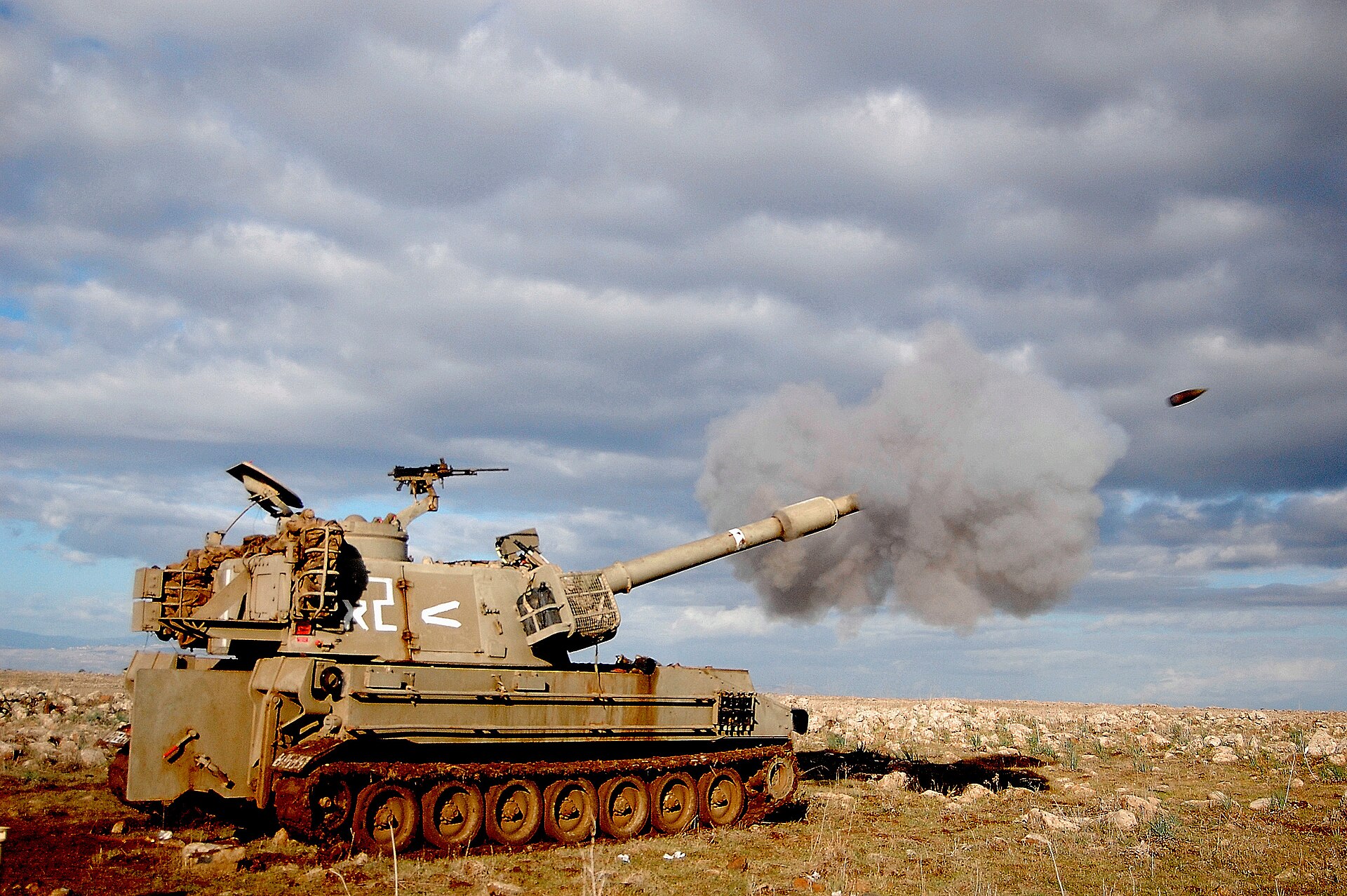
Pakistan’s 25th Mechanised Division — approximately 10,000 troops equipped with T-80 UD main battle tanks, M109A2 self-propelled howitzers, and ‘Talha’ armoured personnel carriers — arrived at the Saudi-Yemen border between April 15 and 16. Combined with roughly 18 JF-17 fighters deployed April 11, Pakistan now has approximately 13,000 personnel and combat aircraft on Saudi soil.
The 25th Mechanised Division — known as the “Charging Bull Division,” based with V Corps in Karachi — is a two-brigade formation with support elements. Its equipment manifest reads less like a border-security detachment and more like a force designed to hold ground against a conventional military threat: Ukraine-manufactured T-80 UD main battle tanks, Pakistani-built ‘Talha’ armoured personnel carriers, and up to two regiments of M109A2 155mm tracked self-propelled howitzers, according to The Week (India).
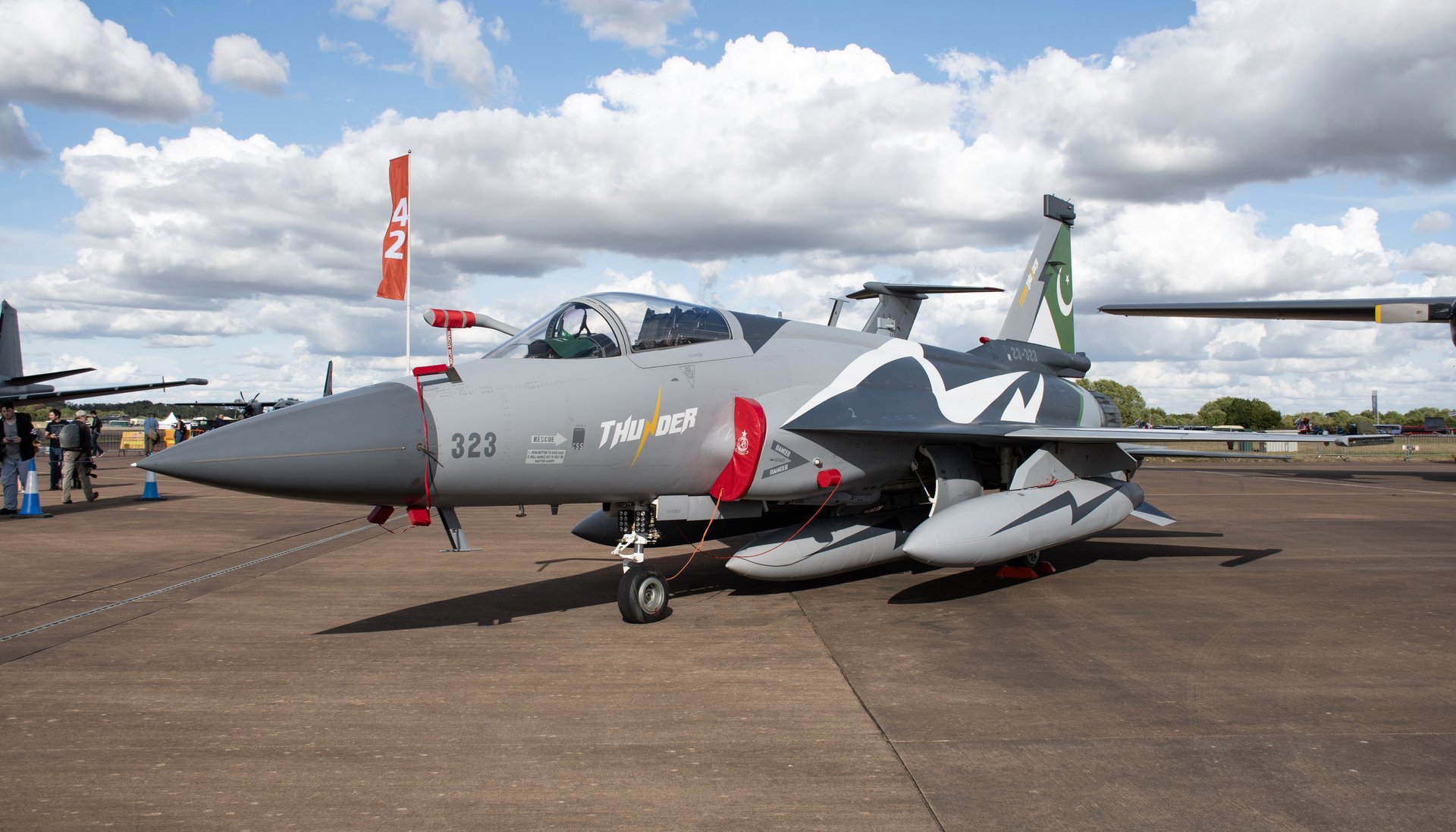
This is the second Pakistani deployment since the Iran war began on February 28. The first — roughly 18 JF-17 Thunder fighters stationed at King Abdulaziz Air Base — was made public on April 11, reported by Al Jazeera. The combined figure of approximately 13,000 personnel and aircraft, per The Researchers and India TV News, invites a specific historical comparison: during the 1991 Gulf War, Pakistan dispatched between 11,000 and 13,000 troops to Saudi Arabia. This deployment matches or exceeds that commitment, but under radically different political conditions.
The Middle East briefing 3,000+ readers start their day with.
One email. Every weekday morning. Free.
Pakistan’s 320 T-80UDs were purchased from Ukraine in 1996 for $650 million, according to GlobalSecurity.org. They are among the most capable tanks in Pakistan’s inventory — the T-80UD variant features a 1,000-horsepower diesel engine, composite armour with reactive elements, and a 125mm smoothbore gun with autoloader. These are not armoured cars for checkpoint duty. They are third-generation main battle tanks designed for mechanised warfare in open terrain, which is precisely what the Saudi-Yemen border provides.
The deployment’s composition reveals its intent more clearly than any official statement. A mechanised division is a combined-arms formation built around the integration of armour, infantry, and artillery. The ‘Talha’ APCs carry the infantry that fights alongside the tanks; the M109A2 howitzers provide the suppressive and counter-battery fire that enables both to advance or hold ground. This is a force designed not to observe a border but to defend it against a combined-arms threat, or to punish anyone who crosses it. Armoured divisions do not deploy for photo opportunities. They deploy because someone expects them to fight, or because someone needs an adversary to believe they will.
The March Timeline That Rewrites the Mediation Story
The official narrative of Pakistan’s role in this war follows a clean chronological arc: war erupts February 28, Pakistan offers to mediate, the Islamabad Accord produces a ceasefire on April 8, and Pakistan becomes the indispensable diplomatic channel. The deployment timeline tells a different story. According to The Week, Army Chief Munir flew to Riyadh in early March 2026 to discuss the SMDA’s operational framework — the practical mechanics of how Pakistani forces would deploy to Saudi Arabia, where they would go, and what they would do.
Early March was before the Islamabad ceasefire talks. It was before Iran accepted Pakistan as the primary mediating channel. It was before Araghchi said Tehran entered negotiations “in response to the brotherly request of PM Sharif.” The military planning predated the diplomacy — not by days but by weeks. By the time Pakistan was publicly positioning itself as a neutral broker in late March, the logistical chain for a 10,000-troop armoured deployment was already being assembled. Equipment manifests, transport schedules, basing arrangements, rules of engagement — these are not improvised in 48 hours. They require the kind of lead time that Munir’s early-March Riyadh visit was designed to provide.
Umer Karim, a researcher at the King Faisal Center for Research and Islamic Studies, told Al Jazeera that “Pakistan is walking a tightrope with regards to both the mediation responsibilities it has taken upon itself and the commitments towards Saudi Arabia’s defence.” The tightrope metaphor assumes Pakistan is balancing. The timeline suggests it chose a side first and balanced later.
Azeema Cheema of Verso Consulting offered a more direct framing to Al Jazeera: “The invocation of the SMDA is the price of the significant restraint shown by the Saudis.” This frames the deployment as Saudi Arabia’s reward for not escalating — a transactional exchange. But if Munir was in Riyadh discussing operational frameworks in early March, the transaction was agreed before Pakistan had accumulated any diplomatic capital to spend. The mediation was not the product that earned the deployment. The deployment was the constant; the mediation was the variable.
Is Pakistan’s Deployment Voluntary or a Treaty Obligation?
It is a treaty obligation. The Saudi-Pakistan Mutual Defense Pact, signed September 17, 2025, contains a clause — leaked to Dropsite News and not officially denied — that “obligates” Pakistan to deploy forces “upon request.” Pakistan’s Deputy PM Ishaq Dar disclosed the SMDA’s terms directly to Iran’s Foreign Minister Araghchi before the armoured column arrived, framing the deployment as legal compliance, not a policy choice.
The Saudi-Pakistan Mutual Defense Pact — signed September 17, 2025, in Riyadh by Crown Prince Mohammed bin Salman and Prime Minister Shehbaz Sharif — contains a clause that was leaked to Dropsite News and has not been officially denied by either government. It reads: “The second party [Pakistan] is obligated to send its forces to the Kingdom of Saudi Arabia upon a request of the first party, to support the armed forces of the first party in dealing with any threat that affects its security, safety, sovereignty, territorial integrity and interests.” The operative word is “obligated.” This is not a mutual-consultation framework or a conditional-support mechanism. It is a contractual requirement to deploy military force upon request.
The CSIS Project on Nuclear Issues — analysts Ashtakala, Horschig, and Schiff — assessed that the SMDA “potentially undermines Pakistan’s ability to mediate regional disputes by formally aligning it with Saudi security interests against broader regional actors, particularly Iran.” The word “potentially” was doing significant diplomatic work in that sentence when it was published. It is no longer doing any work at all. The alignment is not potential; it is operational, on the ground, with artillery.
Al Jazeera reported on April 14 that Dar made the SMDA disclosure to Araghchi directly. He was not confessing; he was managing expectations. Whether Iran accepted that framing is another matter entirely.
| Element | 1991 Gulf War | 2026 Iran War |
|---|---|---|
| Troop strength | 11,000–13,000 | ~13,000 (including air contingent) |
| Armour | Limited (infantry-centric) | T-80 UD MBTs (from 320-unit fleet) |
| Artillery | Field guns | M109A2 155mm SPH (up to 2 regiments) |
| Air assets | None deployed | ~18 JF-17 Thunder fighters |
| Parliamentary approval | Executive decision | Bypassed (SMDA not tabled) |
| Concurrent diplomatic role | None | Primary ceasefire mediator |
| Treaty basis | Ad hoc coalition request | SMDA (Sept 2025) — binding obligation |
Who Are the M109A2 Howitzers Really Aimed At?
The M109A2’s 23,500-metre standard range and counter-battery design suggest a mission scope beyond dispersed Houthi infantry. The Houthis receive rocket and missile systems from Iran’s IRGC, which the M109A2 is specifically optimised to locate and destroy. Combined with T-80 UD main battle tanks optimised for open-terrain manoeuvre, the deployment’s equipment profile points toward deterring or engaging Iranian-supplied conventional forces across the Arabian Peninsula.
The M109A2 is a 155mm tracked self-propelled howitzer with a standard range of 23,500 metres and an extended range of approximately 30 kilometres using rocket-assisted projectiles, according to TRADOC. That is a counter-battery weapon — designed to locate and destroy enemy artillery positions. It is not optimised for engaging dispersed infantry, which is what Houthi forces on the Yemeni side of the border primarily present as. Counter-battery fire is what you deploy when your adversary has tube or rocket artillery of its own, and when you expect them to use it.
The Houthis possess significant rocket and missile capabilities, supplied and augmented by Iran’s Islamic Revolutionary Guard Corps. But if Pakistan were deploying purely to deter Houthi cross-border shelling, lighter and more mobile systems would serve. A mechanised division with main battle tanks is a force designed for manoeuvre warfare — for holding terrain, for repelling armoured or motorised assault, or for advancing into hostile territory. The T-80 UD’s presence on the Saudi-Yemen border raises a question that no official from Islamabad or Riyadh has answered: is this a defensive deployment against Yemen, or a deterrent posture against Iran’s broader proxy architecture across the Arabian Peninsula?
Kaitlyn Hashem of the Stimson Center wrote on April 9 that “Pakistan’s initiative is undermined by its own political limitations vis-à-vis both Iran and the United States.” The armoured deployment does not resolve those limitations. It deepens them, because the equipment profile suggests a mission scope that extends beyond passive border defence into active warfighting capability against Iranian-supplied forces. Karim at the King Faisal Center acknowledged as much: “This ploy may work till US-Iran talks or engagement continue, but in case hostilities restart, this strategy may collapse.”
The Constitutional Mechanism That Made This Possible
In April 2015, Pakistan’s parliament voted unanimously to reject Saudi Arabia’s request to join its military coalition in Yemen. The vote was unambiguous — every party, every faction, every shade of Pakistani politics agreed that deploying combat forces to the Arabian Peninsula on one side of a sectarian proxy conflict was a red line. Eleven years later, Pakistan has done precisely what its parliament unanimously rejected, and it did so without consulting parliament at all.
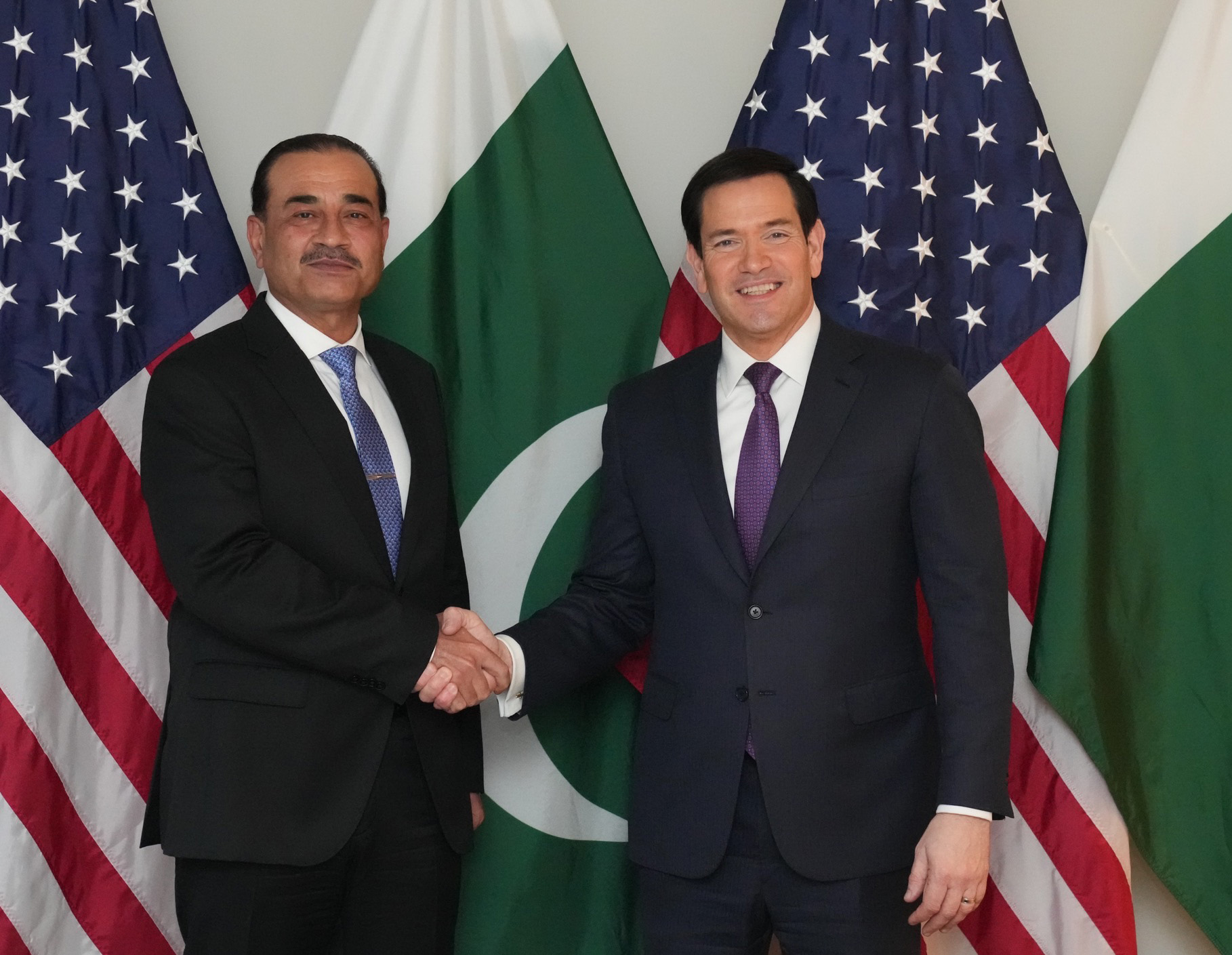
The enabling mechanism was the 27th Constitutional Amendment, passed on November 13, 2025, barely two months after the SMDA was signed. The amendment created the position of Chief of Defence Forces, abolished the Chairman of the Joint Chiefs of Staff Committee, and installed Army Chief Asim Munir as the inaugural CDF. Critically, the 27th Amendment requires a two-thirds parliamentary majority to remove the CDF — compared to a simple majority to remove the Prime Minister. Munir is now, constitutionally, harder to fire than the head of government. The amendment also placed the Strategic Plans Division — Pakistan’s nuclear command and control — under the CDF’s authority, according to Wikipedia and Radio Pakistan.
The sequence matters: SMDA signed September 17. Constitutional amendment passed November 13. War begins February 28. Munir in Riyadh for operational planning early March. Mediation role assumed mid-March. Ceasefire brokered April 8. JF-17s deployed April 11. Armoured division deployed April 15-16.
Each step enabled the next, and the first two steps — the treaty and the constitutional change — happened before anyone was talking about mediation. Chatham House noted in December 2025 that the 27th Amendment concentrated military authority to a degree unprecedented in Pakistan’s democratic history. That concentration is now being exercised.
The SMDA was never presented to Pakistan’s parliament, as Dropsite News and Al Jazeera documented. This bypassed the institutional memory of the 2015 vote entirely. The parliamentary rejection of the Yemen coalition was not overturned; it was rendered constitutionally irrelevant by restructuring who holds the authority to make the decision. In 2015, the question was whether Pakistan should send troops to fight on Saudi Arabia’s behalf. In 2026, the question has been removed from the people authorised to answer it.
The constitutional architecture is worth stating plainly because its implications for the ceasefire are direct. If the ceasefire collapses on April 22 and Pakistani forces on the Saudi border come under Houthi fire, the decision to return fire, escalate, or withdraw rests with Munir as CDF — not with Prime Minister Sharif, not with the National Assembly, and not with any civilian authority that could weigh the diplomatic consequences of a Pakistani soldier killing an Iranian-backed fighter while Munir’s diplomatic channel to Tehran is still technically open. The 27th Amendment did not just enable this deployment. It ensured that no one outside the military can stop it.
Why Has Iran Said Nothing?
Because silence is Tehran’s least bad option. Pakistan remains the only functioning diplomatic channel between Iran and Washington as the ceasefire approaches its April 22 expiry. Publicly condemning the armoured deployment would close that channel before Iran has secured an extension or alternative. Tehran knows about the deployment — Dar disclosed the SMDA terms to Araghchi directly — and has chosen strategic ambiguity over a public rupture it cannot afford.
As of April 17, no verified Iranian state-media outlet — not IRNA, not PressTV, not Tasnim — has publicly condemned Pakistan’s armoured deployment to the Saudi border. The silence is conspicuous because Iran’s information apparatus is neither slow nor shy. When the US blockade was announced on April 13, Iranian media responded within hours. When Vance walked out of the Islamabad talks, PressTV had Araghchi’s rebuttal published before the American delegation reached the airport. Pakistan has deployed 10,000 troops with tanks and artillery against Iran’s most important regional proxy, and Tehran’s public response has been nothing.
The silence is not ignorance — the deployment has been reported across Indian, Arab, and Western media for 48 hours, and Tehran was told directly. The silence is calculation. Iran’s ceasefire expires on April 22, five days from now. Publicly attacking Pakistan would close the only functioning diplomatic channel to Washington before Iran has secured an extension, and Iran currently has no alternative (Pakistan Brokered the Iran Ceasefire. It Cannot Enforce It).
Sina Azodi of George Washington University told Al Jazeera: “I don’t believe that Pakistan will jeopardise its relationship with Iran, given both religious ties and ethnic and linguistic affinity.” That assessment was offered before the tanks arrived. The ethnic and linguistic affinity between Pakistan and Iran has not changed, but the military geography has. Meanwhile, a viral video purporting to show Houthi threats against Pakistan was debunked by Dawn as recycled May 2024 Gaza footage — an indication that someone is trying to manufacture an Iranian-proxy response that has not organically materialised.
Cheema framed Iran’s likely posture to Al Jazeera with diplomatic precision: “The Iranians will know that Pakistan does not wish to be in combat against Iran,” and suggested that “Iranian scepticism of Pakistan, if any, can at least be offset by the certainty that Pakistan will prioritise the stability of the region.” The formulation — “if any” — is doing diplomatic work that the T-80 UDs on the border are actively undermining. Scepticism is not hypothetical when the armour is real.
Can Pakistan Mediate a Ceasefire Extension While Defending One Side?
Technically, yes — but only while both parties benefit from the pretence of impartiality. Pakistan is now actively compromised as a mediator by its own treaty, its own troops, and its army chief’s dual role as interlocutor and field commander. Whether Iran continues using the Pakistani channel depends on whether no alternative exists, not on Pakistan’s neutrality.
Munir’s Tehran visit on April 16 (Asim Munir’s Tehran Gamble) carried a specific US message on nuclear enrichment parameters. He arrived as the most trusted external interlocutor Iran has — the man who brokered the Islamabad Accord, whose phone relay between Araghchi and the Americans made the ceasefire mechanically possible (Pakistan Brokered the Iran Ceasefire. It Cannot Enforce It). He arrived on the same day his army completed deploying a mechanised division to defend Iran’s adversary.
The CSIS assessment that the SMDA “potentially undermines Pakistan’s ability to mediate regional disputes” has now been tested empirically. Pakistan is not potentially compromised as a mediator; it is actively compromised, by its own treaty, its own troops, and its own army chief’s dual role. The question is whether this matters operationally — whether Iran will continue using the Pakistani channel despite the contradiction, because the alternative is no channel at all. Karim suggested the answer is conditional: “The continuation of US-Iran talks is most important for Pakistan.” If the talks continue, the contradiction can be managed as a known asymmetry. If they collapse, Pakistan becomes simply another Saudi co-belligerent.
The Antalya Quad discussions on ceasefire extension (Antalya Quad: ceasefire extension framework) introduced the possibility of additional guarantors — Turkey, potentially Oman — to supplement Pakistan’s role. But those discussions assumed Pakistan’s mediation credibility remained intact. The armoured deployment alters the calculus for any extension framework: can a ceasefire guarantor simultaneously be a military participant on one side of the conflict it is guaranteeing?
International law does not have a clean answer because the question is rarely posed this nakedly. The closest precedent — Russia’s role as a ceasefire guarantor in Syria while simultaneously conducting airstrikes — suggests the diplomatic architecture can hold so long as all parties benefit from pretending the contradiction does not exist. The moment one party decides the pretence is no longer useful, the architecture collapses.
The $5 billion Saudi loan sitting at Pakistan’s State Bank, maturing in June 2026, adds a financial dimension that Dropsite News has documented. Pakistan cannot afford to default, cannot afford to alienate Riyadh, and cannot afford to lose the diplomatic credibility that makes it useful to both sides. The loan maturity date — roughly six weeks after the ceasefire expires — creates a financial ticking clock that runs parallel to the military one. On April 17, that clock was reset: Saudi Arabia formalised an $11 billion financial commitment to Pakistan at the IMF Spring Meetings, extending certainty through 2028 and converting the annual rollover pressure into a structural guarantee. Islamabad’s room for manoeuvre is not narrow; it is a corridor between two walls that are moving toward each other. The financial dependency formalised in Washington on April 17 — including the simultaneous UAE repayment that strips $3.5 billion from Pakistan’s reserves — is documented in full in Saudi Arabia Rolled Over $3 Billion to Pakistan Five Days Before the Ceasefire Expires.
Six Days to April 22
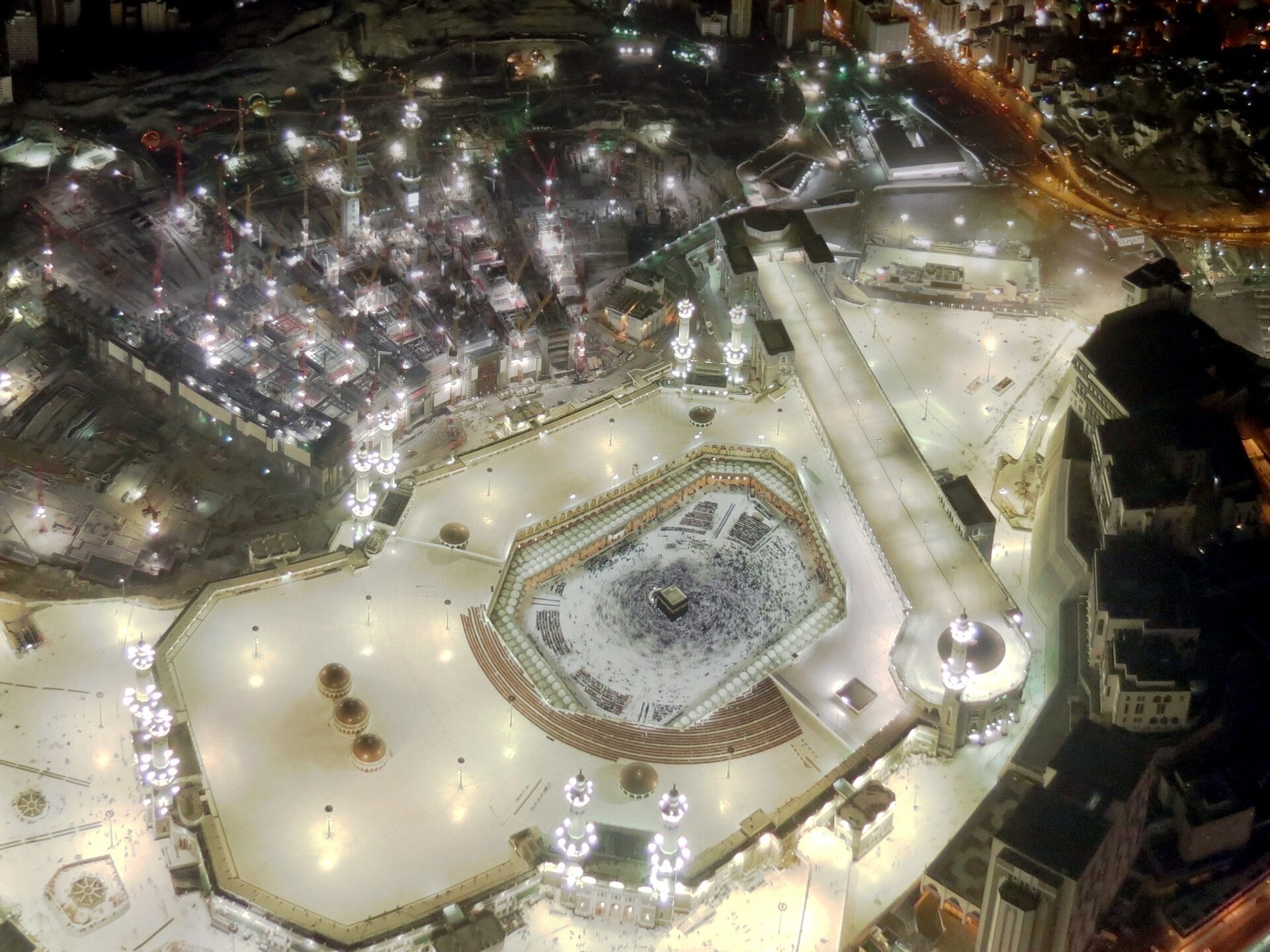
The ceasefire expires on April 22. Indonesia’s first Hajj departure of 221,000 pilgrims is scheduled for the same day. Pakistan’s 119,000 pilgrims begin arriving on April 18, with 468 chartered flights over a 34-day window. The convergence of military deployment, ceasefire expiry, and Hajj logistics creates a decision window that is measured in days, not weeks. Pakistan cannot simultaneously be responsible for the safety of 119,000 of its citizens performing Hajj in Saudi Arabia and be militarily engaged on the Saudi border — or rather, it can, but the domestic political cost of a Pakistani soldier dying in a Saudi defensive action while Pakistani pilgrims are in Makkah would be catastrophic for any civilian government. For Munir, who does not face elections and cannot be easily removed, the calculus is different. The Hajj-ceasefire intersection is examined in full in The US Blockade of Iran Is Coercive Diplomacy.
If the ceasefire is not extended, Pakistan’s 25th Mechanised Division transitions from a deterrent to an active defensive force on a live border. The JF-17s at King Abdulaziz Air Base transition from a political signal to combat aircraft that may be required to fly missions. Munir transitions from mediator to field commander. None of these transitions require a new decision — they are baked into the deployment itself. The division is already there; the ceasefire’s expiry activates its purpose.
Karim’s warning about the strategy collapsing if hostilities restart describes the structural fragility precisely. Pakistan’s dual role works only under ceasefire conditions, where the military deployment can be framed as defensive and the diplomatic role can be framed as impartial. Remove the ceasefire, and the framing collapses. What remains is 10,000 Pakistani troops with tanks on one side of a war that Pakistan is supposedly mediating, a $5 billion loan that ensures compliance, and a constitution rewritten to ensure the man who arranged all of this cannot be removed. The role Iran trusted was never the role Pakistan was playing. The armoured column that arrived this week is the role Pakistan was always going to play. The mediation bought time for the deployment; the deployment is the policy (SMDA: the vassal architecture).
Frequently Asked Questions
Has Pakistan deployed troops to Saudi Arabia before the current war?
Pakistan maintained a brigade-strength advisory and training mission in Saudi Arabia for decades, separate from combat deployments. During the 1991 Gulf War, Pakistan dispatched 11,000-13,000 troops — a comparable number to the current 13,000 — but that deployment had broad domestic political support and no concurrent diplomatic role in the conflict. Pakistan also quietly stationed personnel near the Saudi-Yemen border during the early phase of the Saudi-led Yemen intervention in 2015, before the parliamentary vote forced a withdrawal of the commitment. The current deployment is historically unique in combining combat-capable armoured forces with an active mediation mandate in the same conflict.
What is the JF-17 Thunder’s combat record and why does it matter here?
The JF-17 is a Chinese-Pakistani jointly developed lightweight multi-role fighter that has never been used in air-to-air combat by any operator. Pakistan’s Air Force uses it as a workhorse replacement for ageing F-7s and Mirages. Its deployment to King Abdulaziz Air Base — made public April 11 via Al Jazeera — is operationally significant because it gives Saudi Arabia additional fighter coverage without requiring US approval or congressional notification, unlike F-16 deployments which are governed by US end-use monitoring agreements. The JF-17 sidesteps the US Foreign Military Sales chain entirely, making it a politically frictionless asset for Saudi Arabia to request and Pakistan to provide.
Could Pakistan’s parliament block the deployment retroactively?
Theoretically, Pakistan’s National Assembly could pass a resolution demanding withdrawal, as it did with the Yemen coalition in April 2015. Practically, the 27th Constitutional Amendment has restructured the power dynamic. Munir as CDF requires a two-thirds majority to remove — a threshold that no opposition coalition currently commands. The SMDA was never tabled in parliament, so there is no resolution to revoke. Any parliamentary challenge would need to target either the SMDA’s constitutional validity (arguing it required legislative ratification as an international treaty) or the 27th Amendment itself. Both paths require supermajorities that do not exist in the current assembly, and both would provoke a civil-military confrontation that no civilian politician has the institutional backing to sustain.
What happens to the Pakistani deployment if Iran retaliates against Saudi Arabia after April 22?
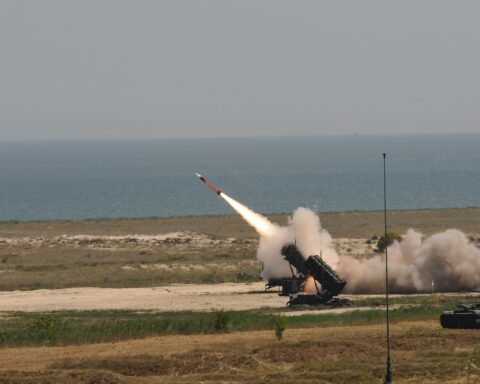
The SMDA contains no geographical limitation clause and no escalation ceiling that has been publicly disclosed. The treaty does not distinguish between proxy and direct threats, which means Houthi attacks on the Saudi-Yemen border trigger the same obligation as an Iranian ballistic missile strike on Ras Tanura. Pakistan has also never clarified whether the SMDA covers air-defence integration — a significant gap given Saudi Arabia’s PAC-3 stockpile is down to roughly 400 rounds following 894 interceptions since March 3. If Pakistani forces take casualties from Iranian-supplied Houthi fire, Munir’s role as mediator and field commander simultaneously becomes untenable. The full operational picture of that deployment — 10,000 troops, T-80UD tanks, and M109A2 howitzers positioned on the Jizan-Najran corridor — is documented in Pakistan Deploys Tanks to Saudi-Yemen Border as Ceasefire Clock Runs Down.