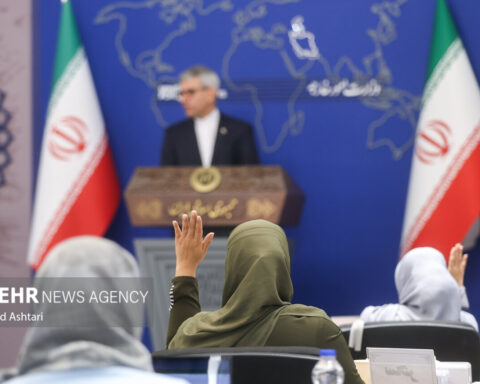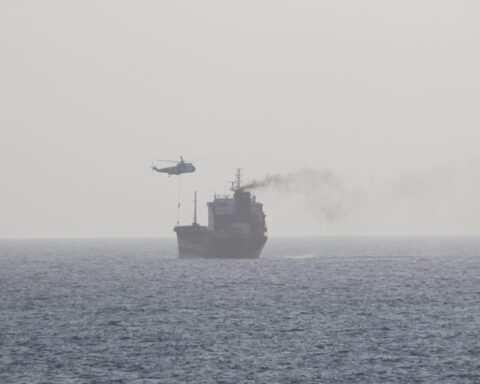

ANTALYA — Iran’s Deputy Foreign Minister Saeed Khatibzadeh killed the April 20 Islamabad round on Friday morning, telling journalists at the Antalya Diplomacy Forum that “until we agree on the framework, we cannot set a date” — a precondition that, given the arithmetic of what each side demands, cannot be met before the ceasefire expires on April 22. Within ninety minutes of his statement, IRGC gunboats opened fire on an Indian oil tanker in the Strait of Hormuz, turning a diplomatic cancellation into a kinetic one.
The April 20 session was the only scheduled mechanism for extending the two-week ceasefire brokered by Pakistan on April 8. CNN reported on April 17, citing Iranian sources, that both delegations were “expected to arrive in Pakistan this weekend.” Two senior Pakistani officials told CNBC on April 15 that parties would “likely return to Pakistan next week.” Khatibzadeh’s statement extinguished all of it, and the 96-hour window between now and ceasefire expiry contains no confirmed forum, no back-channel, and no fallback architecture. Saudi Arabia, which has no seat at these talks and whose ceasefire cannot be renewed through any mechanism it controls, is watching the clock run out on a war that has already cut its oil production by 30 percent.
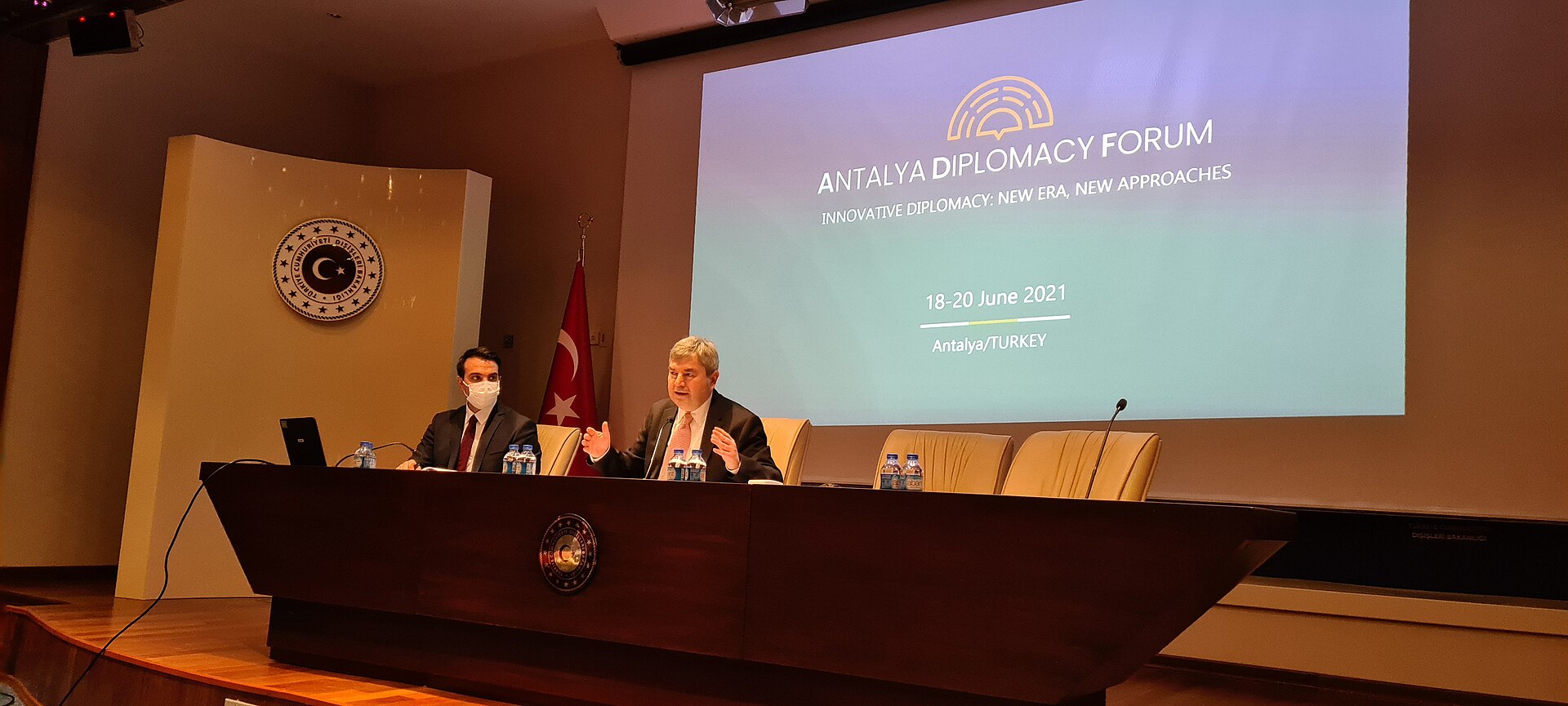
Table of Contents
What Khatibzadeh Actually Said
Khatibzadeh did not merely postpone. He established a precondition — framework agreement — that neither side has come close to meeting across three rounds and 21 hours of negotiation in Islamabad on April 11-12. “We do not want to enter into any negotiation or meeting that is destined to fail,” he said at Antalya, before adding that “the American side tweets a lot, talks a lot — sometimes confusing, sometimes contradictory.” The phrasing was deliberate: it framed Washington as the unstable party and Iran as the responsible actor refusing to participate in theatre, a reversal of the public narrative that Vice President JD Vance set after Islamabad when he said “the ball is in the Iranian court, because we put a lot on the table.”
The day before, Khatibzadeh had laid down a harder marker: “We are not accepting any temporary ceasefire.” Any agreement, he said, must cover “from Lebanon to the Red Sea” — a geographic scope that the United States has explicitly rejected and that Israel’s overnight strikes in southern Lebanon actively contradict. He also flatly denied President Trump’s April 17 claim, reported by UPI, that Iran had agreed to “hand back” enriched uranium: “No enriched material is going to be shipped to United States,” Khatibzadeh said, according to the Associated Press. Iran’s position, as articulated across two days at Antalya and in earlier statements, is that it “would not accept to be an exception from international law” — sovereignty language designed to recast American demands as extra-legal rather than diplomatic.
Hormuz, Ninety Minutes Later
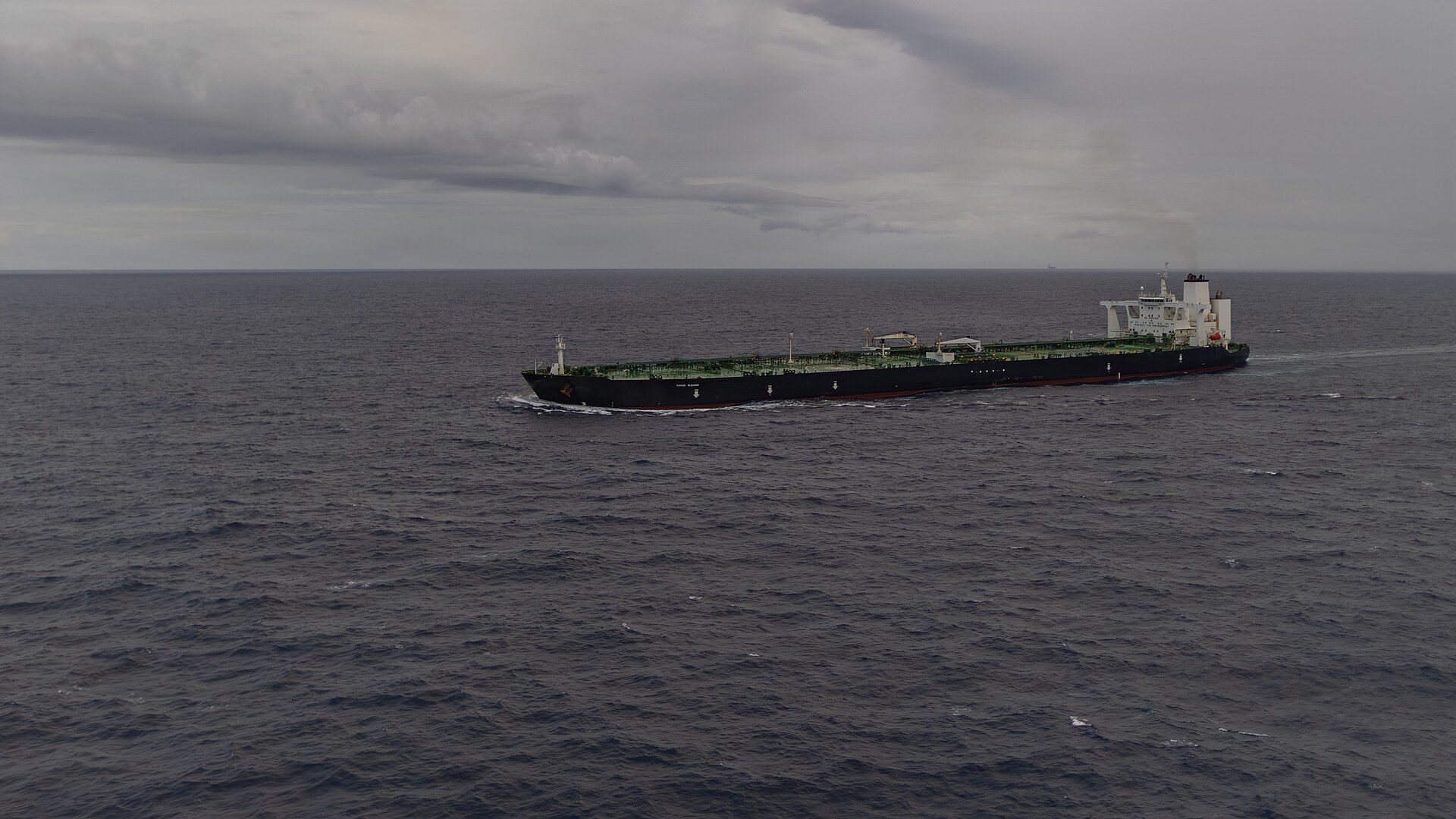
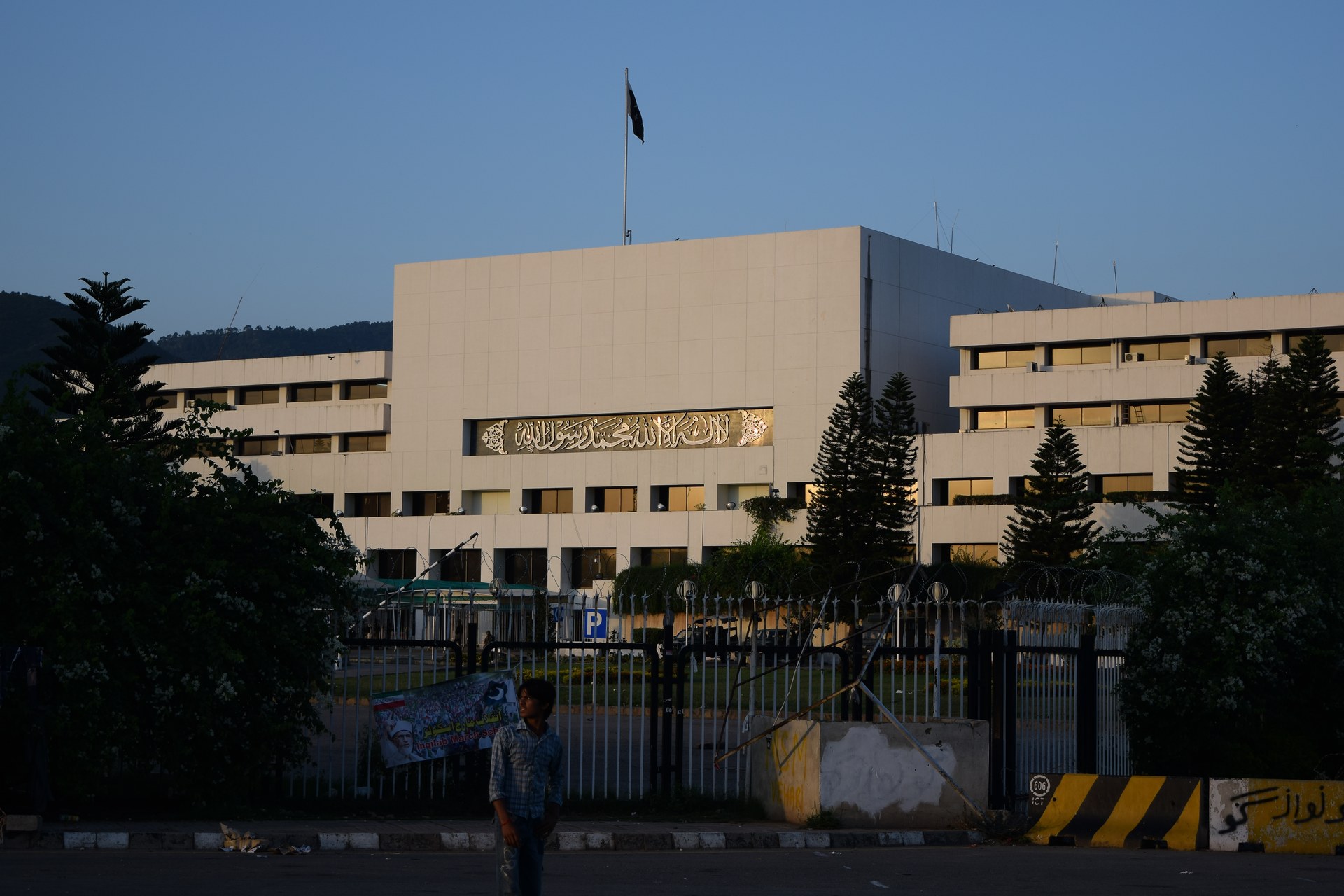
Khatibzadeh spoke at approximately 08:00-08:30 UTC. By 09:30 UTC, IRGC gunboats had opened fire on the Sanmar Herald, an Indian-flagged VLCC carrying approximately two million barrels of Iraqi crude. The crew’s radio transmission, reported by the Tribune India, captured the moment the diplomatic and military tracks converged: “Sepah Navy! Motor Tanker Sanmar Herald! You gave me clearance to go… You are firing now! Let me turn back!” A second Indian-flagged vessel, the Jag Arnav, was forced to reverse course westward without being fired upon. The same day, the IRGC struck the French-flagged CMA CGM Everglade — the first NATO-member-state vessel targeted in the Hormuz crisis — destroying the preferential transit architecture France had spent two months negotiating with Tehran. India summoned Iranian Ambassador Mohammad Fathali the same day; Foreign Secretary Vikram Misri conveyed what the Deccan Chronicle described as “deep concern,” which is the sharpest language New Delhi has used toward Tehran since the war began. Two more incidents followed on April 18, with vessels that had received IRGC clearance subsequently attacked — a pattern that confirmed the Sanmar Herald firing was not an outlier but a deliberate operational shift from administrative denial to kinetic enforcement.
Iran’s joint military command announced that Hormuz “has returned to its previous state… under strict management and control,” reversing the brief reopening on April 17 that had allowed roughly a dozen commercial ships to transit. The Supreme National Security Council justified the reclosure by arguing that “as long as the enemy intends to disrupt the passage of vessels and apply its naval blockade, Iran will view that as a violation of the ceasefire.” The IRGC characterized the American blockade as “acts of piracy and maritime theft.” Maritime shipping specialist John-Paul Rodrigue told Al Jazeera that “ships have been attempting transit… but it looks like many of them are heading back because the situation is unclear.” The 24-hour cycle — open April 17 after the Lebanon ceasefire, closed April 18 after the US maintained its blockade — illustrates a structural incoherence that no single round of talks can resolve: Iran and the United States disagree on what the ceasefire even requires.
The Middle East briefing 3,000+ readers start their day with.
One email. Every weekday morning. Free.
Why Is the “Framework” Precondition Unsolvable?
Khatibzadeh’s demand for a framework before further meetings sounds procedural. It is not. The positions that would constitute a framework are arithmetically incompatible across every major issue. On enrichment duration, the United States proposed a 20-year moratorium; Iran countered with five years; Trump then rebuked his own team’s 20-year proposal as insufficient, according to a Foundation for Defense of Democracies analysis published April 15. On enriched uranium disposition, Washington demanded Iran ship all highly enriched uranium to the United States; Khatibzadeh said publicly that this will not happen; the compromise under discussion — some material to a third country, some down-blended inside Iran under monitoring — has not been accepted by either side, according to Axios reporting on April 17. On money, the range runs from $6 billion (the US opening) to $27 billion (Iran’s demand), with $20 billion described by Axios as the figure “in play” but not agreed.
On Hormuz, the gap is not a number but a category: Iran demands sovereignty recognition over the strait as a precondition for any arrangement, while the United States has rejected sovereignty language and proposed joint patrols that Iran has rebuffed, according to the Soufan Center. The 2015 JCPOA required months of framework agreement before substantive talks — the Lausanne framework in April 2015 preceded the Vienna final deal by three months. Iran is now invoking a similar procedural demand, but the positions are farther apart than they were in 2015, the timeline is 96 hours instead of 90 days, and the negotiating team on the American side lacks the technical depth that even allied diplomats have questioned. Time magazine reported on April 15 that diplomats fear Trump’s envoys Steve Witkoff and Jared Kushner “are making things worse.”
“We are still not there yet to move on to an actual meeting because there are issues that the Americans have not yet abandoned their maximalist position.”
— Saeed Khatibzadeh, Iranian Deputy Foreign Minister, Antalya Diplomacy Forum, April 18, 2026
Munir Went to Abdollahi’s Headquarters. It Did Not Matter.
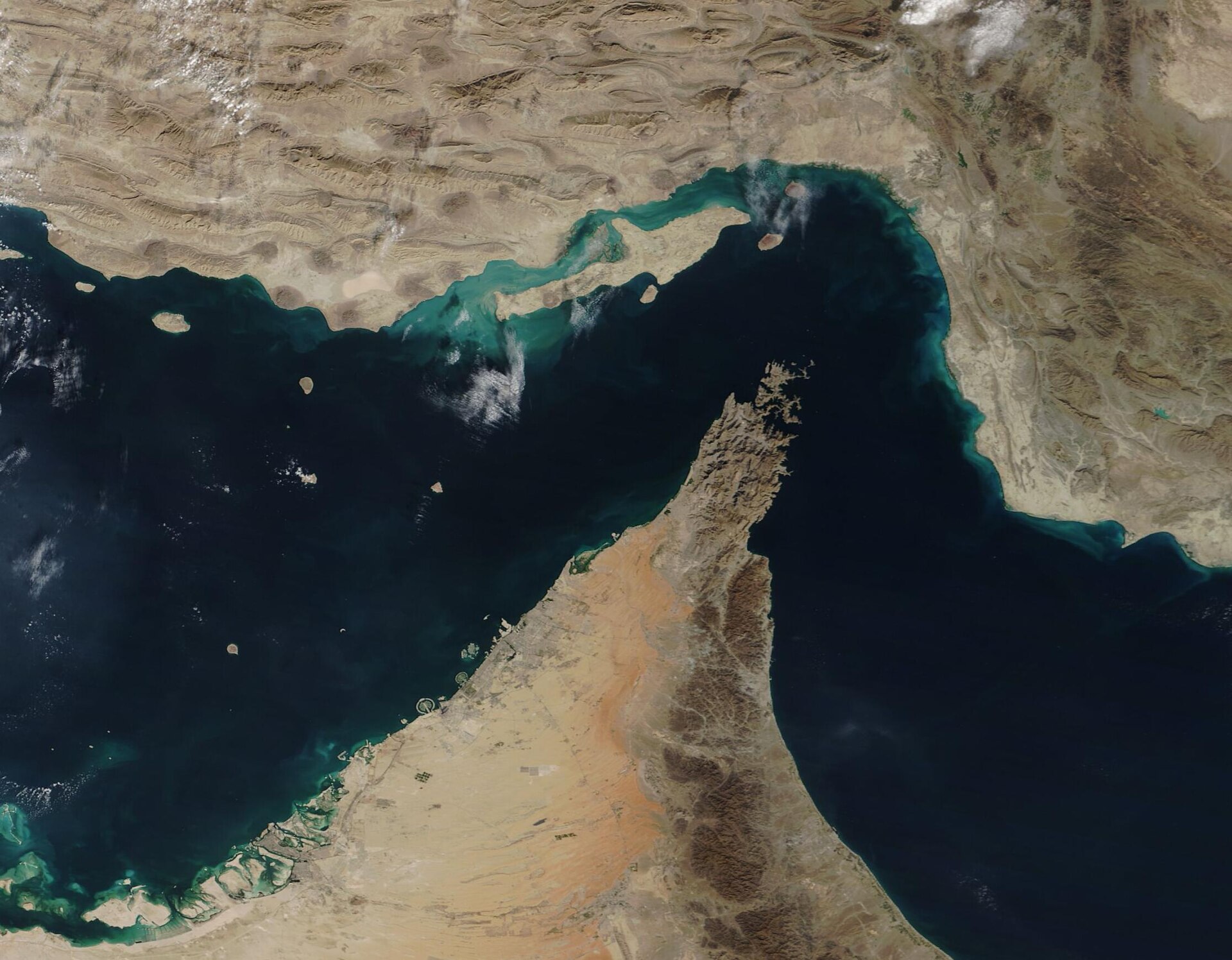
Pakistani Army Chief Asim Munir arrived in Tehran on April 15 and spent two days attempting what the civilian diplomatic channel could not achieve. He met Foreign Minister Araghchi on April 15 and Parliament Speaker Mohammad Bagher Ghalibaf — an IRGC Aerospace Force veteran from 1997 to 2000 — on April 16, according to Al Jazeera and PBS NewsHour. The critical meeting was at Khatam al-Anbiya headquarters, the operational command of IRGC ground forces under General Abdollahi, the same commander whom President Pezeshkian had publicly accused of wrecking the ceasefire on April 4. Pakistani officials were expecting “a major breakthrough,” PBS NewsHour reported. That optimism collapsed 48 hours later when Khatibzadeh’s Antalya statement made clear that no date would be set.
The failure illustrates the authorization ceiling that has structured every round of this diplomacy. Pezeshkian accused Vahidi and Abdollahi of deviating from his delegation’s mandate, but under Article 110 of Iran’s constitution, the president has zero authority over IRGC operations. Supreme Leader Khamenei, who does hold that authority, has been absent from public life for more than 44 days; his son Mojtaba has communicated only through audio channels. Munir’s visit to Khatam al-Anbiya was an attempt to bypass the civilian foreign ministry and negotiate directly with the IRGC command structure — an acknowledgement, from Pakistan’s most powerful military figure, that Araghchi cannot deliver what Araghchi promises. That channel, too, produced nothing. The Islamabad Accord was built to expire, and no Pakistani visit has changed the structural reason why: the men who can authorize a ceasefire extension are not the men at the negotiating table.
What Can Pakistan Do in 96 Hours?
Pakistan framed its role as the “Islamabad Process,” a term that implied institutional continuity and a standing mechanism. With April 20 blocked, that process has no next session, no agreed agenda, and no date. Pakistani security analyst Muhammad Faisal described a “dual-tracked” strategy in which the Prime Minister handles Gulf reassurance while the Army Chief conducts “hard negotiations to narrow gaps,” according to Al Jazeera. Both tracks now lack a counterparty willing to sit down. Pakistani diplomatic journalist Kamran Yousuf said on April 16 — before Khatibzadeh’s statement — that he “would be really surprised if the current ceasefire is not extended” because “there is little appetite on both sides to go back to war.” Both the cancellation and the IRGC firing on the Sanmar Herald came within 24 hours of that assessment.
Pakistan’s structural incentive to deliver a deal is real: Saudi Arabia rolled over $3 billion in loans to Islamabad five days before the ceasefire expires, and the Saudi deposit matures in June 2026. But incentive is not capability. Pakistan’s 27th Constitutional Amendment concentrated foreign policy authority in the Army Chief’s office, making the ceasefire Munir’s operation rather than the elected government’s. Munir visited both Araghchi and Abdollahi. Neither produced a framework. The enforcement architecture that Pakistan built depends on appeals to the exact IRGC commanders whom Pezeshkian publicly accused of sabotage — and those commanders have no institutional reason to listen to Islamabad over their own chain of command, which runs through a Supreme Leader who has not spoken publicly in six weeks.
Saudi Arabia’s Exposure Without a Seat
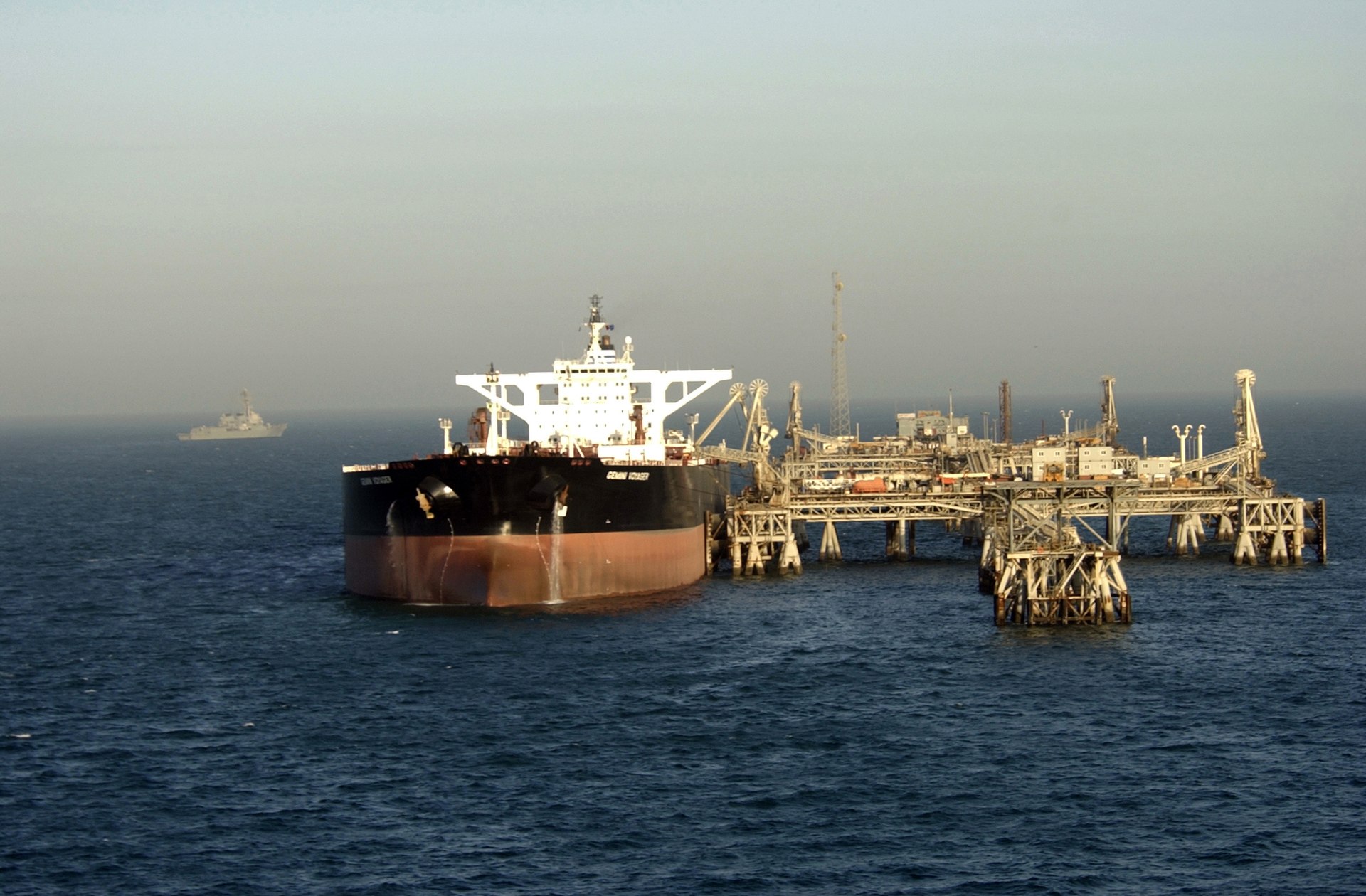
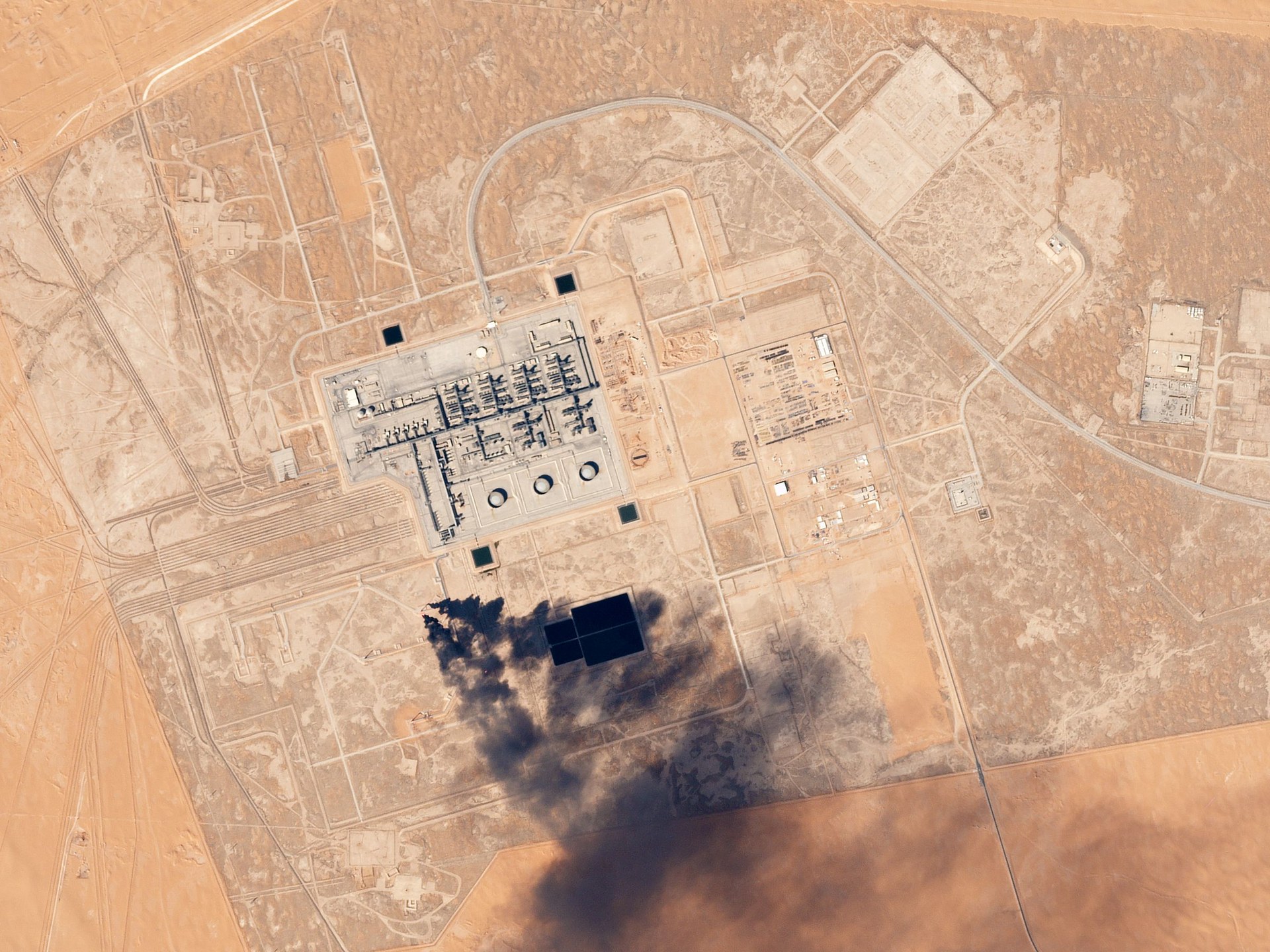
ACLED Senior Analyst Luca Nevola described Saudi Arabia’s “minimum aim” as “reopening the Strait of Hormuz and securing guarantees against direct attacks” — objectives that require an Iran-US agreement that Saudi Arabia has no direct role in negotiating. The kingdom was excluded from the April 10 Islamabad bilateral, has no representation in the framework talks, and has no substitute mechanism if the ceasefire expires without extension. Its exposure, however, is immediate and measurable: March oil production fell to 7.25 million barrels per day from February’s 10.4 million, a 30 percent drop that the International Energy Agency called “the largest disruption on record.” The Yanbu bypass pipeline, Saudi Arabia’s alternative to Hormuz, has a loading ceiling of 4 to 5.9 million barrels per day against pre-war Hormuz throughput of 7 to 7.5 million — a structural gap of 1.1 to 1.6 million barrels per day that no diplomatic outcome in the next 96 hours will close.
Brent crude sat at roughly $86-90 per barrel on April 18, well below the $108-111 Bloomberg estimates as Saudi Arabia’s PIF-inclusive fiscal break-even. Goldman Sachs has projected a 6.6 percent GDP war-adjusted deficit against the official 3.3 percent forecast. The OPEC+ April quota of 10.2 million barrels per day for Saudi Arabia is now 3 million above actual output — a quota that exists on paper while the kingdom’s Eastern Province refineries remain partially offline, with Khurais alone accounting for 300,000 barrels per day of lost capacity and no announced timeline for restoration. Saudi Foreign Minister Prince Faisal’s call to Araghchi on April 13 — the day the US blockade took effect — was behavioral evidence of a parallel diplomatic track, but whatever that call produced has been overtaken by Khatibzadeh’s public cancellation of the only forum where outcomes were being negotiated.
Background: The Islamabad Process
The current ceasefire commenced on April 8 and expires on April 22. It was brokered by Pakistan across three rounds of talks in Islamabad on April 11-12, totaling 21 hours — first indirect, then direct. The US delegation — reported by multiple outlets as numbering in the hundreds, with Vance, Witkoff, and Kushner at its head — operated from the Serena Hotel. Iran’s roughly 70-member delegation was headed by Ghalibaf and Araghchi. The teams agreed on the main points of a 10-point ceasefire framework, with nuclear issues and Hormuz sovereignty deferred to later phases, according to composite reporting from Reuters, AFP, and Al Jazeera covering the April 11-12 sessions. Vance described the US position as generous; Iran’s team described it as maximalist. The gap has not narrowed since.
CFR’s James M. Lindsay, the Mary and David Boies Distinguished Senior Fellow, identified three post-ceasefire pathways, all of them problematic: small-scale strikes that are unlikely to change Tehran’s calculations, massive bombing that risks broader regional conflict, or a diplomatic reset that would require the United States to abandon the blockade. Lindsay described translating military degradation into political concessions as Trump’s “fundamental dilemma.” Intelligence assessments cited by CFR indicate that Iran’s missile forces partly survived the initial campaign, that underground weapons caches are being excavated, and that China is assisting air defense reconstruction — factors that make the military pathway less decisive than Washington initially calculated and the diplomatic pathway more urgent than either side will publicly admit.
| Issue | US Position | Iran Position | Gap |
|---|---|---|---|
| Enrichment moratorium | 20 years (Trump says insufficient) | 5 years | 15+ years |
| HEU disposition | Ship to US territory | Down-blend inside Iran | Categorical |
| Financial package | $6 billion | $27 billion | $21 billion |
| Hormuz | Joint patrols, no sovereignty | Sovereignty recognition first | Categorical |
| Geographic scope | Iran nuclear + Hormuz only | “From Lebanon to the Red Sea” | Categorical |
Frequently Asked Questions
Was the April 20 session formally scheduled or merely expected?
It was expected but never formally confirmed by both parties. A formally confirmed round would have required a joint statement from the Pakistani foreign ministry designating the date, venue, and delegation heads — the structure used for the April 11-12 sessions at the Serena Hotel in Islamabad. None was issued. What existed instead were parallel unilateral statements of intention: Iran’s delegation had signalled readiness to travel, and Pakistani officials were publicly forecasting return. Khatibzadeh’s April 18 statement that “we cannot set a date” terminated what had been treated across multiple capitals as a confirmed engagement, and the absence of a joint announcement means there is no party to whom a cancellation can be formally delivered — which itself removes one procedural trigger for emergency mediation.
Has Iran cancelled rounds of nuclear talks before?
During the original JCPOA negotiations (2013-2015), Iran delayed or declined sessions multiple times over framework disagreements, but always within a timeline that allowed extended negotiation. The structural difference now is the 96-hour window: the 2015 Lausanne framework took months to agree upon, and the Vienna final deal followed three months after that. Khatibzadeh is invoking the same procedural logic — framework before substance — inside a timeline that makes framework agreement physically impossible. The OFAC General License U, which had allowed limited Iranian oil trade, expired at 12:01 AM EDT on April 18 without renewal, adding economic pressure that did not exist during the JCPOA process.
What happens if the ceasefire expires on April 22 with no extension?
The ceasefire text contains no automatic extension mechanism, as the Soufan Center has noted. April 22 is also the departure date for Indonesia’s 221,000 Hajj pilgrims, and Pakistan’s 119,000 pilgrims arrive on April 18, creating a humanitarian constraint on any resumption of hostilities near Saudi airspace. CFR’s Lindsay identifies three pathways — limited strikes, massive escalation, or diplomatic reset — none of which can be initiated and resolved within the 96-hour window. The most likely short-term outcome, based on reporting from multiple diplomatic sources, is an informal de-escalation without formal extension, in which both sides avoid provocative actions while claiming the ceasefire has lapsed — though the IRGC’s firing on the Sanmar Herald on the same morning as the cancellation suggests that informal restraint may already be failing.
Why did India summon the Iranian ambassador?
The Sanmar Herald was Indian-flagged and carried Iraqi crude — making the IRGC attack a direct strike on Indian commercial shipping, not merely an obstruction of transit. India had been one of the few major economies still importing Iranian oil under the now-expired OFAC General License U, settling recent purchases in yuan through ICICI Bank’s Shanghai branch rather than the expected rupee channels. The summoning of Ambassador Fathali and Foreign Secretary Misri’s “deep concern” language represent New Delhi’s sharpest diplomatic rebuke of Tehran since the war began, and potentially complicate Iran’s effort to maintain India as a sympathetic non-Western partner in any post-ceasefire diplomatic configuration.
Can a framework be agreed in 96 hours?
The positions catalogued by Axios on April 17 — a 15-year gap on enrichment duration, a categorical disagreement on uranium disposition, a $21 billion gap on financial terms, and mutually exclusive sovereignty claims over Hormuz — would require concessions that neither side’s domestic politics can absorb in any timeframe, let alone four days. Iran’s authorization ceiling adds a structural layer: even if Araghchi and Khatibzadeh agreed to a framework, the IRGC commands that Pezeshkian has publicly accused of undermining the ceasefire would need to ratify it through a Supreme Leader who has not appeared in public for 44 days. Khatibzadeh’s choice of venue is itself a signal: the Antalya Diplomacy Forum is a multilateral diplomatic showcase attended by roughly 80 countries, not a back-channel; by making the cancellation in that setting, Iran ensured maximum broadcast to non-Western audiences and positioned itself as the party offering procedural reasonableness rather than making demands. The framework precondition is not a negotiating tactic that can be overcome with pressure; it is a description of a problem that both sides have spent 21 hours of direct talks failing to solve.