RIYADH — Two competing coalitions are trying to reopen the Strait of Hormuz — the American one with guided-missile destroyers and the Anglo-French one with diplomatic communiqués — and Saudi Arabia’s refusal to endorse either is the single most consequential act of statecraft in the Gulf war’s third month. This is not indecision; it is a structural veto exercised through silence, and it is working precisely because neither Washington nor London can claim Gulf legitimacy without Riyadh’s blessing.
CENTCOM launched Project Freedom on May 4 with 15,000 service members and more than 100 aircraft to force commercial shipping through contested waters. Day 1 produced transit, combat, and an Iranian drone strike on Fujairah — the UAE’s primary bypass terminal — demonstrating that widening the front widens the target set. The UK-France coalition, convened across 51 nations in April, has finalised operational planning for a strictly defensive escort mission that activates only after a “sustainable ceasefire agreement.” One architecture requires kinetic confrontation; the other requires its absence. Mohammed bin Salman has positioned the Kingdom to benefit from both without joining either, and the mechanism by which he does so deserves a name: a legitimacy tax.
Table of Contents
- Two Architectures, One Strait, Zero Saudi Endorsement
- What Did Project Freedom Actually Achieve on Day One?
- The 51-Nation Coalition That Cannot Start
- Why Is Saudi Silence More Powerful Than Either Coalition?
- The Earnest Will Precedent Saudi Arabia Is Quietly Repeating
- The Yanbu Arithmetic — Pain That Pays
- Can the GCC Endorse What Its Largest Member Will Not?
- How Iran Reads the Silence
- What Would Break the Veto
- Frequently Asked Questions
Two Architectures, One Strait, Zero Saudi Endorsement
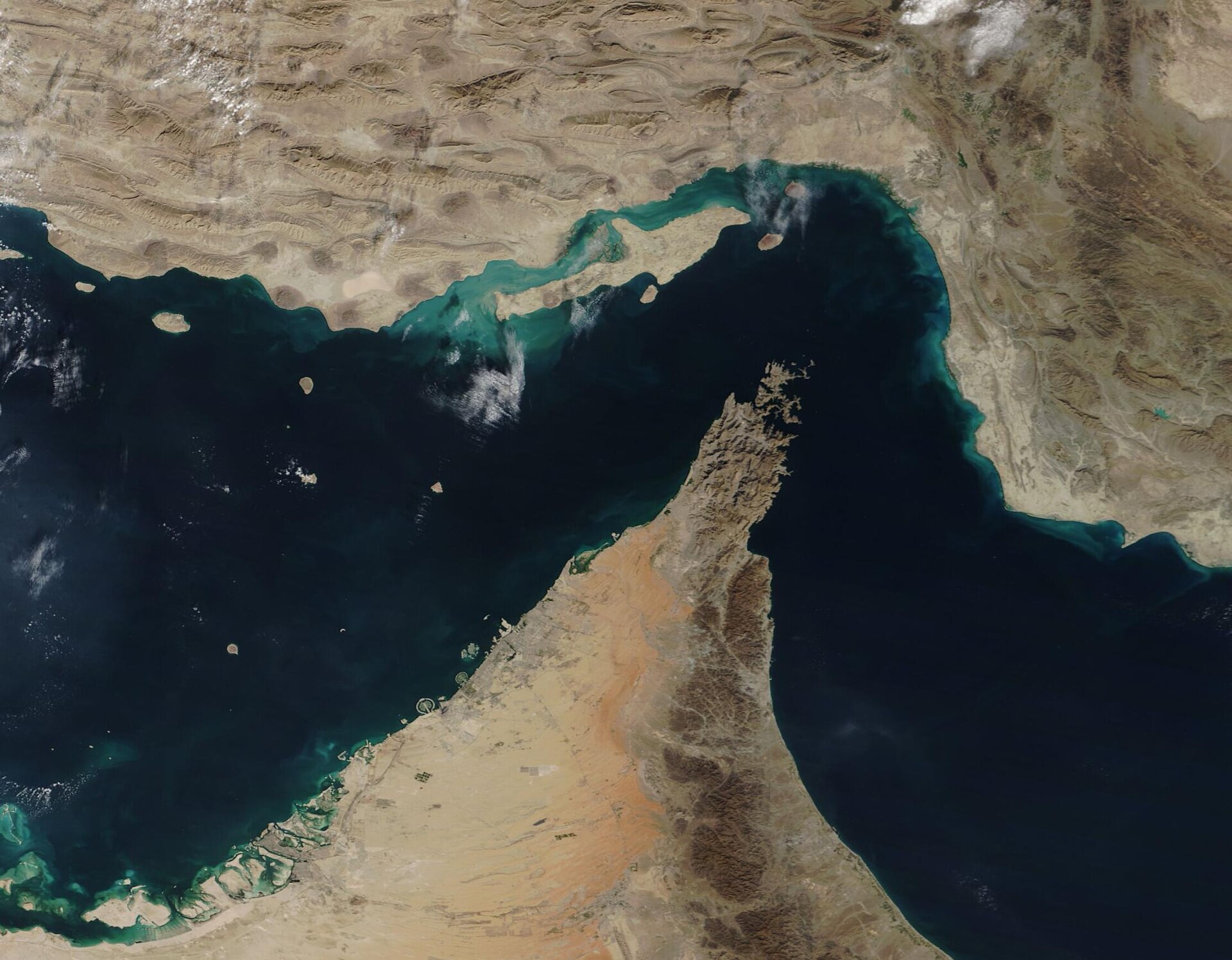
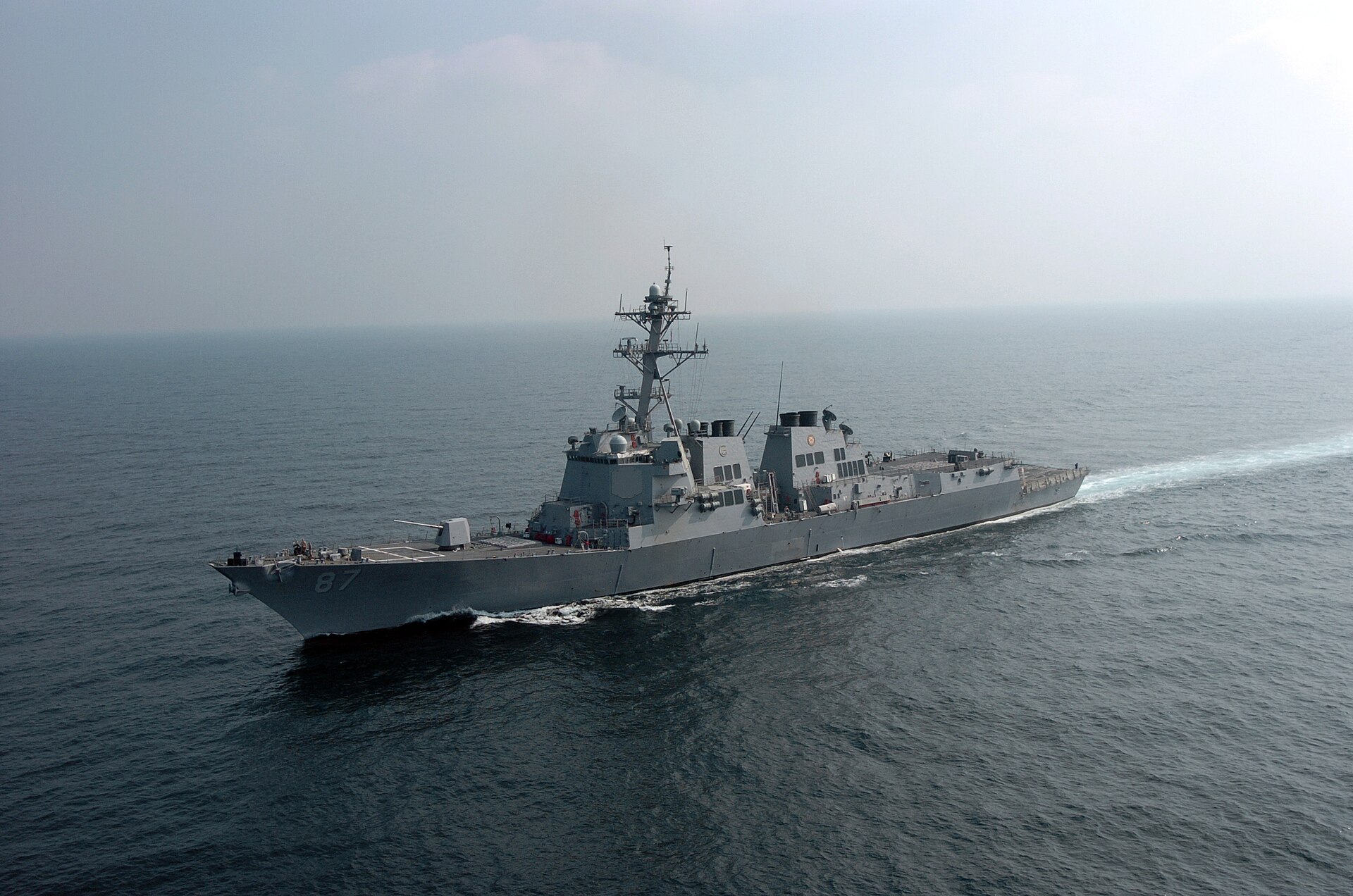
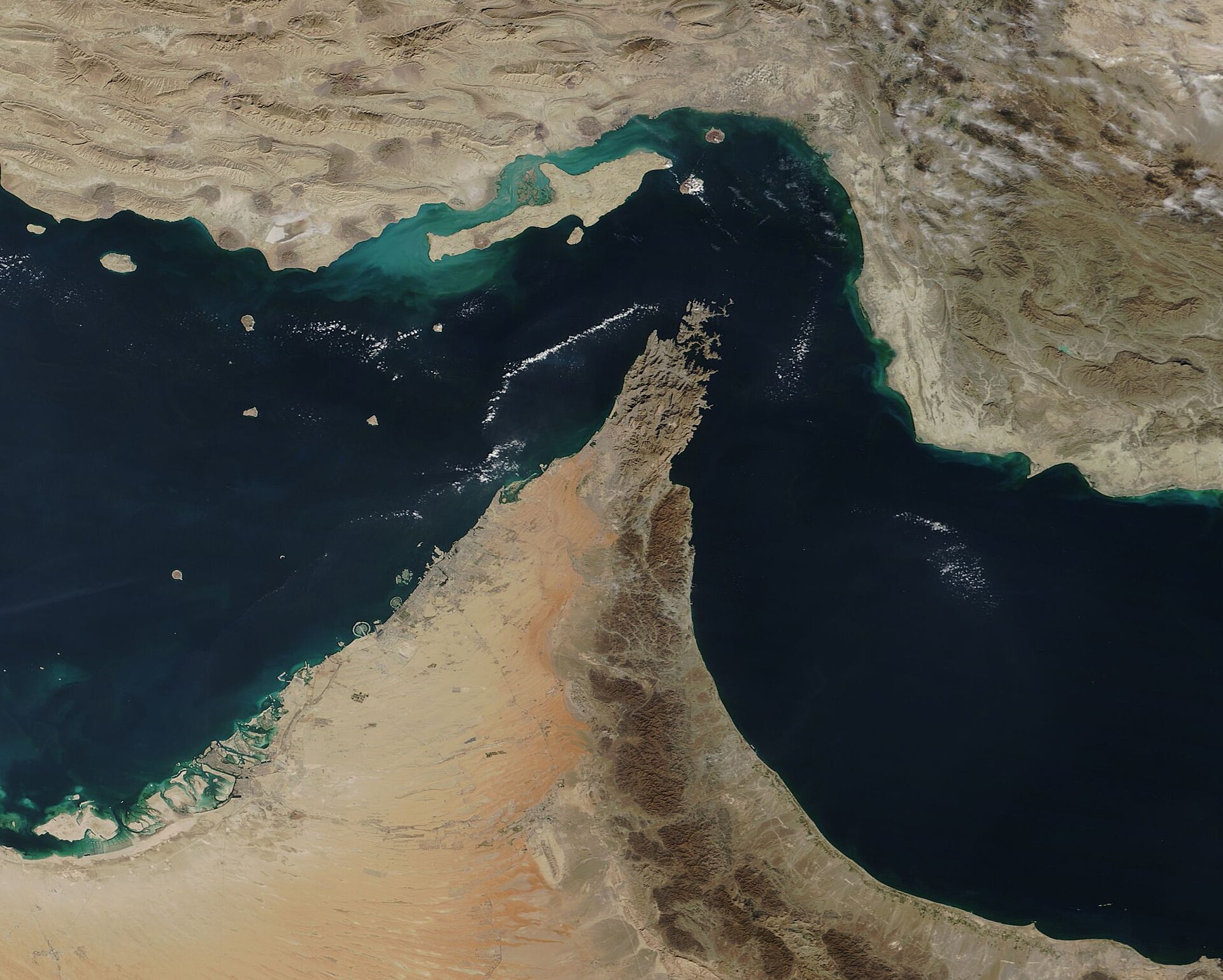
The competing frameworks are now concrete enough to compare on paper, and the comparison reveals why Saudi endorsement of either would be strategically irrational. Project Freedom is a kinetic escort operation — CENTCOM’s guided-missile destroyers clearing a corridor through waters where the IRGC has declared “full authority to manage the Strait” and where Khatam al-Anbiya Central Headquarters has issued a blanket threat that “all foreign forces approaching the strait will be attacked.” The UK-France framework, by contrast, is built on a Chatham House-informed model drawn from Operation ASPIDES and the Somalia counter-piracy missions, with rules of engagement “limited to behaviors threatening commercial shipping” and explicitly designed to “signal limited intent” to Iran. The French Foreign Minister Jean-Noël Barrot said on May 1 that the US coalition is “not in competition” with the Anglo-French proposal, a formulation so diplomatically careful it confirms the opposite.
The sequencing contradiction is the structural problem. Project Freedom operates in a kinetic environment — its entire premise is that force will compel transit through waters Iran has mined, patrolled, and selectively closed since early March. The UK-France framework activates only “as soon as conditions permit following a sustainable ceasefire agreement,” language drawn from the joint statement signed by 36 of the 51 nations that attended the April summit. Fifteen nations showed up to the conference without signing the readiness statement — a gap between diplomatic courtesy and operational commitment that tells its own story. Project Freedom needs the shooting to continue to justify its mission; the Anglo-French coalition needs the shooting to stop before its mission begins. Saudi Arabia endorsing both is a logical impossibility, and endorsing one over the other would eliminate Riyadh’s freedom of action in whatever diplomatic settlement eventually emerges.
| Feature | Project Freedom (US) | UK-France Coalition |
|---|---|---|
| Launch status | Operational May 4, 2026 | Planning finalised, not activated |
| Force posture | 15,000 troops, 100+ aircraft, destroyers | Multinational naval escort, defensive ROE |
| Activation condition | Immediate — kinetic environment | “Following a sustainable ceasefire agreement” |
| Nations committed | US + UAE (Day 1 participant) | 36 signatories of 51 attendees |
| Operational model | Forced transit (convoy escort under fire) | ASPIDES / Somalia counter-piracy template |
| Iran’s characterisation | “Ceasefire violation” — Gulf News, May 4 | Not yet formally addressed |
| Saudi endorsement | None | None |
What Did Project Freedom Actually Achieve on Day One?
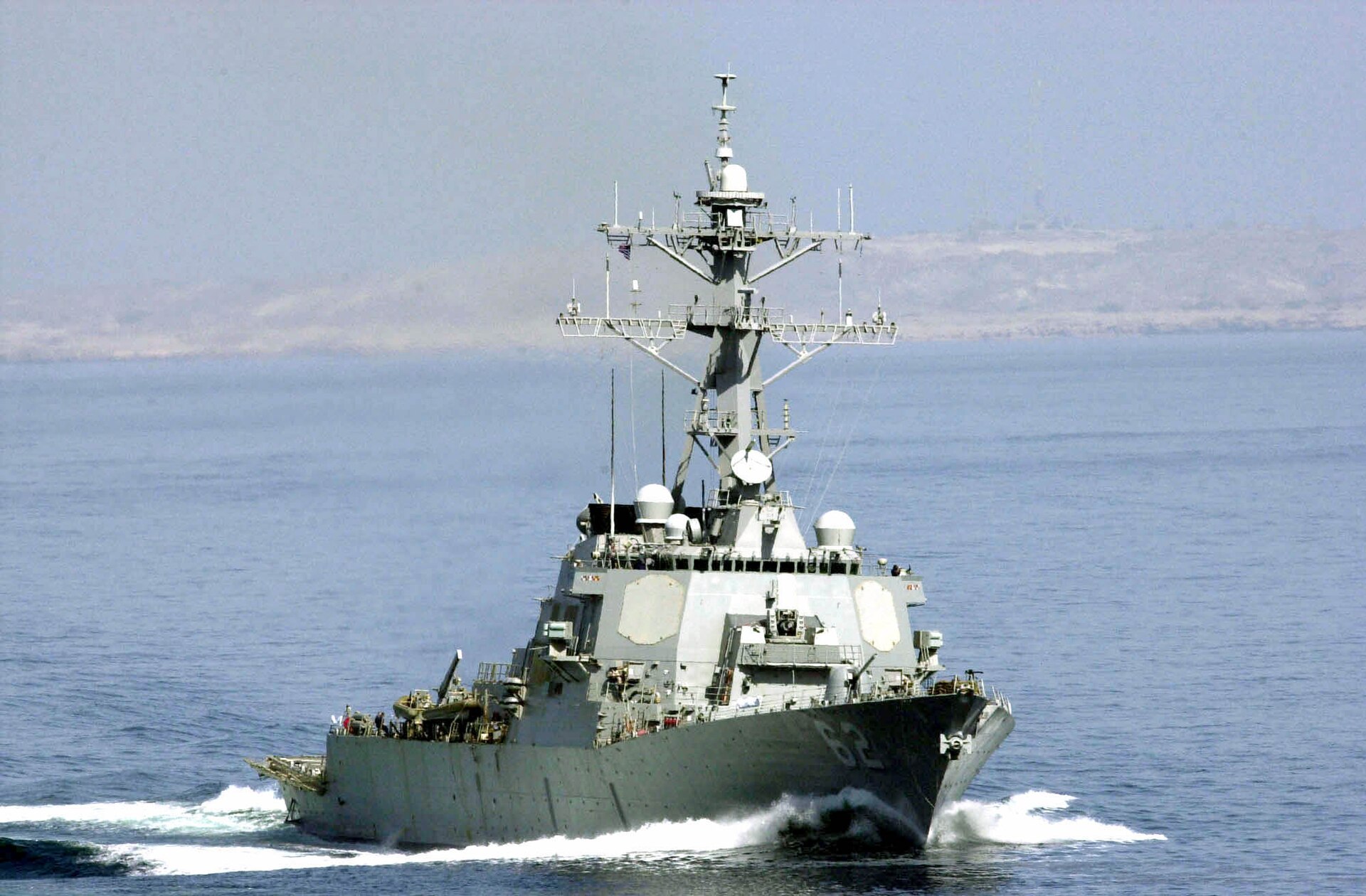
Project Freedom achieved transit — two US-flagged commercial vessels and one UAE tanker passed through Hormuz under CENTCOM escort on May 4 — and it achieved combat, which may not be the same thing. Iran fired cruise missiles, drones, and small-boat swarms; the US sank six or seven Iranian boats, depending on whether you take CENTCOM’s count or CBS News reporting; the South Korean commercial vessel Hana Star took a hit; and the IRGC fired two missiles at a US Navy warship near Jask after the vessel, according to Iranian state media, “ignored Revolutionary Guard warnings to halt.” Project Freedom poses a convoy endorsement problem that Saudi Arabia cannot solve without becoming a co-belligerent target.
But the Fujairah strike is what changes the calculus beyond the strait itself. Iran hit the Fujairah Oil Industry Zone with drones on the same day Project Freedom launched — the UAE intercepted 19 missiles and drones but three Indian workers were injured and the strike reached the UAE’s primary petroleum bypass terminal. The message was calibrated and unmistakable: expanding the escort regime expands the target set. Fujairah is not on the Strait of Hormuz; it sits on the Gulf of Oman coast, the terminus of the Abu Dhabi Crude Oil Pipeline that was built specifically to bypass Hormuz. Iran burned the back door on the same day America opened the front, and that simultaneity was not an accident.
The Middle East briefing 3,000+ readers start their day with.
One email. Every weekday morning. Free.
The Day 1 results point to a problem that Operation Prosperity Guardian already demonstrated in the Red Sea. That US-led escort mission against Houthi attacks ran from December 2023 to May 2025 — retired just twelve months ago — and its record was a tactical triumph and a strategic failure. The military succeeded; the shipping industry did not follow. Daily Red Sea transits fell by two-thirds and stayed there throughout the operation because freight rate premiums made avoidance economically preferable to military protection. Project Freedom faces the same dynamic at ten times the military intensity: even if the convoy corridor holds, the question is whether commercial insurers will price Hormuz transit as acceptable risk when 12 crossings occurred on May 2 against a pre-crisis baseline of more than 150 vessels per day — a 92 percent traffic collapse.
The 51-Nation Coalition That Cannot Start
The UK-France framework has the advantage of multilateral legitimacy and the disadvantage of requiring conditions that do not exist. The 51-nation April summit produced a readiness statement signed by 36 nations, a decision brief to more than 30 military planners, and a planning process described as “finalised.” But the activation language — “as soon as conditions permit following a sustainable ceasefire agreement” — means the coalition exists as an architectural blueprint for a building that cannot be constructed while the site is on fire.
The model is sound on its own terms. Chatham House’s May 2026 naval coalition paper recommended rules of engagement modelled on the Somalia counter-piracy operations, where “international naval forces frequently confronted pirates but managed to avoid escalation and retain Somalia’s support through their use of limited force.” The analogy is instructive but imperfect — Somali pirates operated as non-state actors with no air force, no missile inventory, and no capacity to strike petroleum infrastructure 200 kilometres from the shipping lane. The IRGC operates a layered maritime denial system backed by ballistic missiles, cruise missiles, naval mines, and a parliament advancing a 12-article Hormuz Sovereignty Law that would formalise the selective access regime Iran has operated since March.
The political difficulty is also real. Fox News described Starmer and Macron as “accused of playing at being relevant,” which is dismissible as commentary but which signals the political cost any Gulf state would pay for endorsing the Anglo-French framework over the American one. Saudi Arabia maintains a $6.8 billion PIF-UKEF memorandum of understanding with London and a bilateral trade target of £30 billion by 2030; it also hosts American military personnel, THAAD batteries, and Patriot missile systems on its soil. Endorsing the UK-France coalition would be read in Washington as choosing a post-ceasefire framework over an active American military operation — a diplomatic affront to the power providing Saudi Arabia’s air defence backbone. Iran’s targeting of two CMA CGM vessels in 17 days — the graduated coercive pressure designed to deter the Charles de Gaulle carrier group before it clears the strait — is documented in Iran Has Struck Two French Ships in 17 Days. The Charles de Gaulle Just Entered the Suez.
Why Is Saudi Silence More Powerful Than Either Coalition?
Saudi Arabia’s non-endorsement operates on both coalitions simultaneously, and the mechanism is asymmetric. Withholding support from Project Freedom denies the US operation the Gulf Arab legitimacy it needs to sustain domestic political support and to recruit additional participants — the UAE joined on Day 1 with a single tanker, but no other Gulf state has committed vessels, port access, or diplomatic cover. Withholding support from the UK-France framework prevents coalition formation from proceeding to the activation stage, because no serious Hormuz security architecture can claim operational credibility without the buy-in of the state that controls the western shore of the strait’s approaches and operates the region’s largest naval facilities.
The Chatham House Saudi strategy paper published in May 2026 gets partway to naming this mechanism. It observes that MBS “learned two painful lessons over the Saudi intervention in Yemen: one, there is a cost to impulsive decision-making; two, there is no such thing as a quick war.” It notes that “the threat of maritime insecurity to its Red Sea ambitions helps explain Saudi Arabia’s reluctance to engage directly in the war against Iran and its lobbying against further escalation, as the leadership recognizes that a kinetic response to Iranian strikes would not only increase risks to its energy assets and critical infrastructure but could also draw the Houthis more directly into the conflict, threatening Saudi Arabia’s alternative export routes.” This framing is accurate as far as it goes, but it describes Saudi reluctance as a defensive posture — a state trying to avoid harm. What the framing misses is that the non-endorsement is itself an active instrument of power.
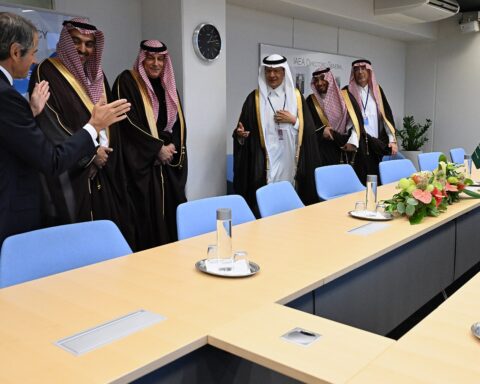
Riyadh’s endorsement is the legitimacy prize both coalitions are competing for, and by withholding it from both, MBS ensures that neither can proceed to full operational capacity. This is not passive caution; it is a legitimacy tax levied on two architectures that cannot function without Gulf ownership. The GCC “Decisiveness Summit” in Jeddah on April 28 endorsed a joint missile early-warning system and issued collective defence language — but conspicuously did not endorse any military Hormuz reopening operation. The summit communiqué, with its call for “accelerated completion” of the early-warning system, was a statement about defending the Gulf states, not about opening the strait. Riyadh drew the line with precision, and the omission speaks as clearly as any declaration would.
“A proposal for a new US-led coalition to reopen the Strait of Hormuz would complement and not compete with a similar mission spearheaded by France and the UK.”
— Jean-Noël Barrot, French Foreign Minister, May 1, 2026
Barrot’s formulation is the diplomatic equivalent of insisting that fire and water can share a container. The two architectures are structurally incompatible — one requires kinetic operations, the other requires their cessation — and the French foreign minister’s attempt to paper over the contradiction confirms that both coalitions understand Saudi non-endorsement as the binding constraint. If Riyadh endorsed either framework, the other would lose its claim to being the Gulf’s preferred security architecture. By endorsing neither, MBS preserves the Kingdom’s position as the indispensable legitimiser for whatever settlement eventually emerges, while ensuring that the price of Saudi participation rises with every day the strait remains contested.
The Earnest Will Precedent Saudi Arabia Is Quietly Repeating
There is a structural parallel to Saudi Arabia’s current posture that neither Washington nor London appears to have internalised, and it dates to the last time a US Navy convoy forced its way through the Persian Gulf. Operation Earnest Will ran from July 1987 to September 1988 — the largest naval convoy operation since the Second World War — when the US reflagged eleven Kuwaiti tankers and escorted them under American naval protection through waters mined by Iran during the Iran-Iraq War. Saudi Arabia supported the broader international framework that made Earnest Will possible, including UN Security Council Resolution 598, and Saudi Arabia was bankrolling Iraq’s war effort to the tune of billions of dollars, but Riyadh never publicly endorsed the specific American escort operation itself.
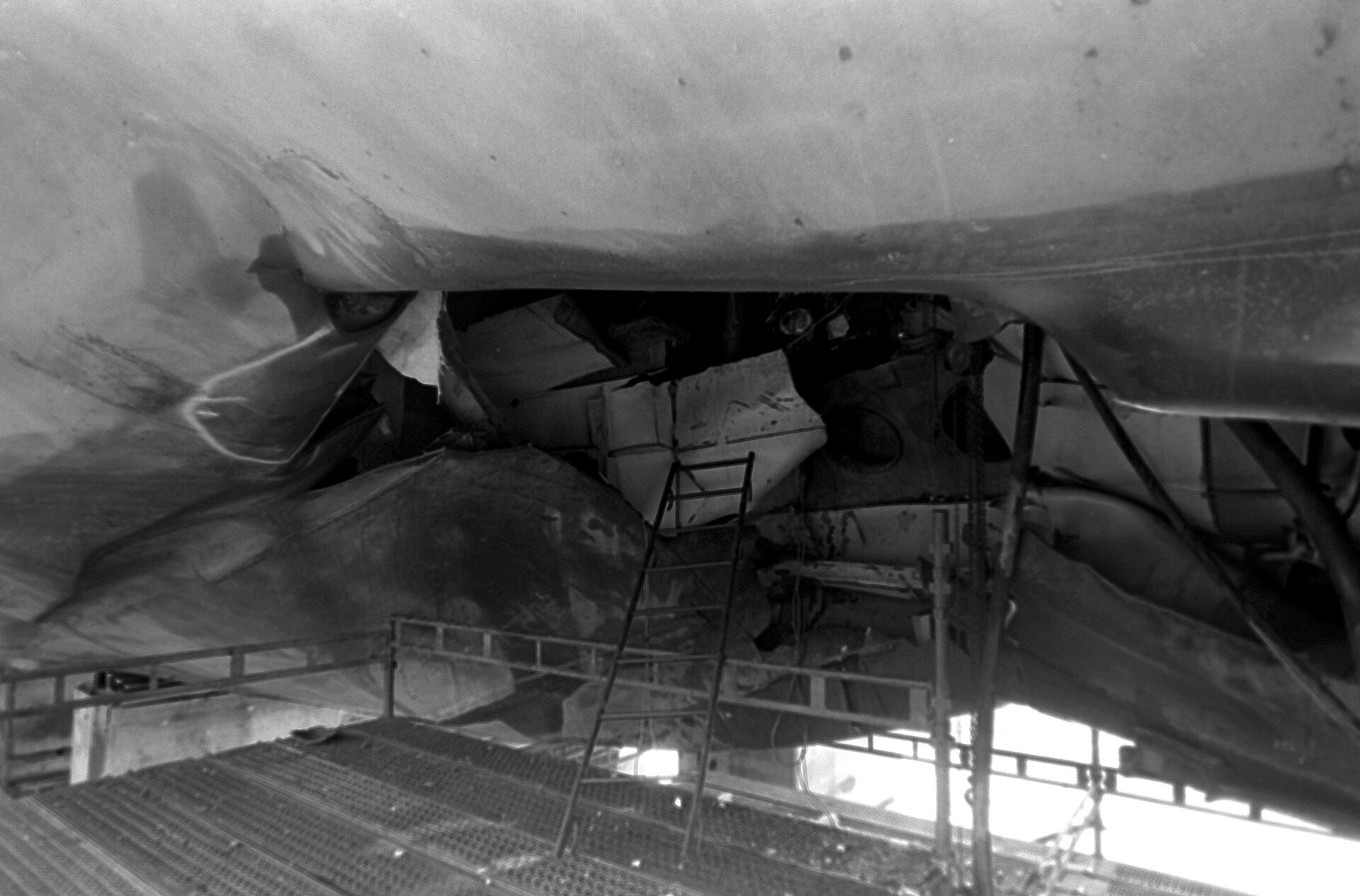
The distinction was not semantic; it was architectural. Saudi Arabia’s non-endorsement of Earnest Will as a named operation allowed Riyadh to maintain diplomatic channels with Tehran — channels that would matter when the war ended and the Gulf states needed to reconstruct a regional order. The Kingdom participated in the strategic objective (containing Iran, keeping oil flowing) without attaching its name to the tactical instrument (American warships escorting reflagged Kuwaiti tankers through mined waters). When the USS Samuel B. Roberts struck an Iranian mine on April 14, 1988, and the US retaliated with Operation Praying Mantis — sinking half of Iran’s operational navy in a single afternoon — Saudi Arabia was strategically insulated from the escalation because it had never endorsed the convoy operation by name.
MBS appears to be running the same play in 2026, with one material difference: the Kingdom is no longer a secondary actor relying on American military power to protect shipping it cannot protect itself. Saudi Arabia has rerouted approximately four million barrels per day through the East-West Pipeline to Yanbu, built a diplomatic track through the UN Secretary-General’s good offices framework that Russia and China cannot veto, and is navigating the two-chokepoint trap with a financial cushion that the 1987 Kingdom could not have imagined. The Earnest Will precedent is not a template Riyadh is following by accident; it is a proven architecture of strategic ambiguity that the Kingdom has used before, and it is being deployed again with considerably more power.
The Yanbu Arithmetic — Pain That Pays
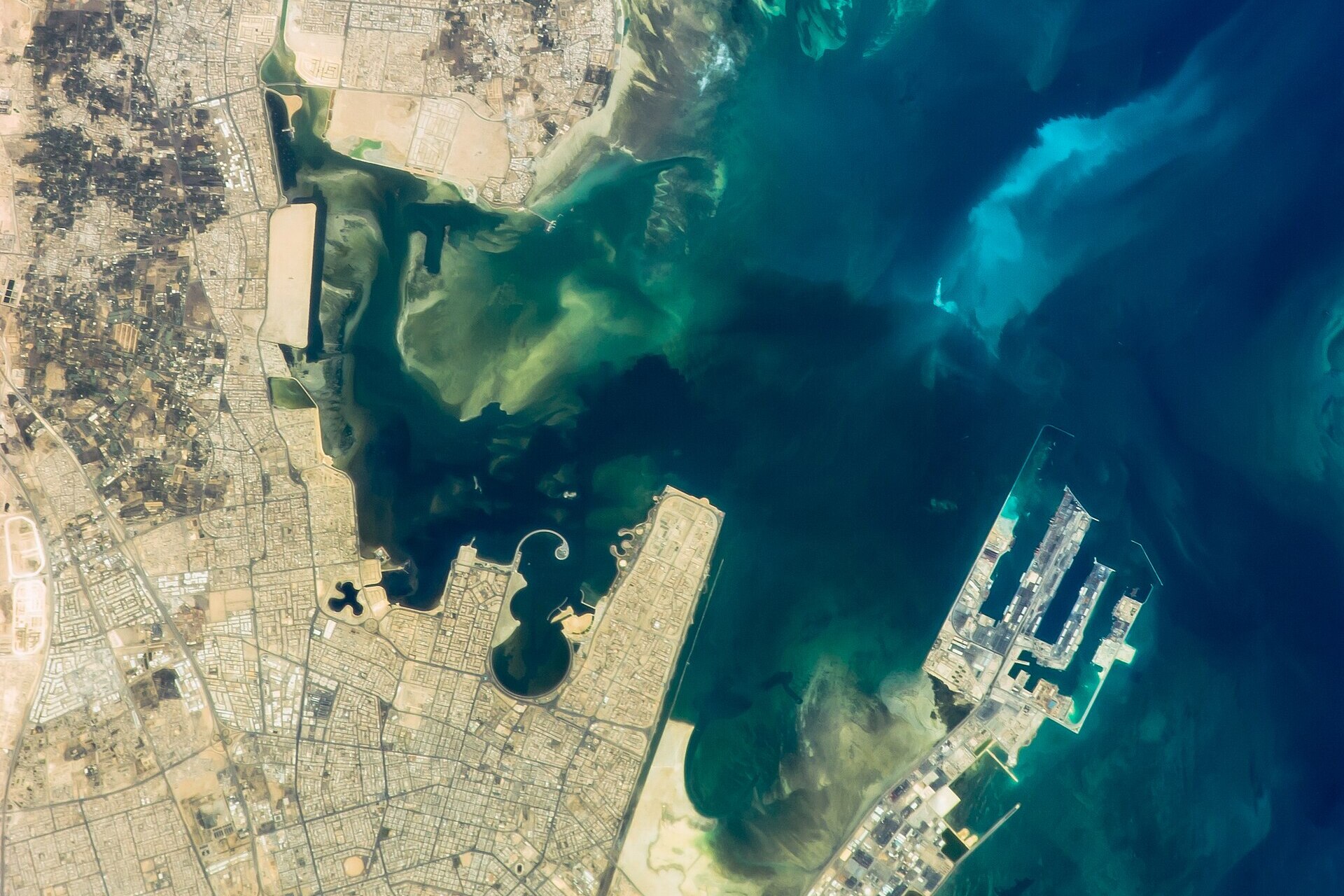
The financial dimension of Saudi Arabia’s non-endorsement is the least discussed and most consequential. Saudi production fell from 10.4 million barrels per day in February to 7.25 million bpd in March — a 30 percent drop that the International Energy Agency called “the largest disruption on record.” The Yanbu pipeline ceiling of approximately 4.5 million bpd against Saudi Arabia’s pre-war Hormuz throughput of approximately 7 million barrels per day leaves a structural gap of around 2.5 million bpd that no amount of pipeline optimisation can close. Asia-bound exports dropped 38.6 percent according to Kpler tracking data. By every volume metric, Saudi Arabia is suffering.
But the volume metrics are not the metrics that matter to the Saudi treasury. Goldman Sachs, cited in Bloomberg’s March reporting, observed that “higher prices more than compensated for lost shipments through the strait.” The arithmetic is stark: Aramco’s Q1 2026 results, due May 10, are expected to show a consensus net income of approximately $29 billion, representing a 57 percent profit surge — on 30 percent less oil. Brent crude has traded between $91 and $115 per barrel since the war began, well above Saudi Arabia’s fiscal breakeven of $108-111 per barrel on a PIF-inclusive basis (Bloomberg’s calculation, which is more conservative than the official $93 figure that excludes sovereign wealth fund spending). Every barrel that does not flow through Hormuz tightens global supply, pushes prices higher, and delivers more revenue per barrel shipped through Yanbu.
This creates a perverse incentive structure that neither coalition has fully reckoned with. A successful reopening of Hormuz — whether by American kinetic force or Anglo-French multilateral escort — would restore global oil supply, collapse the war premium on Brent, and reduce Saudi revenue per barrel at the precise moment the Kingdom is demonstrating that it can sustain its fiscal position without Hormuz access. The production crash and bypass arithmetic that seemed catastrophic in March has become, by May, a demonstration of resilience that enhances Saudi negotiating power. Riyadh is not in a hurry to reopen the strait because the closure is, paradoxically, funding the Kingdom’s ability to wait.
Can the GCC Endorse What Its Largest Member Will Not?
The Decisiveness Summit in Jeddah on April 28 was supposed to project Gulf unity, and in certain respects it did — GCC Secretary General Jasem Al Budaiwi announced that leaders had agreed to “accelerated completion” of the joint early-warning system against ballistic missiles, and the communiqué included collective defence language calibrated to reassure domestic audiences without committing to any specific military operation. But the summit’s most telling signal was an absence: UAE President Mohamed bin Zayed declined to attend in person, sending his foreign minister instead.
MBZ’s absence from a summit hosted by MBS in Jeddah, at the most dangerous moment in Gulf security since 1991, is not a scheduling conflict. The UAE joined Project Freedom on Day 1 with a tanker under US military escort — the only Gulf state to participate — and was immediately punished for it when Iran struck Fujairah hours later. The UAE has been the target of 2,819 Iranian weapons systems since the war began (563 ballistic missiles, 2,256 drones, 26 cruise missiles), has withdrawn from Combined Maritime Forces in 2023, and was never a member of the International Maritime Security Construct that the US and UK co-led from 2019. Abu Dhabi’s unilateral OPEC exit on May 1 further widened the fracture with Riyadh on energy coordination. MBZ’s decision to send a deputy to the Jeddah summit rather than sit across from MBS was a statement that the UAE’s strategic alignment with Washington on Hormuz has already diverged from whatever position Riyadh is holding in reserve.
The GCC cannot endorse a Hormuz reopening architecture that Saudi Arabia — its largest member, its wealthiest member, the state that controls the western approaches to the strait and operates the only viable overland bypass — has declined to endorse. The Decisiveness Summit communiqué’s focus on missile defence rather than maritime operations was Saudi Arabia shaping the collective position through the agenda itself, ensuring that the summit produced defensive commitments (which Riyadh supports) without maritime operational commitments (which would force Riyadh’s hand on the coalition question). The double blockade mechanism — where the US controls the Arabian Sea entry and the IRGC controls the Gulf of Oman exit — means that any escort operation requires navigating both checkpoints, and Saudi Arabia’s non-endorsement ensures that neither checkpoint operator can claim Gulf backing for their position. Riyadh is not simply withholding endorsement from existing frameworks; it is building a parallel one — the four-way Saudi-Turkey-Pakistan-Egypt architecture institutionalised in Ankara on May 6 that gives the Kingdom a security forum answerable to none of the competing coalitions. For a detailed account of how this structural exclusion plays out across the critical May 13–15 window — when Trump’s Riyadh visit and the Beijing summit unfold without Saudi Arabia in any negotiating room — see Seventy-Two Hours in Riyadh: Indispensable, Powerless, and Not in the Room.
How Iran Reads the Silence
Tehran has its own interpretation of Saudi non-endorsement, and it is not the same as Riyadh’s intention. Ebrahim Azizi, chairman of Iran’s parliamentary security committee, declared that “any US interference in Hormuz breaks the April framework” — framing Project Freedom as a ceasefire violation and, by implication, framing any state that endorses Project Freedom as a ceasefire-breaking party. Iran’s selective access regime, which as of May 1 allowed only Iran-linked traffic through Hormuz while ships from five nations (China, Russia, India, Iraq, and Pakistan) received passage, functions as a de facto sovereignty claim that the 12-article Hormuz Sovereignty Law advancing through Iran’s parliament would formalise. Malaysian and Thai vessels have reportedly been granted access after bilateral talks — a system that looks less like a blockade and more like a customs regime administered at gunpoint. That selective-access architecture formed the backdrop for Araghchi’s May 6 visit to Beijing — a diplomatic circuit designed to pre-condition China’s posture before Trump arrives in the same city eight days later.
The IRGC’s operational posture has been consistent since the April declaration of “full authority” over the strait: selective access, dark-AIS enforcement — 176 events recorded on a single day, a 34.4 percent surge, according to Insurance Journal’s May 1 tracking, and a threat architecture that treats the strait as Iranian territorial water regardless of what UNCLOS says about transit passage. The Khatam al-Anbiya Central Headquarters’ blanket threat against “all foreign forces approaching the strait” — issued from the same command that Pakistan’s General Munir visited on April 16 — establishes the IRGC’s position as non-negotiable on force terms. What is negotiable, Tehran has signalled, is the commercial terms: who gets through, at what price, under whose flag.
Saudi silence serves Iran’s narrative in one respect — it prevents the formation of a unified Gulf Arab front backing military action — while undermining it in another: Riyadh’s refusal to engage with the UK-France multilateral framework denies Tehran a post-ceasefire interlocutor that could freeze the strait’s status into a durable international arrangement. Iran’s parliament is racing to codify the selective access regime into domestic law before any multilateral framework can supersede it, and Saudi Arabia’s non-endorsement of the UK-France coalition buys time for that legislative process. Whether MBS intends this consequence or merely accepts it is a question the available evidence cannot answer, but the effect is real: the legitimacy tax falls on both coalitions, and the IRGC’s administrative control of the strait extends with each day that no alternative architecture achieves critical mass.
What Would Break the Veto
Saudi Arabia’s structural veto is durable but not permanent, and there are at least three conditions under which the non-endorsement posture would become unsustainable. The first is a direct IRGC strike on Yanbu — the Red Sea terminal that handles the pipeline-rerouted crude Saudi Arabia depends on while Hormuz remains closed. The Chatham House Saudi strategy paper identified this fear explicitly: a kinetic response to Iranian strikes “could also draw the Houthis more directly into the conflict, threatening Saudi Arabia’s alternative export routes.” If Iran or its proxies demonstrate the ability to close the Yanbu bypass, Saudi Arabia’s financial cushion disappears and the incentive to support forced Hormuz reopening becomes existential rather than optional.
The second trigger is the Aramco Q1 results on May 10. If the consensus holds, it validates the non-endorsement posture financially and may extend it. If the results disappoint, or if the June OSP reset (already signalled at +$3.50 per barrel, a $16 drop from May’s +$19.50 war premium) compresses margins faster than expected, the financial logic inverts. The third condition is diplomatic: if either the US or the UK-France coalition secures a ceasefire framework that requires Saudi participation as a guarantor, Riyadh would need to choose which architecture to anchor — and the price of that participation would be set by the influence accumulated during the period of non-endorsement.
The mine clearance timeline constrains all scenarios. The US decommissioned four Avenger-class mine countermeasure ships from Bahrain in September 2025; only two remain in theatre. The IRGC has re-mined sections of the strait — their own published chart marked standard shipping lanes as a danger zone — and the 1991 Kuwait benchmark suggests 51 days minimum to clear 200 square miles of mined water. Even a successful ceasefire would not produce navigable shipping lanes for nearly two months, during which time the UK-France coalition would remain unactivated and Project Freedom would face the ongoing mine threat that sank the Roberts in 1988. Saudi Arabia’s veto operates comfortably within this timeline: the strait cannot physically reopen quickly regardless of which architecture prevails, and Riyadh’s non-endorsement costs nothing in the interim.
| Trigger | Effect on Saudi posture | Likelihood |
|---|---|---|
| IRGC / Houthi strike on Yanbu terminal | Eliminates bypass cushion; forces endorsement of kinetic reopening | Low-medium (Houthi Red Sea activity rising) |
| Aramco Q1 miss (May 10 results) | Undermines financial logic of non-endorsement | Low (consensus: $29B, +57%) |
| Ceasefire requiring Saudi guarantor role | Forces coalition choice; sets price of participation | Medium (diplomatic tracks active) |
| Second Gulf state joins Project Freedom | Reduces Saudi veto power if critical mass forms without Riyadh | Low (no Gulf state signalled intent) |
| Iran strikes Saudi territory directly | Domestic pressure overwhelms strategic ambiguity | Medium (Ras Tanura already hit March) |
The deepest structural factor is one the competing coalitions have not publicly addressed: Saudi Arabia has been building its own Hormuz diplomacy track through the UN Secretary-General’s good offices framework — a mechanism that Russia and China cannot veto because it operates outside the Security Council. If this third track produces a diplomatic reopening framework before either coalition achieves operational success, Saudi Arabia would emerge as the architect of Hormuz’s future rather than a participant in someone else’s design. The veto is not just buying time; it is buying space for a Saudi-shaped alternative that neither Washington’s warships nor London’s multilateral communiqués have accounted for.
What MBS has constructed — through deliberate non-action dressed as caution — is a position from which Saudi Arabia extracts concessions from both coalitions as the price of eventual participation, maintains financial benefit from the closure’s price effects, preserves diplomatic channels with Tehran that endorsing either military framework would sever, and retains the option to emerge as the Hormuz settlement’s architect rather than its endorser. The Yemen scar tissue that Chatham House identified is real, but it has produced something more sophisticated than reluctance: a strategy in which doing nothing is the most powerful thing Riyadh can do, and in which the silence itself has become the loudest signal in the Gulf — one that neither coalition has found a way to answer.
Frequently Asked Questions
Has Saudi Arabia formally rejected either the US or UK-France Hormuz coalition?
No. Saudi Arabia has neither endorsed nor formally rejected either framework, and that is the operative mechanism. The Kingdom participated in the GCC Decisiveness Summit on April 28, which endorsed collective missile defence but deliberately excluded any maritime operational commitment. Saudi officials have not made public statements about either Project Freedom or the UK-France coalition, and the Saudi Foreign Ministry’s only related diplomatic activity — a call between the Saudi FM and Araghchi on April 13, the day the US blockade began — suggests Riyadh is maintaining parallel diplomatic channels with Tehran that formal coalition membership would compromise. The International Maritime Security Construct, formed in 2019 as a US-UK joint venture, never included Saudi Arabia as a member — establishing a precedent for Saudi non-participation in Gulf maritime security coalitions that predates the current war.
How many nations have committed forces to each coalition?
Project Freedom launched on May 4 with US forces and one UAE tanker — no other nation has publicly committed military assets. The UK-France framework convened 51 nations at its April summit, of which 36 signed the operational readiness statement and 30-plus sent military planners to the decision brief. The 15-nation gap between summit attendance and signature represents states that wanted diplomatic presence without operational commitment — a pattern common in multilateral coalition-building but one that reduces the framework’s credibility as a deployable force. Neither coalition has published a full list of committed participants, and several European states are understood to be waiting for a ceasefire trigger before committing naval assets that would need to transit Suez or round the Cape.
What is the mine clearance timeline if a ceasefire is reached?
The US Navy’s own 1991 Kuwait benchmark — the most recent large-scale mine clearance operation in the Gulf — required 51 days to clear approximately 200 square miles, and the current threat is likely more complex given the IRGC’s active denial posture since February 28. The two Avenger-class MCM ships remaining in theatre are supplemented by no allied equivalents — Japan’s JMSDF mine countermeasure force is the nearest NATO-comparable capability but is treaty-constrained from overseas combat operations. The Chatham House naval coalition paper estimates six months from ceasefire to fully cleared shipping lanes — a timeline during which insurance premiums would remain elevated and most commercial operators would continue avoiding the strait regardless of military escort availability. That six-month window means the UK-France coalition’s activation trigger would arrive well into the strait’s physical reopening process, not before it.
Could Saudi Arabia join a Hormuz coalition without becoming an Iranian target?
The evidence from May 4 suggests not. The UAE’s participation in Project Freedom with a single tanker was answered within hours by Iranian drone strikes on Fujairah — the UAE’s primary Hormuz-bypass petroleum terminal, 200 kilometres from the strait itself. Iran’s target selection demonstrated that participation in any coalition extends the IRGC’s target set beyond the strait to include the participating nation’s energy infrastructure. Saudi Arabia’s Ras Tanura terminal was already struck in March, and the East-West Pipeline’s pumping stations have been targeted — joining either coalition would elevate Saudi energy infrastructure from an opportunistic Iranian target to a doctrinal one. The Chatham House Saudi strategy paper’s observation that a kinetic Saudi posture “could also draw the Houthis more directly into the conflict” adds a second front: Red Sea and Bab el-Mandeb disruption that would threaten the Yanbu bypass route Saudi Arabia depends on while Hormuz is closed.
Is Saudi Arabia’s non-endorsement posture historically unprecedented?
No — it closely mirrors the Kingdom’s approach during Operation Earnest Will from 1987 to 1988, the last time a US naval convoy forced transit through the Persian Gulf. Saudi Arabia financed Iraq’s war effort against Iran and supported UN Security Council Resolution 598, but never publicly endorsed the specific American escort operation by name. When the USS Samuel B. Roberts struck an Iranian mine and the US retaliated by sinking half of Iran’s operational navy in Operation Praying Mantis, Saudi Arabia was strategically insulated because it had maintained the distinction between supporting the strategic objective and endorsing the tactical instrument. The 2026 posture replicates this architecture with greater Saudi bargaining power — the Kingdom now controls the only viable overland bypass route and has demonstrated fiscal sustainability without Hormuz access, advantages it did not possess in 1987.
Project Freedom’s May 4 debut demonstrated exactly how fragile that insulation remains: the two US destroyers transited without a single commercial vessel following, and Iran used the operation to advance its Hormuz sovereignty law through committee — the same dynamic the 1987 analogy predicted. For analysis of why the mechanism backfired on day one, see Project Freedom Made Hormuz Harder to Open.
Why Iran chose to surface the rejected proposal publicly — turning Washington’s refusal of the “Hormuz first” sequencing into a narrative instrument aimed at Gulf mediators — is the subject of Iran Told Everyone Washington Rejected the Hormuz Deal — Because the Rejection Was the Product.
Riyadh’s structural exclusion from the Beijing channel — where Araghchi set Wang Yi’s terms on Hormuz and Gulf security architecture before Trump’s May 14-15 visit — is the subject of Araghchi Went to Beijing to Write Trump’s Talking Points Before Riyadh Got the Memo. The Saudi Arabia costs of that exclusion — the thirty-day MOU window measured against the six-month mine-clearance reality that no bilateral can compress — are the subject of Thirty Days, Six Months, and No Seat at the Table.