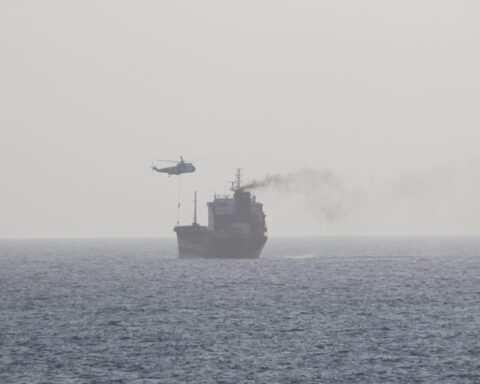
DUBAI — On May 8, 2026 — the day Iran’s formal response to the 14-point ceasefire memorandum of understanding was due to reach Pakistani intermediaries — both sides answered with ships. Iran’s Army Navy seized the M/V Ocean Koi in the Sea of Oman under a Supreme National Security Council decision and a judicial order. Hours later, an F/A-18 Super Hornet from the USS George H.W. Bush struck the smokestacks of two Iranian-flagged tankers, the M/T Sea Star III and the M/T Sea Sevda, disabling both before they could reach an Iranian port.
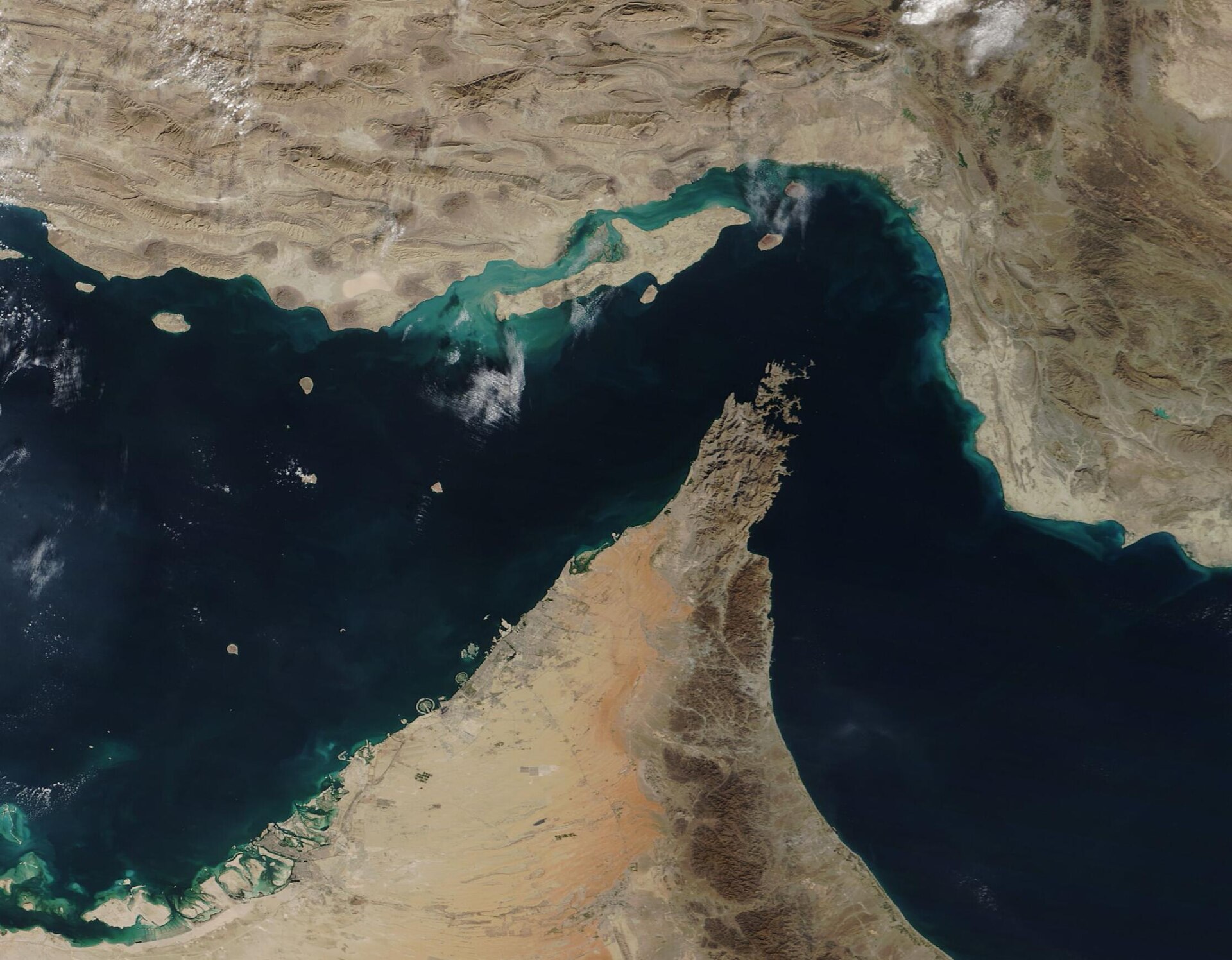
Three acts of maritime coercion on deadline day. Hormuz transit stands at roughly 3.6 percent of its pre-conflict baseline — five to six vessels per day against a historical norm of more than 130. CENTCOM’s blockade enforcement resumed after a 72-hour pause with precision strikes on two Iranian tankers. Iran’s Army Navy seized a US-sanctioned vessel carrying Iranian oil — a combination that makes no sense as a cargo dispute and perfect sense as a jurisdiction claim. Pakistani intermediaries are still waiting for the written response.
Table of Contents
- Three Acts in the Sea of Oman
- Why Did Iran Seize a Ship Carrying Its Own Oil?
- The Army Navy Seized the Ship While the IRGC Navy Remains Headless
- What Did the 72-Hour Project Freedom Pause Produce?
- Two Legal Systems Built at Sea
- How Did the Original Tanker War End?
- Riyadh Watches from Shore
- What Does 3.6 Percent of Normal Transit Mean for Global Shipping?
- What the MOU Inherits
- Frequently Asked Questions
Three Acts in the Sea of Oman
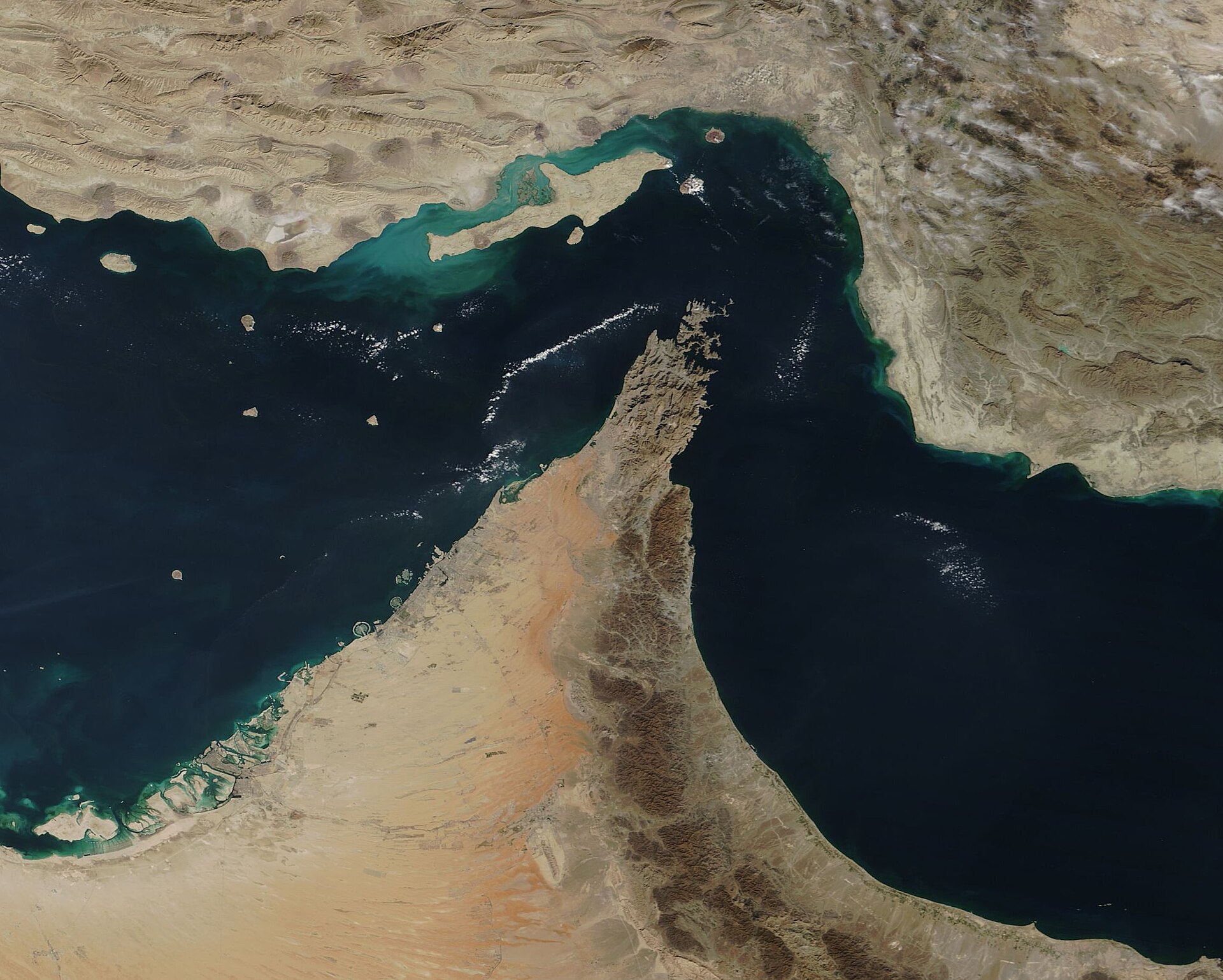
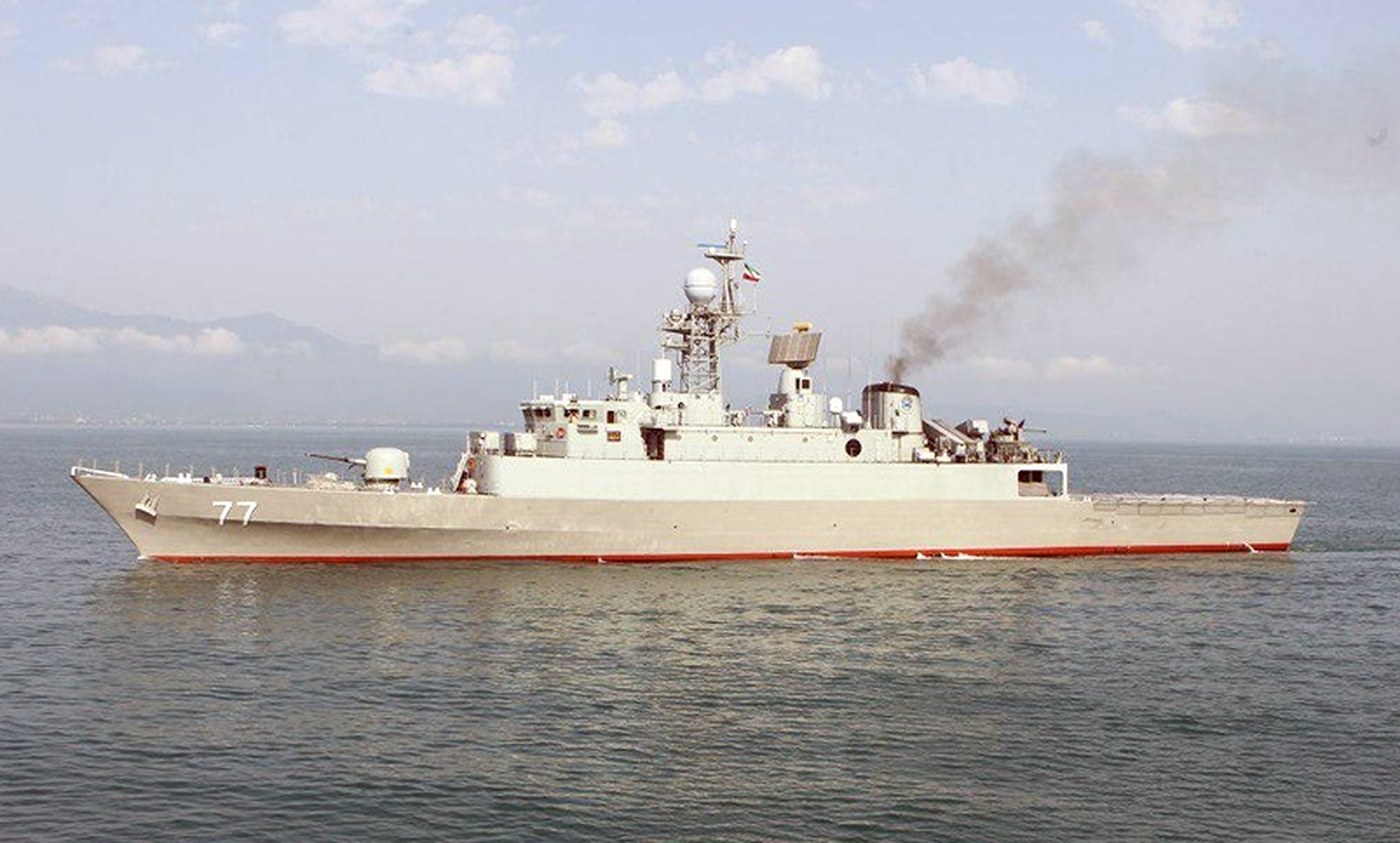
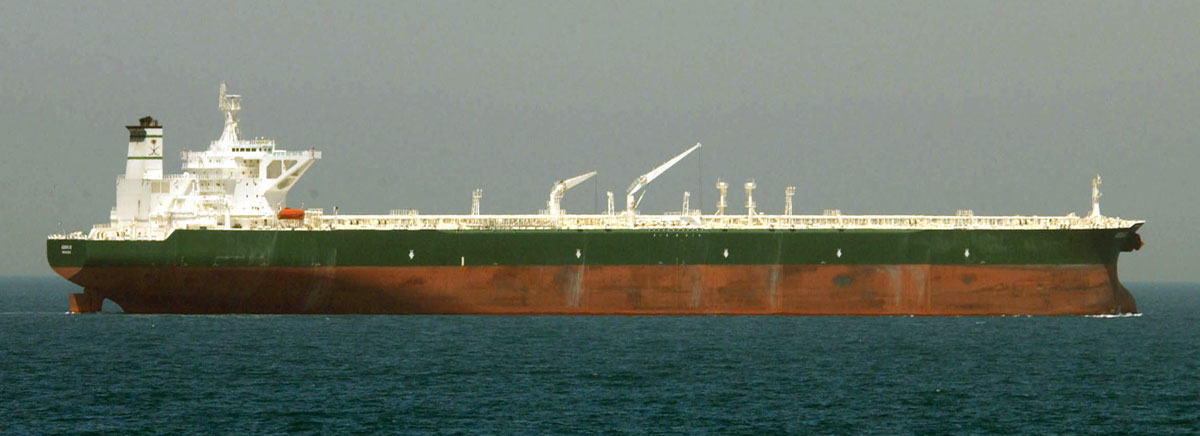
Iran struck first. Early on May 8, the Navy of the Islamic Republic of Iran — the regular military’s naval branch, not the Islamic Revolutionary Guard Corps — intercepted the M/V Ocean Koi in the Sea of Oman. IRGC naval commandos and marines boarded the 228-meter, 72,768-deadweight-ton tanker and guided it to Iran’s southern coast, where it was transferred to judicial authorities. Tasnim News Agency described the vessel as a “violating tanker” carrying “a cargo of Iranian oil.”
The Ocean Koi (IMO 9255933), also known as the JIN LI, is Chinese-owned and operated by Ocean Kudos Shipping Co. of Shanghai. The US Treasury sanctioned the vessel in February 2026, designating it as part of Iran’s shadow fleet — a network that had carried “millions of barrels of Iranian fuel oil” since 2020. Barbados de-registered the ship after the sanctions designation. According to maritime intelligence firm Windward AI, the Ocean Koi was operating under a false flag at the moment of seizure.
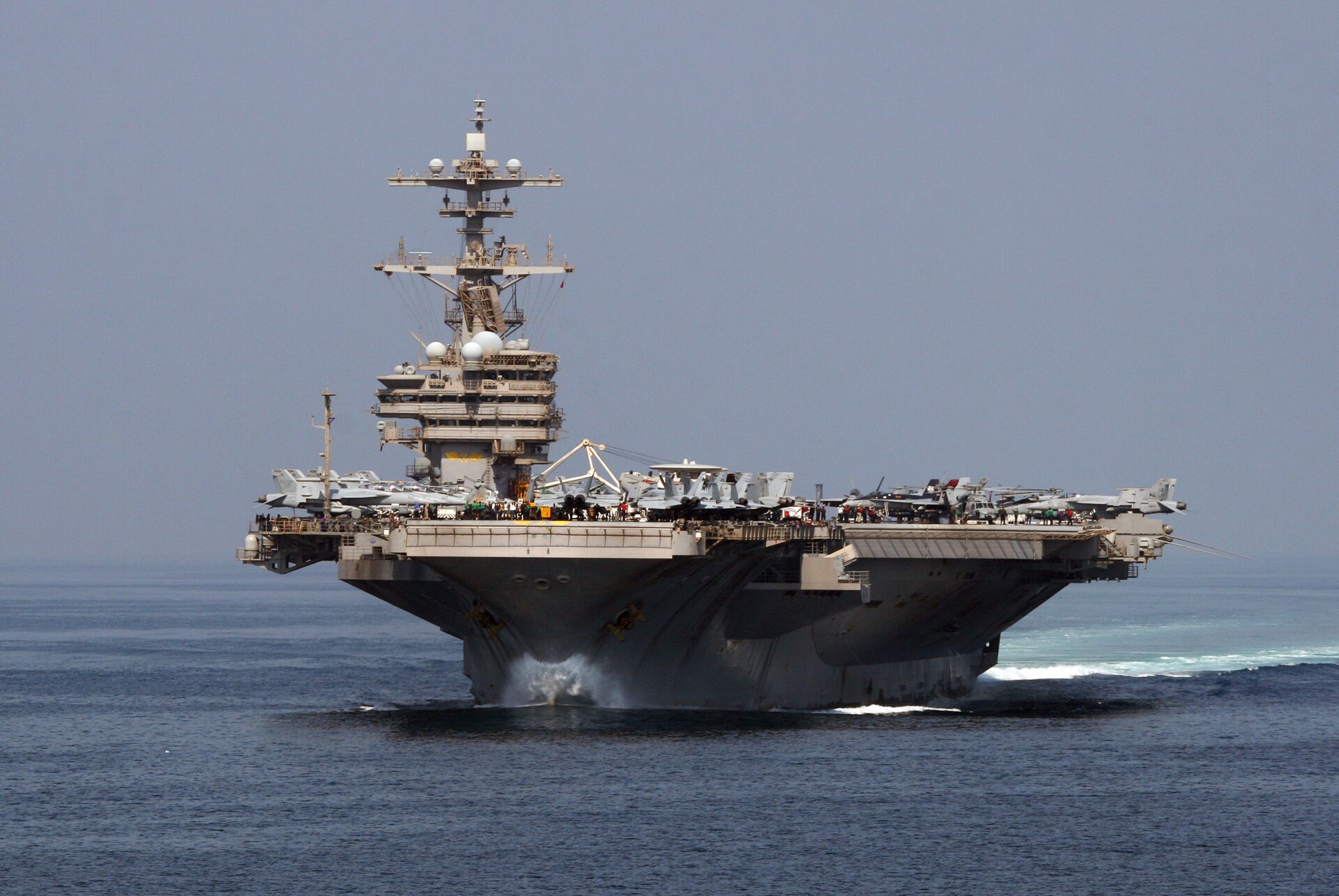
The American response came within hours. A single F/A-18 Super Hornet launched from the USS George H.W. Bush (CVN-77) struck the smokestacks of the M/T Sea Star III and the M/T Sea Sevda — both Iranian-flagged tankers attempting to enter an Iranian port on the Gulf of Oman in violation of the US blockade. CENTCOM released unclassified video of the precision strikes. Both vessels were disabled, bringing the total to four ships taken out of service under Operation Project Freedom.
Admiral Brad Cooper, the CENTCOM commander, stated: “U.S. forces in the Middle East remain committed to full enforcement of the blockade of vessels entering or leaving Iran.” The same day, CNN reported that US officials “hoped for a serious offer from Iran” on the MOU framework. CENTCOM’s updated ledger as of May 8: 57 commercial vessels redirected, 4 disabled, more than 70 tankers currently prevented from entering or leaving Iranian ports, combined capacity exceeding 166 million barrels worth an estimated $13 billion.
The Middle East briefing 3,000+ readers start their day with.
One email. Every weekday morning. Free.
Iranian Foreign Minister Abbas Araghchi responded publicly: “Every time a diplomatic solution is on the table, the U.S. opts for a reckless military adventure.” He issued this statement hours after Iran’s own Navy had seized the Ocean Koi in the Sea of Oman.
Why Did Iran Seize a Ship Carrying Its Own Oil?
Iran forfeited a working sanctions-evasion asset it had relied on for years, seizing the Ocean Koi on MOU deadline day under judicial authority rather than allowing a US-designated vessel to continue carrying Iranian crude within a sanctions framework it formally rejects. The operation followed the SNSC-plus-judicial-order formula applied to every Iranian maritime seizure since 2019.
Iran’s stated justification — that the Ocean Koi was “attempting to disrupt Iran’s oil exports and harm the interests of the Iranian nation” — reads as absurd on its face. The ship was carrying Iranian oil. But the vessel itself operated under a US sanctions designation, flew a false flag after Barbados stripped its registration, and moved within a commercial architecture defined by OFAC enforcement. The US Treasury’s February 2026 action specifically named it as part of a network carrying “millions of barrels of Iranian fuel oil” since 2020.
Tasnim’s language is precise. The state news agency called the Ocean Koi a “violating tanker” — the violation being not the cargo but the vessel’s existence within a sanctions-evasion network operating outside Iranian state control, under commercial terms set by the power whose blockade Iran rejects. The same legal apparatus has now processed seven vessels through Iranian civilian courts: the Stena Impero (2019), two Greek tankers (2022), the Advantage Sweet (2023), the St. Nikolas (2024), and the MSC Francesca and Epaminondas in late April 2026.
The timing converts the seizure from a law-enforcement action into something else entirely. Iran’s response to the 14-point framework — which includes a 30-day negotiation window on Hormuz opening, nuclear limits, and sanctions relief — was expected between May 7 and May 9. Both navies spent deadline day with physical acts of maritime coercion — one seizure, two smokestack strikes — while Pakistani intermediaries waited for a written text that never arrived.
The Army Navy Seized the Ship While the IRGC Navy Remains Headless
Every prior Iranian ship seizure during the 2026 conflict — the MSC Francesca (11,660 TEU, Liberia-flagged) and the Epaminondas (6,690 TEU, Panama-flagged), both taken in late April — was conducted under IRGC naval authority. The pattern extends back years: the Stena Impero, the Greek tankers, the Advantage Sweet, the St. Nikolas. In each case, IRGC Navy forces boarded, IRGC-aligned media announced, and the judiciary processed the vessel through civilian courts.
The Ocean Koi broke the pattern. The operation was attributed to the Navy of the Islamic Republic of Iran — the Artesh, the regular military’s naval branch, which reports through the Ministry of Defense to the president. IRGC commandos and marines participated in the boarding and guided the vessel to shore, but the operation itself was conducted under Army Navy authority. Both Tasnim and IranPress framed it as a regular military operation.
The most straightforward explanation is structural. Rear Admiral Alireza Tangsiri, the IRGC Navy commander, was killed on March 30. Forty days later, no named successor has been announced. The IRGC Navy remains operational — its forces participated in the Ocean Koi boarding — but its command structure is headless at the top. A high-profile seizure on MOU deadline day requires a chain of command that can authorize and execute on a political timeline. No named commander has been installed to authorize it.
There is a second dimension. President Pezeshkian publicly accused SNSC Secretary Ahmadian’s deputy Vahidi and Khatam al-Anbiya commander Abdollahi on April 4 of wrecking the ceasefire — an extraordinary public breach between the elected government and the IRGC command structure. The Ocean Koi seizure was conducted through the Army Navy, which reports to the president, not the IRGC, which does not. Whatever else this means, Pezeshkian’s chain of command executed the operation — not the chain he publicly accused of sabotaging diplomacy.
What Did the 72-Hour Project Freedom Pause Produce?
Nothing visible. Operation Project Freedom launched May 4, paused May 5 after President Trump cited diplomatic progress, and resumed May 8 with the smokestack strikes on Sea Star III and Sea Sevda. The pause lasted fewer than 72 hours and produced no publicly disclosed Iranian concession and no MOU response.
The sequence itself is the signal. Washington suspended coercion — a tangible concession, because every hour the blockade lifts allows Iranian oil to move. The MOU framework was on the table. Iran’s response window was open. The pause created space for a written answer. None came. When enforcement resumed, it came not as another vessel redirection — the lowest rung on the ladder — but as precision strikes that disabled two tankers’ propulsion systems. Through the pause, CENTCOM’s primary instrument had been vessel redirections — 57 in total. After the pause, it disabled two more.
The defense analysis outlet The Intel Drop wrote on May 7 — one day before the strikes — that “coercion is not based on pressure alone, but on a balance between a credible threat and a credible path to compliance. The targeted party needs an exit strategy that it can pursue without incurring unacceptable political costs.” The pause was, in those terms, an offered exit. The smokestack strikes closed it.
The launch-pause-resume cycle establishes something specific for the MOU framework. If a pause of this length produces no diplomatic movement, future pauses — if they occur — will carry a shorter fuse and a higher resumption cost. The pattern of escalation on or near MOU deadlines is now visible on both sides of the strait. Iran seized a vessel. The US struck two. Both acted on deadline day.
Two Legal Systems Built at Sea
Both sides are constructing legal architectures in real time, each designed to legitimize coercive acts already underway. Neither framework recognizes the other. The MOU is supposed to bridge them. On deadline day, both sides were still building.
Iran’s architecture rests on three pillars. First, the SNSC-plus-judicial-order formula — a bureaucratic protocol that routes every seizure through civilian courts, distinguishing it (in Iran’s framing) from piracy. Second, Iran’s persistent objection to UNCLOS transit passage. Iran is not a party to the convention and argues that a regime of “innocent passage” — not transit passage — applies to the Strait of Hormuz, granting it broader authority as a coastal state to supervise, condition, and restrict traffic on security grounds. Chatham House noted in April 2026 that Iran “seeks to evade its UNCLOS transit passage obligation on grounds it is not a party and persistently objects to the regime as binding customary law.” Third, the Iranian parliament is advancing a 12-article Hormuz sovereignty law that would codify these claims in domestic statute — converting operational practice into permanent legislation.
The American architecture draws from different sources. CENTCOM frames every disabled vessel and every redirection as “blockade enforcement” — language that implies belligerent rights under the law of naval warfare. UN Security Council Resolution 2817, passed March 11, 2026, explicitly condemned “any action or threat by Iran aimed at closing, obstructing, or interfering with international navigation through the Strait of Hormuz.” The San Remo Manual on International Law Applicable to Armed Conflicts at Sea permits belligerents to capture enemy merchant vessels as prize and to intercept, visit, search, and divert neutral vessels under strictly limited circumstances. Opinio Juris observed on May 6 that “attacks against merchant vessels, whether enemy or neutral, are difficult to reconcile with customary international law, although enemy vessels may be captured as prize.”
The gap between these two systems is precisely what the MOU’s 30-day negotiation window is meant to close. Iran demands recognition of its sovereign regulatory authority over Hormuz as a precondition for talks on reopening. The US demands full reopening of transit before discussing any other issue. On May 8, Iran exercised sovereign seizure authority over the Ocean Koi while the US exercised blockade enforcement authority over Sea Star III and Sea Sevda. Each act reinforced the legal position that the other side has named as its precondition for entering negotiations.
How Did the Original Tanker War End?
The 1984-88 Tanker War ran for four years and ended not through a maritime agreement but because Iran accepted UN Security Council Resolution 598 in July 1988 after military exhaustion. No separate maritime deal resolved the tanker attacks — the underlying Iran-Iraq War ended, and the tanker campaign ended with it.
The parallels are structural. Iraq began attacking Iran’s Kharg Island oil terminal in 1984. Iran retaliated by hitting Kuwaiti tankers — a third party — beginning May 13, 1984. The United States entered with Operation Earnest Will in July 1987, the largest naval convoy operation since World War II, reflagging 11 Kuwaiti tankers under the US flag. For four years, the maritime dimension of the war was instrumental — a means of imposing economic pressure in service of broader war aims, not an independent dispute with its own resolution.
The legal precedent that shadows every CENTCOM smokestack strike sits in the International Court of Justice. In the Oil Platforms case (2003), the ICJ ruled that US strikes on Iranian oil platforms in October 1987 and April 1988 could not be “justified as measures necessary to protect the essential security interests of the United States.” The United States is again striking Iranian-linked maritime assets, again citing essential security and freedom of navigation, and again operating without a formal declaration of war against Iran.
The original Tanker War also produced the physical legacy that constrains today’s operations. Iran mined the Gulf extensively in the 1980s; the USS Samuel B. Roberts struck an Iranian mine in April 1988 and nearly sank. The current IRGC mine chart — published between February and April 2026, marking standard shipping lanes as a danger zone — reprises the tactic with updated geography. But the US mine countermeasures fleet is smaller than it was in 1988. The four Avenger-class MCM ships based at Naval Support Activity Bahrain were decommissioned in September 2025, leaving two in theater. Post-conflict mine clearance of a 200-square-mile area will begin whenever it begins — with half the assets available during the last Tanker War.
The pressure on NSA Bahrain extends beyond physical infrastructure. Iran’s parliamentary security commission has warned Bahrain directly that co-sponsoring the US-backed UNSC Hormuz resolution would close the strait to Bahraini vessels “forever” — a threat issued four days before Trump’s Riyadh arrival and designed to isolate the Fifth Fleet base from its host nation’s political support. The full scope of Iran’s selective denial strategy and the Azizi warning are examined here.
Riyadh Watches from Shore
Saudi Arabia’s export recovery depends on which navy yields first at Hormuz. Riyadh has no seat at either table where that decision is being made — not in CENTCOM’s blockade enforcement chain, not in the SNSC’s seizure authorization process, not at the Islamabad bilateral where the MOU terms are being negotiated. The Kingdom is the conflict’s largest economic casualty and its least consulted stakeholder.
The fiscal damage is already measured. Saudi production crashed from 10.4 million barrels per day in February to 7.25 million in March — a 30 percent drop that the International Energy Agency called part of “the largest disruption on record.” The East-West Pipeline bypass through Yanbu carries a loading ceiling of 4 to 5.9 million bpd against a pipeline design capacity of 7 million and pre-war Hormuz throughput of 7 to 7.5 million. The structural gap — at least 1.1 million bpd that cannot reach any market without Hormuz — is a physical constraint that no diplomatic framework alters.
| Saudi Fiscal Indicator | Figure | Source |
|---|---|---|
| Q1 2026 deficit | SR 125.7 billion (~$33.5B) | MOF |
| March production | 7.25M bpd (vs. 10.4M Feb) | IEA |
| Yanbu loading ceiling | 4–5.9M bpd | Aramco operational data |
| Pre-war Hormuz throughput | 7–7.5M bpd | IEA / OPEC |
| Fiscal breakeven (PIF-inclusive) | $108–111/bbl | Bloomberg |
| May OSP (war premium) | +$19.50/bbl | Aramco |
| June OSP (revised) | +$3.50/bbl | Aramco |
| OSP reset magnitude | –$16/bbl from May | Aramco |
The June official selling price revision tells the story the production numbers cannot. A $16-per-barrel reset from May’s war premium is Aramco’s pricing concession to a market that can see the bypass strategy’s limits. The fiscal breakeven, estimated by Bloomberg at $108 to $111 per barrel when PIF spending is included, sits above current Brent levels in the low-to-mid $90s. The Q1 deficit of SR125.7 billion — roughly $33.5 billion — already exceeds the government’s full-year budget projection of SR44 billion.
Saudi Arabia and Kuwait restored US basing access in recent weeks, enabling the blockade enforcement infrastructure that CENTCOM uses to disable tankers in the Gulf of Oman. Riyadh provides the physical platform for a coercion campaign whose tempo and targets it does not choose. The Kingdom’s exit from this position depends on the MOU producing a Hormuz reopening timeline — a timeline being set by acts at sea over which Saudi Arabia has zero operational input. On May 8, the day that timeline was supposed to advance, both navies were firing.
What Does 3.6 Percent of Normal Transit Mean for Global Shipping?
Hormuz recorded five to six vessel transits per day on May 3-4, according to the Albany Antree war-risk insurance update — against a pre-conflict daily average of roughly 138 vessels. That is a 96 percent reduction. IEA Director Fatih Birol described the combined disruption — 13 million barrels per day offline — as “the biggest energy security threat in history.”
The insurance architecture has collapsed alongside the transit numbers. War-risk premiums surged from a pre-conflict average of approximately 0.25 percent of vessel value to 3 to 8 percent per transit by May 2026 — a 12-fold to 32-fold increase. For a large tanker valued at $100 million, a single Hormuz crossing now costs $3 to $8 million in war-risk insurance alone. The International Group of P&I Clubs, covering 90 percent of the world’s ocean-going tonnage, voided existing war-risk coverage effective midnight March 5, 2026. Vessels transiting without replacement coverage carry uninsured hull, cargo, and liability risk.
| Hormuz / Shipping Metric | Current (May 2026) | Pre-Conflict Baseline |
|---|---|---|
| Daily vessel transits | 5–6 | ~138 |
| War-risk premium (% of vessel value) | 3–8% | ~0.25% |
| Cost per tanker transit (war-risk only) | $3–8 million | ~$250,000 |
| Iranian oil blockaded | 166M+ barrels ($13B+) | N/A |
| Vessels redirected by CENTCOM | 57 | N/A |
| Vessels disabled by CENTCOM | 4 | N/A |
| Mariners trapped in Gulf | 22,500+ | N/A |
| Mine countermeasures ships in theater | 2 | 4 (decommissioned Sep 2025) |
The 22,500 mariners trapped in the Gulf aboard vessels that can neither transit Hormuz nor leave the Persian Gulf basin represent the human dimension of a chokepoint that has been reduced to a legal and military argument between two navies. Many serve on de-flagged or sanctioned vessels — ships that exist in a jurisdictional void where flag-state obligations under international maritime labor conventions have effectively dissolved. Neither the 14-point MOU framework nor UNSCR 2817 includes provisions for their repatriation.
What the MOU Inherits
The 14-point MOU framework — a declared end of war, a 30-day negotiation window on Hormuz opening, nuclear limits, sanctions lifting — was structured as a mutual de-escalation roadmap. It assumed both sides would suspend coercive operations while negotiating the terms of their cessation. May 8 demonstrated that neither side shares this assumption.
Iran’s seizure of the Ocean Koi asserted sovereign judicial authority over vessels in the Sea of Oman. The US strikes on Sea Star III and Sea Sevda reasserted total blockade enforcement after the pause that produced no reciprocal movement. Each act was calibrated: Iran used its regular Navy and civilian courts rather than IRGC gunboats, signaling bureaucratic legitimacy; the US struck smokestacks to disable propulsion without sinking, demonstrating graduated force within a defined escalation ladder. Both acts were designed to be repeatable, and both were defensible within each side’s legal framework — frameworks that contradict each other at every point.
“Every time a diplomatic solution is on the table, the U.S. opts for a reckless military adventure.” — Iranian FM Abbas Araghchi, May 8, 2026, hours after Iran’s own Navy seized the Ocean Koi
The sequencing problem sits at the center of any framework that emerges. Which navy stands down first? The MOU’s 30-day window calls for Iran to lift transit restrictions and the US to lift its port blockade, but names no order of operations. On May 8, both sides demonstrated — physically, at sea, with disabled and seized vessels — exactly what they require from the other before yielding anything. As of May 9, CENTCOM’s blockade remains in full enforcement. Iran’s Army Navy has not released the Ocean Koi. The 14-point MOU awaits a written response that three ships have, in operational terms, already provided.
Frequently Asked Questions
How many ships has Iran seized during the 2026 conflict?
Three confirmed: the MSC Francesca (11,660 TEU, Liberia-flagged container ship), the Epaminondas (6,690 TEU, Panama-flagged), both seized approximately April 22, and the Ocean Koi (72,768 DWT, Chinese-owned tanker) on May 8. The container vessel seizures were distinctive because Iran had previously focused almost exclusively on tankers — expanding interdiction to container shipping signaled that non-oil trade through the strait was also subject to Iranian judicial authority. All three followed the SNSC-plus-judicial-order protocol, and all three were processed through civilian courts rather than military tribunals.
What is Operation Project Freedom?
Operation Project Freedom is the designated campaign name for the US naval blockade enforcement operation targeting Iranian ports, launched May 4, 2026. The naming convention — echoing Operation Iraqi Freedom (2003) and Operation Enduring Freedom (2001) — frames the blockade as a liberation and freedom-of-navigation campaign rather than an embargo or siege. Its most distinctive operational feature to date is the launch-pause-resume cycle: launched May 4, paused May 5 “by mutual agreement,” resumed May 8 with escalated force. The operation is distinct from the broader CENTCOM naval presence in the region, which predates the conflict.
Does the US have legal authority to disable civilian tankers?
CENTCOM invokes “blockade enforcement” — language implying belligerent rights under the law of naval warfare — supported by UNSCR 2817, which condemned Iranian interference with Hormuz navigation. The San Remo Manual (1994) permits belligerents to capture enemy merchant vessels and to intercept neutral vessels under specific conditions. However, because the United States has not issued a formal declaration of war or a formal blockade declaration — which would require notification to all states, impartial application, and demonstrated effectiveness — some legal scholars argue the enforcement actions occupy a grey zone between blockade law and embargo enforcement, with different constraints on the use of force against neutral shipping.
What happens to the 22,500 mariners trapped on blockaded vessels?
The Maritime Labour Convention of 2006 requires flag states to repatriate crew, but many blockaded vessels — particularly those in Iran’s shadow fleet — have been de-flagged or operate under flags of convenience from states with limited enforcement capacity. The largest crew contingents are from the Philippines, India, and Pakistan — countries whose consular access to the conflict zone is constrained by both the US blockade’s exclusion zones and Iran’s transit restrictions. Neither the 14-point MOU framework nor UNSCR 2817 includes provisions for crew repatriation or humanitarian access to stranded vessels. The International Transport Workers’ Federation has called the situation “the largest maritime labor crisis since the Suez Canal blockage of 2021” — but that crisis lasted six days, not ten weeks.