
JEDDAH — Houthi forces struck two commercial vessels in the Gulf of Aden on June 8-9, 2026, in the first kinetic enforcement of a “complete and total ban” on Israeli maritime navigation that Houthi military spokesman Yahya Saree declared in a televised address hours earlier on June 8.
Neither vessel was Israeli-flagged. Both were targeted because their operating companies had made port calls in Israel — a distinction that extends Houthi interdiction from flag-state logic to corporate-level beneficial ownership. For Saudi Arabia, the enforcement carries specific consequences: Yanbu, the kingdom’s primary Red Sea export terminal, was handling 7.2 million barrels per day in April 2026 after Hormuz closures shifted Saudi export volumes westward, and 70-75% of that crude transits Bab el-Mandeb, the chokepoint where Houthi forces now operate with demonstrated precision and reach.
Table of Contents
The Strikes: Tavvishi and Norderney
M/V Tavvishi, a Liberian-flagged, Swiss-owned and operated container ship with 5,900 TEU capacity, was hit by an anti-ship ballistic missile approximately 70 miles southwest of Aden shortly before midnight on June 8. A coalition warship intercepted and destroyed one of two missiles targeting the vessel. The other struck it. Tavvishi sustained damage and proceeded to Djibouti under its own power, according to US military confirmation reported by the Times of Israel and MarineLink.
M/V Norderney, an Antigua and Barbuda-flagged, German-operated cargo vessel of 5,700 deadweight tonnes, was sailing from Jawaharlal Nehru Port in India to Djibouti when it was struck by both an anti-ship ballistic missile and an anti-ship cruise missile on the night of June 8-9. It also sustained damage and continued, per the same US military confirmation reported by the Express Tribune. India — which receives the largest share of Saudi Arabia’s Yanbu crude exports — subsequently filed a formal diplomatic protest over US maritime enforcement operations in the Gulf of Oman that placed Indian-origin cargo at risk: why Saudi Arabia could not support New Delhi’s demarche is a consequence of the same security guarantee that locked Riyadh into silence on the Red Sea.
US Central Command separately confirmed that American forces destroyed one unmanned aerial system over the Gulf of Aden and two Houthi land-attack cruise missiles plus one missile launcher on June 9, according to a CENTCOM statement reported by GlobalSecurity.org.
| Vessel | Flag | Operator | Type / Size | Weapons Used | Outcome |
|---|---|---|---|---|---|
| M/V Tavvishi | Liberia | Swiss | Container / 5,900 TEU | 2× ASBM (1 intercepted) | Damaged, proceeded to Djibouti |
| M/V Norderney | Antigua & Barbuda | German | Cargo / 5,700 dwt | 1× ASBM + 1× ASCM | Damaged, continued |
Saree, in a follow-up statement on June 9, said both were targeted because their operating companies “violated the decision to ban access to the ports of occupied Palestine,” according to the Times of Israel and MarineLink.
The Middle East briefing 3,000+ readers start their day with.
One email. Every weekday morning. Free.
Targeting by Company, Not by Flag
The targeting rationale Saree articulated on June 9 matches, almost verbatim, the criteria in MARAD Advisory 2026-006. Issued by the US Maritime Administration on March 26, 2026, and effective through September 22, 2026, the advisory identifies high-risk vessels as those with “Israeli, U.S., or UK association” and — in its operative clause — “any vessel within a group or company fleet structure where the company has been identified as making port calls in Israel.”
The language is worth parsing. A tanker registered in a neutral state and carrying non-Israeli cargo, but operated by a company whose broader fleet includes vessels that have called at Haifa or Ashdod, falls within this targeting aperture. The criterion is not where the vessel is flagged or what it carries but who operates it and where else that operator’s ships have been.
Houthi targeting has evolved through four phases since October 2023. Phase 1 focused exclusively on Israeli-flagged vessels. Phase 2 expanded to companies with Israeli port-call history regardless of flag. Phase 3, in 2025, added US and UK-associated shipping. Phase 4 — the June 8 “complete and total ban” — imposes company-level beneficial ownership criteria with no stated carve-outs for any state, including Saudi Arabia.
Mohammed al-Bukhaiti, a senior Houthi politburo member, had previously stated that Houthi forces would target vessels belonging to “aggressor countries” involved in military actions against Iran, Iraq, Lebanon, and Palestine. Saree’s June 8 declaration formalized the posture: “We declare a complete ban on enemy navigation in the Red Sea and we consider any Zionist movements to be military targets for our forces,” he said in a televised statement reported by Bloomberg and Middle East Monitor.
Does the Houthi-Saudi Truce Cover the Red Sea?
The Houthi-Saudi de facto truce — negotiated during a September 2023 Houthi delegation visit to Riyadh with Saudi Defense Minister Khalid bin Salman — produced no written agreement. The Sanaa Center for Strategic Studies assessed the talks as “a disappointment like the Saudi ambassador’s April trip to Sanaa.” The Stimson Center’s analysis confirmed that no maritime exception clause exists in any documented understanding between the two sides.
The truce has held on land. Houthi forces last engaged Saudi territory directly in September 2023. But the Red Sea shipping corridor was never part of the arrangement — because the arrangement was never codified.
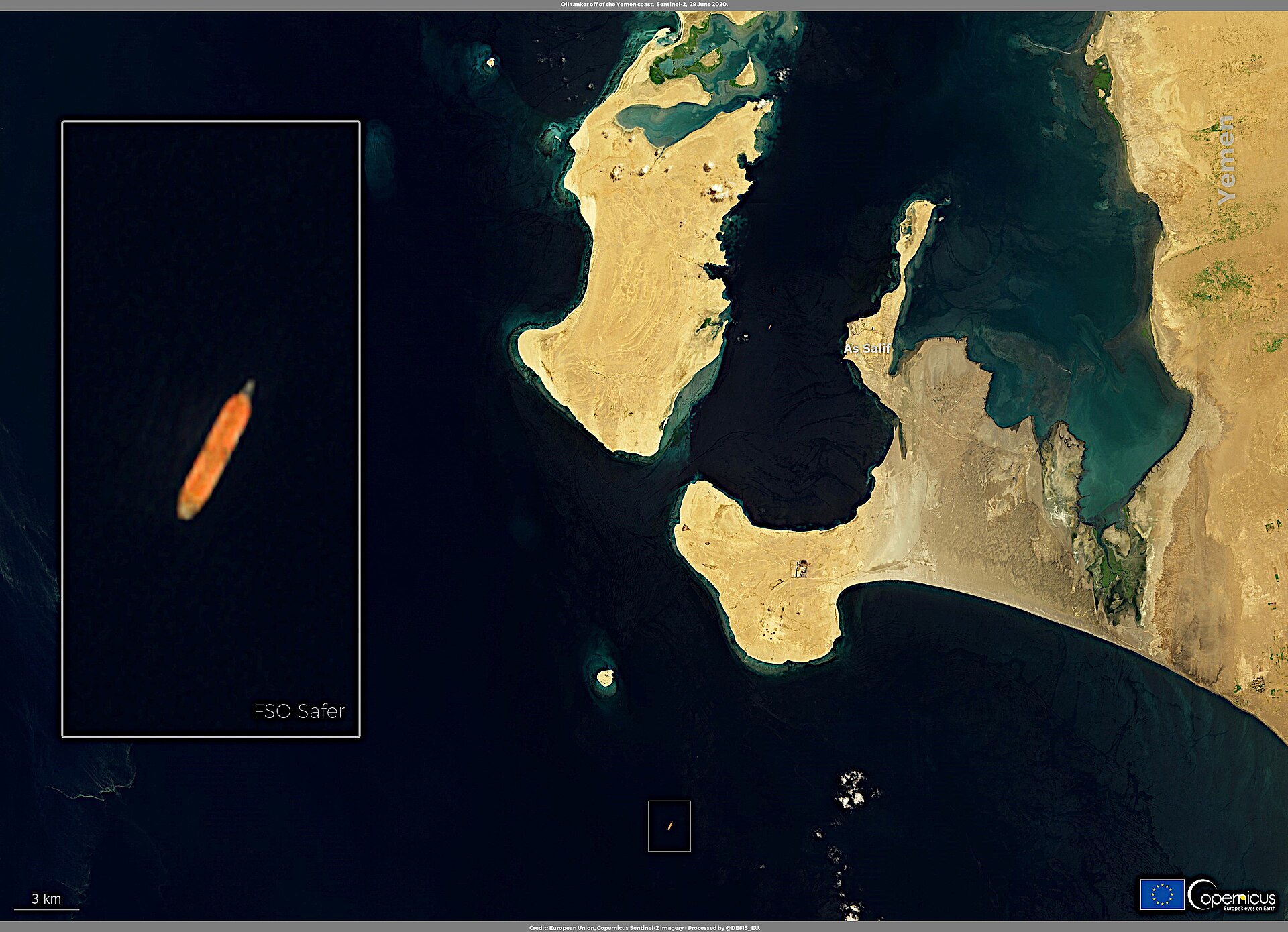
MARAD Advisory 2026-006 documents a precedent that tests the truce’s maritime limits. On August 31, 2025, Houthi forces struck an Israeli-associated vessel “off the Red Sea coast of Yanbu, Saudi Arabia.” The advisory identifies this as the furthest-north confirmed Houthi attack in the Red Sea, placing it within the operational environment of Saudi Arabia’s primary western export terminal.
Saudi Arabia’s Ministry of Foreign Affairs has issued no public statement addressing Houthi maritime operations throughout the current conflict. The June 8 analysis of the Houthi maritime declaration examined the structural exposure that this silence creates: a kingdom dependent on Red Sea shipping lanes whose only protection from Houthi interdiction rests on an unwritten, untested understanding that contains no maritime provisions.
Yanbu’s Exposure Through Bab el-Mandeb
Saudi Aramco routed crude through the East-West Pipeline at maximum capacity — 7.0 million barrels per day — to Yanbu after Hormuz closures disrupted eastern exports. Yanbu throughput rose to 7.2 million barrels per day in April 2026, according to Middle East Insider, as the terminal absorbed volumes that would normally transit the Strait of Hormuz. Hormuz remains closed.
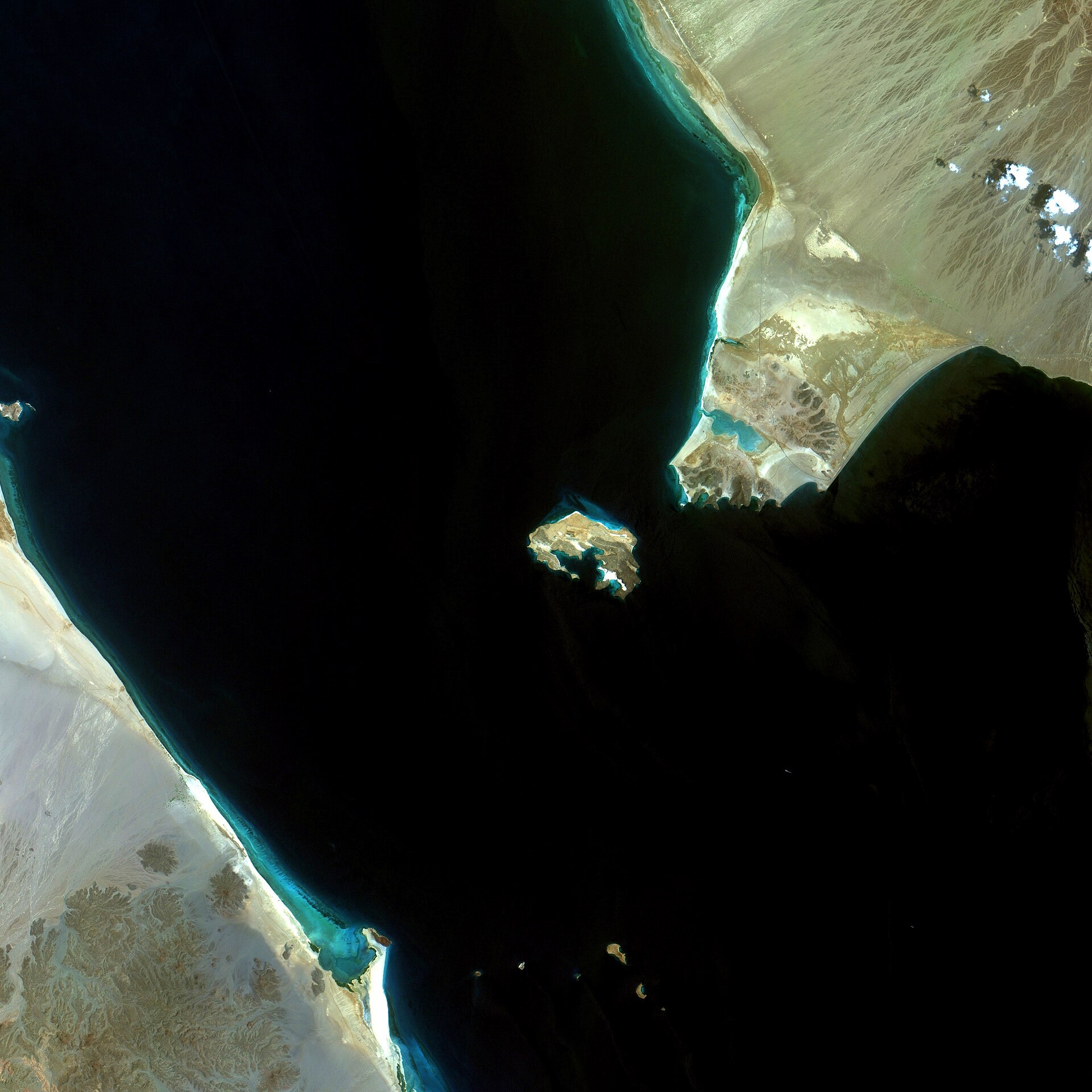
The East-West Pipeline was engineered as an alternative to Hormuz. But 70-75% of Saudi crude exported from Yanbu to Asian buyers must transit Bab el-Mandeb, according to the Observer Research Foundation. Saudi Arabia’s Hormuz bypass terminates at a second chokepoint.
The alternative to Bab el-Mandeb is the Cape of Good Hope route: an additional 10-14 days of transit time and $1.2-1.8 million in additional fuel costs per round trip, according to Xeneta. Container rates on the Asia-Europe corridor stood 25-35% above pre-crisis levels as of mid-2026, the shipping analytics firm reported.
Saudi Aramco cut its June Official Selling Price for Arab Light crude to Asia by $4.00 per barrel, setting the differential at +$15.50 above the Oman/Dubai average. In May, the differential had been +$19.50, according to DiscoveryAlert. The cut prices in the transit-risk burden that Houthi operations impose on Asian buyers, who absorb rerouting costs and delivery delays regardless of where the crude originates.
Brent crude traded at $95.02-$97.22 per barrel intraday on June 9 — above Saudi Arabia’s estimated $90 breakeven but below the $108-111 range that would cover wartime fiscal deficits. The hundred days of war’s toll on Saudi Arabia has been compounded by crude prices that remain in this intermediate range, high enough to suggest recovery but too low to fund it.
What Does Company-Level Targeting Mean for Saudi Crude?
The question is not whether Houthi missiles can reach Saudi-associated shipping. MARAD’s August 2025 Yanbu incident established that. The question is whether Houthi targeting logic — which follows the operating company, not the flag or the cargo — will encompass tankers carrying Saudi crude.
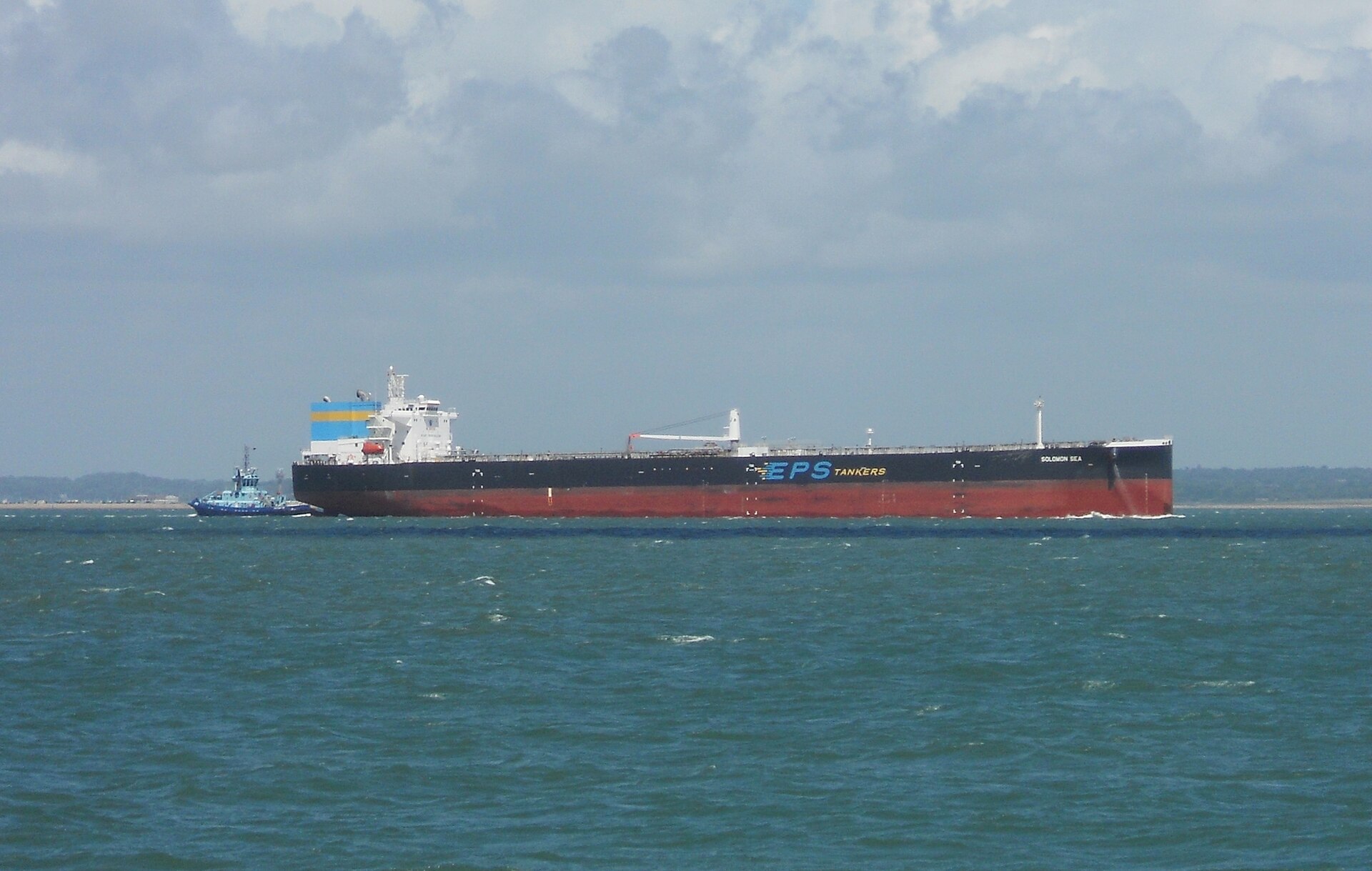
A VLCC chartered by Saudi Aramco but operated by a Greek shipping company that also operates vessels calling at Israeli ports is, under Saree’s stated criteria, a valid target. The targeting aperture is defined by corporate structure, not by bilateral relationships or cargo origin.
The US-Houthi ceasefire brokered through Oman in May 2025 explicitly excluded attacks on Israel or Israeli-linked vessels. Houthi representatives stated the agreement “did not in any way, shape, or form apply to Israel.” The June 8 ban and the June 8-9 strikes fall outside the ceasefire’s scope as both parties defined it.
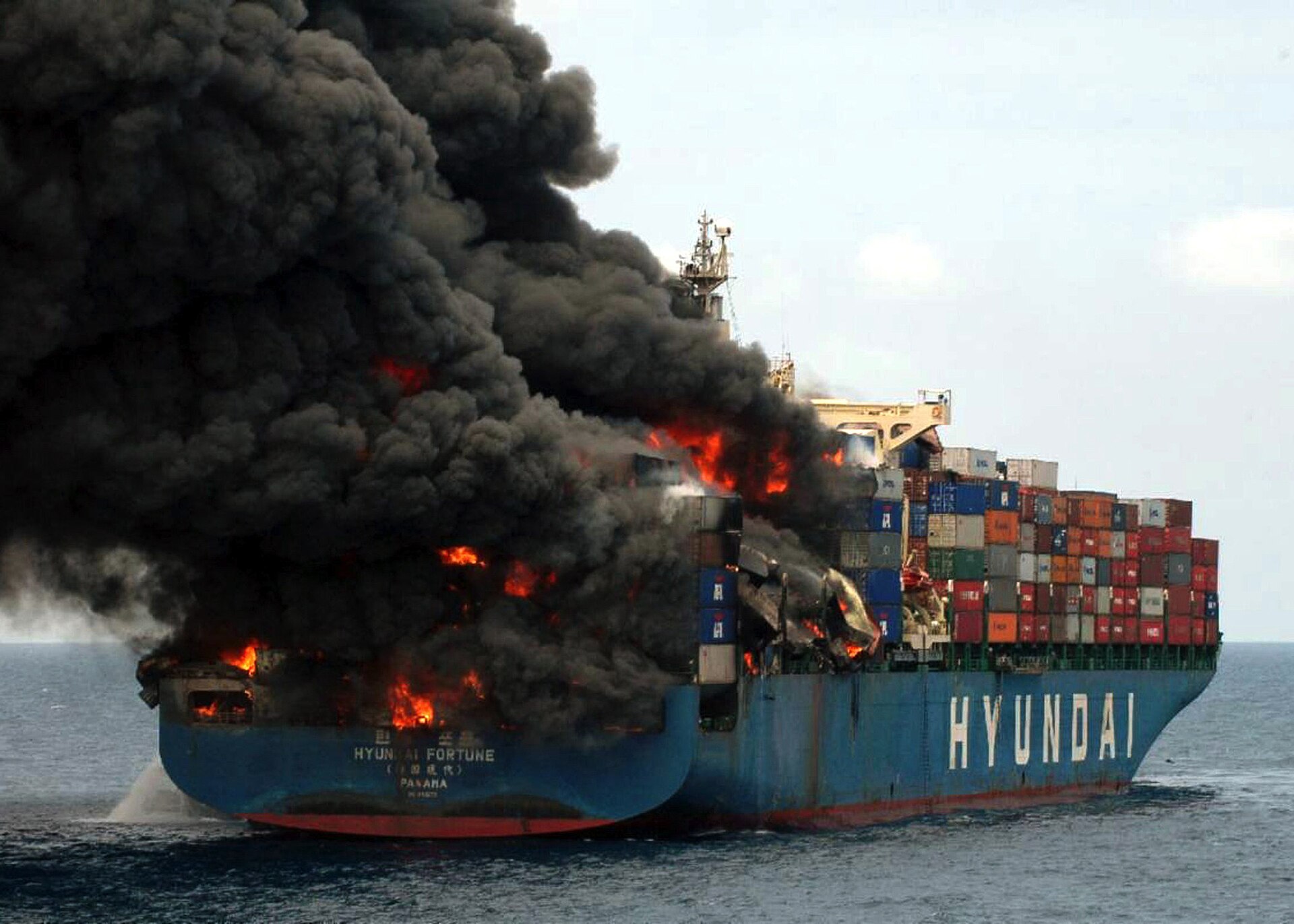
Saree framed the escalation within the “Unity of Fronts” doctrine: “We affirm that we will respond to escalation with escalation, and our military operations will intensify in accordance to the field developments, the battle, and in conjunction with the axis of Jihad and resistance,” he said on June 8, according to the Jerusalem Post and ANI News. The doctrine links Houthi maritime operations to Israeli military activity in Lebanon, Iran, and Gaza — making the Red Sea ban conditional not on Saudi conduct but on a regional conflict trajectory that Riyadh does not control.
Chatham House assessed in 2026 that “the Houthis are the one member of the Axis of Resistance that grew stronger over the last year. But airstrikes will not deter their attacks on Red Sea shipping or influence Tehran.” The assessment points to a structural problem for Saudi Arabia: the kingdom faces a maritime threat it cannot address through military means — the PAC-3 resupply backlog leaves its own air defense depleted — and cannot resolve through diplomacy, since the unwritten September 2023 truce contains no mechanism for renegotiation.
The Insurance Barrier
The commercial shipping industry learned from the 2024-25 Houthi campaign that interdiction does not require sinking vessels. It requires repricing them.
War risk premiums during the earlier campaign reached approximately 3% of vessel value — $6 million per VLCC transit — according to Insurance Journal. BIMCO, the world’s largest international shipping association, warned on June 8, 2026, that vessels with business connections to US or Israeli interests would “likely struggle to obtain cover at any price” if Houthi attacks resumed. The June 8-9 strikes confirm that attacks have resumed.
A relatively small number of Houthi attacks caused container traffic in the Red Sea region to fall approximately 90% in 2024, Chatham House documented. The mechanism was insurance withdrawal, not kinetic destruction. Underwriters priced the risk out of commercial viability and operators rerouted.
The June 8-9 strikes replicate the pattern. Two vessels struck, both proceeding under their own power, neither sunk. But the signal to insurers is that Houthi intelligence on corporate fleet structures is accurate enough to match MARAD’s own advisory language, and that the “complete and total ban” will be enforced with anti-ship ballistic and cruise missiles fired in combination against the same target.
For Saudi crude specifically, the insurance calculus creates a layered problem. Saudi Aramco’s tanker subsidiary, the National Shipping Company of Saudi Arabia (Bahri), does not call at Israeli ports. But Aramco also charters third-party tonnage. If an operator’s fleet includes any vessel with Israeli port-call history, every vessel in that fleet becomes a higher-risk underwriting proposition — regardless of what it carries or where it is headed.
Background
The Houthi commercial shipping campaign began in October 2023 following Israel’s Gaza operation. Over 32 months, Houthi forces escalated through four targeting phases, expanding from Israeli-flagged vessels to company-level beneficial ownership criteria.
On July 6-8, 2025, Houthi forces attacked and sank two vessels in the southern Red Sea, killing four seafarers — the campaign’s deadliest incident. An Israel-Gaza ceasefire in October 2025 prompted a Houthi pause in commercial attacks. Houthi forces re-entered the conflict on March 28, 2026, following US-Israeli strikes on Iran.
The May 2025 US-Houthi ceasefire, brokered through Oman, explicitly excluded Israel-linked maritime operations. The June 8 “complete and total ban” represents a third escalation phase — not a ceasefire breach, but an expansion of a campaign that the ceasefire never covered.

FAQ
Have Houthi forces struck vessels in Saudi territorial waters before?
Yes. MARAD Advisory 2026-006 documents an August 31, 2025 Houthi strike on an Israeli-associated vessel “off the Red Sea coast of Yanbu, Saudi Arabia.” This is the furthest-north confirmed Houthi attack in the Red Sea and demonstrates operational reach to Saudi Arabia’s primary western export terminal. The strike targeted the vessel’s Israeli corporate association, not its proximity to Saudi infrastructure. No Saudi government statement addressed the incident.
Can Saudi Aramco’s tanker fleet be targeted under the current Houthi criteria?
Saudi Aramco operates its own tanker subsidiary, the National Shipping Company of Saudi Arabia (Bahri), which does not call at Israeli ports. However, Aramco also charters vessels from international operators. Under Saree’s June 9 targeting rationale — focused on companies that “violated the decision to ban access to the ports of occupied Palestine” — any chartered vessel operated by a company whose other ships have called at Israeli ports falls within the targeting aperture. Bahri’s own fleet is not directly exposed, but Aramco’s third-party chartering creates indirect exposure through operators’ broader fleet activities.
What is the “Unity of Fronts” doctrine?
“Unity of Fronts” is the Axis of Resistance framework for coordinating simultaneous operations by Hezbollah, IRGC-aligned Iraqi militias, and Houthi forces across multiple theaters. Saree’s June 8 invocation links Houthi maritime operations to Israeli military activity in Lebanon, Iran, and Gaza. The doctrine means the Red Sea ban is conditional not on any specific Saudi action but on the broader regional conflict trajectory. A ceasefire in Gaza or Lebanon does not automatically produce de-escalation in the maritime domain unless all fronts are addressed.
Does the US-Houthi ceasefire prohibit the June 8-9 strikes?
No. The May 2025 US-Houthi ceasefire brokered through Oman explicitly excluded attacks on Israel or Israeli-linked vessels. Houthi representatives stated the agreement “did not in any way, shape, or form apply to Israel.” The June 8 ban and subsequent strikes target Israeli-associated commercial shipping, falling outside the ceasefire’s scope as defined by both parties. US military forces nonetheless conducted intercept operations on June 9, destroying Houthi missiles and a launcher — acting under force-protection authorities separate from the ceasefire framework.
How does the Cape of Good Hope reroute affect Saudi crude competitiveness?
Rerouting around the Cape of Good Hope adds 10-14 days of transit time and $1.2-1.8 million in additional fuel costs per round trip, according to Xeneta. For container shipping, costs rise $200-400 per TEU. Saudi Aramco’s $4.00/bbl June OSP cut for Asian buyers partially offsets this burden but does not cover the full cost of rerouting. Asian refiners also face disrupted crude-slate scheduling and additional inventory carrying costs. Competing suppliers — West African producers, US Gulf Coast shale exporters — face no Bab el-Mandeb transit risk, giving them a structural pricing advantage that persists as long as Houthi interdiction continues.