TEHRAN — Supreme Leader Mojtaba Khamenei authorized the Islamabad MOU on June 18, one day before the Burgenstock signing ceremony, in a written statement that simultaneously endorsed Iran’s negotiators and pre-authorized their withdrawal. “If the American side seeks to make excessive demands,” Khamenei wrote, “they will not submit to them.” The demands the US would need to make in Phase 2 to address Saudi Arabia’s minimum security requirements — dismantlement of enrichment infrastructure, full IAEA access, transfer of the uranium stockpile — are the same demands Khamenei’s warning was designed to pre-empt.
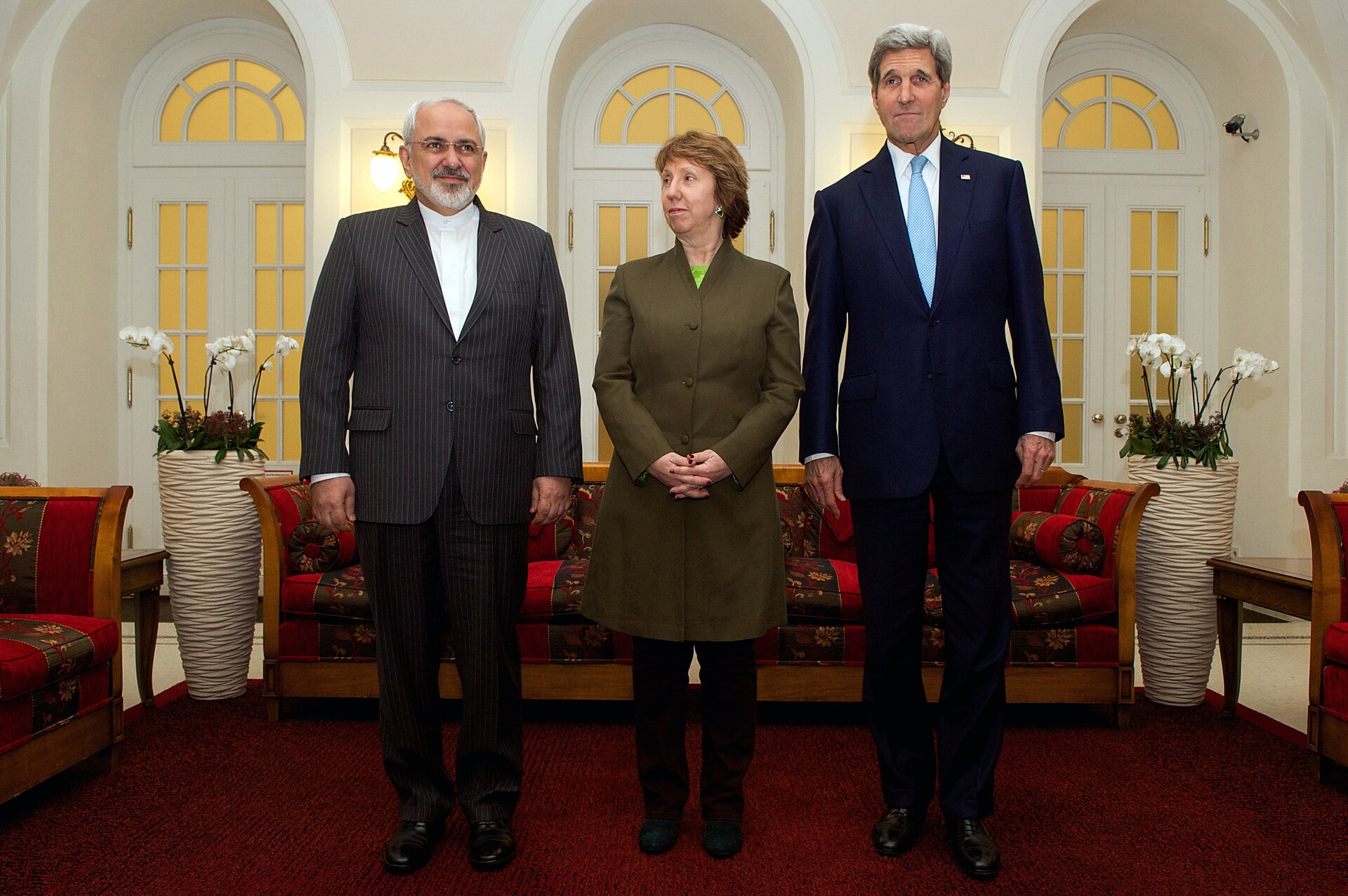
Foreign Minister Prince Faisal bin Farhan delivered Saudi Arabia’s sole public Phase 2 position — “verification is key” — at a Vienna think-tank conference on June 17. One day later, a supreme leader in Tehran publicly defined which forms of verification would constitute grounds for Iran to walk away. The MOU leaves enrichment ceilings, IAEA inspection protocols, and dismantlement sequencing entirely to a 60-day Phase 2 window. The signing ceremony at Burgenstock on June 19 proceeded with Vance, Witkoff, and Kushner on the US side, and Araghchi and Ghalibaf on Iran’s. No Saudi representative was present. By the same day, Vance Canceled Bürgenstock as Iran Cited Lebanon Strikes, leaving the 60-day clock running without the principals who were meant to start Phase 2.
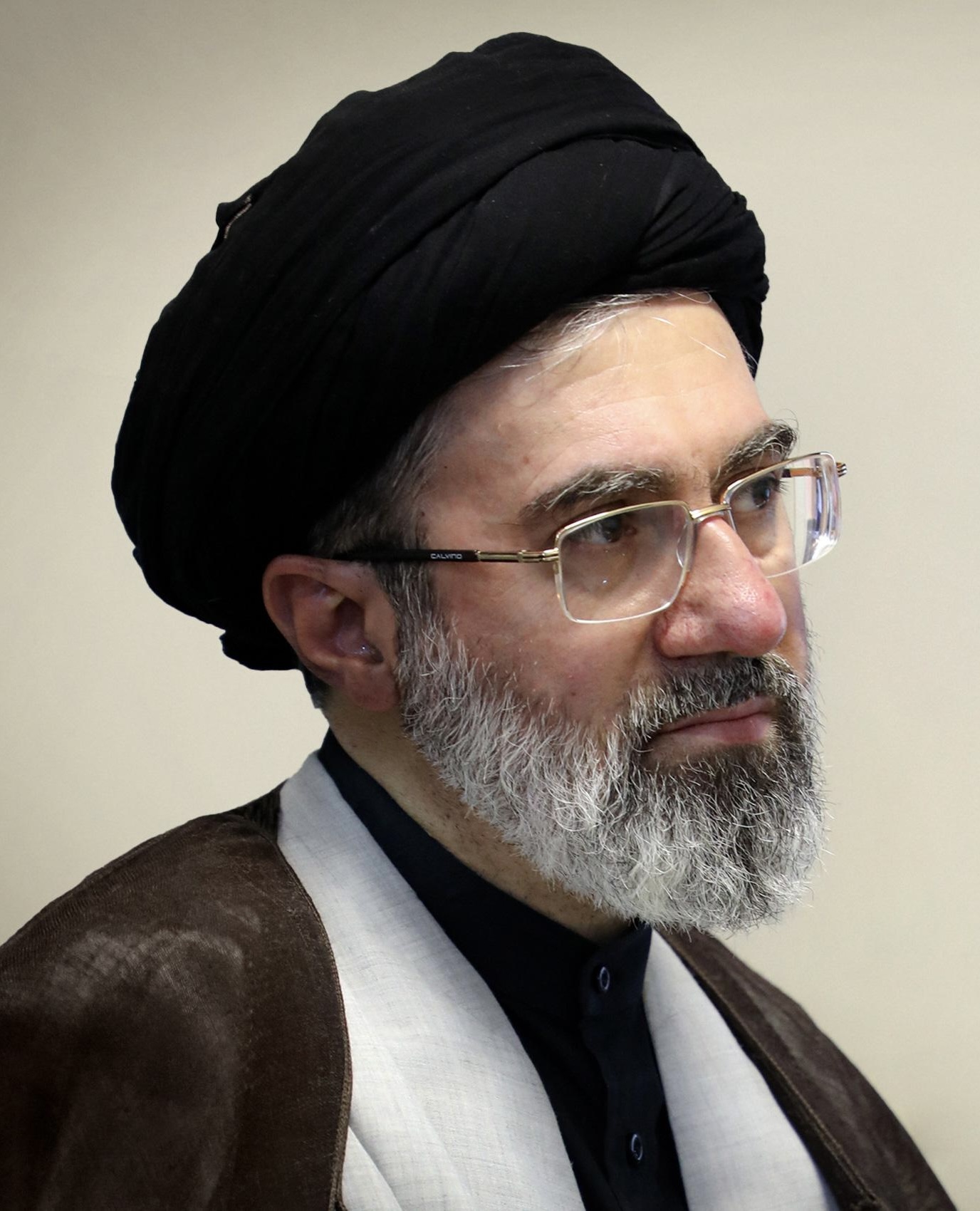
Table of Contents
- What Did Khamenei’s June 18 Statement Actually Authorize?
- The Heroic Flexibility Template
- How Does the Warning Constrain Phase 2 Negotiations?
- Which US Demands Has Khamenei Pre-Labeled as Excessive?
- The 123 Agreement Contradiction
- Can Saudi Arabia Influence a Ceiling Set Without It?
- Sixty Days Against Eighteen Months
- The Domestic Tripwire
- Frequently Asked Questions
What Did Khamenei’s June 18 Statement Actually Authorize?
Khamenei’s written statement contained three distinct elements that, read together, function less as an endorsement than as a conditional license with a pre-built revocation clause.
First, personal distance. Khamenei stated he held a “different opinion” on the agreement but chose to approve it based on commitments from President Masoud Pezeshkian and other senior officials. The phrase “different opinion” — applied to a document Khamenei had the constitutional authority to block entirely — placed the supreme leader’s personal judgment on the opposite side of the agreement he was authorizing. He described Trump as having pushed for the MOU “out of desperation,” using “all kinds of leverage.”
Second, delegation of responsibility. Pezeshkian, in his capacity as head of the Supreme National Security Council, personally accepted responsibility for ensuring the agreement protects Iran’s interests and the interests of what Khamenei called “the Resistance Front.” If Phase 2 yields concessions that domestic constituencies reject, the political liability falls on Pezeshkian, not the supreme leader’s office.
Third, pre-authorization of walkout. “Future negotiations do not mean acceptance of the enemy’s position,” Khamenei wrote. Iranian negotiators had formally assured him they would not yield to additional conditions. The walkout is a stated position, published by IRNA on June 18 and reported across Iranian state media within hours — before Araghchi and Ghalibaf arrived at the Swiss resort for the ceremony.
The Middle East briefing 3,000+ readers start their day with.
One email. Every weekday morning. Free.
The Heroic Flexibility Template
The structure is not new. In September 2013, Ali Khamenei — Mojtaba’s father — coined the phrase “heroic flexibility” to authorize Foreign Minister Javad Zarif’s nuclear negotiations with the P5+1. The operational mechanics were identical: authorization with rhetorical distance, delegation of responsibility to elected officials, and the retention of veto power through red lines that could be added or tightened mid-negotiation.
During the 2014 interim deal’s implementation, Ali Khamenei added new red lines twice — each time constraining Zarif’s negotiating room after talks had already begun. After the JCPOA was signed in July 2015, Khamenei stated publicly that he “did not approve of the JCPOA but allowed for the negotiations to be held, having mentioned this to the president and foreign minister and warned them several times.” He later accused Rouhani of crossing red lines he had set privately.
When Trump withdrew from the JCPOA in May 2018, Khamenei’s rhetorical distance proved operationally prescient. He was never politically bound to the agreement’s terms. The negotiators who had been authorized bore the domestic political cost. Zarif was sidelined; Rouhani’s presidency ended under the weight of an agreement the supreme leader had endorsed publicly and undermined structurally.
The 2026 iteration follows the same playbook with one material difference. Mojtaba Khamenei assumed the supreme leadership after his father’s death and lacks the accumulated revolutionary legitimacy that allowed Ali Khamenei to absorb political risk from multiple directions simultaneously. Mojtaba is more dependent on hardliner constituencies, more exposed to IRGC institutional pressure, and more constrained in what Phase 2 concessions he can absorb without destabilizing his own position.
In 2013, the red lines were added during negotiations. In 2026, they were published before the signing ceremony.
How Does the Warning Constrain Phase 2 Negotiations?
Khamenei’s warning constrains Phase 2 by publicly pre-classifying the core US demands — enrichment dismantlement, full IAEA access, and stockpile transfer — as the “excessive demands” Iranian negotiators have been instructed to reject. This converts what would normally be opening positions into pre-declared walkout triggers, compressing the available bargaining space before the 60-day clock starts.
The MOU itself is approximately one and a half pages long, according to Vice President JD Vance — “a very general document,” he said, with many details left for Phase 2. Enrichment ceilings, centrifuge numbers, IAEA inspection protocols, the status of Iran’s enriched uranium stockpile, the future of Natanz, Isfahan, and Fordow — all deferred to a window that began with the electronic signing on June 17.
Iran’s deputy foreign minister for legal affairs, Kazem Gharibabadi, added a procedural precondition before that window can open: nuclear negotiations start only once the US releases frozen Iranian funds. A senior US official rejected this characterization as “spin.” Gharibabadi called the US counterproposal a “new act of insolence,” warning that any seizure of Iranian assets without consent is “an internationally wrongful act.”
Wendy Sherman, who negotiated the JCPOA as US undersecretary of state, offered the timeline comparison: “I can assure you they will not get all of this done in 60 days.” The JCPOA took 18 months. Sixty days is roughly 8 percent of that timeline, applied to a wider set of unresolved questions and a narrower band of acceptable outcomes — narrowed further by a supreme leader’s written statement that arrived before the first session began.
Which US Demands Has Khamenei Pre-Labeled as Excessive?
The US 15-point proposal, submitted to Iran in March 2026 and rejected, demanded: dismantlement of the Natanz, Isfahan, and Fordow enrichment facilities; zero enrichment on Iranian soil; transfer of Iran’s entire enriched uranium stockpile to the IAEA; and full, unrestricted IAEA access to all declared and undeclared nuclear sites. These are the demands Khamenei’s statement was calibrated to address.
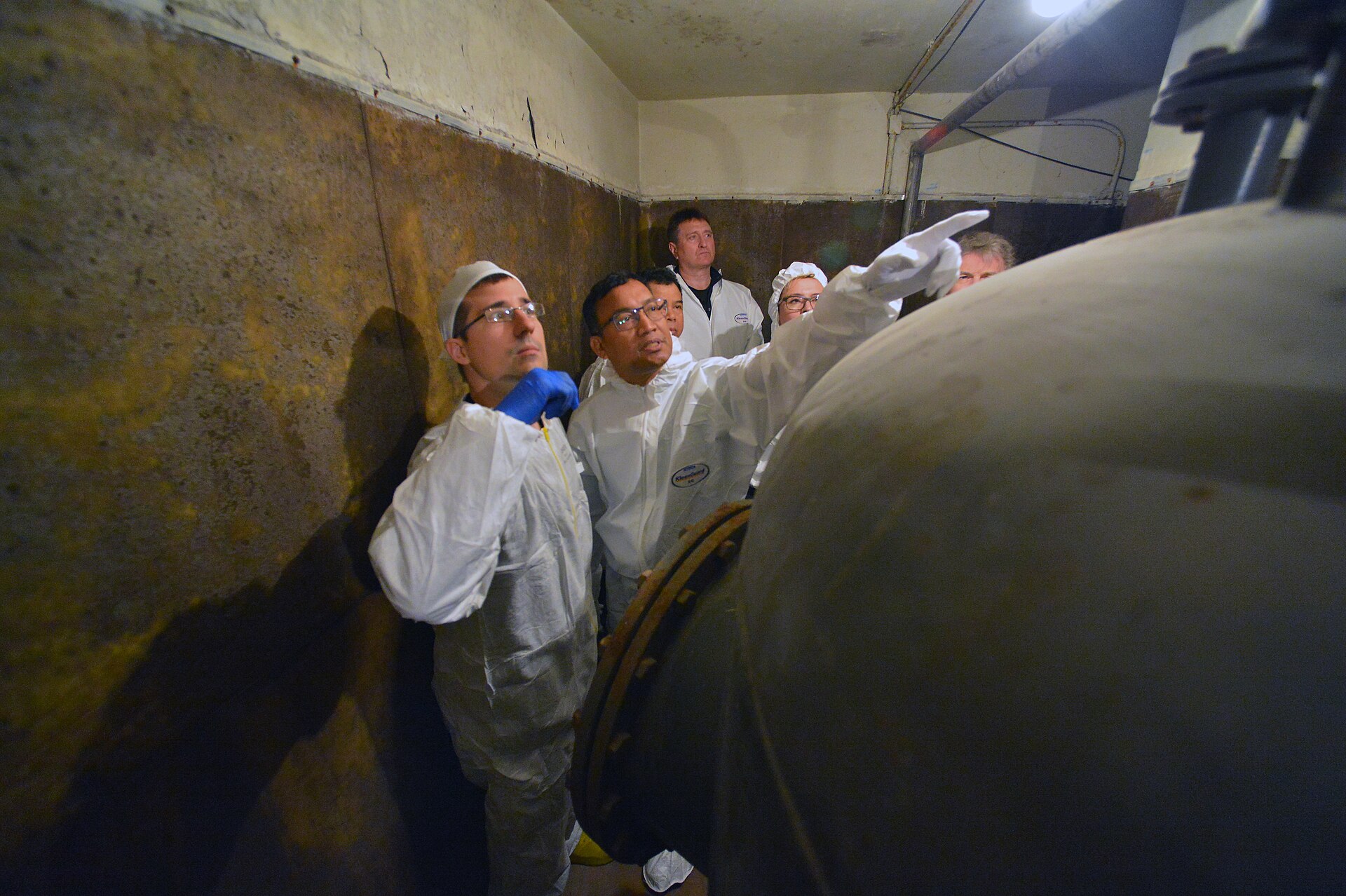
Each facility on the dismantlement list carries a specific operational weight. Natanz, built partly underground in central Iran, houses the bulk of Iran’s declared centrifuge cascades. Fordow is buried under 80 meters of granite near Qom — a depth that complicates any military option short of ground penetration. Isfahan’s uranium conversion facility processes yellowcake into uranium hexafluoride, the feedstock for enrichment. The 15-point plan demanded all three be dismantled, not mothballed or converted. For Saudi Arabia, whose 123 Agreement contains no enrichment ban of its own, the continued operation of these facilities across the Gulf represents an asymmetry that no verification regime can fully offset — a neighbor with production capability that the kingdom’s own nuclear framework was not required to forswear.
The MOU’s uranium provision already represents a marked retreat from the 15-point plan. Rather than transferring Iran’s stockpile out of the country, the agreed mechanism is downblending — dilution of enriched uranium under IAEA supervision, conducted on Iranian soil. This is the starting line for Phase 2, not the endpoint. The distance between this starting line and the 15-point plan’s demands is the space Khamenei’s warning occupies. By June 26, with nine days of the 60-day window consumed, IAEA Director General Grossi named the result a “war of statements” between Washington and Tehran over Iran nuclear inspections — the verification mechanism the MOU requires but does not secure.
| Issue | US 15-Point Demand | MOU Provision | Khamenei’s Stated Position |
|---|---|---|---|
| Enrichment | Zero enrichment on Iranian soil | Not addressed — deferred to Phase 2 | “Excessive demand” — will not submit |
| Uranium stockpile | Transfer entire stockpile to IAEA custody | Downblending under IAEA supervision inside Iran | Accepted as MOU baseline |
| Nuclear facilities | Dismantle Natanz, Isfahan, Fordow | Not addressed — deferred to Phase 2 | “Excessive demand” — will not submit |
| IAEA access | Full, unrestricted access to all sites | Not addressed — deferred to Phase 2 | No public position stated |
| Frozen assets | Conditional, sequenced release | Sequencing disputed by both sides | Full release before nuclear talks begin |
Arms Control Association analysts wrote in April 2026 that “demands for ‘zero enrichment’ remain as unrealistic today as they were before the war. In fact, arguably they are more so, in that the war has reinforced Tehran’s negotiating baseline.” Their assessment concluded that any achievable agreement must focus “not on the complete dismantlement of Iran’s enrichment capacity but on rigorously monitoring its nuclear program.”
The gap between what is achievable in Phase 2 and what Saudi Arabia’s security position requires is not a gap that 60 days of negotiation can close. The enrichment ceiling will be set by parties whose stated positions — the US retreating from zero enrichment, Iran pre-rejecting anything beyond the MOU’s dilution mechanism — converge on an outcome that leaves Saudi Arabia’s nuclear neighborhood permanently altered.
The IAEA has been unable to verify the suspension of Iran’s enrichment program, the status of centrifuge R&D, or the current condition of the enriched uranium stockpile for over 107 days. The last verified figure — 440.9 kg enriched to 60% U-235 — dates to before November 2025. The IAEA Board of Governors adopted a resolution on June 10, 2026, urging Iran to cooperate. Iran has not responded.
The 123 Agreement Contradiction
On May 13, 2026, the United States and Saudi Arabia signed a 123 Agreement — the bilateral nuclear cooperation framework required under US law before any transfer of civilian nuclear technology. The agreement contains no enrichment ban, no reprocessing ban, and no precondition for Saudi Arabia to adopt the IAEA Additional Protocol. It omits all three pillars of what nonproliferation specialists call the Gold Standard — the set of conditions the US imposed on the UAE in 2009 and has nominally demanded of every subsequent partner.
Sharon Squassoni of the Arms Control Association called it a “gilded sweetheart deal” that “abandons every nonproliferation standard Washington spent seventeen years building.”
Saudi Arabia signed a nuclear cooperation agreement that exempts it from the same enrichment and reprocessing constraints the US is nominally demanding Iran accept in Phase 2. Trump’s characterization of uranium at the G7 as not “worth the bother” — dismissing the enrichment question as a negotiating priority — aligns with the 123 Agreement’s omissions more than with the 15-point plan’s demands.
If Washington has already conceded to Saudi Arabia the right to enrich — by omission, not by explicit grant — its authority to demand that Iran dismantle enrichment infrastructure weakens with each month the 123 Agreement remains in force. Iranian negotiators do not need to cite the 123 Agreement explicitly; its existence serves as a standing precedent that the US no longer treats enrichment bans as a precondition for nuclear cooperation with Gulf states.
The UAE’s 2009 123 Agreement included all three Gold Standard pillars. Saudi Arabia’s, signed seventeen years later, includes none. The 123 Agreement was finalized five weeks before the MOU. No US official has publicly reconciled the gap between what Washington offered Riyadh and what it demands of Tehran.
Can Saudi Arabia Influence a Ceiling Set Without It?
Saudi Arabia has no seat at any track of the US-Iran negotiation. It was absent from the Doha MOU sessions, the G7 Evian nuclear discussions, the Geneva preparatory meetings, and the Burgenstock signing ceremony. Foreign Minister Faisal bin Farhan’s sole documented Phase 2 input is a statement delivered at the European Council on Foreign Relations in Vienna on June 17 — one day before Khamenei’s statement, two days before the signing.
“Verification is key in US-Iran nuclear talks,” Faisal said. “How we will have a long-term, sustainable verification regime is what will matter the most.” He added: “The detail will matter.” He also called for “swift inspection of Iran nuclear sites.” He declined to comment on MOU specifics because he had “not yet seen the final version” — on June 17, two days before a ceremony his country was not invited to attend.
The foreign minister of the country most exposed to the outcome of Phase 2 had not read the MOU text the day before the supreme leader of the country across the negotiation published the conditions under which his negotiators would walk away from it.
The G7 endorsed the MOU four days before the Geneva ceremony without its contents being public. Crown Prince Mohammed bin Salman declined to attend the G7 summit at Evian for the third consecutive year. Egypt, Qatar, and the UAE sent heads of state to Macron’s Arab-leaders session on Hormuz reopening and nuclear sequencing. Saudi Arabia — the Arab state with the largest crude volume blocked by Hormuz mines, the highest PGSA fee exposure at $5.5 million per day, and the widest fiscal breakeven gap — was the only invited Arab state absent.
Every parameter Faisal named as essential — enrichment levels, inspection regime, compliance timeline — will be set by the parties who were in the room at Burgenstock on June 19. Saudi Arabia was not among them.
Sixty Days Against Eighteen Months
The Phase 2 timeline is 60 days from the electronic signing on June 17. The JCPOA — which addressed a narrower set of nuclear questions against a less adversarial regional backdrop — took 18 months of negotiations after the interim Joint Plan of Action was signed in November 2013.
The comparison is imprecise. The JCPOA involved six negotiating parties (P5+1), multilateral sanctions architecture, and a more complex verification framework. The 2026 MOU is bilateral. But the nuclear questions deferred to Phase 2 are, by several measures, harder. Iran’s stockpile is larger than it was in 2013. Its enrichment infrastructure is more advanced — with new centrifuge generations installed during the monitoring blackout. Its centrifuge R&D has progressed through more than 107 days without IAEA monitoring. And the starting position — downblending rather than transfer, monitoring rather than dismantlement — is already closer to Iran’s preferred outcome than to the US’s original demands.
If the 60 days expire without a Phase 2 framework, the MOU’s general provisions remain in force while the nuclear questions revert to their pre-deal ambiguity — except that Iran will have secured sanctions relief and the diplomatic normalization of its enrichment program in the interim. Khamenei’s authorization letter, written the day before the signing ceremony, would remain the most precisely calibrated document produced by either side.
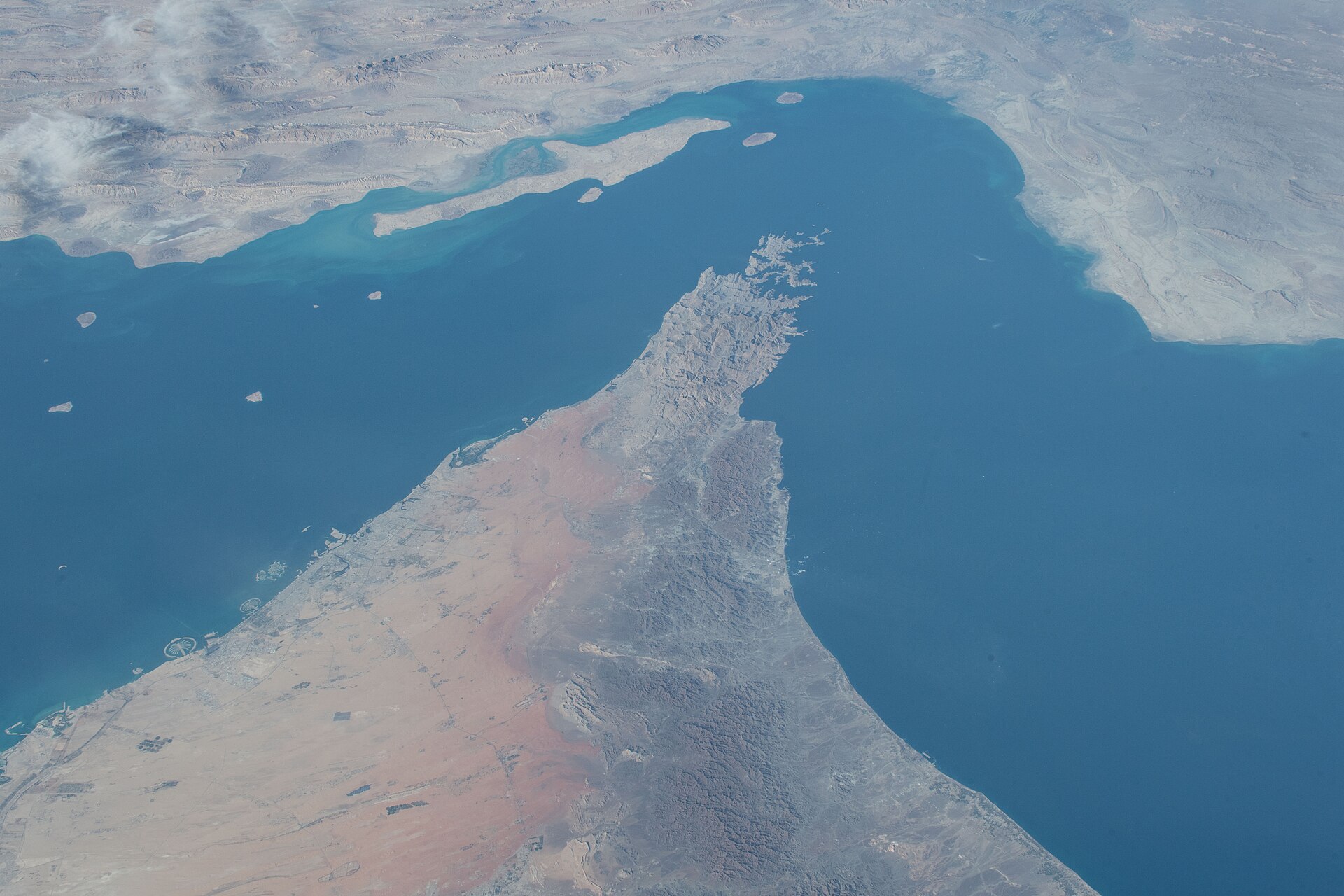
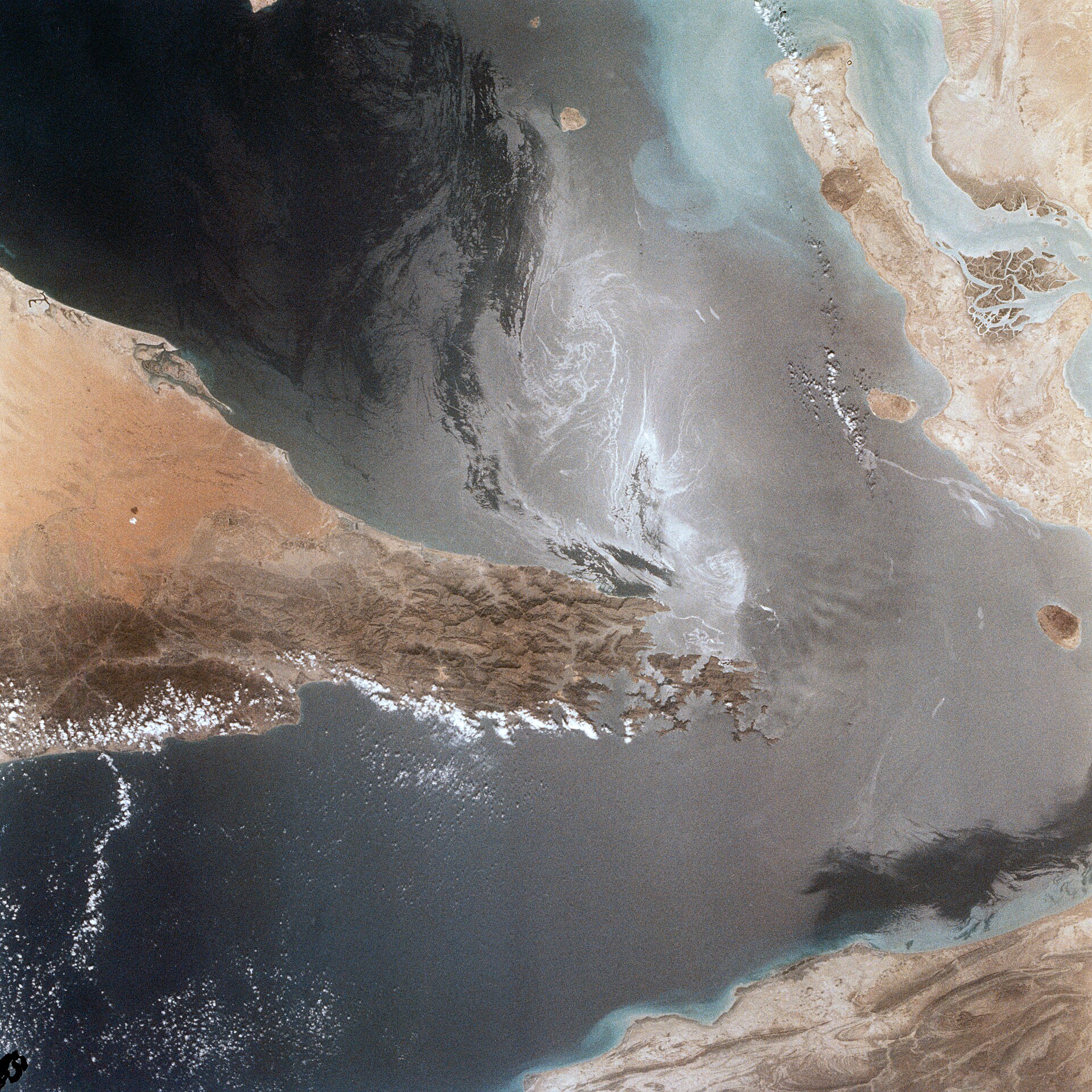
The MOU was signed while the Strait of Hormuz remains operationally mined. CENTCOM estimates 40 to 50 days for minimum swept-lane confidence; the Pentagon’s full theater security survey clearance timeline is six months. Saudi commercial vessels have not transited the strait since February 28. The physical reopening of Hormuz and the nuclear Phase 2 negotiations are running on separate clocks, and the MOU contains no mechanism to synchronize them.
Foreign Policy concluded in May 2026 that the war has moved the baseline: any future agreement will center on monitoring and preventing weaponization, not on the dismantlement the 15-point plan envisioned. The Arms Control Association reached the same conclusion in April 2026 — that the achievable outcome is rigorous monitoring, not zero enrichment. Both assessments describe a range Khamenei’s June 18 statement had already pre-approved.
Khamenei’s June 18 statement declared in advance which specific outcomes are unacceptable, leaving Phase 2 negotiators to operate inside a band that was narrowed before they sat down. The MOU’s vagueness made authorization possible. The June 18 statement was published the day before Araghchi landed in Switzerland.
The Domestic Tripwire
Khamenei’s “excessive demands” warning did not emerge from a domestic vacuum. In the days surrounding the MOU authorization, hardliners in Tehran and Mashhad staged street protests featuring death chants against Araghchi and Ghalibaf, calling them “traitors” and “mercenaries of the United States.” The Paydari Front — the organized ultraconservative faction with institutional roots in the judiciary and the IRGC — emerged as the primary domestic opposition to the agreement.
Iran International analysts assessed that the backlash would not derail the MOU itself but would constrain Phase 2 concessions. This assessment aligns with the structure of Khamenei’s statement: the authorization proceeding, the walkout parameters tightening in tandem.
Every Phase 2 concession Araghchi or Ghalibaf might consider — any movement toward US positions on enrichment ceilings, IAEA access protocols, or facility inspections — raises the domestic cost to Khamenei personally. His June 18 statement converts that domestic pressure into a diplomatic position. The “excessive demands” language does not draw a fixed red line; it outsources the definition to hardliner constituencies whose reaction will determine, in real time, which specific demands cross it.
The IRGC’s media arm, Tasnim, framed Khamenei’s authorization in Resistance Front terminology — signaling to military constituencies that the MOU is a tactical move, not a strategic concession. IRNA’s state coverage emphasized that the agreement does not require Iran to relinquish management of Hormuz and that Iran retains what it called “nuclear management authority.” The word “enrichment” appeared nowhere in IRNA’s summary in connection with any limitation.
Future negotiations do not mean acceptance of the enemy’s position.
— Mojtaba Khamenei, written statement, June 18, 2026
The asymmetry that Phase 2 inherits is between what the US negotiating team can offer — sanctions relief, asset releases, diplomatic recognition — and what it cannot: political cover for Khamenei against his own domestic base. Pezeshkian accepted personal responsibility for the agreement’s outcomes. The supreme leader retained the authority to declare those outcomes insufficient, using language he published the day before anyone signed anything.
Frequently Asked Questions
What role does Oman play in Iran’s Hormuz fee-collection framework?
Iran established a bilateral co-administration arrangement with Oman for the Persian Gulf Security Authority, giving the fee-collection mechanism regional legitimacy beyond a unilateral Iranian operation. Oman was the only GCC state that did not sign the GCC-IMO letter of May 21 challenging PGSA fees, and Muscat has served as the primary back-channel venue for US-Iran communications since April 2026. The Omani role splits the GCC’s collective position from within, complicating any Saudi-led challenge to the PGSA framework at the IMO or in bilateral discussions with Washington.
What do prediction markets price a permanent US-Iran deal at?
Polymarket priced the probability of a permanent US-Iran agreement by June 30, 2026, at 21.5 percent as of mid-June — reflecting market skepticism about Phase 2’s compressed timeline and the unresolved precondition disputes. The IAEA Board of Governors vote on June 10 split 21-10-3, with 10 states voting against or abstaining on a resolution urging Iranian cooperation, indicating that multilateral consensus on verification demands — the same verification FM Faisal called “key” in Vienna — remains fractured at the institutional level.
Has Iran’s parliament taken independent action that constrains Phase 2?
Iran’s parliament codified PGSA fees into domestic law on March 30–31, 2026 — before the MOU draft existed. This created a legislative framework for Hormuz fee collection that operates independently of any international agreement. Even if Phase 2 negotiations produce a framework addressing tolls or transit fees, the parliamentary statute would require separate legislative repeal — a process controlled by a parliament where the Paydari Front and aligned hardliners hold blocking positions. The legislative timeline mirrors Khamenei’s approach: establishing constraints before the negotiating framework arrives.
What does Khamenei’s “Resistance Front” reference mean for Phase 2 scope?
Khamenei’s written statement conditioned his approval on commitments that protect “the rights of the Iranian nation and the Resistance Front” — a phrase that extends the scope of Phase 2 beyond the nuclear file into Iran’s regional proxy network. Araghchi told IRIB on June 13 that the MOU must cover “all fronts, including Lebanon.” Hezbollah’s Secretary-General Naim Qassem rejected any Lebanon ceasefire on June 4, calling the terms “absurd” and “humiliating.” Lebanese President Joseph Aoun told CNN on June 5 that Iran was using Lebanon as a “bargaining chip.” The Resistance Front clause means that Phase 2 nuclear concessions may be linked to outcomes in Lebanon, Yemen, and Iraq that no party to the Burgenstock talks controls.
What verification baseline does the IAEA have to start Phase 2 from?
The IAEA’s most recent verified figure for Iran’s enriched uranium stockpile — 440.9 kg at 60% U-235 — dates to before November 2025. More than 107 days of monitoring access have lapsed since then. Iran’s centrifuge R&D activities, cascade configurations at Natanz and Fordow, and any changes to the stockpile volume are unverified as Phase 2 begins. The Board of Governors’ June 10 resolution calling for Iranian cooperation passed 21-10-3 with ten states opposed or abstaining, meaning the multilateral consensus underlying any verification regime is itself contested before a single Phase 2 session has been held.