
DUBAI — Nearly 500 commercial vessels were waiting outside the Strait of Hormuz on Sunday, according to Joint Maritime Information Center data cited by Gulf News, as Iran’s Revolutionary Guard continued to require all shipping to transit a narrow corridor under direct military supervision. At the same time, Yemen’s Houthi forces claimed strikes on Saudi Aramco’s Yanbu export terminal and the East-West crude pipeline — the bypass route that has sustained Saudi oil shipments for months. The Saudi-led coalition confirmed intercepting at least two ballistic missiles aimed at Yanbu and Taif, but no physical damage to oil infrastructure has been independently confirmed.
The combined pressure leaves Saudi Arabia, the world’s largest crude exporter, without a fully secure corridor to market. Visible ship traffic through the strait has dropped to “single digits to low double digits” daily, the JMIC reported, against a pre-war baseline of roughly 138 transits per day. Oil prices closed at their highest since late April, and the unverified Houthi claims will test a Sunday futures market already priced for disruption.
Table of Contents
- How Congested Is the Strait of Hormuz?
- Iran’s Routing Demands and Transit Tolls
- Houthis Claim Strikes on Yanbu and the East-West Pipeline
- Can Saudi Arabia’s Pipeline Compensate?
- Oil Prices and the Budget Deficit
- What Happens After November 3?
- Background: Eight Months of Disruption
- Frequently Asked Questions
How Congested Is the Strait of Hormuz?
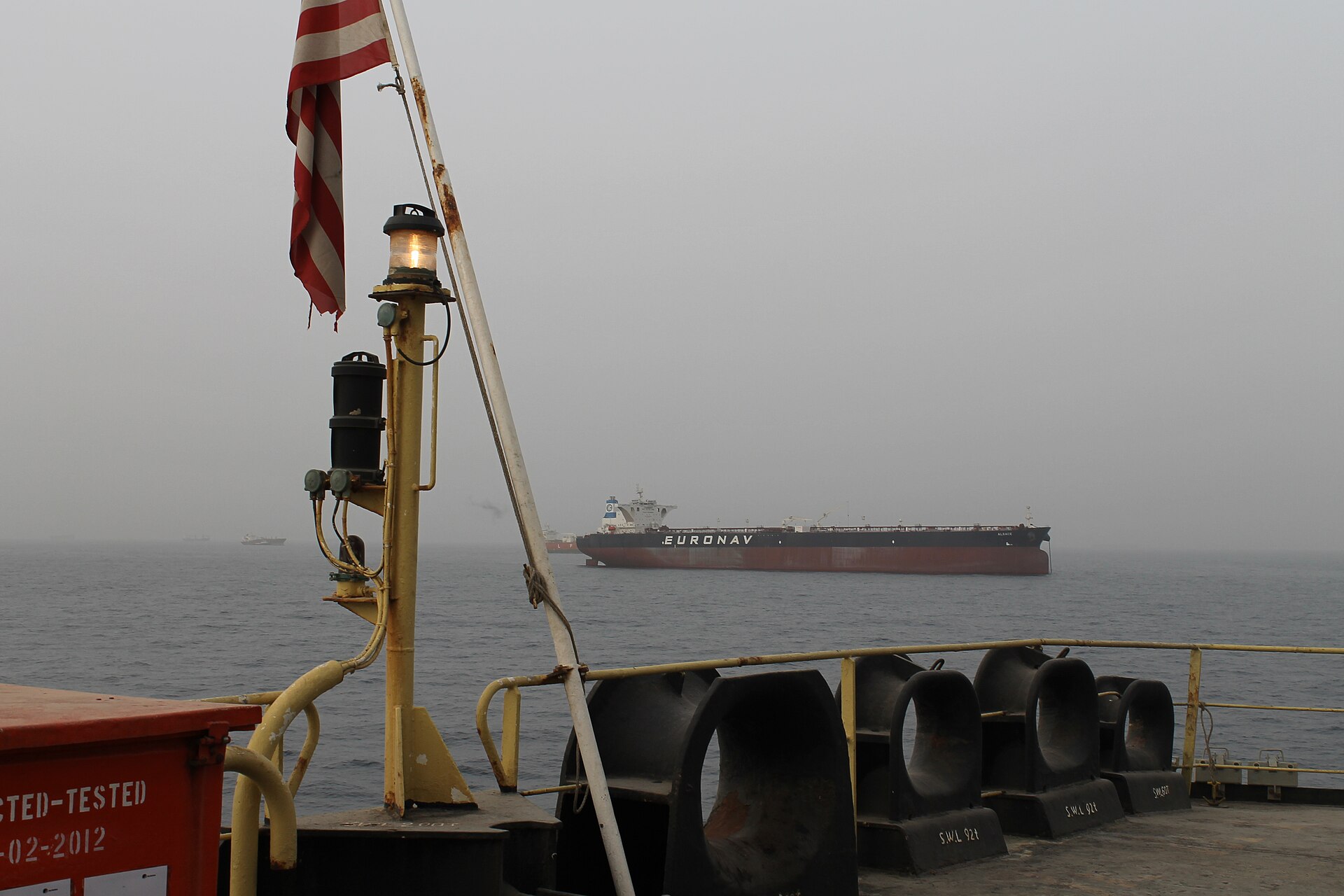
The JMIC, a multinational maritime monitoring center, recorded 492 vessels waiting outside the strait as of October 25. Among the waiting vessels: roughly 194 at Fujairah and Khor Fakkan on the UAE’s eastern coast, 178 off Dubai, 55 near the Musandam Peninsula and Sohar, and 32 in the vicinity of Iran’s Bandar Abbas and Qeshm Island. The concentration at Fujairah — the largest cluster — reflects the port’s role as the traditional staging point for Hormuz transit and the primary bunkering hub for vessels entering or leaving the Gulf. The US military escorted 101 commercial transits between October 22 and 24 — roughly a quarter of the approximately 414 that would have passed through in the same 72-hour window before the war — and the backlog is growing faster than convoys can clear it.
The House of Saud Daily Briefing
Saudi Arabia's news in 3 minutes, every morning. Free. See today's issue
Oil flow data from Kpler, the cargo-tracking firm, captures the scale of the collapse. On October 8, some 20.8 million barrels of crude transited the strait; by October 11, that figure had crashed to 2.9 million — an 86% drop in three days, Al Jazeera reported. The pre-war daily average was approximately 17.1 million barrels, meaning the strait is operating at a fraction of the throughput that global energy markets depend on.
October has been the most violent month for commercial shipping in the region since the war’s opening weeks in February. The Washington Institute recorded 28 confirmed vessel strikes during the month, according to FinanceFeeds. Navigation systems have become another layer of hazard: the UK Maritime Trade Operations authority and maritime analytics firm Windward documented 293 vessels affected by AIS jamming on October 21 alone, alongside 8,487 false ship-to-ship AIS events and 18,049 anomalous position reports — electronic interference that compounds the physical risk for every ship attempting the passage.
Iran’s Routing Demands and Transit Tolls
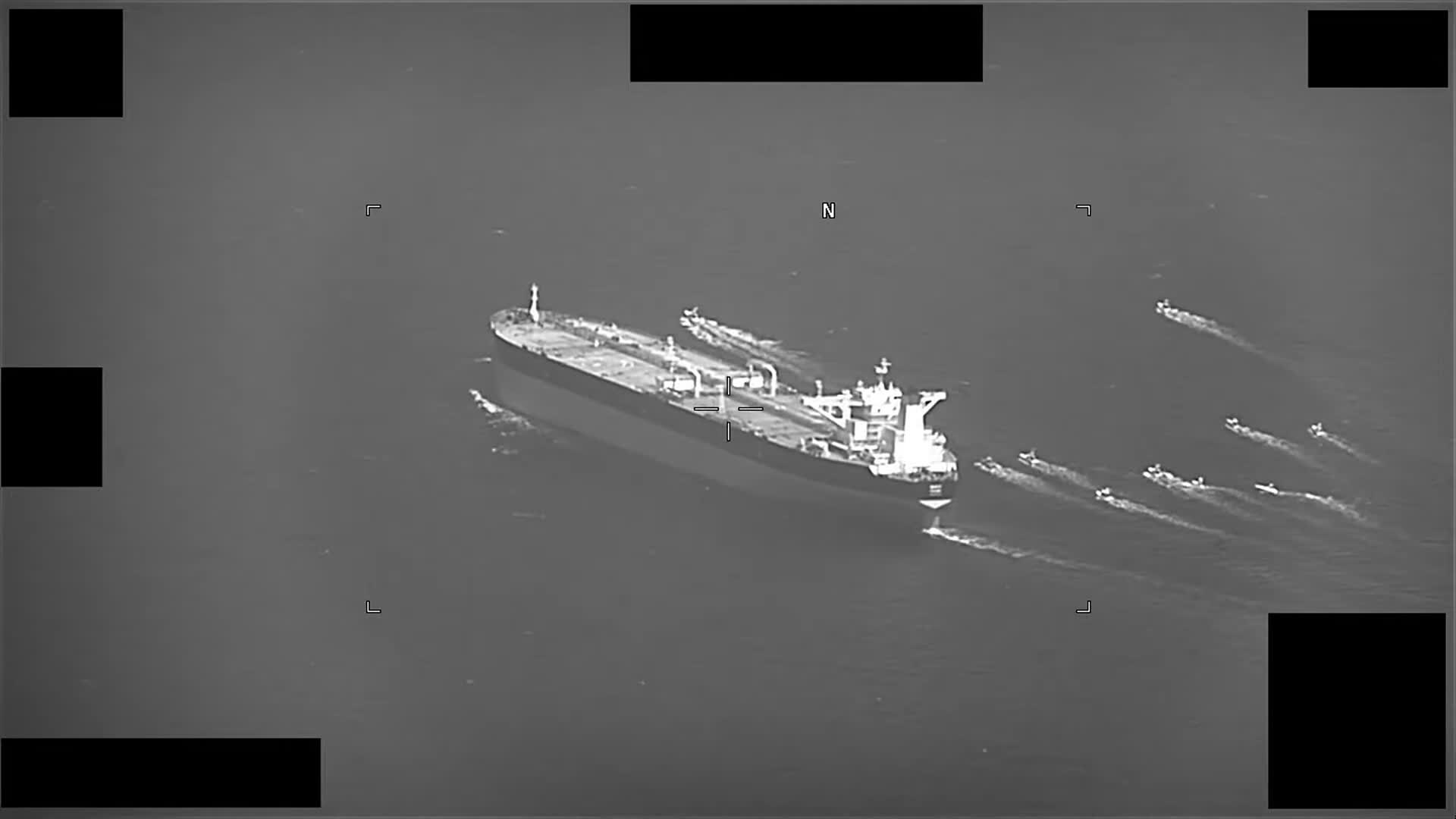
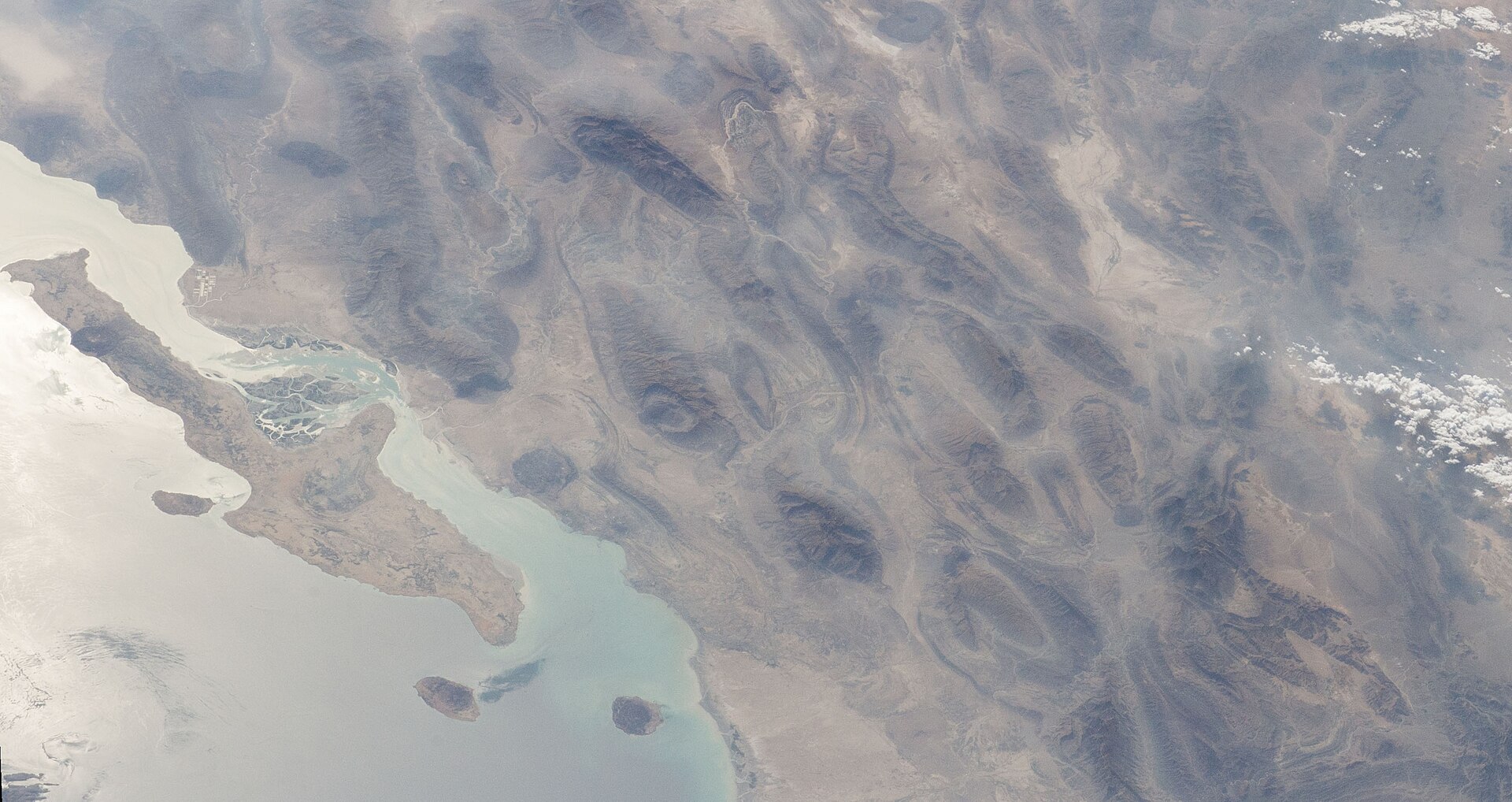
The congestion at Hormuz is not incidental — it is enforced. Since early in the conflict, the IRGC Navy has required all vessels entering the strait to follow a prescribed corridor north of Larak Island on the inbound leg and south of it on exit, coordinating passage directly with Iranian naval forces. The stated justification, conveyed via VHF radio and Iranian state media, is to avoid naval mines planted in the standard international shipping lanes. An IRGC Navy radio transmission warned that any vessel transiting without permission would be destroyed, as reported by Gulf News in April, and the routing requirement was reiterated via Nour News and IRNA on October 9.
Iran’s Persian Gulf Shipping Authority has added financial barriers to the physical ones. Vessels must file information declarations and pay tolls that have reached $2 million per transit, payable in Chinese yuan, according to Lloyd’s List Intelligence and AGBI reporting from May. The PGSA claimed jurisdiction over waters south of the UAE port of Fujairah, and in late October instructed ships holding valid permits to “await guidance” — a directive that in practice means sitting at anchor indefinitely. The IRGC also declared on October 9 that any vessel switching off its Automatic Identification System transponder in the strait would be designated hostile.
The military posture extends well beyond commercial traffic. Ali Abdollahi, Iran’s armed forces chief of staff, said on October 24, according to Iranian state media: “We will not allow U.S. military ships in the Persian Gulf under any circumstances and at any time.” Iran’s Foreign Minister Abbas Araghchi has maintained that the strait will remain under Iranian restrictions until Washington meets a set of demands he presented in a seven-day roadmap on September 25 — including the release of approximately $12 billion in frozen Iranian assets and the lifting of the US naval blockade. President Trump rejected the proposal, the Wall Street Journal reported.
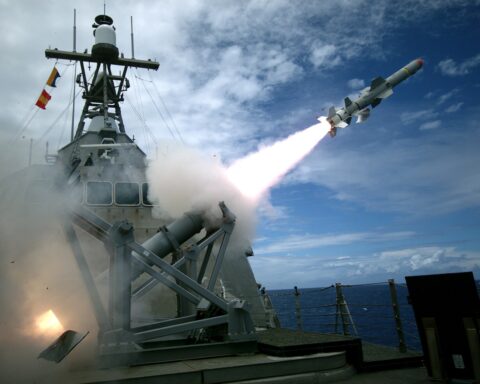
On October 25, the IRGC escalated further with a cruise missile strike on a vessel in the Strait of Hormuz, firing the weapon from a launcher on Sirik Island, according to Axar.az and maritime tracker Beam Tracker. An unidentified missile struck the Sirik launcher minutes later, triggering explosions on the island, JFeed and Newsquawk reported.
Houthis Claim Strikes on Yanbu and the East-West Pipeline
Saudi Arabia had spent months building Yanbu into its primary crude export hub, routing an estimated 4 million barrels per day through the Red Sea terminal to bypass the choked strait, according to Al Jazeera reporting from October 6. S&P Global put second-quarter Yanbu loadings at 3.9 million bpd, confirming the terminal’s status as the kingdom’s most active crude outlet. On Sunday, Houthi military spokesman Yahya Saree claimed his forces had struck Aramco’s Yanbu terminal, the Rabigh refinery, crude pumping stations, and the East-West pipeline itself.
The Saudi-led coalition confirmed intercepting at least two ballistic missiles directed at Yanbu and Taif but has not reported confirmed damage to oil infrastructure. A source cited by Argus Media explicitly disputed the Houthi claims regarding Yanbu and the Shaybah oil field, FinanceFeeds reported. The distinction between claim and confirmed strike matters: even intercepted or failed attacks reshape insurer behavior, shipping decisions, and commodity futures in ways that carry real financial cost.
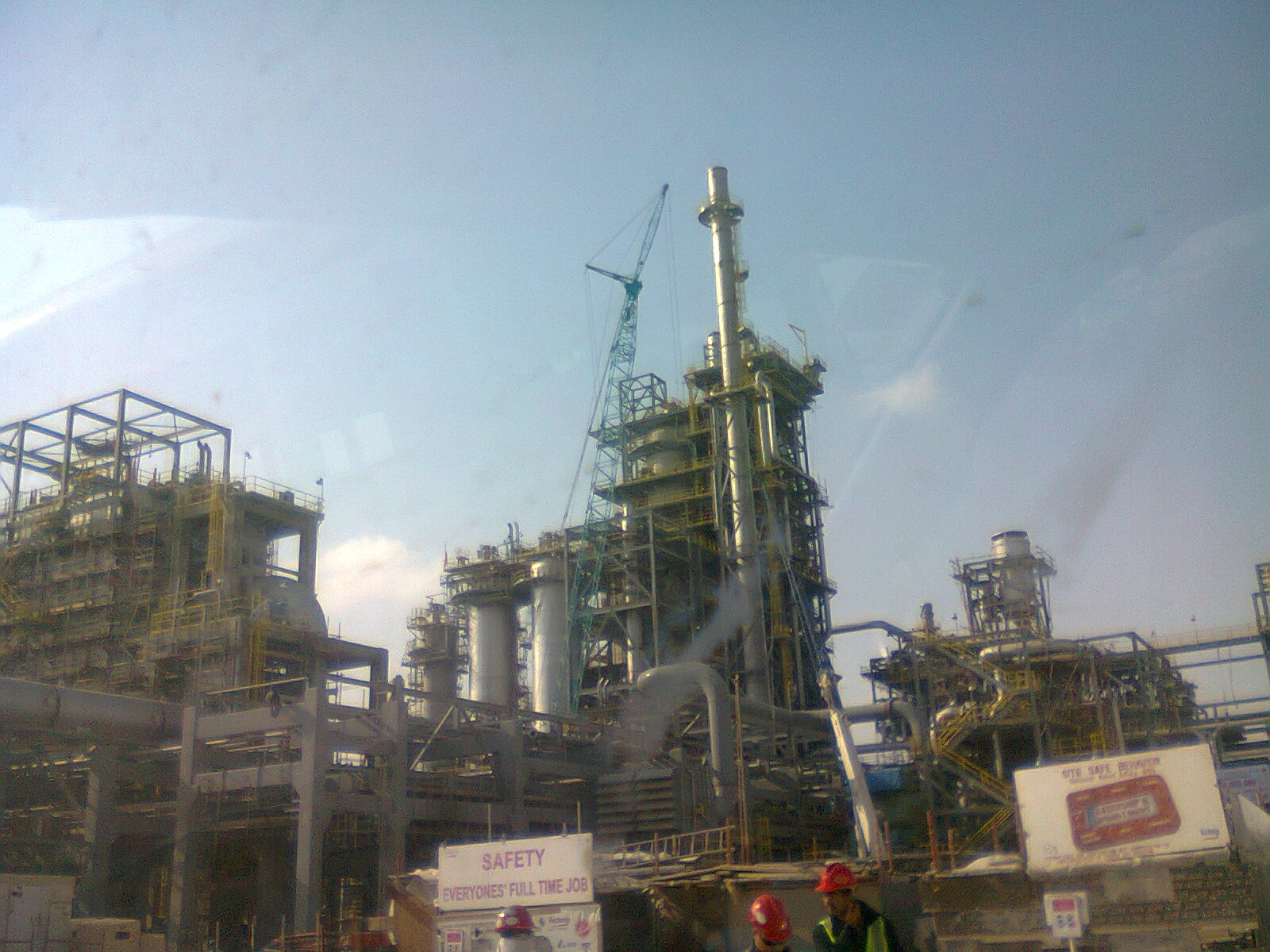
Yanbu was already under pressure before Sunday’s claims. The SAMREF refinery, a 400,000-barrel-per-day joint venture at the terminal, was running at roughly 50% capacity following a September attack, according to OilPrice.com. War-risk insurance premiums for vessels loading at Yanbu have reached approximately 3% of hull value, per Reuters — a cost that has driven some carriers to stop serving the port entirely. At the Bab al-Mandab strait, the maritime gateway through which Red Sea-bound tankers must pass, daily vessel traffic has fallen to about 30, from a pre-Houthi baseline of roughly 60 to 80, according to shipping-data trackers.
Can Saudi Arabia’s Pipeline Compensate?
The East-West pipeline, connecting Saudi Aramco’s fields in the Eastern Province to the Yanbu terminal on the Red Sea coast, has a design capacity of 7 million bpd and has become the kingdom’s most critical piece of energy infrastructure since the Hormuz blockade began. Aramco CEO Amin Nasser told Al Arabiya Business on October 22 that the pipeline’s capacity had risen to 7 million bpd, a statement aimed at reassuring both markets and customers that Saudi oil can still move. Energy Minister Prince Abdulaziz bin Salman had reported the pipeline at 5.8 million bpd on October 6, suggesting a rapid ramp-up over three weeks.
That acceleration followed a serious disruption. Drone strikes attributed to Iraqi militia forces hit pipeline pumping stations in September, shutting the line entirely from September 11 to 22, according to Reuters. Before the attack, throughput was around 5.5 million bpd per Kpler data, with 4 to 4.5 million barrels bound for Yanbu export. Even at the reported near-maximum flow, every barrel still has to be loaded onto a tanker at Yanbu and shipped through the Houthi-blockaded Bab al-Mandab — and Aramco has already warned European customers it cannot guarantee October crude deliveries.
The kingdom is building additional capacity on a war footing. Prince Abdulaziz announced on October 12 that existing natural gas pipelines would be converted to carry crude, with the first million barrels per day of new capacity available within eight weeks and an eventual expansion to 3 million bpd, Semafor reported. The minister separately outlined plans to bring the East-West system to 10 million bpd total capacity “within two to three years.” But those are construction timescales — they do nothing for the 492 vessels waiting off Fujairah or the tankers idling in the Red Sea, and Gilbert Metcalf, a former US Treasury official now at MIT Sloan, told Fortune that even a fully expanded 10-million-bpd pipeline would add only about 2% to global supply and “could lower prices only slightly.”
Oil Prices and the Budget Deficit
Brent crude settled at $116.72 on October 23, gaining $3.55 or 3.14% on the session and reaching its highest close since late April, FinanceFeeds reported. West Texas Intermediate finished at $103.27. At the start of the month, Brent was trading below $97, meaning the global benchmark has surged roughly 20% in under four weeks as disruption to the world’s most important oil chokepoint intensified alongside the Houthi campaign against Saudi Arabia’s Red Sea alternative.
Higher prices would normally benefit Saudi Arabia, but the kingdom’s revenues have fallen precisely because its crude is not reaching buyers. Production dropped below 7 million bpd for much of the war before recovering to about 8 million bpd in September, per the International Energy Agency — still well short of the pre-war level above 10 million bpd. Saudi Arabia recorded a budget deficit of SAR 125.7 billion ($33.5 billion) in the first quarter of 2026 alone, Al Jazeera reported in May, and a pre-budget statement released in September confirmed the government had revised its full-year deficit estimate higher as oil economic activities declined 21.8% as a share of GDP, according to Reuters and Zawya.
The disruptions that have pushed Brent to its highest level since April are the same disruptions preventing Saudi Arabia from selling at those prices. Metcalf’s assessment, delivered to Fortune, was direct: “Risks to Saudi production are as high as ever.” With no export corridor free of military threat or severe congestion as of Sunday, Saudi Arabia is earning far less than the headline price would suggest.
What Happens After November 3?
The US midterm elections on November 3 have become a structural constraint on American military options in the Gulf. President Trump said on October 25 that he was weighing whether to “make a deal with them or finish them off,” referring to Iran, while also stating that “there will not be a strike today,” CBS News reported. He had previously committed to holding off on strikes against Iran before the midterms, according to The National — a commitment that holds until the November 3 vote.
Araghchi’s rejected roadmap — dismissed by the Trump administration in late September — remains the only diplomatic framework formally proposed, and neither side has offered an alternative. Chris Featherstone, a conflict analyst at the University of York, told Al Jazeera that “Iran may be increasing pressure on the Trump administration” ahead of the midterms, a reading consistent with Iran pressing its advantage during a window when Washington’s own political calendar constrains its response.
US Central Command has kept convoys running. Admiral Brad Cooper told CBS News that American forces had escorted more than 3,000 commercial vessels over the past six months — a figure that masks the sharp recent decline in throughput. At the current convoy rate, the backlog at Hormuz is growing far faster than it can be cleared.
After November 3, the administration faces three paths, none quick. Military escalation could break the IRGC’s control of the strait but risks Iranian retaliation against the very Saudi infrastructure the kingdom’s entire economy now depends on. A negotiated reopening would require accepting terms Trump has already publicly rejected. And continued escort operations at the current rate mean the world’s most important oil waterway keeps operating at a fraction of its capacity — while Saudi Arabia keeps earning a fraction of what its oil should command.
Background: Eight Months of Disruption
The US-Iran conflict began on February 28, 2026, when American forces struck Iranian nuclear facilities. The IRGC immediately issued radio warnings barring commercial transit through the Strait of Hormuz, and within weeks daily ship traffic had fallen from roughly 138 vessels to single digits. By early April, the IRGC had formalized its Larak Island routing requirement, forcing the diminished number of ships still attempting passage into a corridor under direct Iranian military control.
A brief diplomatic opening came on June 17, when the Islamabad Memorandum — brokered by Pakistan — produced a partial reopening of the strait. That window closed within weeks when Iran declared Hormuz shut again in mid-July and the Trump administration reinstated its naval blockade of Iranian ports. Since then, commercial passage has depended almost entirely on US military escorts, with throughput fluctuating based on the tempo of Iranian mine-laying, vessel inspections, and American convoy operations.
On the western front, Houthi forces declared a maritime blockade of Saudi Arabia in July and seized effective control of the Bab al-Mandab area by September. Their campaign has targeted Saudi oil infrastructure, airports, and military installations throughout the war, with strikes escalating sharply through October. The East-West pipeline — Saudi Arabia’s primary workaround for the Hormuz blockade — was struck and halted in September before being restored at reduced capacity, and the October 25 Houthi claims, if validated, would represent a direct attack on Yanbu during the very period when the strait is near-inoperable.
Frequently Asked Questions
What has the International Maritime Organization said about the mines?
The IMO Secretary-General stated that “we cannot guarantee that a vessel that intends to transit that route will not be hit by a mine,” according to CBS News. Despite Iran’s claim that its Larak Island routing steers ships away from mined areas, no formal IMO NAVTEX advisory has confirmed the location of mines or endorsed the IRGC’s prescribed corridor. The absence of independent verification has compounded uncertainty for shipowners and insurers, who cannot assess whether the designated route is genuinely safer or merely concentrates traffic under tighter Iranian surveillance.
Has Iran claimed to attack US-escorted convoys?
Mohsen Rezaei, Iran’s security chief, claimed in mid-October that Iranian forces had been striking “five or six vessels in the US-assisted shuttle system nightly for weeks,” according to Al Jazeera. The United States has not confirmed these claims, and the Pentagon has generally declined to comment on specific Iranian engagement assertions. If accurate, the strikes would mean that even ships under direct American military protection face kinetic risk — a development that would fundamentally undermine the escort system as a viable long-term response to the Hormuz blockade.
Houthis claimed further drone attacks on East-West Pipeline pumping stations on October 26, adding inland crude infrastructure to the targets already struck or claimed along Saudi Arabia’s western export corridor.
Why are the stranded vessels concentrated at Fujairah?
Fujairah sits on the UAE’s eastern coast, just outside the strait’s mouth, making it the traditional holding area for vessels queuing to enter or leave the Persian Gulf. As the region’s primary bunkering port, it allows tankers to refuel and anchor while monitoring IRGC routing requirements or waiting for US convoy slots to open. As of October 25, Fujairah and the adjacent Khor Fakkan anchorage held roughly 194 of the 492 vessels recorded by the JMIC — the largest single concentration among the waiting fleet.
On the same day, Egypt’s parliament convened behind closed doors to vote on deploying troops to Saudi Arabia; see Egypt’s 596 MPs vote on Saudi Arabia troop deployment.
Saudi Arabia responded to the Hormuz restrictions with direct diplomacy: Saudi Arabia’s defence minister arrived in Tehran for Makkah pact talks on October 26, meeting Pezeshkian alongside Pakistan’s Asim Munir and Turkey’s Ibrahim Kalin.
Iran subsequently declared the Strait of Hormuz formally closed on October 26, warning vessels they risk being engulfed in flames; see IRGC Declares Strait of Hormuz Closed as Tanker Transits Drop to 4 for the full PGSA compliance framework behind the declaration.
The House of Saud Daily Briefing
Saudi Arabia's news in 3 minutes, every morning. Free. See today's issue