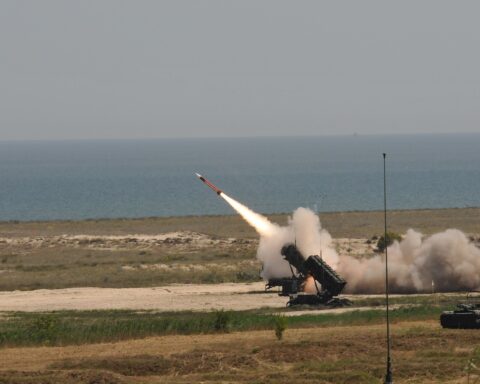
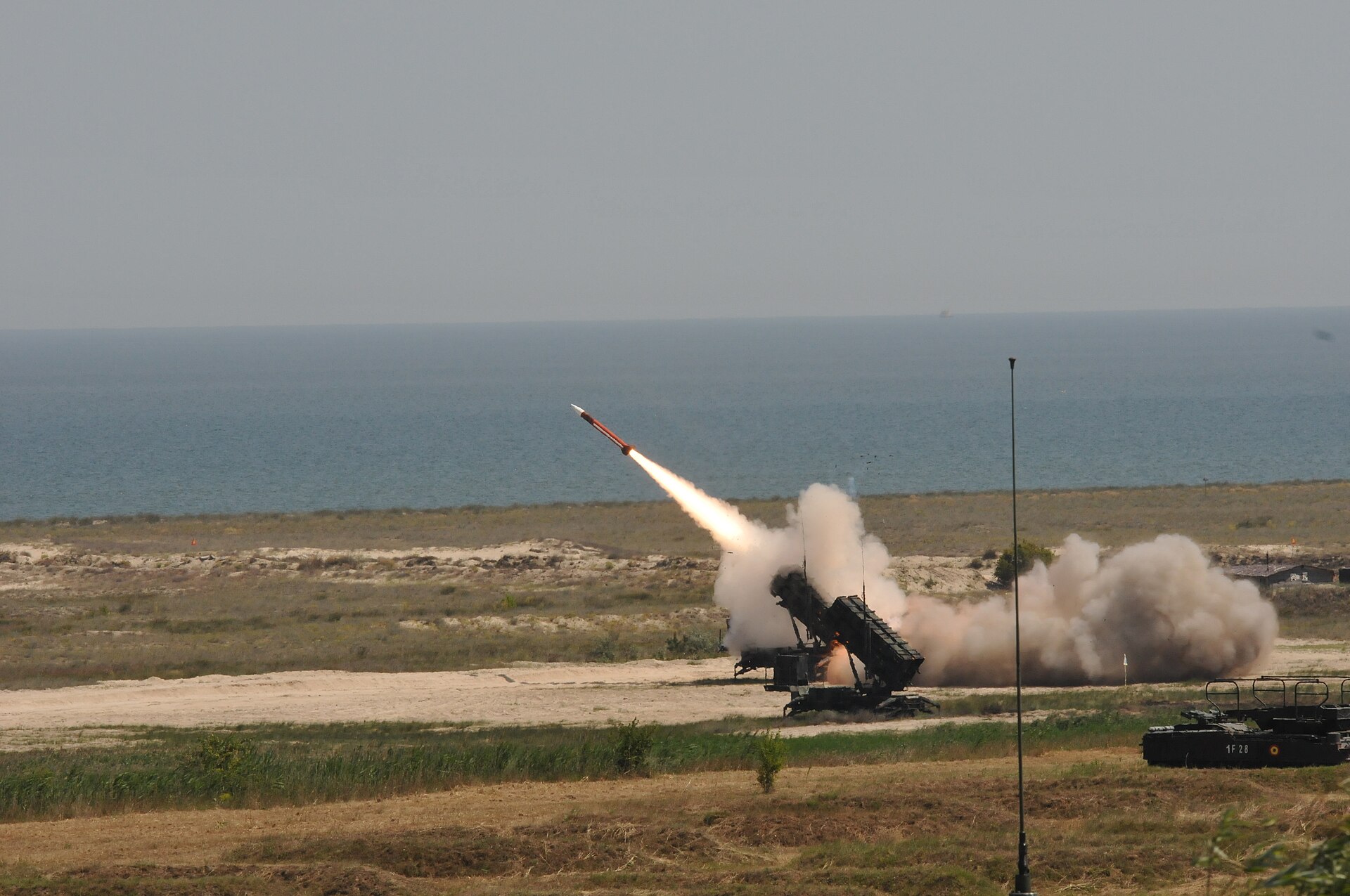
RIYADH — Saudi-led coalition air defences intercepted 3 Houthi ballistic missiles fired at Saudi Arabia’s Eastern Region and 4 Houthi drones heading for the kingdom’s south early on Tuesday, October 27, coalition spokesman Turki al-Maliki said. The attack wave arrived hours after Saudi, Turkish, Pakistani and Iranian officials closed a day of talks in Tehran with an agreement to keep talking, according to Al Jazeera and Reuters.
No casualties were reported from either interception, Al Jazeera and Reuters reported. The Houthis had no immediate comment, and as of Tuesday morning no claim of responsibility for the Eastern Region launches had been found. The kingdom spent Monday trying to open a negotiating channel through Tehran, and the overnight barrage is the clearest sign yet that the Houthi campaign is running on its own clock, whatever is said in Iranian conference rooms.
Table of Contents
- What Did the Coalition Intercept on October 27?
- Why Does the Eastern Province Matter So Much?
- Missiles Arrive Hours After the Tehran Talks
- The 48 Hours Before the Barrage
- What Are the Houthis Trying to Achieve?
- US Forces Positioned for an Iran Strike
- Background: How the Two-Front Campaign Built Up
- Frequently Asked Questions
What Did the Coalition Intercept on October 27?
Al-Maliki announced the interceptions in two separate statements on X, Gulf News reported. In the first, he said air defences had intercepted and destroyed 3 ballistic missiles launched by the Houthis towards the Eastern Region. In the second, issued later the same morning, he said 4 drones heading for the southern region had also been intercepted and destroyed.
The House of Saud Daily Briefing
Saudi Arabia's news in 3 minutes, every morning. Free. See today's issue
The coalition did not name the intended targets of either attack. Its statements referred to the “Eastern Region” and the “southern region” only, and no Saudi official has said which facility or city the missiles were aimed at. Readers should treat any report naming a specific oil installation as the target with caution until the coalition or the Saudi Ministry of Energy says so.
The interceptions closed out a busy night. Shortly after midnight, the coalition said it had destroyed 3 more drones over Riyadh and the southern regions, according to Gulf News. Al Jazeera and Reuters described that earlier interception as taking place on Monday evening, and it was covered separately on this site as part of the October 26 drone intercepts over Riyadh.
Saudi Civil Defence issued emergency alerts for the Eastern Province and Al-Kharj governorate early on Tuesday, The Siasat Daily reported. The alert, sent through the National Early Warning Platform for Emergencies, warned of “an imminent threat” and told residents to follow Civil Defence instructions until the warning was withdrawn. Civil Defence later posted that “the danger has passed in Al-Kharj Governorate,” according to the same report.
Why Does the Eastern Province Matter So Much?
The Eastern Province is the heart of the Saudi oil industry. Abqaiq, the processing complex in the region, handles up to about 7 million barrels per day, according to The National and to analysis published on Yahoo Finance. Ras Tanura is Saudi Arabia’s main crude export terminal on the Gulf coast, and Dhahran is home to Saudi Aramco’s headquarters, The National reported on October 14.
The region has already been hit this month. On October 13, the Saudi energy ministry described a blaze at Aramco’s Dhahran headquarters compound as a “limited fire”, the BBC reported, and said operations continued. The fire followed a coalition strike on a fuel depot in Yemen.
The pressure on Saudi Arabia’s eastern assets is not only coming from Yemen. Iran’s armed forces chief claimed full control of the Strait of Hormuz on October 27, Gulf News reported, and Tehran’s earlier closure declaration is detailed in our coverage of the IRGC’s Hormuz announcement. With Gulf-side exports already squeezed, the kingdom has been relying more heavily on its western outlets, a shift examined in our report on Iran’s expanded tanker campaign.
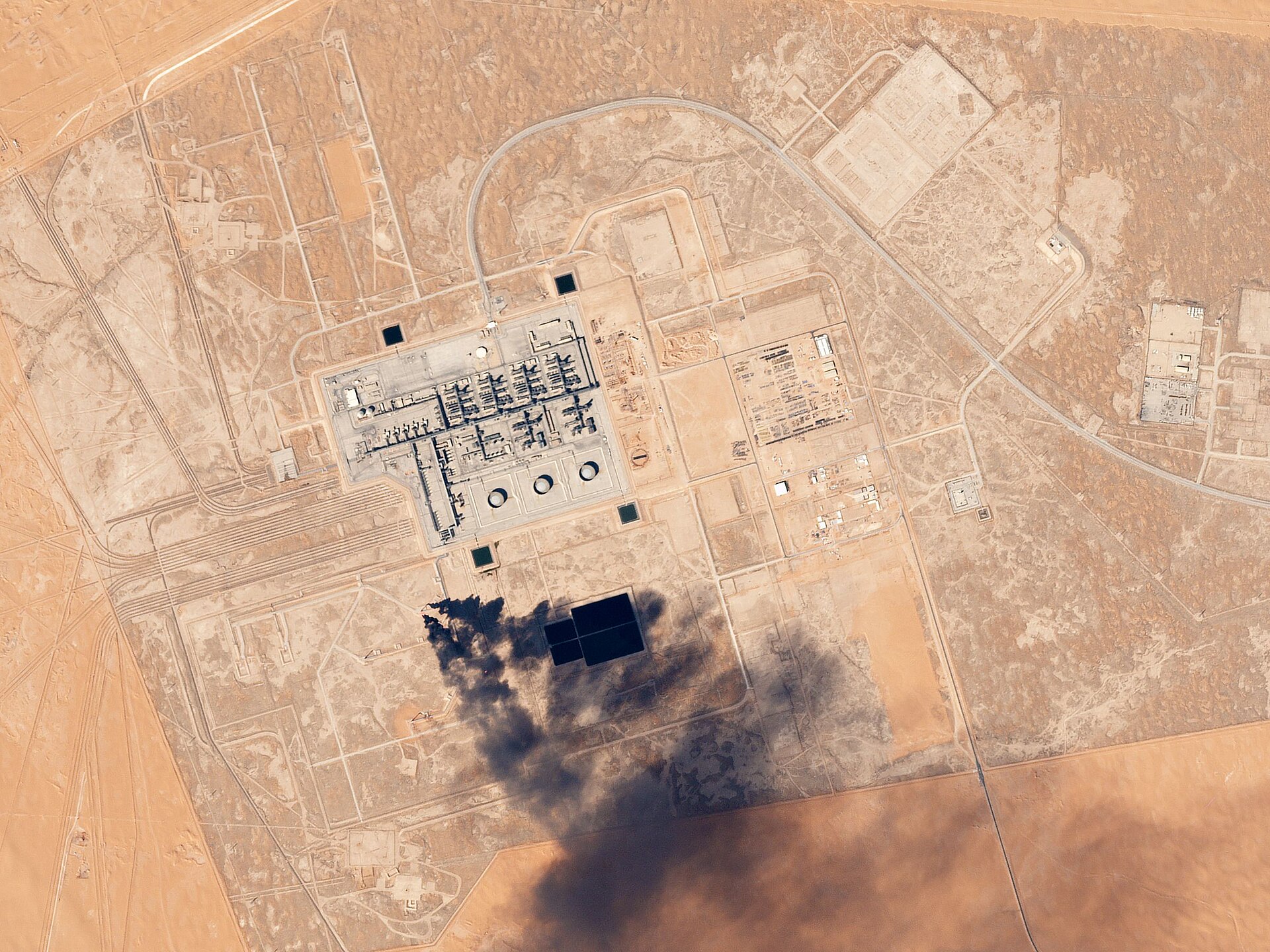
Markets have been watching the same map. Brent crude settled at $116.72 on Friday, October 23, according to Admiral Markets — its highest close since April, driven by Iran war attacks that raised the risk to Saudi supply.
Missiles Arrive Hours After the Tehran Talks
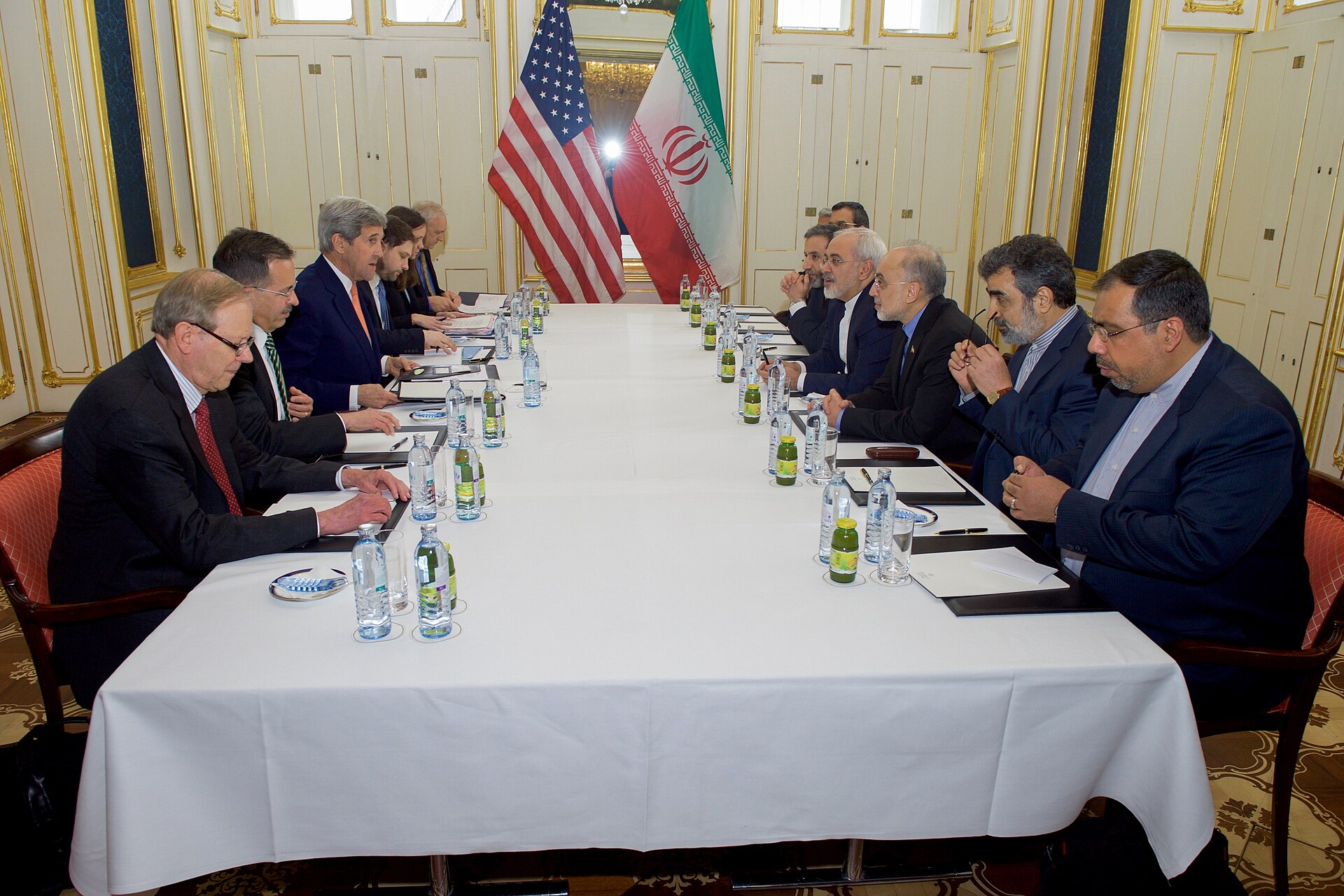
Saudi Defence Minister Prince Khalid bin Salman, Pakistani army chief Field Marshal Asim Munir and Turkish intelligence chief Ibrahim Kalin met Iranian President Masoud Pezeshkian, Foreign Minister Abbas Araghchi and Mohsen Rezaei, secretary of the Supreme National Security Council, in Tehran on Monday, Al Jazeera and Reuters reported. Saudi Arabia said the visit aimed to open negotiating channels to “prevent the return of military escalation.” Our earlier report covered the defence minister’s trip to Tehran.
The result was thin. Iranian state media said the four countries “agreed to continue the dialogue to strengthen cooperation amongst the four regional countries,” according to Al Jazeera and Reuters, with the joint statement issued late on Monday. Rezaei called the talks “very good,” and Iran said regional security should come from regional countries with foreign intervention kept out, Gulf News reported.
The four countries “agreed to continue the dialogue to strengthen cooperation amongst the four regional countries.”
Iranian state media, as reported by Al Jazeera and Reuters, October 27, 2026
Within hours, Houthi missiles were in the air over the Eastern Region. No Iranian statement on the October 27 launches had been reported by Tuesday morning. The sequence points to a straightforward conclusion: the Tehran talks did not stop the Houthi campaign. Background on the ceasefire bid is in the report on Saudi Arabia’s ceasefire push and the US strike timeline.
The 48 Hours Before the Barrage
On Monday, October 26, Houthi military spokesman Yahya Saree said the group had “successfully targeted” Riyadh’s international airport with a ballistic missile and struck oil pumping stations with drones, CBS News reported. The coalition said that missile was intercepted and destroyed. Saudi authorities did not confirm any damage to the pumping stations, according to CBS News.
The coalition hit back in Sanaa the same day, but its own numbers came in two instalments. Early on Monday it said it had destroyed 2 missile launchers in the Yemeni capital, CBS News reported. In a later statement it said a strike had destroyed 5 tunnels used to store ballistic missiles, 4 ballistic missile launchers and a missile depot, according to CBS News and Al Jazeera, and it is not clear whether the 2 launchers are included in the 4. Details of that operation are in our report on the coalition strikes on Houthi launchers in Sanaa.
Sunday, October 25, was heavier still. The coalition reported intercepting multiple missiles and drones aimed at Saudi territory in the course of the day. The Houthi spokesman said the group had carried out multiple operations against Saudi targets and denied that any missiles had been aimed at Mecca or Medina.
| Date | Event | Source |
|---|---|---|
| Oct 25 | Coalition reports multiple missiles and drones intercepted; Houthis claim multiple operations | CTP-ISW (Oct 26 update) |
| Oct 26 | Saree claims Riyadh airport missile and pumping-station drone strikes; coalition says missile intercepted | CBS News |
| Oct 26 | Coalition says it destroyed 4 launchers, 5 storage tunnels and 1 missile depot in Sanaa | CBS News; Al Jazeera |
| Oct 26 | Saudi, Turkish, Pakistani and Iranian officials meet in Tehran | Al Jazeera/Reuters |
| Oct 27 | Coalition intercepts 3 ballistic missiles aimed at Eastern Region and 4 drones heading south | Gulf News; Al Jazeera/Reuters |
What Are the Houthis Trying to Achieve?
Analysts at the Critical Threats Project and the Institute for the Study of War have a blunt reading. “The Houthis likely calculate that strikes on Saudi military and civilian infrastructure will decrease Saudi willingness to sustain military operations against the Houthis,” the group wrote in its October 16 and 17 Iran Update. In its October 26 update, it said Saudi Arabia was contending with daily Houthi missile and drone fire targeting military facilities and critical infrastructure, including airports and oil facilities.
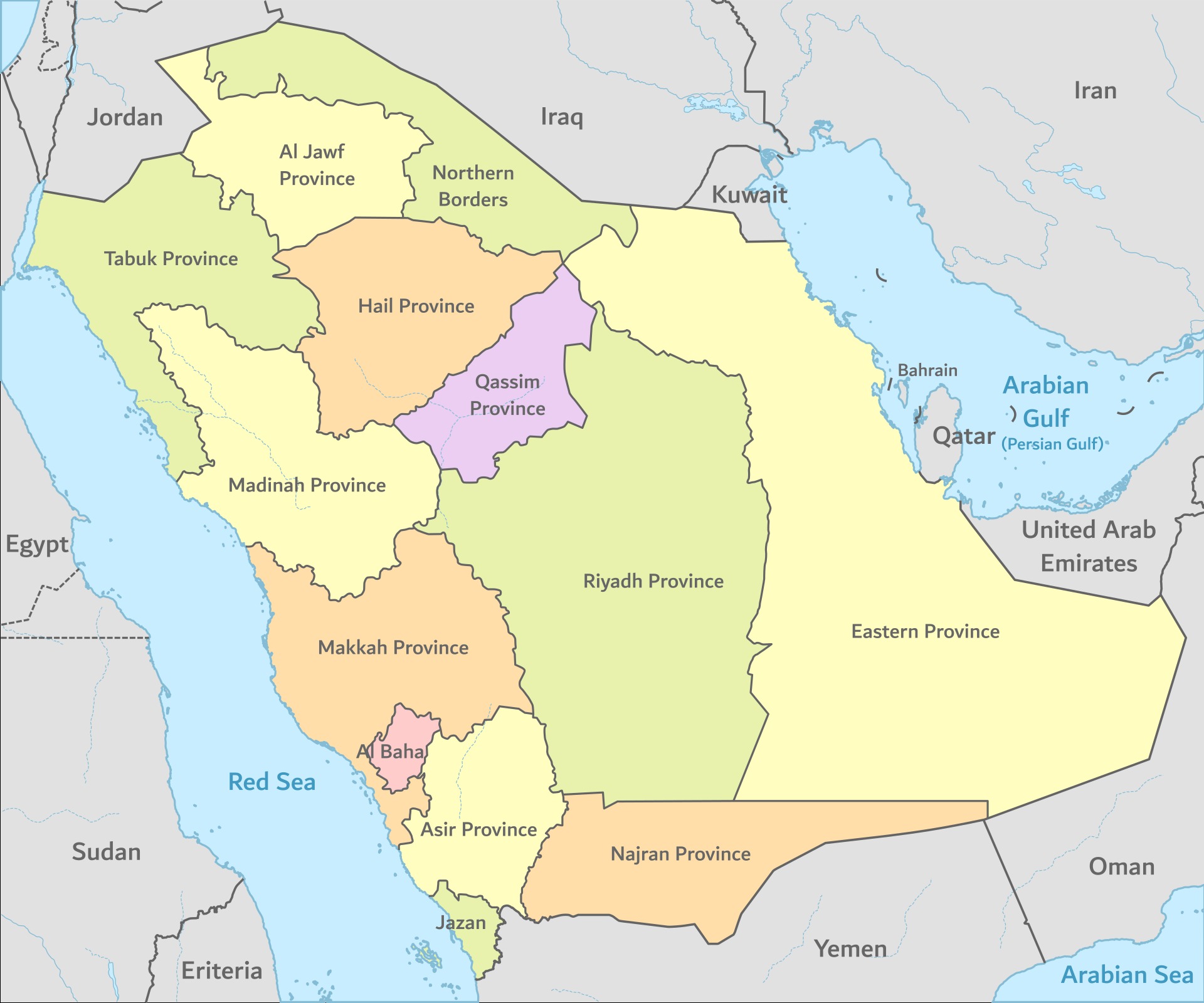
The geography of Tuesday’s attack fits that pattern. Missiles went to the east, where the oil infrastructure sits, and drones went to the south, close to the Yemeni border, so air defences had to answer in two places within hours. The Houthis have not publicly explained this particular split, and without a claim from Saree, their intent on October 27 is an inference, not a statement.
The Houthi side presents its campaign differently. The group has warned of more strikes and calls Saudi airports and oil sites legitimate military targets, Minute Mirror reported on October 15, and Saree has repeatedly rejected coalition accounts of attacks aimed at the holy cities. That dispute over basic facts runs through the whole war, and neither side’s claims about what was targeted have been independently verified.
US Forces Positioned for an Iran Strike
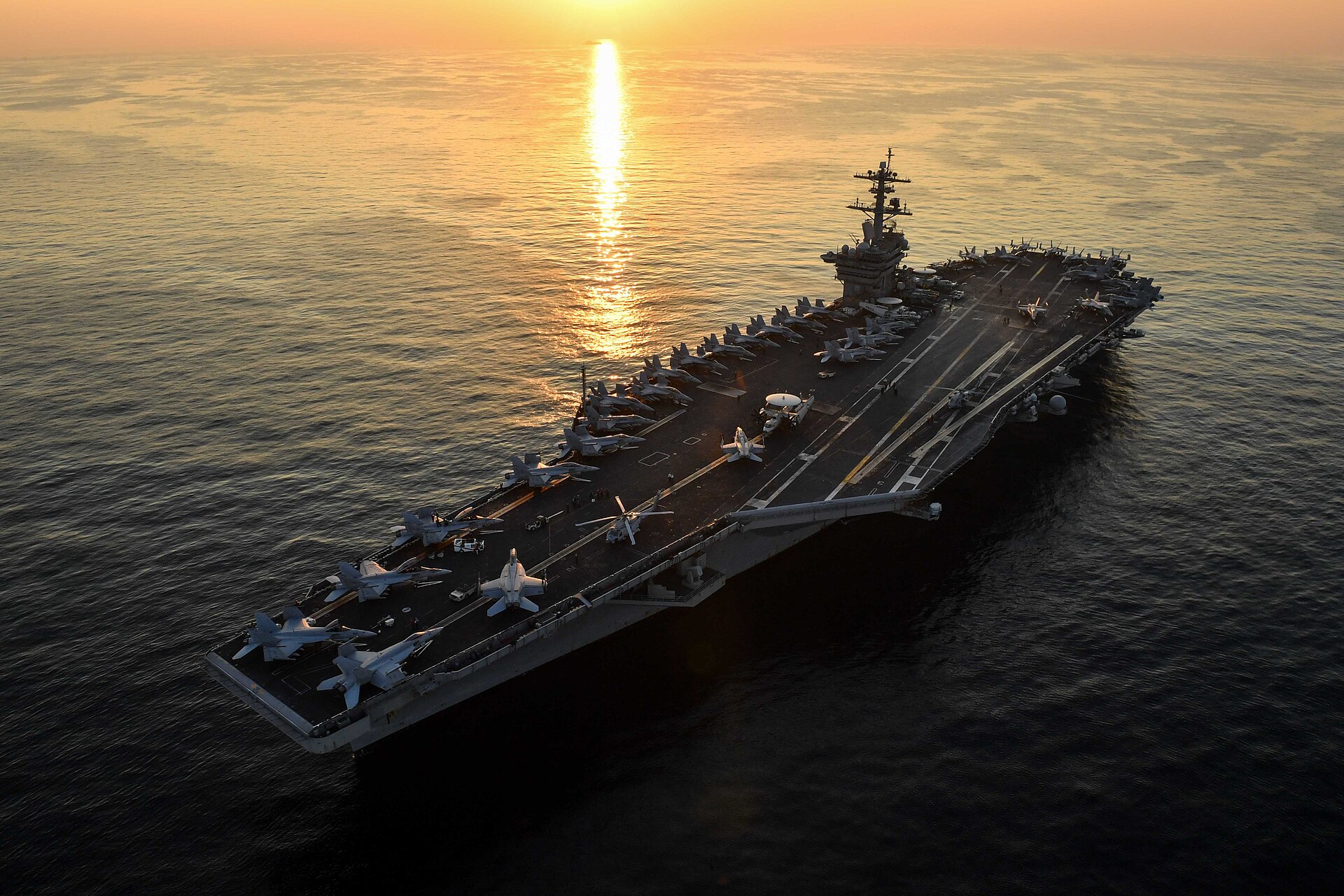
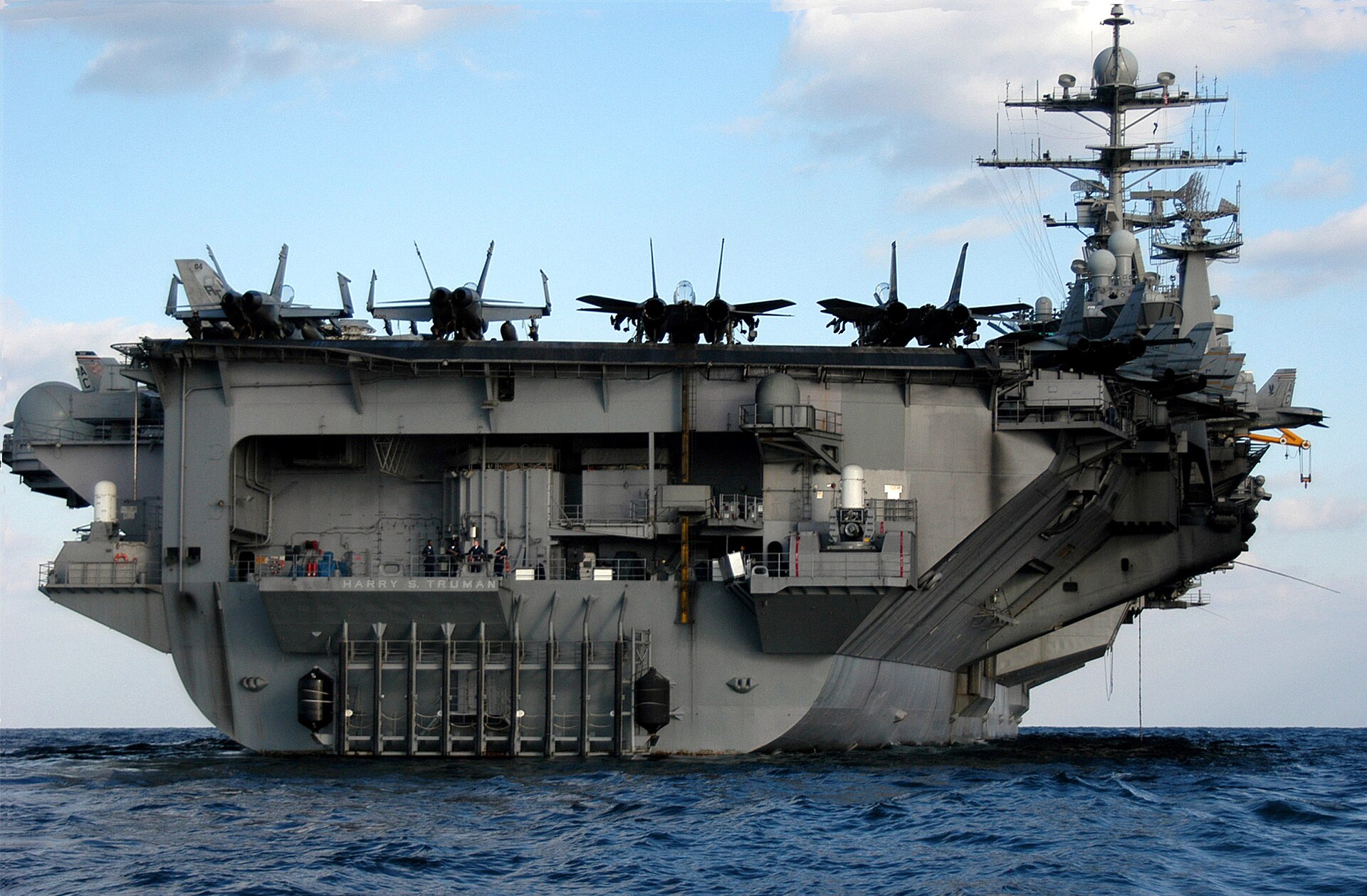
The barrage also landed as Washington weighs a much larger move against Iran. US forces in the Middle East could launch major operations against Iran within 96 hours of receiving an order from President Donald Trump, CNN reported on October 26, citing two US officials. One official said the operation would go beyond recent limited strikes.
Trump has not made a decision, according to CNN. The officials said the period after the November 3 midterm elections is seen as the most likely window, and they noted that Trump has backed away from similar moves at the last minute before. A senior Pentagon official said the department’s job is to develop military options ordered by the president, News.az reported.
For Riyadh, the two tracks are linked. Iran sat at the table with the Saudi defence minister on Monday while US planners kept options for strikes on Iranian territory, and the Houthis launched at the Eastern Region overnight. Whatever leverage Saudi Arabia hoped to gain in Tehran, the October 27 attacks suggest that leverage does not yet extend to Yemen’s launch sites.
Background: How the Two-Front Campaign Built Up
The 2022 truce between Saudi Arabia and the Houthis collapsed in July, the BBC reported. Yemen’s government launched an offensive on October 4, CNN reported, and the coalition said 100 jets flew in the opening operation, according to the Oman Observer. The Houthis responded by expanding strikes on Saudi territory, from airports to oil sites.
The deadliest single attack came on October 10, when a strike on King Khalid International Airport killed 12 people and wounded 309, Al Jazeera reported, while the BBC put the injured at 308. The BBC later reported the death toll rose to 13. Al Jazeera and Reuters described that attack as “the deadliest attack on the kingdom in more than a decade.” Travellers can check our Saudi Arabia travel status guide for current airport and flight information.
Riyadh has tried to answer militarily and diplomatically at the same time. The coalition has struck launchers and depots around Sanaa, and Saudi Arabia has drawn in partners under the Makkah pact while sending its defence minister to Tehran. The October 27 interceptions show the air-defence network is still holding, with no casualties reported, but the number of launches the coalition reports keeps the strain on that network constant.
Frequently Asked Questions
Did the Houthis claim the October 27 attacks?
No claim for the October 27 Eastern Region and southern launches had been reported by Tuesday morning, and Al Jazeera and Reuters said the Houthis had no immediate comment. In a separate incident on October 15, Saree called a coalition report of a missile intercepted near Medina a “shameless and brazen lie” in a post on X and insisted the group had launched no operation against Saudi soil that day, Minute Mirror reported.
What do the Houthis want from Saudi Arabia?
The Critical Threats Project said in its October 16 and 17 updates that the Houthi strikes aim to push Saudi Arabia to accept Houthi demands. It listed these demands as lifting Saudi controls on Houthi-held ports and airports and handing the Houthis control of Yemen’s oil and gas resources.
Are other regional states proposing a way out?
Oman’s Foreign Minister Badr Albusaidi called on October 26 for a Gulf non-aggression pact among 8 states, including Iran, Gulf News reported. Separately, Iran’s Ali Bagheri Kani said Washington must meet 7 conditions before Tehran considers negotiations, and Rezaei said Iran could accept a shorter implementation period of 4 or 5 days instead of 7, according to the same report.
Has the US changed its diplomatic presence in Saudi Arabia?
Yes. The US ordered non-emergency government staff to leave Saudi Arabia, Gulf News reported, and Reuters, citing sources, reported on October 22 that Saudi Aramco had ordered staff to leave its Dhahran headquarters, according to bdnews24. Our guide on whether Saudi Arabia is safe to visit tracks government travel advice.
The intercepted missiles on October 27 coincided with Israeli media reporting that Saudi Arabia had offered $1 billion through Iran to halt Houthi attacks — a claim no wire service has confirmed. A full account of the reported $1 billion Saudi offer to the Houthis via Iran examines the sourcing and what it reveals about Riyadh’s options.
The House of Saud Daily Briefing
Saudi Arabia's news in 3 minutes, every morning. Free. See today's issue