
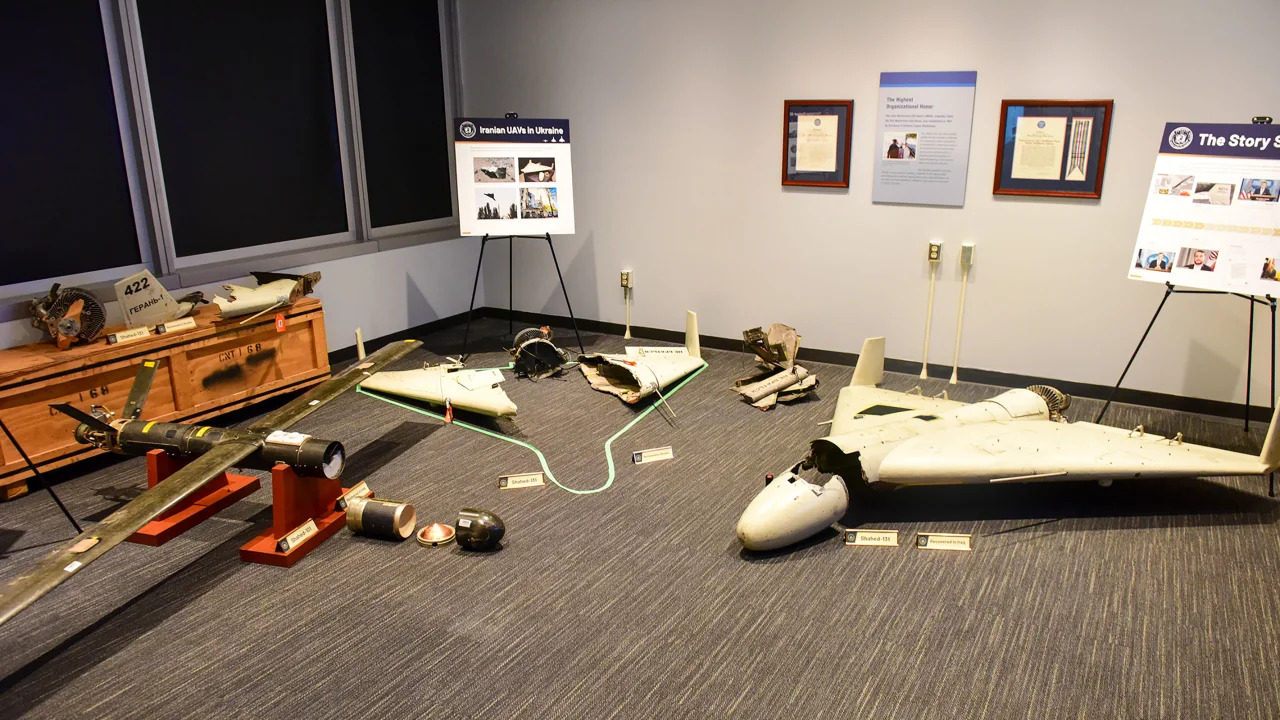
RIYADH — Saudi-led coalition forces intercepted and destroyed three Houthi drones over Riyadh and southern Saudi Arabia on 26 October, coalition spokesman Maj-Gen Turki al-Maliki announced, as part of the heaviest single day of Houthi attacks in the current war.
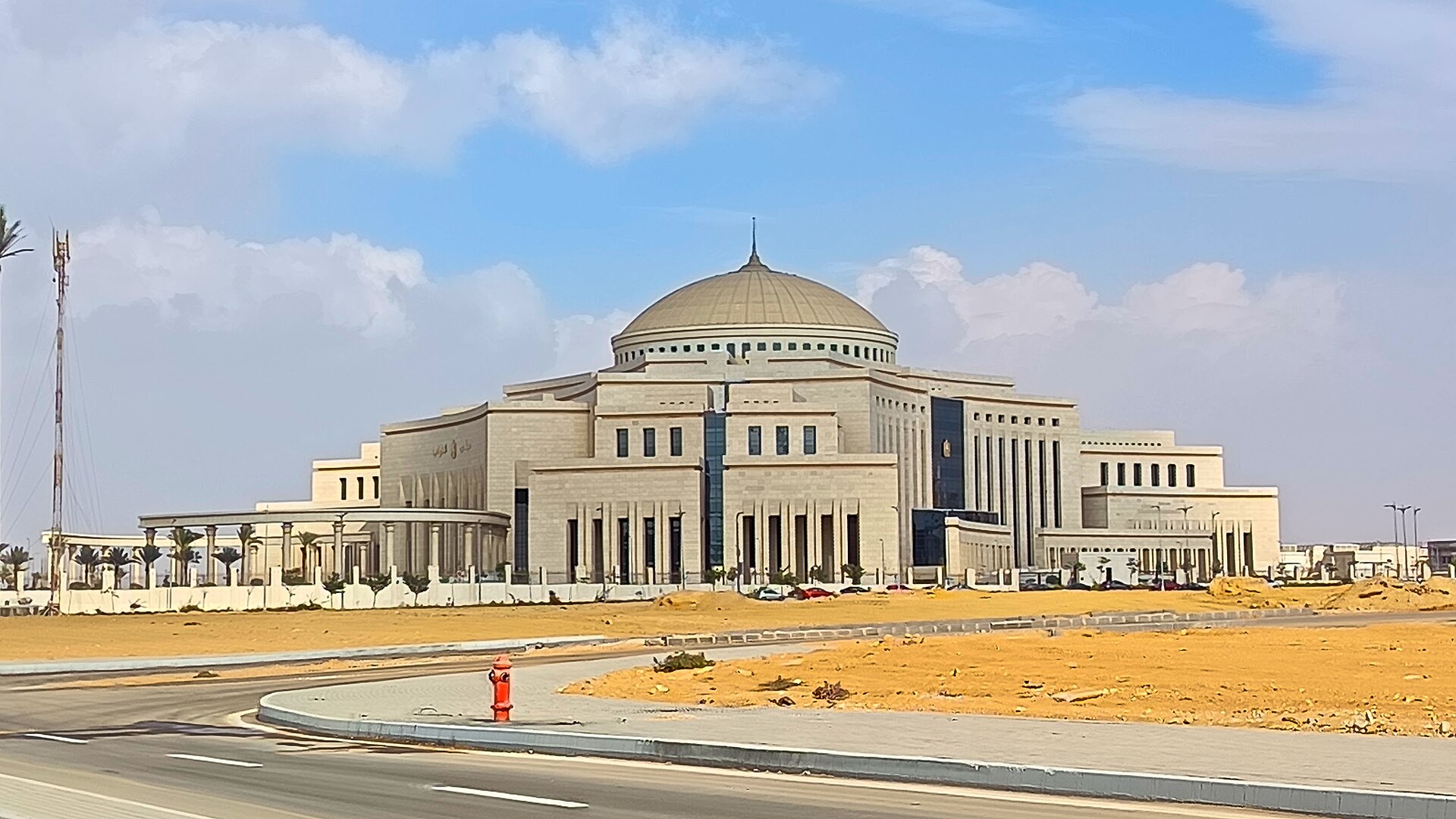
The drone intercepts formed one layer of a multi-pronged assault that also included a ballistic missile targeting Riyadh — which the coalition said it intercepted — Houthi claims of drone strikes on crude pumping stations along the East-West Pipeline, and coalition retaliatory strikes that destroyed four ballistic missile launchers, five missile storage tunnels and one missile storage unit in Houthi-held territory. The attacks came on a day when the IRGC declared the Strait of Hormuz closed to commercial shipping and Egypt’s parliament voted to authorise troop deployments to defend Saudi Arabia.
Table of Contents
What the Coalition Announced
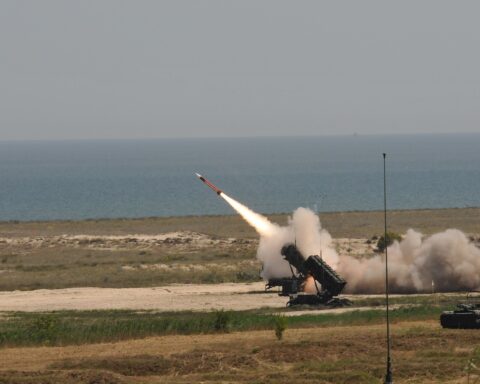
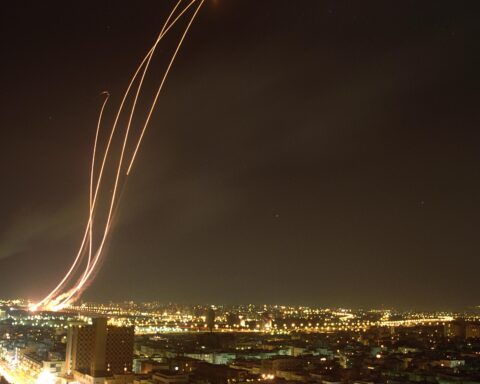
Al-Maliki said the coalition had achieved the “interception and destruction of three drones in the Riyadh region and the southern region,” according to LBCI, citing AFP. Middle East Eye independently reported the same statement, timestamping it at approximately 15:45 UTC. The announcement named two geographic zones but did not specify which air defence system engaged the drones, where they were launched from or whether the three intercepts occurred simultaneously or across a window of hours.
The House of Saud Daily Briefing
Saudi Arabia's news in 3 minutes, every morning. Free. See today's issue
No Houthi statement has claimed these specific three drones. Houthi military spokesman Yahya Saree separately claimed on 26 October that a ballistic missile struck King Khalid International Airport “with precision” and that drones had hit crude pumping stations on the East-West Pipeline, according to ABC News and CBS News. Neither claim addressed the intercepted drones over Riyadh and the south. The coalition said it intercepted the ballistic missile aimed at Riyadh, contradicting Saree’s account.
The 26 October intercepts follow a recurring pattern. On 13 October, three drones were intercepted north of Riyadh, according to Qatar News Agency via Gulf News. On 18 October, the coalition announced the interception of three drones — two over Riyadh and one over the Eastern Province — alongside two ballistic missiles targeting Khamis Mushait, GNA reported via dpa. Three times this month, three drones have appeared in a single coalition statement.
A Single Day of Missiles, Drones and Pipeline Claims
The intercepted drones were one element of an assault on 26 October that stretched across hundreds of kilometres. The coalition separately confirmed intercepting a Houthi ballistic missile aimed at Riyadh, CBS News and ABC News reported. Saree claimed the missile struck KKIA “with precision.” The airport had reopened only the day before — on 25 October, Terminals 1 and 2 resumed operations after the 10 October strike that killed 13 people and wounded more than 300, according to Al Jazeera and the BBC.
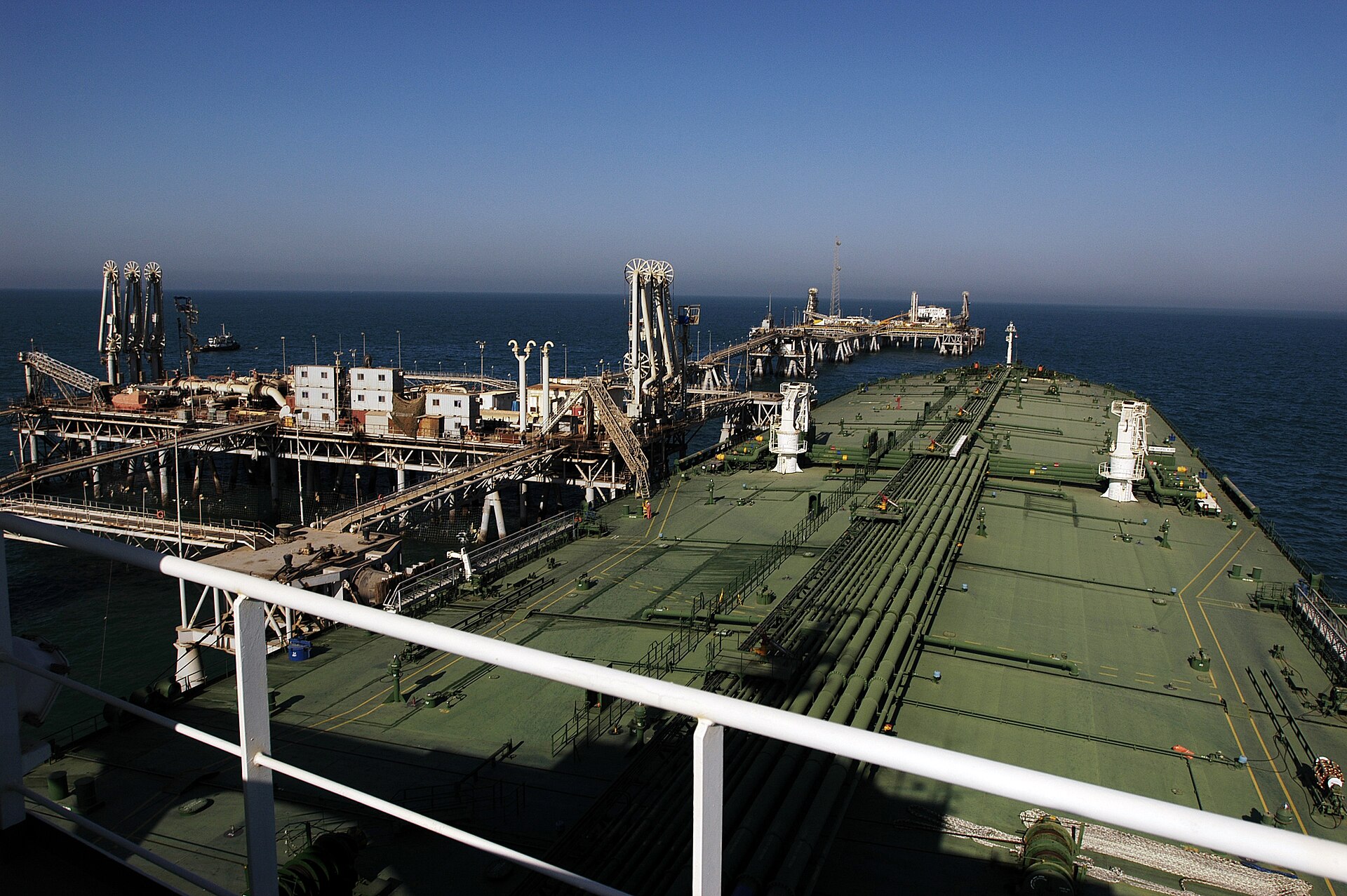
Saree also claimed drone strikes on crude pumping stations “in the eastern and western parts” of Saudi Arabia, a description consistent with the East-West Pipeline that runs from the Gulf coast to the Red Sea export terminal at Yanbu. He named no specific stations, Azernews and CBS News reported. The coalition did not confirm or deny pipeline damage. Saudi Arabia had suspended East-West pipeline flows as a precaution on 12 September and restarted the line on 22 September, though full capacity could take six weeks or more, Reuters reported via Baird Maritime.
At sea, the IRGC declared the Strait of Hormuz closed the same day, after Iran had already restricted the waterway in the preceding days. A Saudi foreign ministry official told the Cyprus Mail that “the escalation by the Houthis at this latest stage of the conflict is encouraged by Iran.” No source has linked the Hormuz closure to the Houthi air campaign as an explicitly coordinated operation, and the question of whether Tehran is directing both fronts or merely enabling the Houthis remains unresolved.
Can Saturation Tactics Overwhelm Saudi Air Defences?
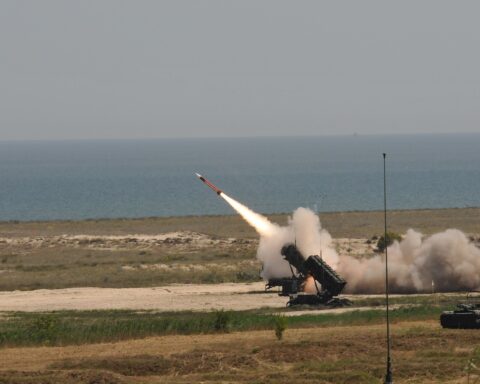
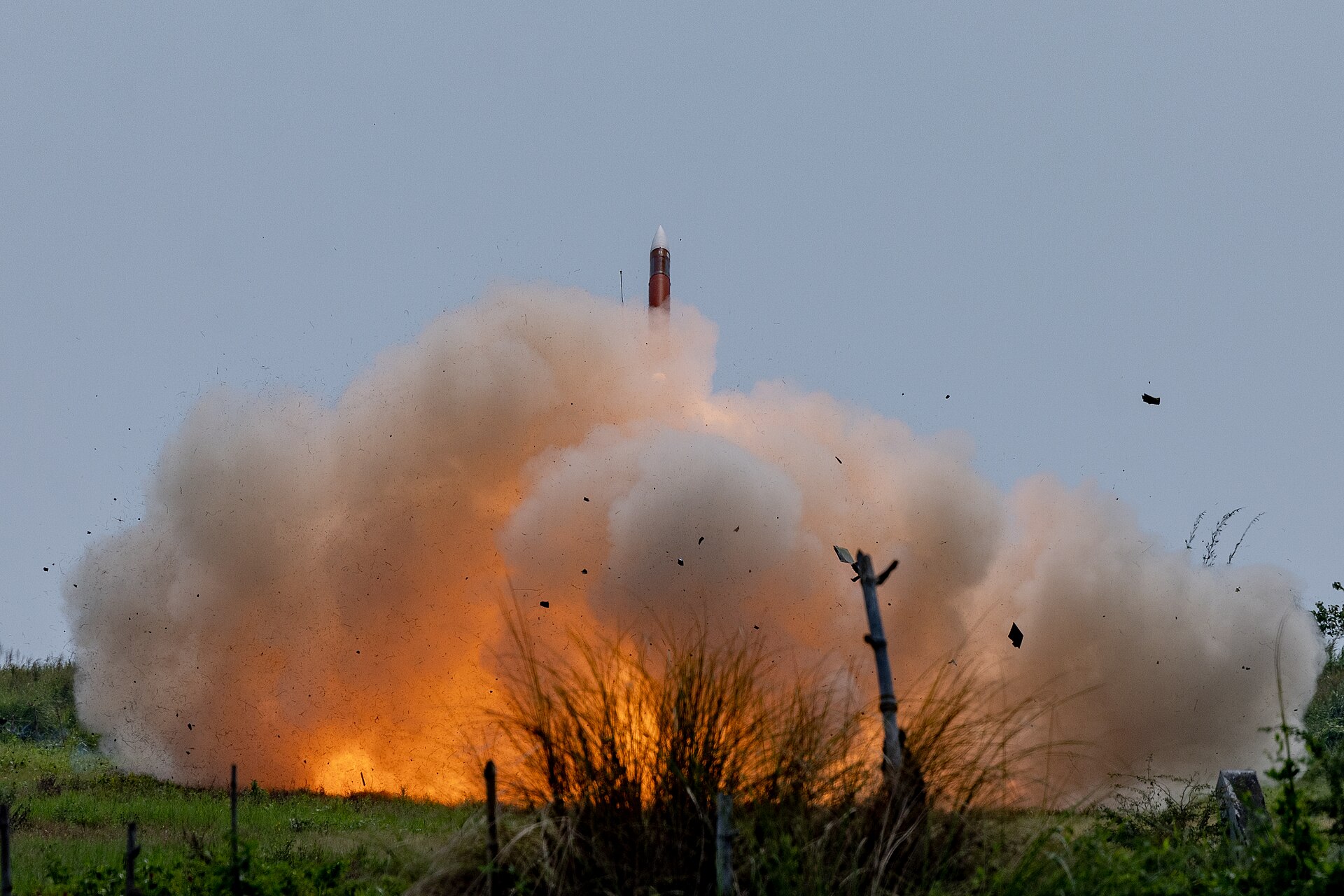
The simultaneous use of drones and ballistic missiles across multiple locations on a single day matches what Security Risks Research described in October 2026 as Houthi “hybrid swarm doctrine.” The study defined this as the use of drones and ballistic missiles at varying speeds in simultaneous, multi-axis attacks designed to overwhelm radar operators and deplete interceptor magazines. It called the approach “tactically innovative and strategically cost-effective.”
The cost arithmetic favours the attacker. A Houthi drone of the Shahed class costs an estimated $20,000 to $50,000, according to Security Risks Research and a study by Chittari Saikrishna at the Centre for Naval Analyses and War Studies, University of Ladakh. A Saudi interceptor missile costs an estimated $2 million to $4 million per shot. Every interception — whether the target is a slow-moving drone or a ballistic missile — draws down a stockpile that is finite and slow to replenish.
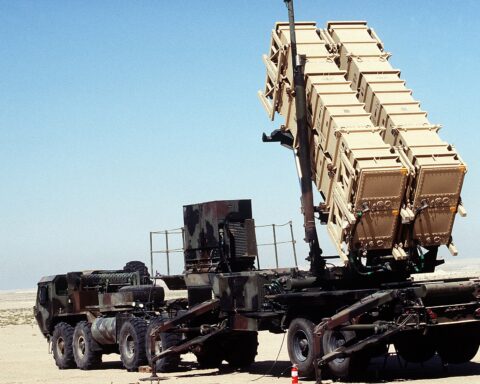
The National reported on 13 October, citing defence analysts, that approximately 2,000 combined THAAD and Patriot interceptors had been expended so far this year, and that replenishment could take up to 30 months at current production rates. Saudi Arabia initially held more than 1,800 Patriot interceptors, the article noted. Francis Tusa, editor of Defence Eye, is quoted in the same piece saying that in one instance up to 80 Patriot missiles were fired in a single night defending a US base in Jordan.
Dr Lynette Nusbacher, a former military intelligence officer, told The National that “no existing system” can “guarantee the interception of repeated, simultaneous attacks” involving ballistic missiles, cruise missiles and drones. THAAD and Patriot systems, she said, are “not available in quantity.” Robert Tollast, a military analyst at the Royal United Services Institute, warned in the same report that concentrating interceptors at one site risks leaving other areas uncovered — a problem that sharpens when attacks arrive at Riyadh and the south at the same time, as they did on 26 October.
“As much as you can have a multi-layered air defence system, one will always come through.”
Nawaf Obaid, King’s College London Department of War Studies, to Al Jazeera, 11 October 2026
Coalition Strikes on Houthi Launch Sites
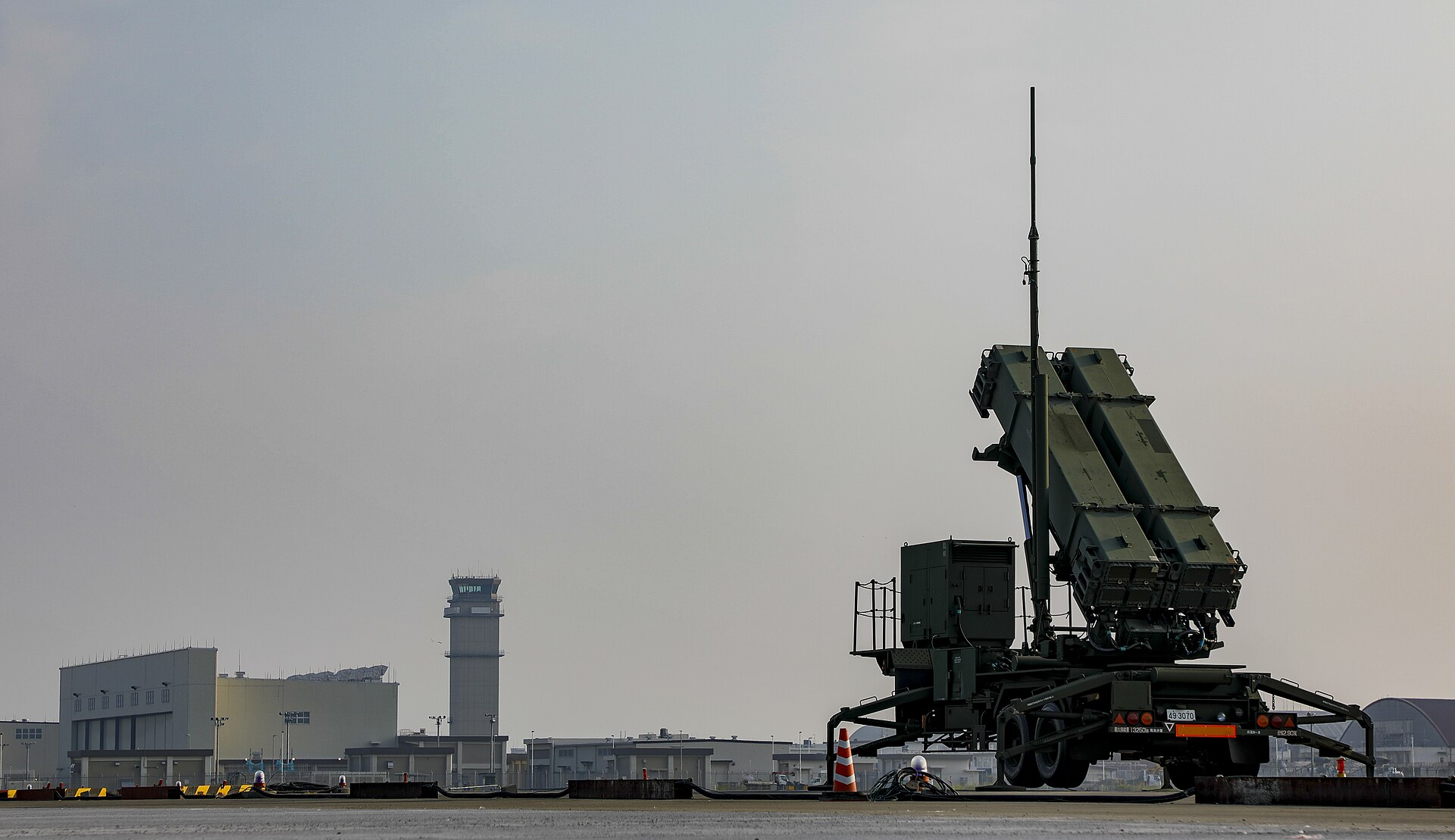
The coalition struck back on 26 October. Al-Maliki said coalition forces destroyed four ballistic missile launchers, five missile storage tunnels and one missile storage unit in Houthi-held territory including Sanaa, describing the operations as “aimed at neutralising sources of threat” and “focused on cutting off Houthi militia supply lines,” Al Jazeera reported.
Those strikes followed the coalition’s announcement a day earlier that it had intercepted 10 Houthi missiles over southern Saudi Arabia. Whether destroying launchers and storage sites on the ground reduces the rate of incoming attacks or merely forces the Houthis to disperse launch points is an open question. The Sammad-3 drone, a type the Houthis have used in previous operations, has an estimated range exceeding 1,800 km — sufficient to reach Riyadh from Houthi-controlled territory, according to a flight study cited by the Centre for Naval Analyses and War Studies. A weapon with that range can be launched from dispersed positions across a large area of Yemen, and the Houthis have shown the capacity to sustain attacks despite coalition strikes on their infrastructure.
What Does Tehran’s Summit Mean for the Houthi Campaign?
While drones crossed Saudi airspace on 26 October, Saudi Defence Minister Prince Khalid bin Salman, Pakistani Army Chief Gen Asim Munir and Turkish intelligence chief Ibrahim Kalin met in Tehran. The meeting’s agenda included the Houthi attacks on Saudi Arabia and the situation at Hormuz, ABC News and the Cyprus Mail reported.
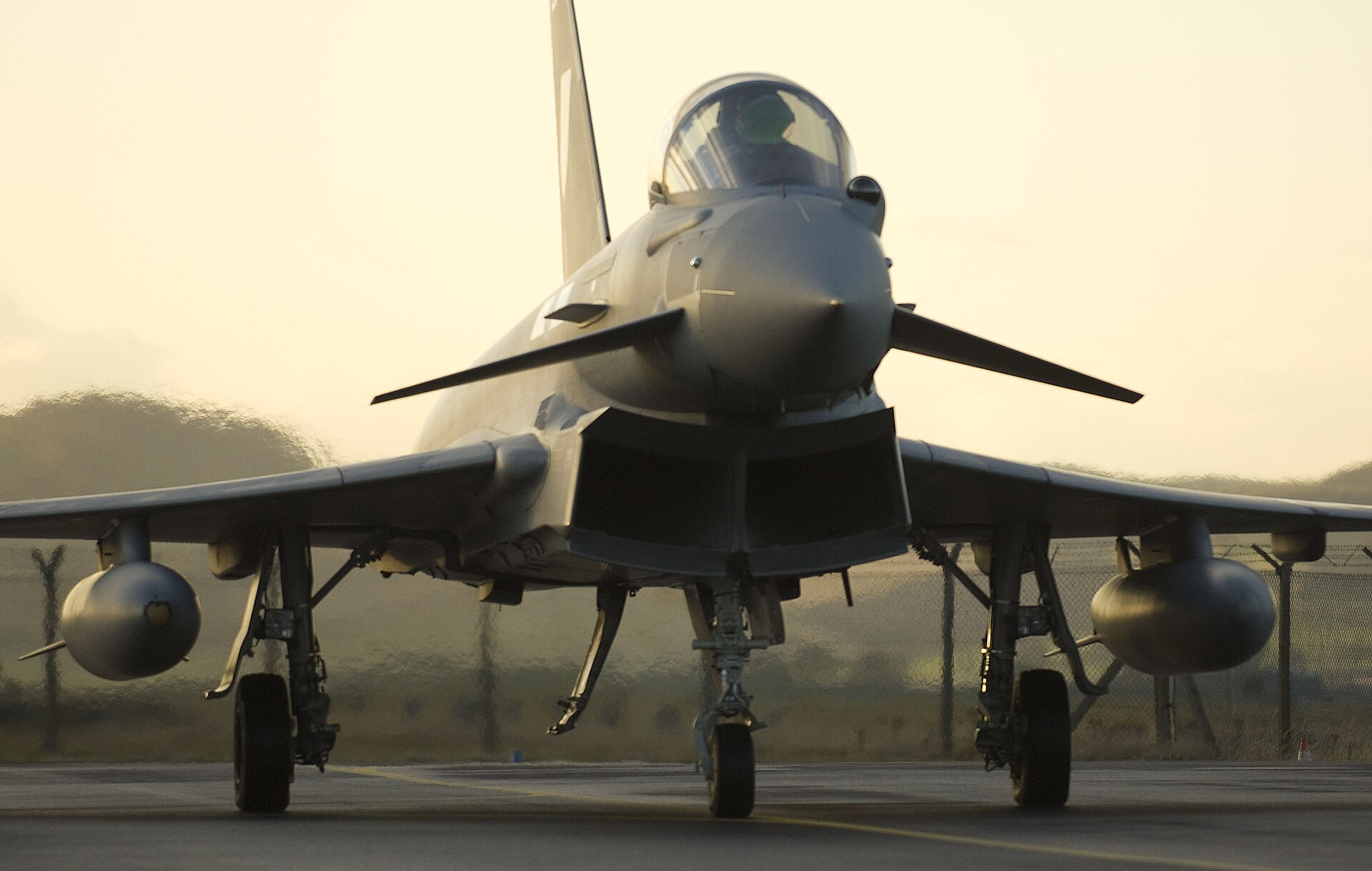
Iran’s Foreign Ministry spokesman Esmaeil Baqaei described the summit as “a prelude to establishing indigenous security within the region,” according to ABC News. The phrase — “indigenous security” — has been a consistent Iranian formulation for a Gulf order without a US military presence, an idea that sits beside a Saudi-led coalition whose members now include approximately 8,000 Pakistani troops deployed under the September 2025 mutual defence pact, according to Reuters, French air defences at Yanbu confirmed by Al Jazeera in September, and RAF Typhoon FGR4s announced for counter-air missions on 20 October.
The Mecca pact, activated by Prince Khalid bin Salman on 5 October, committed signatories to “activate collective deterrence measures… in response to the attacks and all those responsible for them,” Al Jazeera reported. The drone and missile attacks have continued daily since.
Background
The Houthi air campaign against Saudi Arabia escalated after the 2022 truce collapsed in July, according to the BBC. By 19 September, the Houthis had struck near KKIA in what Reuters reported was their first attack on Riyadh in the current escalation. On 16 September, the coalition downed a drone heading for Makkah, which the Houthis denied, the Khaleej Times reported. A drone knocked out a transformer at a Medina power station serving the Prophet’s Mosque on 1 October, Gulf Daily News reported.
The October airport strikes brought the war directly to the capital. On 10 October, a strike on KKIA killed 12 and wounded 309, according to Al Jazeera. The BBC put the injured at 308. An Indian victim’s subsequent death raised the toll to 13, the BBC reported. The airport remained closed until 25 October, when Terminals 1 and 2 reopened, according to Al Jazeera. On the same day, the Houthis denied targeting Makkah and Madinah, calling the Saudi claim a “huge lie,” Al Jazeera reported.
On 8 October, the coalition said it intercepted two ballistic missiles aimed at Riyadh, per the AP. Between 6 and 11 October, attacks on airports killed 20 people across KKIA and Dammam, per BBC figures. Crown Prince Mohammed bin Salman appealed to President Trump twice in September for US strikes on the Houthis; both times Trump ordered preparations and then reversed, CNN reported. Yemen’s government forces launched an offensive on 4 October and the coalition said 100 jets flew in Operation “Dawn of Yemen,” the Oman Observer reported.
Frequently Asked Questions
Has the United States joined coalition strikes against the Houthis?
No. President Trump said on 8 October that the US “will not be attacking Iran at any time prior to the midterm elections” on 3 November, according to The National. Secretary of State Rubio said the US “intends to live by” the US-Saudi defence agreement, The National reported in early October. CNN reported that more than 100 US military advisers were deployed to a new joint command for intelligence support, but no US combat operations against the Houthis have been announced.
Which countries have committed forces to defend Saudi Arabia?
Pakistan has deployed approximately 8,000 troops, around 16 mostly JF-17 aircraft, two drone squadrons and an HQ-9 air defence system financed by Riyadh, according to Reuters. France confirmed troops, radars and air defences for Yanbu in September, per Al Jazeera. The UK announced RAF Typhoon FGR4s for counter-air missions on 20 October. Turkey’s intelligence chief attended the Tehran summit on 26 October, but Turkey’s parliament had not ratified the Mecca pact as of 6 October, Al Jazeera reported.
Is King Khalid International Airport open?
KKIA’s Terminals 1 and 2 reopened on 25 October, according to Al Jazeera, after closing in the wake of the 10 October strike. Houthi spokesman Saree claimed on 26 October that a ballistic missile struck the airport; the coalition said the missile was intercepted. The European Union Aviation Safety Agency had widened its airspace warning for Saudi Arabia on 9 October, Fortune reported. Travellers should check the latest Saudi Arabia travel status before booking flights.
What has Iran said about its role in the Houthi attacks?
Iran has not claimed a role in directing the Houthi campaign. Mohsen Rezaei, secretary of Iran’s Expediency Council, said Tehran wanted the Saudi-Houthi war ended, Reuters reported via the Kathmandu Post in September. Foreign Minister Abbas Araghchi offered in October to “facilitate dialogue between Saudi Arabia and Yemen,” the BBC reported. On 26 October, Foreign Ministry spokesman Baqaei described the Tehran summit as a step toward “indigenous security,” while a Saudi foreign ministry official said the Houthi escalation “is encouraged by Iran,” according to the Cyprus Mail. The attack campaign continued into October 27: the coalition intercepted 3 ballistic missiles and 4 drones targeting the Eastern Region and southern Saudi Arabia in the early hours, hours after the Tehran talks concluded.
The House of Saud Daily Briefing
Saudi Arabia's news in 3 minutes, every morning. Free. See today's issue