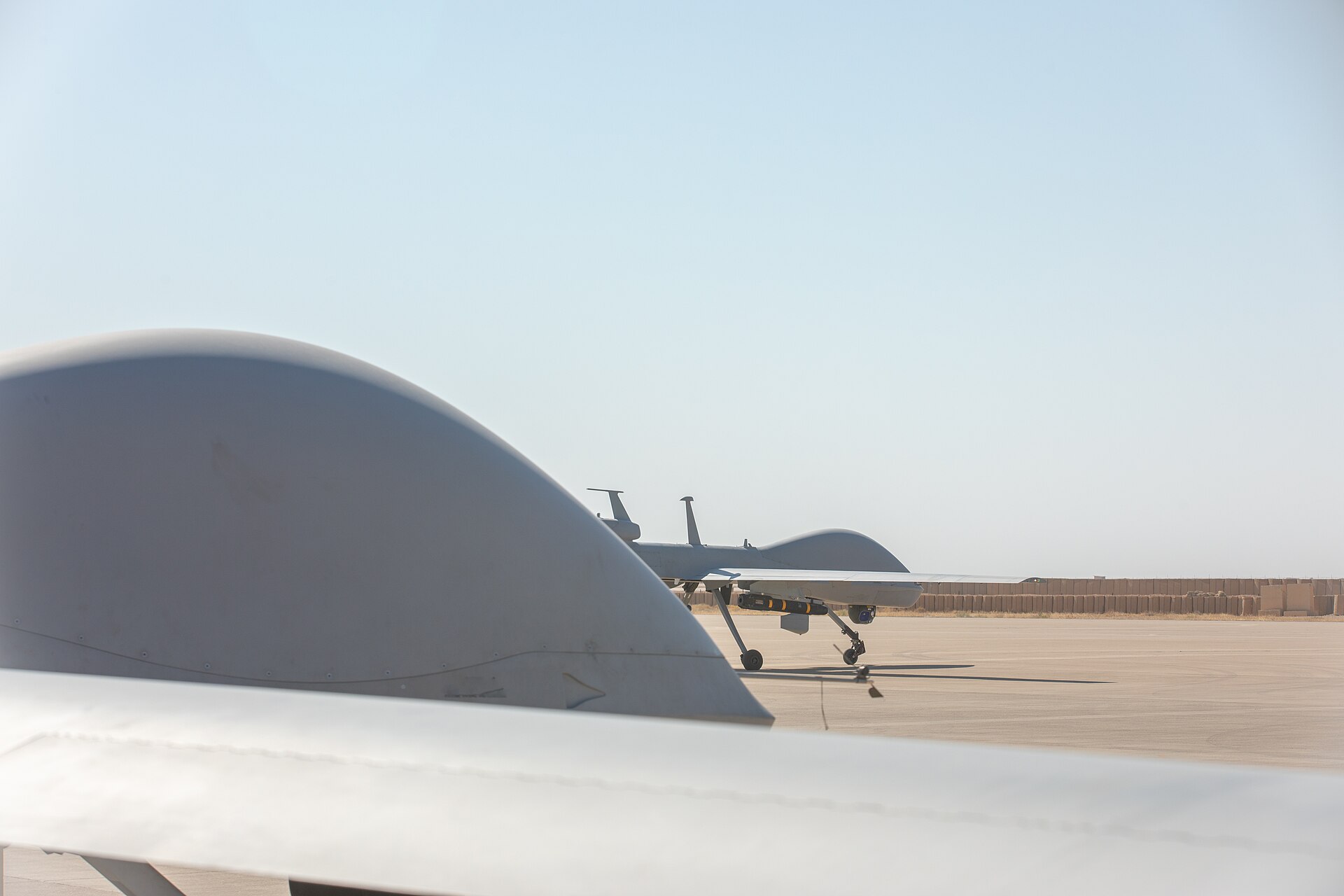
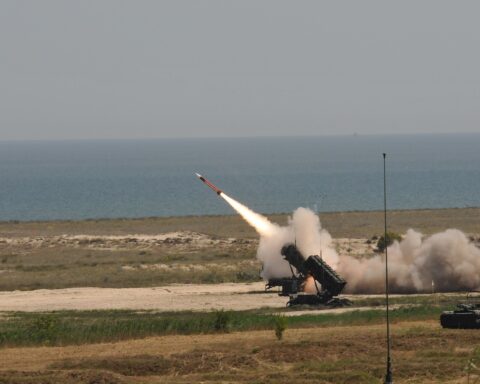
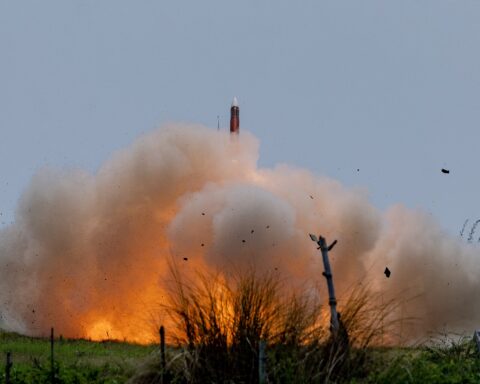
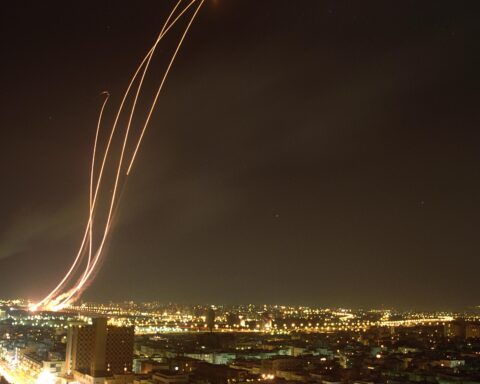
DHAHRAN — The Saudi-led coalition intercepted a Houthi ballistic missile fired toward Saudi Arabia’s Eastern Province early on Thursday, October 29, coalition spokesman Turki al-Maliki confirmed in a statement on X. Al-Maliki said forces had “intercepted and destroyed a ballistic missile launched by the terrorist Houthi militia,” AFP reported.
Saudi Civil Defense issued emergency warnings for both the Eastern Province and Najran, a southwestern province near the Yemen border, before confirming within minutes that the danger had passed in both regions, according to Asharq Al-Awsat. No casualties or damage were reported. The launch came two days after the coalition intercepted three ballistic missiles over the same region on October 27, a day that also saw a confirmed fire at Aramco’s Ras Tanura refinery.
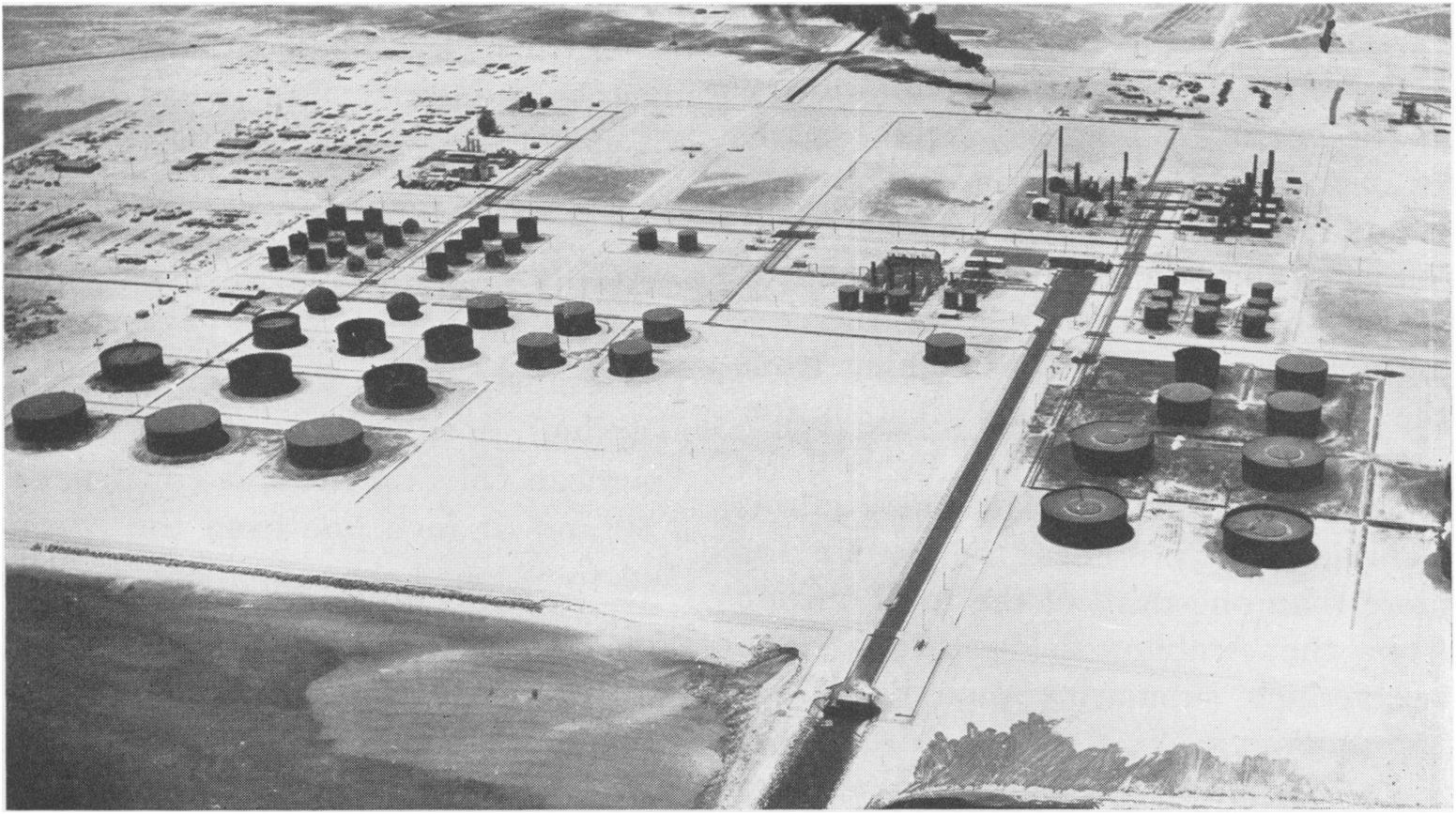
The Eastern Province holds the infrastructure that underwrites Saudi oil exports: the Abqaiq processing facility, Ras Tanura refinery and export terminal, and Aramco’s headquarters in Dhahran. The Strait of Hormuz has been effectively closed since October 26, and Houthis claimed drone attacks on East-West pipeline pumping stations the same day.
The House of Saud Daily Briefing
Saudi Arabia's news in 3 minutes, every morning. Free. See today's issue
Table of Contents
Coalition Statement and Civil Defense Response
Al-Maliki’s statement, distributed by AFP, offered no specifics on the missile’s trajectory, altitude or the interception system used. The phrasing — “intercepted and destroyed” — is the coalition’s standard language for successful air-defense engagements but gave no indication of where within the Eastern Province the missile was headed or how close it came to oil infrastructure. Middle East Eye’s live blog was among the earliest Western media to carry the announcement, reporting it in the 01:00–02:00 GMT hour on October 29.
Civil Defense issued two separate warnings before the coalition’s confirmation — one for the Eastern Province and one for Najran, AFP via Muslim Network TV reported. Whether Najran faced an incoming projectile or was placed on precautionary alert was not stated. Both alerts were lifted within minutes, Asharq Al-Awsat confirmed.
The dual alert covered two of the regions that have faced the most persistent Houthi fire since the conflict escalated. Najran, on Saudi Arabia’s border with Yemen, has been a target throughout the Houthi campaign since 2015. The Eastern Province, farther from Yemen but home to assets of far greater economic value, has come under repeated missile attack since mid-October.
Why Is the Eastern Province a Repeated Target?
The province is where Saudi Arabia’s oil wealth physically exists. Abqaiq — officially Buqayq — is the world’s largest crude oil processing facility. Ras Tanura, the kingdom’s largest refinery and export terminal, processes 550,000 bpd. Dhahran houses Aramco’s global headquarters.
Dammam, the provincial capital, serves as the Eastern Province’s population center and main civilian air link. Houthi missiles struck King Fahd International Airport there on October 21-22, killing 2 and injuring 8, Saudi aviation authority GACA reported, according to Al Jazeera. On October 13, a missile hit an Aramco administrative building in Dhahran, starting a fire but causing no casualties, The National News reported.
Beyond oil production, the province contains Jubail, one of the world’s largest industrial cities with extensive petrochemical operations, and the pipeline terminals linking Saudi crude to both the Hormuz sea route and the overland East-West pipeline to the Red Sea coast. The concentration of strategic assets has made it a target for the Houthis and Iran, who have demonstrated the ability to reach the province with ballistic missiles and armed drones across multiple escalation cycles since 2019.
The October 27 Precedent
The October 29 interception followed a sharper volley two days earlier. On October 27, the coalition announced it had intercepted three ballistic missiles fired toward the Eastern Province and four drones headed for southern Saudi Arabia, Al Jazeera and Al Arabiya reported. Separately, two missiles were intercepted over Riyadh the same day. The three separate coalition announcements accounted for a total of 9 intercepted projectiles across the Eastern Province, Riyadh and the southern border region.
Houthi military spokesman Yahya Saree claimed that day that a ballistic missile had struck Ras Tanura refinery directly, AA.com.tr reported. Bloomberg reported that a fire near the Ras Tanura terminal had been contained, citing a person familiar with the matter; the extent of any damage was not immediately clear. The gap between Saree’s claim of a direct hit causing large fires and Bloomberg’s report of a fire contained near the terminal reflects the broader pattern of divergence between Houthi claims and what coalition or company sources confirm.
By October 28, debris from an interception had damaged a building in Riyadh, and a separate missile fired toward Taif had been intercepted by coalition air defenses. Saree claimed a “direct hit” on the Saudi Defence Ministry in Riyadh, Free Press Kashmir reported. The coalition confirmed the Riyadh intercepts but did not confirm the ministry was struck.
Iran’s Tasnim Reports Drones; Coalition Confirms Only 1 Missile
Iran’s Tasnim news agency reported on October 29 that “Yemen launches missile, drone attacks on southern, eastern Saudi Arabia,” framing the incident as a wider multi-directional assault. The Tasnim article’s full text was not accessible during reporting, and its specific claims — the drone component and the southern Saudi Arabia targeting — could not be independently verified.
The coalition’s statement confirmed only a single ballistic missile fired toward the Eastern Province. No coalition announcement addressed drone launches or attacks on southern Saudi Arabia for October 29. The Civil Defense alert for Najran is the only official signal of a possible threat beyond the Eastern Province, and Saudi authorities did not specify its trigger.
The discrepancy follows a pattern that has held throughout the current conflict. Houthi-aligned media and Iranian state outlets report larger and more successful operations than coalition or Western wire sources confirm. Saree’s October 27 claim of a direct hit on Ras Tanura was partially corroborated — Aramco acknowledged a fire — but his October 28 claim of striking the Defence Ministry remains unconfirmed by coalition authorities. No confirmed Saree statement claiming the October 29 Eastern Province launch was found in wire reports as of publication.
Hormuz, the Pipeline and the Eastern Province
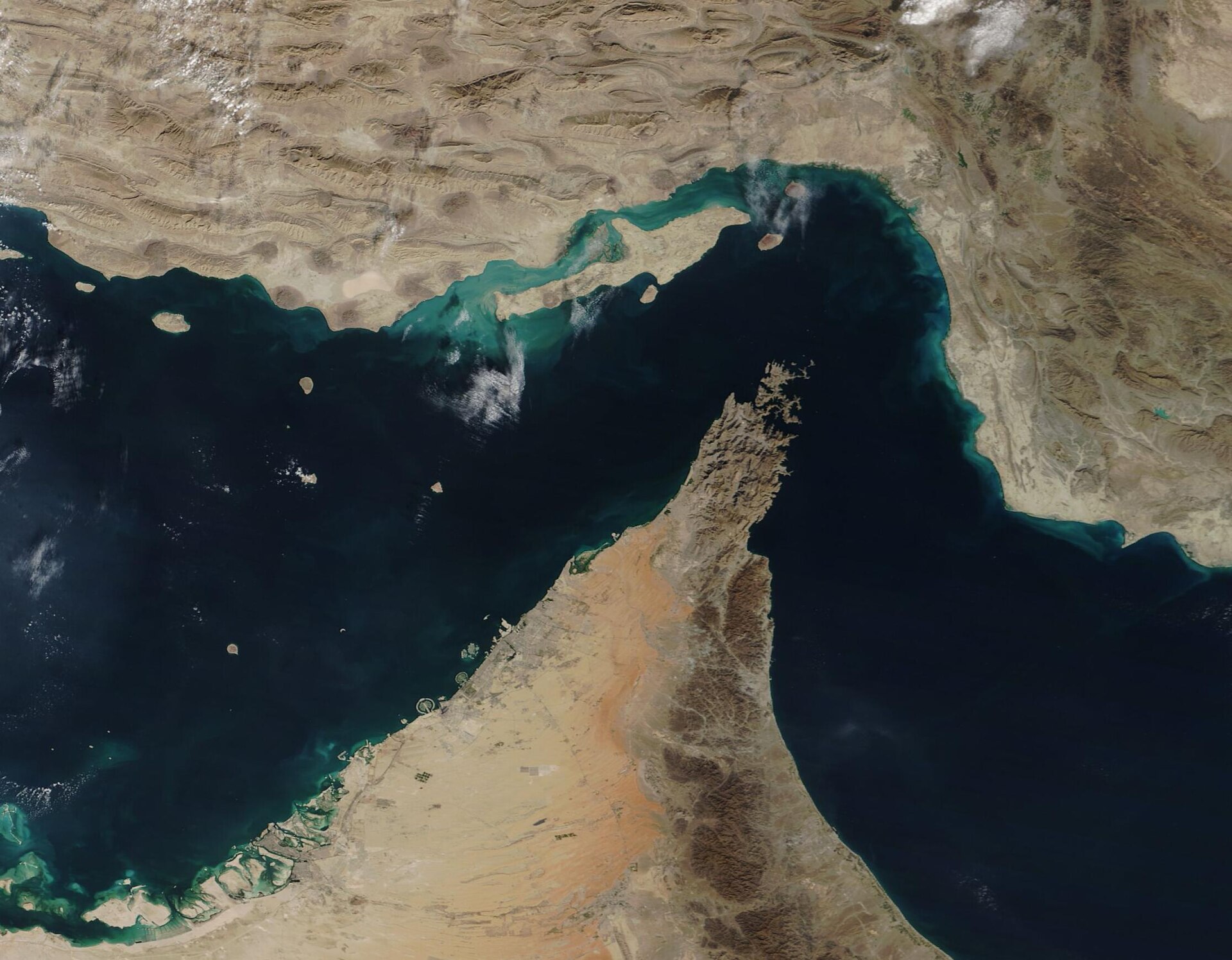
The interception came when every major Saudi export route faces some form of pressure. Tanker transits through the Strait of Hormuz have dropped from a pre-war baseline of 85 per day to 4, according to shipping data cited in wire reports. The IRGC declared the waterway closed on October 26, and the effective shutdown has severed the primary route for crude loaded at Eastern Province terminals.
Saudi Arabia’s main bypass is the East-West pipeline, which has 7 million bpd of capacity and carries crude overland to Yanbu on the Red Sea coast. Houthis claimed drone attacks on pumping stations along the pipeline on October 26 — the same day Iran closed Hormuz. Aramco has not publicly confirmed damage to pipeline operations.
Targeting the Eastern Province directly — where crude is extracted, processed and readied for export — threatens supply at the point of origin rather than along a transit route. A disruption at Abqaiq or Ras Tanura would reduce the volume available for both the Hormuz sea route and the pipeline to Yanbu. Brent crude was trading at $112-$114 per barrel as of October 22-23, according to IDN Financials, elevated by the Hormuz closure and broader regional hostilities. No price data specific to the October 29 interception was available at publication.
The military pressure has continued through what was intended as a diplomatic window. Saudi Arabia, Iran, Turkey and Pakistan held talks in Tehran that ended October 27 without a ceasefire agreement, Al Jazeera reported. The October 29 missile came two days after those talks concluded.
How Has the Eastern Province Been Targeted?
The most consequential attack on the province came in September 2019, when drones struck Abqaiq and Khurais. The United States and Saudi Arabia attributed the attack to Iran; the Houthis claimed it. The strikes temporarily removed more than 5 million bpd from global supply, and Saudi production took weeks to fully recover.
In March 2021, Houthi missiles and drones targeted Ras Tanura and Dhahran but were intercepted before reaching their targets, The National News reported. Brent crude rose above $70 per barrel in the days that followed.
Since mid-October 2026, the province has come under fire at a pace not seen in earlier phases of the conflict:
| Date | Target | Outcome | Source |
|---|---|---|---|
| Oct 13 | Aramco admin building, Dhahran | Fire, no casualties | The National News |
| Oct 21-22 | King Fahd International Airport, Dammam | 2 killed, 8 injured | GACA via Al Jazeera |
| Oct 27 | Eastern Province (3 missiles) | Intercepted; Ras Tanura fire contained | Coalition; Aramco via Argaam |
| Oct 29 | Eastern Province (1 missile) | Intercepted, no casualties or damage | Coalition via AFP |
In previous escalation cycles — notably March 2021 — strikes on the Eastern Province came as isolated incidents, followed by periods in which the province was not directly targeted. The current pattern is sustained and coincides with pressure on both of Saudi Arabia’s primary export routes.
Frequently Asked Questions
What oil facilities are in Saudi Arabia’s Eastern Province?
In addition to the Abqaiq processing facility, Ras Tanura refinery and Aramco’s Dhahran headquarters, the Eastern Province contains Jubail, one of the world’s largest industrial cities, with petrochemical and refining operations including plants run by SABIC and other joint ventures. The province hosts crude oil gathering infrastructure and pipeline terminals that feed both the Persian Gulf export route through Hormuz and the overland East-West pipeline to Yanbu on the Red Sea coast. King Fahd International Airport in Dammam serves as the province’s main civilian aviation hub.
Did the Houthis claim the October 29 missile launch?
No confirmed statement from Houthi military spokesman Yahya Saree was found for the October 29 launch as of publication. Saree typically delivers claims through Al Masirah TV, the Houthi-run outlet, and delays of several hours to a full day between a launch and an official claim are common. His statements generally name the specific target, the weapon type and a damage assessment that coalition sources usually dispute. Iran’s Tasnim news agency reported “missile, drone attacks” on Saudi Arabia on October 29, but the article’s full text was not accessible and the claims could not be independently verified.
Was Najran also attacked on October 29?
Saudi Civil Defense issued an emergency alert for Najran simultaneously with the Eastern Province warning on October 29, then lifted it within minutes, AFP via Muslim Network TV and Asharq Al-Awsat reported. No coalition statement confirmed an attack on or near Najran, and no casualties or damage were reported. Najran province sits on Saudi Arabia’s southwestern border with Yemen and has faced cross-border fire — including short-range missiles, drones, mortars and artillery — throughout the conflict that began in 2015. Civil Defense alerts for the province are routine during periods of heightened Houthi missile activity.
What air defenses protect the Eastern Province?
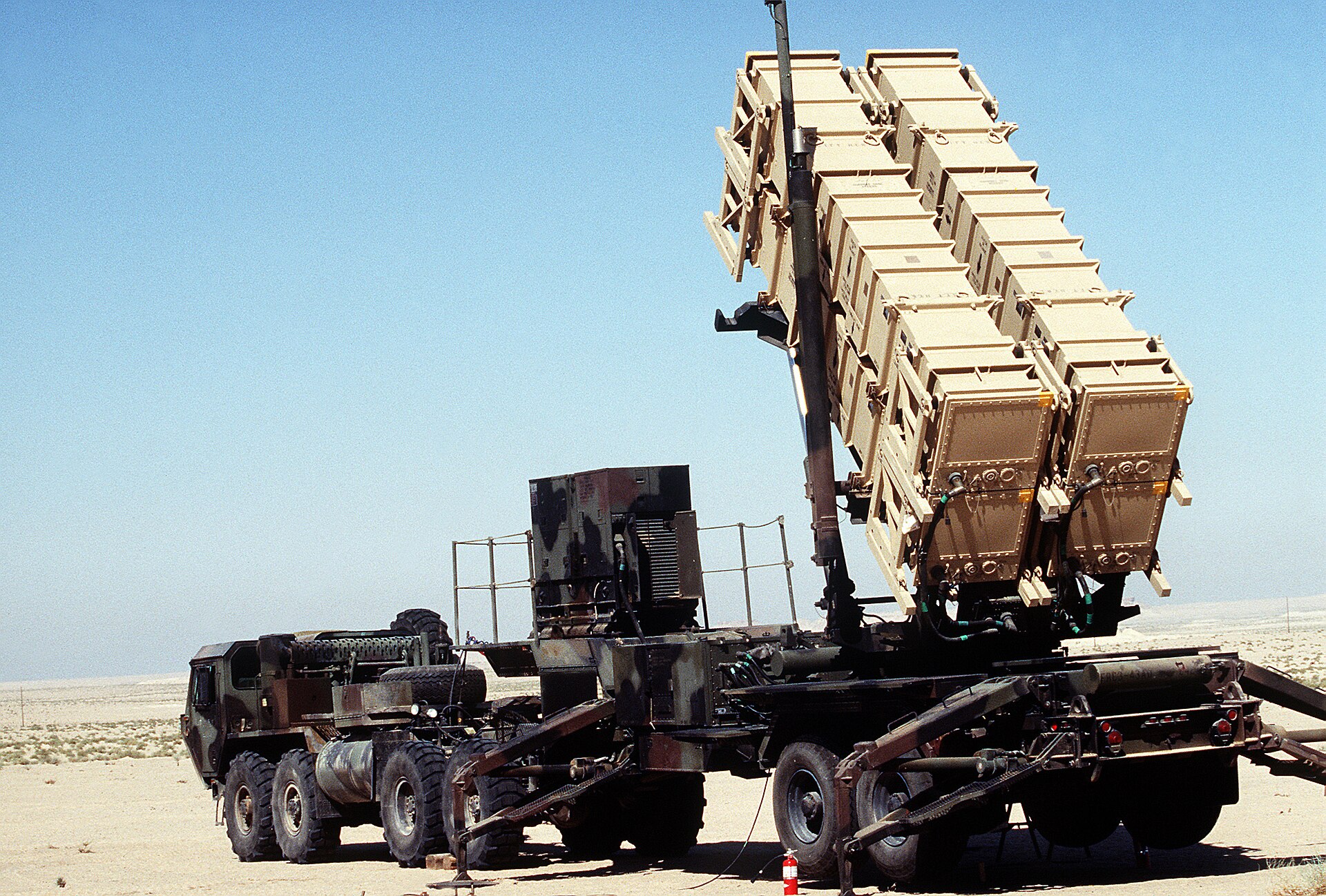
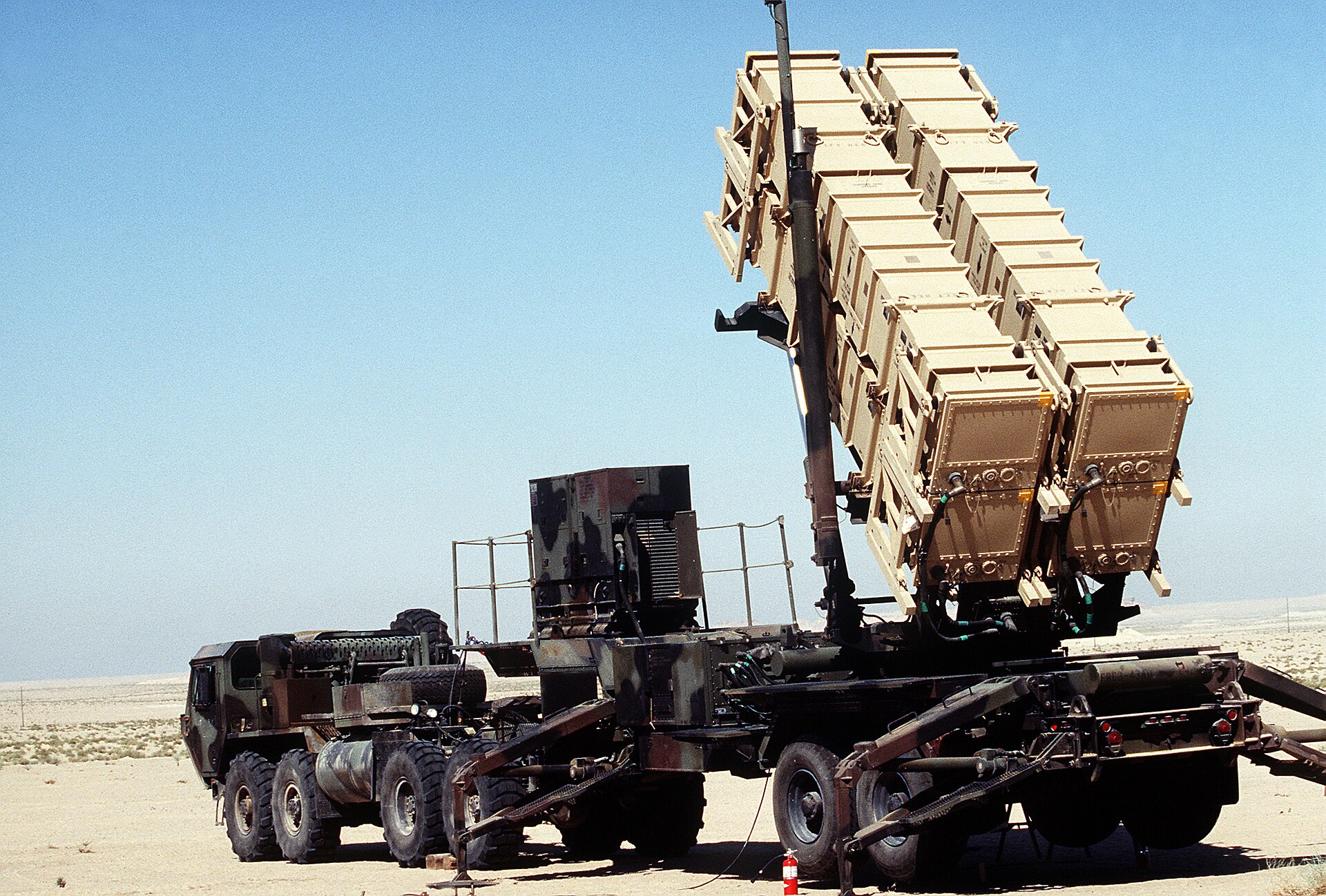
Saudi Arabia operates US-made Patriot missile defense systems, which form the backbone of its anti-ballistic missile capability. The kingdom has sought to expand air-defense coverage in recent years through additional Patriot acquisitions and other systems. The coalition does not disclose which specific system carries out a given interception or the disposition of batteries across the kingdom, and al-Maliki’s October 29 statement followed that pattern — confirming the interception without specifying the means.
How far is Yemen from the Eastern Province?
Houthi-held territory in northern Yemen is roughly 1,200 to 1,500 kilometers from the Eastern Province’s major oil facilities, depending on the launch site and target. That distance is within the range of the medium- and long-range ballistic missiles the Houthis have employed in the conflict, many of which are based on Iranian designs. Ballistic missile flight times over that range are measured in minutes, giving Saudi air-defense batteries a narrow window to detect, track and engage an incoming threat.
The House of Saud Daily Briefing
Saudi Arabia's news in 3 minutes, every morning. Free. See today's issue