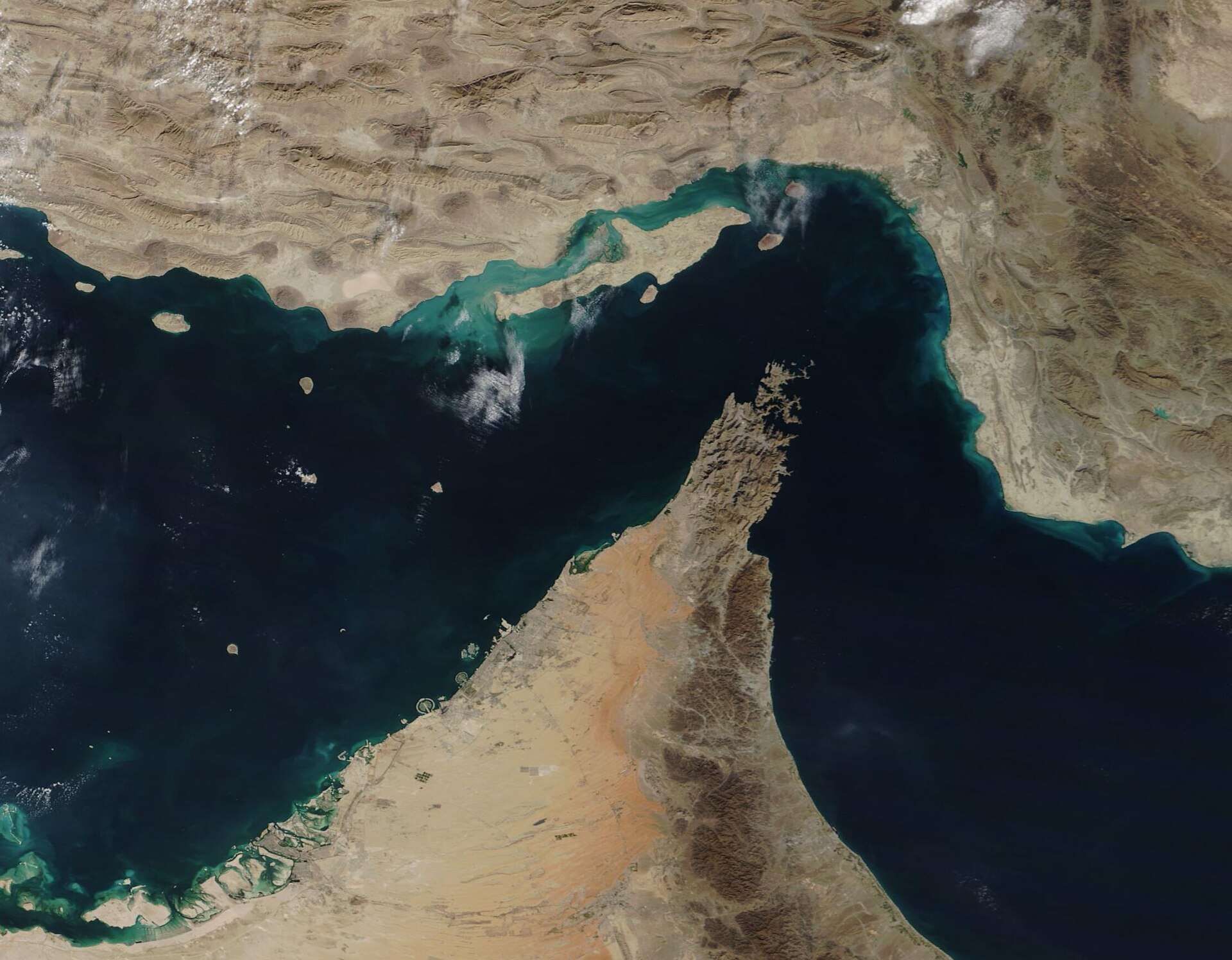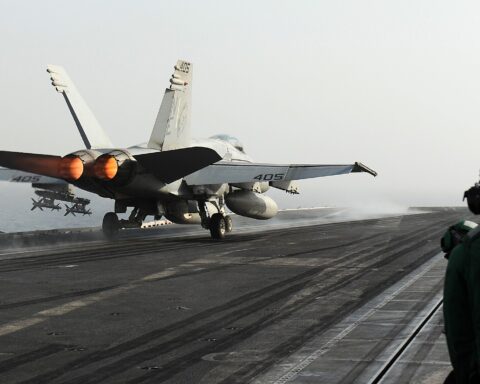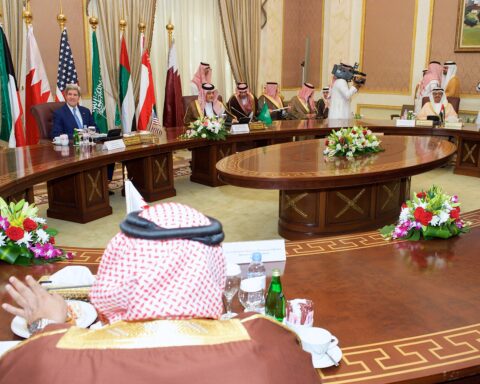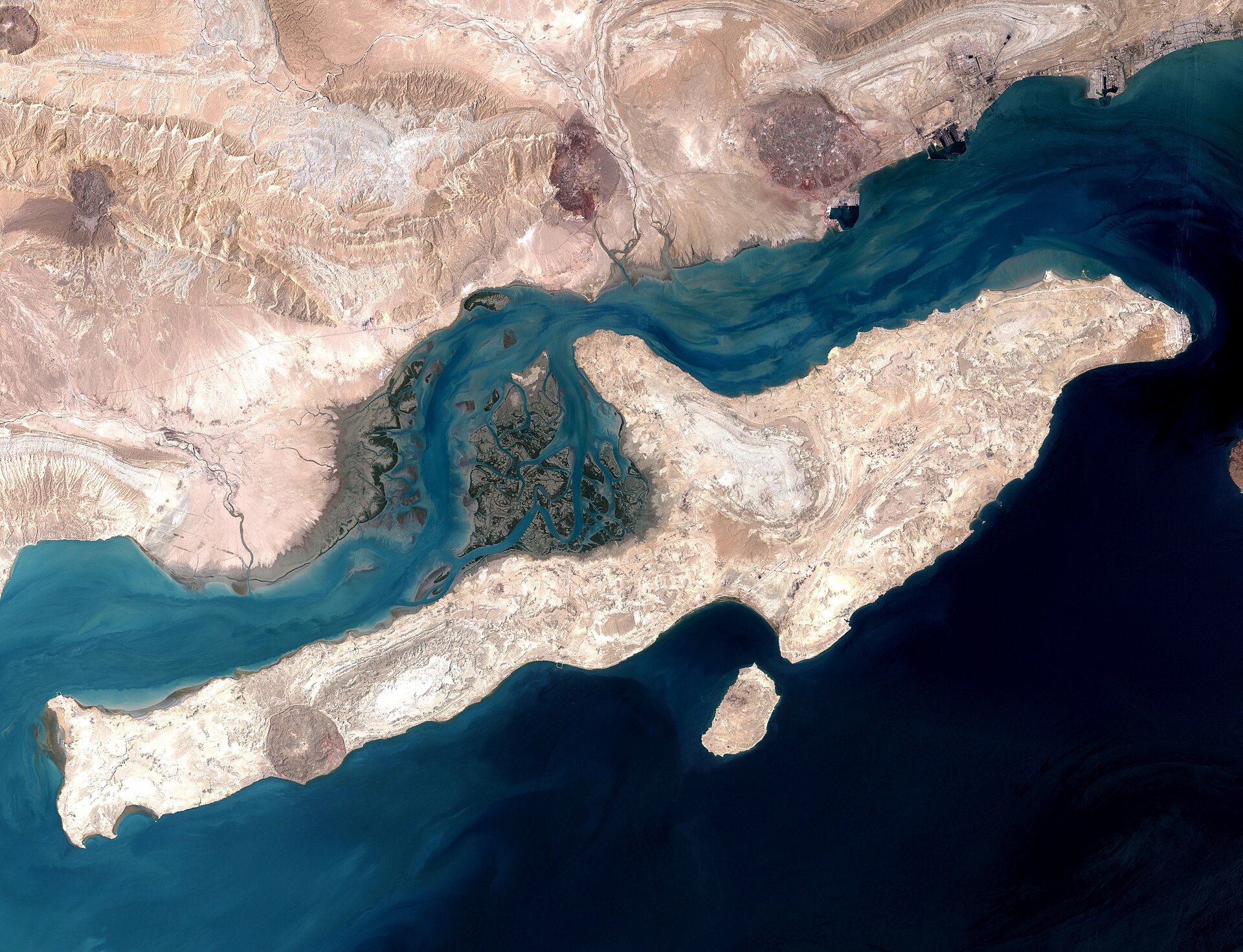

RIYADH — Iran has added a $24 billion reserves precondition to its demands for reopening the Strait of Hormuz, raising the threshold for any deal just six days before the United States midterm elections on November 3. The new condition, disclosed during the October 26 Tehran talks that ended without a ceasefire, means Tehran’s seven-day reopening clock will not begin until Washington unfreezes Iranian assets and lifts container clearance restrictions at Bandar Abbas, according to Iran International.
Saudi Arabia, whose crude loadings have fallen more than 70 percent since the crisis began, is structurally excluded from the only diplomatic channel that can reopen Hormuz. The US-Iran bilateral, relayed through Qatar, proceeds without a Saudi seat. Riyadh’s own parallel tracks — the Mecca pact delegation to Tehran on October 26 and Pakistan’s backchannel on October 27 — ended with nothing more than an agreement to keep talking.
Table of Contents
- Iran Adds $24 Billion Precondition to Hormuz Reopening
- What Is Iran’s Seven-Day Plan to Reopen Hormuz?
- Qatar Relays Messages as US and Iran Trade Accusations
- Why Is Saudi Arabia Excluded From the US-Iran Channel?
- Mecca Pact Tehran Talks End Without Ceasefire
- What Has the Hormuz Closure Cost Saudi Arabia?
- The Midterm Clock and What Comes After November 3
- Frequently Asked Questions
Iran Adds $24 Billion Precondition to Hormuz Reopening
Iran resubmitted its seven-day plan during the October 26 Tehran talks with one significant addition. The seven-day window will not start until $24 billion in Iranian foreign reserves is fully accessible and container clearance restrictions at Bandar Abbas are lifted, according to Iran International. This is on top of the seven conditions based on the June 17 Islamabad Memorandum that Iran’s parliament speaker Mohammad Bagher Qalibaf confirmed on October 4, telling The National News that the strait would not reopen until all conditions were met.
The House of Saud Daily Briefing
Saudi Arabia's news in 3 minutes, every morning. Free. See today's issue
The new precondition effectively creates a two-stage process. First, Washington must unfreeze reserves and clear the port restrictions. Only then does the seven-day countdown begin — with its own sequence of demands including the lifting of the US naval blockade and economic pressure. Iran’s foreign minister Abbas Araghchi restated the framework on October 18 at the Organisation of Islamic Cooperation summit in Baghdad: if Washington met Iran’s conditions, the Strait of Hormuz would reopen on the sixth day and negotiations would begin on the seventh day, according to press reports of his remarks.
Iran’s Supreme National Security Council Secretary Mohsen Rezaei told CBS News on October 11 that the United States had accepted “some” of Iran’s seven conditions but that others remained unclear. He said Iran was “no longer responding to the US” until Washington clarified its position, according to Iran International. On October 27, Iran said the US was “not serious” about talks, Al Jazeera reported.
What Is Iran’s Seven-Day Plan to Reopen Hormuz?
Iran’s plan, presented by Araghchi via Qatar in September, lays out a strict sequence. On Days 1 through 5, the United States lifts its naval blockade and economic pressure. On Day 6, the Strait of Hormuz reopens. On Day 7, negotiations on a final deal begin. Al Jazeera reported the framework on September 25.
The plan builds on the 14-point Islamabad Memorandum, signed on June 17 by the United States and Iran. Under that framework, Iran would reopen Hormuz with a 60-day passage arrangement, the US would lift its naval blockade within 30 days, and Washington would issue oil export waivers immediately. Saudi Arabia facilitated the Islamabad talks but was not a signatory to the memorandum.
The memorandum collapsed within weeks. Iran charged tolls despite the passage provision. Iran closed Hormuz on June 19-20 over Israeli strikes on Lebanon. On July 7-8, Iran attacked vessels including a Qatari LNG tanker. President Trump declared the memorandum “over,” struck 80 Iranian targets, revoked oil licenses and reimposed the naval blockade on July 14. The 60-day negotiating window expired on August 17 without a final deal.
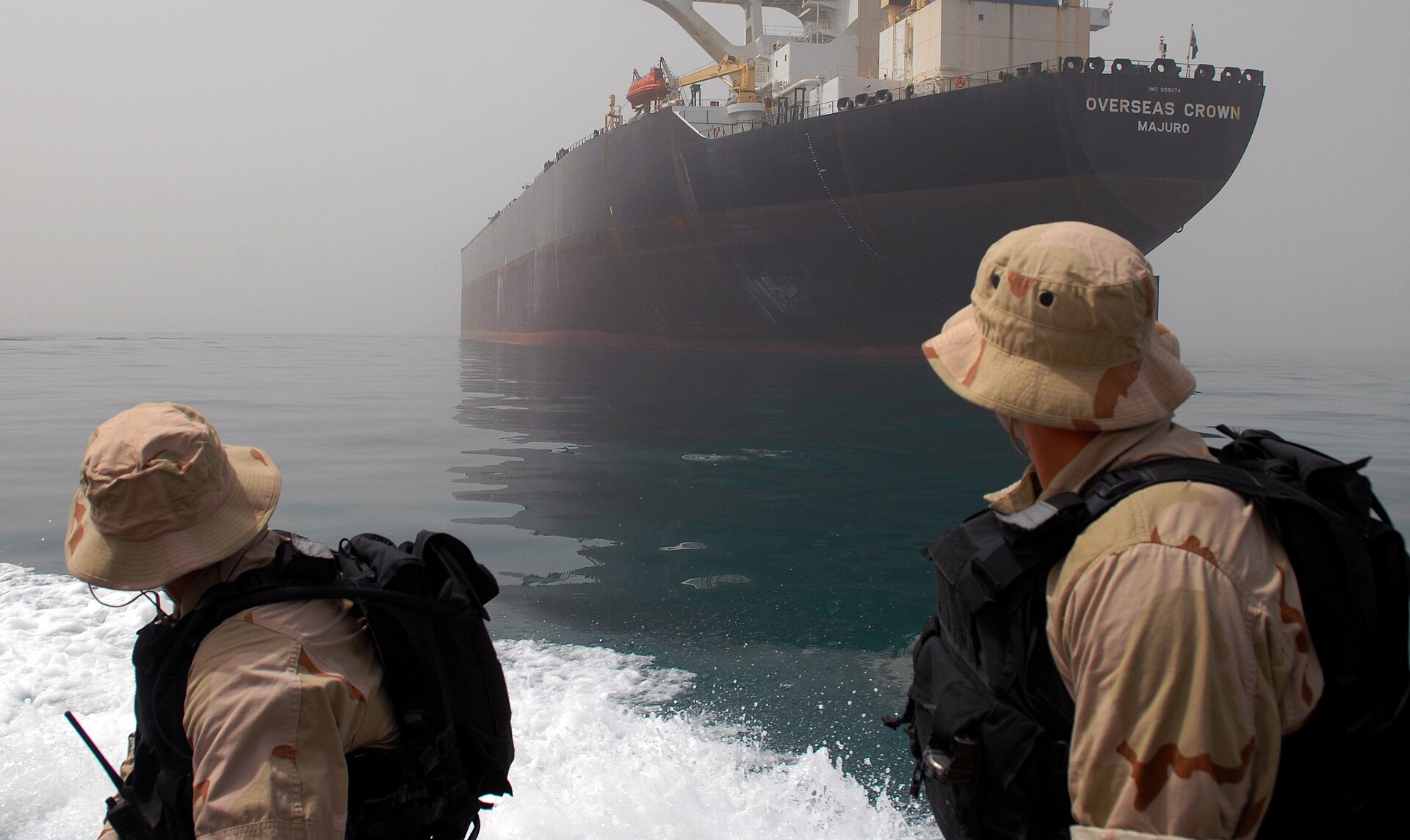
Qatar Relays Messages as US and Iran Trade Accusations
Qatar is the sole confirmed intermediary between Washington and Tehran. Ibrahim bin Sultan Al-Hashmi, Qatar’s Foreign Ministry media director, said on October 27 that “the ball is now in Iran’s court to commit to these principles and demonstrate good faith,” according to The Peninsula Qatar. He added: “Messages are ongoing and the exchange of ideas continues through the mediators.”
US special envoy Steve Witkoff described UN sideline talks with Iran in late September as “promising, constructive,” according to Republic World. Araghchi attended those talks and restated Iran’s conditions. Since then, the two sides have moved apart publicly. Trump said on October 8 that he offered Iran “NOTHING” and that “we will not be attacking Iran at any time prior to the midterm elections,” according to The National. Iran responded on October 27 that the US was “not serious,” according to Al Jazeera.
The Qatar channel operates as a message relay, not a multilateral mediation. Gulf states — including Saudi Arabia — are not party to these exchanges. Mona Yacoubian of the Center for Strategic and International Studies warned in June 2026 that a Hormuz deal that sidelines Gulf states would “entrench coercion,” according to a CSIS analysis published via inkl. Gulf states, she wrote, are “relying on information from Washington and Islamabad” rather than sitting at the negotiating table.
Why Is Saudi Arabia Excluded From the US-Iran Channel?
Saudi Arabia’s exclusion is structural. The Islamabad Memorandum was a bilateral US-Iran agreement. Saudi Arabia helped arrange the venue and provided diplomatic support, but the 14 provisions address the US naval blockade, Iranian oil exports, sanctions waivers and Hormuz transit — bilateral matters between Washington and Tehran. The memorandum contains nothing on Iranian drones, missiles or non-state proxy forces. The Houthi attacks that have struck Saudi oil infrastructure, airports and cities are entirely absent from the US-Iran framework.
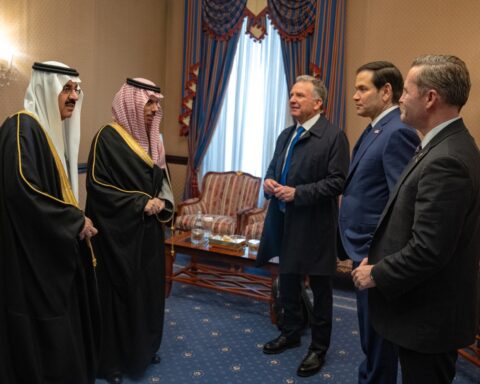
Crown Prince Mohammed bin Salman made two appeals to President Trump in September asking for US strikes on the Houthis. Trump declined both, Axios reported on September 11. Prince Faisal bin Farhan told the UN General Assembly on September 28 that the international community had been “absent,” according to The National. Secretary of State Rubio said on October 5 that “we intend to live by” the US-Saudi defence agreement, according to The National, but no US military action against the Houthis has followed.
The consequences are direct and measurable. Daily Hormuz transits fell from a pre-war baseline of 85 to 4 on October 18. The IRGC declared the strait “closed” on October 26. CENTCOM has redirected more than 130 vessels since the US blockade resumed on July 14, according to CENTCOM updates. Saudi Arabia cannot sell most of its oil, cannot protect its alternative export route from Houthi attack, and cannot participate in the negotiation that will determine when — or whether — Hormuz reopens.
Mecca Pact Tehran Talks End Without Ceasefire
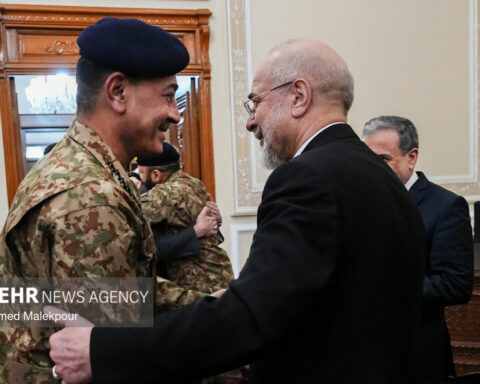
Saudi Arabia attempted its own path to a ceasefire through two parallel channels, both of which ended without results in the 48 hours before this article. On October 26, Saudi Defence Minister Prince Khalid bin Salman, Pakistani army chief Field Marshal Asim Munir and Turkish intelligence chief Ibrahim Kalin travelled to Tehran under the Mecca pact framework. They met Iranian President Masoud Pezeshkian and SNSC Secretary Rezaei. The delegations agreed only to “continue discussions,” Al Jazeera, France 24 and RFERL reported.
No ceasefire was reached. No joint communiqué was issued. The Saudi Cabinet reviewed the Tehran talks on October 27 without naming Iran in its statement, The National News reported. The omission reflected the gap between what Riyadh sought and what it got.
On October 27, Field Marshal Munir carried what was described as a Trump-backed proposal to Tehran. That channel also produced no breakthrough. Iran International reported that Rezaei told the visiting delegations that the $24 billion reserves precondition would apply to any reopening arrangement.
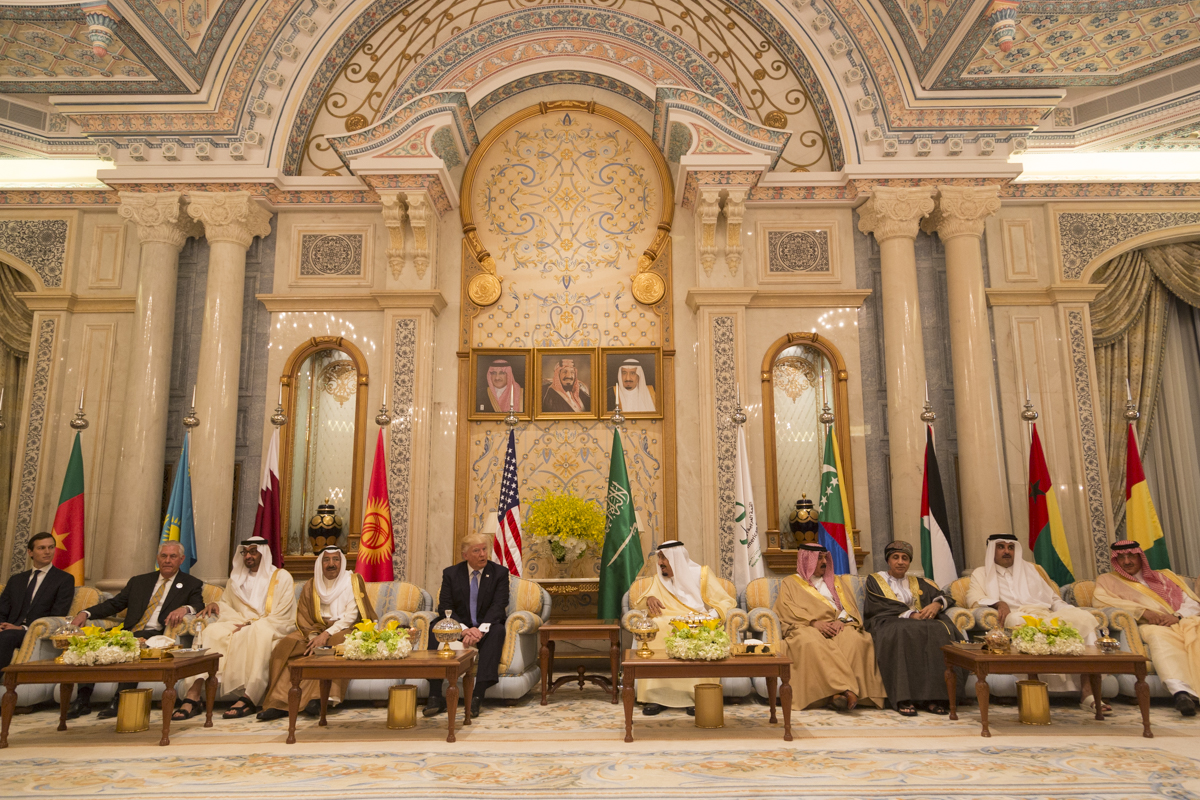
The Mecca pact — a joint defence agreement between Saudi Arabia, Turkey and Pakistan formed in August 2026 — was designed primarily to address the Houthi threat. Prince Khalid bin Salman announced on October 5 that the pact committee had agreed to “activate collective deterrence measures,” according to Al Jazeera. Its first diplomatic test in Tehran exposed a structural limitation: the alliance can project military solidarity, but it cannot deliver what Iran wants — sanctions relief and blockade removal — because only Washington controls those.
What Has the Hormuz Closure Cost Saudi Arabia?
The economic toll on Saudi Arabia is severe and accelerating. The kingdom’s revised 2026 budget deficit stands at 245 billion riyals, up from a budgeted 165 billion, according to Reuters via Zawya on September 30. Saudi Arabia’s OPEC+ quota remains at 10.5 million barrels per day, according to Enerdata, but with Hormuz effectively closed the kingdom cannot export through the Gulf — its primary route.
Brent crude stood at $116 per barrel on October 24, according to Iran International. The price reflects global supply fears, but for Saudi Arabia the paradox is acute: oil is expensive, yet Riyadh cannot sell most of its output. The OPEC+ meeting on November 1 will take place with Saudi Arabia unable to fill its own quota.
The East-West pipeline, Saudi Arabia’s alternative export route to the Red Sea port of Yanbu, has itself come under Houthi drone attack. The pipeline has a design capacity of about 7 million barrels per day, according to Saudi Gazette via Zawya, but it has operated intermittently since Saudi Arabia suspended flows as a precaution on September 12 and restarted on September 22.
The Midterm Clock and What Comes After November 3
The US midterm elections on November 3 form the unstated backdrop to every diplomatic and military calculation. Trump said on October 8 that the US would not attack Iran before the midterms, according to The National. The Wall Street Journal reported in September that Trump expected renewed military action after the vote, according to Hurriyet Daily News. The administration has positioned forces accordingly: a third carrier group, 10,000 additional sailors and post-midterm strike plans, CNBC reported on October 22.
Under Iran’s seven-day plan, a deal signed on October 28 would place the Day 6 Hormuz reopening around November 3 — the day Americans vote. That arithmetic is the writer’s own calculation, not a deadline set by any party. But it illustrates how tightly the diplomatic and electoral calendars have converged.
For Saudi Arabia, the question is what happens in the week after November 3. If Washington strikes Iran, Riyadh faces retaliation from Iranian proxies with its air defences already stretched by months of Houthi missile and drone attacks. If Washington reaches a deal, Riyadh faces a Hormuz reopening that addresses none of its security concerns — no Houthi ceasefire, no limits on Iranian proxy warfare, no protection for Saudi oil infrastructure.
The US ordered all non-emergency staff and families to leave Saudi Arabia in late October. Whether that signals preparation for a strike or prudence in a deteriorating security environment remains unclear. Officials told CNN that US forces can strike Iran within 96 hours of a presidential order. Riyadh is preparing for an outcome it did not negotiate and cannot control.
Frequently Asked Questions
What are the 14 points of the Islamabad Memorandum?
The full text has not been publicly released by either government. The documented provisions include a 60-day Hormuz passage arrangement, US blockade removal within 30 days, immediate oil export waivers and a framework for further negotiations. The memorandum was signed June 17 by US and Iranian delegations in Islamabad. It does not address proxy forces, the Houthi conflict, Gulf state security or Iran’s nuclear programme — all of which remain outside the bilateral framework.
Has Iran closed the Strait of Hormuz before during this conflict?
Iran closed or restricted Hormuz passage multiple times during the current conflict. It closed the strait on June 19-20 in response to Israeli strikes on Lebanon. The Islamabad Memorandum briefly restored transit before Iran attacked a Qatari LNG tanker on July 7, triggering the US military response that reimposed the blockade on July 14. The IRGC declared Hormuz “closed” again on October 26, with daily transits having fallen from a pre-war baseline of 85 to 4 on October 18.
Can Saudi Arabia export oil without Hormuz?
Saudi Arabia operates the East-West pipeline with a design capacity of about 7 million barrels per day, connecting eastern oil fields to the Red Sea port of Yanbu. The pipeline was shut as a precaution on September 12 and restarted on September 22, with full capacity estimated to take six weeks, according to Baird Maritime via Reuters. The pipeline alone cannot fully replace Gulf-route exports.
What happens to oil prices if Hormuz reopens?
Brent crude stood at $116 per barrel on October 24, up from approximately $103 on October 9, according to Iran International and CNBC respectively. A Hormuz reopening would likely produce a sharp price reversal, but the durability of any reopening is uncertain given Iran’s history of closing the strait after previous agreements. The OPEC+ meeting on November 1 will also factor in production adjustments that could affect post-reopening supply levels.
Could the US lift its naval blockade without a broader deal?
CENTCOM’s blockade, in place since July 14, has redirected more than 130 vessels, according to CENTCOM updates. Lifting it would require a presidential order. The Islamabad Memorandum envisioned a 30-day withdrawal timeline, but that framework collapsed in July. Any new arrangement would need to address how to prevent Iran from reimposing tolls or restrictions, as happened after the June agreement.
The House of Saud Daily Briefing
Saudi Arabia's news in 3 minutes, every morning. Free. See today's issue