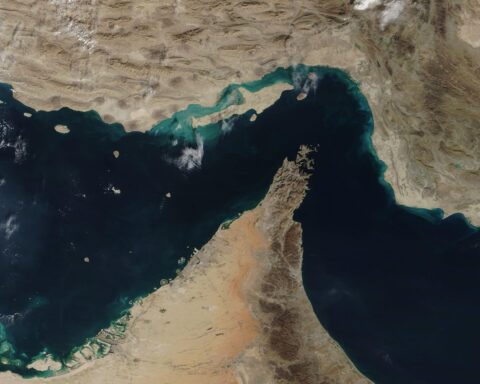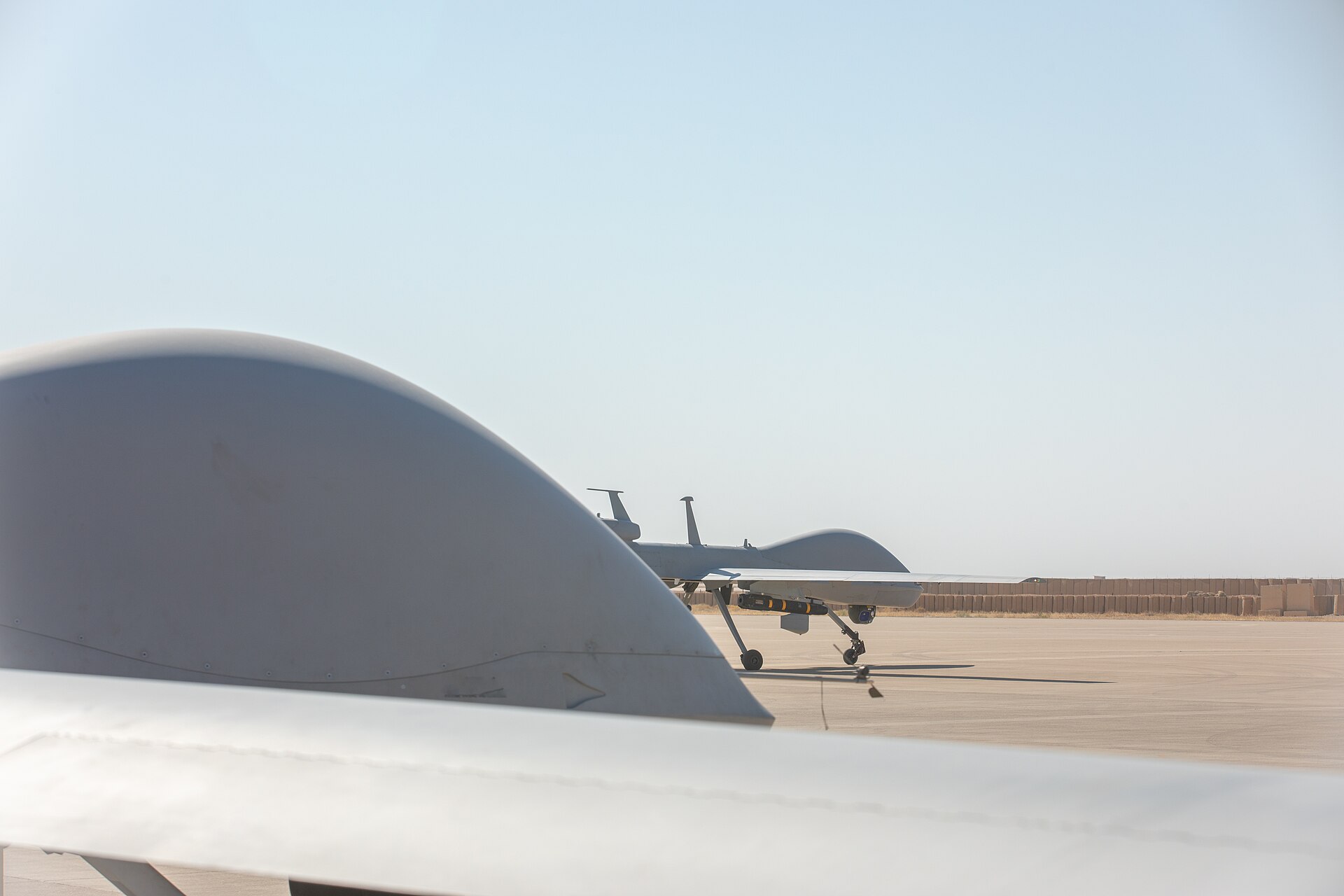

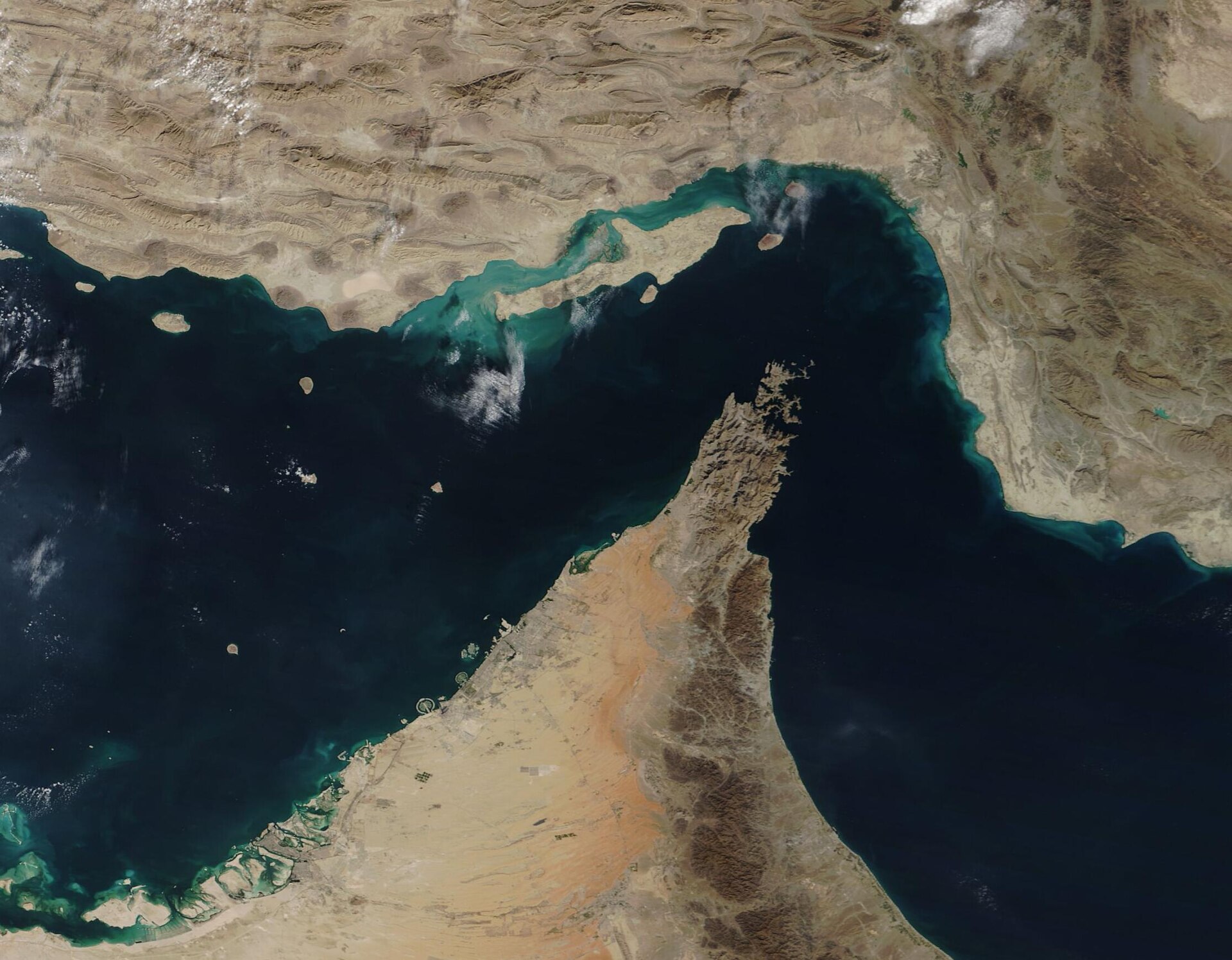
DUBAI — Iran’s Islamic Revolutionary Guard Corps said on October 29 that its aerospace force destroyed a 14th US MQ-1 drone over the Strait of Hormuz, east of Sirik in Hormozgan Province. The United States Central Command had not confirmed or denied the loss as of publication.
The claim adds to a pattern of steady US surveillance drone attrition that predates the current debate in Washington over whether to launch a military campaign against Iran after the November 3 midterm elections. With five MQ-1 or MQ-1C losses documented through independent or US-official sources by late September and the IRGC now claiming 14, each downed aircraft narrows the reconnaissance coverage that any strike plan would depend on.
What follows covers what is known about the October 29 claim, the documented record of US drone losses over Hormuz, the identity question around the “MQ-1” designation, the Pentagon’s structural response to ISR attrition, and what the cumulative losses mean as the five-day countdown to the midterms begins.
The House of Saud Daily Briefing
Saudi Arabia's news in 3 minutes, every morning. Free. See today's issue
Table of Contents
- What the IRGC Said on October 29
- How Many MQ-1 Drones Has the US Actually Lost?
- Which Drone Is the “MQ-1” Over Hormuz?
- The MQ-9 Reaper Tally Is Separate and Larger
- Why Does Iran Target Surveillance Drones?
- Task Force Falcon Strike and the ISR Rebuild
- The November 3 Strike Timeline
- Frequently Asked Questions
What the IRGC Said on October 29
The IRGC’s public relations department announced that “an advanced MQ-1 drone belonging to the US military” was “intercepted and destroyed in the skies east of the Strait of Hormuz, off the coast of Sirik, Hormozgan Province,” according to PressTV, Mehr News, and Tasnim, all of which cited IRGC statements distributed through IRNA and ISNA on October 29. The IRGC described the weapon used as a “modern air-defense system operating under the control of Iran’s Integrated Air-Defense Network.” No system name was given.
The IRGC called it the 14th MQ-1 it had destroyed. The announcement gave no specific time for the intercept. Aaj English and AzerNews carried the same claim, with Aaj English sourcing it to ISNA and AzerNews citing the IRGC statement directly.
No reporting from Reuters, the Associated Press, or Al Jazeera appeared in search results. Newsquawk’s flash tagged Tasnim and Mehr News as IRGC-aligned outlets and noted the absence of independent confirmation.
Internal inconsistencies appeared in Iranian coverage of the claim. PressTV’s October 29 article used a photograph of an MQ-9 Reaper while the text described an MQ-1. Tasnim’s page title referenced a “52nd MQ-9” while the article body covered the MQ-1 claim, according to a review of the published pages. These mismatches are consistent with a pattern in which Iranian state media outlets confuse the two types in their visual and textual reporting.
How Many MQ-1 Drones Has the US Actually Lost?
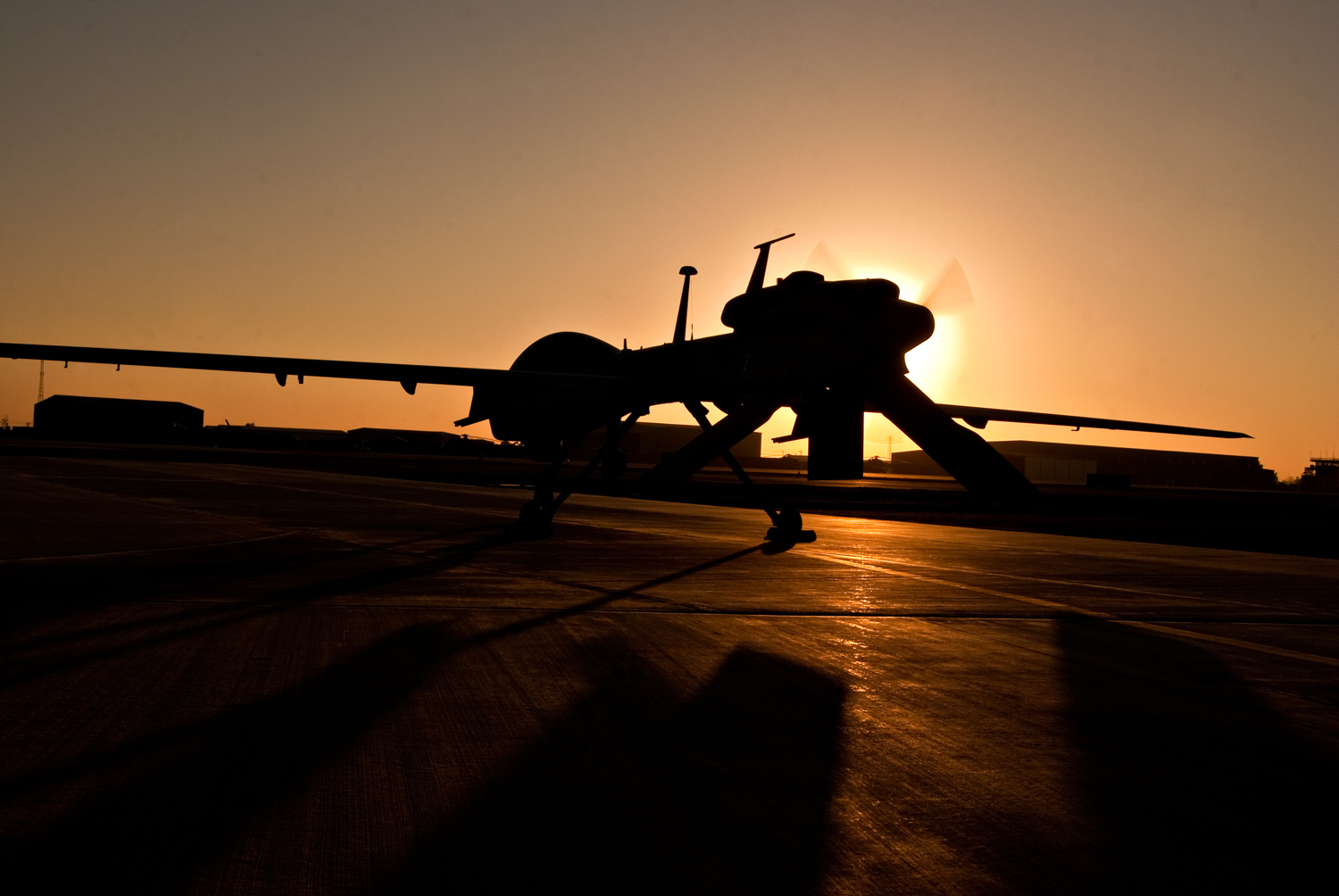
The gap between Iran’s claimed tally and independently documented losses is wide. Wikipedia’s list of aviation shootdowns during the 2026 Iran war records five MQ-1 or MQ-1C losses through late September:
- May 30, 2026: an MQ-1 Predator over international waters, the first CENTCOM-confirmed loss. The US retaliated with strikes on Iranian radar and drone-command sites on Goruk Island and Qeshm Island, according to The War Zone and CENTCOM’s official release.
- September 8, 2026: an MQ-1 Predator over the Strait of Hormuz, an IRGC claim with no US confirmation.
- September 17, 2026: two MQ-1 drones. Two anonymous US officials told CBS News that “at least two General Atomics MQ-1 drones” had been shot down by Iranian fire “in recent days,” according to the Jerusalem Post citing CBS News. CENTCOM declined to comment.
- September 21, 2026: an MQ-1C Gray Eagle over the Strait of Hormuz, an IRGC claim.
That brings the independently documented total to five by late September: one confirmed by CENTCOM, two confirmed by anonymous US officials, and two more claimed by the IRGC without US acknowledgment. The IRGC’s jump from five to 14 implies nine additional losses between late September and October 29 that no independent source has verified.
CENTCOM’s approach to drone-loss disclosures has been inconsistent. By September it declined to comment on the CBS News report about two further losses. Captain Tim Hawkins, the CENTCOM spokesman, responded to Iran’s claimed seizure of an underwater drone in late September by saying the US retains “positive control of all of our operational drone assets” and described Iran’s account as “clearly desperate,” according to Fox News.
When Iranian state media claimed in July 2026 that US F-35 fighters had been destroyed, CENTCOM issued a direct denial: “No U.S. aircraft were destroyed or damaged in recent attempted Iranian attacks,” according to Israel National News on July 30. No comparable blanket denial has appeared for the cumulative MQ-1 claims.
Which Drone Is the “MQ-1” Over Hormuz?
The US Air Force retired its original MQ-1B Predator on March 9, 2018, according to The War Zone. As of September 2024, 15 Predators remained in storage at the Aerospace Maintenance and Regeneration Group facility at Davis-Monthan Air Force Base. The Predator cost approximately $4 million per unit.
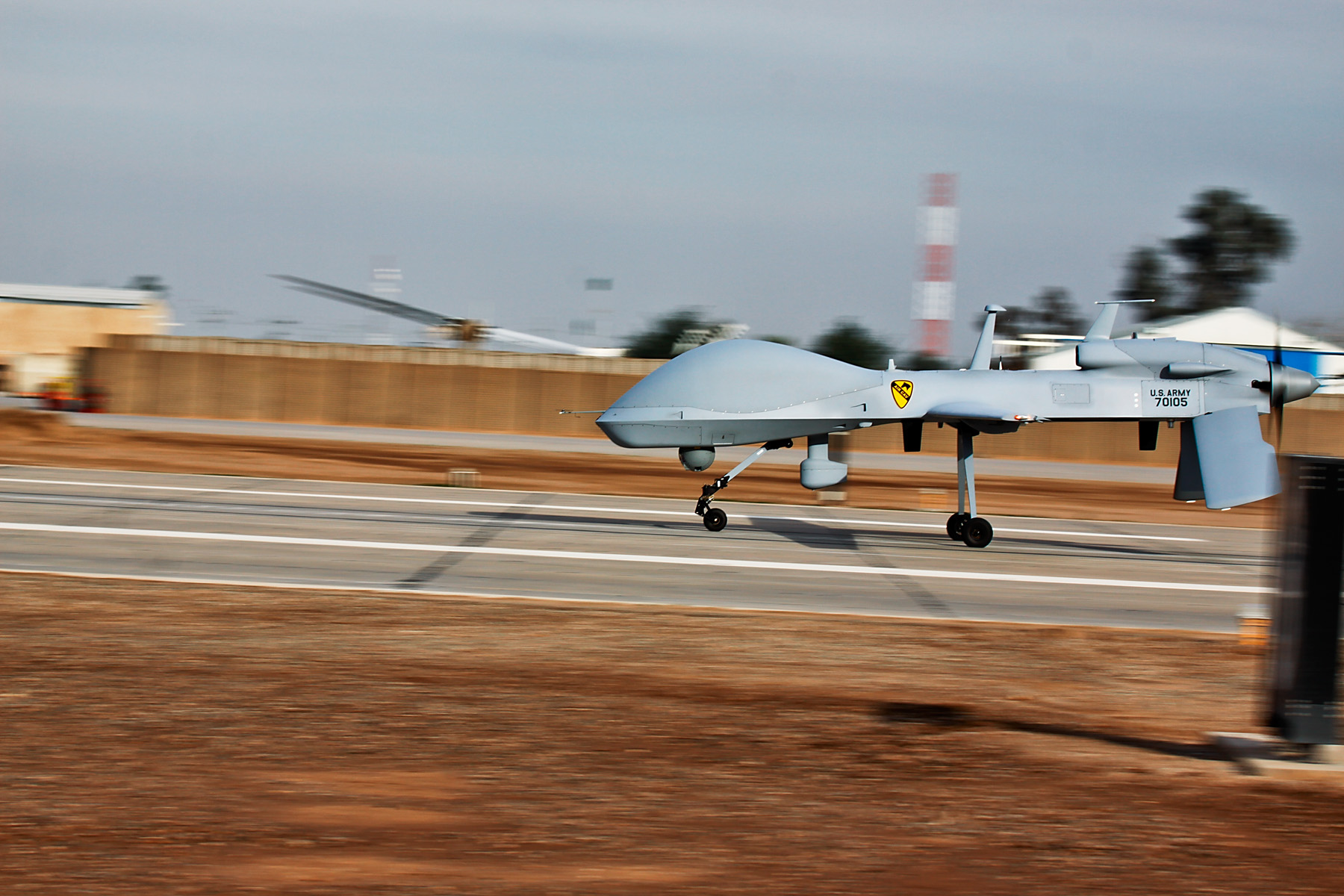
The aircraft that shares the MQ-1 designation in 2026 is the US Army’s MQ-1C Gray Eagle, a derivative built by General Atomics with a different airframe, greater endurance of approximately 25 hours, and a unit cost in the tens of millions of dollars, according to The War Zone and Army Recognition. The Army has confirmed Gray Eagle units deployed in the Middle East.
CENTCOM has never publicly clarified which variant is being lost. When it acknowledged the first shootdown on May 30-31, it said only “a US MQ-1 drone.” The distinction matters because the Gray Eagle carries electro-optical, infrared, and radar imagery sensors as well as communications relay capability, making it a more capable and more expensive intelligence platform than the retired Predator.
In April 2026, the Army awarded General Atomics a contract to add electronic intelligence capability to the Gray Eagle Extended Range variant, specifically intended to support sensing against integrated air-defense systems, according to General Atomics. That upgrade turns the aircraft from a passive sensor into an active electronic-warfare asset whose loss would carry additional intelligence value for Iran’s air-defense planners.
The MQ-9 Reaper Tally Is Separate and Larger
The MQ-1 losses are a fraction of the total US drone attrition over Hormuz. The IRGC maintains a separate count for MQ-9 Reaper shootdowns and on October 20 claimed its 54th Reaper destroyed over the Strait, according to Tasnim.
US-side figures are lower but still large. At least 24 MQ-9 Reapers have been confirmed lost by US officials, according to a Congressional Budget Office estimate reported by CBS News on September 17 and carried by the Jerusalem Post. The CBO put total US drone losses across all types at approximately $720 million. The US Air Force’s MQ-9 inventory fell from 231 airframes to approximately 135, a loss of roughly 100 Reapers since the start of the conflict over the Strait of Hormuz.
On October 26, Army Recognition reported that Iran claimed to have shot down a US LUCAS attack drone near Hormuz, a different aircraft type from a separate earlier incident. The proliferation of claimed types — MQ-1, MQ-9, LUCAS, underwater drones — points to an Iranian air-defense campaign that targets every category of US unmanned system operating near the Strait.
Why Does Iran Target Surveillance Drones?
Cameron Chell, CEO of the Canadian drone manufacturer Draganfly, told Fox News that Iran’s drone-targeting operations are “absolutely deliberate drone capture missions.” Even without access to classified data, Chell said, captured or destroyed drones offer insight into how the US surveils and how to counter those sensors. “Captures put the U.S. on higher alert,” he said.
Palmer Luckey, founder of the defense technology company Anduril, wrote on X that the Dive-LD underwater drone Iran seized on September 8 “provided significant value for months before capture.” The remark confirmed that drone losses carry intelligence costs beyond the hardware replacement price.
The Gray Eagle’s ELINT upgrade, awarded in April 2026, adds a further dimension. An aircraft configured to sense enemy air-defense emissions carries data about how the US maps Iranian radar networks. If Iran recovers wreckage from such an aircraft, it could learn which frequencies and modes the US is monitoring and adjust its defense posture accordingly.
This matters directly ahead of any US strike. A military campaign against Iran’s nuclear and military infrastructure — the scenario Washington has told Gulf states to prepare for — would depend on suppressing Iran’s integrated air-defense network. The same network that the IRGC credited with the October 29 shootdown.
Task Force Falcon Strike and the ISR Rebuild
CENTCOM’s structural response to drone attrition came on August 13, 2026, when it announced the creation of Task Force Falcon Strike, a multinational attack drone task force combining air, surface, and sub-sea unmanned systems with regional partners, according to DefenseScoop. The task force was designed to distribute the ISR mission across a wider range of platforms so that losses of any single type would not create coverage gaps.
The Army’s own relationship with the Gray Eagle has been complicated. Army leadership said in 2025 that it would stop buying the aircraft, viewing it as obsolete in the face of modern air defenses, according to The War Zone. Congress responded by proposing an additional $240 million for more Gray Eagle units in the FY2026 budget bill. The war over Hormuz, which began months later, validated the congressional concern: the aircraft the Army wanted to retire became one of its most-consumed assets.
The precedent for US retaliation after drone losses is mixed. After the first confirmed MQ-1 loss on May 30-31, the US struck Iranian coastal surveillance radar at Goruk Island and Qeshm Island, according to CENTCOM. No comparable retaliatory strikes have been publicly linked to subsequent MQ-1 losses. The contrast suggests either that Washington chose to absorb the attrition or that any response was not disclosed.
Iran’s drone-denial campaign has a longer history. On June 20, 2019, Iran shot down a US Navy RQ-4A Global Hawk BAMS-D surveillance drone over or near the Strait of Hormuz, an aircraft worth approximately $176 million, according to Time. President Trump ordered and then called off retaliatory strikes, a decision that shaped Iranian calculations about the cost of targeting US unmanned systems.
The November 3 Strike Timeline
The drone losses accumulate against a specific political clock. President Trump wrote on October 8 that the US “will not be attacking Iran at any time prior to the midterm elections” on November 3, according to The National. The Wall Street Journal reported, via Hurriyet, that Trump rejected Iran’s seven-day Hormuz reopening roadmap and expects renewed bombing after the midterms.
Washington has since moved to prepare the region. The US ordered all non-emergency staff and families to leave Saudi Arabia on October 27. On October 28, the US warned Gulf states to prepare for a post-midterm Iran campaign, with the Wall Street Journal reporting that the administration described a “short, intense military campaign,” according to Aaj English citing the WSJ on October 29. CNN has reported that US forces can strike Iran within 96 hours of a presidential order. CENTCOM said more than 50,000 US military personnel were in the region as of its July 17-19 announcement.
Meanwhile, the IRGC declared the Strait of Hormuz closed on October 26, with tanker transits falling from a pre-war baseline of 85 per day to 4 per day and more than 130 vessels turned back since the blockade began in July, according to verified reporting. Iran said on October 28 that Hormuz could reopen in four to five days if the US lifts its blockade.
Each surveillance drone lost over the Strait is one fewer platform available to map Iranian air defenses, track naval movements, and feed targeting data into the strike packages that would open any campaign. Whether the gap between Iran’s claimed 14 MQ-1 kills and the five independently documented losses reflects an inflated count or a classified reality that the Pentagon is not disclosing, the air-denial trend is moving in Iran’s direction five days before the political window for a US strike opens.
Frequently Asked Questions
Has CENTCOM ever confirmed more than one MQ-1 loss?
CENTCOM itself has confirmed only the May 30-31, 2026 shootdown, when it publicly acknowledged that an Iranian air-defense system destroyed a “US MQ-1 drone” over international waters and retaliated with strikes on Goruk and Qeshm Island. The two additional losses confirmed on September 17 came from anonymous US officials speaking to CBS News, not from an official CENTCOM statement. The command declined to comment on the CBS report.
Could the US pull MQ-1B Predators out of storage for the Hormuz mission?
Fifteen MQ-1B Predators remained in storage at the Aerospace Maintenance and Regeneration Group at Davis-Monthan Air Force Base as of September 2024. Returning mothballed aircraft to operational status typically takes months of depot-level maintenance, re-certification, and crew retraining, making a rapid deployment unlikely in a five-month-old conflict. The War Zone has examined whether these stored airframes might explain the MQ-1 designation but noted that CENTCOM has never clarified the variant.
What is the total estimated cost of US drone losses over Hormuz?
The Congressional Budget Office estimated total US drone losses across all types at approximately $720 million as of September 2026, covering MQ-1, MQ-9, and other unmanned platforms, according to CBS News. The MQ-9 Reaper, at roughly $30 million per unit, accounts for the bulk of the dollar figure. MQ-1C Gray Eagles cost tens of millions each, while the retired MQ-1B Predator cost approximately $4 million per airframe.
How does Iran’s drone campaign compare with the 2019 Global Hawk shootdown?
The June 2019 downing of a single RQ-4A Global Hawk BAMS-D worth approximately $176 million triggered a US retaliatory strike order that Trump called off at the last moment. In 2026, the cumulative MQ-1 and MQ-9 attrition has cost far more in aggregate without triggering a comparable public escalation cycle for each individual loss, suggesting that both sides have accepted a sustained attritional dynamic that did not exist in 2019.
The House of Saud Daily Briefing
Saudi Arabia's news in 3 minutes, every morning. Free. See today's issue