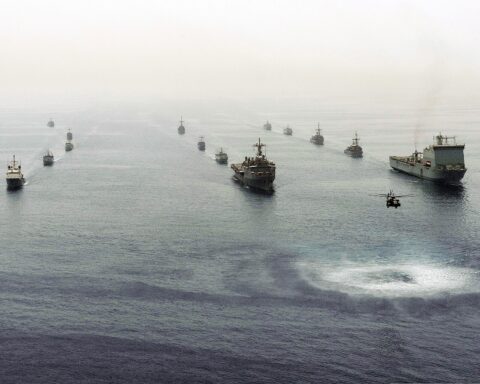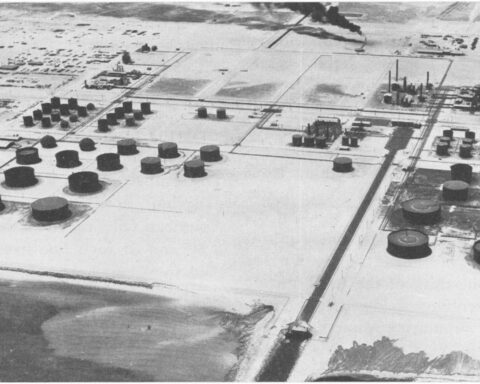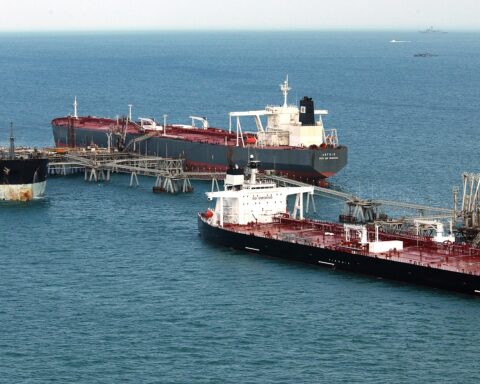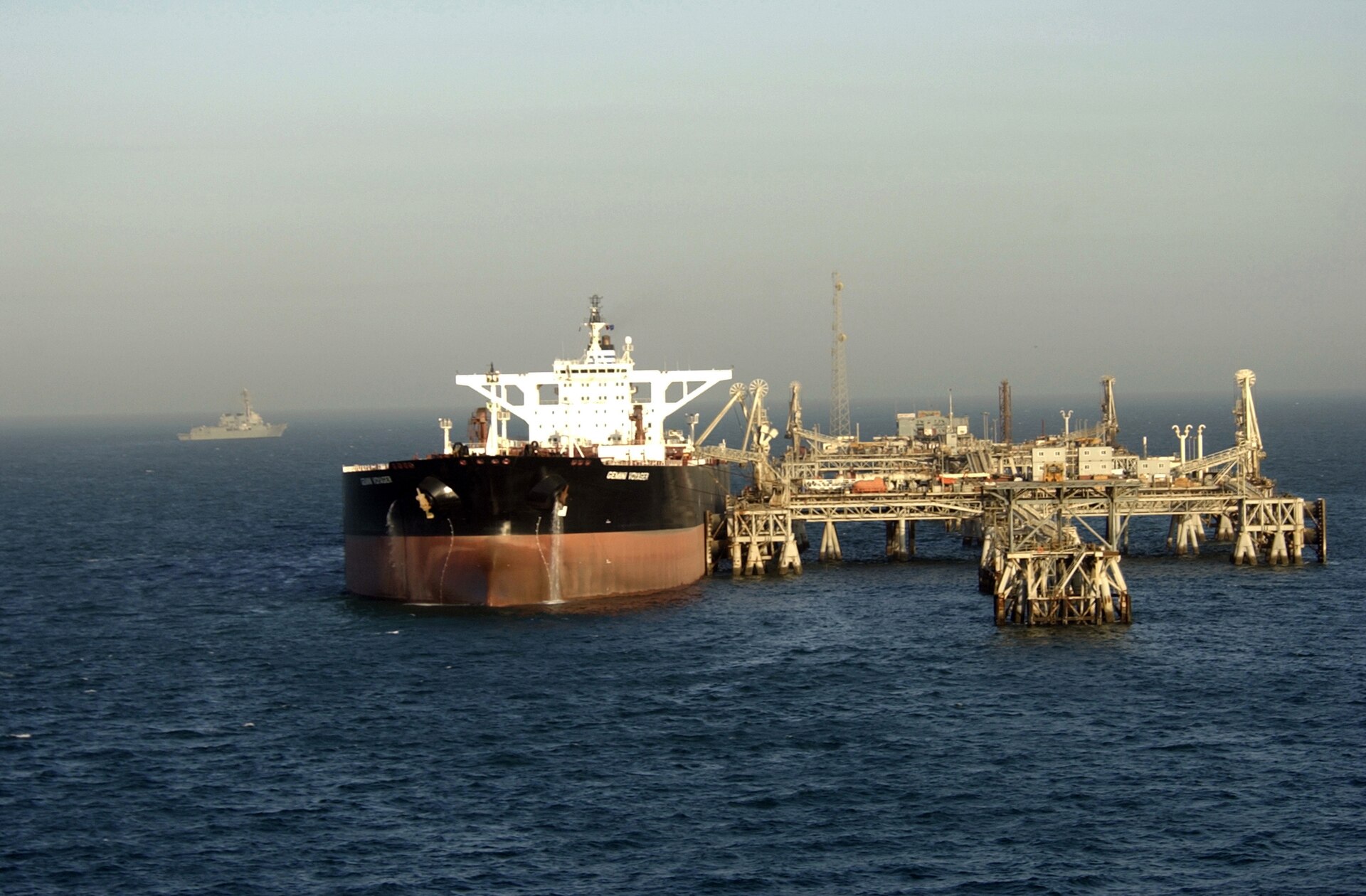

DHAHRAN — Saudi Aramco is offering European buyers spot crude cargoes from Yanbu and the Mediterranean terminal at Sidi Kerir for October and November loading, traders told Bloomberg on October 27, marking the company’s first concerted push to rebuild European market share since the East-West pipeline shutdown in September.
Red Sea crude exports from Yanbu have climbed to approximately 2.5 million barrels per day in October, up from 2.4 million bpd in September, according to Vortexa tracking data cited by Rigzone. Aramco has also told some Asian customers to resume picking up cargoes at Yanbu for the first time in roughly three months, Bloomberg reported — a signal that the company believes the route can hold despite repeated Houthi attacks on pipeline pumping stations and ongoing threats to Red Sea shipping.
The push carries a larger implication. With the Strait of Hormuz effectively closed since the Islamic Revolutionary Guard Corps declared it shut on October 26, the gap between Saudi Arabia’s 10.5 million bpd OPEC+ target and what the Red Sea route can physically deliver — even at full capacity — defines the structural ceiling on the kingdom’s export revenue. The European outreach is the first concerted push to rebuild Western market share since September; the 2.5 million bpd Red Sea throughput represents both its early results and the arithmetic constraint that now governs Riyadh’s oil income.
The House of Saud Daily Briefing
Saudi Arabia's news in 3 minutes, every morning. Free. See today's issue
Table of Contents
What Is Aramco Offering European Buyers?
Aramco is offering spot crude cargoes to European buyers for October and November loading from either Yanbu on the Red Sea or Sidi Kerir on Egypt’s Mediterranean coast, at a discount to the official selling price, according to Bloomberg (October 27). The company also told European customers it expects to fulfil long-term contractual volumes in full during November, the report said.
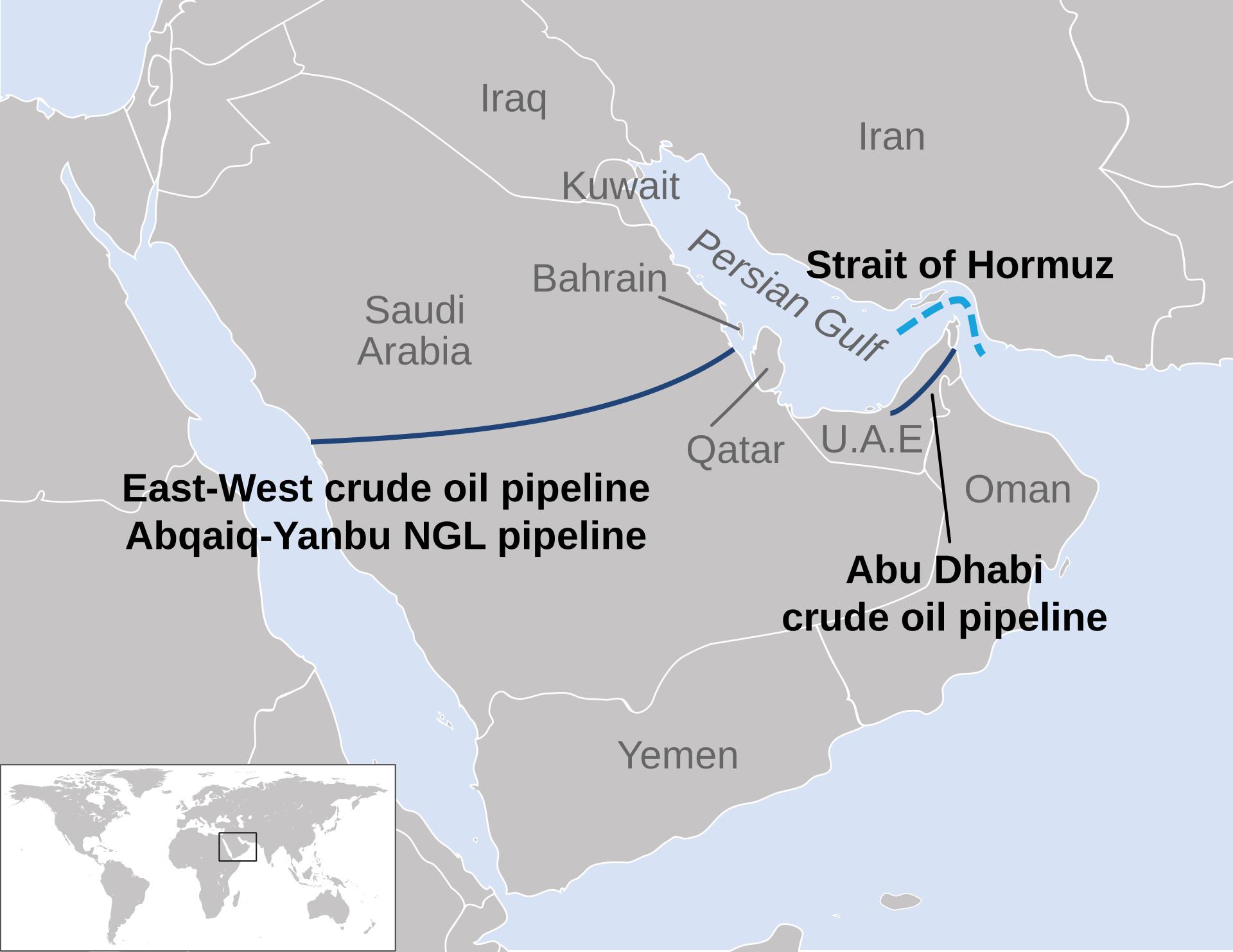
The offers follow a period of forced suspension. Saudi Arabia told European buyers they would receive no term-contract crude in October, Bloomberg reported via Azernews (September 19), after drone attacks shut the East-West pipeline on September 10-11. The pipeline, which carries crude from the eastern Abqaiq hub to Yanbu on the Red Sea coast, was restarted on September 22 but at reduced throughput.
Poland’s Orlen is expected to receive at least four October-loading Saudi cargoes from Sidi Kerir, Reuters reported via Zawya. In September, Orlen had purchased 16 additional cargoes of North Sea, WTI Midland, and Caspian grades from Norway, Britain, Algeria, Kazakhstan, Azerbaijan and the Americas to cover the disruption, the company said (TradingView/Reuters).
The pricing structure reinforces the commercial push. Aramco set its November Arab Light official selling price for northwest Europe at $0.85 per barrel above ICE Brent, and for the Mediterranean at $0.65 above ICE Brent, according to Argaam and Reuters (October 5). For Asia, by contrast, Aramco cut the November OSP to $5 per barrel below the Oman/Dubai benchmark — the widest discount since June 2020 and a $3 reduction from October, bdnews24 reported citing Reuters. The divergence — European prices raised, Asian prices slashed — reflects both the higher cost of westward logistics and the competitive pressure from Russian, Iraqi and other Gulf crudes that have filled the gap in Asian markets.
How Much Oil Is Moving Through the Red Sea?
Saudi crude exports routed through the Red Sea, predominantly via Yanbu, reached approximately 2.5 million bpd in October on a month-to-date basis, Vortexa data showed according to Rigzone (October 28). That figure was up from 2.4 million bpd in September.
Total Saudi crude shipments in October are harder to pin down. Three independent tracking services produce materially different estimates, Rigzone reported:
- Vortexa: 6.5 million bpd
- Tankertrackers.com: 6.99 million bpd
- Kpler: 5.4 million bpd
Rigzone attributed part of the discrepancy to tankers switching off satellite transponders to avoid attack — so-called “dark shipping” — which makes tracking inherently imprecise. None of the three figures represents official Aramco data.
All three estimates, however, fall well below Saudi Arabia’s OPEC+ November production target of 10.5 million bpd (Enerdata, October 4). Even the highest tracker estimate of 6.99 million bpd implies a shortfall of more than 3 million bpd between target and actual tracked exports.
Brent crude stood at approximately $105 per barrel on October 9, according to Fortune and market data. The National reported on October 28 that Brent had climbed to the $114-116 range, driven by the Houthi missile strike on Ras Tanura and the approaching November 3 US midterm deadline.
Why Did Saudi Crude to Europe Fall by Nearly Half?
European imports of Saudi crude fell from 900,000 bpd in August to 460,000 bpd in September — the lowest monthly total since December 2024, according to Kpler data cited by Reuters and Baird Maritime. Normal Saudi-to-Europe flows are 700,000 to 800,000 bpd, Bloomberg reported.
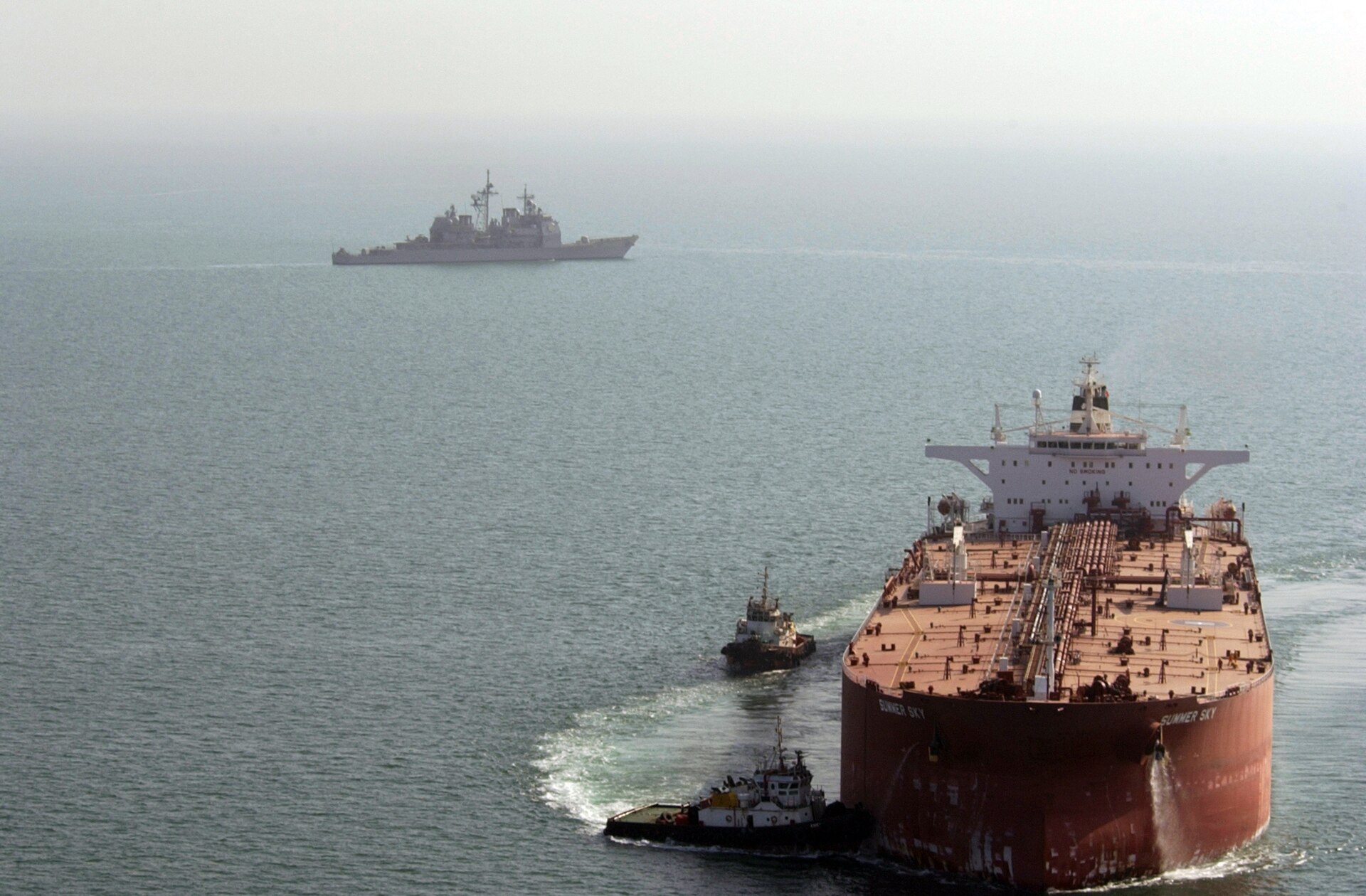
The collapse had two causes. First, the Houthi maritime embargo declared in late July 2026 prohibited all vessels loading or discharging at Saudi ports, according to Al Jazeera (August 24). Subsequent attacks on Saudi tankers in the Red Sea, including a strike on the tanker Amzan near Yanbu in late August, prompted some Asian buyers to reroute their pickups to Sidi Kerir via the Sumed pipeline rather than risk the direct Red Sea transit. European buyers faced the same threat.
Second, the September 10-11 drone attacks shut the East-West pipeline entirely, cutting off Yanbu loadings for more than a week. The suspension forced Aramco to declare force majeure on European term contracts for October, Bloomberg reported.
The combined effect squeezed European refiners. Orlen’s response — buying 16 replacement cargoes from the North Sea, the Americas and the Caspian — illustrates both the cost of substitution and the commercial opportunity Aramco now risks losing permanently if the disruption stretches further. Every month without Saudi barrels is a month in which European refiners deepen relationships with alternative suppliers.
Can Yanbu Replace What Hormuz Lost?
The short answer is: partially, and the ceiling matters more than the current flow. Yanbu’s loading capacity under normal conditions is approximately 4.0 to 4.5 million bpd, according to Vortexa and industry estimates. In wartime, Vortexa has estimated an operational ceiling of 3 to 4 million bpd due to security constraints. The current Red Sea throughput of 2.5 million bpd sits well below both figures, suggesting room to grow — but only if the East-West pipeline can feed it.
The pipeline was flowing at approximately 5.8 million bpd as of October 6, according to Enerdata, following the September 22 restart. Its design capacity is roughly 7 million bpd, with about 5 million bpd available for export after domestic refinery needs, the Saudi Gazette reported via Zawya (September 25). Whether October 6 flows still hold is an open question: Houthis claimed drone attacks on East-West pipeline pumping stations on October 26, and Saudi Arabia did not confirm or deny damage. If the pipeline was disrupted again, the 5.8 million bpd figure may be outdated.
Even at peak pipeline throughput, the math is unforgiving. Saudi Arabia’s Gulf terminal at Ras Tanura, with rated capacity of 6.5 to 9 million bpd, has been effectively shut since March 2 due to the Hormuz closure and IRGC threats. The Red Sea route, at its theoretical maximum, can deliver roughly half of what flowed through the Gulf before the war. The IEA said Saudi crude output fell approximately 2.3 million bpd in August to roughly 6 million bpd — the lowest in more than three decades, Reuters reported from the September IEA Oil Market Report.
Aramco’s pivot to Red Sea exports is not new. Yanbu exports surged to nearly 4 million bpd in the week of March 16, according to Kpler data cited by Reuters, as Hormuz traffic collapsed. By mid-July, daily loadings peaked at approximately 4.7 million bpd, Modern Diplomacy reported (July 15). But those peaks were achieved before the Houthi maritime embargo and before the September pipeline attack demonstrated the route’s fragility.
What Risks Does the Red Sea Route Face?
The Yanbu corridor faces threats from both ends of the supply chain: the pipeline that feeds it and the sea lanes it opens onto.
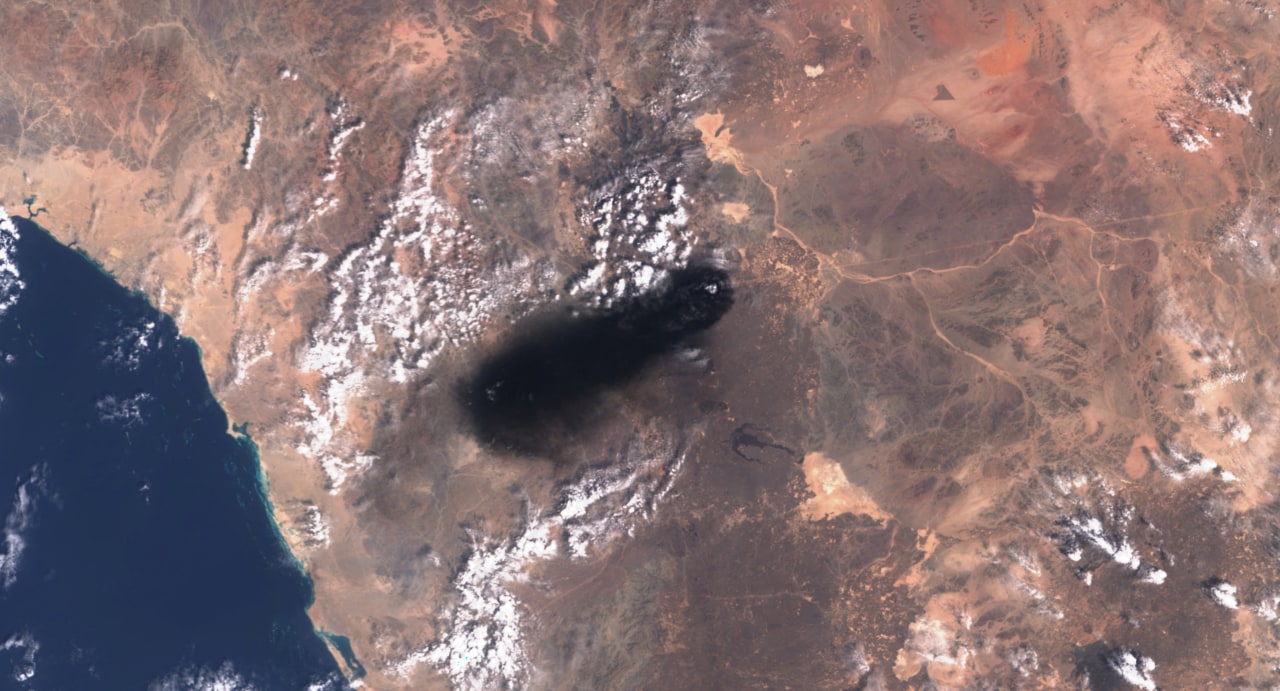
On the pipeline side, the East-West system has been attacked multiple times. An April 9 strike on a pumping station cut flows by 700,000 bpd, a Saudi official told The New Arab. The September 10-11 shutdown lasted ten days. Houthis have claimed further strikes on pumping stations on October 20, 23 and 26, according to EnergyNow and multiple wire agencies. The pipeline runs roughly 1,200 kilometres across open terrain, making it inherently difficult to defend along its entire length.
On the maritime side, Houthi attacks on Saudi tankers have deterred shipping across the corridor — the vessel Amzan was struck near Yanbu in late August, Al Jazeera reported (August 24) — and Energy Aspects analysts said Bab al-Mandeb flows had fallen sharply after the broader Houthi escalation, Reuters and industry sources reported. Kpler analysts warned that a Houthi move against ships from all countries would further squeeze crude markets. Lloyd’s List Intelligence described the attacks as a direct threat to Yanbu export flows.
Iran has separately threatened to close the Bab al-Mandeb Strait if the United States did not lift its Hormuz blockade, France 24 reported (July 15). If that threat were carried out, the Red Sea route would face the same chokepoint risk that destroyed the Hormuz corridor — a possibility energy analysts have flagged, arguing that Aramco would need to reorient crude exports westward permanently rather than treat the pivot as a short-term logistics fix.
France’s deployment of troops, radars and air defence systems to Yanbu, confirmed by Al Jazeera (September 25), provides some security for the terminal itself. But it does not protect the pipeline’s inland pumping stations or tankers transiting the southern Red Sea.
Gulf-to-China VLCC voyage costs climbed to roughly $70 to $80 million per voyage in early October, more than twice the March 2026 record and nearly six times the year-ago level, RBN Energy and Baltic Exchange data showed. The cost premium reflects both the risk and the scarcity of available shipping capacity — factors that weigh on every barrel Aramco tries to move, regardless of route.
Background: The Pipeline and the Strait
The East-West pipeline, also known as the Petroline, connects the Abqaiq processing complex in Saudi Arabia’s Eastern Province to the Yanbu terminal on the Red Sea coast. It carries up to 7 million bpd, of which about 5 million bpd is available for export, Reuters reported via The News (March 25). The pipeline reached its full design capacity in the first quarter of 2026, Aramco said in its Q1 earnings (Rigzone, May 11).
Before the war, Yanbu handled roughly 786,000 bpd in February 2026, Al Arabiya reported citing Bloomberg (March 6). By mid-March, as Hormuz traffic collapsed, those flows had surged to nearly 4 million bpd. Ras Tanura, the primary Gulf export terminal, has been effectively offline since March 2.
The Sumed pipeline, running from Ain Sukhna on Egypt’s Red Sea coast to Sidi Kerir on the Mediterranean, has capacity of approximately 2.5 million bpd. It has become a critical workaround: Asian buyers and some European customers have used tanker shuttles — loading at Yanbu, discharging at Ain Sukhna, then transiting the Sumed pipeline to Sidi Kerir for reloading onto Mediterranean-bound tankers.
The OPEC+ meeting on November 1 takes place against this backdrop. Saudi Arabia’s November production target remains 10.5 million bpd, but no tracker puts actual exports above 7 million bpd — a shortfall that reflects the simultaneous closure of Hormuz and the repeated attacks on the East-West pipeline.
Aramco CEO Amin Nasser said in May 2026 that if the Hormuz disruption persisted beyond mid-June, the oil market would not normalise until 2027, estimating the market was losing about 100 million barrels per week, CNBC and Reuters reported (May 11). In September, Nasser told the Saudi Gazette via Zawya that disruptions can typically be resolved within days — a statement made in a different context, before the October escalation demonstrated the opposite.
The US warning to Gulf states to prepare for a post-midterm Iran campaign and Iran’s demand for $24 billion in reserves before any Hormuz reopening both suggest the closure will persist well beyond any near-term diplomatic timeline.
Frequently Asked Questions
What is the Sidi Kerir terminal and why is Aramco using it?
Sidi Kerir is an oil export terminal on Egypt’s Mediterranean coast, connected to the Red Sea via the Sumed pipeline (capacity approximately 2.5 million bpd). Aramco has been routing cargoes through it to bypass both the Hormuz chokepoint and the Houthi-threatened southern Red Sea, allowing European and some Asian buyers to collect crude in the Mediterranean rather than risk the direct transit. Egypt earns transit fees on every barrel, making it a financial beneficiary of the Hormuz closure.
How do Saudi oil exports compare to pre-war levels?
Before the Hormuz crisis, Saudi Arabia exported approximately 9 to 10 million bpd, primarily through Ras Tanura on the Gulf coast. Current tracker estimates range from 5.4 to 6.99 million bpd — a shortfall of 3 to 4.6 million bpd. The kingdom’s fiscal breakeven oil price for 2026 is estimated at roughly $87 to $96 per barrel depending on the methodology, according to IMF assessments, and the volume loss is partially offset by higher prices, but the net impact on state revenue is negative when export volumes are factored in.
Has Aramco officially confirmed the spot offers to Europe?
No. All reporting on the spot offers comes from anonymous traders and market sources, which is standard practice in commodity markets. Bloomberg, Rigzone and Zawya all cite unnamed sources. Aramco has not issued a public statement on the European spot programme or the request for Asian buyers to return to Yanbu.
What happens if the Houthis close the Bab al-Mandeb Strait?
Bab al-Mandeb is the southern chokepoint of the Red Sea. If closed or rendered impassable, Saudi exports from Yanbu would be trapped in the Red Sea basin, limited to Mediterranean-bound flows via the Sumed pipeline. The effective export capacity would collapse from Yanbu’s 4 to 4.5 million bpd ceiling to whatever the Sumed’s 2.5 million bpd pipe can handle — minus volumes consumed by Red Sea-facing refineries. Iran threatened to close the strait in mid-July, France 24 reported.
When did Saudi Red Sea exports last reach 2.5 million bpd?
Red Sea exports exceeded 2.5 million bpd during the initial surge in March 2026, peaking at approximately 4.7 million bpd around July 13 according to Modern Diplomacy. They fell sharply after the September pipeline shutdown and the Houthi maritime embargo. The October return to 2.5 million bpd, tracked by Vortexa, is the recovery from that trough — not a new record.
The House of Saud Daily Briefing
Saudi Arabia's news in 3 minutes, every morning. Free. See today's issue