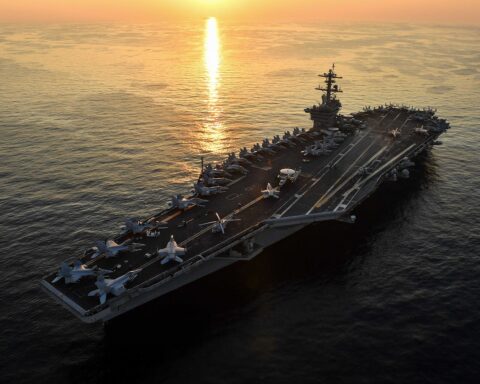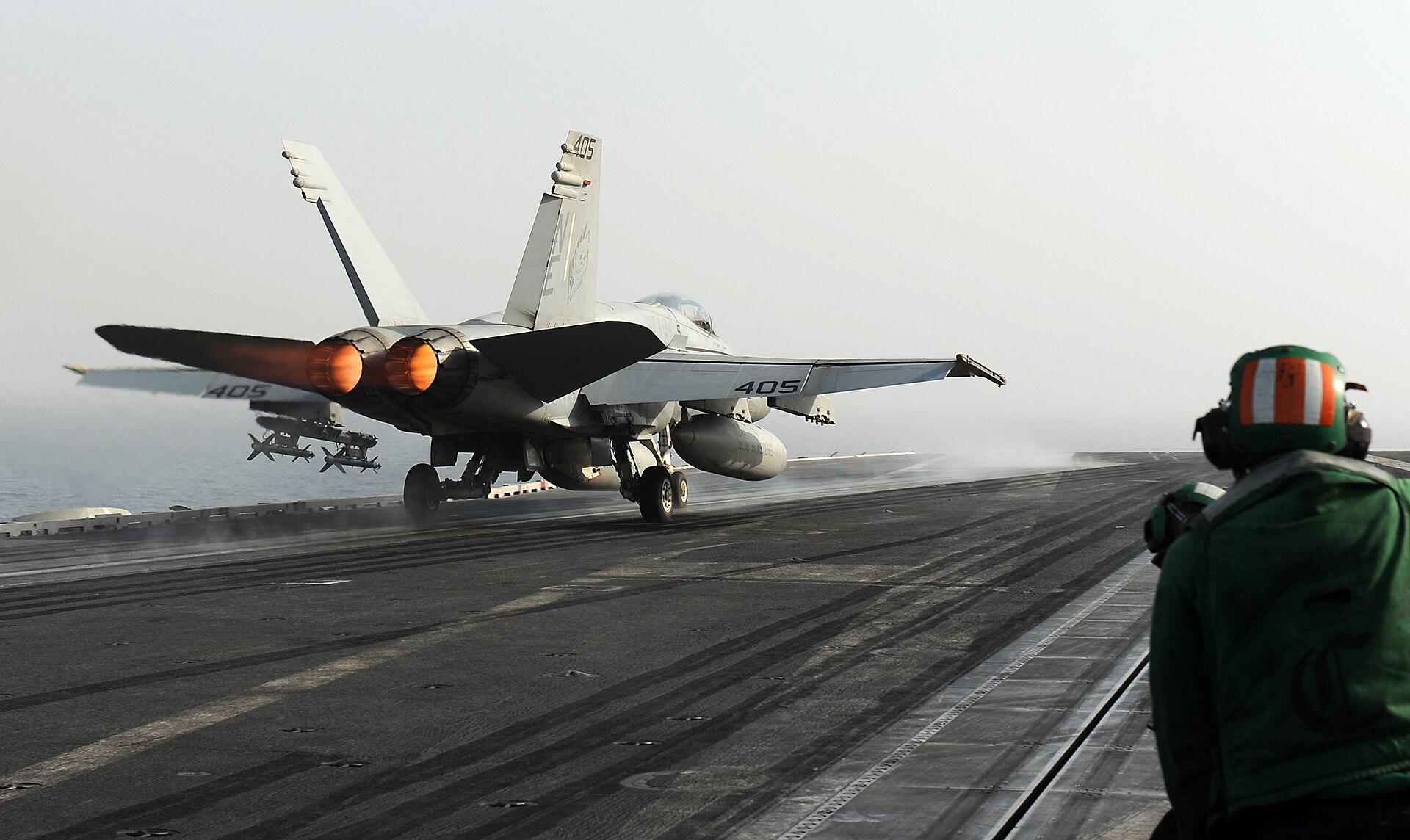

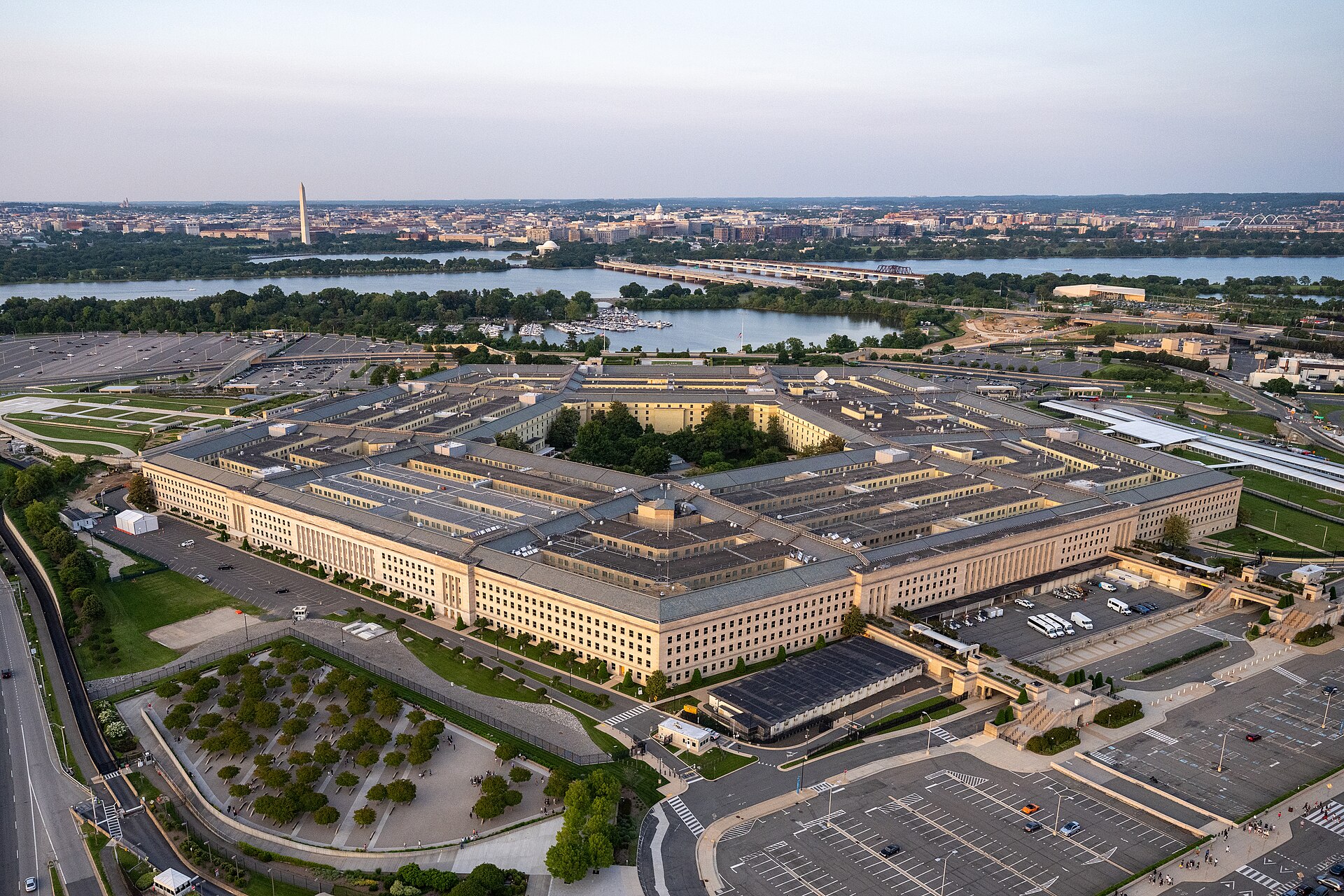
WASHINGTON — American forces in the Middle East can launch a major military campaign against Iran within 96 hours of receiving a presidential order, two US officials told CNN on October 26, in what amounts to the first publicly reported readiness timeline since the conflict began in February. The target list covers Iranian energy infrastructure, military installations, and nuclear facilities, and the officials described the planned operation as far larger than the limited US strikes of recent months — one called it “a big effort.”
For Saudi Arabia, the CNN report makes explicit what Riyadh has feared and Washington has been reluctant to say out loud: the American military machine is ready, and the only thing standing between the current uneasy standoff and a massive regional escalation is the US midterm election calendar. Trump ruled out strikes before the November 3 vote on October 8, his aides have told Reuters that “November is a priority,” and CENTCOM has confirmed more than 50,000 personnel deployed in the region. The kingdom — whose defence minister returned empty-handed from Tehran talks this week — cannot negotiate its way out of a decision that will be made in the Oval Office on a timeline set by American domestic politics.
Table of Contents
The 96-Hour Window: What CNN’s Officials Said
CNN reported on October 26 that two unnamed US officials confirmed American forces in the Middle East are positioned to execute large-scale military operations against Iran within 96 hours of a presidential order. The officials said sufficient military assets are already deployed in the region, and the Pentagon has built what CNN described as “an extensive target list.” A senior Pentagon official, responding to the report, told the Daily Caller that “the Department is a planning organization, and its job is to develop and execute military options ordered by the President.”
The House of Saud Daily Briefing
Saudi Arabia's news in 3 minutes, every morning. Free. See today's issue
According to CNN, the report is the first time a specific readiness window has been publicly attached to US strike planning against Iran since the conflict began on February 28, when the US and Israel launched their initial joint operation. NPR had reported on October 22 — citing a person briefed on war planning — that “the US is now amassing forces in the region to be ready to attack by early November,” but gave no specific timeline from order to execution. The Daily Caller News Foundation first reported on October 18 that a major operation could follow the midterms.
What makes the 96-hour figure politically charged is not the military capability it describes — CENTCOM has maintained a massive posture in the Gulf since February — but the fact that officials chose to disclose it a week before the midterms. The leak lands in a media environment already saturated with strike speculation, and it serves a dual purpose: it signals to Iran that the pause in major operations is temporary, and it signals to domestic audiences that Trump is not hesitating but timing.
What Is on CENTCOM’s Target List?
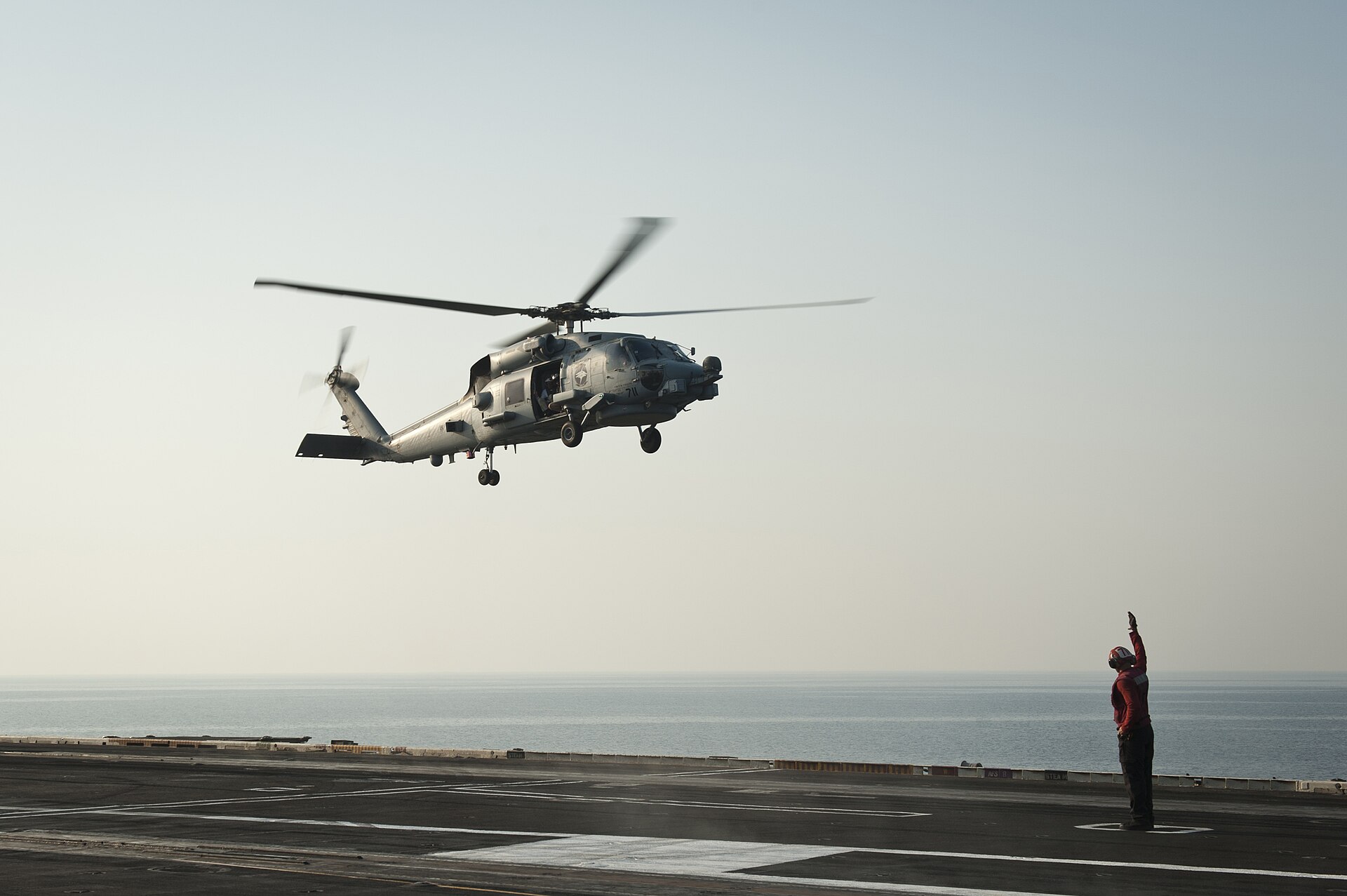
CNN’s sources identified three categories of targets: Iranian energy infrastructure, military sites, and nuclear facilities. No specific facility names were disclosed, and the officials did not say whether the list represents new additions or an expansion of the targeting framework CENTCOM has operated under since February. What they did say — that the planned campaign would be “significantly larger” than the strikes of recent months — places it on a different scale from the operations conducted in May and July.
The precedent is instructive, because the recent strikes were not small. On July 8, CENTCOM struck more than 80 targets in southern Iran after Iranian forces attacked US warships, and Trump declared the ceasefire that had held since April “over.” On May 7, US forces hit several military sites in southern Iran in retaliation for attacks on American warships. In late July, CENTCOM Commander Admiral Brad Cooper recommended halting Hormuz-area bombing, assessing that most targets had been hit and approximately 20 percent remained, according to Axios.
The inclusion of nuclear facilities on the list — confirmed by CNN and separately reported by the Times of Israel, citing the New York Times — marks a potential escalation beyond anything the US has struck so far. ABC News reported that Israeli Defense Forces and the US military have drawn up joint strike plans, and two Israeli sources told the network that the decision on executing them is “only for Trump to decide.” Israel Hayom reported on October 26 that Prime Minister Netanyahu had pushed for a joint US-Israel strike before Israel’s October 27 election, but that Trump held back after a warning from the IDF chief — though Netanyahu’s office denied the specific claim.
The Midterm Clock
The timing of any major strike is, by Trump’s own public statement, a function of the US midterm elections on November 3. On October 8, Trump said the US “will not be attacking Iran at any time prior to the midterm elections to be held in the United States on November 3rd,” according to The National. A White House spokesperson confirmed the position to CBS News. On October 25, asked again, Trump said the US would not strike Iran “today,” per the Times of Israel liveblog — a formulation that narrows the window rather than extending it.
Behind the public statements, the pressure dynamics are sharper. Reuters reported that Trump’s aides are working to prevent the war from escalating before the midterms, with one official telling the wire service that “November is a priority.” The Wall Street Journal reported on September 26 that Trump had already rejected Iran’s roadmap — under which Hormuz would reopen in exchange for sanctions waivers and approximately $12 billion in frozen assets, per Al Jazeera — and that renewed bombing was expected after the vote.
CNN’s own sources offered a caveat that belongs in any honest assessment of the situation: Trump has “previously appeared inclined toward certain actions and then backed away at the last moment.” The 96-hour readiness window describes a military capability, not a political decision, and the gap between the two has defined this conflict since its earliest weeks. The NPR source who described the force buildup specifically raised the possibility that the amassing of assets “could also be meant to pressure Iran diplomatically” — a reading that would make the CNN leak itself a tool of coercive diplomacy rather than a preview of imminent kinetic action.
How Has Iran Responded to the Strike Reports?
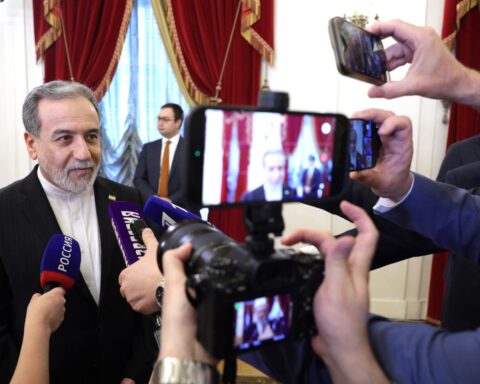
Tehran has adopted a posture of public defiance laced with specific tactical warnings. Iranian Foreign Minister Abbas Araghchi said on October 22 that “any scenario is conceivable including the possibility of an attack by the US and Israel,” according to NPR. Iranian security officials and IRGC commanders separately warned that American-linked technology infrastructure in the Gulf region — including facilities in the UAE and near the Strait of Hormuz — could be targeted if the US launches new attacks, per Iran International.
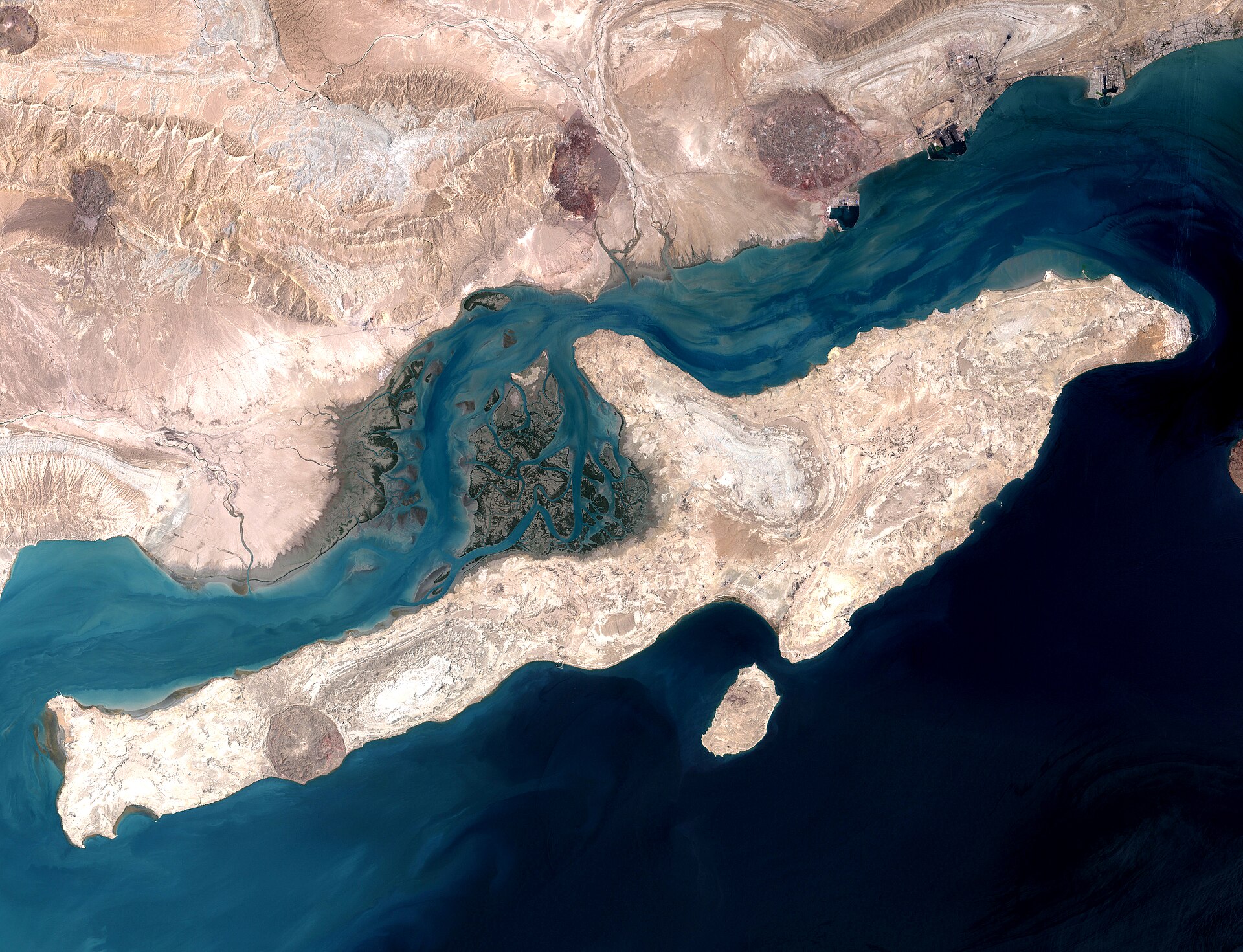
IRGC Spokesman Hossein Mohebi said Iran would respond “more forcefully” to any renewed US military action, per Iran International. The language tracks with Iran’s operational behaviour since October: the IRGC declared the Strait of Hormuz closed on October 26 as tanker transits dropped to four per day, laid mines that the IMO says it cannot guarantee safe transit through, and expanded its tanker blockade into the Gulf of Oman.
A member of Iran’s parliament’s International Affairs Committee called on authorities to permit “deterrent weapons, including nuclear weapons” if the US attacks — though this is a parliamentary statement from a single legislator, not adopted policy, and Iran International reported it in that context. Tehran also described its earlier proposal for reopening Hormuz and restarting US negotiations as still on the table, a diplomatic posture that coexists uncomfortably with Mohebi’s “more forcefully” pledge and the ongoing mine-laying campaign.
Saudi Arabia: Trapped Between Two Timelines
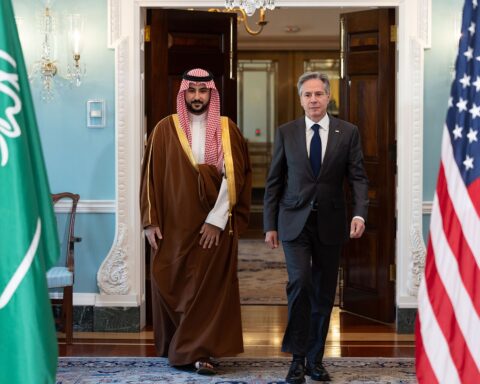
Riyadh’s position in the week before a potential American strike on Iran is defined by two facts it cannot change. The first is that Crown Prince Mohammed bin Salman made two direct appeals to Trump in September for US strikes on the Houthis — Iran’s most active proxy on Saudi territory — and both were declined, according to Axios. The second is that Saudi Arabia sent its defence minister to Tehran on October 26 for talks under the Makkah Joint Defence Agreement, and he came back without a ceasefire.
The US ordered nonessential diplomatic staff and families to depart Saudi Arabia on October 22, reported by CNBC and multiple outlets — a move that, whatever its formal justification, told Riyadh’s defence planners everything they needed to know about Washington’s assessment of what comes next. Saudi Arabia has more than 50,000 American military personnel operating from or near its territory, according to CENTCOM. Those personnel would be among the first targets if Iran retaliates against a US strike, and CNN’s officials confirmed that the Pentagon is actively assessing the possibility of Iranian retaliation against American installations across the region.
The kingdom’s diplomatic efforts — the Tehran mission, the cabinet review of the failed talks, the Makkah pact framework — are running on a timeline measured in weeks and months. The American strike clock, if it starts, runs in hours. A Saudi official willing to speak about the gap between these two timelines has not, as of October 27, been found by any major wire service or broadcaster, which is itself a data point about what Riyadh is willing to say publicly about a decision it cannot control.
Background: Eight Months of Escalation
The current conflict began on February 28, 2026, when the US and Israel launched a joint military operation against Iran. Trump announced a two-week ceasefire on April 8, conditional on Iran reopening the Strait of Hormuz. On May 7, US forces struck several military sites in southern Iran after Iranian attacks on US warships. The Islamabad Memorandum, signed June 17, established 60-day passage through Hormuz and outlined a $300 billion reconstruction framework, per Al Jazeera.
The ceasefire collapsed on July 8 after three ships were hit: CENTCOM struck more than 80 targets in southern Iran and Trump declared the ceasefire “over,” per The New Arab. The US blockade of Iranian ports began on July 14.
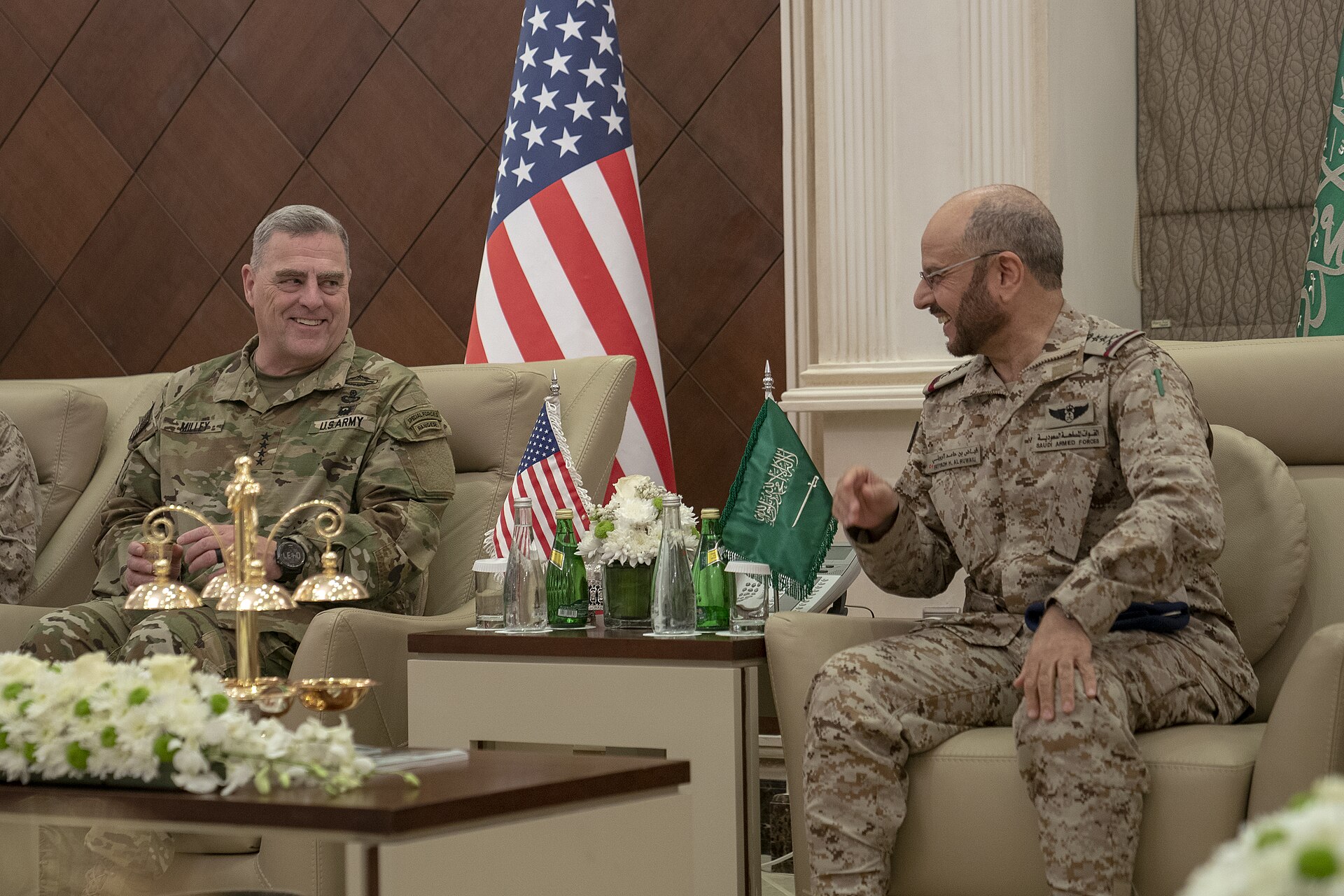
Since then, the conflict has widened rather than resolved. MbS met CENTCOM Commander Cooper in Jeddah on August 13, according to the Saudi royal court via UQN. The Houthis have escalated their own campaign against Saudi targets, and Tehran has expanded its mine-laying and tanker interdiction operations beyond the Strait of Hormuz into the Gulf of Oman.
“The Department is a planning organization, and its job is to develop and execute military options ordered by the President.”
Senior Pentagon official responding to CNN strike report, as quoted by the Daily Caller, October 26, 2026
FAQ
Has the US set a specific date for striking Iran after the midterms?
No specific post-midterm strike date has been confirmed by any US official or credible outlet as of October 27. The 96-hour readiness window reported by CNN describes how quickly forces could execute after receiving an order, not when that order would come. Trump on October 4 said the US had a decision to make on Iran and the outcome would be “either the easy way or the hard way,” per Ground News, but gave no date. The Daily Caller News Foundation first reported on October 18 that a major operation could come after the midterms, and the Times of Israel, citing the New York Times, said strikes would follow November 3 — but these are assessments, not confirmed plans.
Would a US strike on Iran involve Israel?
Joint US-Israel planning is underway, according to ABC News, which reported that Israeli Defense Forces and the US military have drawn up plans to renew joint strikes on Iran. Two Israeli sources told ABC News the decision is “only for Trump to decide.” Israel Hayom reported that Netanyahu pushed for joint action before Israel’s October 27 election but was rebuffed after the IDF chief raised concerns, though Netanyahu’s office denied this account. The February 28 operation that started the current conflict was itself a joint US-Israel operation, establishing the precedent.
What US military assets are currently in the Middle East?
CENTCOM has confirmed more than 50,000 US military personnel are deployed in the region. The specific composition — carrier strike groups, air wings, ground-based missile defence systems, and special operations forces — has not been publicly itemised for the current posture. The US blockade of Iranian ports, active since July 14, has turned around 135 ships as of October 10, according to CBS News, requiring substantial naval presence to enforce.
What would Iran’s retaliation look like?
Araghchi’s October 22 statement that “any scenario is conceivable including the possibility of an attack by the US and Israel,” and separate Iranian official warnings about American-linked infrastructure in the Gulf region, represent a declared expansion of Iran’s retaliation posture. The IRGC has already demonstrated its willingness to escalate below the threshold of direct confrontation — laying mines in Hormuz, expanding tanker interdiction into the Gulf of Oman, and maintaining proxy pressure through the Houthis. CNN’s officials confirmed the Pentagon is assessing the possibility of Iranian retaliation against American personnel and installations across the region, suggesting Washington expects any strike to trigger a response cycle.
Has Saudi Arabia publicly commented on a potential US strike?
No October 2026 Saudi government statement specifically addressing the prospect of a US military strike on Iran has been found by any major wire service or broadcaster as of October 27. Saudi Arabia’s public posture has focused on the Makkah Joint Defence Agreement framework and on diplomatic engagement — the defence minister’s Tehran visit on October 26, the cabinet’s review of failed talks on October 27. MbS’s two September appeals to Trump for US Houthi strikes, both declined per Axios, are the closest public indication of Riyadh’s private preferences, and those were about Yemen’s Houthis rather than direct action against Iran.
The House of Saud Daily Briefing
Saudi Arabia's news in 3 minutes, every morning. Free. See today's issue