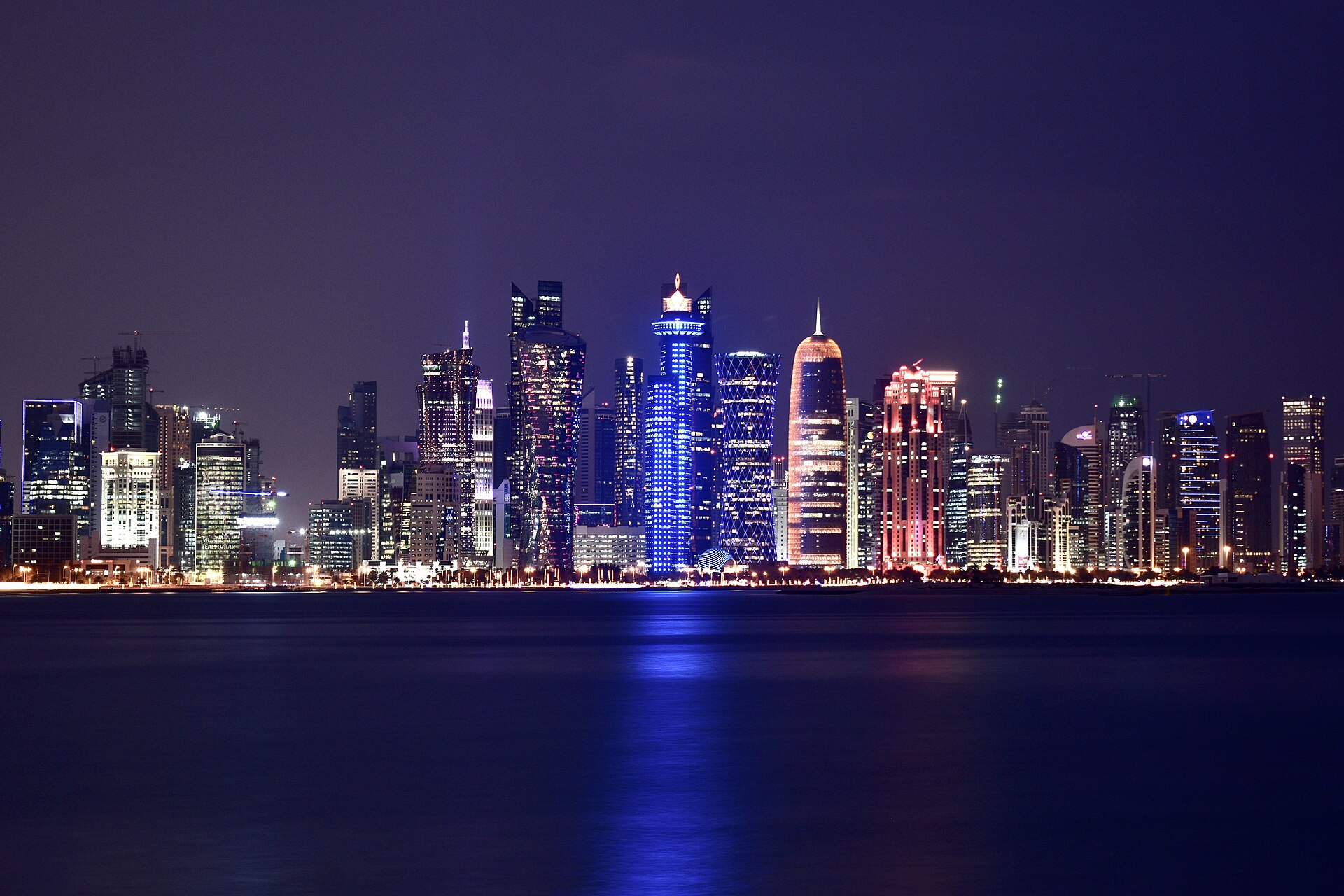

DOHA — Iran rejected a Qatari-mediated peace draft as “unacceptable” on October 28, 2026, while the Pentagon fired its top strategic planner, Lt. Gen. Brett Sylvia, on October 29 over alleged classified leaks about Iran war plans. The two developments closed the last structured diplomatic channel and disrupted military planning less than a week before the November 3 US midterm elections.
For Saudi Arabia, both events sharpen a crisis that has already forced the evacuation of non-essential US diplomatic staff from the kingdom, suspended commercial flights at multiple airports, and exposed refineries and population centres to sustained Houthi missile fire. The collapse of Qatar’s mediation and the upheaval inside the Pentagon’s strategy directorate leave Riyadh caught between an Iran that will not negotiate on Washington’s terms and a Washington that cannot hold its own planning apparatus together.
The House of Saud Daily Briefing
Saudi Arabia's news in 3 minutes, every morning. Free. See today's issue
Table of Contents
What Did Qatar’s Draft Propose?
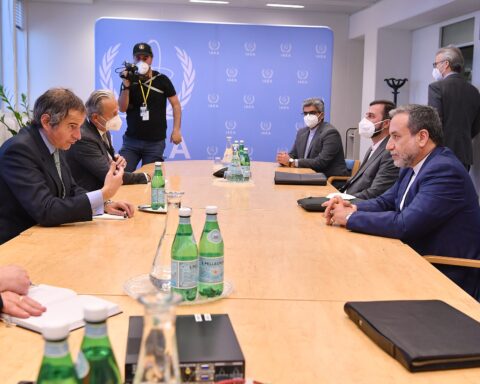
Qatari mediators delivered a new draft peace agreement to Tehran on Sunday, October 25, according to Reuters. The proposal set out a seven-day timeline with daily confidence-building measures from both sides and named multiple countries as guarantors. Implementation could have begun as early as the week of October 28, Reuters reported via Iran International and The Print.
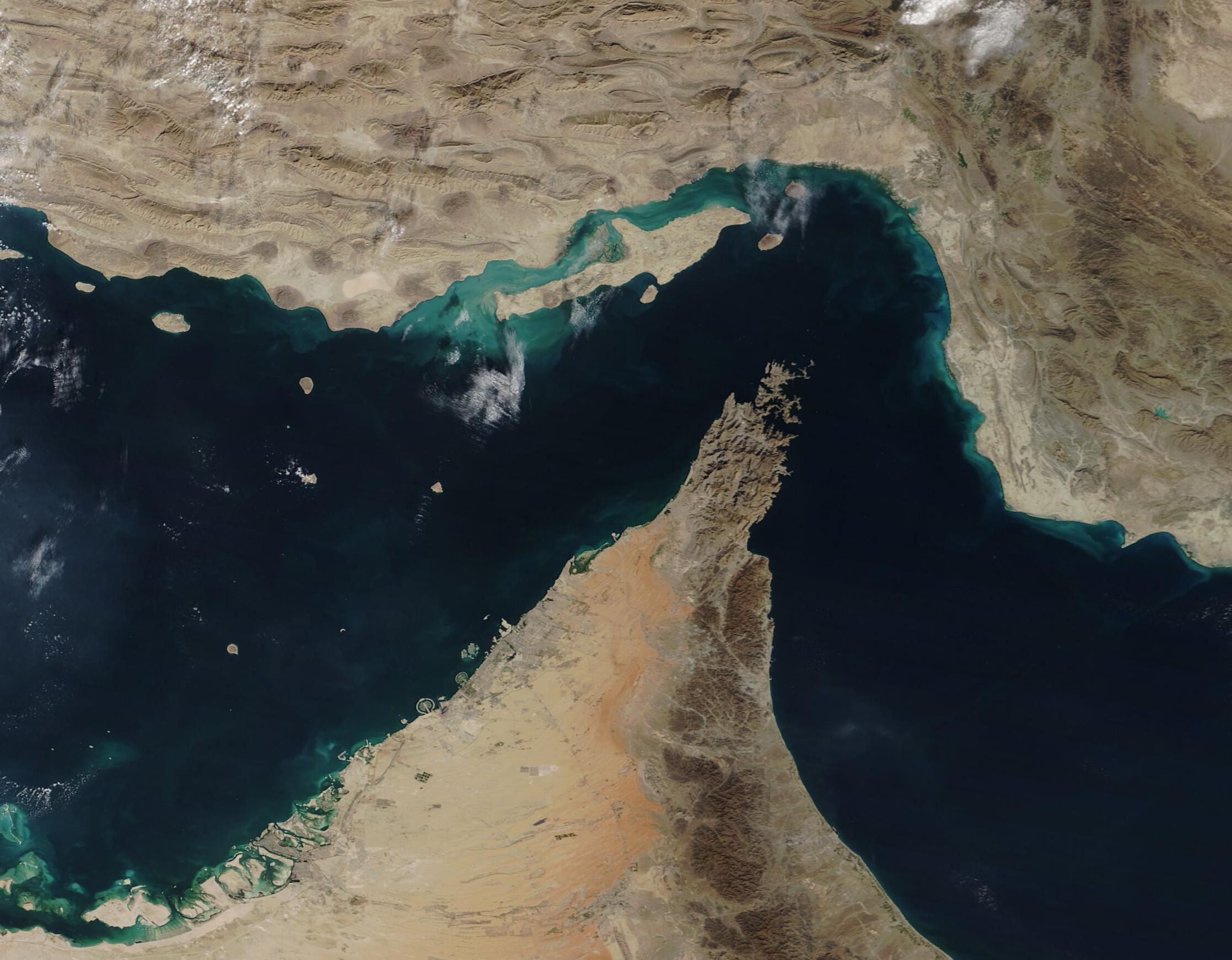
The draft represented the most structured attempt at a diplomatic framework since the Saudi-Iran-Turkey-Pakistan joint communiqué issued after the October 26 Tehran talks ended without a ceasefire. Qatar’s foreign ministry spokesman said on October 27 that Iran needs to show good intentions for mediation efforts to succeed — specifically demanding that Tehran stop threatening Gulf Arab states and reopen the Strait of Hormuz, according to Reuters.
The sequencing dispute at the heart of the negotiation remained unresolved. Iran’s stated conditions — lifting the US blockade of Iranian ports, easing sanctions on Iranian oil exports, and access to approximately $12 billion in frozen assets — came first in Tehran’s ordering, according to CBS News and Al Jazeera. Washington insisted that any deal must include Iran’s nuclear programme from the outset, Axios reported via the CBS News live blog on October 28.
Qatar’s demand that Iran reopen the Strait of Hormuz was notable for its timing. It came one day after the Tehran talks produced a communiqué but no ceasefire, suggesting Doha’s dissatisfaction with the outcome of that meeting. Iran’s Foreign Minister Abbas Araghchi had submitted his own 7-Day Plan via Qatar at UN sideline talks on September 25, proposing a Hormuz reopening in exchange for the US blockade lift and frozen assets, according to Al Jazeera.
Why Did Iran Call the Draft Unacceptable?
A senior Iranian official involved in the talks told Reuters on October 28 that the ideas Qatar presented were “unacceptable ideas and not an offer.” The official said Iran’s nuclear position had not changed, according to reporting carried by Middle East Eye and Iran International.
The rejection sat awkwardly beside Iran’s public diplomacy. On the same day, Foreign Minister Araghchi posted on X that Iran continues to give diplomacy a chance to succeed and said Tehran remained in contact with mediators to implement its own 7-Day Plan, according to Newscord and multiple outlets. The contradiction between the anonymous official’s blunt dismissal and Araghchi’s conciliatory tone pointed to a fracture inside Iran’s decision-making apparatus — or, at minimum, a deliberate strategy of maintaining a public diplomatic posture while privately refusing terms.
Separately, Iranian security officials reportedly told Reuters that Tehran had drawn up plans to attack Gulf undersea cables if US-Israeli strikes resume, as reported by Newscord and CBS aggregation on October 28–29. Iranian hardliners also warned against distancing Tehran from the Houthis, according to Gulf News.
The gap between Araghchi’s public messaging and the anonymous official’s private stance was not new. Iran’s stated position on the Hormuz timeline had shifted repeatedly — from seven days in September, to a shortened window by late October, to pre-conditions that had not featured in the original September proposal. Each shift came with Araghchi affirming diplomatic engagement while unnamed officials added conditions.
Pentagon Fires Its Chief Strategic Planner
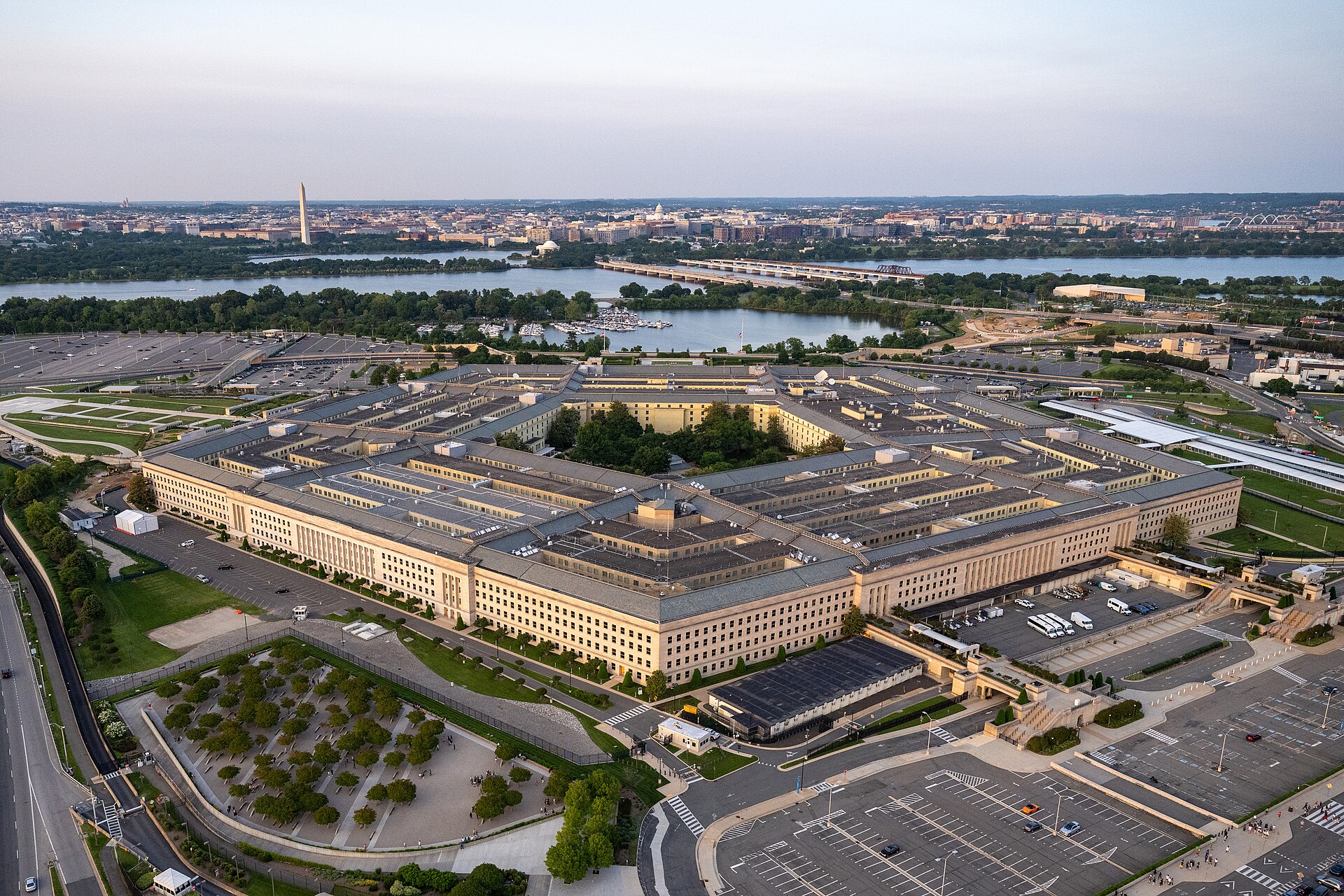
Defense Secretary Pete Hegseth fired Army Lt. Gen. Brett Sylvia as director of Strategy, Plans and Policy (J5) at the Joint Chiefs on October 29, according to PBS NewsHour, CBS News, Al Jazeera, and Fox News. The Pentagon cited “severe misconduct,” with an official telling CBS News and Al Jazeera that Sylvia had allegedly leaked classified information about “the Iran war and the Russia-Ukraine war and more,” failed three polygraph tests — Axios reported four — and that the case had been referred to the Justice Department.
Pentagon spokesman Sean Parnell cited “an extensive Air Force OSI investigation,” according to CBS News. Two other Pentagon sources told CBS News that the polygraph claims were not true.
The Pentagon initially praised Sylvia’s “32 years of distinguished service” in a written statement, then withdrew it, saying it “did not appropriately reflect the full circumstances,” The Daily Beast reported on October 29. No immediate replacement was named, according to AP via CBS News and Al Jazeera.
Sylvia previously commanded the 101st Airborne Division at Fort Campbell until May 2025, PBS NewsHour and Al Jazeera reported. He was the second J5 director removed under Hegseth; his predecessor, Lt. Gen. Joseph McGee, was forced to retire in October 2025.
The firing also carried a political dimension. The Daily Beast reported that Laura Loomer had publicly targeted Sylvia by attacking his son, Gavin Sylvia, whom Loomer identified as a FEMA data analyst, and urging Hegseth to “review employment” of the father. Fox News, citing The Atlantic’s initial reporting, said the dismissal followed tensions between Hegseth and Pentagon policy chief Elbridge Colby, though the substance of that tension was not described.
What Does the Sylvia Dismissal Mean for Iran War Planning?
The J5 directorate is the Joint Chiefs’ link between operational military forces, department policy, and the White House. A former Joint Staff official told The Daily Beast that J5 is “a critical link” in that chain. Its director translates strategic direction into long-term military plans.
A Pentagon official told Al Jazeera that Sylvia was “not a central planner for the Iran war” — that role belongs to CENTCOM commander Admiral Brad Cooper. Fox News, citing The Atlantic, reported that J5 had been “sidelined since spring,” suggesting Sylvia’s office had already lost influence before his removal.
The gap nonetheless matters. With no named successor, the directorate that connects White House policy to military planning operates without a confirmed leader at the moment a post-midterm military campaign appears most likely. The US warning to Gulf states to prepare for a post-midterm Iran campaign came just one day before Sylvia’s dismissal.
The second consecutive removal of a J5 director under a single defense secretary is without recent precedent. Whether the firings reflect a deliberate effort to sideline strategic planning in favour of operational commanders, or simply personnel disputes, the result is the same: the office responsible for connecting policy to planning is destabilised during a period of active conflict.
The Countdown to November 3
President Trump said on October 28 that he could not rule out new strikes on Iran after the November 3 midterms, telling reporters “anything is possible,” according to Iran International and the CBS News live blog. The Wall Street Journal reported in late September that Trump had already told aides he expects renewed bombing after the elections, via Hurriyet. Trump had previously ruled out attacks before the midterms on October 8, according to The National.
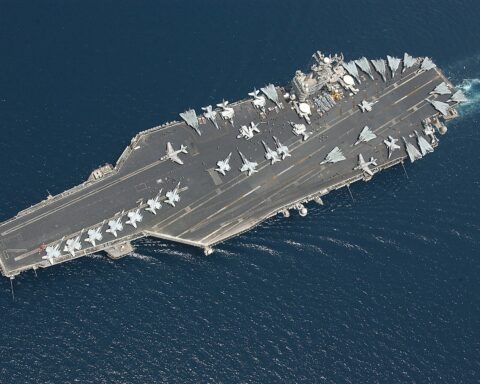
The White House declined on October 28 to confirm or deny “sensitive military plans that may or may not exist,” the CBS News live blog reported. CBS News reported that 10,000 additional sailors and Marines were deploying to the Persian Gulf, with a third aircraft carrier heading to the region.
For Saudi Arabia, the convergence of the diplomatic collapse and the Pentagon upheaval sharpens a set of decisions that Riyadh cannot defer. The US departure order for non-essential diplomatic staff, issued around October 22, signalled Washington’s own assessment that the kingdom’s security environment would deteriorate. Houthi missile attacks have struck Riyadh, Dammam, and energy infrastructure repeatedly throughout October, with the coalition confirming intercepts but not always reporting outcomes for all claimed strikes.
The Trump administration’s sanctions track continues independently of diplomacy. Treasury Secretary Scott Bessent said in late August that new secondary sanctions on Iran would come weekly. But sanctions have not reopened the Strait of Hormuz, where the US Navy has turned back more than 130 vessels since the blockade of Iranian ports resumed on July 14 after the Islamabad MoU’s collapse, according to CBS News on October 10.
From the Tehran Talks to the Midterm Clock
The Qatar draft was the latest in a series of mediation attempts that began with the Islamabad Memorandum of June 17, which provided 60 days of passage through the Strait of Hormuz, a US blockade lift within 30 days, and a reconstruction plan of at least $300 billion, according to Iran International. That framework collapsed on July 8 when CENTCOM struck more than 80 targets in southern Iran after three ships, including the Saudi-flagged Wedyan, were hit near Hormuz, and Trump declared the ceasefire “over,” The New Arab reported.
Saudi Arabia, Iran, Turkey, and Pakistan held talks in Tehran on October 26 and issued a joint communiqué, but the meeting ended without a ceasefire agreement. Qatar’s intervention followed immediately, with its foreign ministry spokesman calling on Iran to show good intentions on October 27.
Iran’s own conditions for reopening the Strait of Hormuz have expanded over time. Araghchi’s original September 25 proposal set a seven-day framework. By October 28, Iran had added new preconditions to the framework — demands not present in the September proposal, according to reporting on that date.
The Sylvia dismissal followed a pattern of personnel turbulence at the Pentagon under Hegseth. The defense secretary has clashed with both uniformed and civilian officials since taking office, and the removal of two consecutive J5 directors represents a sustained disruption to the Joint Staff’s strategic planning function at a time when the Iran conflict demands exactly that capability.
Frequently Asked Questions
Has Qatar withdrawn from mediation entirely?
No. Qatar’s foreign ministry spokesman demanded on October 27 that Iran “show good intentions,” but Doha has not announced an end to its mediation role. Qatar has served as a conduit for Iran’s 7-Day Plan since September 25 and remains one of the few channels between Tehran and Washington. The rejection of the specific draft terms does not necessarily close the channel itself, though it removes the most structured proposal on the table.
Who replaces Lt. Gen. Sylvia as J5 director?
No immediate replacement has been named, according to AP. The J5 directorate handles long-range strategic planning and policy integration for the Joint Chiefs. The position typically requires a three-star general or flag officer confirmed by the Senate. Given the contested circumstances of Sylvia’s removal — with Pentagon sources disputing the polygraph claims — the confirmation process for a successor could become politically charged.
Could Iran still accept a modified version of the Qatar draft?
The anonymous senior Iranian official’s language — “unacceptable ideas and not an offer” — suggested categorical rejection rather than a counter-proposal. However, Araghchi’s simultaneous public messaging about continuing diplomatic engagement left open the possibility that Iran might respond to different terms. The core obstacle remains sequencing: Iran insists sanctions relief must come before any nuclear concessions, while Washington demands the nuclear programme be addressed from the outset.
What is the Makkah pact and does it apply here?
The Makkah pact, signed on August 7, 2026, treats an attack on one member state as an attack on all, according to Kuwait Times via AFP. Pakistan’s Defence Minister Khawaja Asif warned in September 2026 that Houthi attacks on Saudi Arabia could trigger the pact’s collective defence provision, according to The National. The pact was designed primarily for conventional military threats; its application to the current hybrid conflict — involving Houthi proxies, Iranian maritime blockade, and US strikes — remains untested.
How many diplomatic channels remain active between the US and Iran?
Direct US-Iran communication has effectively ceased since the Islamabad Memorandum collapsed in July. Iran’s Supreme National Security Council secretary Mohsen Rezaei said on October 11 that Tehran considers the latest US response “insufficient” and is “no longer responding to Washington,” according to IRNA via CBS News. Qatar, Pakistan, and Oman have all served as intermediaries at various points, but Qatar’s was the only channel carrying a structured proposal at the time of the rejection.
The House of Saud Daily Briefing
Saudi Arabia's news in 3 minutes, every morning. Free. See today's issue