RIYADH — Israel’s October 27 election produced no majority for either Benjamin Netanyahu or challenger Gadi Eisenkot, splitting the 120-seat Knesset 53 to 48 between their blocs — with Arab parties holding a record 19 seats — and leaving the country with no clear path to a government before the United States holds midterm elections on November 3.
The deadlock means Netanyahu is expected to remain as caretaker prime minister during what could be months of coalition talks, and a senior Israeli diplomatic official said on October 28 that an attack on Iran “will not depend on the formation of a new Israeli government,” Israel Hayom reported. For Saudi Arabia, which on the same day that Israelis voted saw its Tehran ceasefire talks end without agreement, the election result narrows nothing. Both the man who may stay in power and the man who would replace him have committed to striking Iran’s nuclear program — and a fragile absence of direct fire between Israel and Iran that has held since approximately April 8 now faces its most dangerous test.
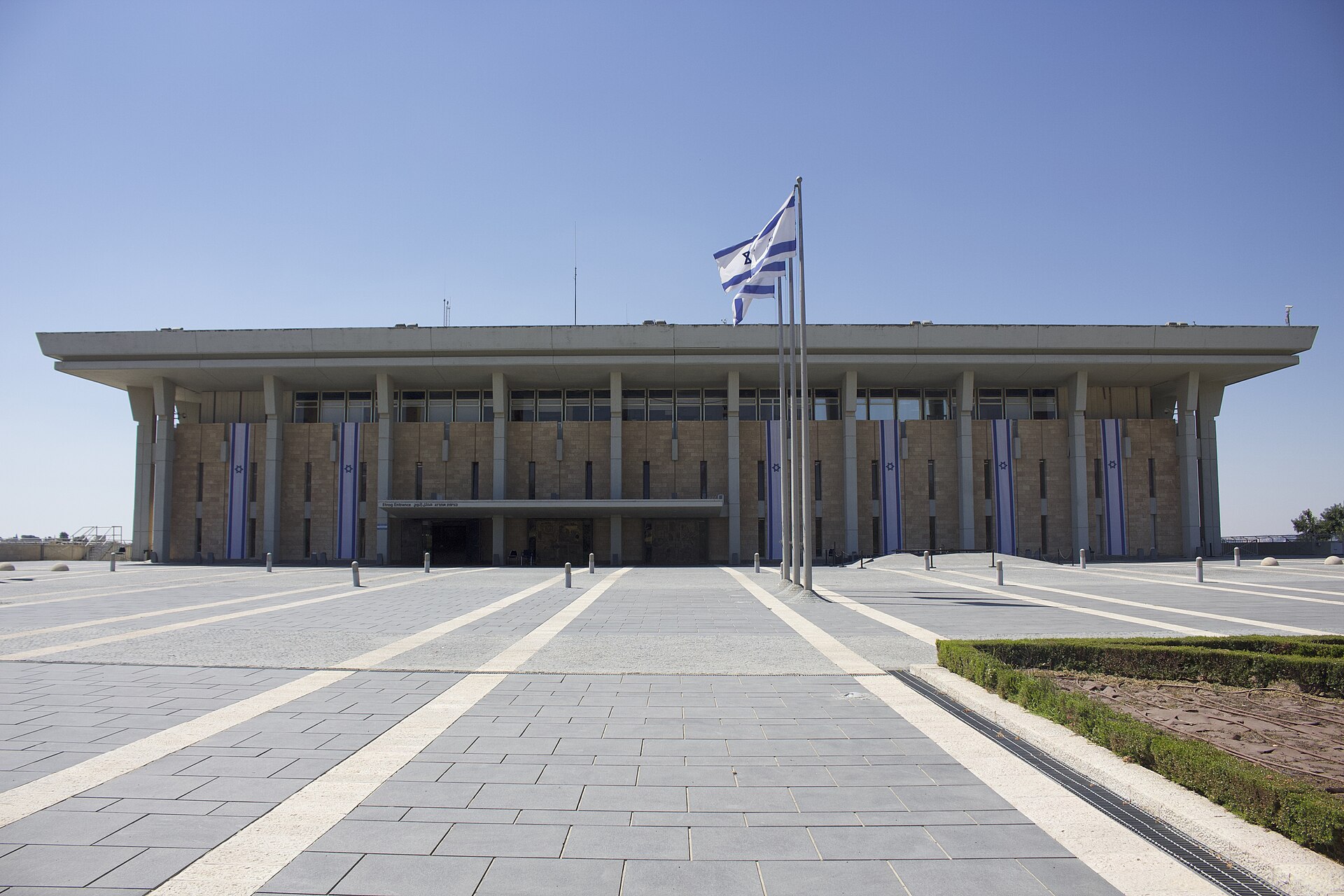
Table of Contents
The Seat Count and the Blocked Paths to 61
With more than 97 percent of votes counted, Netanyahu’s right-religious bloc holds 53 seats: Likud with 27 — down 5 from the 32 it won in 2022 — alongside United Torah Judaism at 7, Otzma Yehudit at 7, Shas at 6, and Religious Zionist Party–Zehut at 6, the Jerusalem Post reported on October 29.
The House of Saud Daily Briefing
Saudi Arabia's news in 3 minutes, every morning. Free. See today's issue
Eisenkot’s center-left bloc holds 48: his first-time Yashar party won 21 seats in its debut election, alongside Together (Beyachad) at 12, the Democrats at 8, and Yisrael Beiteinu at 7. Early exit polls briefly showed Eisenkot’s bloc ahead at 53-50, Kan 11 polling showed on October 27 per Israel Hayom, before the count reversed as results came in from right-leaning districts.
The Arab parties — the Joint List with 11 seats and Ra’am with 8 — reached a combined 19, a record high, Al Jazeera reported. Neither Netanyahu nor Eisenkot can reach the 61-seat majority threshold without either Arab party support or a unity deal with each other. Eisenkot has ruled out both options, Al Jazeera and the Jerusalem Post reported.
Netanyahu, speaking to supporters on election night, made no mention of compromise. He cited what he called “a singular historical opportunity” with President Trump to “remove the existential threat of Iran once and for all,” Iran International reported on October 28.
President Isaac Herzog urged all sides to avoid a repeat election. “We need to do everything, certainly after yesterday, so as not to hold another election,” he said, according to Iran International. Herzog must begin consulting party leaders the week after official results are certified, which is expected on November 4. The 26th Knesset is scheduled to be sworn in on November 10.
Can a Caretaker Government Launch a War on Iran?
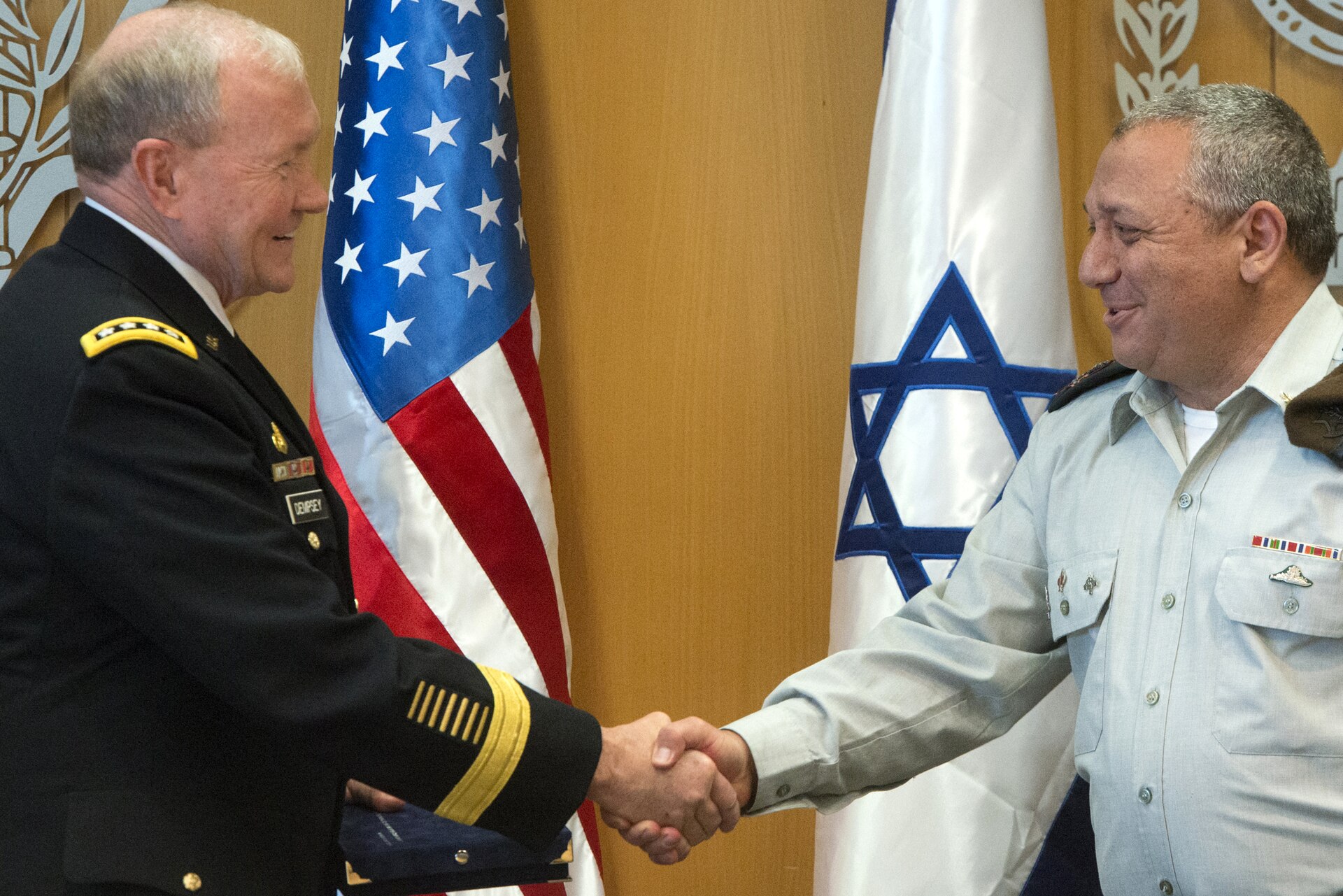
Under Israeli law, a caretaker government retains the same formal powers as a regular government, including in national security matters. Guy Lurie of the Israel Democracy Institute told GV Wire on October 28 that a caretaker prime minister holds “significant powers, including when it comes to waging war on Iran,” though the role carries what Israeli jurisprudence calls a “duty of restraint” in non-urgent areas.
Security and intelligence officials who spoke to the Irish Times for an October 29 analysis were more direct. Danny Citrinowicz, a former Iran analyst in Israeli military intelligence, said Netanyahu “has no legal constraints” as caretaker and that “the army commanders cannot say no.” Yaakov Amidror, a former national security adviser and Netanyahu confidant, said: “I don’t see there would be any problem of legitimacy” in ordering military action from a caretaker position. Amidror added that he doubted Eisenkot would oppose a strike if fully briefed on the intelligence.
The practical question is not whether Netanyahu can act but whether he already tried. The Irish Times and Iran International reported that Netanyahu had ordered the Israel Defense Forces to prepare a multi-day bombing campaign for the weekend of October 10. It did not proceed because Trump did not approve it. Trump said publicly on October 8 that the United States “will not be attacking Iran at any time prior to the midterm elections” on November 3.
A source familiar with Israeli war planning told the Irish Times that the planned operation would last approximately three days and target nuclear facilities, regime assets, and civilian infrastructure including power plants. The source described the atmosphere inside Israel’s security establishment: “We’ve crossed a Rubicon.”
Michael Milshtein, a former Israeli intelligence officer, told the Irish Times he expects Netanyahu to weigh military steps against Iran within weeks, possibly acting in coordination with the United States. Citrinowicz predicted another escalation unless regional mediation produces a breakthrough.
Eisenkot’s Iran Position: More Hawkish, Not Less
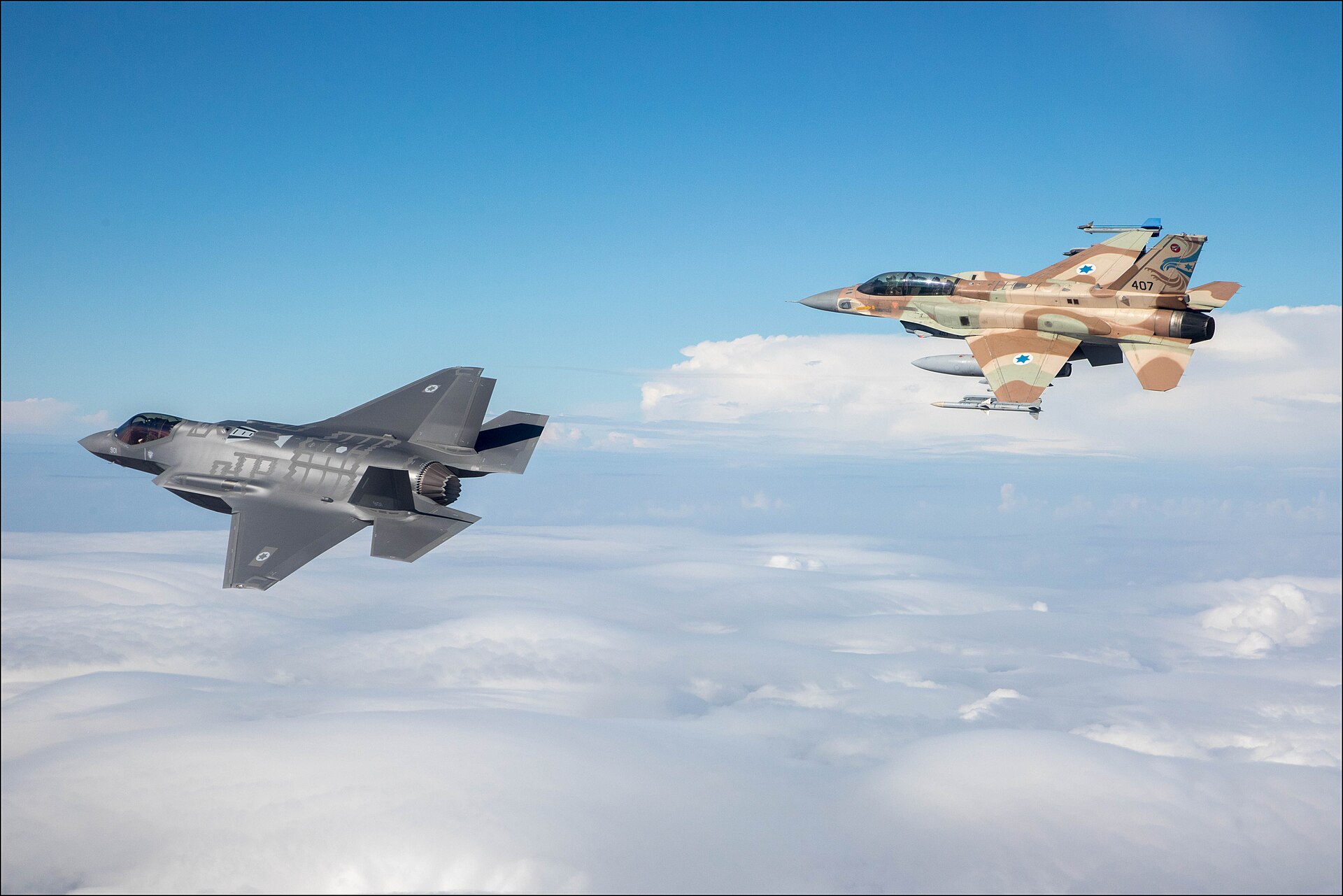
The assumption that an Eisenkot government would give Saudi Arabia breathing room on the Iran file does not survive scrutiny of his platform. Yashar backs US-led joint strikes on Iran’s nuclear program, opposes regime change, and proposes what Eisenkot calls a “Middle Eastern NATO” regional security alliance, CNN reported on October 24.
Al Jazeera’s October 19 analysis described Eisenkot’s Iran stance as “even more hawkish than Netanyahu’s” — specifically on targeting nuclear facilities rather than pursuing broader regime-change objectives. The distinction matters for Saudi Arabia: a narrower strike focused on nuclear sites could still provoke Iranian retaliation against Gulf states without achieving the regime collapse that would end Tehran’s regional proxy operations.
Eisenkot, a former IDF chief of staff, publicly challenged Netanyahu’s motives on election night. “Netanyahu, do not dare use Israel’s security for your political needs,” he said, according to Iran International. The warning was not against striking Iran. It was against timing a strike to serve Netanyahu’s coalition arithmetic rather than operational logic.
“Netanyahu will likely push the military to strike Iran again, especially if Trump follows through on threats after the U.S. midterms.” — Eric Lob, Carnegie Endowment
Eric Lob of the Carnegie Endowment wrote in an October analysis that an Eisenkot-led government “would not rule out strikes” either. His conclusion: “resumed confrontation between Israel and Iran remains a real possibility” regardless of which man forms a government. Frederic Wehrey, also of Carnegie, wrote that “the election cannot reverse the strategic shifts from the Iran war, including a more confrontational Tehran and a perceived unreliable America.”
What Does the Deadlock Mean for Saudi-Israeli Normalization?
Saudi Arabia’s position on normalization with Israel has not changed: Palestinian statehood remains a precondition. The election result makes movement on that condition less likely under either potential prime minister. Eisenkot’s Yashar platform explicitly opposes Palestinian statehood, as CNN and the Jerusalem Post reported — the same position Netanyahu has held throughout his tenure.
Andrew Leber, a nonresident scholar at the Carnegie Endowment, wrote on October 26 that the election result “makes Saudi-Israeli normalization less likely” because “there is no hope of an Israeli government offering concessions up-front.”
Polling by Leber and Zaha Hassan, also of Carnegie, found that Saudi public support for normalization with Israel has never exceeded 12 percent and fell further after October 7, 2023. They argued that Saudi Arabia should lobby Washington for “tangible, timebound, and irreversible” steps toward Palestinian statehood before a post-midterms Congress potentially constrains Trump’s flexibility on the issue.
The Saudi government has reinforced its distance from Israel on the military front. Saudi Arabia rejected an Israeli bid to join the campaign against the Houthis, Anadolu Agency reported. A Saudi official told Kan, Israel’s public broadcaster: “Israeli aid against the Houthis will not advance normalization,” i24NEWS reported.
Trump complicated this position on October 16 when he said Israel had been helping Saudi Arabia against the Houthis and that normalization was “closer than ever,” The Media Line reported. Riyadh made no public response to either claim.
Sanam Vakil of Chatham House told Semafor on October 26 that a Netanyahu continuation keeps the Abraham Accords institutional track intact but that normalization remains “out of reach without a credible path to Palestinian statehood.” A new government under Eisenkot, she said, could “create some diplomatic space” — though his rejection of Palestinian statehood limits what that space could produce.
Sarah Yerkes of Carnegie noted a structural problem: “Trump has only worked with Netanyahu,” and a potentially more critical post-midterms Congress could make any incoming Israeli prime minister’s task in Washington harder.
The Tehran Failure and the Post-Midterm Window
On October 27 — the same day Israelis went to the polls — Saudi Arabia, Iran, Turkey, and Pakistan issued a joint communiqué from Tehran that ended without the ceasefire Saudi Arabia had sought. The diplomatic effort that began with Pakistan’s Field Marshal Asim Munir carrying a Trump-backed proposal to Tehran produced a four-party statement but no binding commitment to halt hostilities.
The convergence of the two events — an inconclusive Israeli election and a failed ceasefire effort — leaves Saudi Arabia facing the post-midterm period with neither a functioning Israeli government to negotiate with nor an Iranian commitment to de-escalate.
The United States has warned Gulf states to prepare for a post-midterm Iran campaign. Trump said on October 8 that no US attack would come before the November 3 midterms. Yoni Ben Menachem, writing in the Eurasia Review on October 23, identified the roughly 60-day period between the midterms on November 3 and the seating of a new Congress on January 3, 2027 as the most likely window for US-Israeli military action against Iran.
Iran has stated preconditions that the United States has shown no willingness to accept. The Strait of Hormuz, which the IRGC declared closed on October 26, remains a live pressure point. Iran’s Foreign Ministry spokesman Esmaeil Baqaei said before the vote that the outcome of Israel’s election “makes no difference” to Tehran, Al Arabiya reported on October 26 — a position consistent with Iran’s stated readiness for “further fighting” regardless of election outcomes, as the Jerusalem Post reported on October 29 citing The Telegraph.
For Saudi Arabia, the result means the post-midterm clock — which Crown Prince Mohammed bin Salman has no mechanism to pause — will start with an Israeli leader who has already ordered an Iran strike plan and a challenger who has pledged to authorize one.
Background
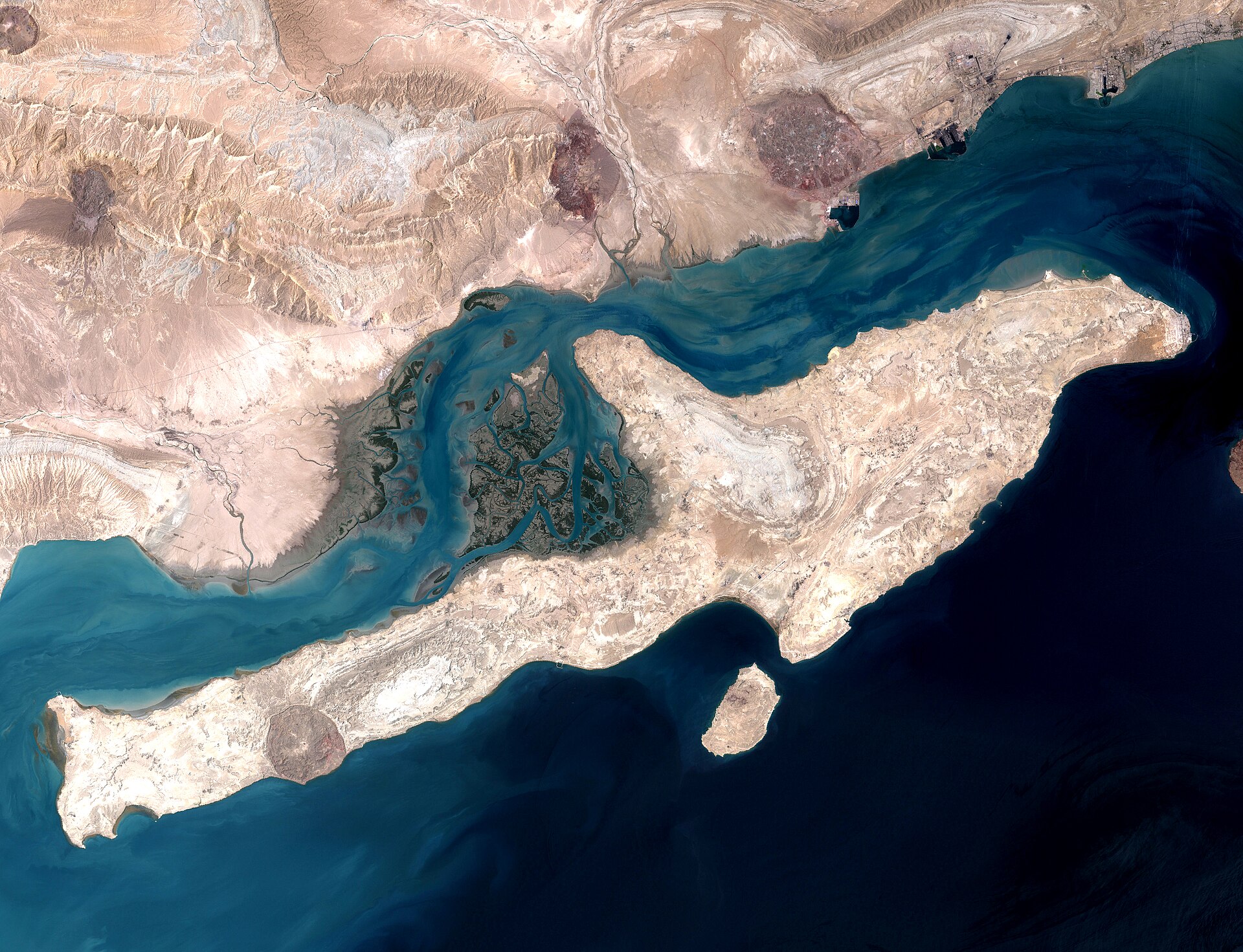
The US-Israeli strikes on Iran began on February 28, 2026, resulting in the death of Supreme Leader Ali Khamenei. Mojtaba Khamenei became Iran’s Supreme Leader on March 8, 2026. A fragile cessation of direct fire between Israel and Iran has held since approximately April 8, the Irish Times reported, though proxy conflicts involving the Houthis and other Iranian-backed groups have intensified across the Gulf.
Crown Prince Mohammed bin Salman made two separate appeals to Trump in September 2026 for US strikes against the Houthis, both of which were declined, Axios reported. Saudi Arabia subsequently asked the UN Security Council to act on the Houthi threat.
Israel’s 25th Knesset was dissolved on July 17, 2026, triggering the election cycle that concluded October 27. Voter turnout in the 2026 election reached 77.7 percent, up 7.07 percentage points from 2022.
Frequently Asked Questions
How did Iran respond to the Israeli election?
Iran targeted both the Israeli election and the US midterms with cyber operations designed to infiltrate electoral processes and hack voting systems, hoping political divisions would constrain both governments’ capacity to act militarily, the Jerusalem Post reported on October 29 citing The Telegraph. Al Jazeera reported on October 27 that ordinary Iranians were “bracing for renewed attacks” after both elections conclude. Before the vote, Iran’s Foreign Ministry spokesman Esmaeil Baqaei had said the outcome “makes no difference” to Tehran, Al Arabiya reported on October 26.
What happened to the Israeli shekel after the election?
The shekel fell approximately 2 percent against the dollar after the deadlock became clear, CNBC reported on October 28. The decline reflected market uncertainty over the length of coalition negotiations and the unresolved security situation with Iran.
When will official results be confirmed, and how long could government formation take?
Israel’s Central Elections Committee is expected to confirm official results on November 4. President Herzog must then begin consulting party leaders about who should attempt to form a government. The 26th Knesset is scheduled to be sworn in on November 10. After the 2022 election, Netanyahu took 58 days to form a government, CNN reported. No analyst quoted in coverage of the 2026 result offered a specific timeline for the current deadlock, which may require multiple rounds of negotiation or a second election.
Has Saudi Arabia commented on the Israeli election?
No. As of October 29, no formal statement from the Saudi Ministry of Foreign Affairs, the Royal Court, or Crown Prince Mohammed bin Salman has addressed the Israeli election result. Saudi Arabia also did not issue a separate statement blaming Iran after the joint October 8 airport attack condemnation — Riyadh was at that point preparing for the Tehran talks.
Did Turkey take any relevant diplomatic steps around the election?
Turkey’s parliamentary Foreign Affairs Committee approved the Makkah pact ratification bill on October 27, the same day as both the Israeli election and the Tehran communiqué, TRT World reported. A full assembly vote is still pending. The pact involves security cooperation arrangements that bear on the broader Saudi-Iranian confrontation, but Turkey’s ratification process remains incomplete.
The House of Saud Daily Briefing
Saudi Arabia's news in 3 minutes, every morning. Free. See today's issue